Shotgun Ammo Deals
The cheapest in-stock 12 gauge, 20 gauge and .410 shells, ranked by cost per round and refreshed daily. Set an alert and we will email you when a price drops.
2,601 in stock prices compared and updated daily
Biggest price drops on Shotgun Ammo
Measured against each product's own price over the last 30 days, at or near its 30-day low.
 30-day low · 25% below typical
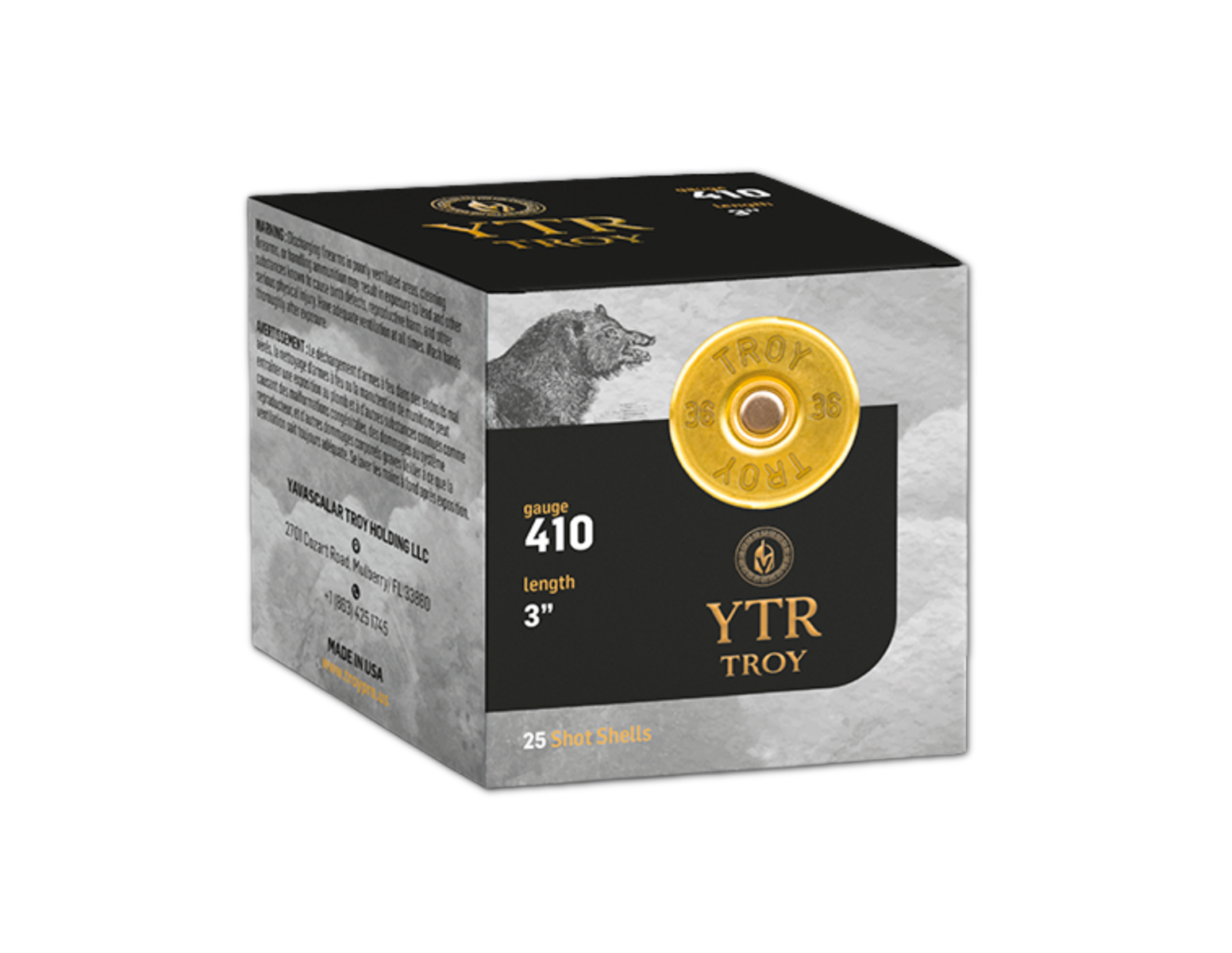
Troy YBR .410 Gauge 3" #6 Lead Shot 5/8 oz, 25rds - YBR4103586
$0.480/rd
$11.99 · 25 rds
 30-day low · 22% below typical
Remington Nitro-Steel High Velocity 20 GA #4-Shot 25-Rounds 3
$0.892/rd
$22.30 · 25 rds
 30-day low · 20% below typical
Fiocchi Field Dynamics 12 GA #7-Shot 25-Rounds 2.75
$0.467/rd
$11.68 · 25 rds
 30-day low · 20% below typical
Sellier & Bellot 2.75" 20 Gauge Ammo 2, 25/box - SB20BSA
$0.800/rd
$19.99 · 25 rds
 30-day low · 20% below typical
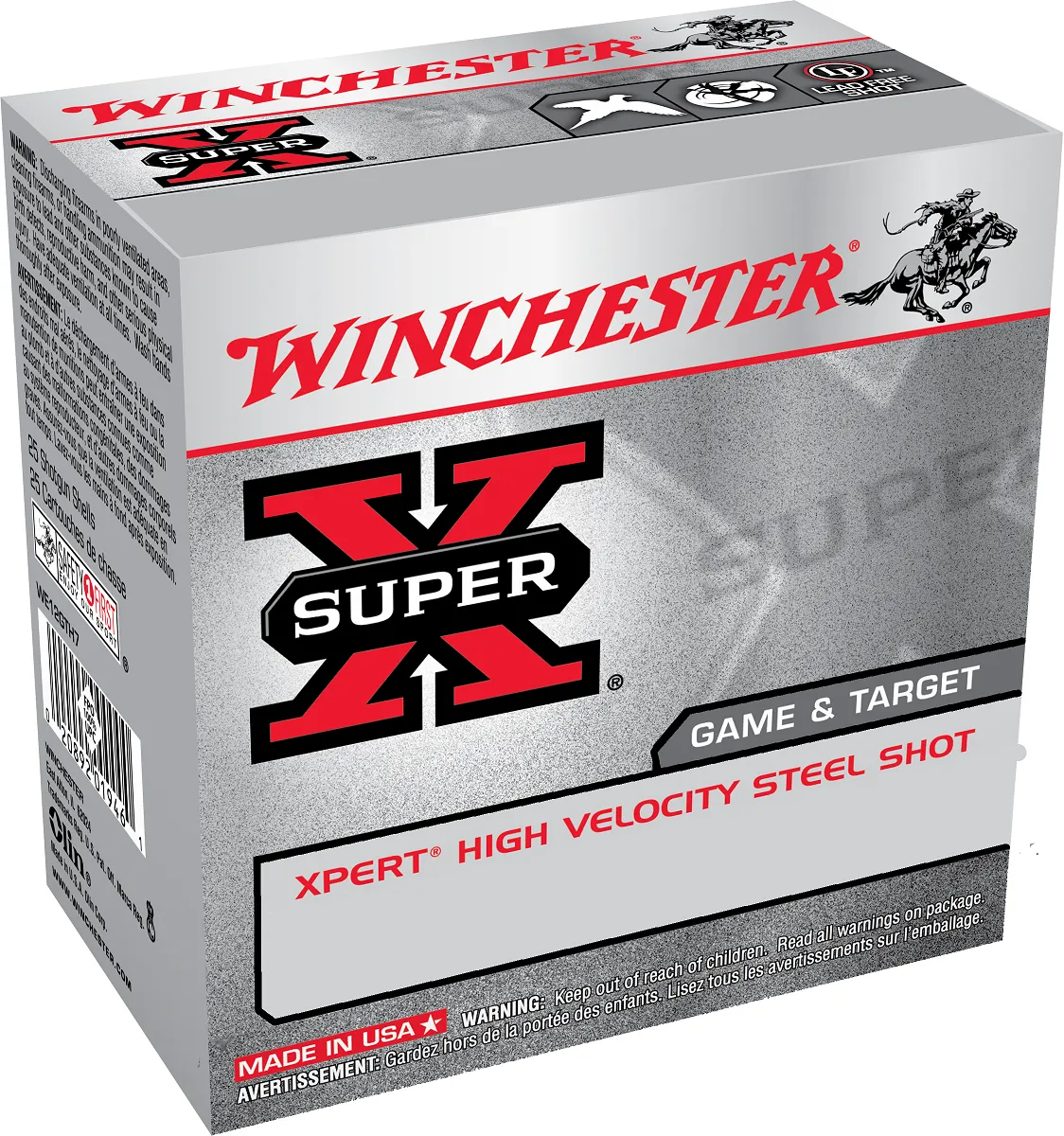
12 Gauge - 2-3/4" 1oz. #6.5 Steel Shot - Winchester Xpert Game & Target - 25 Rounds
$0.405/rd
$10.12 · 25 rds
 30-day low · 17% below typical
Federal Wing-Shok Upland Load 20 GA 3 1-1/4 oz #6 Copper Plated Lead Shot 25Rds
$1.16/rd
$28.97 · 25 rds
 30-day low · 13% below typical
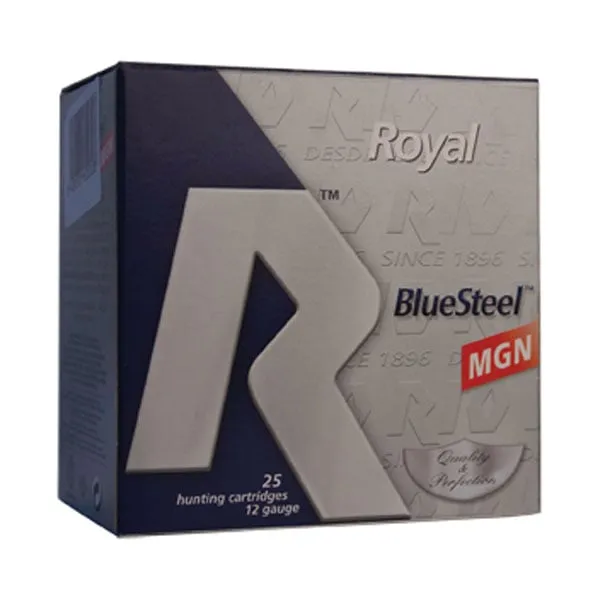
RIO Ammunition ROYAL BLUESTEEL MAGNUM 12GA 3-INCH 1-1/8OZ #4 SHOT MAXDR 25 ROUNDS PER BOX
$0.660/rd
$16.50 · 25 rds
12 Gauge Ammo
From $0.373/rd · typical $0.817/rd · 1,661 in stock
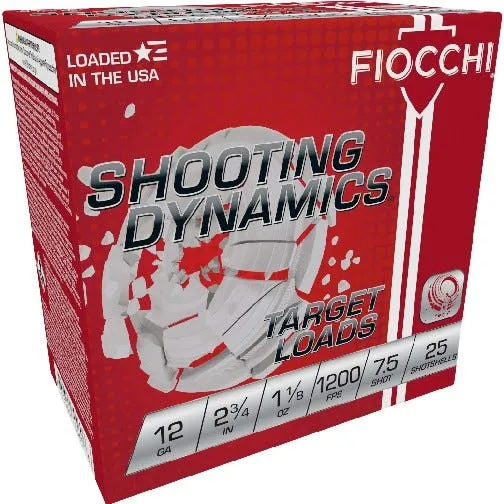 Fiocchi Shotgun Ammunition 12 GA-2.75 #7.5 Shot 1-1/8 oz 250-Rounds
$0.373/rd
$93.19 · 250 rds
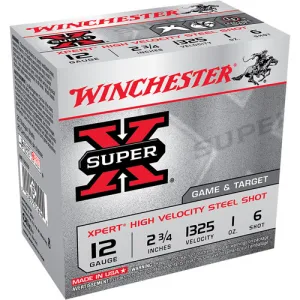 Winchester WE12GTVP6 XPERT Vp 1oz STL 100rds
$0.375/rd
$37.49 · 100 rds
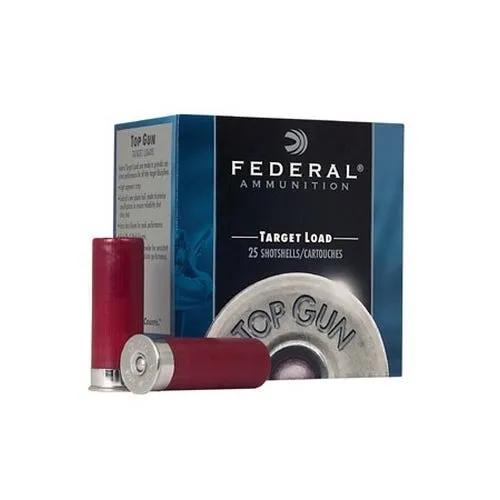 12 ga - 2-3/4" Lead Shot Target Load - 1 1/8 oz - #8 shot - Federal Top Gun - 25 Rounds
$0.376/rd
$9.39 · 25 rds
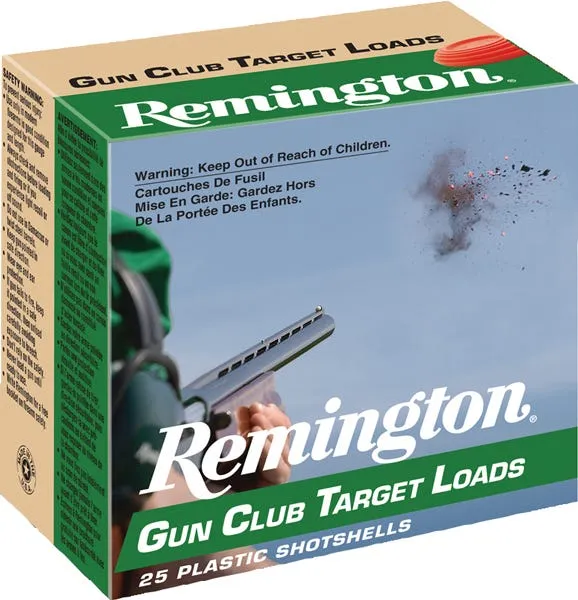 12 Gauge - 2-3/4” 1-1/8 oz. #8 Shot - Remington - 250 Rounds
$0.376/rd
$94.00 · 250 rds
20 Gauge Ammo
From $0.368/rd · typical $0.812/rd · 485 in stock
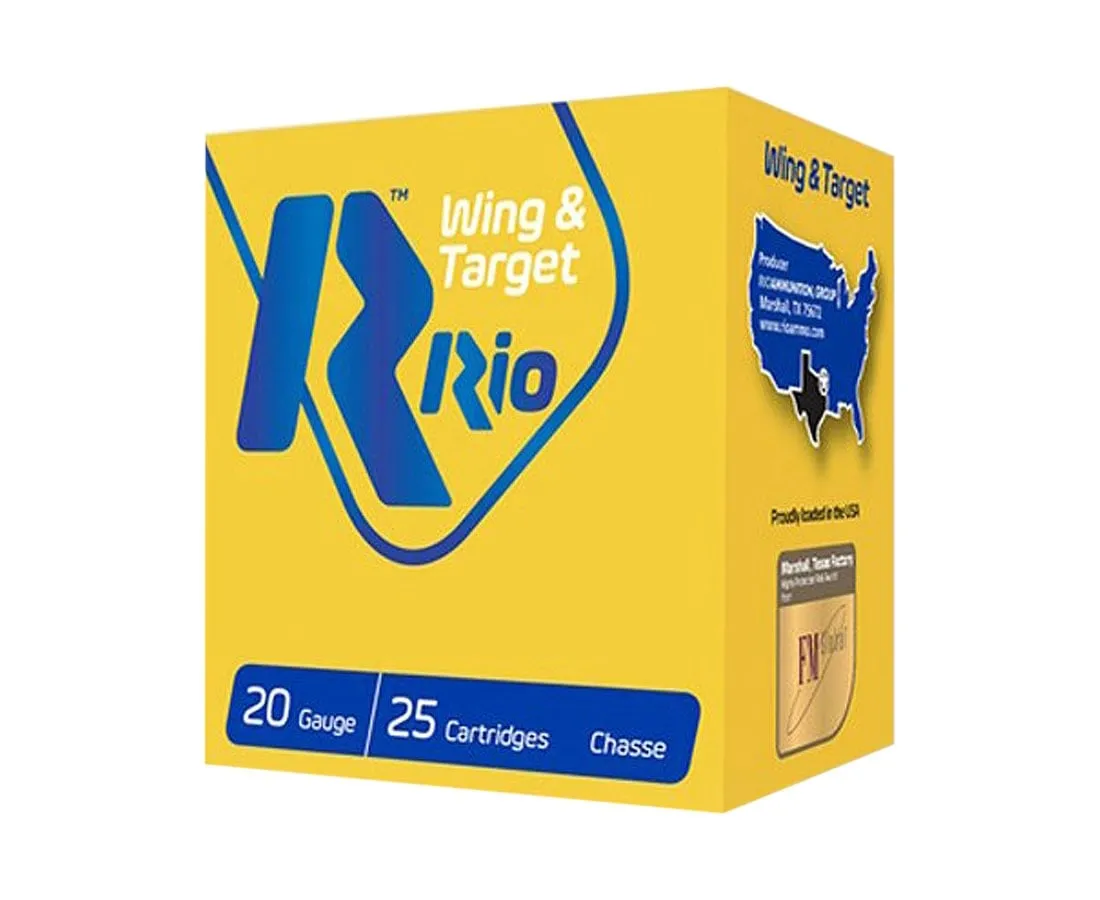 Rio Wing & Target Shotgun Shells 20G 2.75inch 7/8oz 1250fps #7.5Shot 25Rd/bx
$0.368/rd
$9.19 · 25 rds
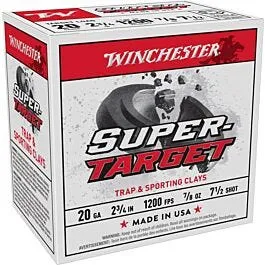 20 Gauge - 2-3/4" 7/8oz. #7.5 Shot - Winchester Super Target - 250 Rounds
$0.368/rd
$92.00 · 250 rds
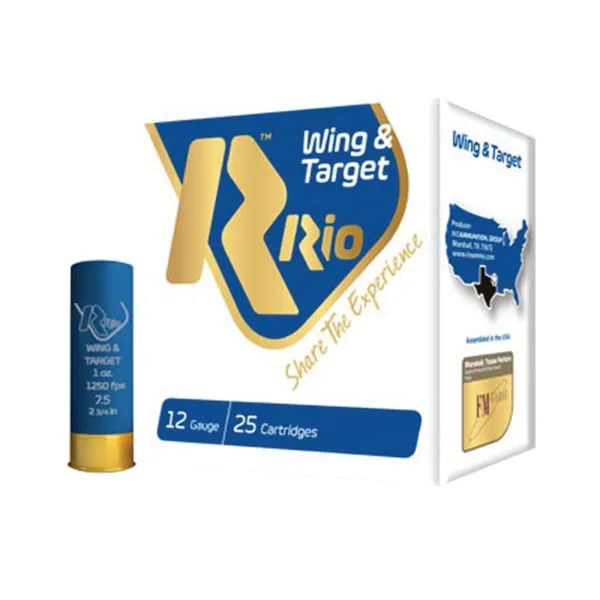 RIO Ammunition WING & TARGET 20GA 2-3/4INCH 7/8OZ #8 SHOT 25 ROUNDS PER BOX
$0.368/rd
$9.19 · 25 rds
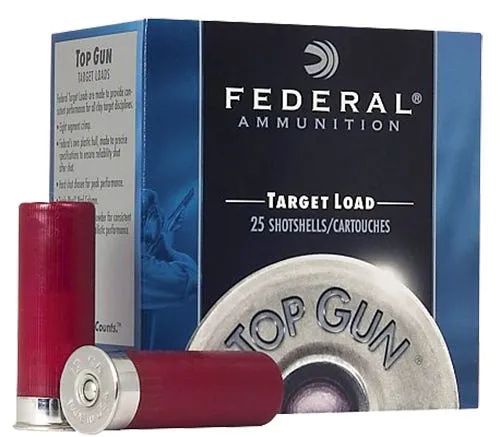 20 Gauge - 2-3/4" 7/8 oz. #9 Lead Shot - Federal Top Gun - 25 Rounds
$0.372/rd
$9.29 · 25 rds
.410 Bore Ammo
From $0.480/rd · typical $0.800/rd · 189 in stock
30-day low · 25% below typical
Troy YBR .410 Gauge 3" #6 Lead Shot 5/8 oz, 25rds - YBR4103586
$0.480/rd
$11.99 · 25 rds
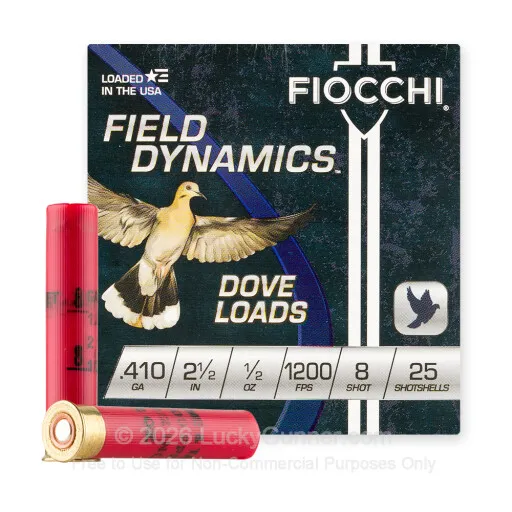 410 Bore - 2-1/2" 1/2oz. #8 Shot - Fiocchi - 250 Rounds
$0.540/rd
$135.00 · 250 rds
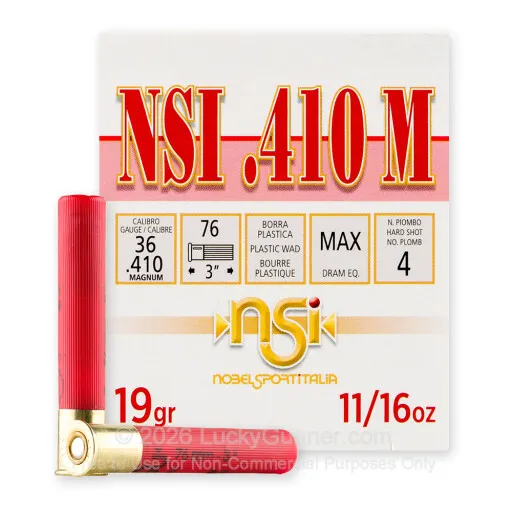 410 Bore - 3" - 11/16 oz - #4 Hard Shot - Nobel Sport - 250 Rounds
$0.540/rd
$135.00 · 250 rds
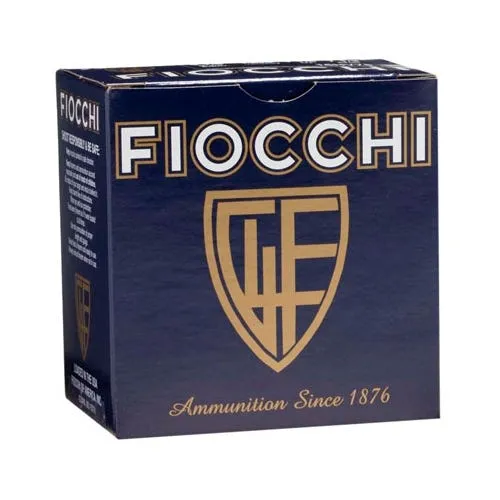 410 ga - 2-1/2" #8 Target - Fiocchi - 25 Rounds
$0.552/rd
$13.79 · 25 rds
How to Shop for Shotgun Ammo
Shotgun shells vary more than almost any other ammo. The same 12 gauge can shoot light target loads, heavy waterfowl loads, buckshot or slugs, and each one does a different job. Every row on this page is sorted by cost per round, so you can compare a 25-round box with a case on equal terms. Pick the gauge, check your chamber length, and then choose the load.
Gauges Compared
12 Gauge
12 gauge is the most popular gauge and has the widest range of loads, from light clay loads to magnum turkey and waterfowl shells. It is also usually the least expensive per shell for target shooting because it is made in such large volumes.
20 Gauge
20 gauge has less recoil and lighter guns, which makes it a favorite for upland birds, youth shooters and anyone sensitive to recoil. It handles most of the same jobs as 12 gauge with a smaller payload.
.410 Bore
.410 is the smallest common shotshell. It is used for small game, pest control and some defensive revolvers and shotguns. It is made in smaller volumes, so it often costs more per shell than 12 or 20 gauge.
Shell Types Compared
Target Loads and Birdshot
Small lead shot in light loads is the standard for trap, skeet, sporting clays and small birds. These are the least expensive shells and the ones most worth buying by the case.
Waterfowl and Turkey Loads
Waterfowl hunting requires non-toxic shot such as steel, bismuth or tungsten. Turkey loads use dense shot for tight patterns at longer range. Tungsten and other premium shot materials cost the most.
Buckshot and Slugs
Buckshot uses large pellets for deer and home defense. Slugs fire a single projectile for deer in shotgun-only areas. Rifled slugs suit smooth-bore barrels, while sabot slugs are made for rifled barrels. Pattern or group your load in your own gun before you depend on it.
What Drives Shotgun Ammo Prices
- Shot material. Lead is the least expensive. Steel, bismuth and tungsten cost more, with tungsten at the top.
- Payload and shell length. Heavier payloads and 3-inch or 3.5-inch magnum shells use more material.
- Load type. Target loads cost the least, buckshot and slugs cost more, and specialty hunting loads cost the most.
- Quantity and season. Cases lower the cost per shell, and hunting loads often move up ahead of the season.
How to Tell If a Price Is a Good Deal
We track the price of every product at every retailer we list, every day. Open any product to see its price history and tell whether today's cost per shell is low for that load or about normal. The Biggest price drops row shows loads whose price has fallen the most against their own history. Compare the same shot size, payload and shell length when comparing prices, check shipping since shotshells are heavy, and set a price-drop alert on the loads you shoot most. Looking for a new gun to go with them? Browse shotguns.