Reloading Deals
Compare prices on bullets, brass, primers, powder, dies and presses, updated daily. Check price history and set an alert to hear when a price drops.
8,798 in stock prices compared and updated daily
Biggest price drops
Measured against each product's own price over the last 30 days, at or near its 30-day low.
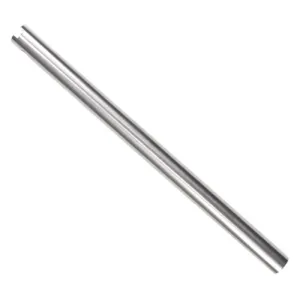 30-day low · 59% below typical
Knight Rifle s M900134 Combo Tool
$12.99
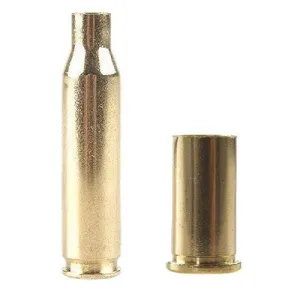 30-day low · 47% below typical
Winchester WSC40SWU Unprimed Case .40SW 100/BG
$16.26
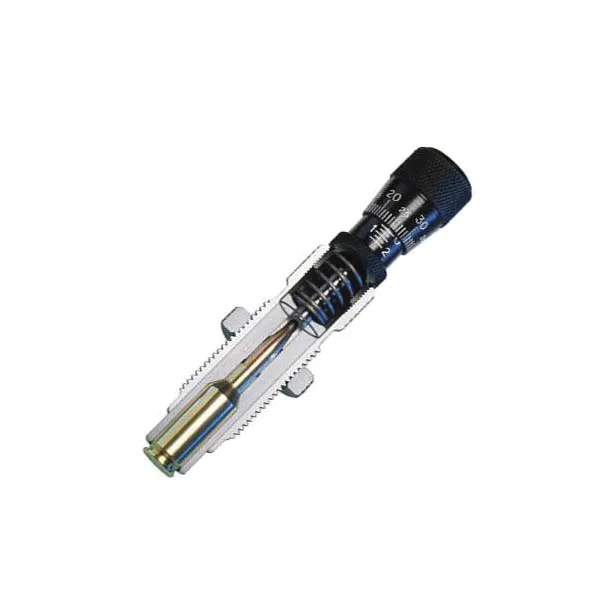 30-day low · 42% below typical
Redding Reloading Competition Rifle Seating Die .24 Nosler
$113.99
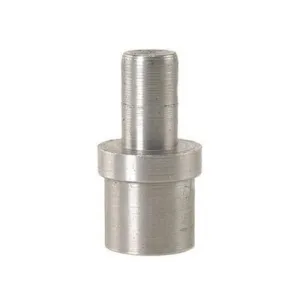 30-day low · 42% below typical
RCBS Lube-A-Matic Top Punch Silver .465 for Lube-A-Matic Bullet Sizer/Lubricator
$8.67
 30-day low · 30% below typical
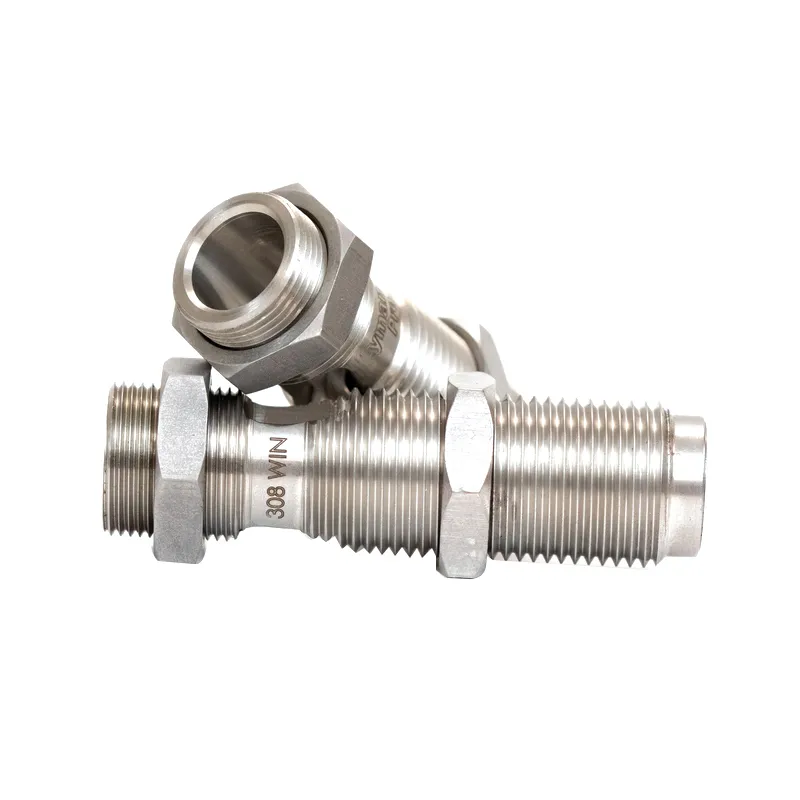
Lyman Pro Carbide Trim Die for .308 Win
$120.99
 30-day low · 30% below typical
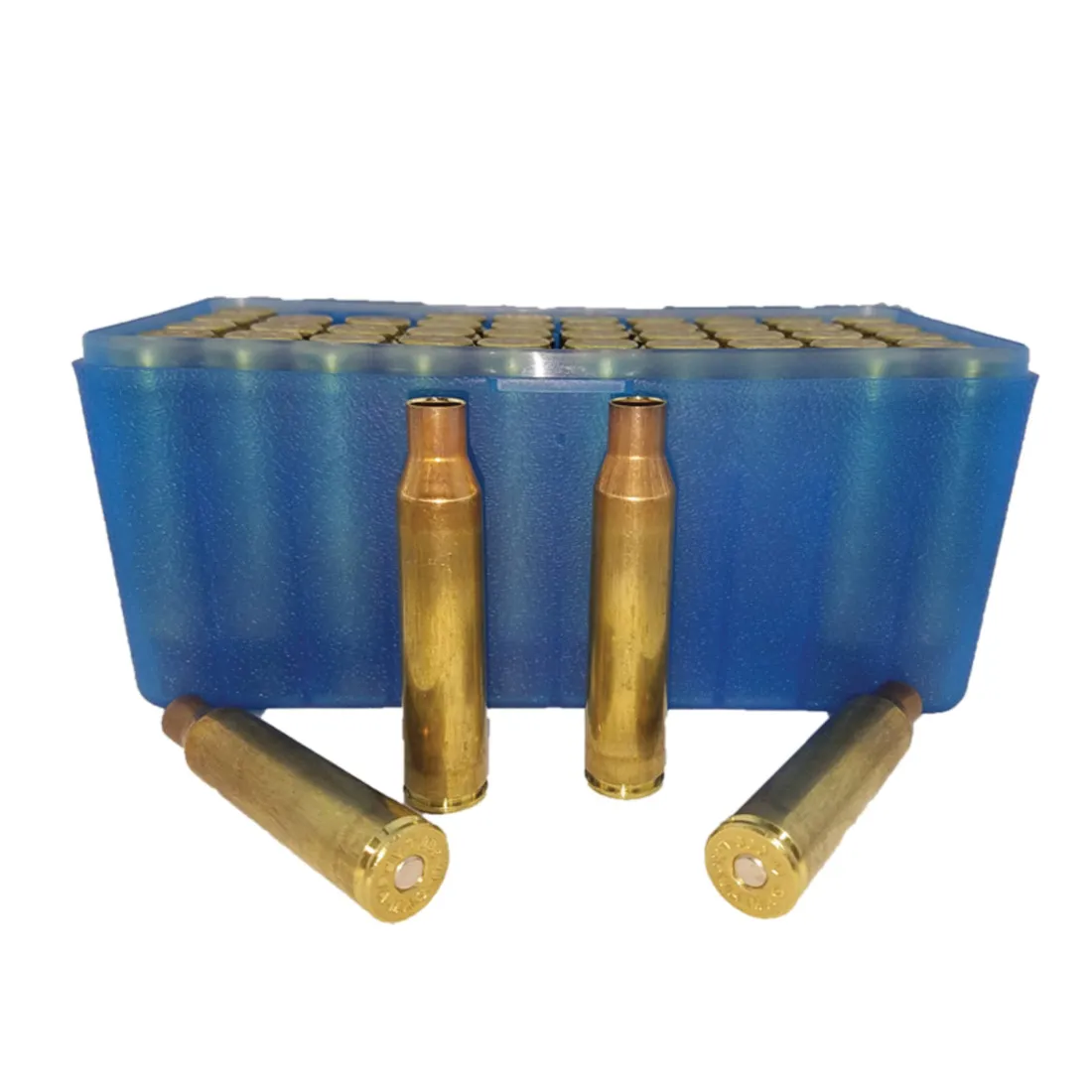
Lightning Ammo Primed Brass Rifle Cartridge Cases .338 Lapua 50-Count
$128.99
 30-day low · 26% below typical
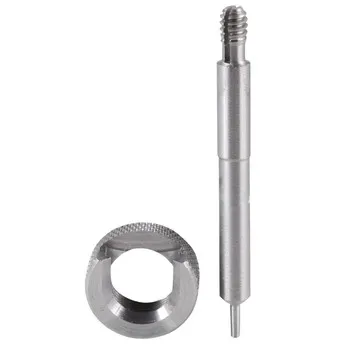
Lee Precision Case Length Gauge with Shell Holder Silver .35 Rem
$5.89
 30-day low · 23% below typical
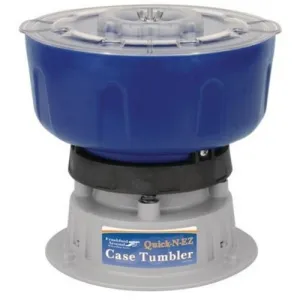
Frankford Arsenal 855-020 Quick-N-EZ Tumbler
$41.40
Bullets
Projectiles for handloading · From $6.59 · 2,220 in stock · 57 with price drops
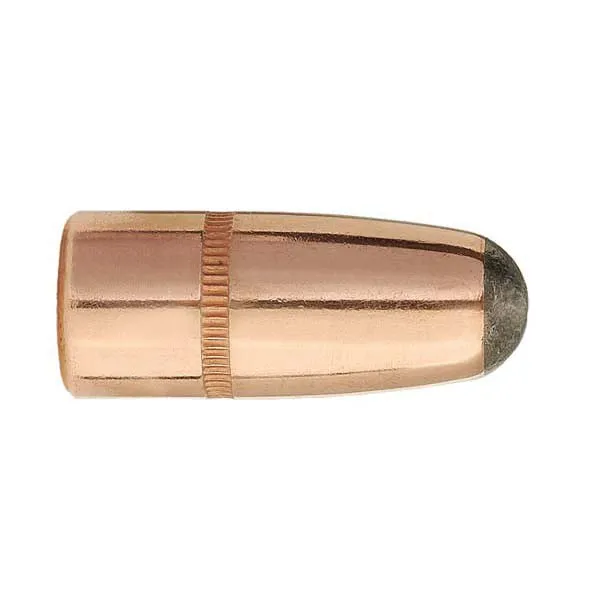 30-day low · 23% below typical
Sierra Bullets 2800 .358 200 Rn 50
$32.49
 30-day low · 20% below typical
Nosler AccuBond AB - 30 200g SP (50ct) Bullets 54618
$56.34
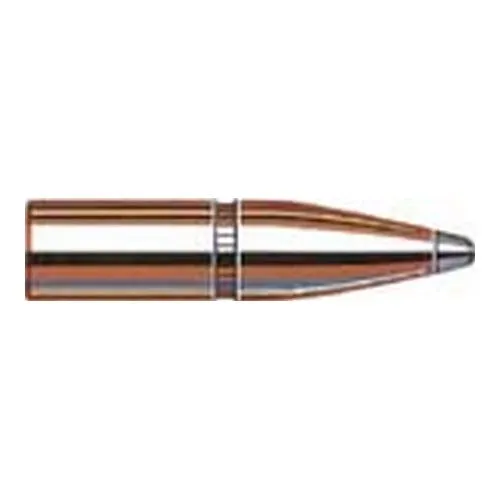 30-day low · 14% below typical
Hornady InterLock SP .270/.277 Cal 150gr Bullets (100/Box) 2740
$30.22
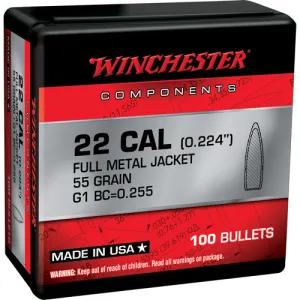 30-day low · 14% below typical
Winchester Centerfire Rifle Reloading Bullets 5.56 100-Count
$13.90
Brass
New and once-fired cases · From $5.99 · 580 in stock · 3 with price drops
30-day low · 47% below typical
Winchester WSC40SWU Unprimed Case .40SW 100/BG
$16.26
30-day low · 30% below typical
Lightning Ammo Primed Brass Rifle Cartridge Cases .338 Lapua 50-Count
$128.99
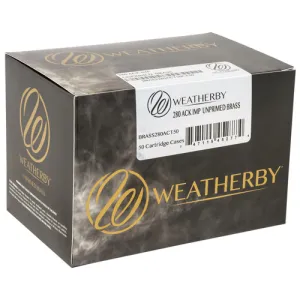 30-day low · 11% below typical
Weatherby Unprimed Cases Brass .280 Nosler 50-Count
$53.38
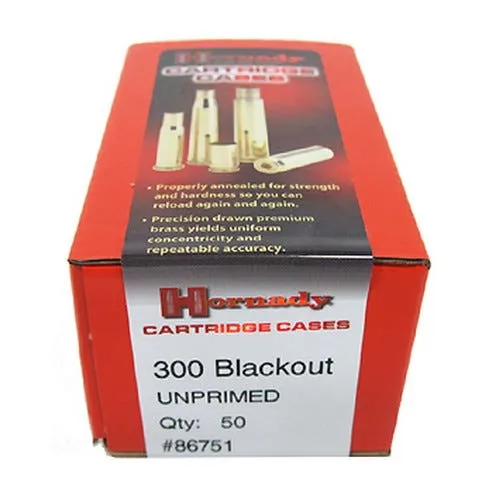 Hornady .300 BLK Unprimed Casings (50/Box) 86751
$24.49
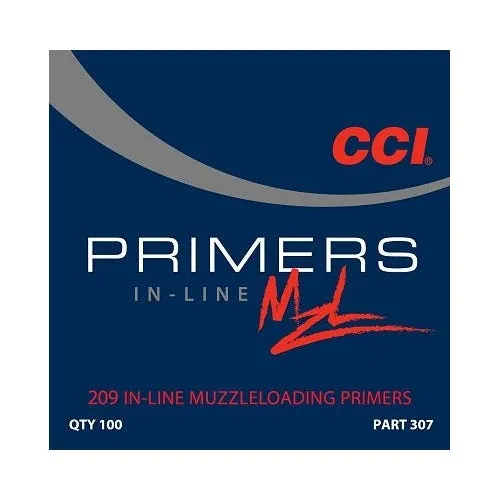
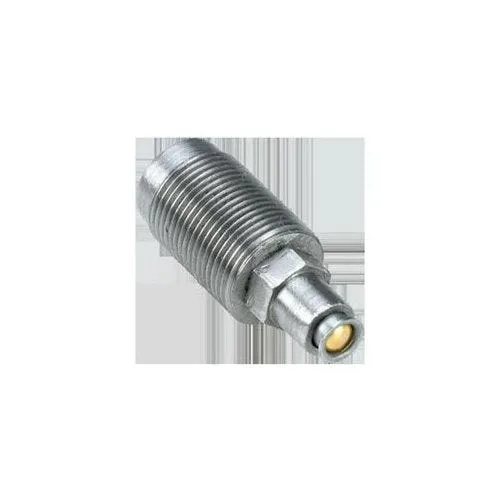
Primers
Small and large pistol and rifle · From $8.61 · 26 in stock
Powder
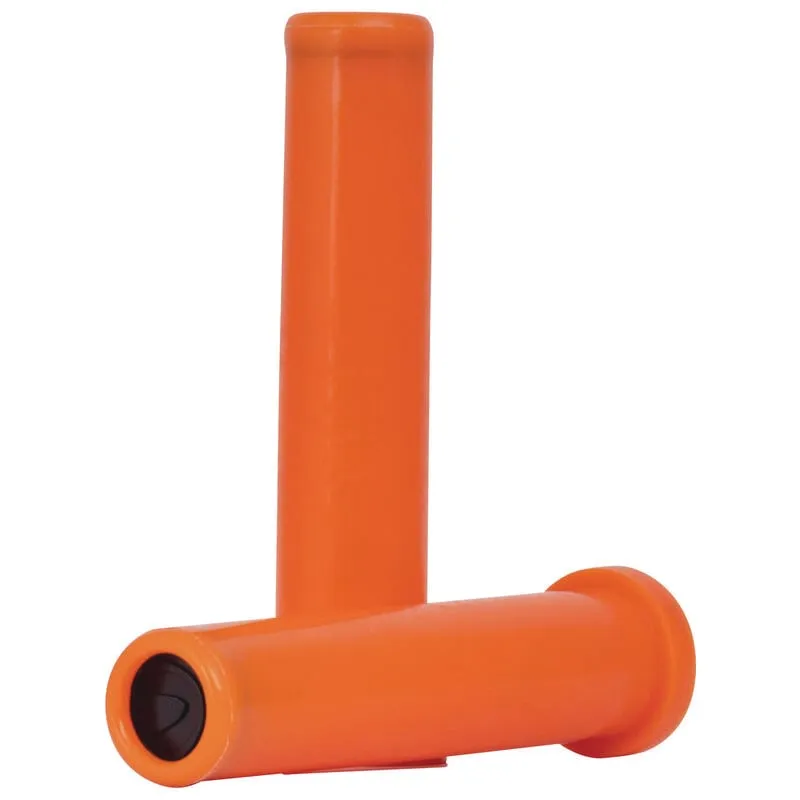
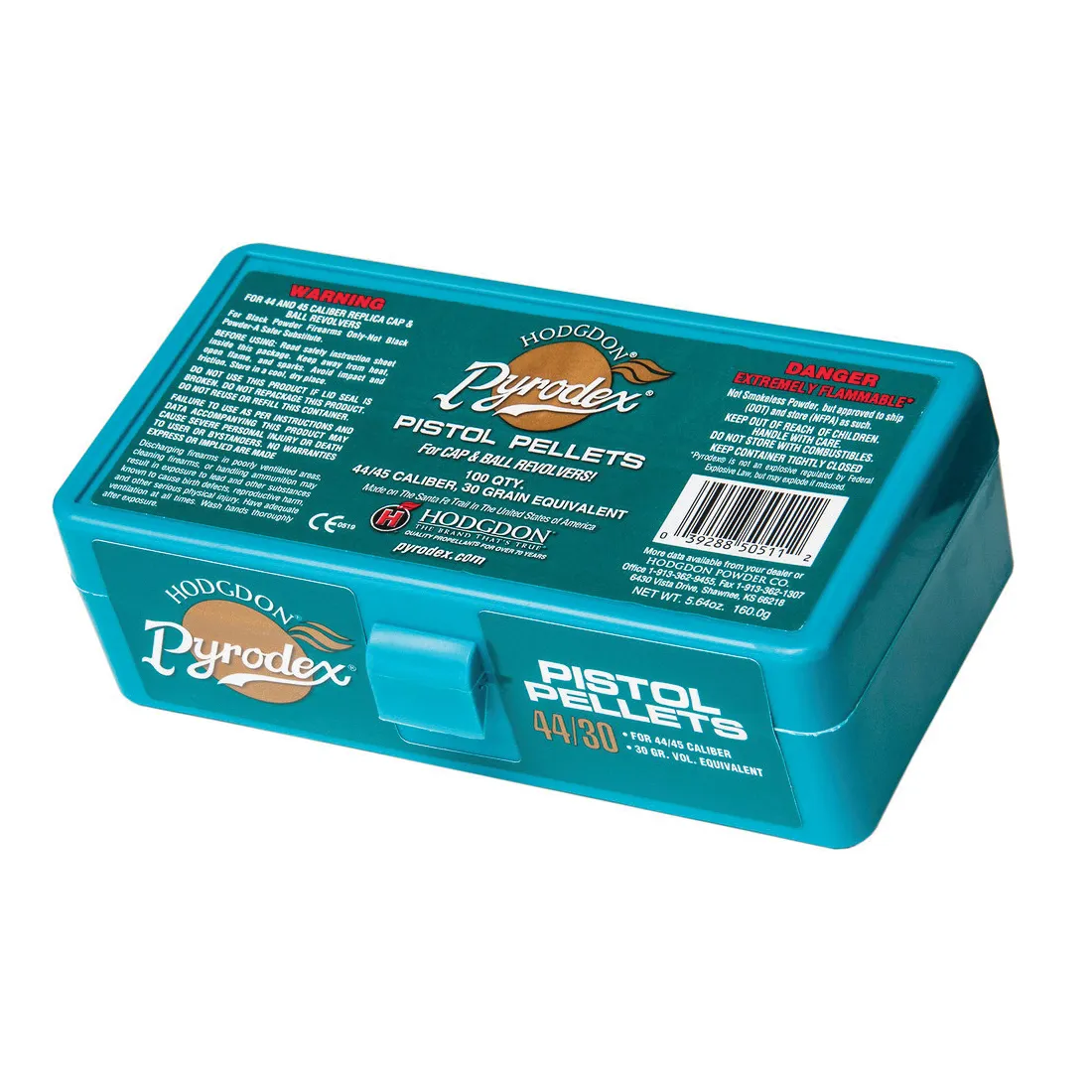
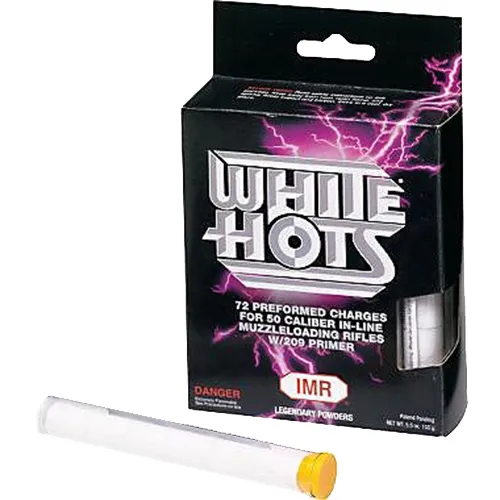
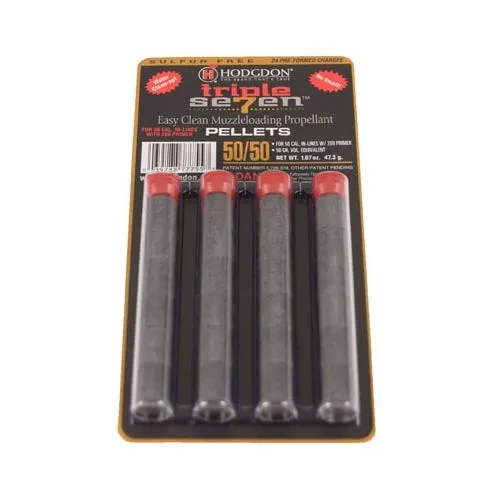
Pistol, rifle and shotgun powder · From $20.29 · 12 in stock
Reloading Dies
Sizing, seating and crimp dies · From $5.19 · 2,411 in stock · 48 with price drops
30-day low · 42% below typical
Redding Reloading Competition Rifle Seating Die .24 Nosler
$113.99
30-day low · 30% below typical
Lyman Pro Carbide Trim Die for .308 Win
$120.99
 30-day low · 29% below typical
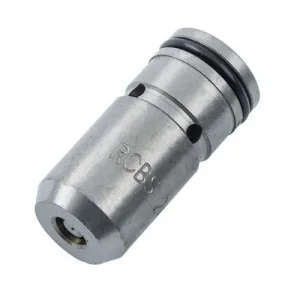
RCBS Lube-A-Matic Bullet Sizing Die .314
$28.34
 30-day low · 20% below typical
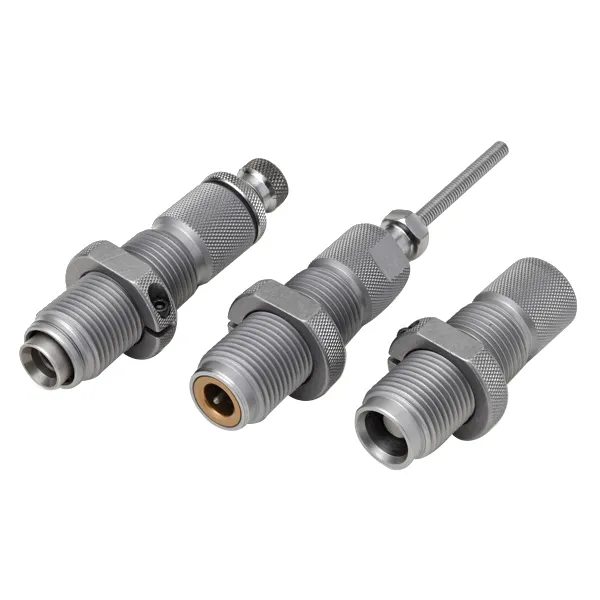
Hornady Custom Grade Series II 3-Die Set for 30 Super Carry
$58.19
Presses & Equipment
Presses, scales, tumblers and tools · From $5.05 · 3,544 in stock · 76 with price drops
30-day low · 59% below typical
Knight Rifle s M900134 Combo Tool
$12.99
30-day low · 42% below typical
RCBS Lube-A-Matic Top Punch Silver .465 for Lube-A-Matic Bullet Sizer/Lubricator
$8.67
30-day low · 26% below typical
Lee Precision Case Length Gauge with Shell Holder Silver .35 Rem
$5.89
30-day low · 23% below typical
Frankford Arsenal 855-020 Quick-N-EZ Tumbler
$41.40
How to Shop for Reloading Supplies
Reloading lets you tailor loads to your rifle or pistol and reuse brass many times. Whether it saves money depends on how much you shoot and which calibers you load. The more you know about your cost per round, the easier it is to judge a deal on components. The rows on this page group the best current prices on each part of the process.
Reloading Components Compared
Bullets
Bullets are often the biggest share of the cost of a handload. Plated and cast bullets are the budget choice for practice, FMJ is common for volume rifle loads, and match and hunting bullets cost more because of tighter tolerances and more complex construction. Make sure the diameter and weight suit your caliber and barrel twist. Browse bullets.
Brass
New brass is uniform and ready to load. Once-fired brass costs less but needs sorting, cleaning and processing. Quality brass lasts for many firings, which spreads its cost across a lot of rounds. See brass.
Primers
Primers come in small and large sizes, in pistol, rifle and magnum types. They are often the hardest component to find, so many reloaders buy them when supply is good. Primer and powder shipments usually carry a hazmat fee, so it often pays to combine them in one order. Compare primers.
Powder
Powder choice depends on your cartridge, bullet weight and goals. Always follow published load data from a current reloading manual or the powder maker. A single jug covers a lot of rounds, so larger containers often lower the cost per load. See powder.
Reloading Dies
Dies size the case, seat the bullet and set the crimp. Standard sets work well for most calibers, while competition dies add finer adjustment. Carbide sizing dies for straight-wall pistol cases save the step of lubing cases.
Presses and Equipment
Single-stage presses are simple and precise, turret presses speed things up, and progressive presses turn out the most rounds per hour. Scales, calipers, case trimmers and tumblers round out the bench.
What Drives Reloading Prices
- Supply and demand. Component prices follow the same demand cycles as factory ammo, and primers and powder can be scarce for long stretches.
- Quantity. Bulk boxes of bullets and primers and larger jugs of powder usually cost less per unit.
- Precision. Match bullets, premium brass and competition dies cost more because they are made to tighter tolerances.
- Shipping. Hazmat fees on primers and powder can change which offer is the better deal.
Using Price History to Judge a Deal
We track each product's price at each retailer every day, so you can see whether a component's price is low for that item or about normal. The Biggest price drops row shows products whose price has fallen the most against their own history. Work out your cost per round from bullets, brass, primers and powder, and compare it with factory ammo before stocking up. Set a price-drop alert on the components you use most, and let us email you when the price falls.