Receivers & Frames Deals
Compare prices on AR-15 lowers, AR-10 lowers and pistol frames, updated daily. Check each receiver's price history and set an alert for a price drop.
1,047 in stock prices compared and updated daily
Biggest price drops on Receivers & Frames
Measured against each product's own price over the last 30 days, at or near its 30-day low.
AR-15 Lowers
Stripped and complete lowers · From $31.99 · 677 in stock · 4 with price drops
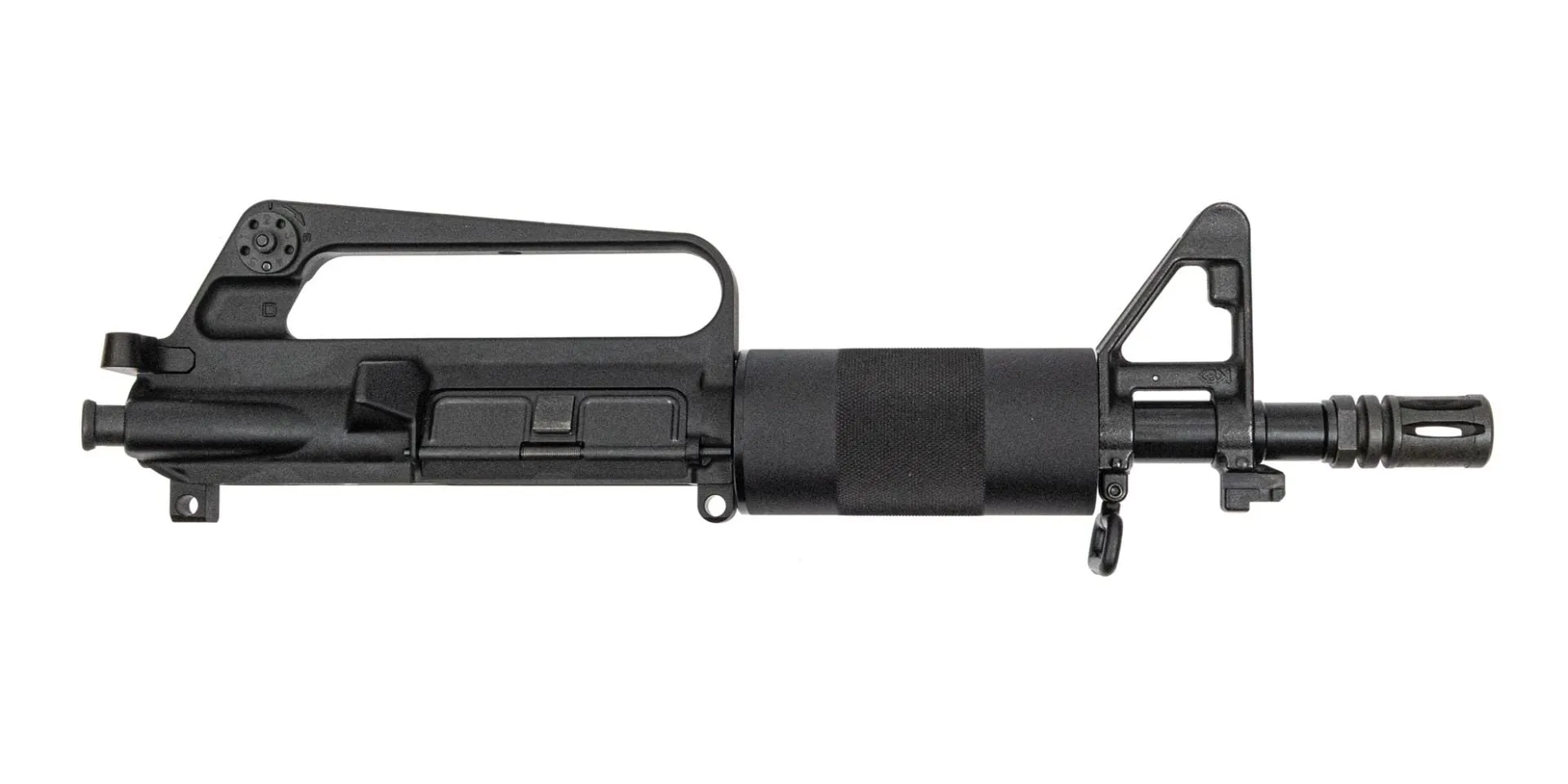 30-day low · 12% below typical
Dpms Kitty Kat Lower .300 AAC Blackout 7.5 Barrel
$459.99
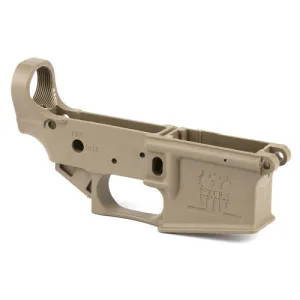 30-day low · 9% below typical
FMK Firearms AR-15 Lower Receiver Flat Dark Earth .223 Rem / 5.56
$31.99
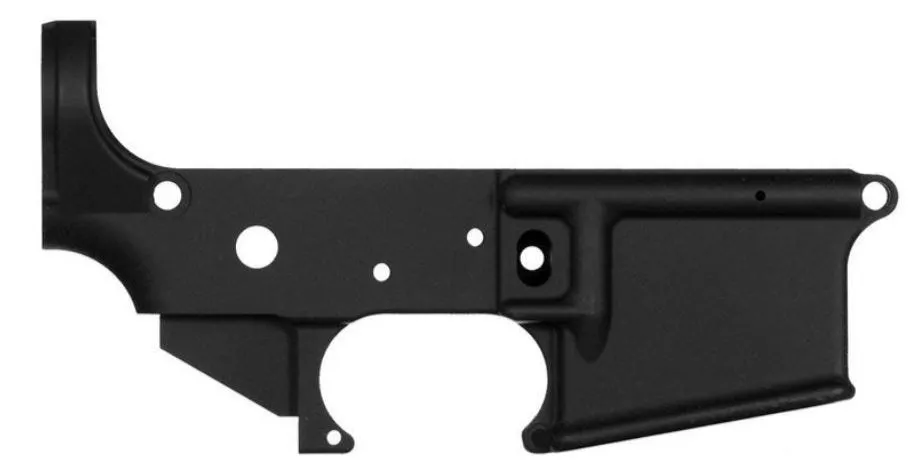 30-day low · 7% below typical
CMMG Mk4 AR-15 Lower Receiver - Stripped Lower
$103.99
 30-day low · 6% below typical
Sharps Bros Hellbreaker Stripped Lower
$239.69
AR-10 & .308 Lowers
Big-bore AR builds · From $109.99 · 61 in stock
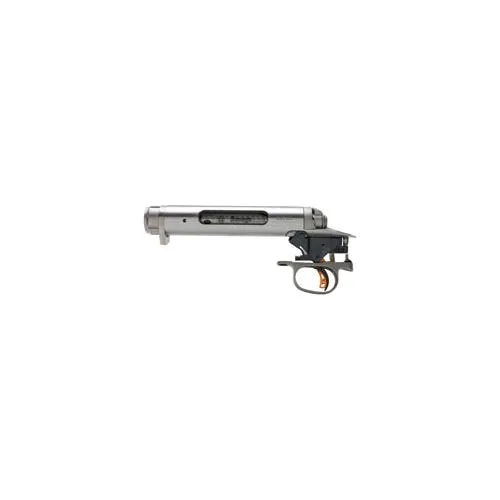 Savage Arms .308 Left-Port Target Action w/Bolt Assembly, Trigger Group Assembly, Barrel Locknut, Recoil Lug & Trigger Guard 18182
$609.99
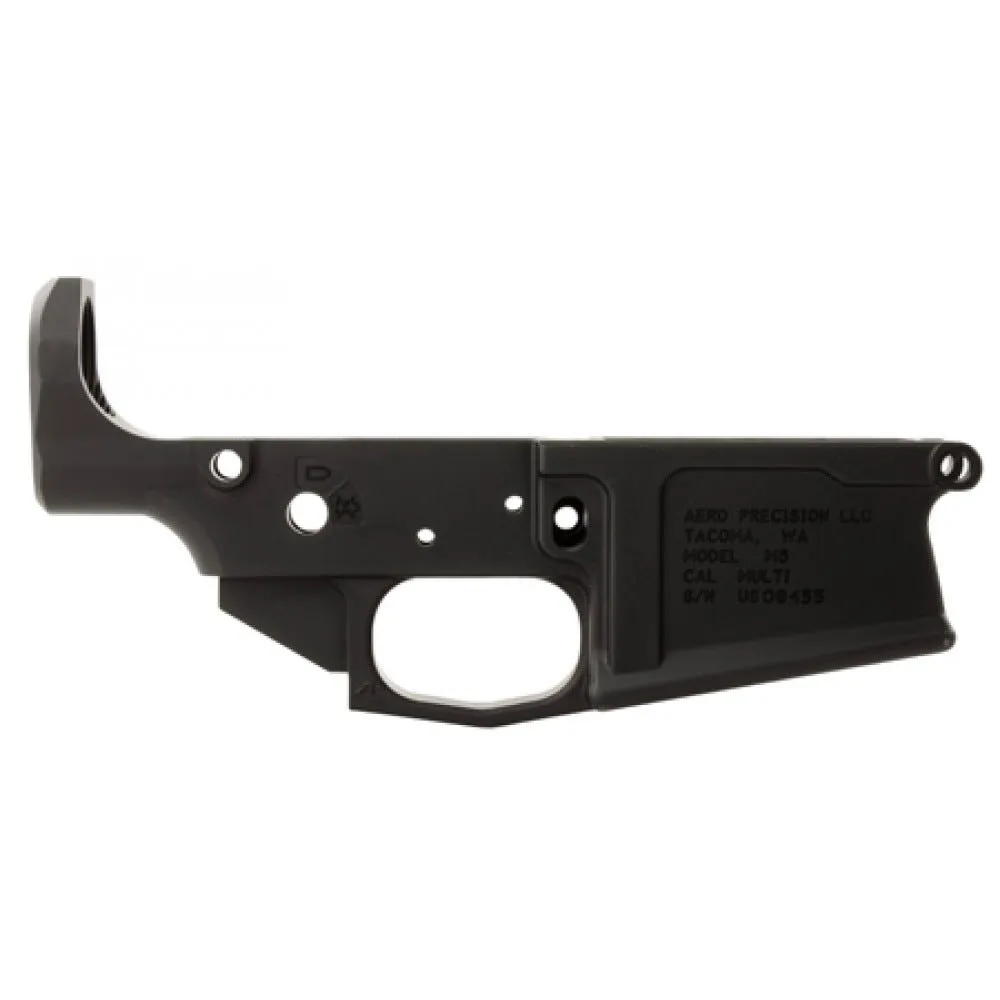 Aero Precision M5 Stripped AR-308 Lower Receiver - DPMS Cut
$120.99
 DPMS Receiver with Parts Kit 308
$229.99
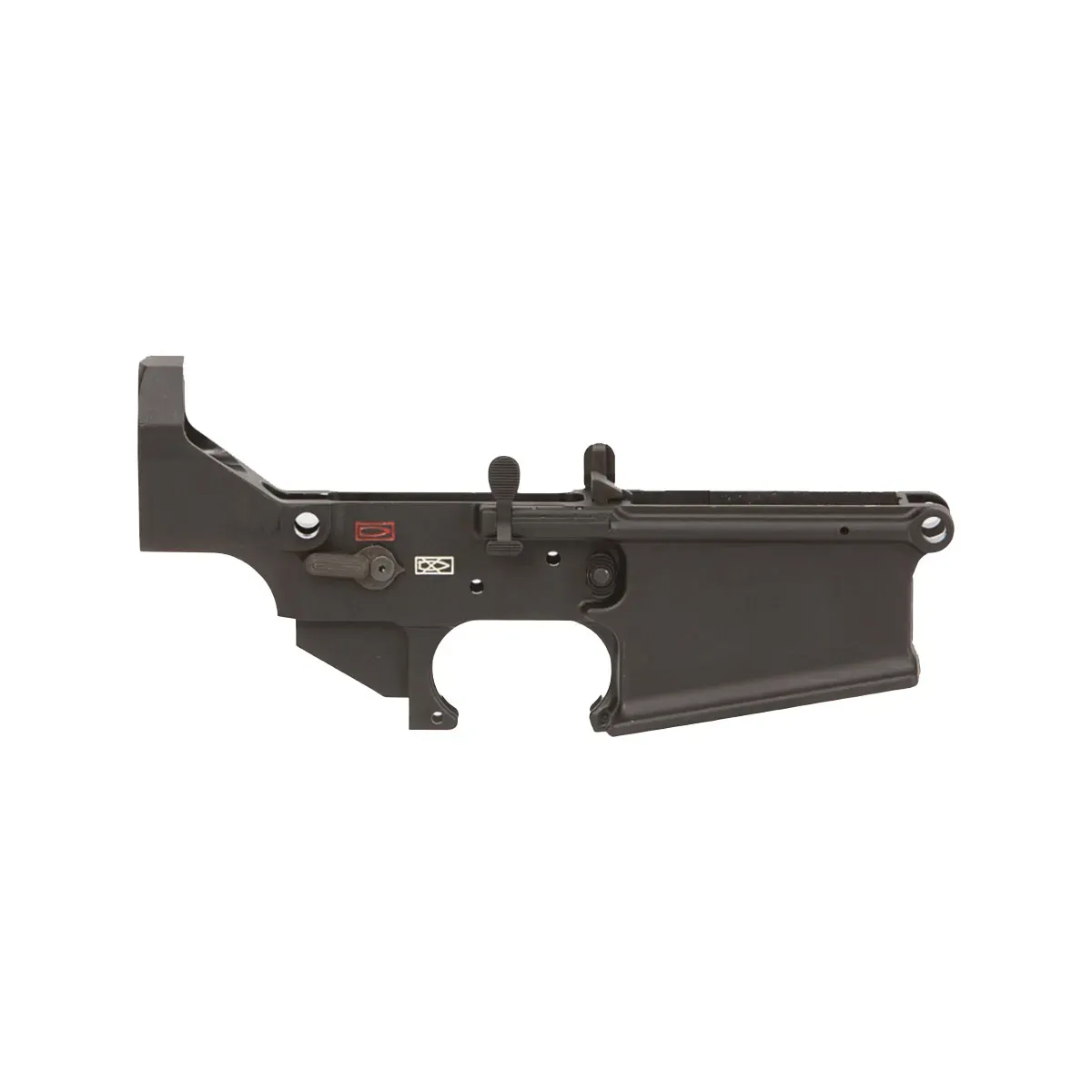 Lewis Machine And Tool MARS-H AR-10 Lower Receiver - Ambidextrous - Stripped Lower
$529.20
Pistol Frames & FCUs
Serialized pistol parts · From $45.00 · 126 in stock
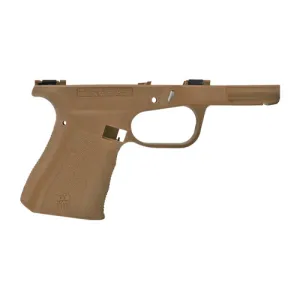 FMK Firearms AG1 Frame Burnt Bronze Stripped for Glock 19 Gen3
$80.99
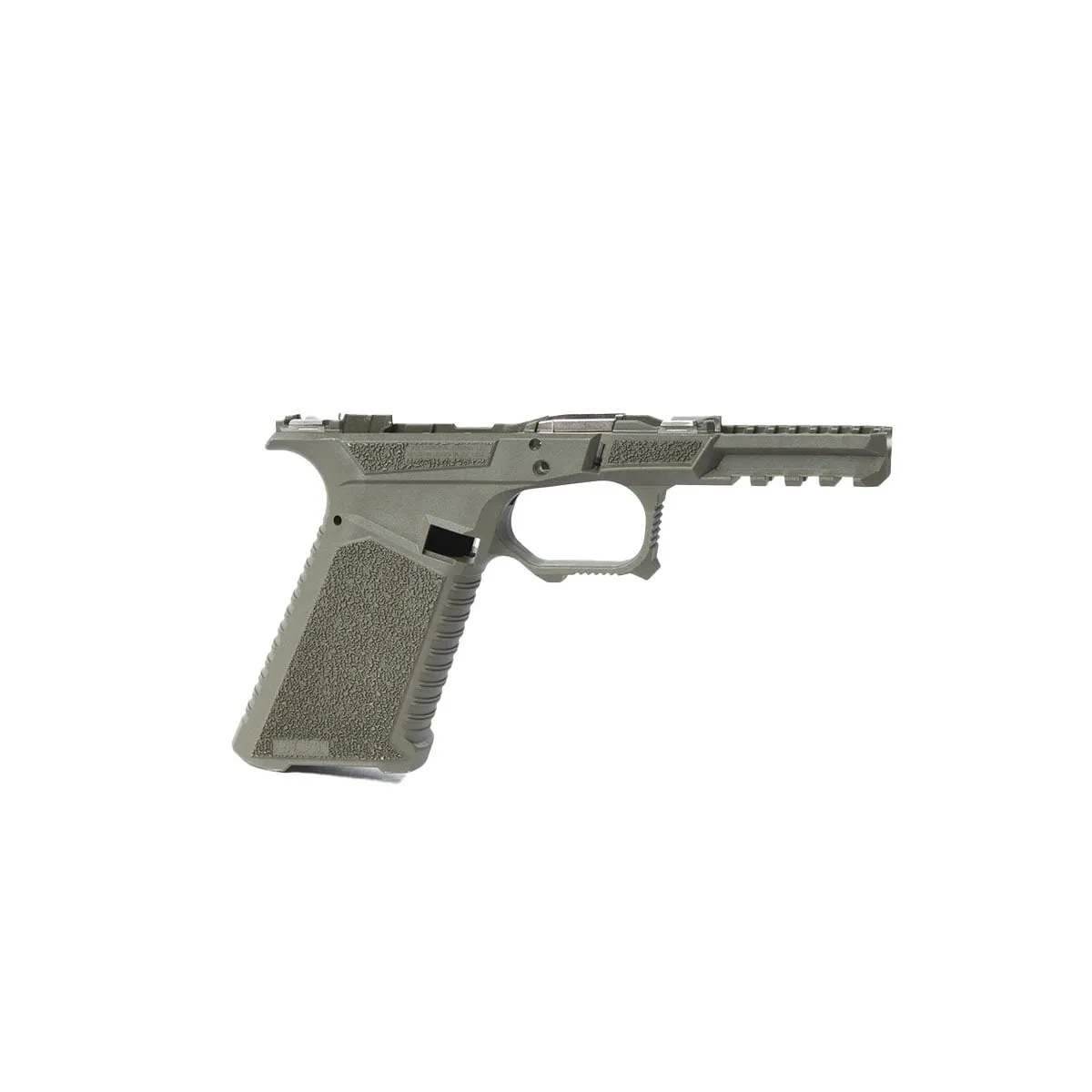 SCT Manufacturing Full Size Frame OD Green Multi-Cal for Glock 17/22/31 Gen 3
$54.99
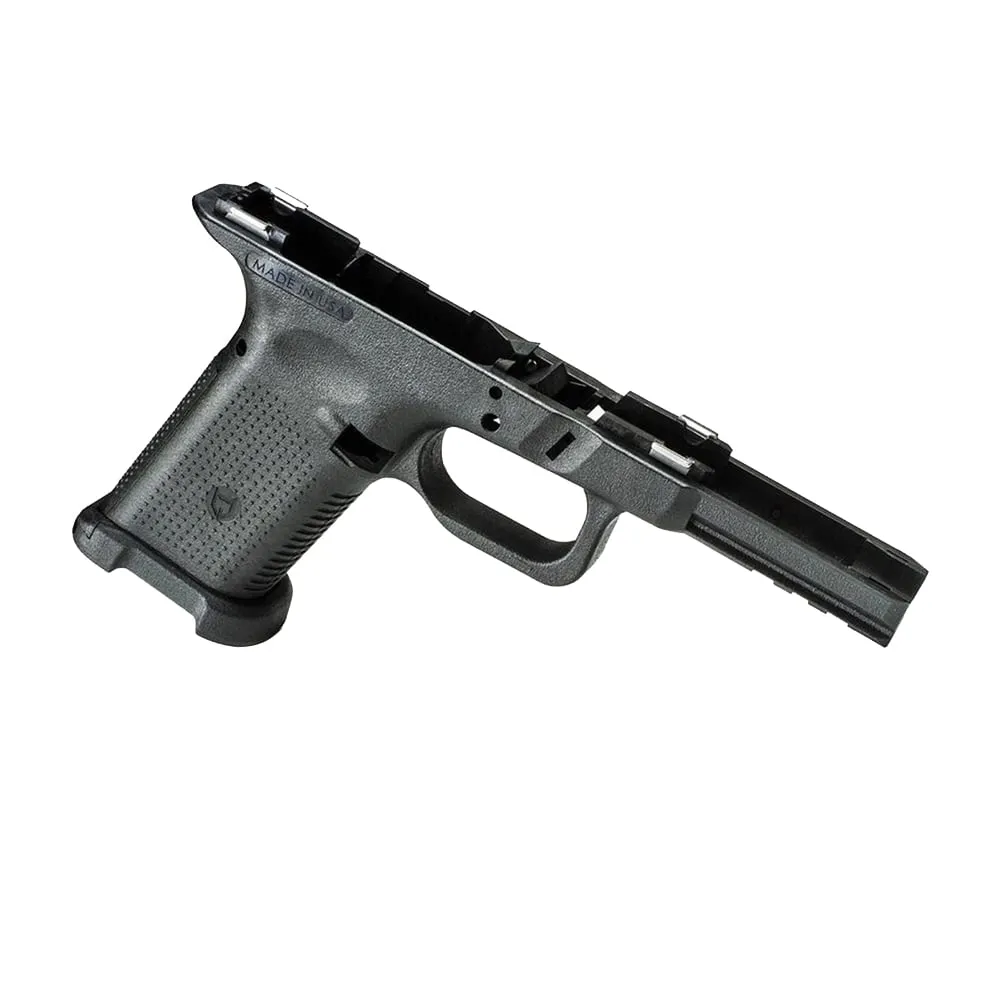 Lone Wolf Timber Wolf Stripped Frame for Glock 17/17L/22/24/31/34/35/37
$66.99
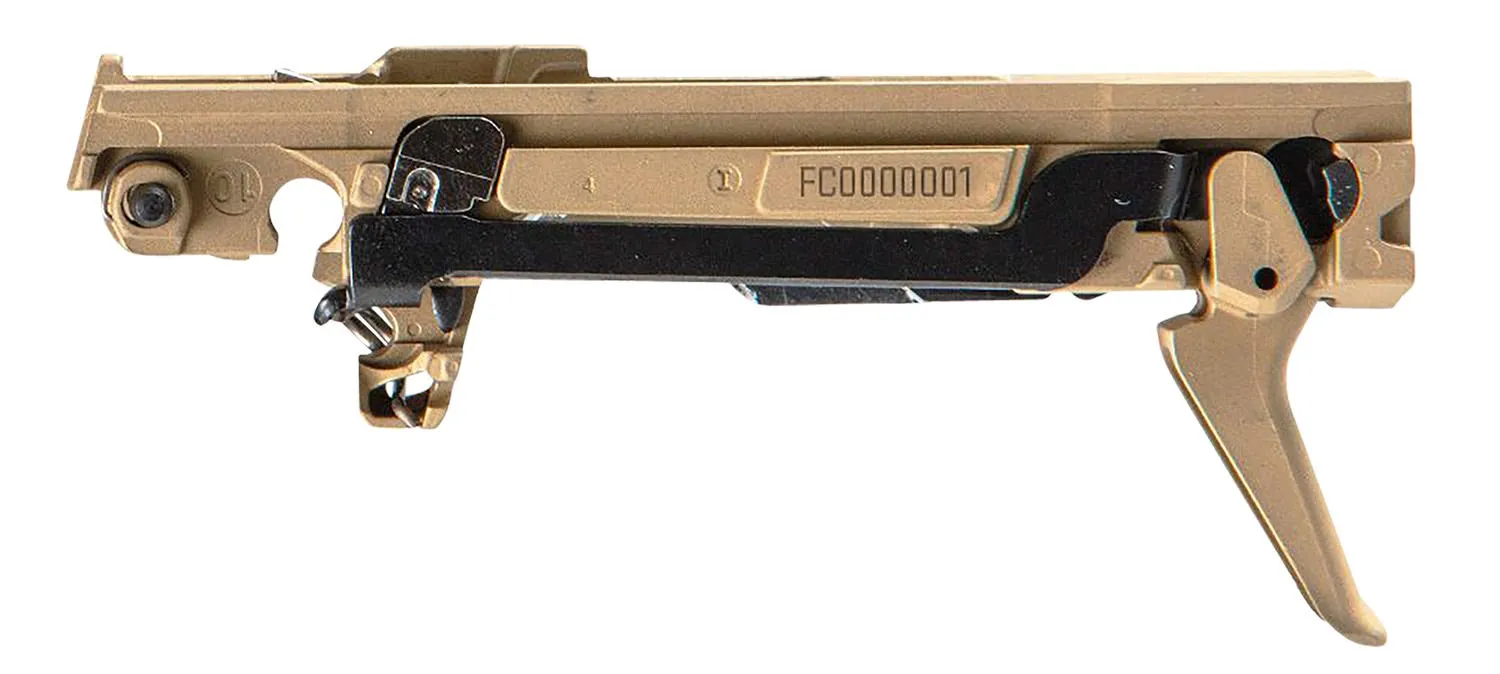 SIG Sauer Custom Works P365 Fire Control Unit - Titanium Nitride
$349.99
How to Shop for Receivers and Frames
The receiver or frame is the serialized part of a firearm, and it is where most builds begin. Buying a lower on its own lets you pick every other part to suit your goals and spread the cost of a build over time. Because the receiver is the part legally classed as the firearm, it ships to a licensed dealer (FFL) for transfer just like a complete gun. The rows on this page group the best current prices by platform.
Receiver Types Compared
AR-15 Lowers
AR-15 lowers come stripped, as a bare receiver, or complete, with the trigger group, grip, buffer tube and stock installed. A stripped lower costs less and gives you full control over parts, but you will need a lower parts kit and some tools. A complete lower is ready to pair with an upper. Most AR-15 lowers follow a common standard, so they work with a wide range of uppers and parts. Finish the build with parts from gun parts and upgrades.
AR-10 and .308 Lowers
AR-10 style lowers are larger and built for .308, 6.5 Creedmoor and similar cartridges. Unlike the AR-15, there is no single standard. Some follow one pattern and some follow another, and uppers, handguards and magazines may not cross over. Confirm which pattern a lower uses and match the upper and magazines to it.
Pistol Frames and FCUs
Some modern pistols use a removable fire control unit (FCU) as the serialized part, which lets you swap grip modules and slides to change size or caliber. Aftermarket frames for popular pistol designs offer different grip angles, textures and features. Check slide and parts compatibility before you buy. Browse complete handguns if you would rather start with a finished pistol.
What to Look For
- Material and process. Forged aluminum lowers are the most common. Billet lowers are machined from a solid block and often have extra features and tighter fit. Polymer lowers save weight and cost.
- Features. Ambidextrous controls, flared magazine wells, integrated trigger guards and tension screws add cost.
- Markings. Some lowers are marked for multiple calibers, which gives you flexibility when building different uppers.
- Compatibility. Make sure the lower matches the upper, buffer system and magazines you plan to use.
What Drives Receiver Prices
Stripped forged lowers are among the most affordable parts of a build, and prices move a lot with demand and promotions. Billet and matched upper and lower sets cost more because of extra machining and finish work. Complete lowers include a trigger, buffer and stock, so compare them against the cost of buying those parts separately.
Using Price History to Judge a Deal
We track each product's price at each retailer every day, so you can see whether today's price is low for that receiver or about normal. The Biggest price drops row shows receivers whose price has fallen the most against their own history. Add shipping and your dealer's transfer fee when you compare totals, since a low price can be offset by fees. If you plan to build more than one gun, set a price-drop alert and buy when the price falls.