Striker-Fired vs Hammer-Fired Pistols
The one handgun spec that changes how the trigger feels is also the one spec almost no listing prints — so here is how to shop for it, and what each mechanism costs on live prices.
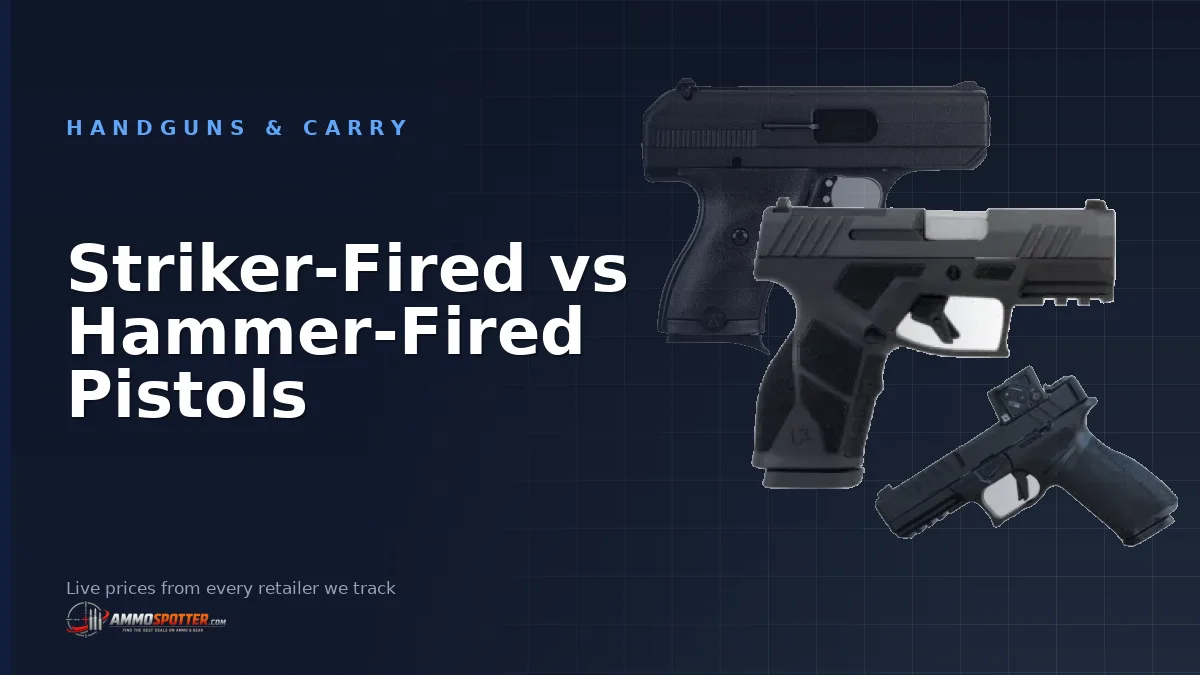
What actually differs between a striker and a hammer?
Both systems do the same job: store energy, then release it to hit a primer. A hammer-fired pistol swings a pivoting hammer, usually at the rear of the frame, sometimes exposed and sometimes shrouded inside the slide. A striker-fired pistol drives a spring-loaded firing pin straight forward along the bore axis, with no hammer at all.
What follows from that is mostly ergonomic:
- Trigger character. A striker gives you one pull, every time, from the first shot to the last. A hammer-fired double-action/single-action gun gives you a long, heavy first pull and short, light pulls afterwards. That consistency is the main argument for the striker, and the main thing people miss about DA/SA is that it is two triggers to learn, not one.
- Decocking. A hammer can be lowered on a loaded chamber, by hand or with a decocking lever. A striker cannot. If you want a gun that can be carried loaded with a deliberately heavy first pull, that is a hammer-fired requirement.
- Second strike. Double-action hammer guns can usually try a stubborn primer twice without cycling the slide. Strikers need a slide cycle.
- Shape. No hammer means nothing at the rear of the slide to snag on a cover garment, which is part of why the carry market went striker.
- Manual safeties. Neither mechanism requires one, and the catalog is nearly silent on the subject: only 184 of 6,544 live semi-auto handgun and 1911 listings mention a manual or thumb safety in the title at all.
Notice what is not on that list. Neither mechanism is inherently more accurate, more durable or more reliable. Anyone selling you the mechanism as a quality tier is selling you something else.
Why can't you filter listings by ignition system?
Because the market does not print it. We track the full retail shelf, and across 5,405 live semi-auto handgun listings the word "striker" appears in 12 titles — and 10 of those 12 are Great Lakes Firearms using Striker as a model name, not as a spec. Exactly one listing in the entire set says "striker fired" in plain language.
Hammer-fired is worse: the only two listings containing "hammer" are a Kel-Tec whose title mentions its hammer block safety, and a .22 called a Jackhammer. Nothing in the set describes itself as hammer-fired.
So there is no filter to apply, here or anywhere else. You identify the mechanism by recognising the model family, which means the practical question is not "striker or hammer" but "which families are which, and what do they cost."
What does each mechanism actually cost right now?
To answer that we classified live listings by model-family name — Glock, M&P, P320/P365, XD/Hellcat/Echelon, PDP, TP9/METE, P-10, VP9, 509, GX4, MAX-9 and similar on the striker side; 1911/2011, CZ 75, Beretta 92/PX4, P226/P229/P220, Hi-Power, Witness, Thunder, Makarov and similar on the hammer side. Centerfire only, and anything ambiguous was left out: of 6,071 centerfire semi-auto listings, 1,495 landed in the striker set and 988 in the hammer set, three matched both lists, and 3,591 matched neither. These are family medians, not a census of the whole shelf.
| Striker families | Hammer families | |
|---|---|---|
| Live listings | 1,495 | 988 |
| Median price | $619.99 | $919.99 |
| Average | $675.90 | $1,080.45 |
| Under $300 | 146 | 17 |
| Under $400 | 227 | 53 |
| $1,000 and up | 156 | 433 |
The shape matters more than the medians. The striker set owns the entry tier almost outright, and the hammer set is top-heavy: 433 of 988 hammer-fired listings cost $1,000 or more, against 156 of 1,495 striker listings.
SAR9: The Striker Entry Tier, Cheapest First
Prices updated Oct 21, 2026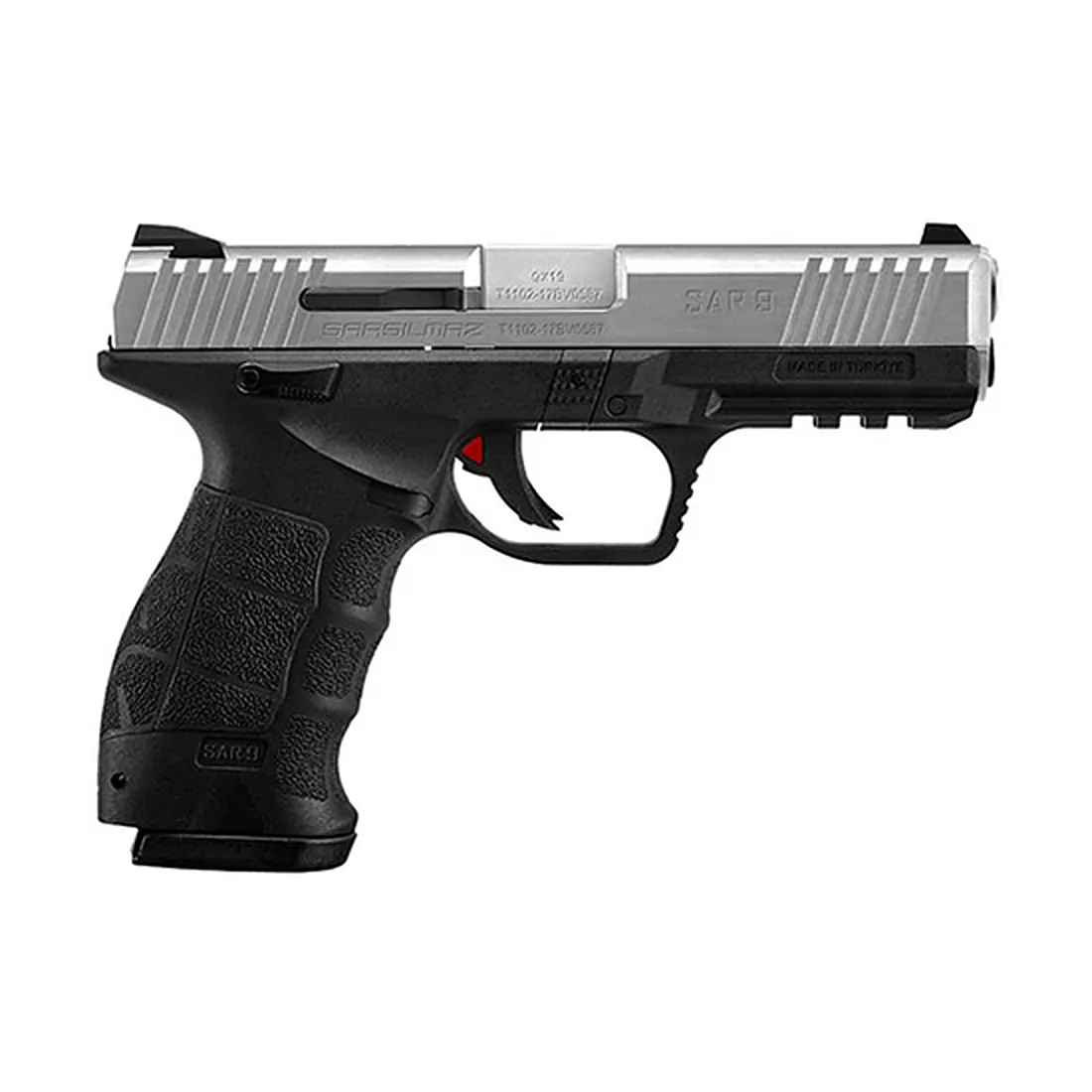
SAR USA SAR9 Pistol Stainless 9mm 4.40 Barrel 17-Round 3-Dot Contrast Sights
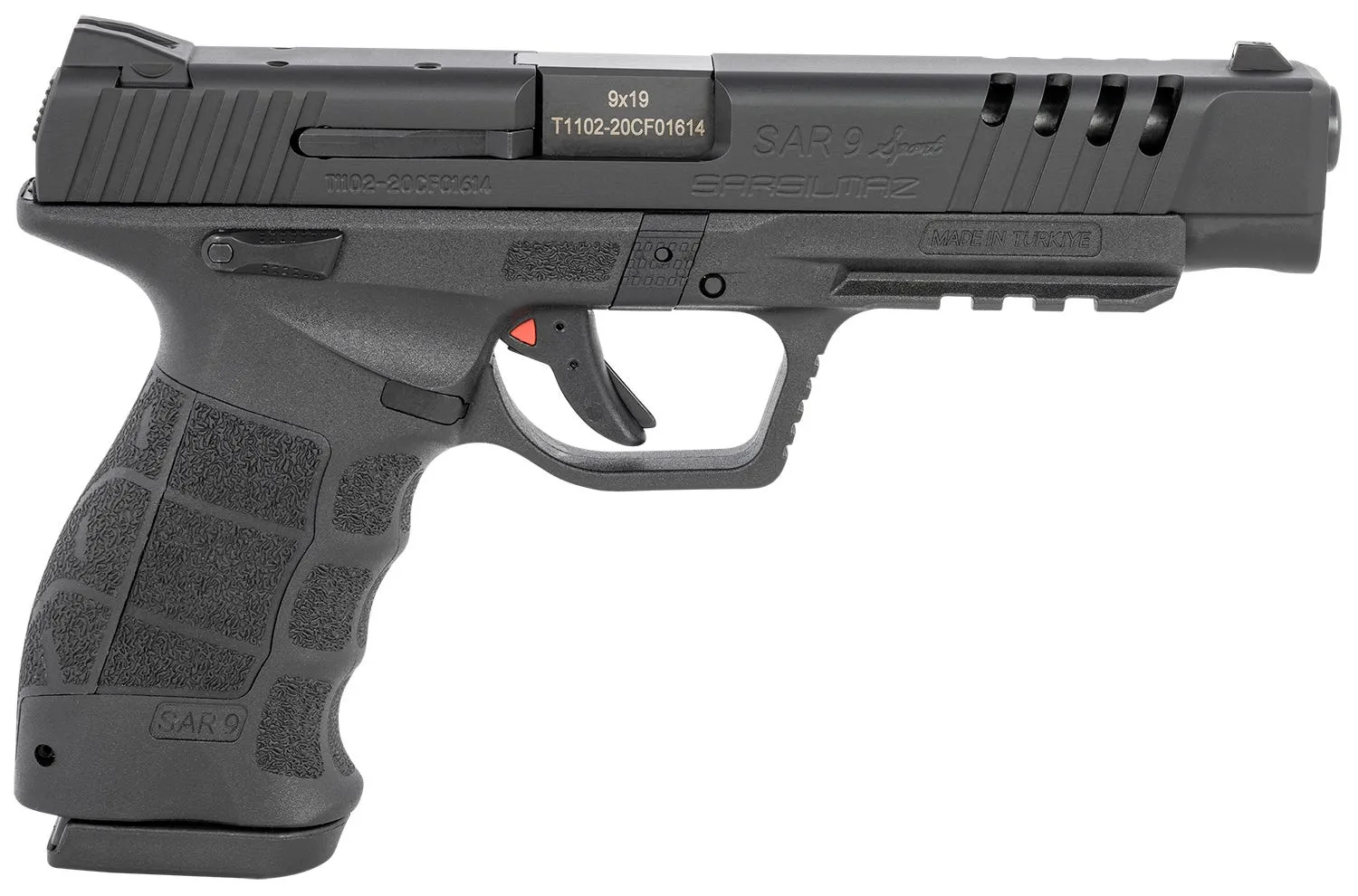
SAR USA SAR9 Sport 9mm 5.2 Barrel 17-Rounds 2 Mags
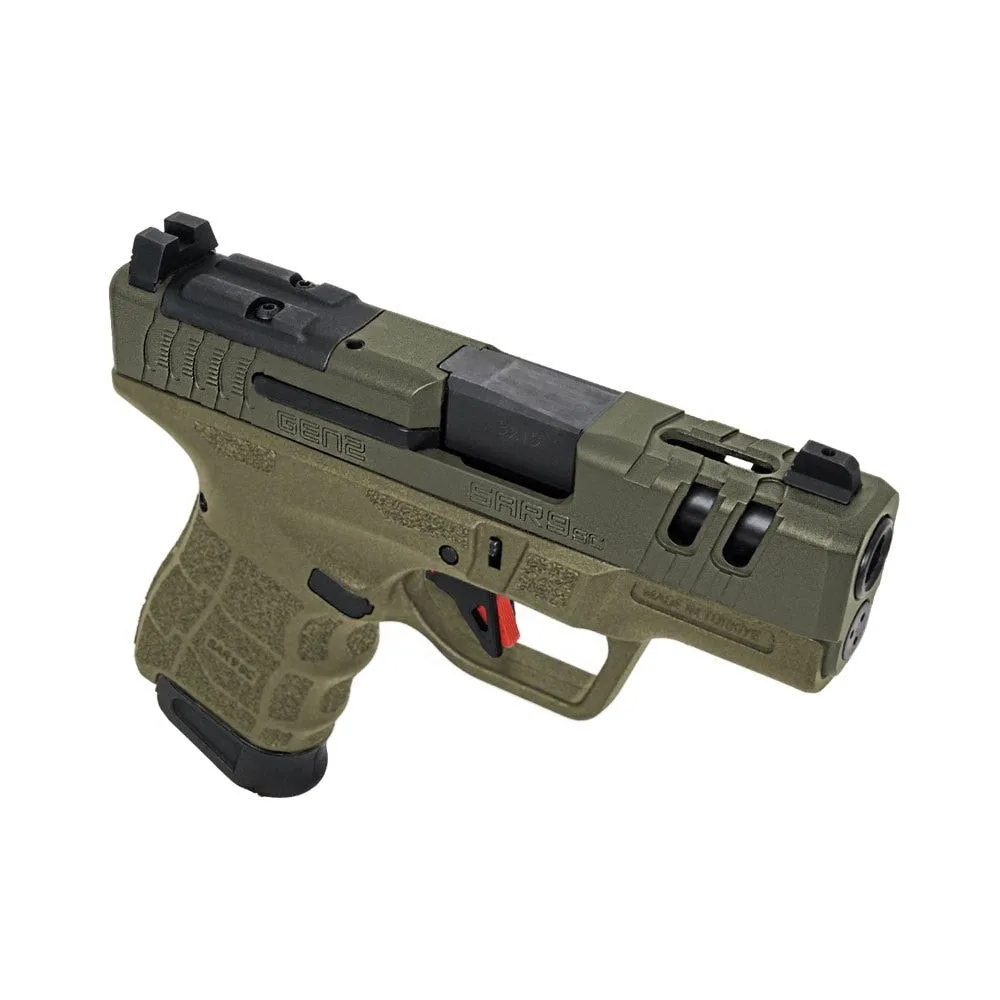
SAR USA SAR9 SC Gen 2 OD Green 9mm 3.3 Barrel 15-Rounds
9mm
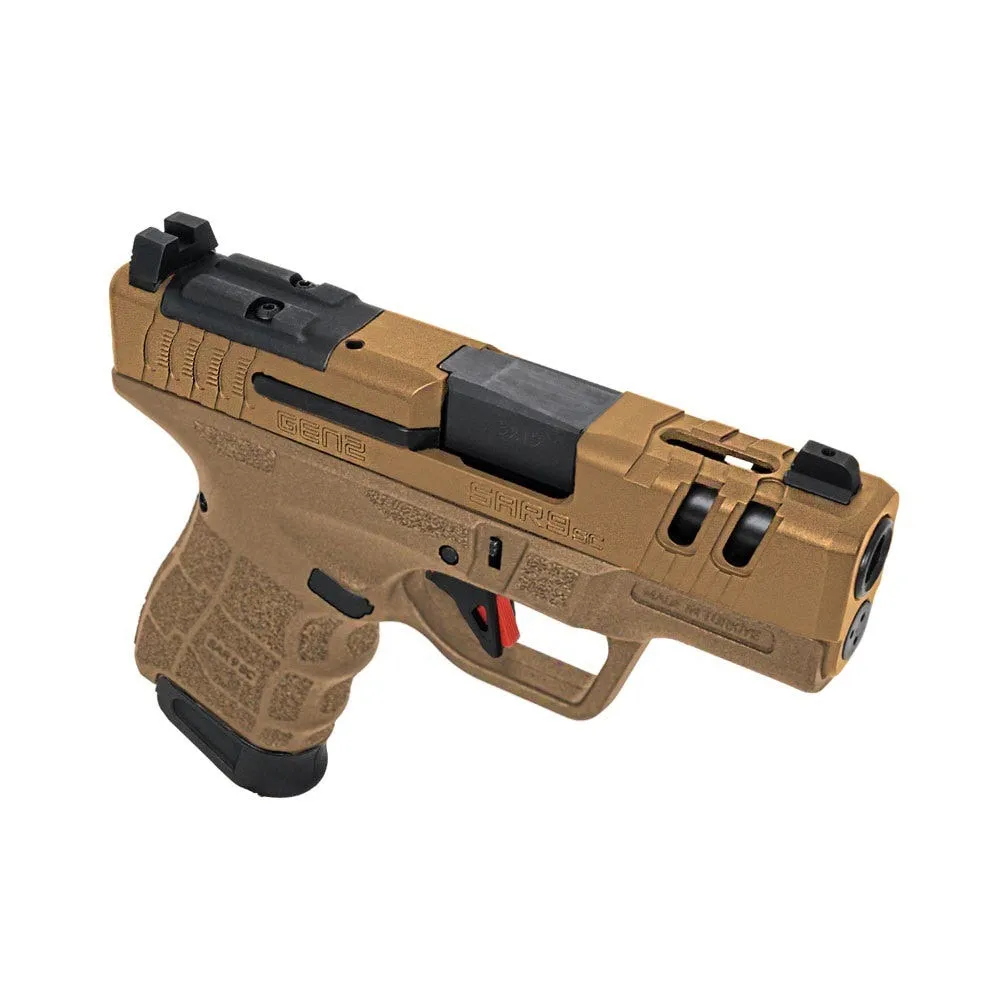
SAR USA SAR9 SC Gen 2 Bronze 9mm 3.3 Barrel 15-Rounds
9mm
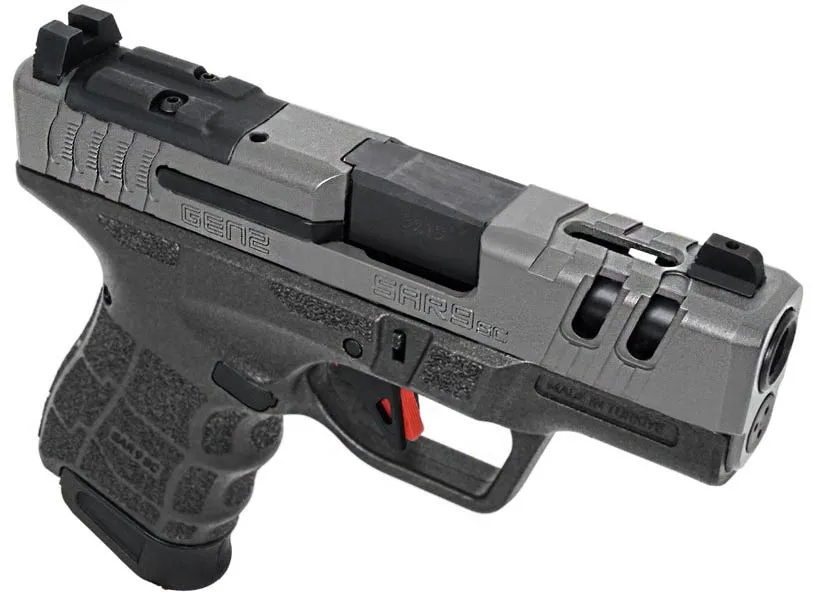
SAR USA SAR9SC Gen2 Platinum 9mm 3.3 Barrel 12-Rounds
9mm
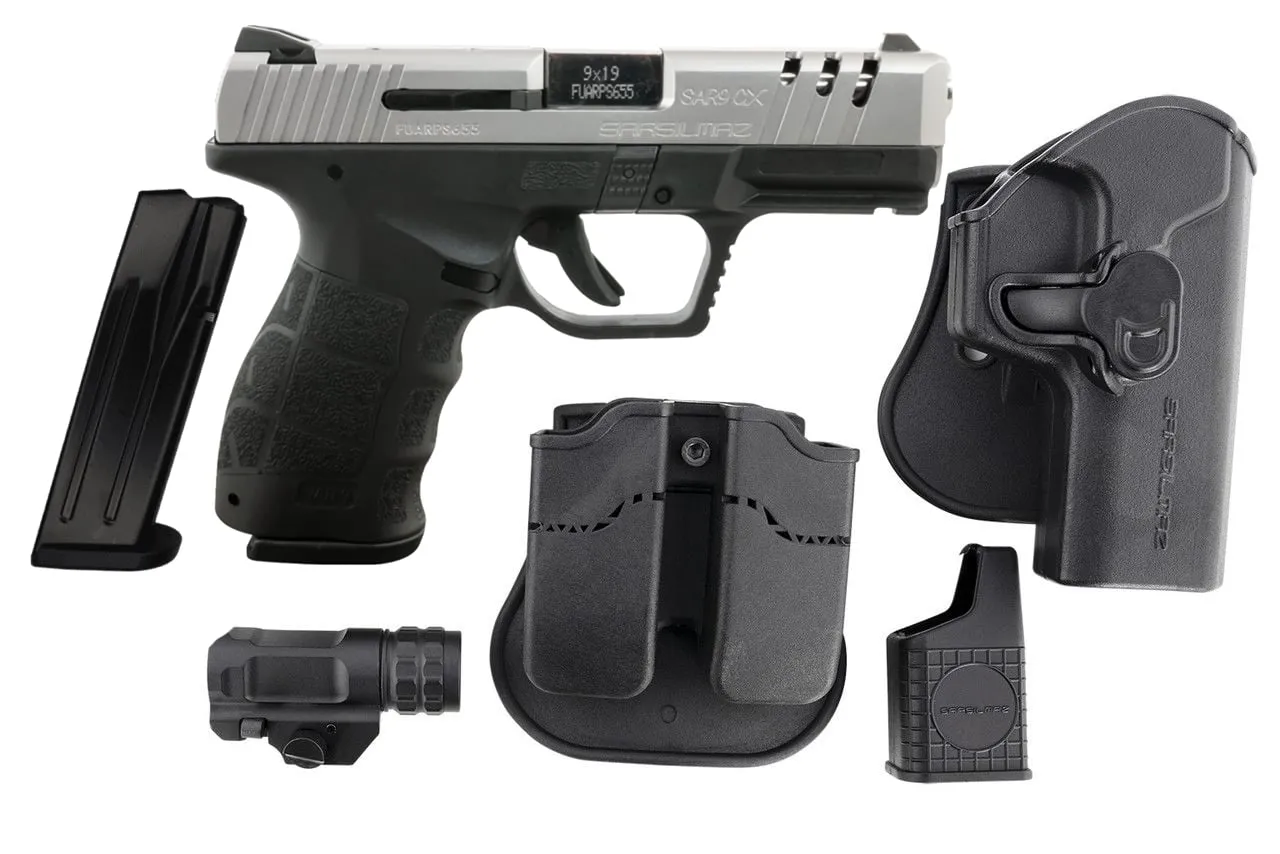
SAR USA SAR9X C Stainless / Black 9mm 4 Barrel 15-Rounds
That grid is the striker entry tier in one brand — centerfire 9mm, double-stack, from the low $200s. Two warnings about the very bottom of the striker market, though. Price-sorted, the three cheapest "striker" listings we track are Lone Wolf frames at $74.99 and $109.99 — polymer frames for a Glock, not pistols. The cheapest complete striker-fired pistols on the shelf are a $194.99 M&P9c, a $219.99 Ruger MAX-9 and a $229.99 Taurus GX2. If you are shopping the bottom of this category generally, our budget handgun guide covers the frames-and-parts trap in more depth.
Is the price gap just 1911s dragging the hammer side up?
That is the obvious objection, and it is wrong. Strip the entire 1911 category out of the hammer set and 378 listings remain, with a median of $879.99 and a floor of $277.99 — still a long way above the striker median, and still only 27 listings under $400.
The cleaner test is to hold the cartridge constant. Among 9mm-titled listings only:
- Striker families: 1,318 listings, median $619.99
- Hammer families: 475 listings, median $999.99
Same cartridge, same categories, a $380 difference at the median. That is not a mechanism tax — nobody charges extra for a pivoting part — it is product mix. Hammer-fired designs in this market are mostly steel-framed service pistols, 1911s and 2011s, and imported clones of both. The cheap polymer gun is a striker gun because that is what the tooling of the last twenty years was built to make. For the top of the hammer-fired market, see our 1911 price-tier guide.
Why is the cheapest hammer-fired semi-auto a .380?
Because the one place hammer-fired designs still live cheaply is the small blowback pocket pistol, and those are chambered in .380 ACP, not 9mm.
The Hammer-Fired Entry Tier, Cheapest First
Prices updated Oct 21, 2026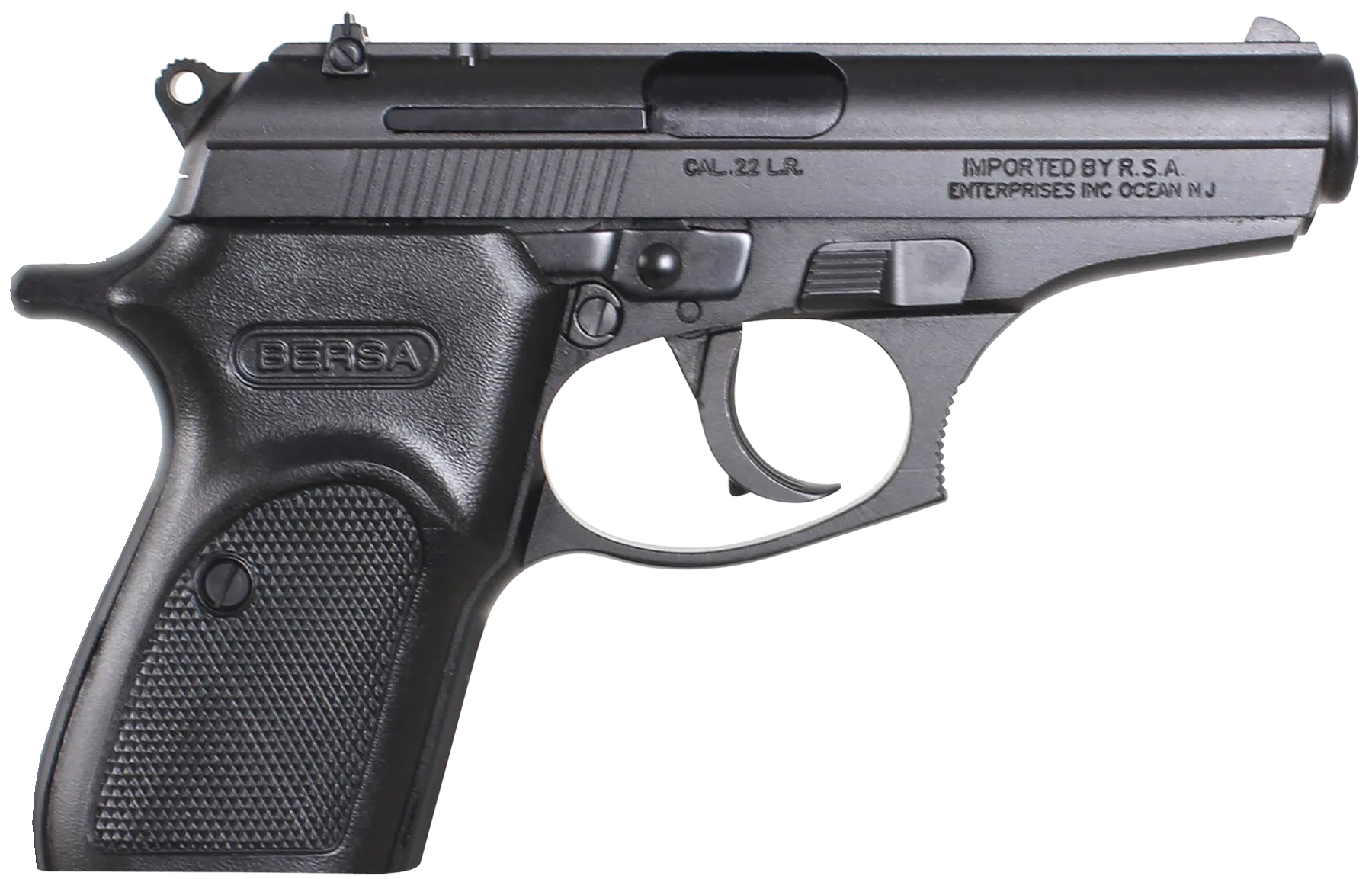
Bersa Thunder .22 LR 3.5 Barrel 10-Rounds
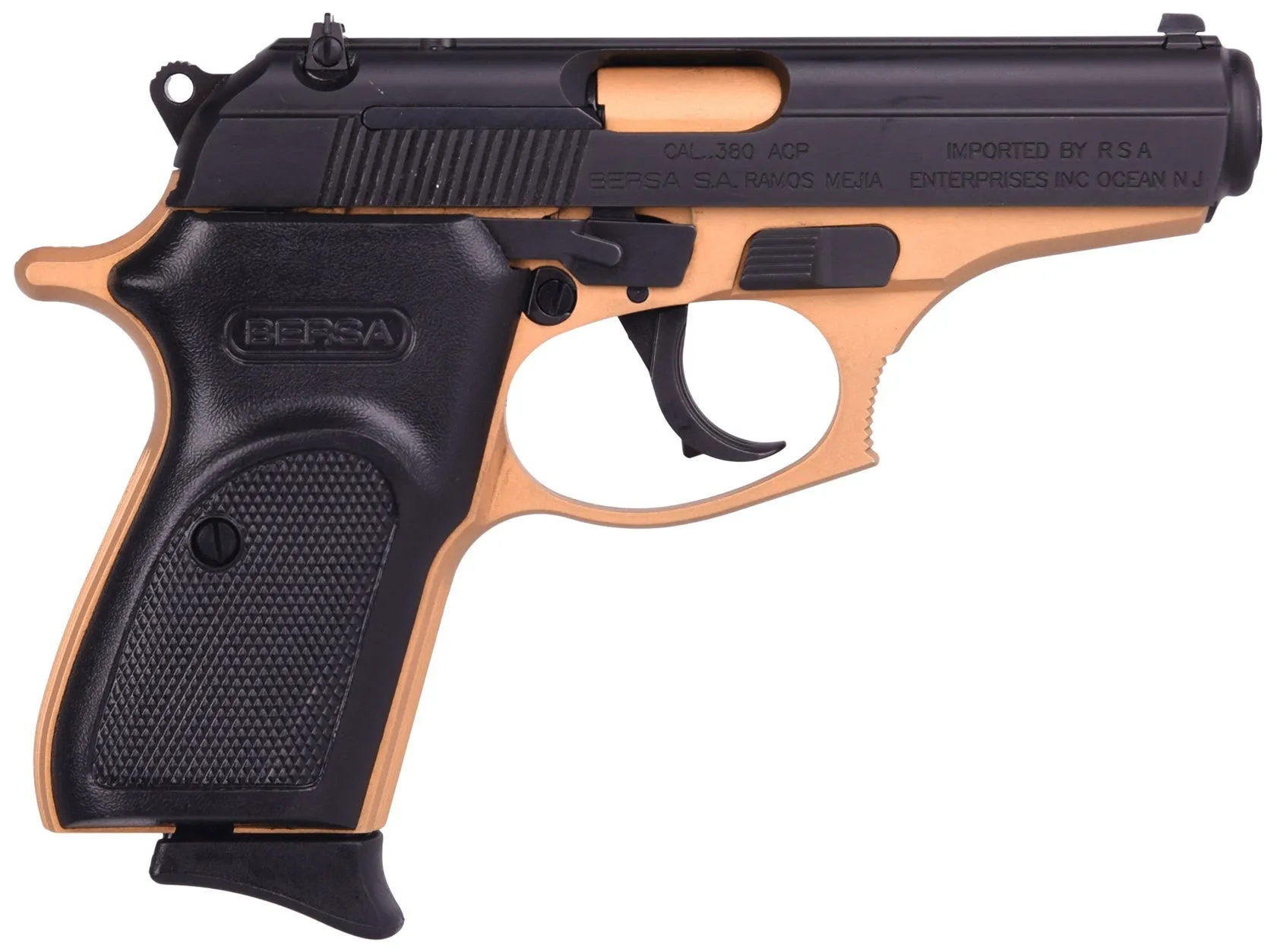
Bersa Thunder 380 Gold / Black .380 ACP 3.5 Barrel 8-Rounds
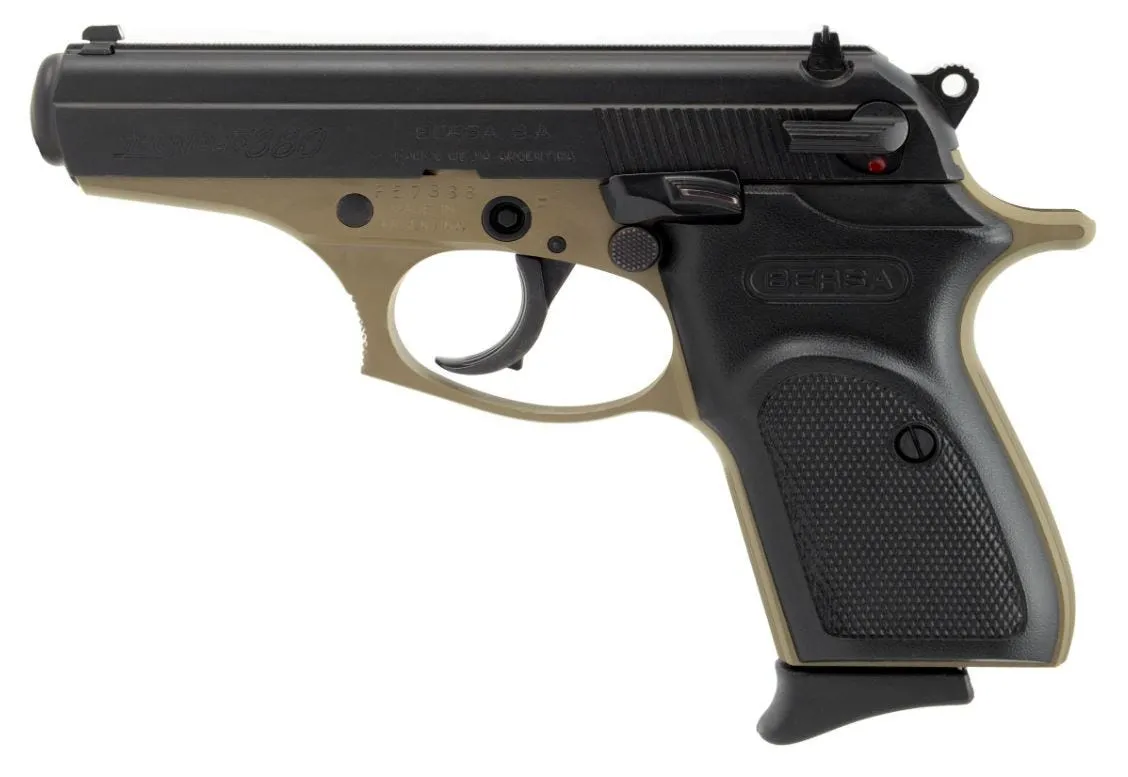
Bersa Thunder 380 Duotone Black / Flat Dark Earth .380 ACP 3.5 Barrel 8-Rounds
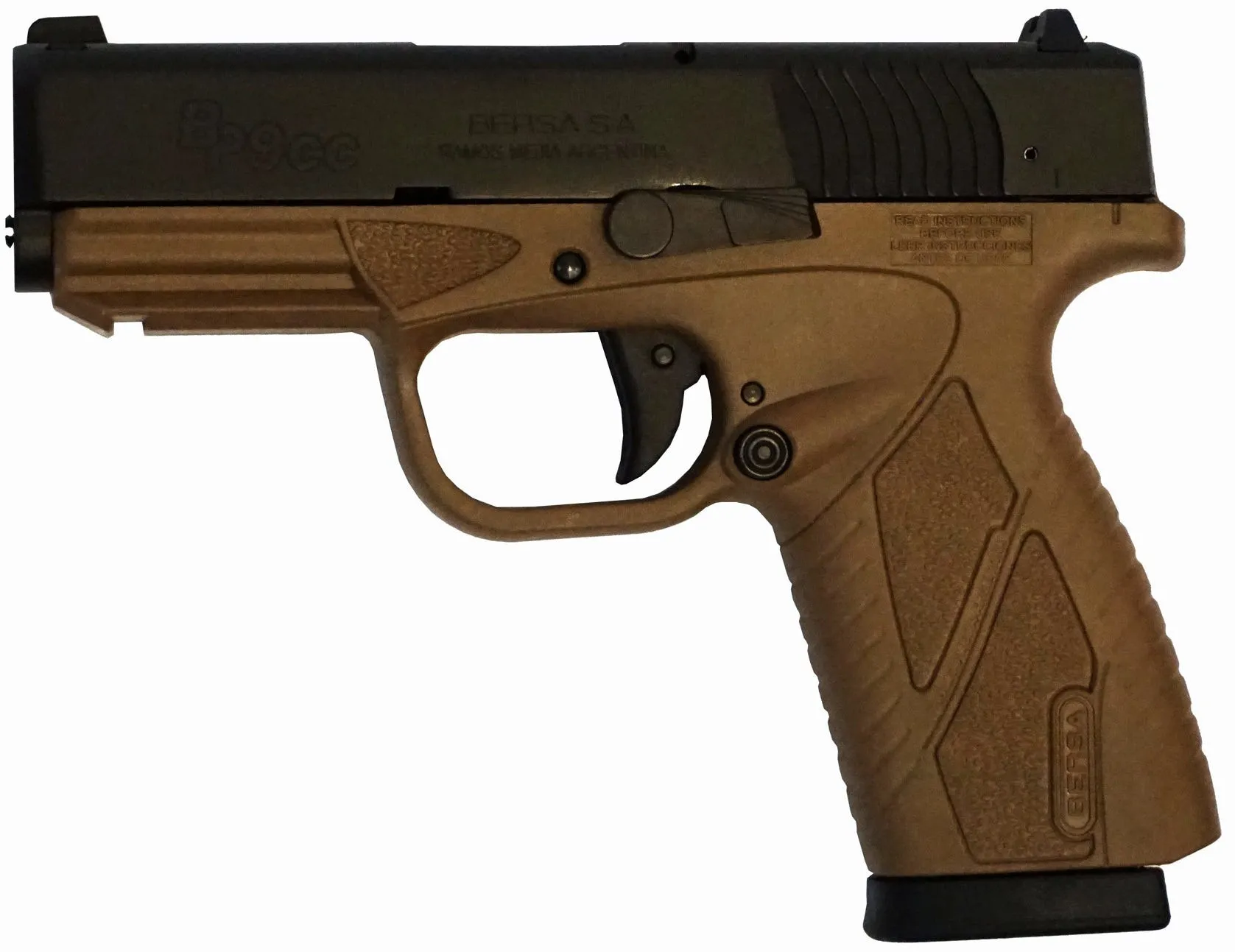
Bersa BPCC Concealed Carry Flat Dark Earth / Black 9mm 3.3 Barrel 8-Rounds
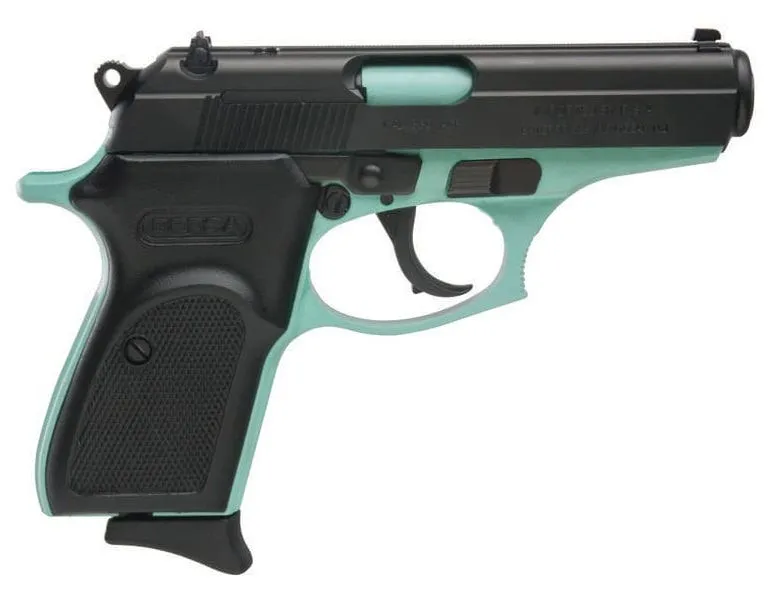
Bersa Thunder Robin s Egg Blue .380 ACP 3.5 Barrel 8-Rounds
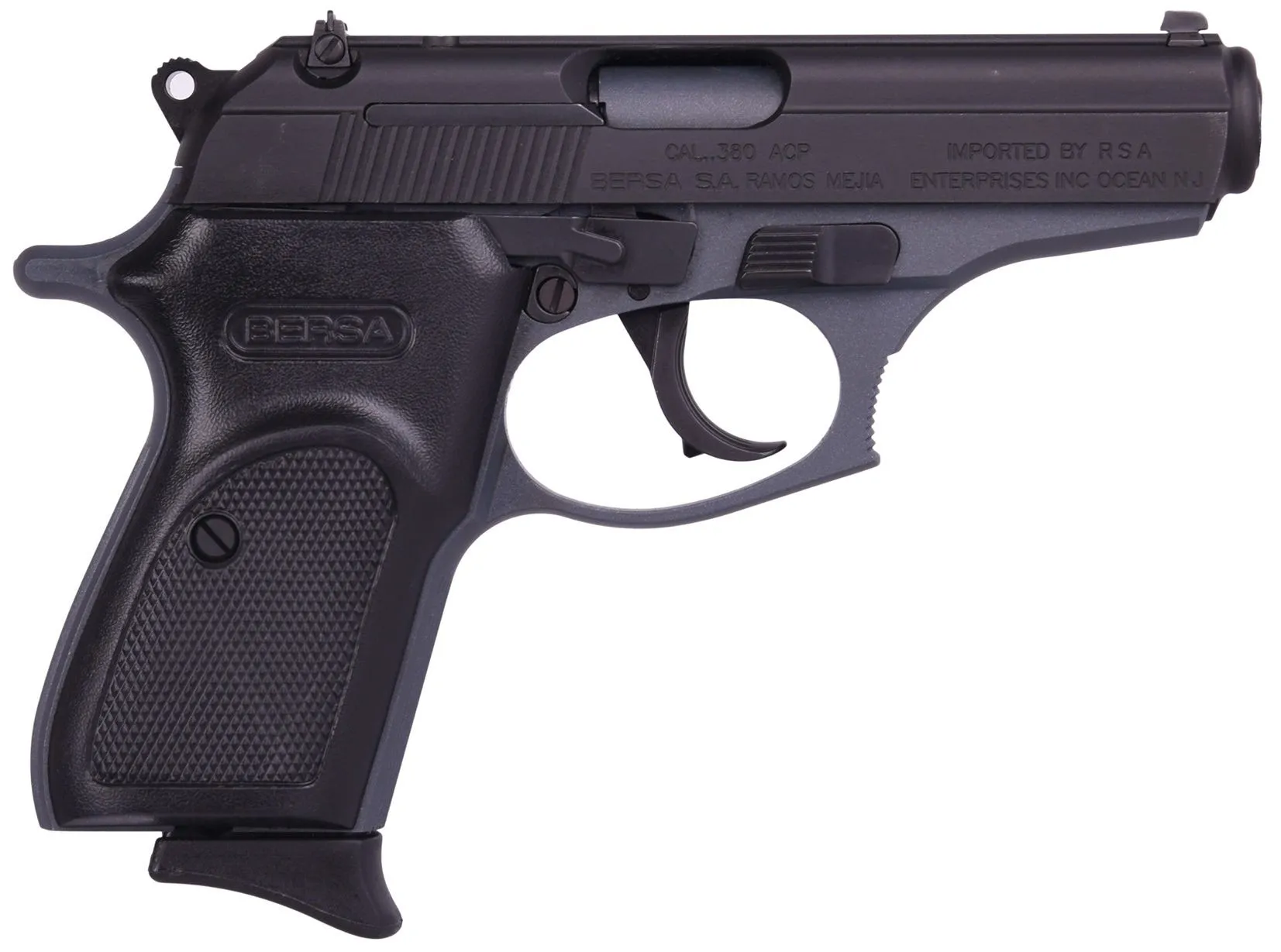
Bersa Thunder 380 .380 ACP 3.5 Barrel 8-Rounds
Price-sorted, that shelf leads with a rimfire Thunder before the centerfire .380s, and a 9mm compact sits in among them — read the titles rather than the order. But the pattern holds: the cheapest hammer-fired centerfire semi-auto we track is a $277.99 Bersa Thunder in .380 ACP.
Which quietly makes a cartridge decision for you, and that is the expensive part:
9mm Luger Price Index
Live · Oct 21, 2026.380 ACP Price Index
Live · Oct 21, 2026.380 sits above 9mm at the market floor, as it has all year — a smaller cartridge that costs more because far less of it gets made. Over a few thousand rounds of practice that difference dwarfs the couple of hundred dollars you saved at the counter, and it never stops. If you are choosing a chambering rather than a mechanism, start with our 9mm ammo guide and the .380 money page.
Cost Per Round Calculator
The only number that matters when comparing ammo. Shipping included.
Cheapest 9mm Practice Ammo by Cost Per Round
Prices updated Oct 21, 2026
MAGTECH 9mm Luger Steel Case 124 FMJ 50rd
9mm · 50 rds
MAGTECH 9mm 115gr Full Metal Jacket Brass Ammunition | 50 Rounds
9mm · 115gr · 50 rds

MILI CUSTOM DEFENSE AMMUNITION 9mm 155gr Subsonic FMJ 50rd
9mm · 155gr · 50 rds
MAGTECH 9mm 124gr FMJ 50rd
9mm · 124gr · 50 rds

SELLIER BELLOT 9mm 124Gr 1200 FPS FMJ 50rd
9mm · 124gr · 50 rds

SELLIER BELLOT 9mm 115gr FMJ Brass Ammunition | 50 Rounds
9mm · 115gr · 50 rds
Does CZ sell a hammer gun or a striker gun?
Both, and the price difference inside one maker's own catalog is the clearest illustration of everything above. CZ is the brand most associated with the hammer-fired 75 — and yet price-sorted, the cheap end of its shelf is entirely the striker-fired P-10 line:
CZ Pistols, Cheapest First
Prices updated Oct 21, 2026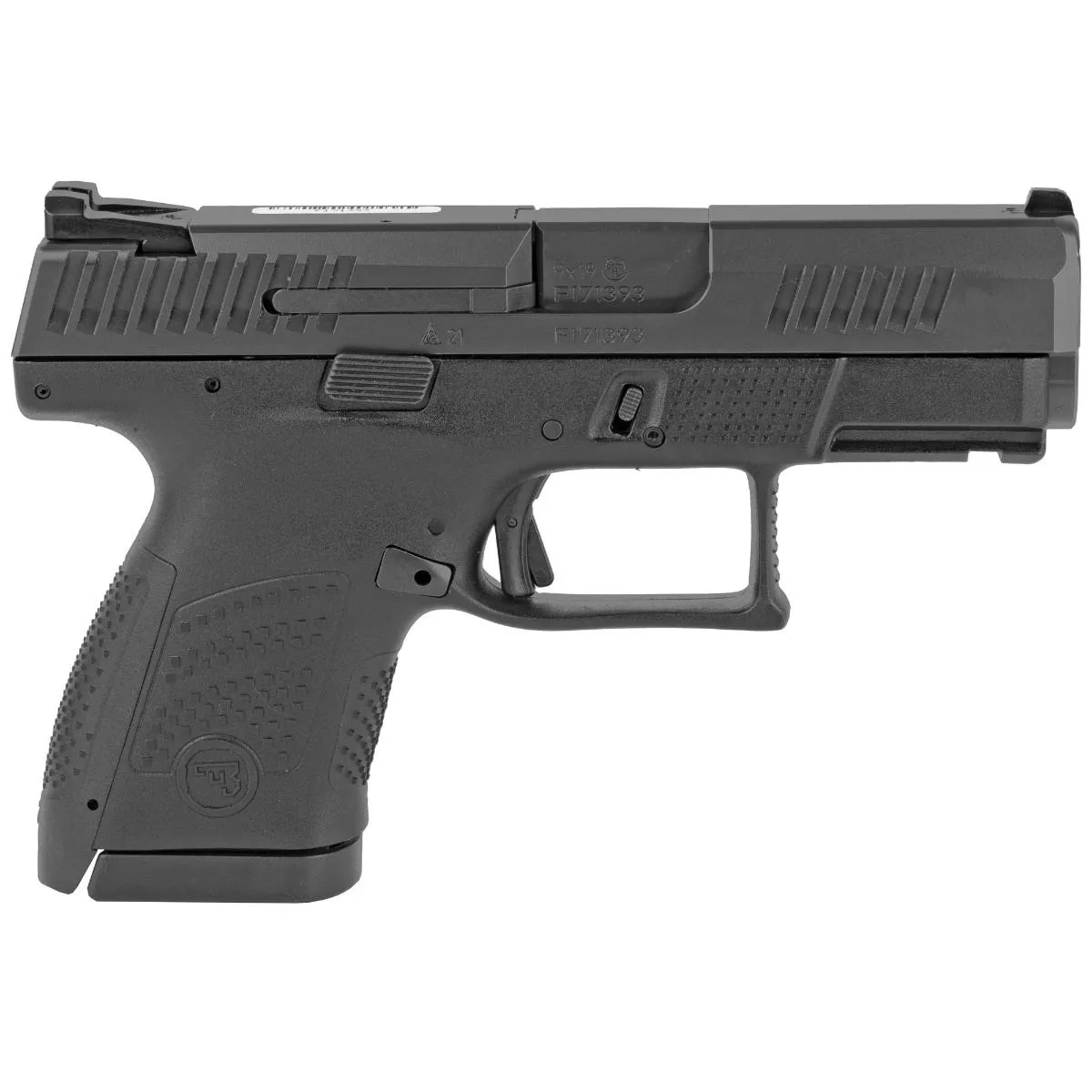
CZ P-10 S 9mm 3.5 Barrel 12-Rounds
9mm
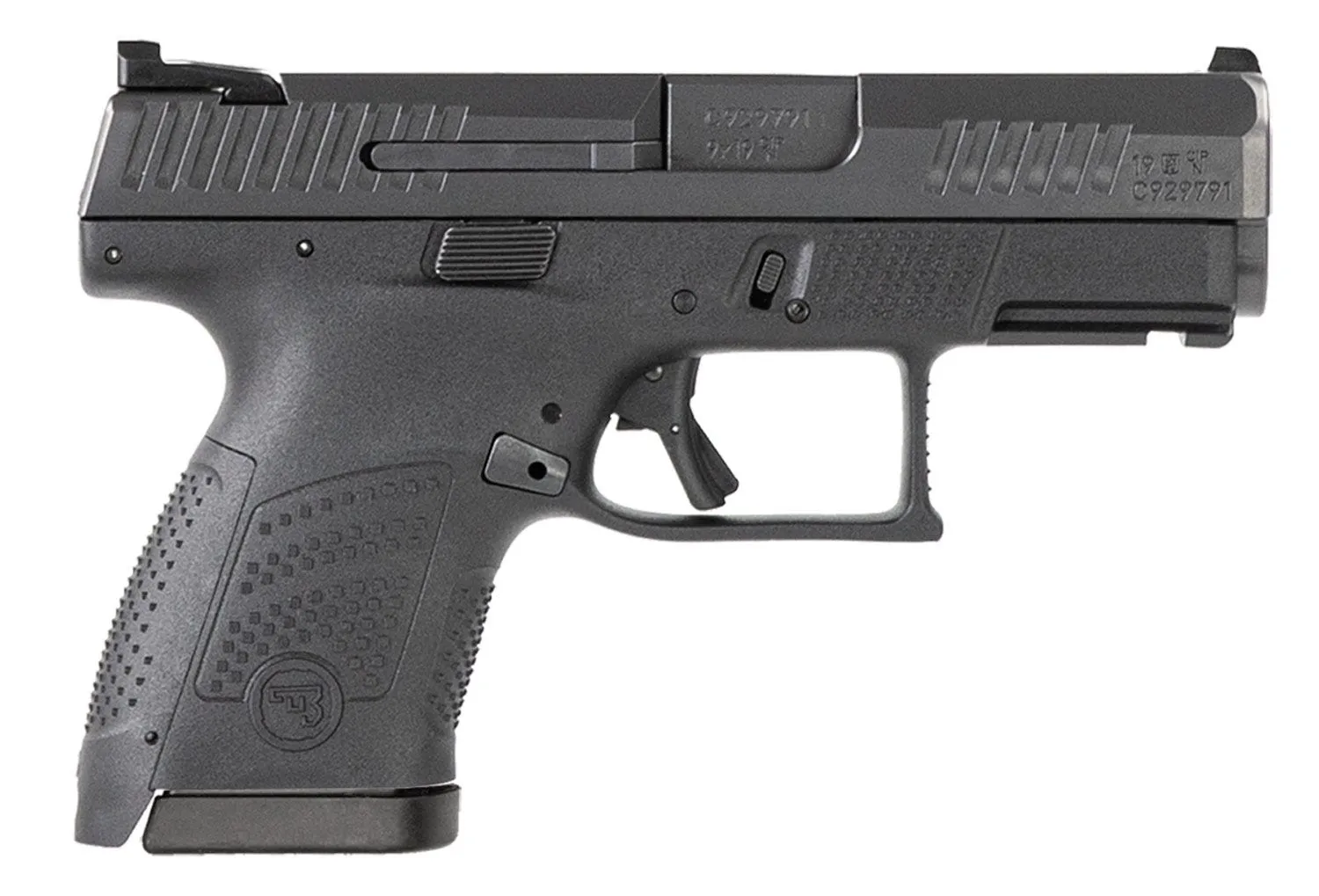
CZ P-10 S 9mm 3.5 Barrel 10-Rounds
9mm
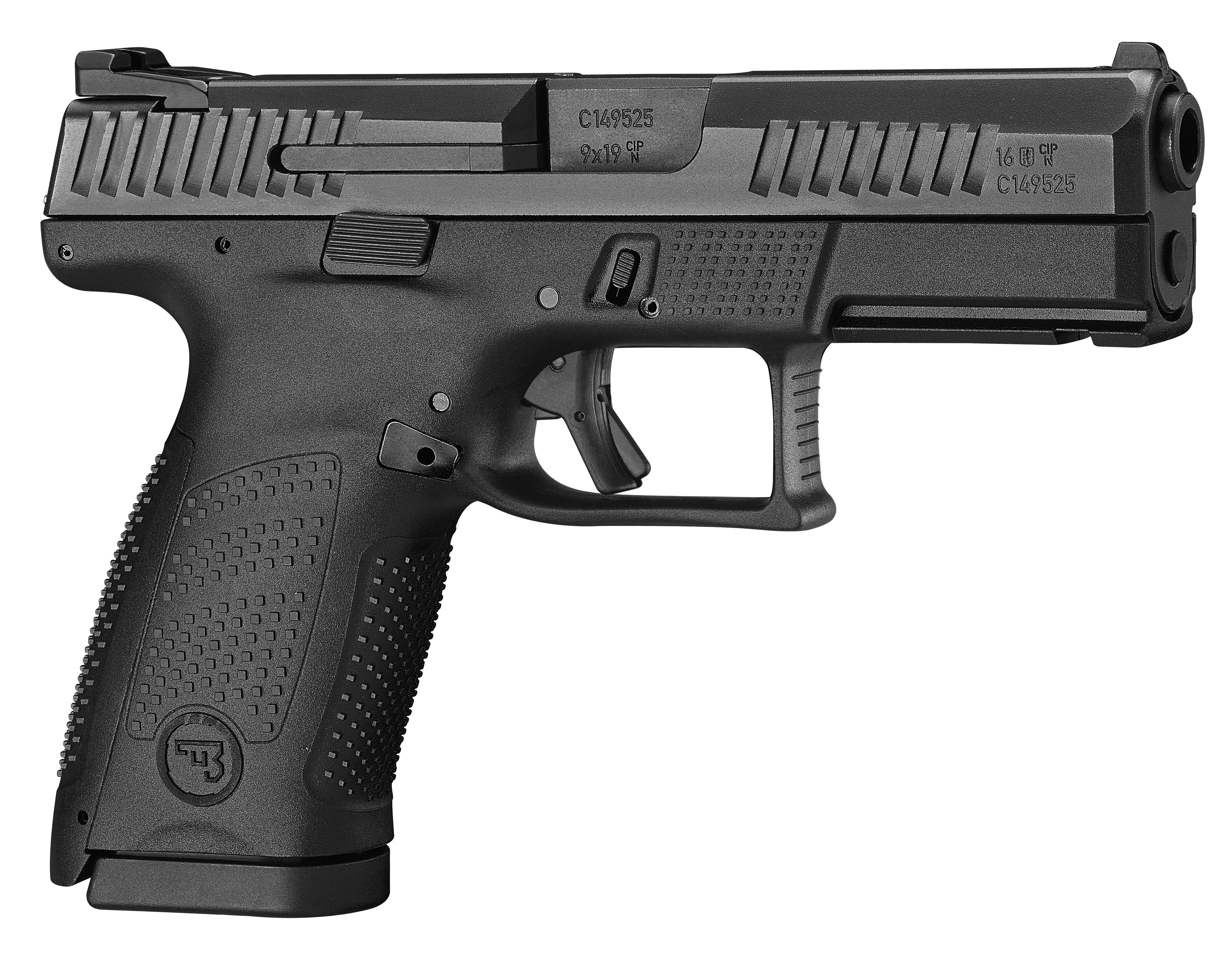
CZ P-10 Compact 9mm 4.02 Barrel 15-Rounds
9mm
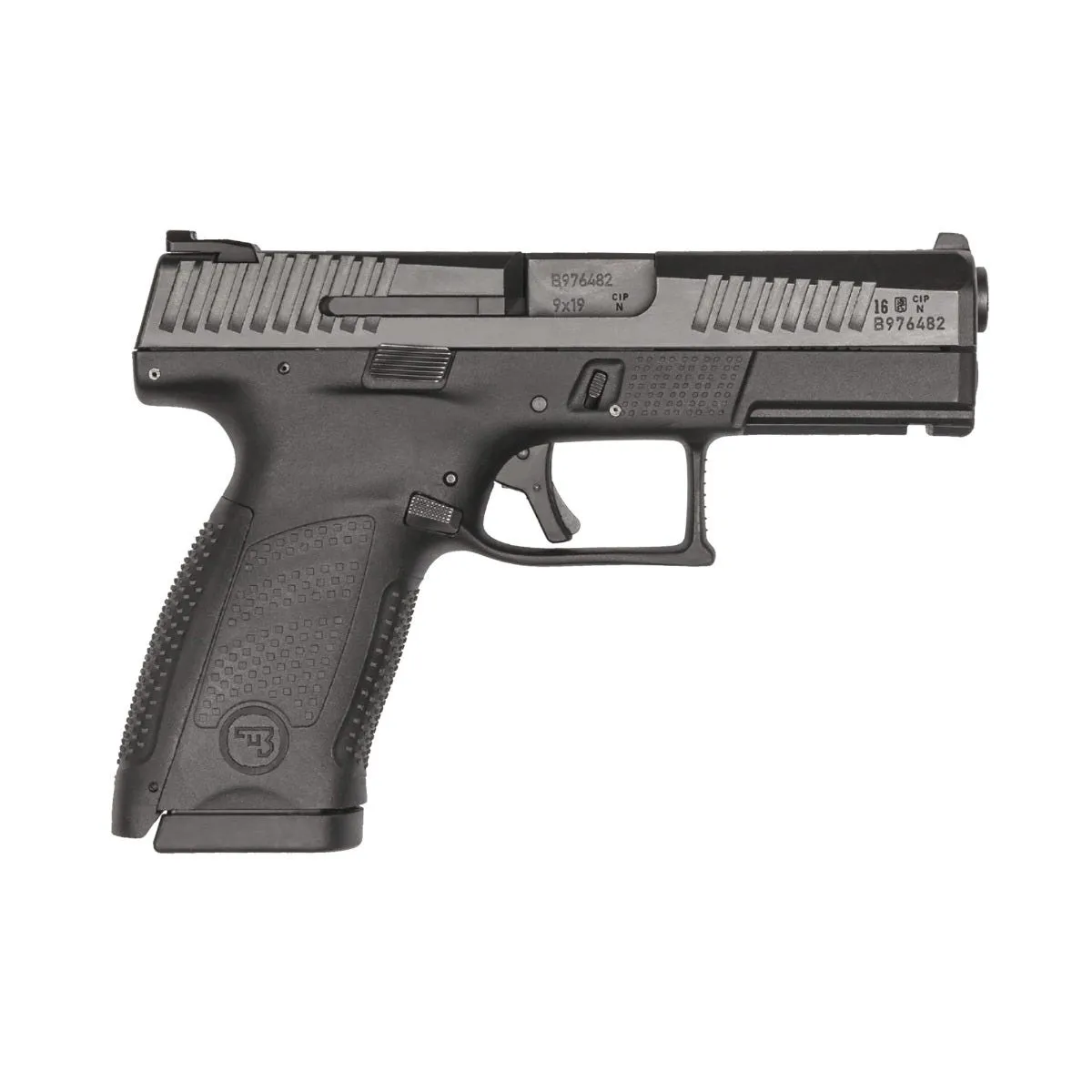
CZ P-10 Compact 9mm 4.02 Barrel 10-Rounds
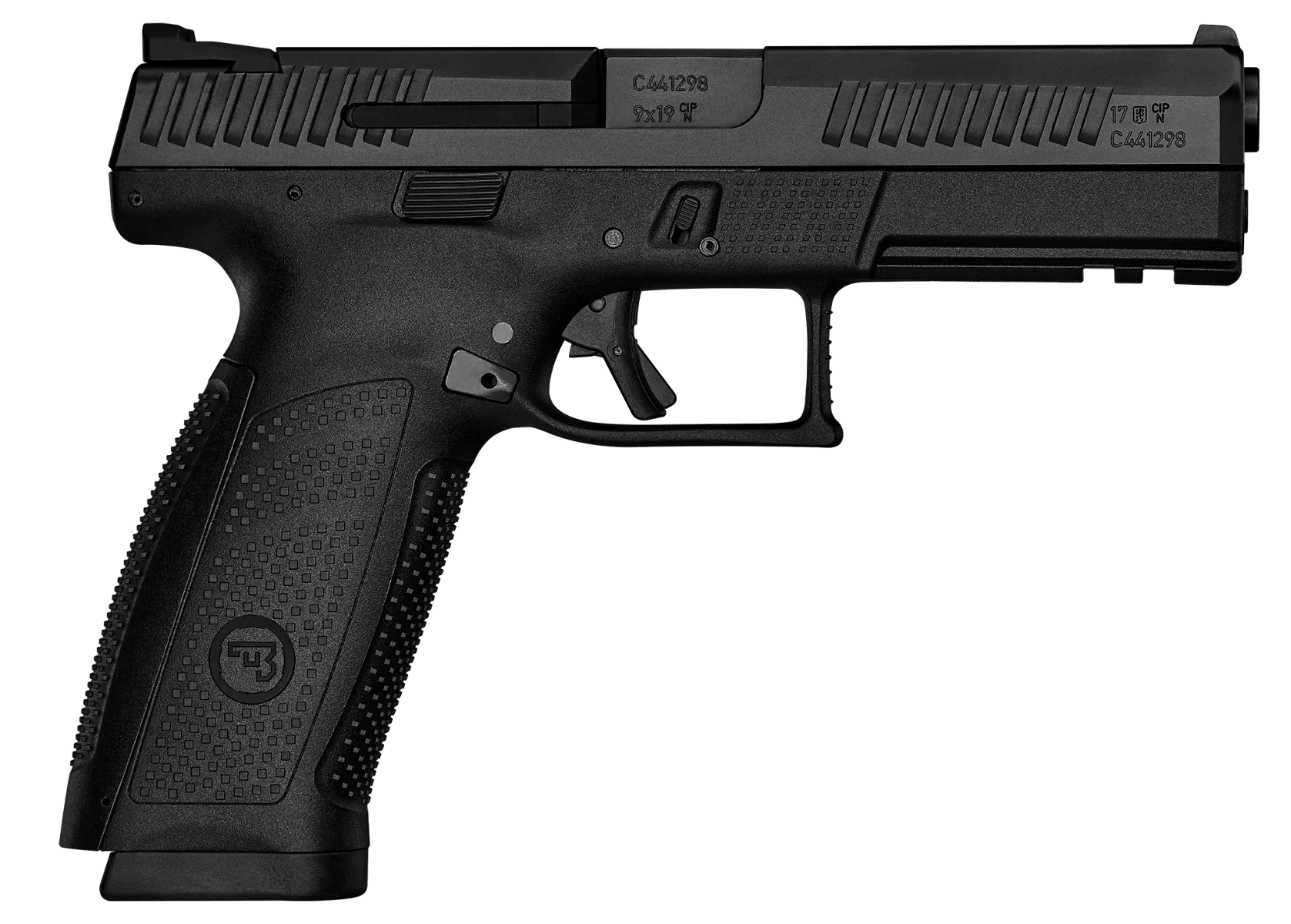
CZ P-10 F 9mm 4.5 Barrel 10-Rounds 3-Dot Sights
9mm
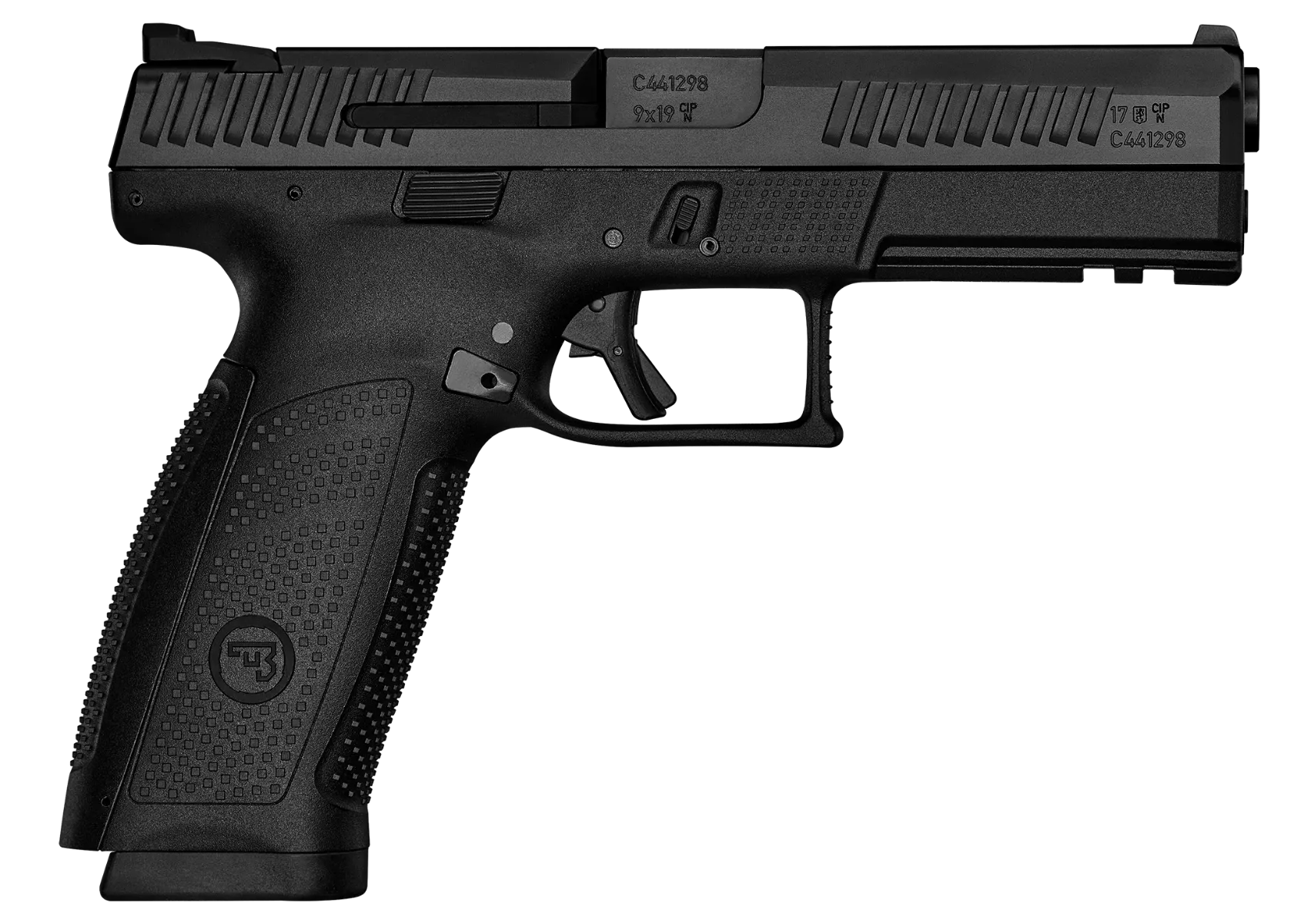
CZ P-10F 9mm 4.5 Barrel 19-Rounds
9mm
The hammer-fired 75 is still for sale. It files under a separate brand string in the feeds, and it sits at roughly twice the price of the striker-fired P-10 that shares its grip angle:
The Same Maker, Including the Hammer-Fired 75
Prices updated Oct 21, 2026
CZ P-07 Duty Flat Dark Earth 9mm 3.8 Barrel 15-Rounds
9mm · 15 rds
CZ P-10F .45 ACP 4.5 Barrel 13-Rounds Ambidextrous with Fixed Sights
.45 ACP · 13 rds
CZ P-10 C Ported 9mm 4 Barrel 10-Rounds OR
9mm · 10 rds
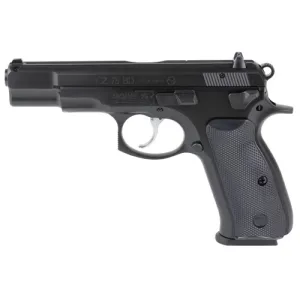
CZ 75 BD 50th Anniversary Elite 9mm 4.6 Barrel 10-Rounds
9mm · 10 rds
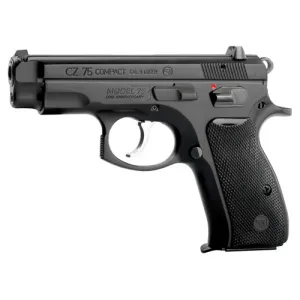
CZ 75 Compact 50th Anniversary Elite 9mm 3.75 Barrel 10-Rounds
9mm · 10 rds
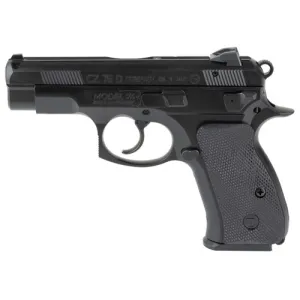
CZ 75 D PCR Compact 50th Anniversary Elite 9mm 3.75 Barrel 10-Rounds
9mm · 10 rds
One maker, one cartridge, two mechanisms, and the striker version is the affordable one. That is the whole market in miniature.
Which one takes a red dot?
This is the practical consequence most people overlook. Of the striker-family listings we classified, 464 of 1,495 name an optic cut, optic-ready slide or a specific footprint — about 31%. On the hammer side it is 180 of 988, about 18%.
If mounting a dot is part of the plan, the striker shelf gives you roughly twice the hit rate, and you are far less likely to end up paying a gunsmith to mill a slide. Plan for the cut before you buy, not after.
Should you shop around, or wait for a price drop?
We measure two levers on every listing: whether more than one retailer stocks it, and whether its current price sits above its own recorded low since February 2026.
| Multiple retailers | Above its own low | |
|---|---|---|
| Striker families | 38.0% | 45.2% |
| Hammer families | 33.5% | 55.2% |
| All live firearms | 15.5% | 42.5% |
| Live ammunition | 29.9% | 69.1% |
Handguns are unusually shoppable for firearms — both sets beat the 15.5% firearm-wide figure by a wide margin, so getting a second quote is worth the five minutes. Waiting is the weaker lever, slightly less weak on hammer guns, where 55.2% of listings sit above a price they have previously hit.
Ammunition is the opposite, and it is not close: 69.1% of live ammo listings are above their own recorded low. That is the asymmetry worth acting on. Buy the gun when you find it at a competitive price from a dealer you trust, and put the standing alert on the cartridge you will be buying for the next decade.
Get alerted when 9mm price drops hit.
We watch every listing and email you the moment the cost per round drops.
Set Up a Free Price AlertFactor the transfer in before you compare totals, too — a listing price is not a delivered price, and how FFL transfers work is where that arithmetic lives.
So which should you buy?
Buy striker-fired if you want one trigger pull to learn, the widest choice under $500, the best odds of a factory optic cut, and the cheapest practice ammunition in the same purchase. That describes most people buying their first or second centerfire handgun, and it is why our first-handgun guide and carry pistol guide lean that way on live prices rather than on dogma.
Buy hammer-fired if you specifically want a decocker, a light single-action pull for deliberate shooting, a steel-framed service pistol, or a 1911 — and accept that you are shopping a market whose median sits around $300 higher. Those are real reasons. "Hammers are more reliable" is not one.
And if what you actually want is a mechanism with no reciprocating slide to fight, the concealed-carry revolver guide covers that third option, including why a shrouded hammer is just as hard to shop for as a striker. However you decide, the mechanism is a one-time choice and the ammunition is a recurring bill — which is why the round count you need to get competent will cost more than the difference between these two guns.
AmmoSpotter earns a commission when you buy through links on this page. It never changes what you pay, and it never decides what we recommend — our picks are ranked on live cost-per-round data pulled from every retailer we track. Full disclosure.
Frequently Asked Questions
Is striker-fired or hammer-fired better for a first handgun?+
Can you decock a striker-fired pistol?+
Do hammer-fired pistols have second-strike capability?+
Which is cheaper to buy right now?+
Does the mechanism change what the gun costs to feed?+
Can I filter listings by ignition system?+
Shop the data

About the author
AmmoSpotter Research Desk
Price & Ballistics Research
The AmmoSpotter Research Desk analyzes live retail pricing across every ammunition, firearm and accessory listing we track. Recommendations here are ranked against real cost-per-round data pulled daily from the retailers we monitor - not against manufacturer marketing copy.
- ✓Tracks 180,000+ live product listings across 6 retailer feeds
- ✓Records price history on every listing, every day
- ✓Cost-per-round methodology applied to all ammunition rankings
- ✓No product is ranked without a verifiable in-stock retail price
- ✓Affiliate relationships never influence rankings
Related Guides

Best First Handgun for a New Shooter (2026): Pick the Gun, Then Fund the Round Count
- Buy the gun you can afford to shoot 500 rounds through, not the most gun you can afford to buy. - 9mm is the default first chambering for one unglamorous reason: it is the cheapest centerfire pistol round on the mar...

Glock 19 vs Sig P365 vs S&W Shield Plus: Size, Capacity and Live Price
- These are not competitors so much as three points on one curve: carryability on one axis, shootability on the other. - The Glock 19 wins capacity and shootability. The P365 wins concealment. The Shield Plus splits t...
Best 1911s at Every Price Tier (2026): 1,074 Live Listings, Tiered on Real Prices
- We track 1,074 live 1911 listings , from $249.99 to $8,614.99 , with a median of $1,049.99 . Over half the market — 566 listings — is priced at $1,000 or more. - The bottom of the category is not a bargain .45. The ...
Best Revolvers for Concealed Carry (2026): 417 Carry-Length Guns, Priced Live
- We track 1,838 live revolver listings . Only 417 — 23% — have a stated barrel of 2.5 inches or less . The rest are cowboy single-actions, hunting magnums and range guns. - That carry-length subset runs $139.99 to $1...
Best 10mm Pistols 2026: What You Can Actually Buy, on Live Prices
- The 10mm shelf is 189 live handgun listings against 3,798 in 9mm. Buying one is a selection problem, not a price problem. - Its median, $999.00 , is identical to .45 ACP's. The cartridge carries no premium over the ...

How to Buy a Gun Online: FFL Transfers Explained
- A firearm bought online ships to a licensed dealer near you, not to your door. You do the paperwork and the background check in person. - The transfer fee is set by that receiving dealer. It is invisible to every pr...