How Many Magazines Do You Actually Need?
Magazines are the cheapest reliability upgrade available and the most common single point of failure. Here is how many to own, when to retire them, and why buying one batch beats buying ten brands.

Magazines are a rounding error next to what you spend on ammunition, and they cause a disproportionate share of malfunctions. That asymmetry is the whole argument: buying enough good magazines is the cheapest reliability improvement available to you.
The number
There is no universal answer, but there is a sensible way to derive one: how many do you need to get through a full session without stopping to reload?
| Use | Working number | Why |
|---|---|---|
| Occasional range use | 5-6 rifle / 3-4 pistol | Enough for a normal session |
| Regular training | 10-15 rifle / 5-8 pistol | A full class or drill sequence without downtime |
| Competition | 15+ | Stage demands plus spares |
| Defensive setup | 3-5 dedicated | Kept loaded, separate from the practice rotation |
The reasoning behind the training numbers: loading magazines eats range time. If you spend a third of a session refilling, you are paying range fees to sit at a bench. Enough magazines converts that time back into trigger time.
Buy one model, in one batch
This is the recommendation people most often ignore, and it costs them.
Mixed magazines mean mixed feed lip geometry, mixed follower designs, mixed spring rates and mixed failure modes. When something malfunctions, you cannot tell whether it is the gun, the ammunition or that one odd magazine.
A single batch of a single proven model behaves consistently. When one starts misbehaving, it is obviously the outlier.
There is a second advantage: buying in one batch usually gets a better per-unit price, and it means one shipping charge instead of five.
Magazine Deals We Track
Prices updated Oct 10, 2026
CMMG Magazine Catch Spring

AC-Unity AK 74 Magazine 5.45X39 10RDS

AC-Unity AK556 Magazine 5.56X45 10 RDS

CMMG Magazine Catch Button, Black

Pearce Grip Magazine Extension for Glock 29/20/21/40/41 Pistols - PG-1045+

Pearce Grip Grip Extension for S&W M&P 380 Shield EZ Pistol, Black - PGEZ

Wilson Combat 10-Round Magazine Spring and Follower Kit Fits 1911 Commander
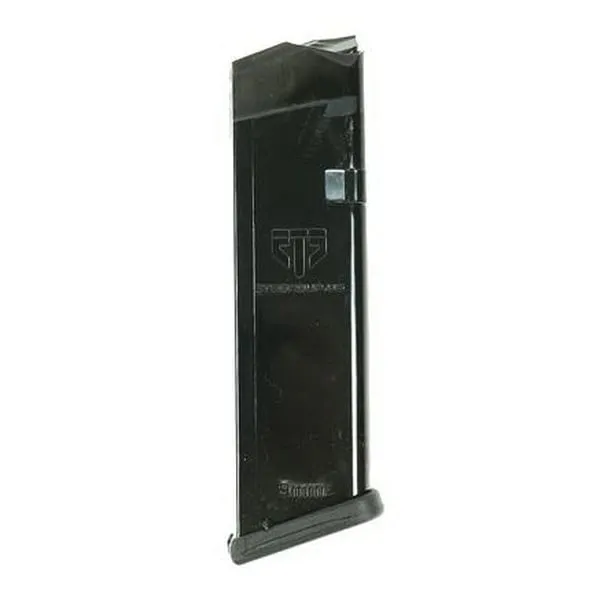
Elite Tactical Systems 17rds 9mm, Black
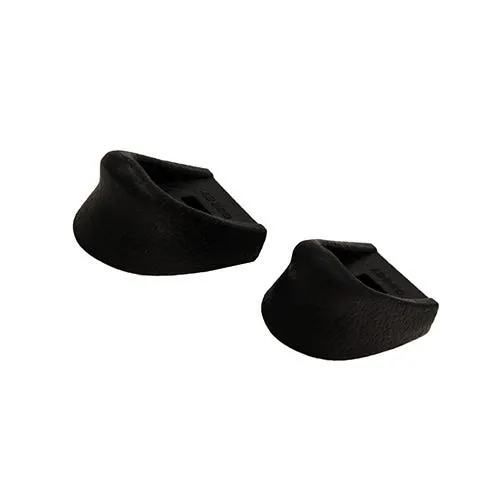
Pachmayr Grip Extender for Smith & Wesson M&P Shield 9 Pistols, Black - 03887
Number them
Mark every magazine with a permanent number. Painted numbers, engraved floorplates, whatever survives.
This is the single highest-value habit in this article. Without numbers, "one of my mags is bad" is unfixable information. With numbers, you write down that #7 caused a failure to feed, you watch #7, and when it does it again you retire it.
Rotation and retirement
Springs. They wear from cycling far more than from compression. A magazine that has sat loaded for years is generally fine; the one that has been loaded and unloaded thousands of times is the one to watch. Springs and followers are inexpensive and user-replaceable - that is the first repair to try.
When to retire: a magazine that causes an untraceable malfunction and does not improve after a spring and follower swap. Also anything with cracked feed lips, a bent body, or a damaged floorplate.
How to retire: physically remove it. Mark it clearly and put it somewhere else, or destroy it. A "bad" magazine left in the range bag will find its way back into a drill on the day it matters.
Loaded storage
Keeping magazines loaded is fine. What actually degrades them is neglect:
- Keep them dry. Corrosion on a spring is a real problem; compression is not.
- Do not store them dirty. Carbon and grit in the body cause feeding problems.
- Rotate which ones are loaded if it makes you feel better - it does no harm, and it forces you to inspect them periodically.
For a defensive setup, keep a small dedicated set loaded and separate from the practice rotation. Those magazines should not be the ones getting dropped on concrete every weekend.
The legal check
Magazine capacity is restricted in a number of states and municipalities, and the rules move. Verify your current local law before you order - retailers cancel orders that violate restrictions, and you can still end up paying shipping.
This is worth checking even if you checked last year.
What this costs against what it saves
Magazines are cheap relative to ammunition. Ten quality rifle magazines cost roughly what a case of practice ammunition costs, and unlike the ammunition they do not get consumed.
.223 / 5.56 NATO Price Index
Live · Oct 10, 2026Put another way: the ammunition you will run through those magazines over the next few years will cost many times what the magazines did. Under-buying on the cheap durable item to save money on the expensive consumable one is backwards.
Cost Per Round Calculator
The only number that matters when comparing ammo. Shipping included.
AmmoSpotter earns a commission when you buy through links on this page. It never changes what you pay, and it never decides what we recommend — our picks are ranked on live cost-per-round data pulled from every retailer we track. Full disclosure.
Frequently Asked Questions
How many AR-15 magazines should I own?+
Do magazine springs wear out from being loaded?+
Should I buy different magazine brands to compare?+
When should I retire a magazine?+
Are magazines regulated where I live?+
Shop the data

About the author
AmmoSpotter Research Desk
Price & Ballistics Research
The AmmoSpotter Research Desk analyzes live retail pricing across every ammunition, firearm and accessory listing we track. Recommendations here are ranked against real cost-per-round data pulled daily from the retailers we monitor - not against manufacturer marketing copy.
- ✓Tracks 180,000+ live product listings across 6 retailer feeds
- ✓Records price history on every listing, every day
- ✓Cost-per-round methodology applied to all ammunition rankings
- ✓No product is ranked without a verifiable in-stock retail price
- ✓Affiliate relationships never influence rankings
Related Guides

AR-15 Ammo Guide: What to Feed It and What It Costs
An AR-15 is a one-time purchase. Ammunition is a subscription. Most people research the rifle for months and then buy whatever 5.56 is on the shelf, which is exactly backwards from where the money goes. This guide cov...

How to Buy Ammo Online Without Overpaying (2026 Guide)
Most ammunition buying advice stops at "shop around." That is not a process, and it is not why people overpay. People overpay because ammunition is priced in a unit nobody compares — the box — while the thing being bo...

Red Dot vs LPVO 2026: Which Optic Belongs on Your Rifle
- A red dot is faster, lighter, cheaper to mount and forgiving of bad body position. An LPVO lets you identify a target and call a shot past the distance a dot can resolve. - The mount is the hidden cost. Most dots we...

Best 9mm Ammo 2026: Range, Carry and Duty Loads Ranked
9mm Luger is the most-produced, most-competitive cartridge in the American market. That is good news and bad news: prices are low, and the sheer number of listings makes it easy to pay 30% more than you needed to for ...
Best AR-15 Magazines 2026: What 482 Live Listings Actually Cost
- We track 482 live AR-15 magazine listings. 263 of them sit between $10 and $20, which is the only price band that matters for most buyers. - Reduced-capacity magazines cost more than full-capacity ones, by median an...

How Much Does It Cost to Own an AR-15 for a Year? Priced on Live Data
- The rifle is a one-time cost. Ammunition is the recurring one, and at realistic round counts it dwarfs everything else. - We track 380 live .223 Remington ammunition listings. The spread between the market floor and...