Red Dot vs LPVO: Which Belongs on Your Rifle
One is faster and lighter, one does more, and the mount is the line item nobody budgets for. Decided on live prices across both categories.

What a red dot actually buys you
Speed, and a shooting position you can get away with. An unmagnified dot has no eye relief requirement and effectively no eye box — if you can see through the window at any angle, the dot is where the bullet goes. That means you can shoot it from a rolled-over prone, from retention, around a barricade, or with your head nowhere near where the manual imagined it. That property is worth more than most people credit, and it is the single reason dots dominate defensive and close-range competition use.
The second thing you buy is weight and bulk you do not carry. Micro dots and enclosed emitters sit low and add very little in front of the receiver. On a rifle you carry all day, or a truck gun that lives in an awkward case, that compounds.
What you do not buy is target discrimination. A dot magnifies nothing. At the distance where a silhouette becomes ambiguous, a red dot gives you no more information than your naked eye — and a legal and moral obligation to identify a target does not care how fast your optic is. Dot size is the other honest limit: the listings in our catalog run from 2 MOA up through 6 MOA dots and 65 MOA circle-dot reticles, and the same dot that is easy to find fast at seven yards covers a lot of target at two hundred.
Vortex Red Dots — Live Prices, Cheapest First
Prices updated Oct 10, 2026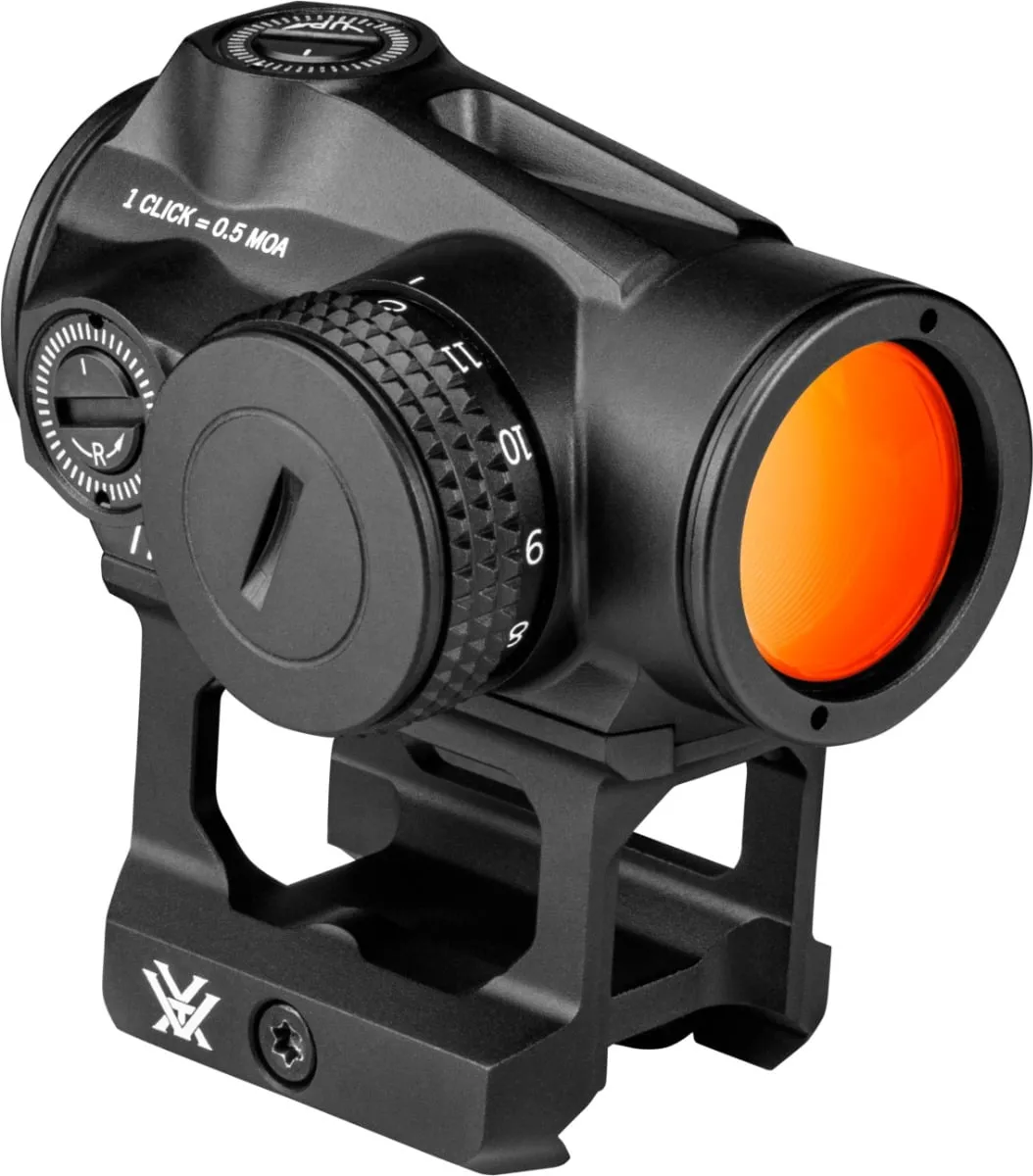
Vortex Triumph 1x 2 MOA Dot w/ Mount

Vortex Crossfire II 2 MOA Red Dot Lower 1/3 Picatinny Mount
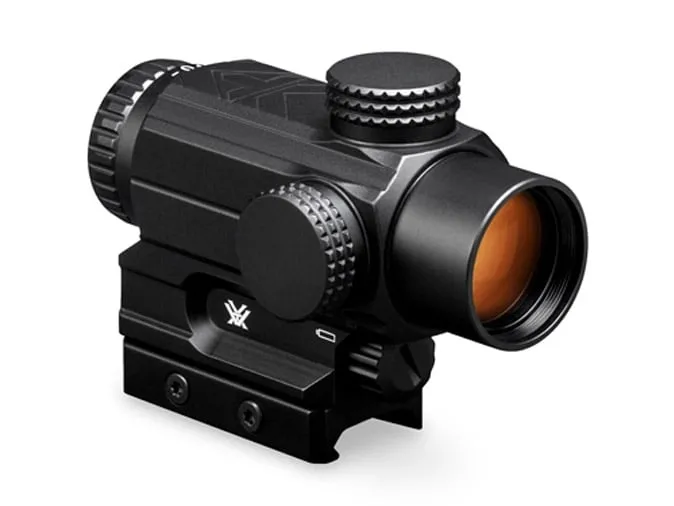
Vortex Spitfire AR Prism Scope 1/2 MOA DRT MOA Reticle w/ Lower 1/3 Mount

Vortex Crossfire Red Dot Sight 2 MOA

Vortex Crossfire II Solar Tan 2 MOA Red Dot w/ Lower 1/3 Picatinny Mount

Vortex Crossfire II Solar 2 MOA Green Dot w/ Lower 1/3 Picatinny Mount
What an LPVO actually buys you
Information. At 4x, 6x or 8x you can tell what is in front of you, see your own impacts, and hold for a target smaller than your dot would cover. An etched reticle also works with the illumination switched off, which means a dead battery degrades an LPVO instead of disabling it. That is a meaningful robustness difference and it rarely gets mentioned in the speed-versus-magnification argument.
The cost is discipline. An LPVO at 1x is not a red dot. It has eye relief, it has an eye box, and the higher the top-end magnification the tighter both get. A 1-10x is not strictly better than a 1-4x; it is a different set of compromises with more weight and a fussier cheek weld. It is also longer, heavier and mounted higher, which changes how the rifle handles well before it changes how it shoots.
Second focal plane versus first focal plane is the other fork. An SFP reticle stays the same visual size as you zoom, so the subtensions are only correct at one magnification — usually the top end. An FFP reticle scales with the image, so your holds are always right, at the price of a reticle that can be hard to see at 1x unless the illumination is genuinely daylight-bright. Neither is wrong. Buying an FFP scope with weak illumination and then using it mostly at 1x is.
Low-Power Variable Scopes — Live Prices
Prices updated Oct 10, 2026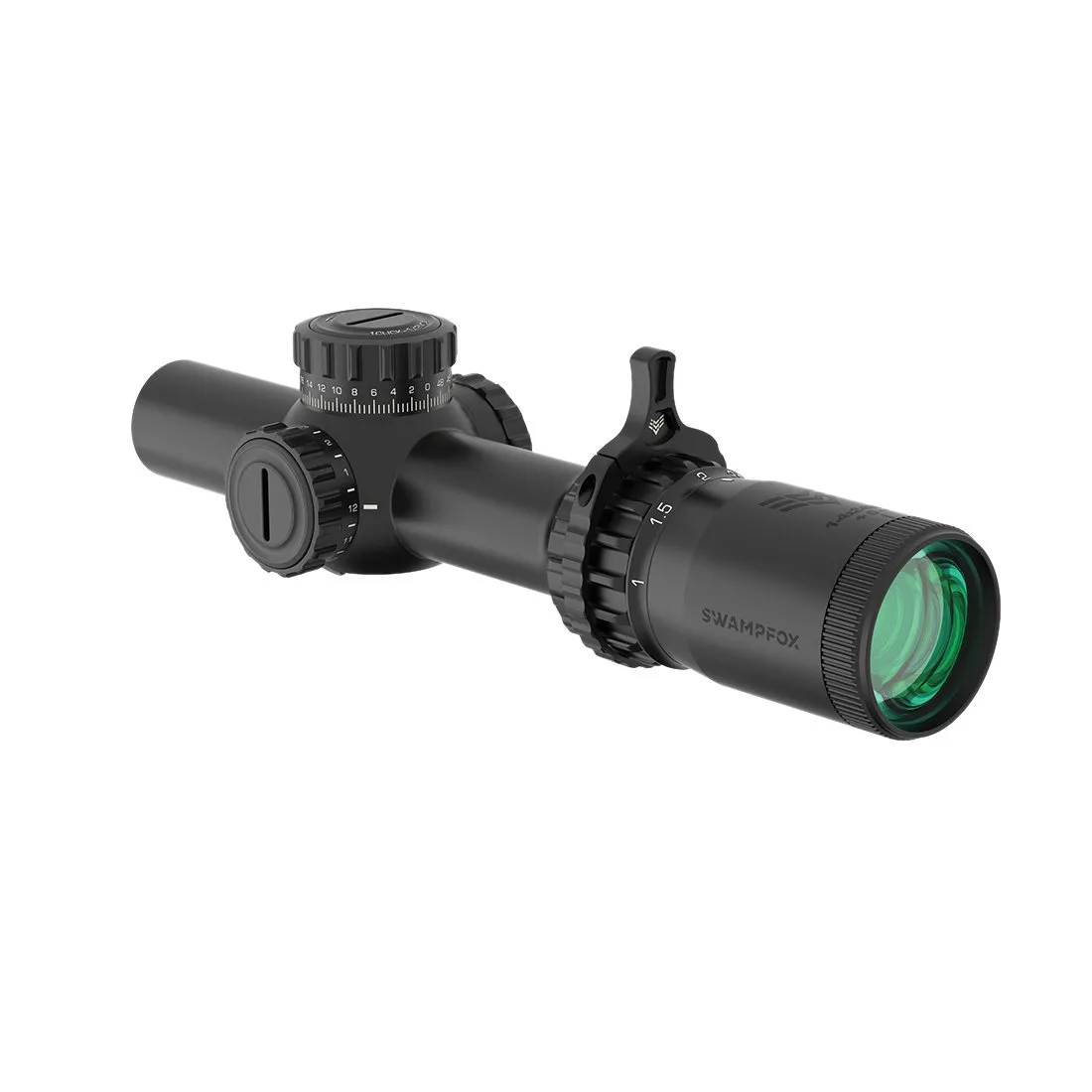
Swamp Fox Tomahawk II 1-4x24mm Red Guerrilla Dot BDC Long Reticle
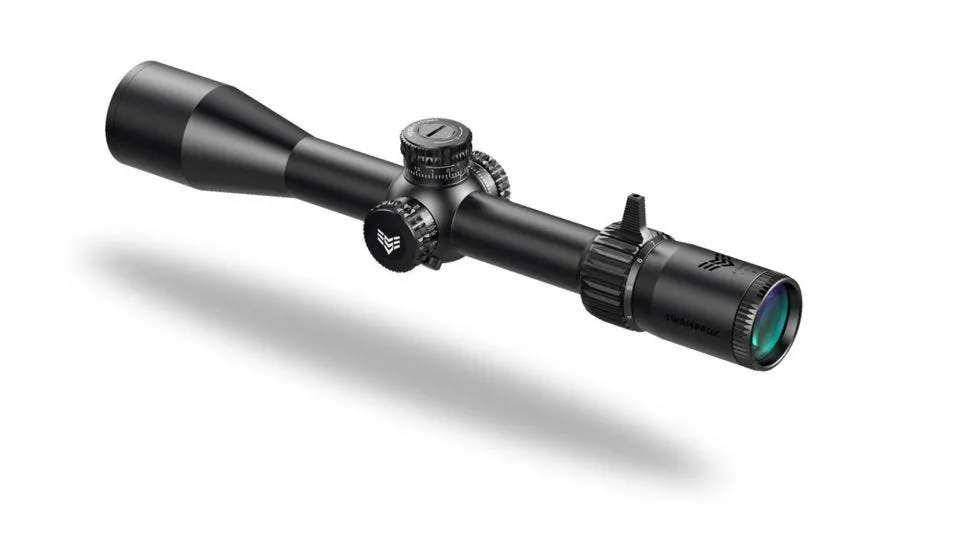
Swamp Fox Patriot Precision Scope 4-16x44mm Sharpshooter Grid MIL
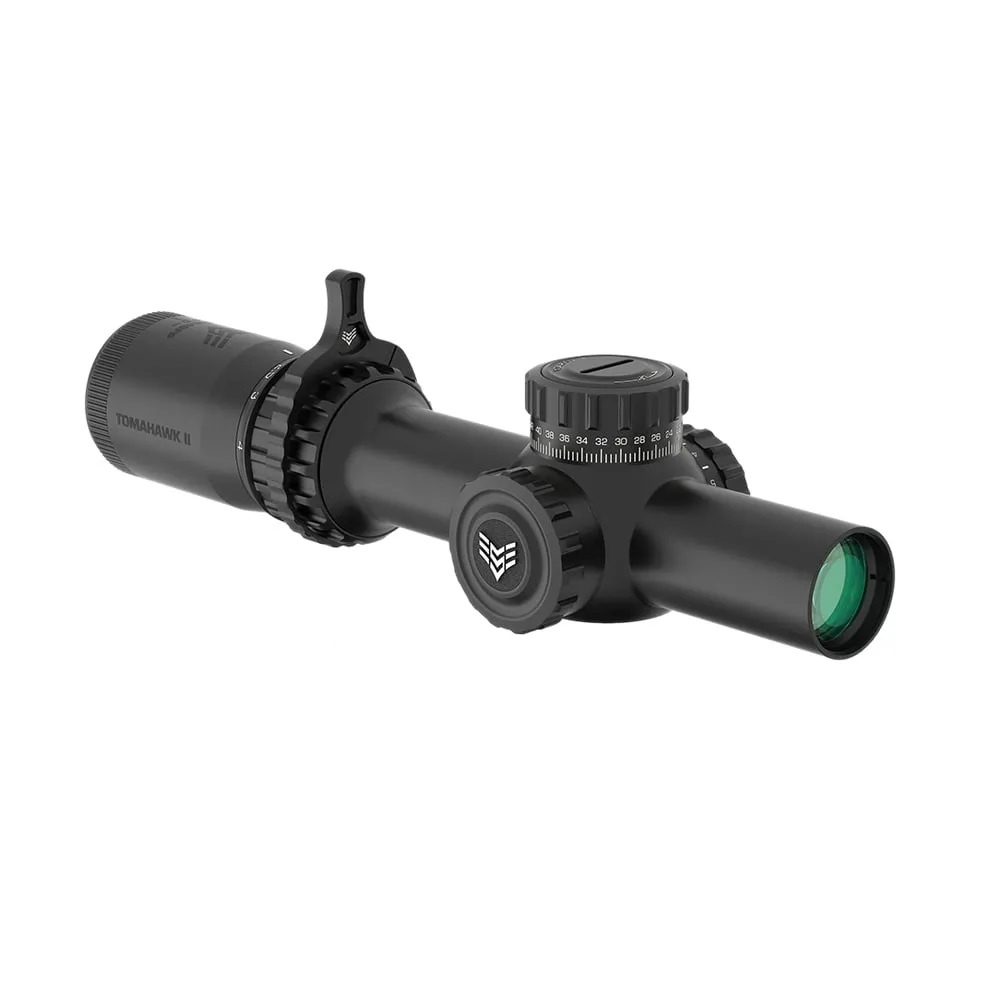
Swamp Fox Tomahawk II 1-4x24mm SFP Red Bright Fiber Optic Reticle
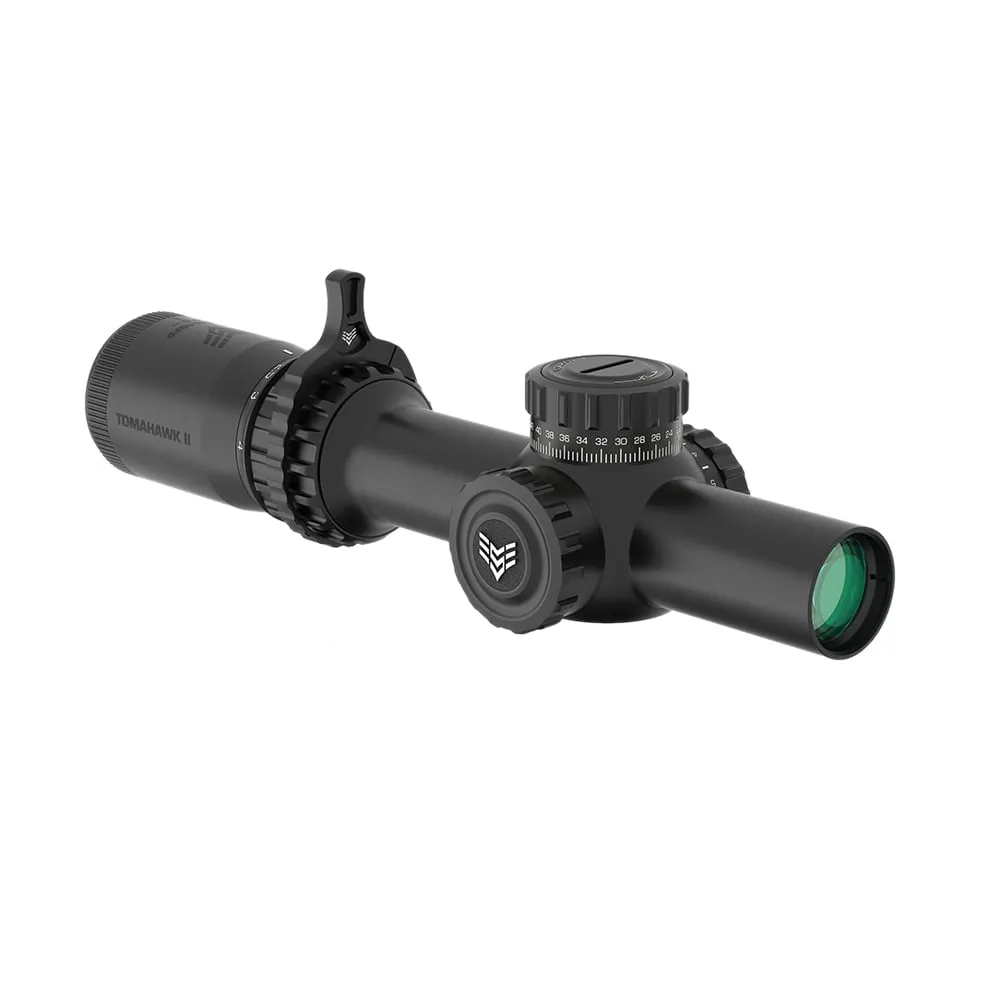
Swamp Fox Tomahawk II 1-4x24mm SFP Green Bright Fiber Optic Reticle
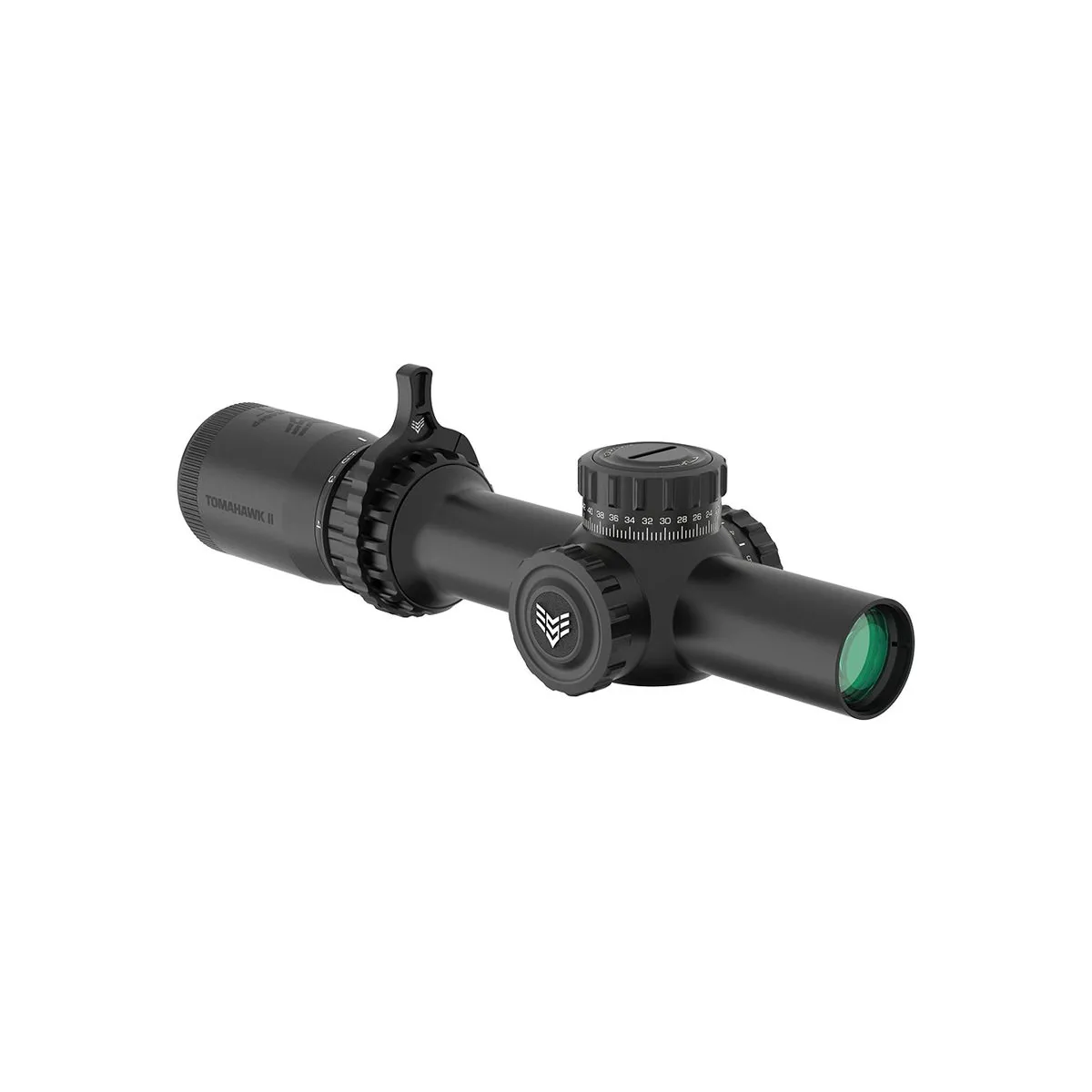
Swamp Fox Tomahawk II LPVO 1-6x24mm SFP Illuminated Green BDC Open Box
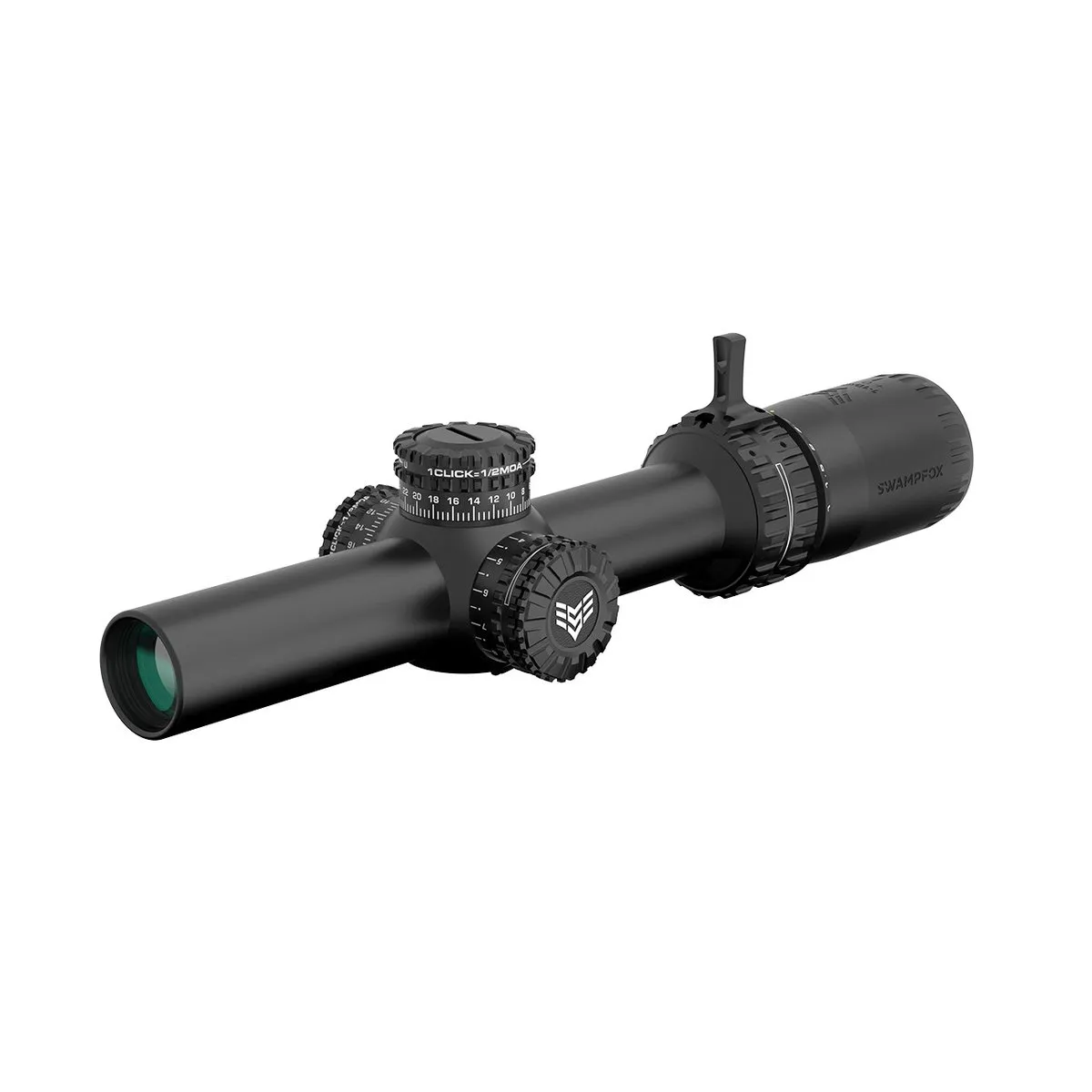
Swamp Fox Arrowhead 1-6x24mm SFP Illuminated Red Reticle
Which is actually cheaper once you count the mount?
This is where the comparison usually goes wrong. Most red dots we list arrive with a mount in the box — the titles say so, "with Picatinny mount", "lower 1/3 mount", "includes low mount". Most riflescopes do not. A bare 30mm tube needs a cantilever mount or a ring-and-base pair before it is a functioning optic, and that is a second purchase on top of the sticker price.
The mount market is wide, and the cheap end of it is not where you want to be for a rifle that recoils and gets carried:
Scope Rings and Adaptors — The Cheap End
Prices updated Oct 10, 2026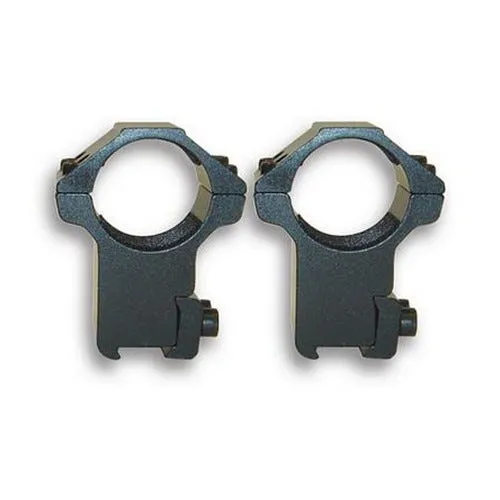
NCStar 3/8 Dt Rings Alum High Black
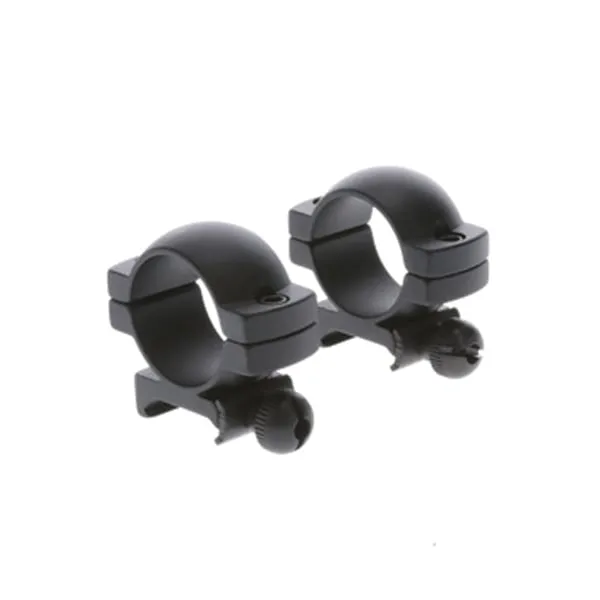
TruGlo Lightweight Scope Rings 1 Medium
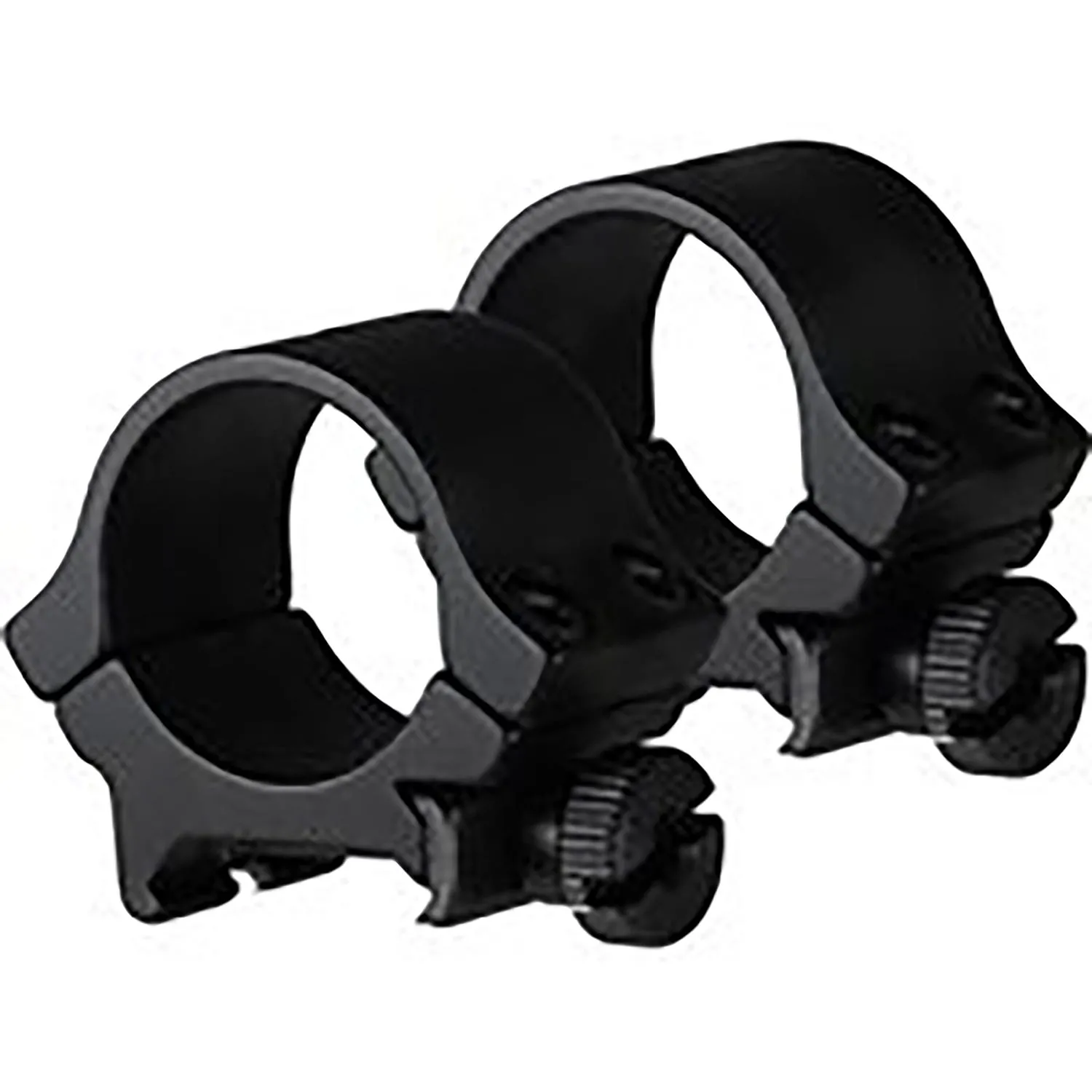
Truglo Lightweight Scope Ring Set Medium 1 Picatinny / Weaver
Burris 1 Signature Ring Pos Align Offset .010 Inserts
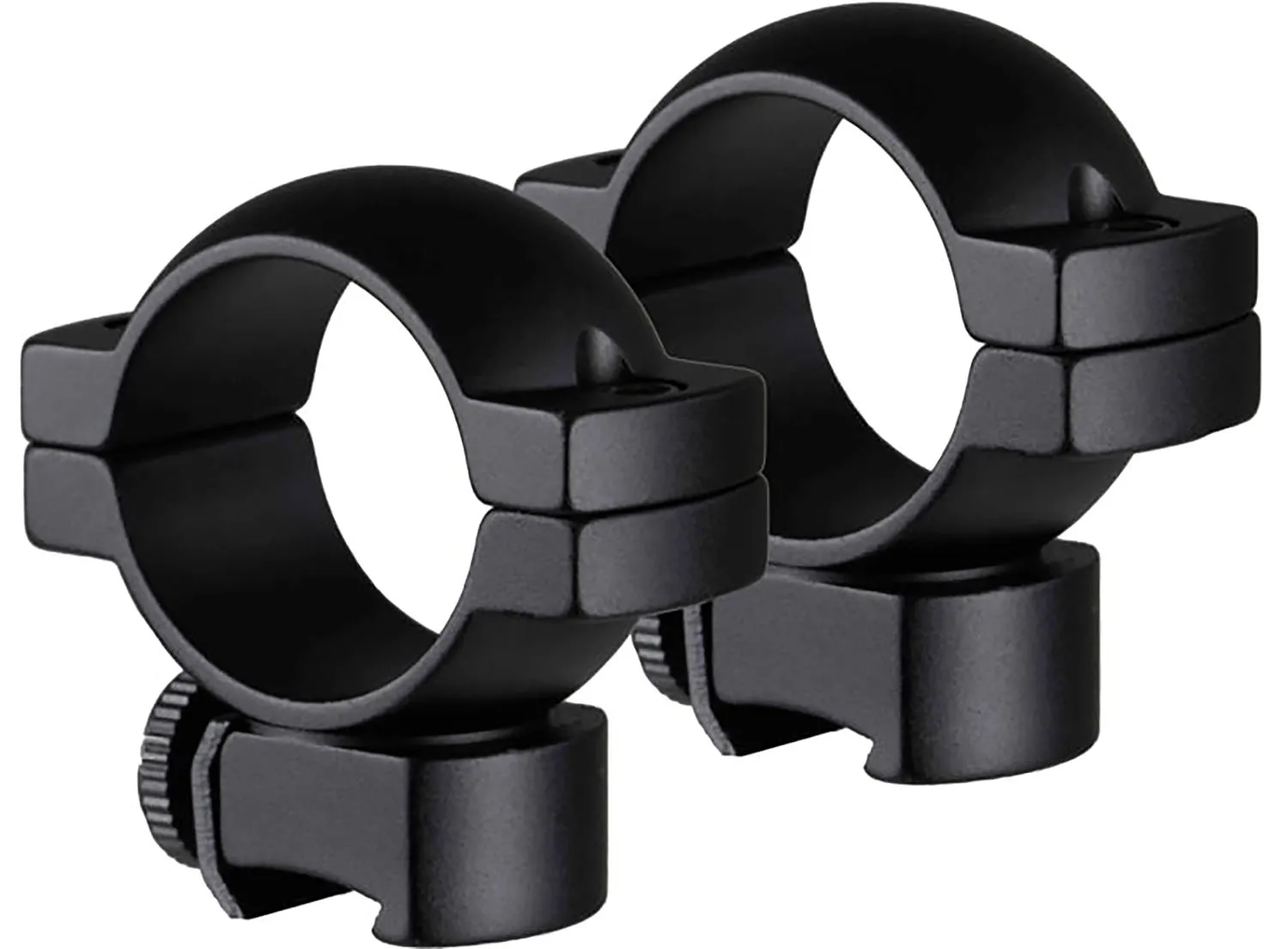
Truglo Lightweight Scope Ring Set Medium 1
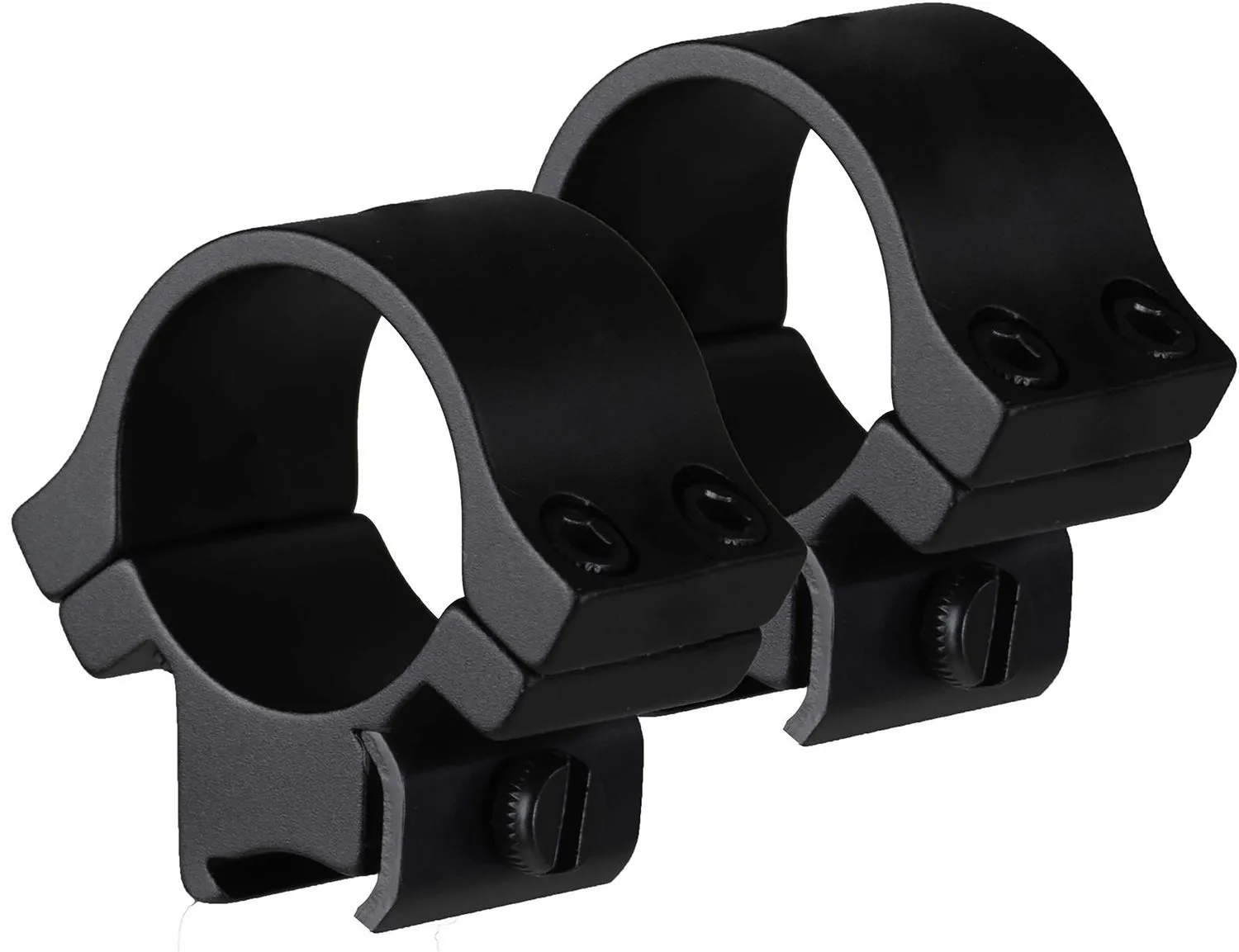
Truglo Lightweight Scope Ring Set Medium 1 with Mounting Hardware
Those bottom-of-market rings exist for rimfires and air rifles. Price a real cantilever mount into your LPVO budget before you compare it to a dot, and the gap narrows or closes. Then look at what a comparable spend buys on each side:
Micro Dots and Prisms — Live Prices
Prices updated Oct 10, 2026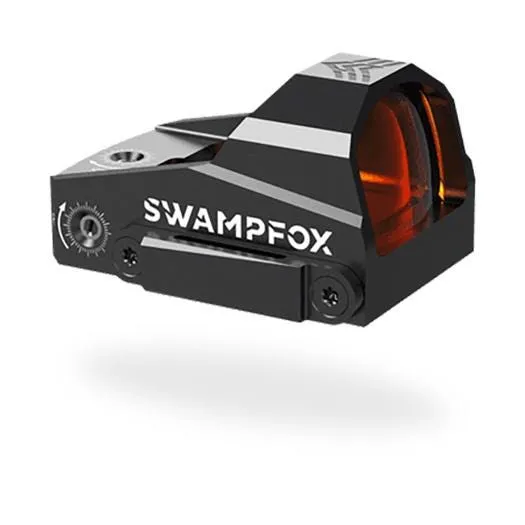
Swamp Fox Kingslayer Micro Reflex Sight Green Circle Dot Reticle RMR
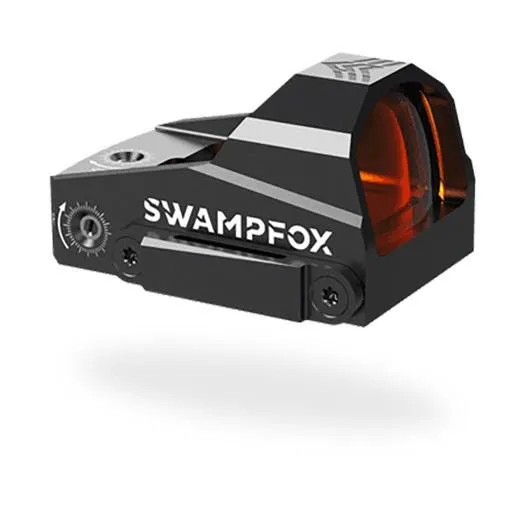
Swamp Fox Kingslayer Micro Reflex Sight Red Circle Dot Reticle RMR
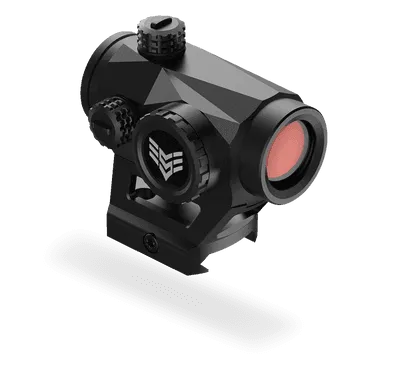
Swamp Fox Liberator II 1x22mm 2 MOA Mini Red Dot Picatinny Mount
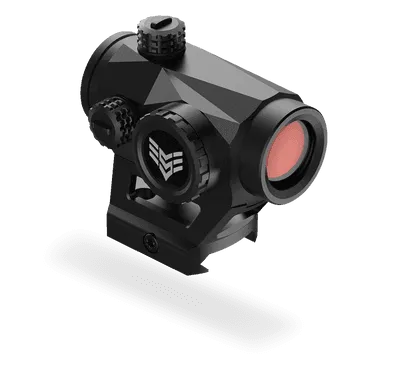
Swamp Fox Liberator II 1x22mm 2 MOA Mini Green Dot Picatinny
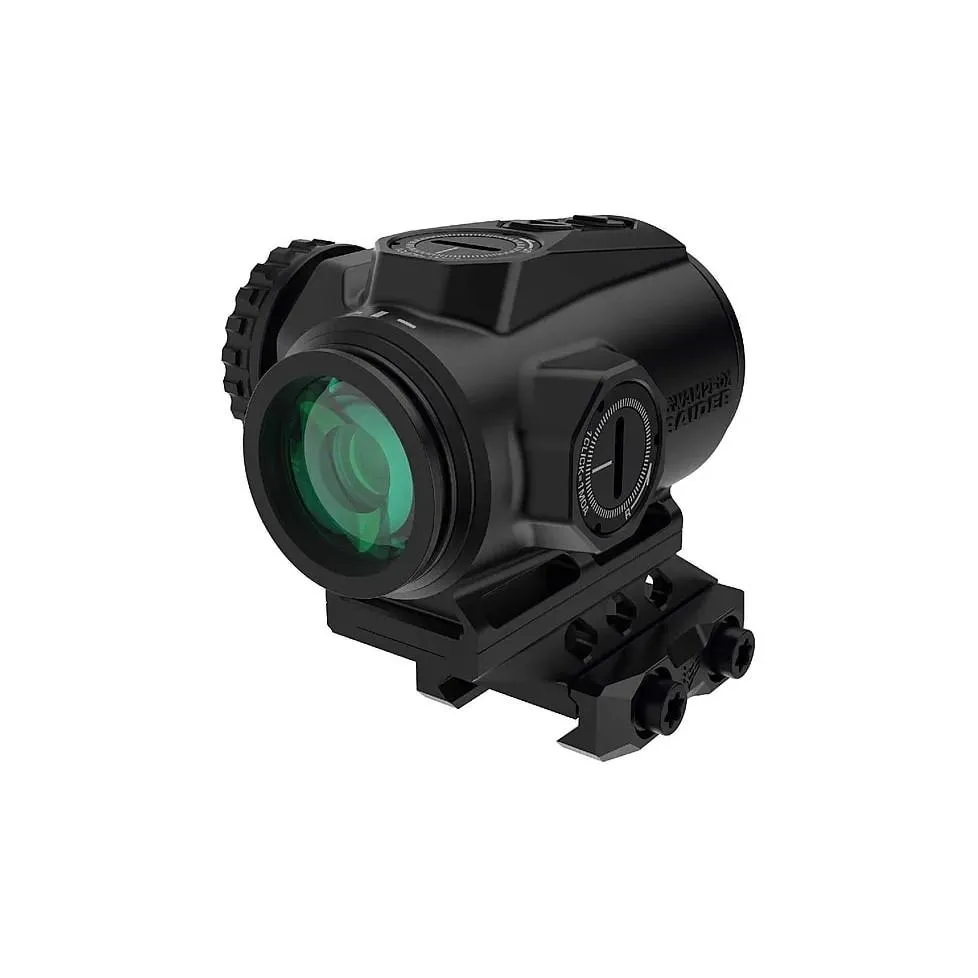
Swampfox Raider 1x20 Micro Prism Red BRC Reticle Picatinny
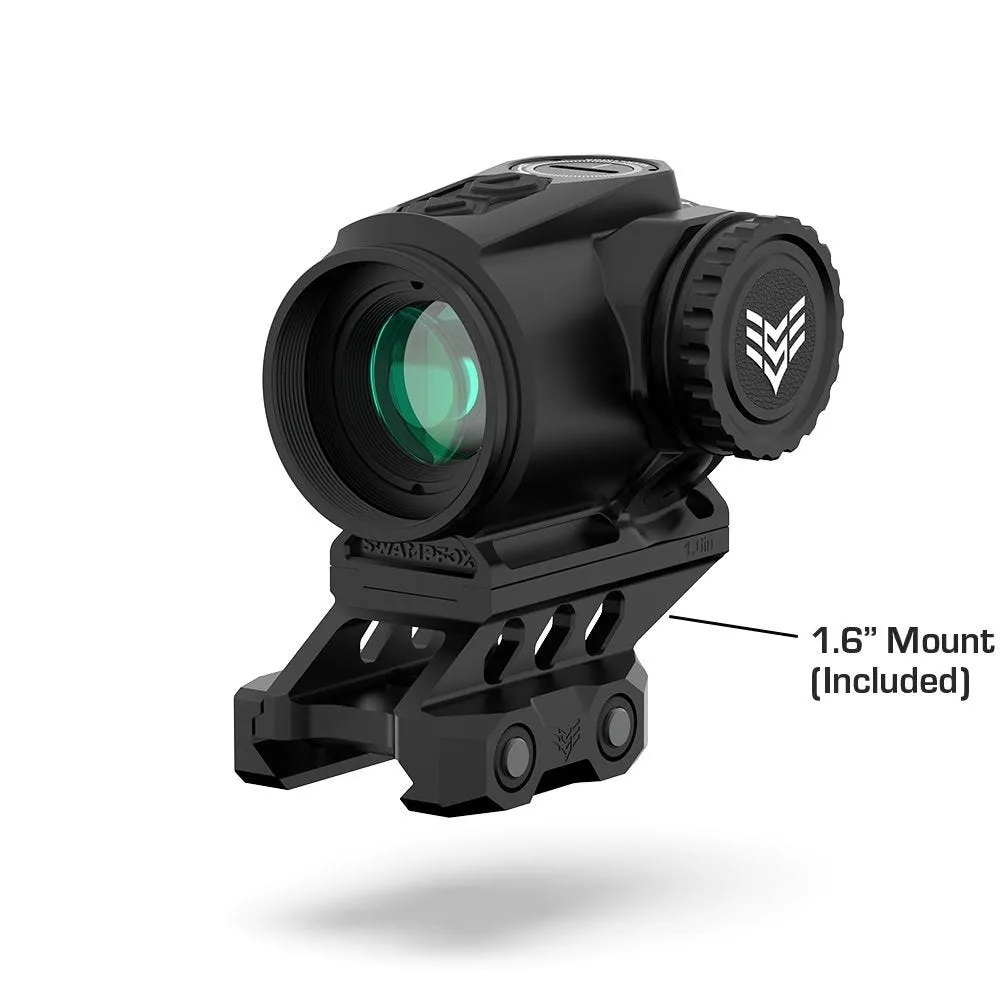
Swampfox Raider Micro Prism Red Dot Sight 1x20 Red IR 6 MOA Picatinny
Vortex Riflescopes — Live Prices, Cheapest First
Prices updated Oct 10, 2026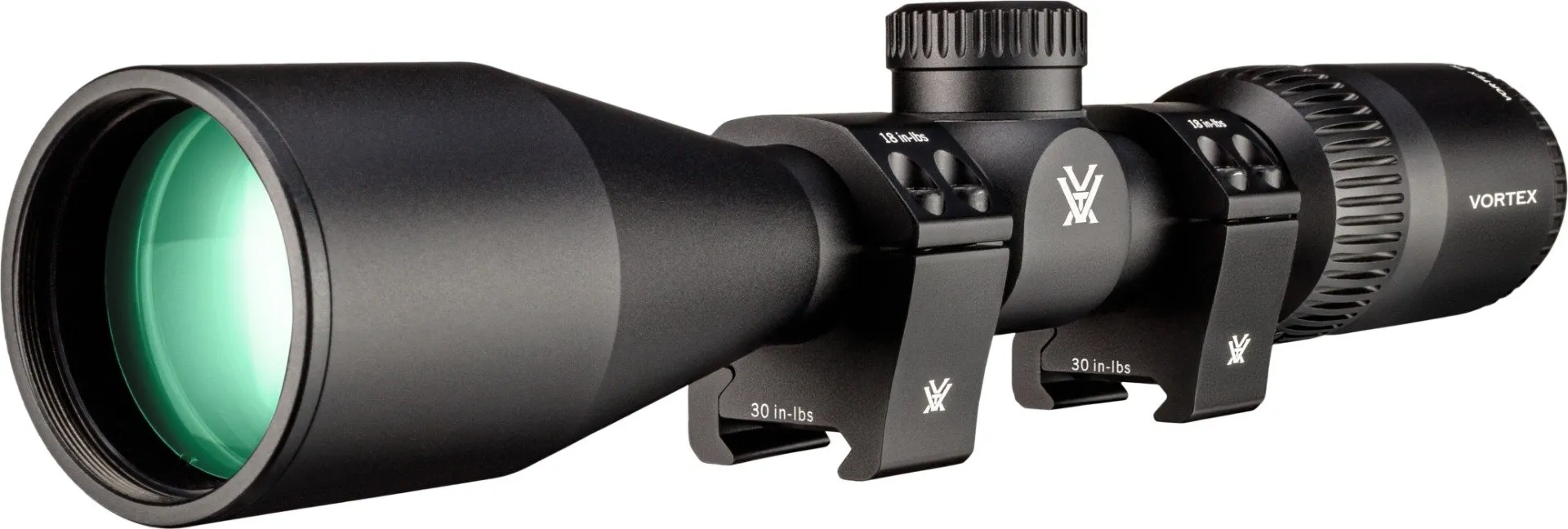
Vortex Triumph HD 3-9x40mm SFP Dead-Hold BDC MOA Reticle
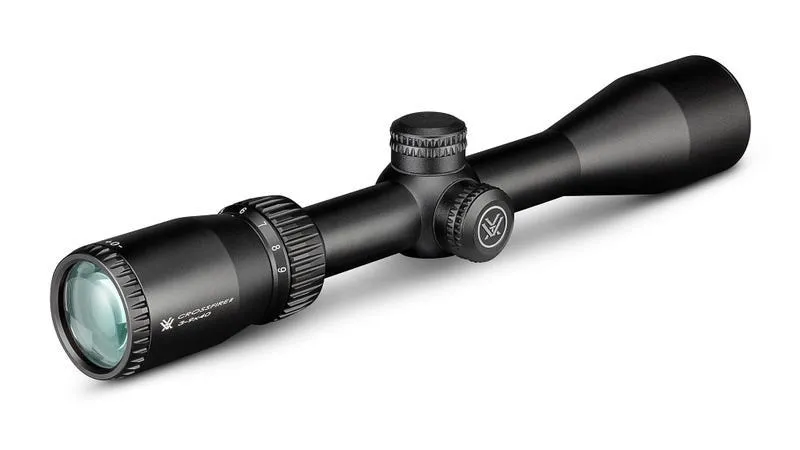
Vortex Crossfire II 3-9x40mm SFP V-Plex MOA Reticle
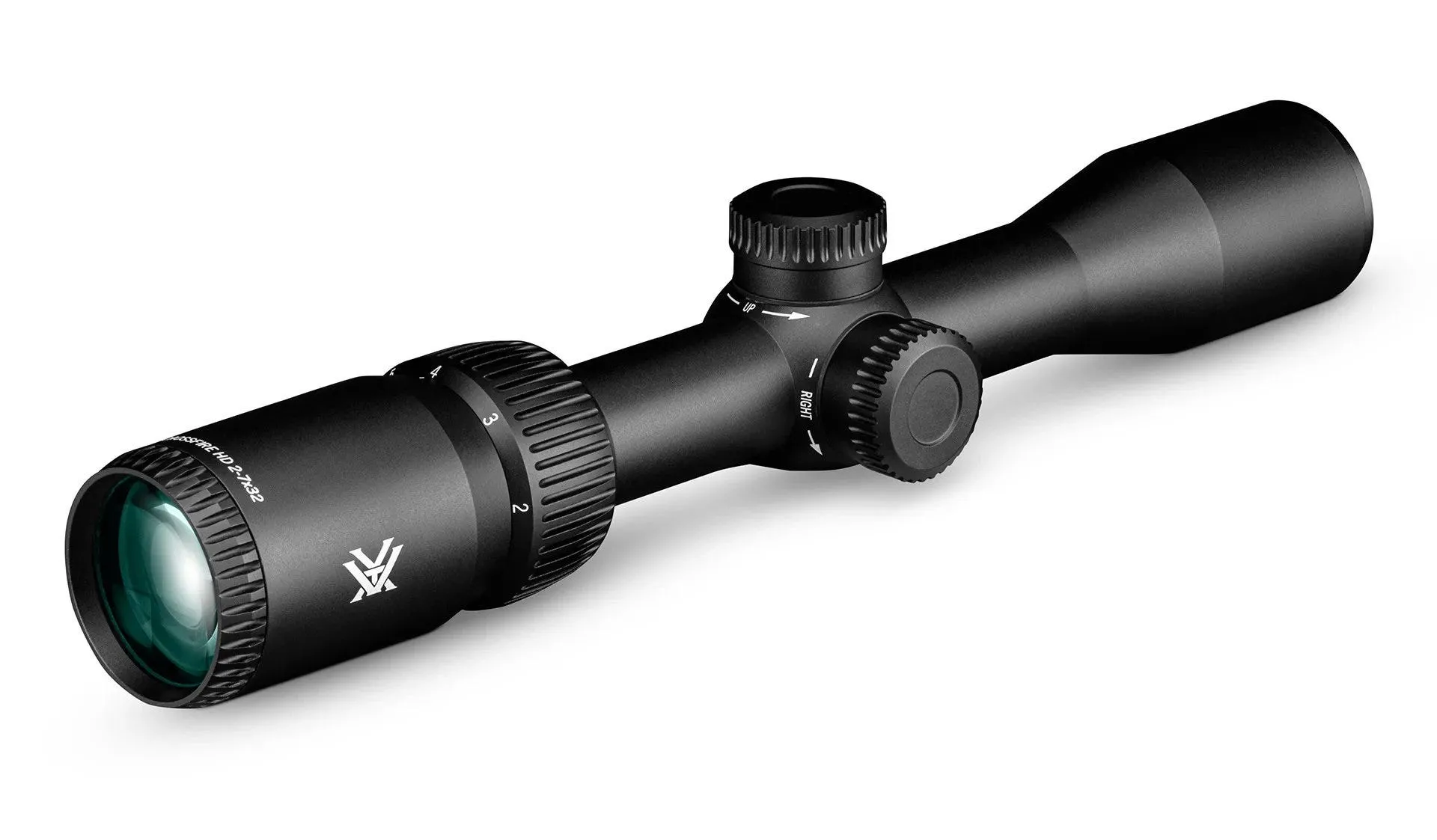
Vortex Crossfire HD 2-7x32mm SFP V-Plex MOA Reticle
Vortex Crossfire HD 2-7x32mm SFP V-Plex Rimfire MOA Reticle
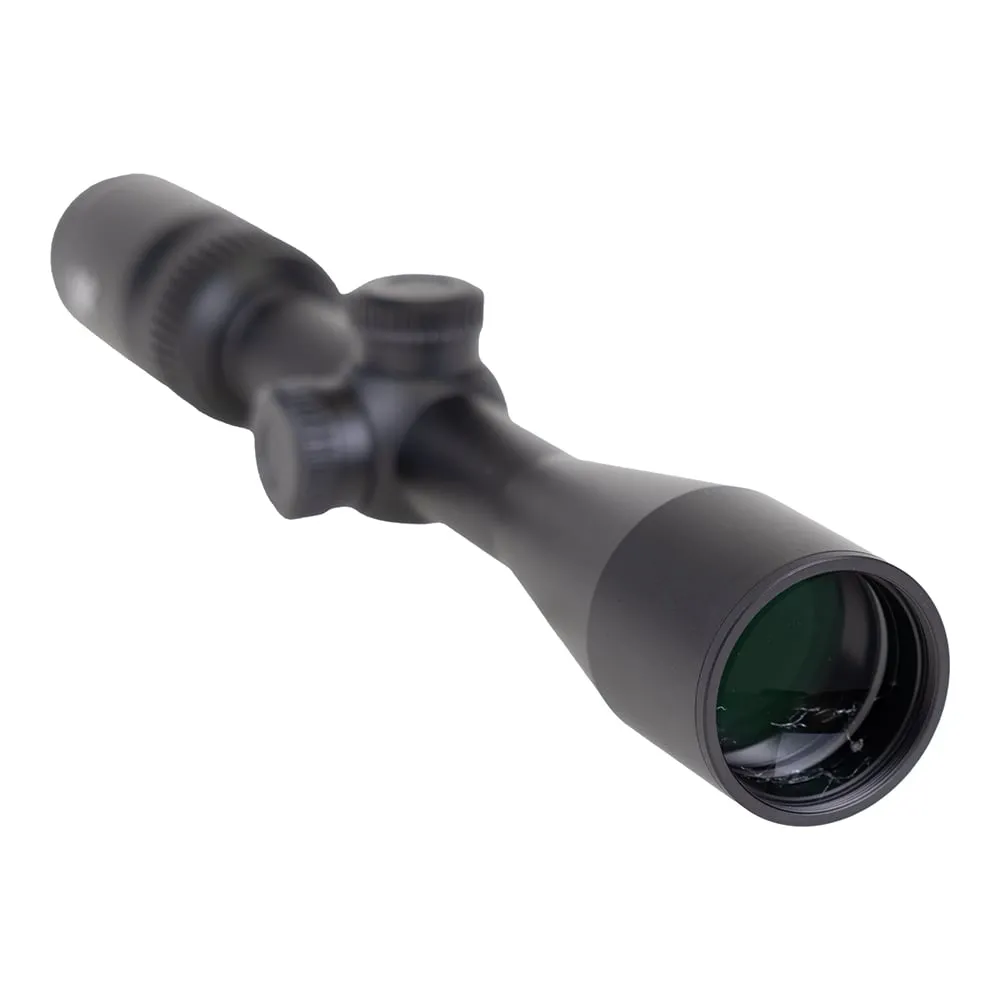
Vortex Crossfire HD 3-9x40mm SFP V-Plex MOA Reticle

Vortex Crossfire HD 3-9x40mm SFP Muzzleloader BDC MOA Reticle
Note what the second grid contains. Sorted by price, a brand's riflescope listings lead with 3-9x hunting glass, not 1-6x LPVOs — the low-power variables sit further up the price ladder. That is the practical answer to "is an LPVO more expensive": for the same brand and the same quality tier, yes, and the mount widens it. What has changed is that the overlap is real. A serious enclosed-emitter dot and an entry LPVO now land in the same money, which means the decision is no longer a budget decision. It is a use-case decision.
Does the optic or the ammunition cost more?
The optic is a one-time purchase. The rounds you need to zero it, confirm the zero at distance, and stay competent with it are not — and that recurring bill is usually the larger number over the life of the rifle.
5.56 NATO and .223 Remington Price Index
Live · Oct 10, 2026Run your own numbers against the live floor rather than trusting a rule of thumb:
Cost Per Round Calculator
The only number that matters when comparing ammo. Shipping included.
This is where the two optics genuinely differ in operating cost. A red dot zero is quick and stays useful across a short band of distance. An LPVO earns its price only if you actually confirm holds at the ranges you bought the magnification for, which means more rounds, at longer distances, on days with readable conditions. Buying the scope and never shooting past a hundred yards is the most common way to waste money in this category. Our guide to how many rounds it takes to get good is the honest framing for that budget, and the 5.56 and .223 ammunition guide covers which loads are worth burning on confirmation work versus volume practice.
Bulk is where the training bill actually gets decided:
Cheapest Bulk 5.56 and .223 by Cost Per Round
Prices updated Oct 10, 2026
Wolf Military Classic Steel .223 Rem 55 Grain 500-Rounds Bulk FMJ
.223 Remington · 55gr · 500 rds

PMC Ammunition Bronze .223 Rem 55 Grain 1000-Rounds FMJ Bulk
.223 Remington · 55gr · 1,000 rds

Winchester M855 5.56 Bulk Ammo 62 Grain FMJ 1000rds (Unpainted Tip) - WM8551000
5.56x45mm NATO · 62gr · 1,000 rds

Red Army Standard Centerfire Rifle Steel .223 Rem 55-Grain 500-Rounds Bulk FMJ
.223 Remington · 55gr · 500 rds

PMC Ammunition X-Tac Rifle Brass 5.56 55 Grain 1000-Rounds FMJBT Bulk
5.56x45mm NATO · 55gr · 1,000 rds

Wolf Performance Ammo PolyFormanc Steel Bulk .223 Rem 55 Grain 500-Rounds
.223 Remington · 55gr · 500 rds
If most of your practice is close and fast, a .22 LR trainer and cheap rimfire does a lot of that work for a fraction of the cost per round — which is an argument for spending the savings on better glass, not worse.
Is a red dot plus a magnifier a better answer than either?
Sometimes, and it is more expensive than people expect. You are buying two optics and two mounts, adding weight behind the handguard, and accepting that the magnifier is a fixed power you flip in and out rather than a range you roll through. In exchange you keep the dot's forgiving eye box for everything close, which an LPVO cannot give you.
The honest decision rule: if the close work dominates and the distance work is occasional target identification, dot plus magnifier is good. If you need to shoot precisely at distance rather than just see at distance, the LPVO is the better tool, because a magnifier behind a dot magnifies the dot too — your 2 MOA aiming point is still 2 MOA of target covered.
A fixed-power prism is the third road. Etched reticle, no battery dependency for the reticle itself, some magnification, less weight and money than an LPVO. You give up true 1x.
How to choose, by what the rifle is for
Home defense, truck gun, anything inside a building. Red dot. The eye box advantage is decisive at contact distance, the weight helps, and target identification indoors is a light problem, not a magnification problem.
General-purpose rifle, mixed distance, some hunting. LPVO. If one rifle has to do everything out to a few hundred yards, the magnification is what makes that possible, and the etched reticle removes the battery as a single point of failure.
Competition. Follow the division rules and the stage distances. Both win matches.
Hunting with an AR-pattern rifle. LPVO, and give some thought to the reticle rather than the top-end power. Understanding what your cartridge is actually doing downrange matters more than glass here — see muzzle energy versus muzzle velocity.
Suppressed rifle. Either, but account for the added length and weight up front, and for the way a can changes point of impact and the zero you just paid for. Our suppressor buying guide covers the process side before you get to the optic. Suppressor ownership is federally regulated and state rules vary — verify what applies where you live.
What we will not tell you
We do not run optics durability testing, we do not drop-test scopes, and we will not repeat someone else's abuse-test result as though it were ours. What we can tell you is what every one of these optics costs right now across the retailers we track, which direction those prices are moving, and what the ammunition to feed the rifle behind them costs per round. That is the same standard we apply to ammunition — the methodology is written up in how we rank ammunition and what we refuse to claim.
If you are still assembling the rifle rather than the optic, the FFL transfer guide covers buying the host gun online. And if the plan is to buy the optic now and the ammunition later, be aware that ammunition pricing moves on its own schedule — the five forces behind every spike explains why the training budget is the volatile half of this purchase, not the optic.
Browse the whole category by live price on our 5.56 and .223 deals page, or start from all ammunition deals if you are feeding something else.
Get alerted when 5.56x45mm NATO price drops hit.
We watch every listing and email you the moment the cost per round drops.
Set Up a Free Price AlertAmmoSpotter earns a commission when you buy through links on this page. It never changes what you pay, and it never decides what we recommend — our picks are ranked on live cost-per-round data pulled from every retailer we track. Full disclosure.
Frequently Asked Questions
Is an LPVO better than a red dot for home defense?+
Does a red dot plus magnifier cost less than an LPVO?+
What magnification do I actually need on an LPVO?+
Do I need to buy a separate mount for an LPVO?+
Which optic holds zero better?+
Is a prism scope a compromise between the two?+
Shop the data

About the author
AmmoSpotter Research Desk
Price & Ballistics Research
The AmmoSpotter Research Desk analyzes live retail pricing across every ammunition, firearm and accessory listing we track. Recommendations here are ranked against real cost-per-round data pulled daily from the retailers we monitor - not against manufacturer marketing copy.
- ✓Tracks 180,000+ live product listings across 6 retailer feeds
- ✓Records price history on every listing, every day
- ✓Cost-per-round methodology applied to all ammunition rankings
- ✓No product is ranked without a verifiable in-stock retail price
- ✓Affiliate relationships never influence rankings
Related Guides

Best 5.56 & .223 Ammo 2026: Practice, Defense and Precision
5.56x45mm NATO and .223 Remington are the most-purchased rifle cartridges in America, and the most confusing to buy. The same rifle will accept ammunition ranging from bulk steel-cased plinking loads to match ammuniti...

How Many Rounds Does It Take to Get Good?
Almost every shooter is round-count constrained and almost none of them have written the number down. Ammunition is the actual budget line that determines how much you improve, and it is the one people plan least. So ...

How Many Magazines Do You Actually Need?
Magazines are a rounding error next to what you spend on ammunition, and they cause a disproportionate share of malfunctions. That asymmetry is the whole argument: buying enough good magazines is the cheapest reliabil...

Muzzle Energy vs Muzzle Velocity: What Actually Matters
Every ammunition box prints a velocity figure, and most print an energy figure next to it. Both are real. Both get used to argue things they cannot support — that one cartridge "hits harder," that a lighter bullet is ...
MOA vs MRAD Explained: Which Scope Units to Buy in 2026
- MOA and MRAD are units of angle, not grades of quality. One minute subtends 1.047 inches at 100 yards; one milliradian subtends 3.6 inches at the same distance. - A quarter-MOA click is finer than a tenth-MRAD click...
Best Budget Red Dot Sights 2026: Ranked on Street Price, Not MSRP
- The real floor for a usable rifle dot in our catalog sits around forty dollars. Everything below it is built for air rifles and dovetail rails. - The mount is usually included on red dots and usually not on riflesco...