Best Range Bags 2026: Picks by Capacity, With Live Prices
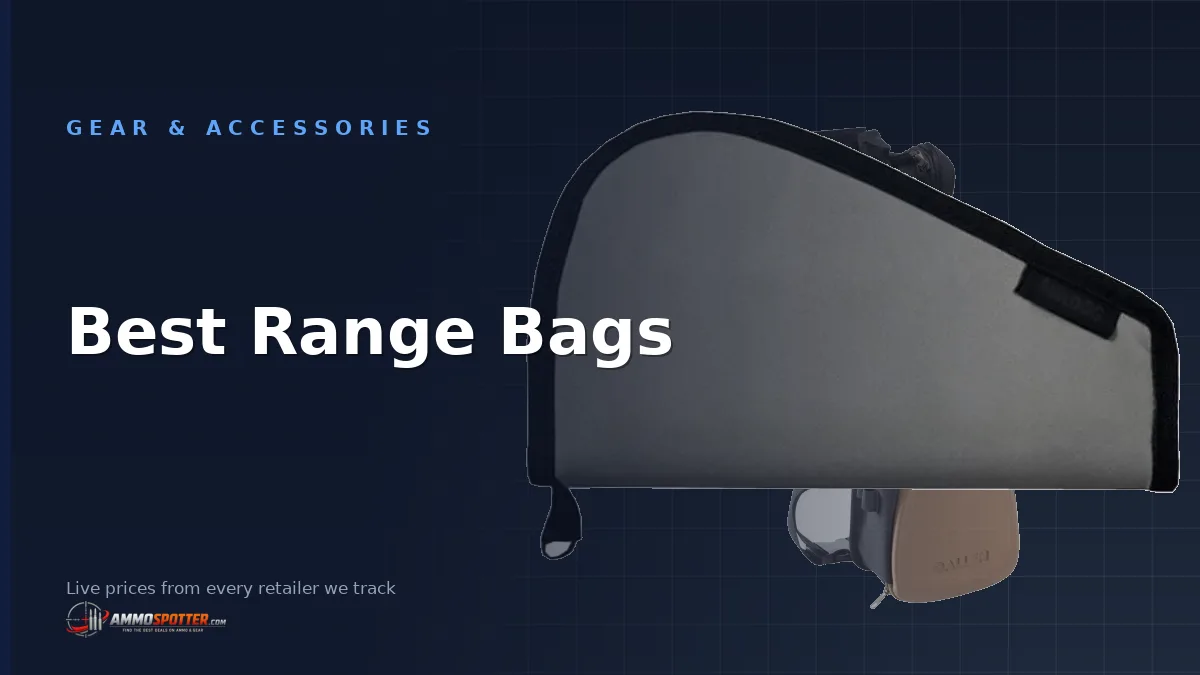
Most shooters need a bag for one or two handguns, and good ones run $21 to about $190. Here are picks by capacity, what to pack, and what to skip.
49 results
Most shooters need a bag for one or two handguns, and good ones run $21 to about $190. Here are picks by capacity, what to pack, and what to skip.
Most guns need oil more often than scrubbing. Here's how round count, ammo type and suppressors set your cleaning schedule, plus what supplies cost.
The cheapest bottle of gun oil is often one of the priciest per ounce. Here's how to compare oils, when bigger bottles win, and which brands are worth waiting on.
Most shooting glasses cost under $20, and the pricey ones are mostly sunglasses. Listings almost never state an impact rating, and "shooting gloves" are really work gloves.
Buy a 20 gauge youth shotgun. It's the most common, and shells cost about the same as 12 gauge. Skip .410, search "youth", and check length of pull.
AR-15 parts don't come with a round-count lifespan. Here's what to inspect, what to replace, and why the bolt-side wear parts cost about $21 in total.
Steel-cased 9mm is only about 8% cheaper than brass and often out of stock. In .223 and 7.62x39, steel saves far more. Here's how to decide.
A typical cleaning kit costs about $30, and spending more buys little. Here's how to pick one for your gun and when to buy it.
One cleaning session costs less than a round of .223. Here's how to field strip your AR, which parts need attention, and where to spend your money.
Passive muffs block about 26 dB for around $18. Electronic muffs block about 23 dB for around $54. You're paying to hear between shots, not for more protection.
Most good AR-15 drop-in triggers cost $140 to $199. Here's how prices break down, why the cheapest results are trigger guards, and what to check first.
In 9mm, a PCC costs about half as much per round to shoot as an AR-15. In 10mm or .45 ACP, the savings mostly vanish. Here's what to buy at each budget.
Cheap .45 ACP is 230-grain FMJ in 100-round boxes or bulk, about a third of the typical price. Here's how to find it, and why sorting by box price steers you wrong.
Budget practice ammo in rounds per month, not boxes. Here's why "training" ammo isn't cheapest, why cases barely help in 9mm, and how .22 LR cuts the bill.
Bore sight, fix your mount, shoot groups and adjust once. Here's how to zero a scope in 9 to 12 rounds, what distance to use, and the mistakes that waste a box.
MOA and MRAD both measure angle, and neither is better or pricier. Pick the one your shooting partners use, and keep reticle and turrets in the same unit.
A usable rifle red dot starts around $40, and most people should stop at $90 to $150. Here's what each tier gets you, and what to check on a pistol dot.
A red dot is faster and lighter. An LPVO lets you see and shoot farther. Once you count the mount they cost about the same, so pick by how and where you shoot.
Effective range isn't printed on the box. It's set by the bullet, your skill and how much practice you can afford. Here's a caliber-by-caliber table with live prices.
A rifle marked .308 takes either round. Here's why the pressure argument is mostly a myth, when headspace matters, and what each label costs per round.
Most AR owners never hit a twist rate limit, since cheap 55 and 62-grain ammo works in any barrel. Here's when twist matters and how to check yours.
Most 9mm cracks through a can. Here's which 147-grain and subsonic loads stay quiet, why carbines need heavier bullets, and what it costs per round.
9mm is cheaper to shoot, easier to shoot fast and holds a round or two more. .40 S&W still makes sense if you own one, find a great used deal or barely shoot.
A .22 LR round costs about a quarter of a 9mm round, and bricks really are cheaper than boxes. Here's what plinking, subsonic, match and magnum rimfire cost now.