Best Pump Shotguns
What Mossberg, Remington, Winchester and the budget pumps cost today, and which one is the smart buy for you.
A good pump shotgun costs about $420 right now, and half of them sell for $320 to $520. The cheapest sane buy is a Maverick 88 or a Savage/Stevens 320 at around $250. The Remington 870 is now the priciest of the big names.
What does a pump shotgun cost right now?
Pumps run from about $120 to $2,900. The busiest band is $400 to $499, where the famous names live. Below that, you're looking at imports, Mavericks and the Savage 320.
A typical semi-auto costs about $1,040 and an over-under about $2,000. Single-shots are cheaper, around $210, but they hold one shell. For a repeater on a budget, the pump wins.
Pump Shotguns, Cheapest First
Prices updated Nov 25, 2026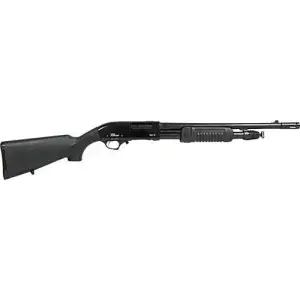
Iver Johnson PAS12EC 12GA 2-3/4-3 inch
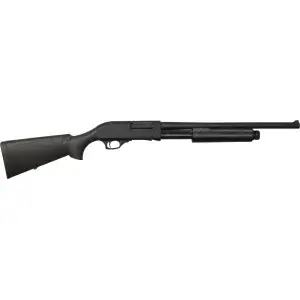
SDS Imports 112 TX1 Pump Action 12 Gauge Shotgun - 18.5" - Black
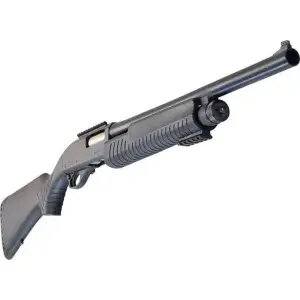
American Tactical S-Beam Pump Black 12GA 3-Inch Chamber 18.5-inch 4Rd
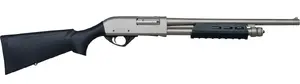
G-Force GF3PDN Nickel 12 GA 18.5 Barrel 4-Rounds
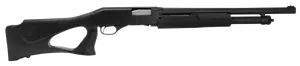
Savage Arms Stevens 320 Security Shotgun 12 Gauge - 18.5" - Matte Black - Thumbhole Stock
12 Gauge
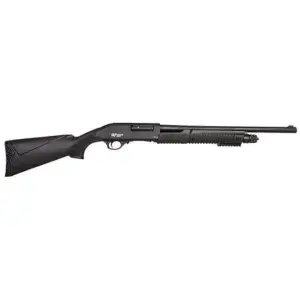
G-Force GFP3 12 GA 20 Barrel 3-Chamber 4-Rounds
12 Gauge · 4 rds
Winchester: most on the shelf, fewest parts
Winchester has more pumps for sale than Mossberg and Remington combined. The SXP starts at $299.99 and averages about $417, with Black Shadow field guns at the bottom and 18-inch Defenders a few dollars up.
Winchester SXP Pumps, Cheapest First
Prices updated Nov 25, 2026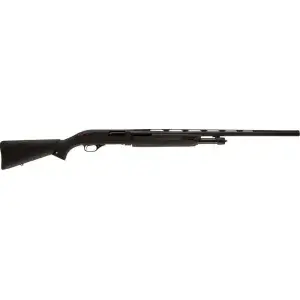
Winchester SXP Black Shadow Shotgun 12 Gauge - 24" - Blued - 3.5" Chamber
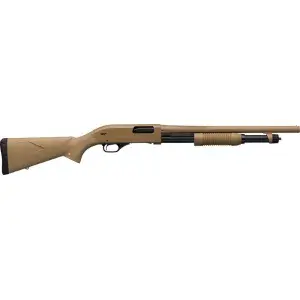
Winchester SXP Defender Shotgun 12 Gauge - 18" - Flat Dark Earth - 3" Chamber

Winchester SXP Hybrid Defender Woodland 12 GA 18 Barrel 5-Rounds
12 Gauge
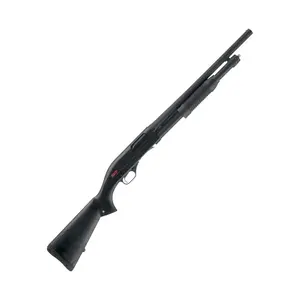
Winchester SXP Defender 12 Gauge Pump Action Shotgun - Black - 18"
12 Gauge
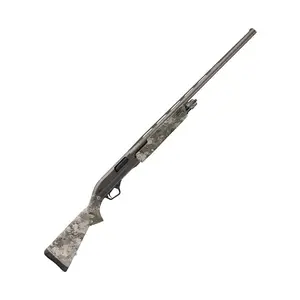
Winchester SXP Hybrid Hunter 20 Gauge Pump Action Shotgun - 28" - Gray - 4 Round
20 Gauge

Winchester SXP Hybrid Hunter Truetimber VSX / Gray 12 GA 28 Barrel 3-Chamber 4-Rounds
The catch is parts. We found 72 shotgun barrels, magazines and sights for Mossberg patterns and 50 for Remington. Winchester had three, starting at $66.09.
If you plan to swap a barrel, add a sidesaddle or change the stock, the SXP is the hard one to upgrade.
Why the Remington 870 costs more now
The 870 starts at $455.99 and averages about $617. That's roughly $200 more than the cheapest Mossberg just to get into a pump.
Remington 870 Pumps, Cheapest First
Prices updated Nov 25, 2026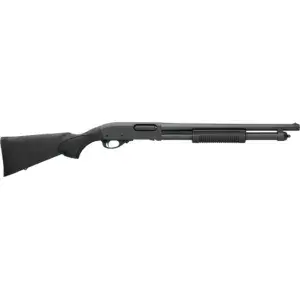
Every 870 we see is sold by just one store, and almost none are priced above their own low. About two-thirds of Mossbergs, by contrast, are sold by more than one store.
So supply is thin and already at its low. There's no sale coming and nothing to shop around for. The price you see is about the price there is.
That's about the market, not the gun. The 870 has been made in the millions and has the second-deepest parts shelf we see. A used one is a sensible answer, but we don't track used guns.
Mossberg or Maverick? Often the same gun
Mossberg's cheapest pump isn't a 500. It's a Maverick 88. Retailers file Mavericks under two brand names, Mossberg and Maverick Arms, so near-identical guns show up at two prices.
Mossberg Pumps, Cheapest First
Prices updated Nov 25, 2026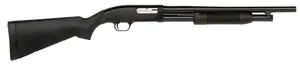
Mossberg 88 Security 12 Gauge - 18.5" - Blue
12 Gauge
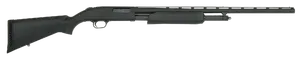
Mossberg 500 All Purpose Field 20 Gauge 26 Barrel 5-Rounds Synthetic
20 Gauge
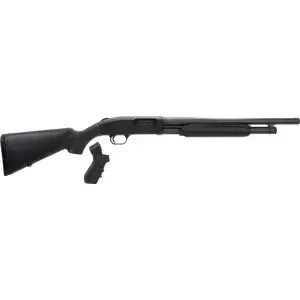
Mossberg 500 Special Purpose Pump Action 12 GAUGE Shotgun - 18" - Black
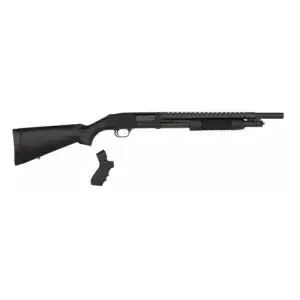
Mossberg 500A 12 Gauge 18 Barrel 5-Rounds 3 Chamber
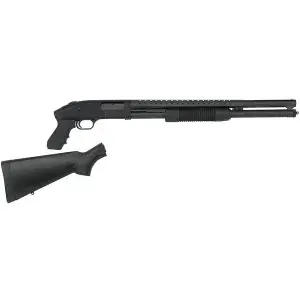
Mossberg 500 Combo Black 12 GA 20 Barrel 7-Rounds
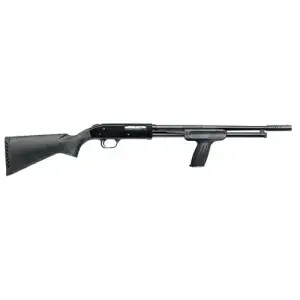
Mossberg 500 Persuader 12 GA 18.5 Barrel 5-Rounds
The Maverick Arms grid below is packed into a tight $249.99 to $289.99 band. The titles still say "Mossberg Maverick 88". Only the brand field differs, so check both grids if you want the cheapest 88.
Against a 500, the Maverick gives up a little: a crossbolt safety instead of a tang safety, a trigger group that doesn't swap, and fewer options. It keeps the barrel fit, so many Mossberg parts still work.
Mossberg's average, about $560, is the highest of the big three. That's because the 500/590 line runs past $1,000 for Retrograde and Mariner models. The brand isn't expensive. The top of its range is.
What do you give up under $200?
The very cheapest are imports from one store with no aftermarket. They work, but if a part breaks, there's nowhere to get another. The sensible budget pick is one step up: the 320, sold as Savage and Stevens.
Savage and Stevens 320 Pumps, Cheapest First
Prices updated Nov 25, 2026Savage Arms Stevens 320 Security Shotgun 12 Gauge - 18.5" - Matte Black - Thumbhole Stock
12 Gauge
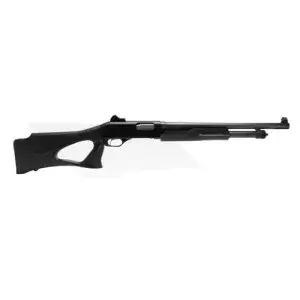
Stevens 320 Security 20 GA 18.5 Barrel 3-Chamber 5-Rounds Ghost Ring Sight
20 Gauge
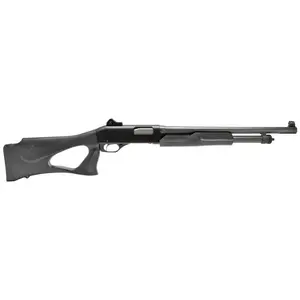
Savage Arms Stevens 320 Security Shotgun 12 Gauge - 18.5" - Matte Black - Thumbhole Stock - Ghost Ring
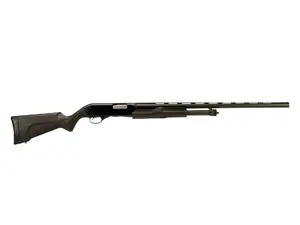
Savage Stevens 320 Field 12 Gauge Pump-Action Shotgun - 28"
12 Gauge
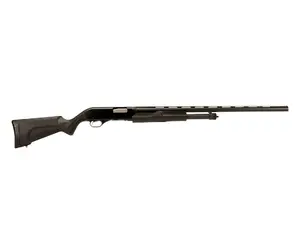
Savage Arms Stevens 320 Field Grade Shotgun 20 Gauge - 26" Vent Rib - Matte Black
20 Gauge

Savage Arms Stevens 320 Field Grade Comp Shotgun 20 Gauge - 26" Vent Rib - Matte Black
20 Gauge
Same trap as the Maverick. Guns filed under Savage often say Stevens, and a separate Stevens page starts even lower, at $159.99. Check both.
Savage pumps average about $240, and 15 of 18 are sold by more than one store. Cheap and easy to compare is a rare combo.
Most pumps are field guns, not defense guns
Most pumps for sale are built for birds and clays. Here's how barrel lengths break down:
| Barrel length | Pumps | Typical use |
|---|---|---|
| 10–14 in | 26 | Legally a "firearm", not a shotgun |
| 15–19 in | 230 | Defense |
| 20–22 in | 76 | Utility, turkey, slugs |
| 24 in and over | 307 | Field, clays, waterfowl |
| Not stated | 48 | — |
Lots are camo, wood or combo sets. Very few have ghost-ring sights or optics mounts.
Capacity costs money. Guns holding 2 to 5 shells start at $119.99. Guns holding 8 or more start at $453.99 and average about $823.
For a defense-only buy, our best home defense shotguns guide covers pump vs semi-auto, the barrel-length and pistol-grip legal rules, and the cost of lights and optics.
Is 20 gauge cheaper?
The gun, usually yes. The shells, no.
A 12 gauge pump averages about $479, a 20 gauge about $404 and a .410 about $424. Here's what it costs to feed each:
12 Gauge Price Index
Live · Nov 25, 202620 Gauge Price Index
Live · Nov 25, 2026The cheapest prices per shell are close, but 12 gauge is lower and has far more choice in every load type. Our 12 gauge vs 20 gauge guide breaks it down by target loads, buckshot and slugs.
If you'll shoot a few boxes a year, buy whichever gun fits you. If you'll shoot a lot, 12 gauge pays you back in shells.
The shells will cost more than the gun
On the 12 Gauge deals page, shells come in packs from 5 to 250, so box price tells you almost nothing.
Here's 12 gauge sorted by box price:
Cheapest 12 Gauge by Box Price
Prices updated Nov 25, 2026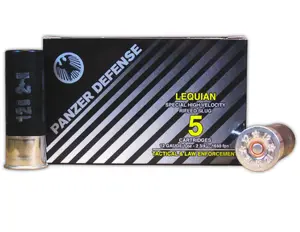
12 Gauge - 2-3/4" 1oz. Rifled Slug - Panzer Defense Lequian HV - 250 Rounds
12 Gauge · 250 rds

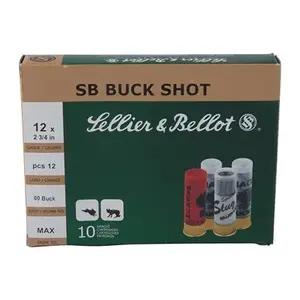
Sellier & Bellot 12 Gauge SB12BSI 2-3/4" 1-1/8 oz #1 Buckshot 12 Pellets Lead 10rd Box
12 Gauge · 10 rds
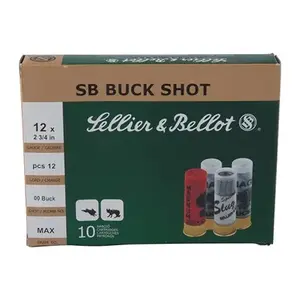
Sellier and Bellot Shotgun 12 GA 4 Buck-Shot 10-Rounds 2.75
12 Gauge · 10 rds
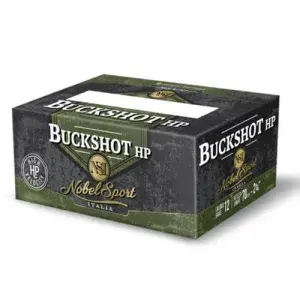
Nobel Buckshot Law Enforcement 12 GA-2.75 00 Buck 9 Pellet 10-Rounds
12 Gauge · 10 rds
MagTech Ammunition V211832U 12GA 2.75 4 27PELS 10/25
12 Gauge · 10 rds
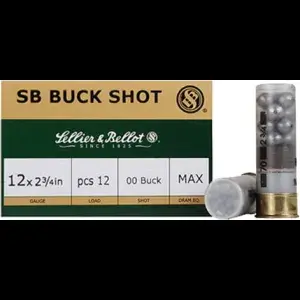
Sellier & Bellot Shotshell 12 Gauge 2.75 00 Buck 12 Pellets SB12BSE 10/250
12 Gauge · 10 rds
And here it is sorted by price per shell, in packs of 100 or more:
Cheapest 12 Gauge Per Shell (100+ Packs)
Prices updated Nov 25, 202612 Gauge - 2-3/4" 1oz. Rifled Slug - Panzer Defense Lequian HV - 250 Rounds
12 Gauge · 250 rds
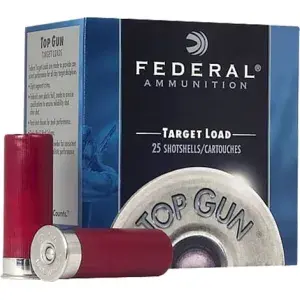
12 Gauge - 2-3/4" 1-1/8oz. #8 Shot - Federal Top Gun - 250 Rounds
12 Gauge · 250 rds
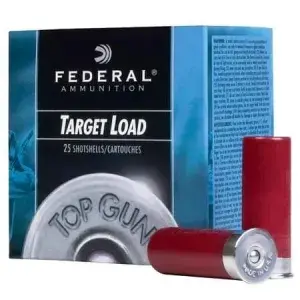
12 Gauge - 2-3/4" 1-1/8oz. #7.5 Shot - Federal Top Gun - 250 Rounds
12 Gauge · 250 rds
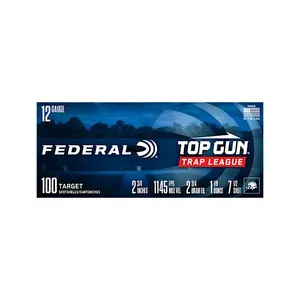
Federal Top Gun Value Pack 12-Ga. 2-3/4″ 1-1/8 Oz. Shotshells - #7.5 - 100 Rounds
12 Gauge · 100 rds
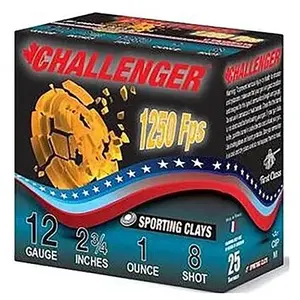
Challenger Ammo Sporting Clay 12 GA-2.75 #8 Shot 1 oz 250-Rounds
12 Gauge · 250 rds
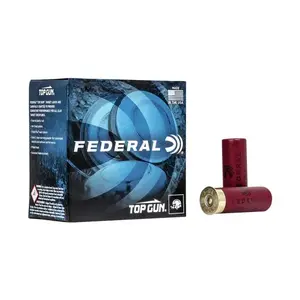
Federal Top Gun 12 GA-2.75 #7.5 Shot 1-1/8 oz 250-Rounds
12 Gauge · 250 rds
The first is small boxes of buckshot for the gun. The second is target-load flats for practice. Per shell, the gap is several times over.
Cost Per Round Calculator
The only number that matters when comparing ammo. Shipping included.
A 250-shell flat is only a few range trips, so budget for several. How many rounds does it take to get good puts numbers on it, and why ammo prices move explains price swings.
Shop around, or wait? Mostly wait
When several stores sell the same pump, the typical gap is under 5%. Waiting pays more. About 60% of pumps sit above their own lowest price since February 2026, typically by about 6%. For guns overall it's about 43%.
By brand:
- Remington: one store each and already at its low. No sale is likely.
- Winchester: mostly above its low. Wait for a drop.
- Mossberg and Savage: worth comparing across stores.
Get alerted when 12 Gauge price drops hit.
We watch every listing and email you the moment the cost per round drops.
Set Up a Free Price AlertShell prices move on their own schedule. Set an alert on the gauge, buy the gun when its price drops, and buy flats when shell prices dip.
How we picked these
We didn't rank these guns. Every grid is a live search sorted by price. All three big names make good guns. They just aren't equal buys, which isn't the same as saying one shoots better.
We don't do pattern or endurance testing. See how AmmoSpotter ranks ammunition for what we will and won't claim.
Once you've picked one, how to buy a gun online and FFL transfers explained covers the transfer fee and paperwork on top of these prices.
AmmoSpotter earns a commission when you buy through links on this page. It never changes what you pay, and it never decides what we recommend — our picks are ranked on live cost-per-round data pulled from every retailer we track. Full disclosure.
Frequently Asked Questions
What is the cheapest pump shotgun worth buying?+
Is the Mossberg 500 or the Remington 870 the better buy?+
Do I need a 12 gauge, or will a 20 gauge do?+
Can I buy a pump shotgun online and have it shipped to me?+
Why are pump shotguns so much cheaper than semi-autos?+
How many shells should I budget for alongside the gun?+
Shop the data

About the author
AmmoSpotter Research Desk
Price & Ballistics Research
The AmmoSpotter Research Desk analyzes live retail pricing across every ammunition, firearm and accessory listing we track. Recommendations here are ranked against real cost-per-round data pulled daily from the retailers we monitor - not against manufacturer marketing copy.
- ✓Tracks 180,000+ live product listings across 6 retailer feeds
- ✓Records price history on every listing, every day
- ✓Cost-per-round methodology applied to all ammunition rankings
- ✓No product is ranked without a verifiable in-stock retail price
- ✓Affiliate relationships never influence rankings
Related Guides

Best Home Defense Shotguns 2026: Every Tier, Priced Live
The shotgun is the cheap part. Here's what defensive pumps and semi-autos cost, how 12 and 20 gauge compare, and where your money really goes.
12 Gauge vs 20 Gauge: Recoil, Payload and What Each Actually Costs
20 gauge target shells cost about the same as 12 gauge. Buckshot and slugs are where 20 gauge costs more, and where it has far less to choose from.
Shotgun Shell Price Index: Target, Buckshot and Slug Cost Per Shell
Shotgun box prices tell you almost nothing. Here's what target loads, buckshot and slugs cost per shell, why 5-shell boxes cost most, and whether 20 gauge saves money.

Best 12 Gauge Buckshot for Home Defense: Pellet Size, Patterns and What It Costs
Small boxes hide how pricey buckshot is per shot. Here's how to choose between 00, #1 and #4 buck, pattern your gun, and buy only what you need.
Best Semi-Auto Shotguns 2026: Clays and Waterfowl, Priced Live
A semi-auto runs about twice the price of a pump, but how much more depends hugely on the brand. Here's where the value is for clays and waterfowl.
Best Youth and Compact Shotguns 2026: What the Shelf Actually Offers
Buy a 20 gauge youth shotgun. It's the most common, and shells cost about the same as 12 gauge. Skip .410, search "youth", and check length of pull.