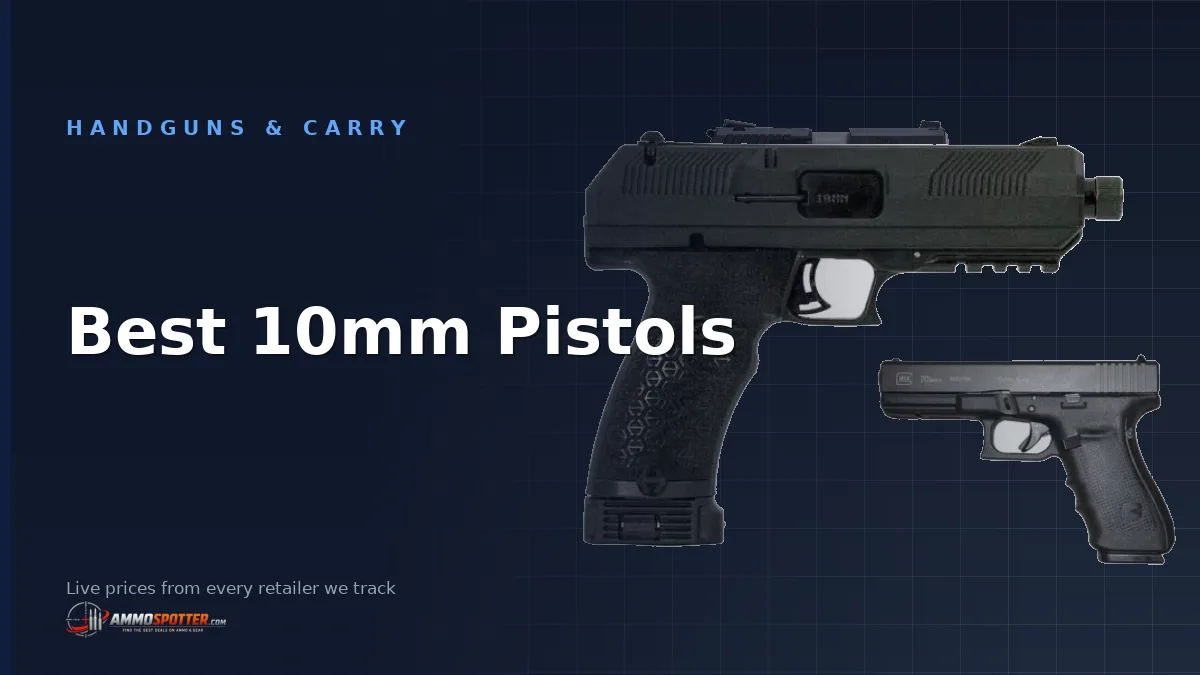
Best 10mm Pistols 2026: What You Can Actually Buy, on Live Prices
A typical 10mm pistol costs $999, the same as .45 ACP. The catch is the ammo: almost no bulk packs. Here's what to shortlist and the hidden costs to plan for.
26 results
A typical 10mm pistol costs $999, the same as .45 ACP. The catch is the ammo: almost no bulk packs. Here's what to shortlist and the hidden costs to plan for.
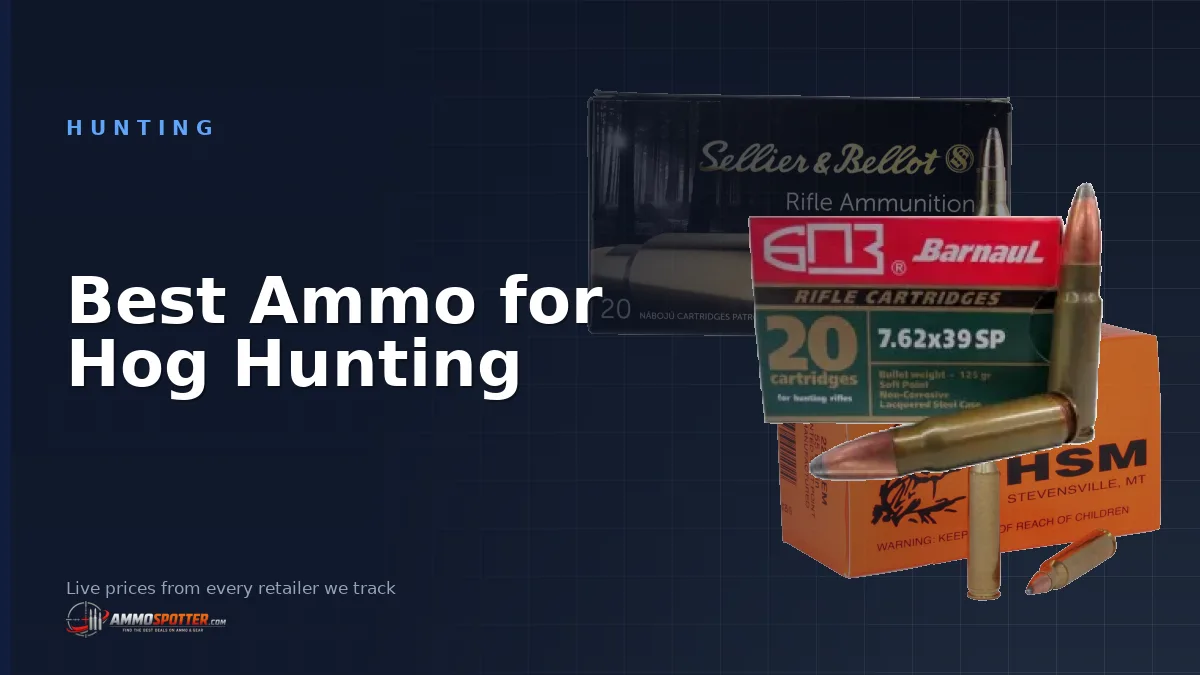
Hogs have no season in much of the South, so cost per round matters. Here's which cartridges have cheap bulk ammo, which don't, and what to buy.
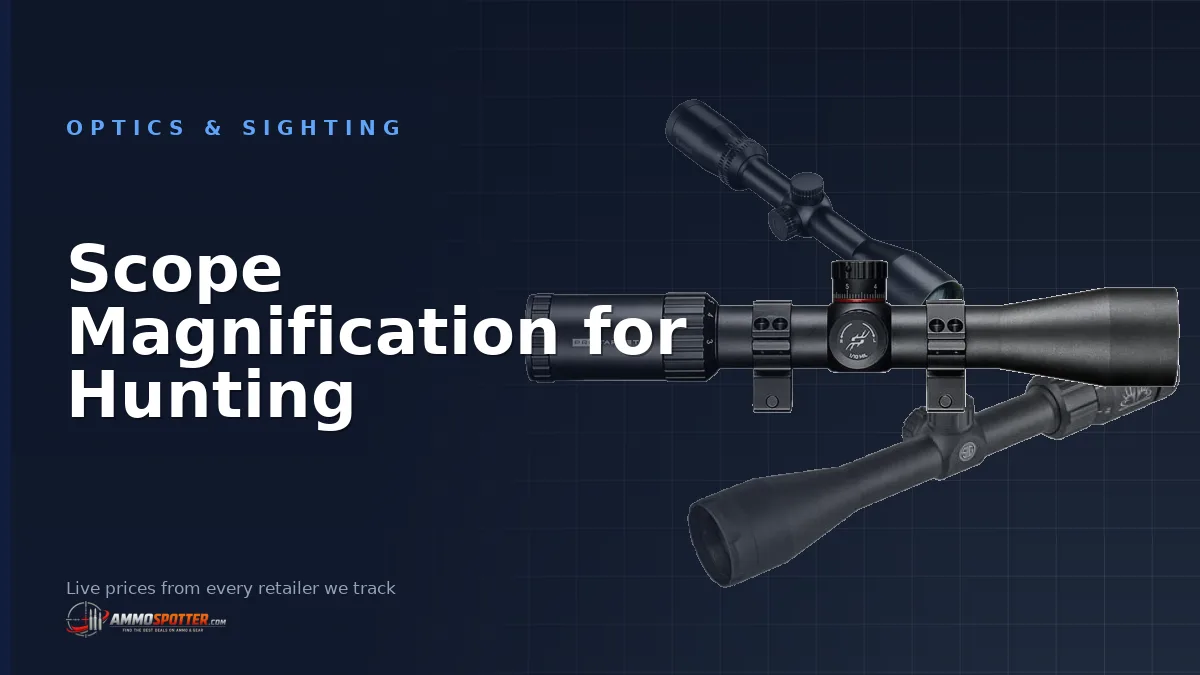
A 3-9x is the most common and cheapest hunting scope. Past 12x on top, or below 3x on the bottom, prices roughly double. Here's how to pick.
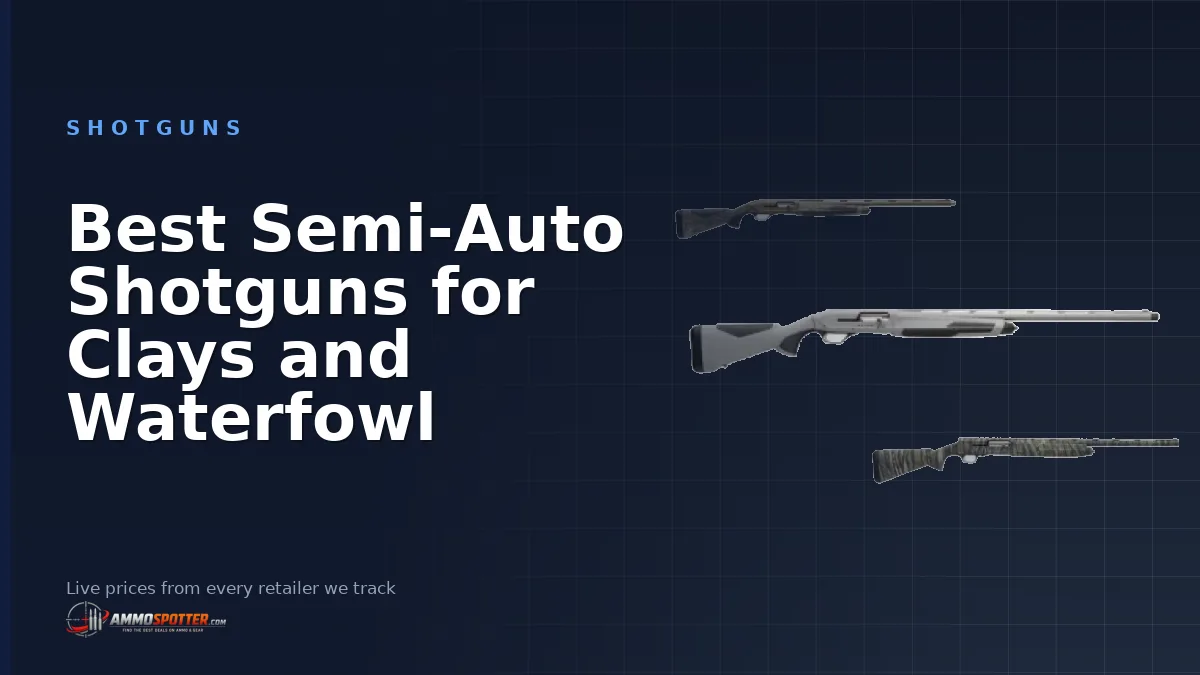
A semi-auto runs about twice the price of a pump, but how much more depends hugely on the brand. Here's where the value is for clays and waterfowl.
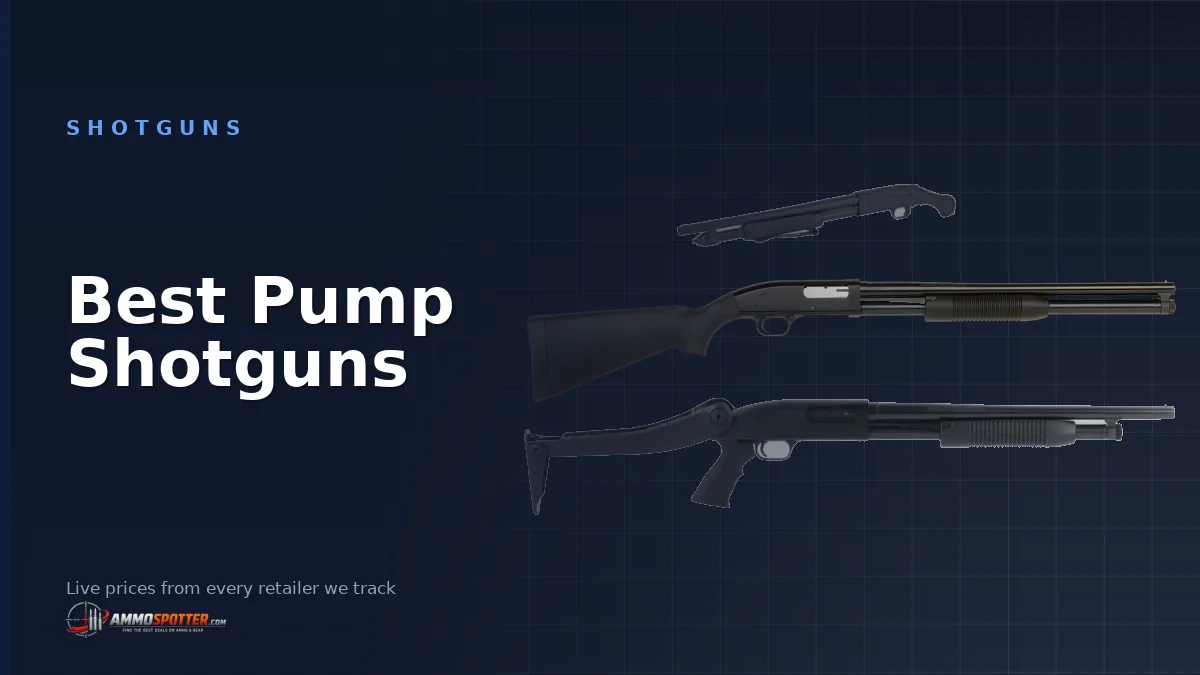
A typical pump shotgun costs about $420. The 870 is now the pricey one, the cheapest sensible buy is around $250, and the shells will cost more than the gun.
Ammo for a lever gun ranges about 30-fold per round, and .45-70 has no bulk tier. Here's why .357 is the value pick and how to find the best price.
.350 Legend is the cheapest straight-wall rifle round to feed, about half the price of .450 Bushmaster. Here's what to buy for practice, deer and suppressed shooting.
Non-lead rules are layered: federal, state and local. Here's how to find lead-free ammo, what copper and non-toxic shot cost, and what changes when you switch.
For bear country, carry heavy 200–220 grain hard cast or flat nose. For deer and hog, use a bonded expanding bullet. Practice with cheap 180-grain FMJ, but test your carry load.
MOA and MRAD both measure angle, and neither is better or pricier. Pick the one your shooting partners use, and keep reticle and turrets in the same unit.
BC measures how well a bullet cuts through air: less drop, less drift, more speed downrange. It isn't accuracy. Here's when it matters and what it costs per round.
Choke constrictions, shot sizes and buckshot sizes in plain charts, plus live prices showing hunting sizes cost about twice what clays sizes do.
20 gauge target shells cost about the same as 12 gauge. Buckshot and slugs are where 20 gauge costs more, and where it has far less to choose from.
.300 Blackout costs more than 5.56, but not where you'd expect. Plain subsonic costs the same as supersonic. Expanding bullets and small boxes are the premium.
.30-06 and .308 cost about the same per round on average. .308 has cheaper practice ammo and far more rifles. .30-06 has more heavy bullets for elk and moose.
A rifle marked .308 takes either round. Here's why the pressure argument is mostly a myth, when headspace matters, and what each label costs per round.
Shotgun box prices tell you almost nothing. Here's what target loads, buckshot and slugs cost per shell, why 5-shell boxes cost most, and whether 20 gauge saves money.
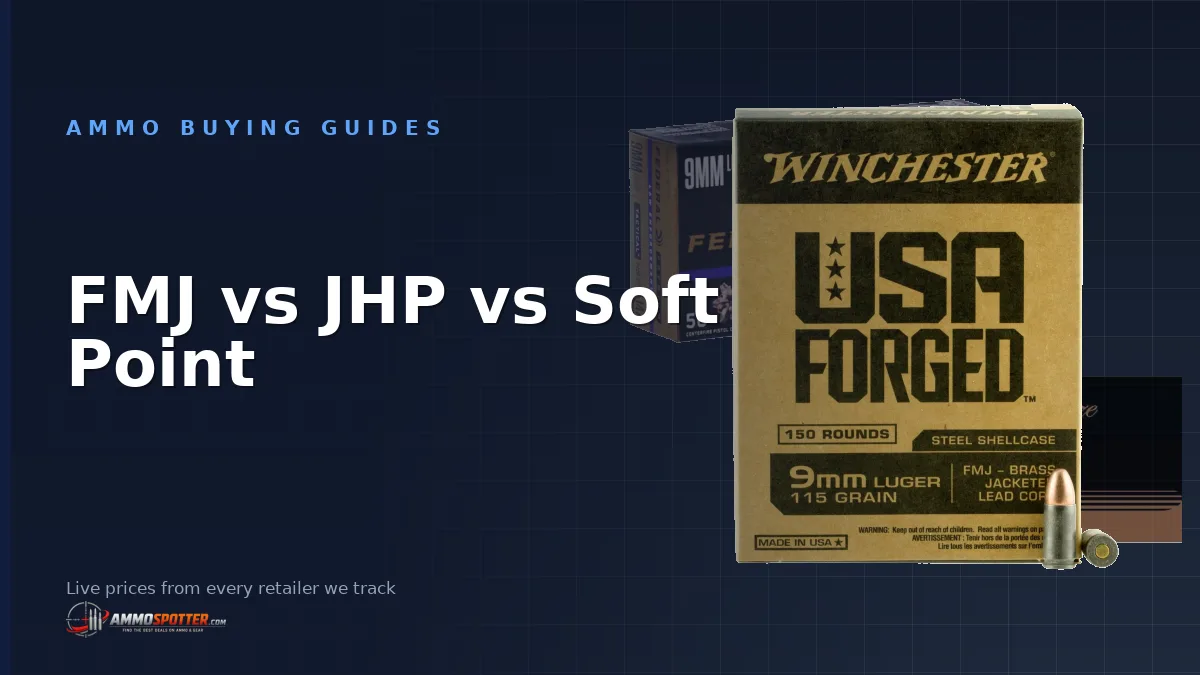
FMJ holds together and is cheap, so you practice with it. Hollow points expand and stop in the target, so you carry them. Soft points expand at rifle speed, so you hunt with them.
You don't need to spend much for a bolt-action that cleanly takes deer. Here's what each price tier buys, and why the cartridge matters more than the model.
In 2026, hunting ammo got pricier every month from March to August. Shotgun shells rose most. Here's what moved, by how much, and when to buy.
.308, 6.5 Creedmoor and .30-06 cost about the same to feed. Here's what each deer cartridge costs today, plus slugs, straight-wall rounds and when to buy.
6.5 Creedmoor has almost no budget ammo. Here's where the sub-dollar boxes are, why bulk packs don't save you, and how to buy each tier without overpaying.
If you shoot a lot, .308 is cheaper to feed. If you buy premium ammo, it's a wash. 6.5 Creedmoor wins on wind, range and recoil.
.308 is two markets: cheap practice ammo and pricier hunting and match loads. Here's what each costs and how to buy without overpaying.