Best Semi-Auto Shotguns for Clays and Waterfowl
What semi-auto shotguns cost, which brands give you the action cheaply, and when to wait for a lower price.
What does a semi-auto shotgun cost?
Prices run from $164.99 to $3,649. A typical one costs about $1,040, and the biggest cluster sits between $1,000 and $1,499.
A typical pump is about $420 and a typical over-under about $2,000. The semi-auto lands right in the middle.
Here's the cheapest end right now:
Semi-Auto Shotguns, Cheapest First
Prices updated Nov 25, 2026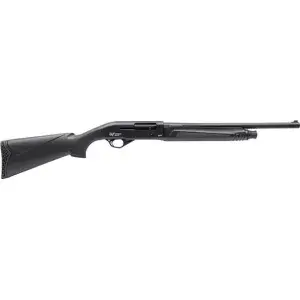
Gforce GF-1 Semi-Auto 12 GAUGE Shotgun - 20" - Black
12 Gauge · 4 rds

Gforce GF-1 Semi-Auto 12 GAUGE Shotgun - 18.5" - Silver
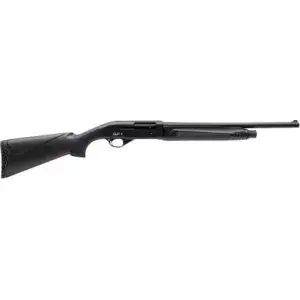
G-Force GF-1 12 GA-3 18.5 Barrel 5-Rounds
G-Force Refuge 20 GA 20 Barrel 4-Rounds
20 Gauge · 4 rds
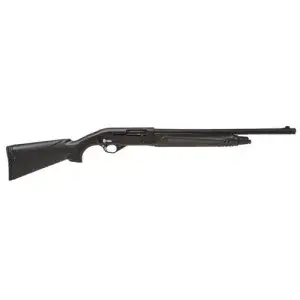
Citadel Firearms Warthog Semi Auto Shotgun 12 GA 20 Barrel 4-Rounds
Tokarev USA TTF Titan Semi-Automatic 12 Gauge Shotgun - 18.5" - Black
12 Gauge
How much more than a pump?
Everyone knows a semi-auto costs more than a pump. Here's how much more from the same maker, using average live prices:
| Maker | Pump average | Semi-auto average | Extra |
|---|---|---|---|
| Charles Daly | $311.10 | $352.27 | ~13% |
| Escort | $278.71 | $353.51 | ~27% |
| Mossberg | $545.43 | $835.12 | ~53% |
| Winchester | $417.12 | $1,010.44 | ~142% |
| Benelli | $621.73 | $2,048.54 | ~230% |
Benelli sells far fewer pumps than semi-autos, so treat that last row as a rough guide.
The extra ranges from a little to triple. On a budget, the makers at the top of the table give you a semi-auto cheaply. The ones at the bottom charge for more than the action.
Most semi-autos are built for ducks
About half of all semi-auto listings come in camo, like Realtree, Mossy Oak, Max-7 or Bottomland. Those average about $1,256. Guns with a 3.5-inch chamber average about $1,304. Most barrels are 24 to 28 inches, right where duck hunters want them.
Clays guns are much harder to find. Very few listings have a barrel of 29 inches or longer. Those average about $1,797, the priciest barrel length in the category. Guns sold as sporting, trap or skeet models average about $1,668.
Left-handed models are rare. Youth and compact models average about $768, the cheapest group rather than a premium.
Under $700: Retay, TriStar and the imports
Retay Semi-Autos, Cheapest First
Prices updated Nov 25, 2026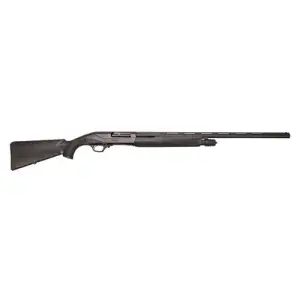
Retay Arms GPS XL 12 GA 28 Barrel 4-Rounds
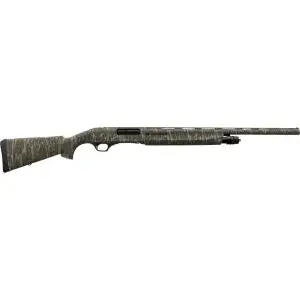
Retay Arms GPS XL Turkey Mossy Oak New Bottomland 12 GA 24 Barrel 4-Rounds 3.5 Chamber
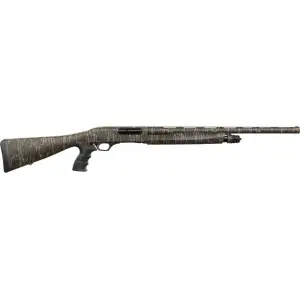
Retay Arms GPS XL Turkey Mossy Oak New Bottomland 12 GA 24 Barrel 4-Rounds 3.5 Chamber w/ Pistol Grip
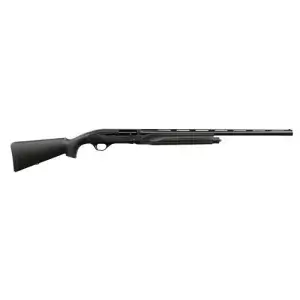
Retay Arms Gordion Waterfowl Inertia Plus 12 GA-2.75 28 Barrel 4-Rounds Left hand
12 Gauge
Retay Gordion Extra Black 12 Gauge Semi-Auto Shotgun - 26" - 4 Round - Matte Black
12 Gauge
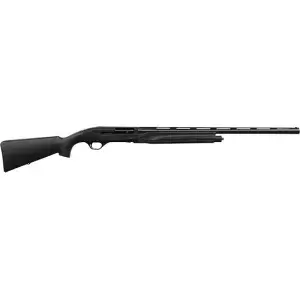
Retay Gordion Extra Black 12 Gauge Semi-Auto Shotgun - 28" - 4 Round - Matte Black
12 Gauge
Retay starts at $299.99. About three in four Retay listings are sold by more than one retailer, versus about one in six for Browning and one in ten for Winchester. A Retay is a gun you can price-shop.
TriStar Semi-Autos, Cheapest First
Prices updated Nov 25, 2026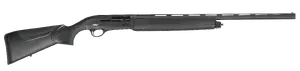
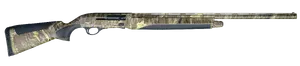
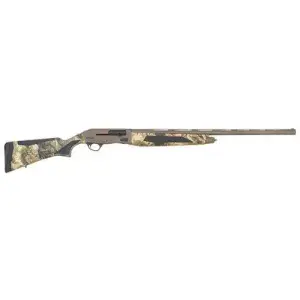
TriStar starts at $409.99 and averages about $677. Two in three of its listings are at more than one retailer, and it has the cheapest 30-inch barrel. Escort is cheaper still, from $287.99 and averaging about $354. Its semi-autos cost closest to its own pumps.
You give up resale value, trigger feel and parts options. You don't give up availability.
$700 to $1,100: Winchester, Mossberg and Stoeger
Most people should shop here.
Winchester SX4 Semi-Autos, Cheapest First
Prices updated Nov 25, 2026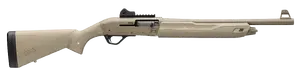
Winchester SX4 Defender FDE 12 Gauge Semi-Auto Shotgun - Flat Dark Earth Cerakote - 4rd - 18.5"
12 Gauge
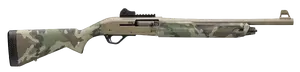
Winchester SX4 Woodland Defender 12 Gauge Semi-Auto Shotgun - 18.5" - 4 Round - Flat Dark Earth Cerakote
12 Gauge
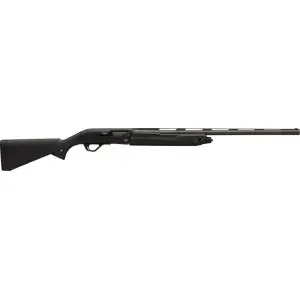
Winchester Super X4 Shotgun 12 Gauge - 26" - Matte Black - Synthetic Stock - 3" Chamber

Winchester Super X4 Compact Shotgun 12 Gauge - 28" - Matte Black
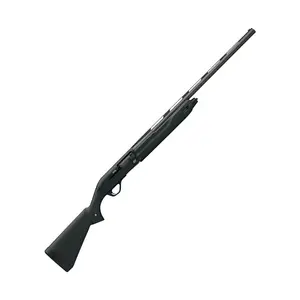
Winchester Repeating Arms SX4 12ga 3" Semi-Automatic Shotgun with 28" Barrel - 4 Round Capacity - Black Synthetic

Winchester Super X4 Compact Shotgun 12 Gauge - 26" - Matte Black
Winchester starts at $669.99 and averages about $1,010. Its cheapest listings are short-barrel Defender models, not field guns, so check the barrel length before you click. Mossberg starts at $469.99 and averages about $835. Stoeger starts at $603.99 and averages about $724.
One note on Stoeger. It's rarely sold by more than one retailer, and 90% of its listings sit above their lowest recorded price. It's well priced but rarely discounted. Buy it when you need it, not because you think you found a deal.
Beretta's cheapest listings are used guns
This can throw off any price comparison you make by eye.
Very few semi-autos in our listings are used or open-box, about 1%. But most of those are Beretta, roughly one in ten of its listings.
So Beretta's apparent starting price of $679.99 is a used A300 Ultima. Its cheapest new listing is $969.99, about $290 more.
Beretta Semi-Autos, Cheapest First — Read the Titles
Prices updated Nov 25, 2026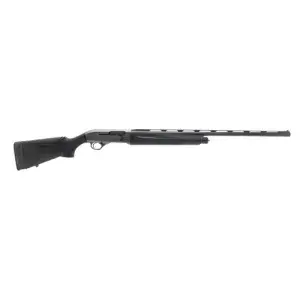
Beretta A300 Ultima Grey 20 GA-3 28 Barrel 3-Rounds USED- EXCELLENT CONDITION
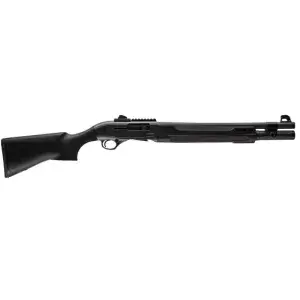
Beretta A300 Ultima Patrol 12 Gauge Semi-Auto Shotgun - 7 Round Mag Tube - QUALIFIED INDIVIDUALS ONLY

Beretta A300 Ultima Grey 12 GA 28-3 Barrel 3-Rounds USED
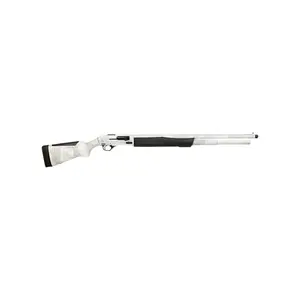
Beretta A300 Ultima Snow Goose Realtree Arctic Fox 12 GA 28 Barrel 10-Rounds RMR
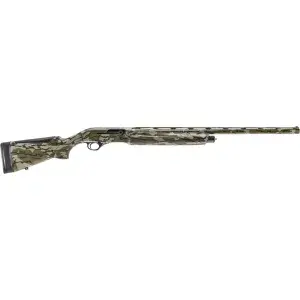
Beretta A300 Ultima KO Mossy Oak Original Bottomland 20 GA-3 28 Barrel 3-Rounds
20 Gauge · 3 rds
Beretta A300 Ultima 12 Gauge Semi-Auto Shotgun - Solid Marsh - 3rd - 28"
The titles show the condition, so read them. A used A300 at $679.99 might be the best value on this page. It just isn't new.
What does Browning or Benelli money buy?
Browning starts at $1,159.99 and averages about $1,828. Benelli is the top end, starting at $1,428.99 and averaging about $2,049.
Browning Semi-Autos, Cheapest First
Prices updated Nov 25, 2026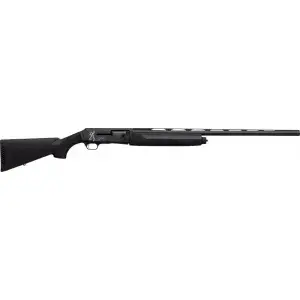
Browning Silver Field Composite Shotgun 12 Gauge - 28" - Matte Black
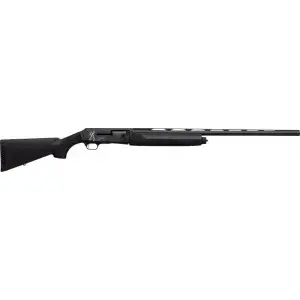
Browning Silver Field Composite Shotgun 12 Gauge - 26" - Matte Black
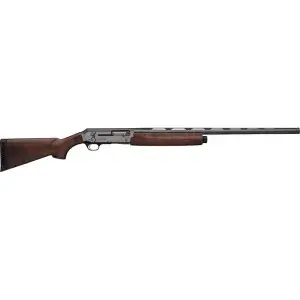
Browning Silver Field Shotgun 12 Gauge - 28" - Matte Black
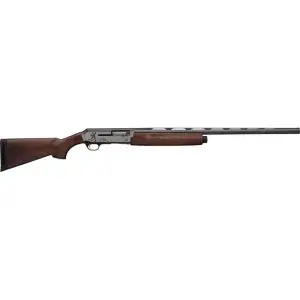
Browning Silver Matte Hunter Shotgun 12 Gauge - 26" - Matte Black
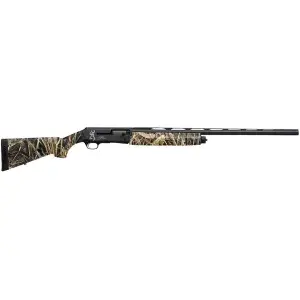
Browning Silver Field 12 GA 28 Barrel 4-Rounds
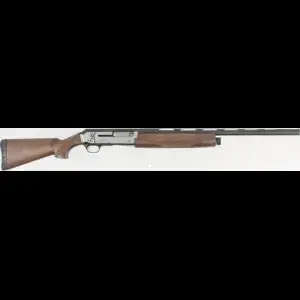
Browning Silver Field Micro Midas Shotgun 20 Gauge - 24" - Matte Black
Benelli Semi-Autos, Cheapest First
Prices updated Nov 25, 2026
Benelli M2 Field 20 GA-3 24 Barrel 3-Rounds
20 Gauge · 4 rds
Benelli M2 Field 20 GA-3 28 Barrel 3-Rounds
20 Gauge
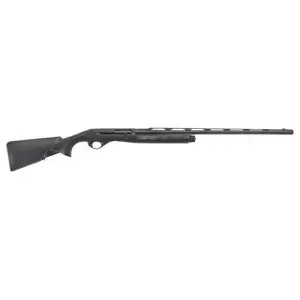
Benelli M2 Field 20 GA-3 26 Barrel 3-Rounds
20 Gauge · 3 rds
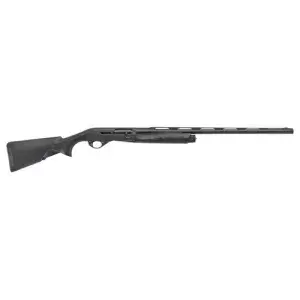
Benelli M2 Field 12 GA-3 26 Barrel 3-Rounds
12 Gauge · 3 rds
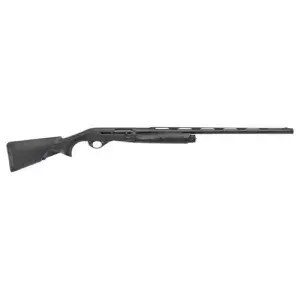
Benelli M2 Field 12 GA- 28 Barrel 3-Rounds
12 Gauge · 3 rds
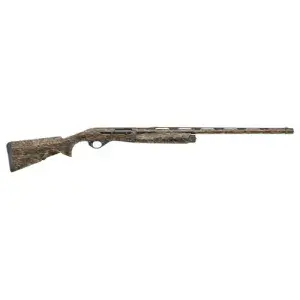
Benelli M2 Field Mossy Oak Bottomlands 12 GA-3 28 Barrel 3-Rounds
12 Gauge · 3 rds
About 97% of Browning and 94% of Benelli listings sit above their lowest recorded price. Across all firearms it's about 43%. These brands almost never go on sale, so if you've picked one, waiting won't help much. The price you see is the price.
Are they worth it? A Silver Field at $1,159.99 and a Maverick SA at $469.99 both cycle birdshot. The extra buys balance, barrel quality, trigger, warranty and resale value. We haven't measured any of that and won't pretend to.
Shop around, or wait?
Wait. That's where the savings are. Only about a quarter of semi-autos are sold by more than one retailer. When they are, the typical gap between cheapest and priciest is just $9. Shopping around usually saves you lunch money.
There are exceptions. A Sauer SL5 XT was $1,011.99 at one store and $1,499.00 at another, a $487 gap. A Weatherby Sorix ran $1,119.99 vs $1,528.99. It's worth one quick check, not a week of hunting.
Timing matters more. About 69% of listings are priced above their lowest since February 2026. The typical gap is about $76, and one in four are $159 or more over. Set an alert and let the price come to you:
Get alerted when 12 Gauge price drops hit.
We watch every listing and email you the moment the cost per round drops.
Set Up a Free Price AlertChokes, shells and the rest of the bill
A clays or waterfowl gun keeps costing you after you buy it. Here's what shells cost now:
12 Gauge Price Index
Live · Nov 25, 202620 Gauge Price Index
Live · Nov 25, 2026Most 12 gauge comes in boxes of 25 or fewer. The biggest pack you'll see is a 250-shell flat, and that's where the price per shell drops:
12 Gauge 250-Shell Flats, Cheapest Per Shell
Prices updated Nov 25, 2026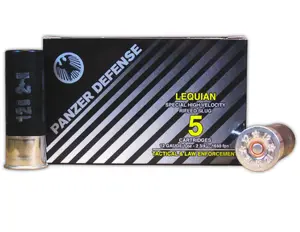
12 Gauge - 2-3/4" 1oz. Rifled Slug - Panzer Defense Lequian HV - 250 Rounds
12 Gauge · 250 rds
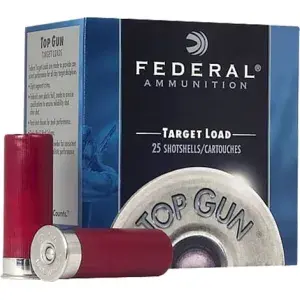
12 Gauge - 2-3/4" 1-1/8oz. #8 Shot - Federal Top Gun - 250 Rounds
12 Gauge · 250 rds
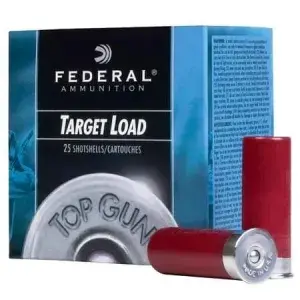
12 Gauge - 2-3/4" 1-1/8oz. #7.5 Shot - Federal Top Gun - 250 Rounds
12 Gauge · 250 rds
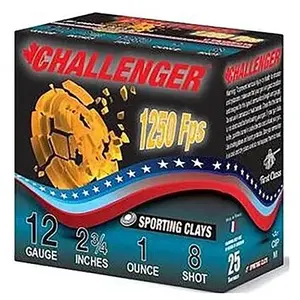
Challenger Ammo Sporting Clay 12 GA-2.75 #8 Shot 1 oz 250-Rounds
12 Gauge · 250 rds
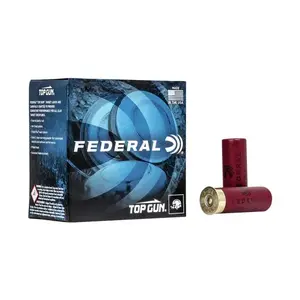
Federal Top Gun 12 GA-2.75 #7.5 Shot 1-1/8 oz 250-Rounds
12 Gauge · 250 rds
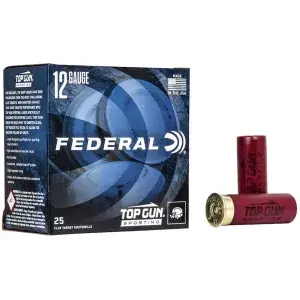
Federal Top Gun 12 GA-2.75 #8 Shot 1 oz 250-Rounds
12 Gauge · 250 rds
Cost Per Round Calculator
The only number that matters when comparing ammo. Shipping included.
Choke tubes average about $56. Watch the cheap end, because many results are cases, wrenches and keys. Actual chokes start at $5.79.
For waterfowl, few chokes say in the title whether they're rated for steel shot. Check the maker's rating before you shoot steel through an aftermarket choke. Our choke and shot size chart covers which choke for which target, and best 12 gauge target loads covers clays ammo.
Before you order: our prices don't include shipping, and a 250-shell flat is heavy. And shells don't ship everywhere, so check ammo shipping restrictions first.
If prices are moving while you plan your season, why ammo prices move explains why. How many rounds it takes to get good covers how much you'll shoot.
How we chose these
Every list on this page is live and sorted by price, so you see what's in stock now. We compare brand, barrel, chamber and finish against each gun's price history.
We don't test guns. We don't pattern barrels, run guns to failure or measure recoil. Our full approach is in how AmmoSpotter ranks ammunition.
Few listings say whether a gun is gas or inertia driven, so check the maker's specs for that. Once you've chosen, how to buy a gun online and FFL transfers explained covers the transfer fee and paperwork on top of every price here.
AmmoSpotter earns a commission when you buy through links on this page. It never changes what you pay, and it never decides what we recommend — our picks are ranked on live cost-per-round data pulled from every retailer we track. Full disclosure.
Frequently Asked Questions
How much should I spend on a semi-auto shotgun?+
Is a gas or inertia action better for clays and waterfowl?+
Why are there so few long-barrel clays guns?+
Do I need a 3.5 inch chamber for waterfowl?+
Can I buy a semi-auto shotgun online?+
Are used semi-auto shotgun listings worth considering?+
Shop the data

About the author
AmmoSpotter Research Desk
Price & Ballistics Research
The AmmoSpotter Research Desk analyzes live retail pricing across every ammunition, firearm and accessory listing we track. Recommendations here are ranked against real cost-per-round data pulled daily from the retailers we monitor - not against manufacturer marketing copy.
- ✓Tracks 180,000+ live product listings across 6 retailer feeds
- ✓Records price history on every listing, every day
- ✓Cost-per-round methodology applied to all ammunition rankings
- ✓No product is ranked without a verifiable in-stock retail price
- ✓Affiliate relationships never influence rankings
Related Guides
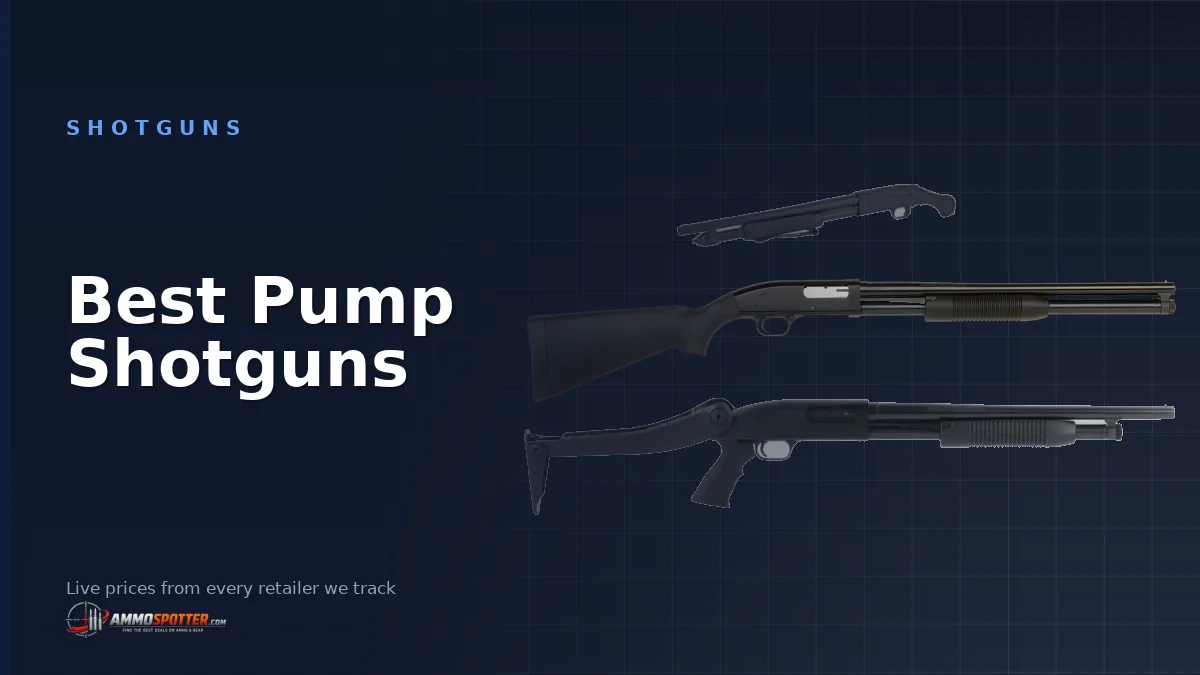
Best Pump Shotguns 2026: Mossberg vs Remington vs the Imports, Priced Live
A typical pump shotgun costs about $420. The 870 is now the pricey one, the cheapest sensible buy is around $250, and the shells will cost more than the gun.
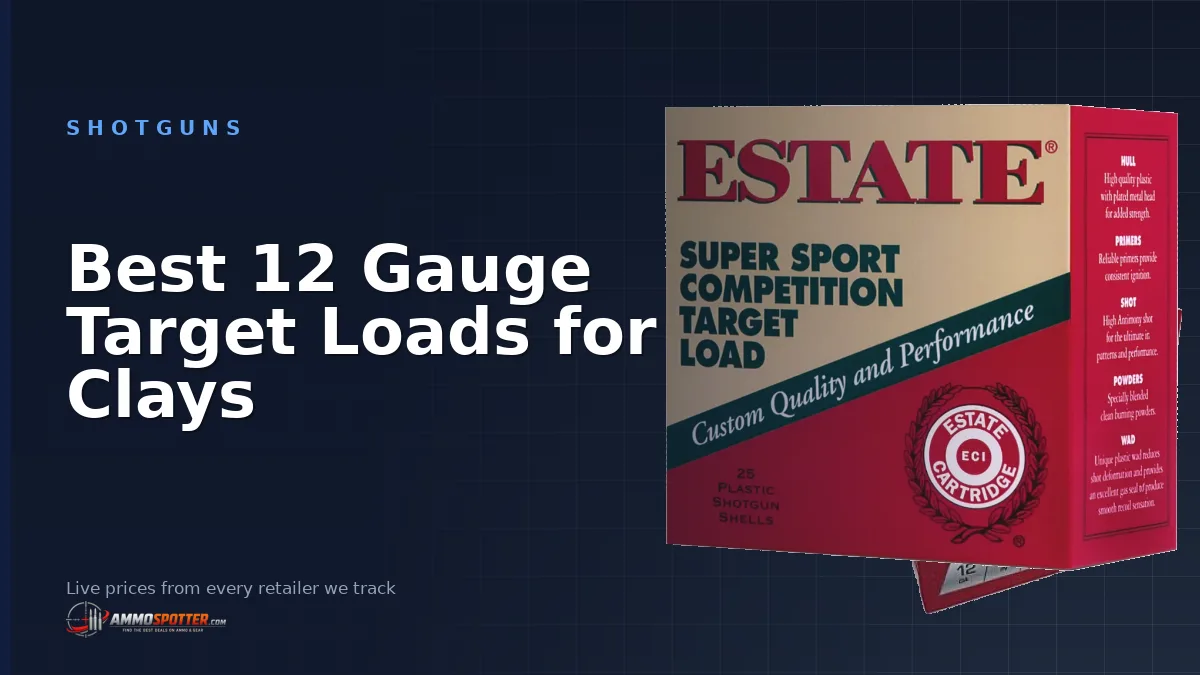
Best 12 Gauge Target Loads for Clays 2026: What a Flat Actually Saves You
For clays, cost per shell is what counts. Shoot #7.5 for trap and #8 for skeet. A flat mostly stops you overpaying, and shipping can wipe out the savings.
Shotgun Choke and Shot Size Chart: Constriction, Pellet Diameter and What Each Size Costs
Choke constrictions, shot sizes and buckshot sizes in plain charts, plus live prices showing hunting sizes cost about twice what clays sizes do.
12 Gauge vs 20 Gauge: Recoil, Payload and What Each Actually Costs
20 gauge target shells cost about the same as 12 gauge. Buckshot and slugs are where 20 gauge costs more, and where it has far less to choose from.

How to Buy a Gun Online: FFL Transfers Explained
An online gun ships to a local dealer, not your door. Here's how the FFL transfer works step by step, how to compare the full cost, and what to ask first.
Best Youth and Compact Shotguns 2026: What the Shelf Actually Offers
Buy a 20 gauge youth shotgun. It's the most common, and shells cost about the same as 12 gauge. Skip .410, search "youth", and check length of pull.