Best .22 LR Ammo
Rimfire is the cheapest trigger time money can buy, and our live index shows the gap has almost nothing to do with which brick you pick off the shelf.

What does .22 LR actually cost right now?
Here is the live market, priced per round across every retailer we track:
.22 LR Price Index
Live · Oct 15, 2026As of this writing we have 306 live .22 LR listings. The market floor sits at $0.058 per round, the catalog average is $0.161, and the most expensive listing runs $0.926 — sixteen times the floor. The cheapest box of any size is $2.99.
That spread looks dramatic until you see what causes it. Unlike most cartridges, .22 LR does not have a thin cheap tier propping up an expensive catalog. It has an enormous cheap tier and a small, genuinely specialized expensive one. The average sits near three times the floor because precision rimfire ammunition exists in the same catalog as plinking ammunition, and nothing in between fills the gap.
Cheapest .22 LR Per Round Right Now
Prices updated Oct 15, 2026
Federal American Eagle Brass .22 LR 38 Grain 4000-Rounds Bulk CPHP
.22 LR · 38gr · 4,000 rds

BROWNING BPR Value Pack 22LR 36gr Hollow Point Ammunition | 800 Rounds
.22 LR · 36gr · 800 rds

REMINGTON 22 LR 38Gr Standard V LRN 550rd
.22 LR · 38gr · 550 rds

WINCHESTER AMMO 22 LR USA 36Gr Copper Plated HP 500rd
.22 LR · 36gr · 500 rds

WINCHESTER USA 22LR 36gr Hollow Point Ammunition | 222 Rounds
.22 LR · 36gr · 222 rds

WINCHESTER AMMO 22 LR 40Gr Wildcat Lead 50rd
.22 LR · 40gr · 50 rds

Aguila Super Extra High Velocity Bulk .22 LR 40-Grain 500-Rounds CPSP
.22 LR · 40gr · 500 rds

Aguila Super Extra High Velocity Brass .22 LR 40 Grain 50-Rounds CPSP
.22 LR · 40gr · 50 rds
Why is .22 LR the strongest training argument we can make from price data?
Because the comparison is not close, and the comparison is the point.
Here is 9mm, live, in the same units:
9mm Luger Price Index
Live · Oct 15, 2026At the floor above, a thousand rounds of .22 LR works out to about $58. Run the same thousand-round arithmetic against the live floor for 9mm or 5.56 and .223 and the ratio is the entire case for a rimfire trainer: a .22 conversion, a dedicated rimfire pistol or a bolt-action .22 lets you shoot several times as many rounds for the same money.
That matters because volume is the variable that actually moves performance. How many rounds it takes to get good works through what the practice curve actually looks like, and the honest summary is that most shooters are limited by ammunition budget rather than by talent or instruction. Rimfire is the cheapest way to remove that limit.
What rimfire does not train is recoil management and the specific handling of your carry or duty gun. Trigger control, sight alignment, position, transitions and follow-through all carry over cleanly. Recoil anticipation does not, and neither does the reload of a gun you do not own a rimfire version of. Use .22 LR to build the fundamentals cheaply and centerfire to confirm them, rather than treating one as a substitute for the other.
Cost Per Round Calculator
The only number that matters when comparing ammo. Shipping included.
Is bulk .22 LR ammo actually cheaper?
Almost not at all, and this is the finding worth taking away from this article.
Look at what the packaging tiers actually cost per round in our catalog right now. A 500-round Winchester USA 36-grain copper-plated hollow point brick is $28.99, or $0.058 per round. A 222-round Winchester USA box of the same load is $12.99, or $0.059. A 50-round Winchester Wildcat box is $2.99, or $0.060. Three pack sizes, spanning a ten-to-one difference in quantity, and two tenths of a cent separating them per round.
The pattern repeats across brands. Aguila Super Extra high velocity runs $0.060 per round in a 500-round bulk pack and $0.060 in a 50-round box. Remington Thunderbolt in a 525-round bulk pack is $0.061. Browning's BPR 800-round value pack at $43.99 is $0.055, which is the cheapest genuinely conventional listing we have, and it beats the 50-round boxes by half a cent.
So the case for buying a brick in rimfire is real but it is not a unit-price discount. It is that you pay shipping once, you stop reordering, and you shoot a consistent lot for a while — which, as the match section below explains, has value of its own. This is the same conclusion we reached looking across the whole catalog in is bulk ammo actually cheaper: the savings live in specific listings, not in packaging.
Rimfire is light enough that shipping economics are gentler here than on rifle ammunition, but destination rules still vary by state and carrier and they change. Check before you order rather than trusting any static list.
Which .22 LR brand starts cheapest?
These are the twelve brands with the most live listings in our catalog and the lowest cost per round we currently have from each. Read the right-hand column as the bottom of each brand's range, not as a typical price.
| Brand | Live listings | Cheapest per round |
|---|---|---|
| Browning | 8 | $0.055 |
| Winchester | 43 | $0.058 |
| Remington | 34 | $0.058 |
| Aguila | 23 | $0.064 |
| Federal | 32 | $0.068 |
| CCI | 59 | $0.074 |
| Blazer Ammo | 4 | $0.078 |
| Fiocchi | 7 | $0.100 |
| Norma | 5 | $0.120 |
| Eley | 13 | $0.160 |
| SK | 6 | $0.180 |
| Lapua | 7 | $0.320 |
The table splits cleanly into two businesses. Winchester, Remington, Federal, Aguila, CCI, Browning and Blazer are competing on volume, and their floors sit within about two cents of each other — close enough that brand loyalty in the plinking tier is mostly about which one your gun happens to like. Eley, SK and Lapua are competing on consistency, and their cheapest listings start at two to five times the volume brands' floors.
Browse everything live on the .22 LR ammo page, or narrow to one maker — the CCI brand page is the obvious starting point given it has the deepest rimfire catalog of anyone we track.
Does .22 LR ammo choice affect reliability?
More than in any centerfire cartridge, and this is where cheap ammunition stops being a free lunch.
Rimfire semi-automatics are blowback actions tuned around a narrow power band. High-velocity ammunition generally cycles them; standard-velocity and subsonic ammunition often does not, or does so inconsistently. Priming is also applied to the rim during manufacture rather than seated as a discrete component, which makes the occasional dud a normal feature of the cartridge rather than a defect.
The practical rule is unglamorous: buy one or two small boxes of a candidate load, run them through your specific gun, and only then commit to a brick. Two guns of the same model can prefer different ammunition. A bolt-action or single-shot .22 sidesteps most of this and will happily digest whatever is cheapest.
When is match-grade .22 LR worth the premium?
When you are shooting a discipline that scores the difference, and essentially never otherwise.
Precision rimfire — smallbore competition, benchrest, and increasingly NRL22-style field matches — is one of the few places where ammunition quality is the binding constraint rather than the shooter. Match rimfire buys tighter tolerances on bullet weight, case dimensions and priming consistency, and it is typically loaded to standard velocity so the bullet never crosses the transonic region on the way to the target.
The serious version of this goes further than buying an expensive box. Competitors lot-test: they buy samples from several manufacturing lots, shoot them from their own barrel, identify which lot that specific barrel prefers, then buy that lot in quantity. That practice is the reason "which match ammo is best" has no general answer — the answer is barrel-specific by design.
We do not run our own accuracy testing and will not imply otherwise. How we rank ammunition sets out what we will and will not claim: we rank on live price, availability across retailers and published manufacturer specification, and we defer to published testing protocols rather than inventing results.
What should you buy for small game and for suppressed shooting?
For small game, the cheap tier and the hunting tier are largely the same tier. High-velocity 36 to 40-grain hollow points and copper-plated rounds — the loads that occupy most of the bottom of the price table above — are the mainstream answer, and you are unlikely to find a meaningfully better option by spending more. Legal rules vary by state and species, and some jurisdictions restrict rimfire or particular bullet constructions for particular game. Verify the current regulations where you hunt; do not take an internet article's word for it, including this one.
Suppressed shooting is the other place ammunition choice genuinely changes the outcome. Standard .22 LR high-velocity ammunition is supersonic, so a can removes muzzle blast but leaves the sonic crack. Subsonic and dedicated suppressor loads eliminate the crack and are about as quiet as small arms get — at the cost of cycling reliability in a semi-auto, per the section above. Best ammo for suppressed shooting covers what actually goes quiet across cartridges. Suppressor ownership is federally regulated and additionally restricted in some states, and those rules change; confirm the current requirements for your own jurisdiction before buying anything.
Why does .22 LR spike so hard when supply gets tight?
Because there is no relief valve.
Every other common cartridge has one: when factory prices climb, handloaders shift to components and take pressure off the retail market. Rimfire cannot be reloaded — the priming compound is spun into the rim at the factory, and a fired case cannot be reprimed with normal equipment. Is reloading still cheaper than buying ammo runs that arithmetic for the cartridges where you have the option; .22 LR is not one of them.
So demand can only be met by factory output. The general mechanics are covered in why ammo prices move; the rimfire-specific consequence is that when it is cheap and available, that is the time to buy depth.
How to buy .22 LR without overpaying
- Check the live floor in the index above. It is your benchmark and it moves.
- Decide whether you are buying plinking ammunition or match ammunition. They are different products at different prices and comparing across them is meaningless.
- Sort by cost per round, not by box price — but expect the answer to be close across pack sizes in this cartridge.
- Buy the brick for the shipping and the consistent lot, not because you expect a volume discount.
- Test a candidate load in your specific semi-auto before you commit to a case of it.
- Treat any listing far below the floor as unverified until you confirm the pack size and availability.
- If you shoot precision rimfire, budget for lot testing rather than for a brand.
- Buy depth when it is cheap. This is the cartridge where waiting for a better price has historically gone worst.
Live .22 LR Listings We Rate Highest
Prices updated Oct 15, 2026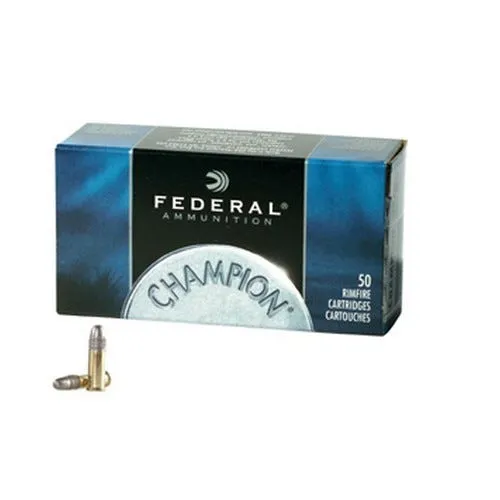
Federal Champion Solid 40 Grain Brass .22 LR 50Rds
.22 LR · 40gr · 50 rds
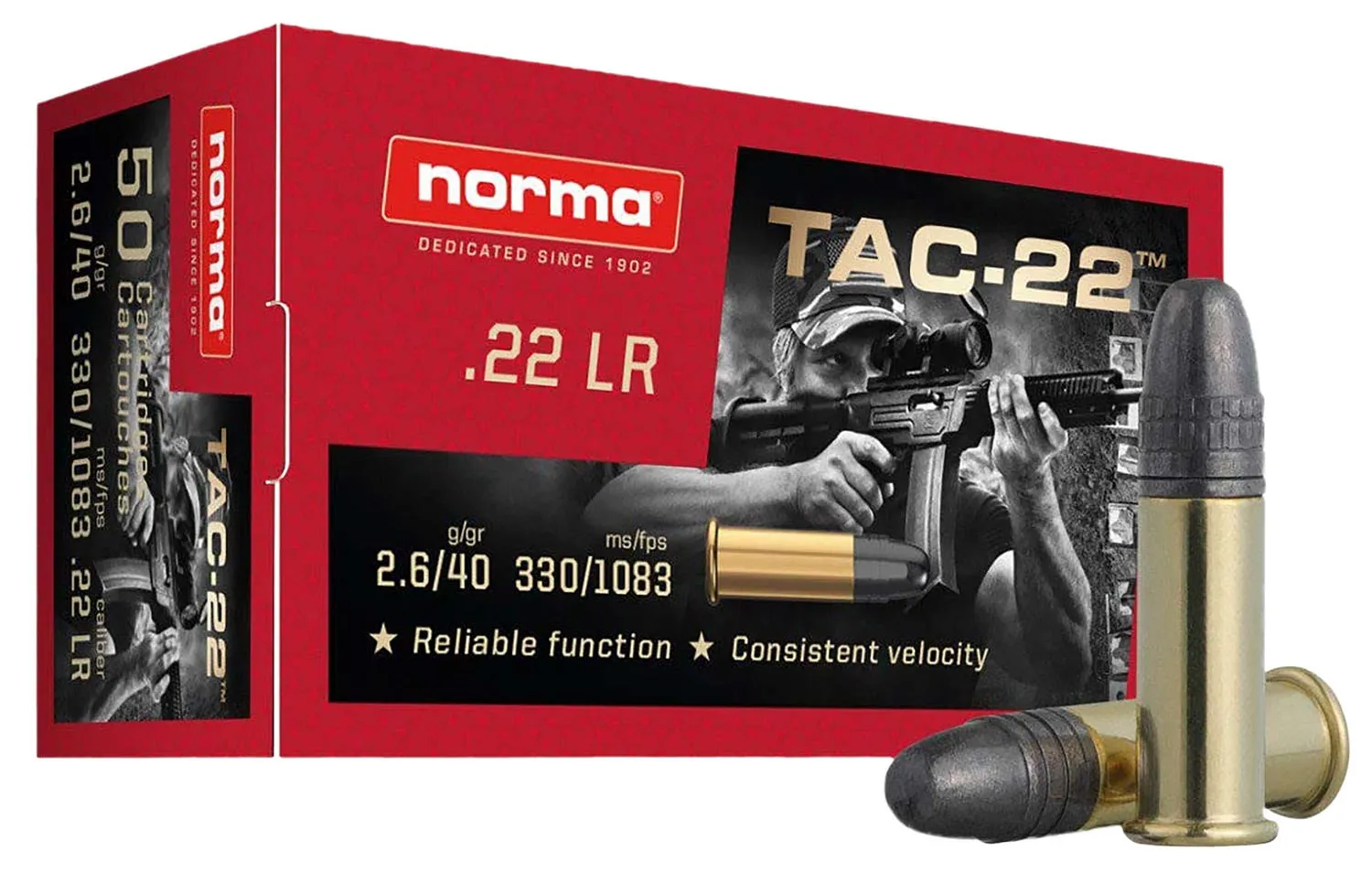
Norma Tac-22 Brass .22 LR 40 Grain 50-Rounds LRN
.22 LR · 40gr · 50 rds
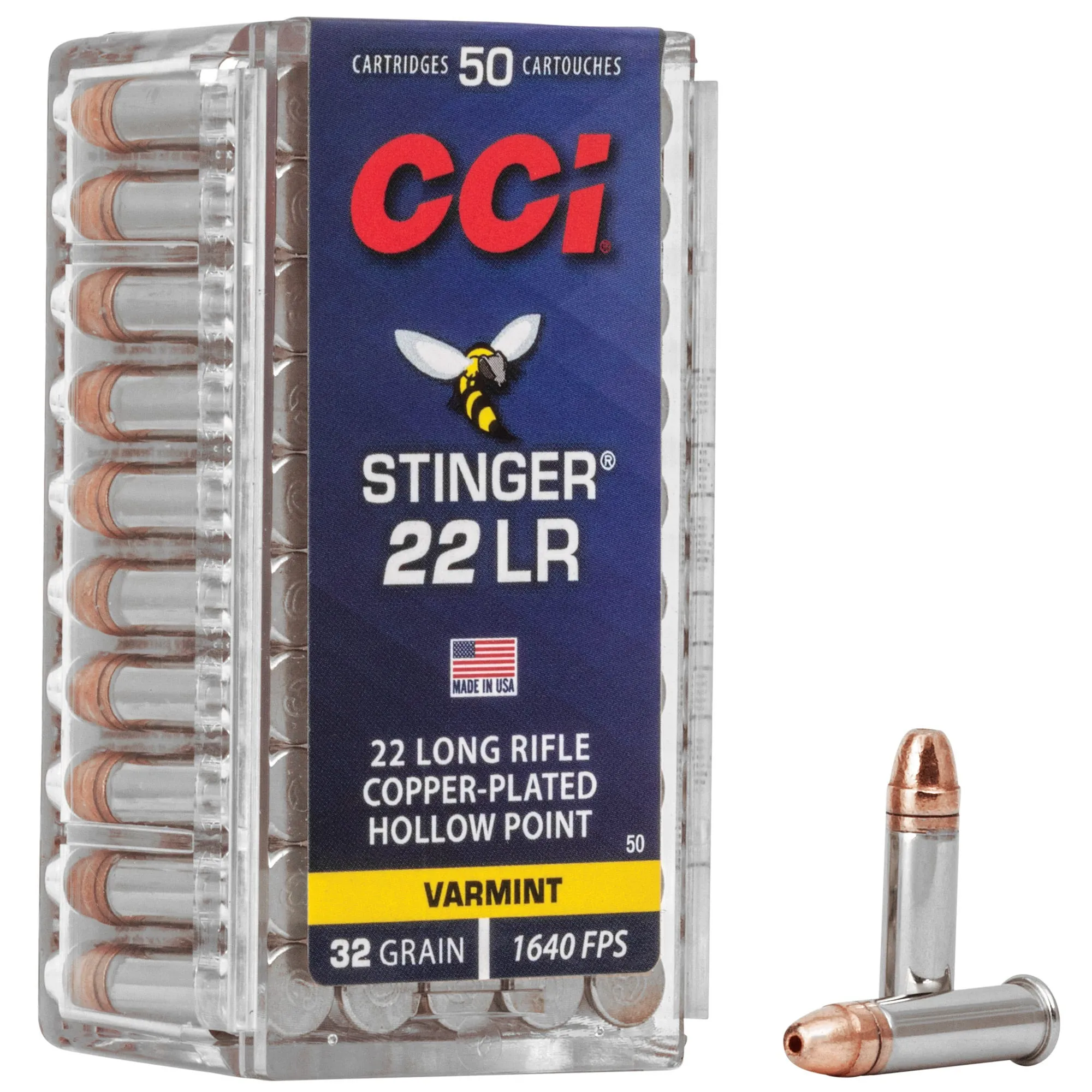
CCI Varmint Stinger Nickel Plated Brass .22 LR 32 Grain 50-Rounds CPHP
.22 LR · 32gr · 50 rds

CCI Shotshell Aluminum .22LR 31GR #12 Shot 20Rds
.22 LR · 31gr · 20 rds
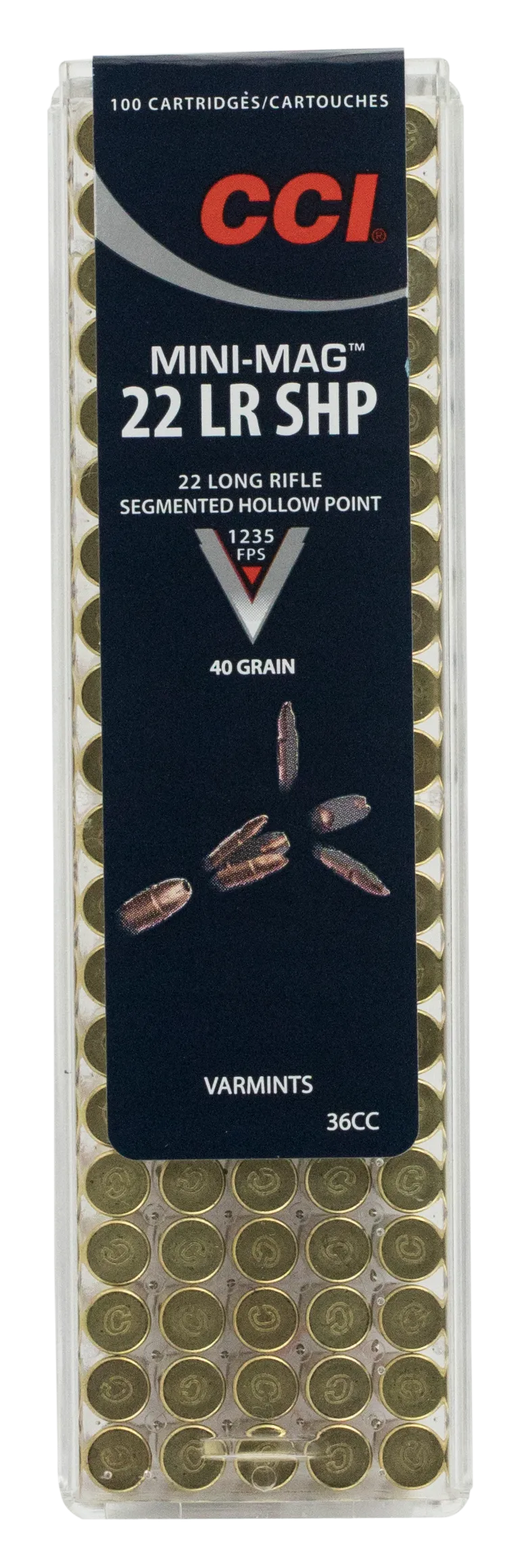
CCI Ammunition Mini-Mag Brass .22 LR 40 Grain 100-Rounds SHP
.22 LR · 40gr · 100 rds
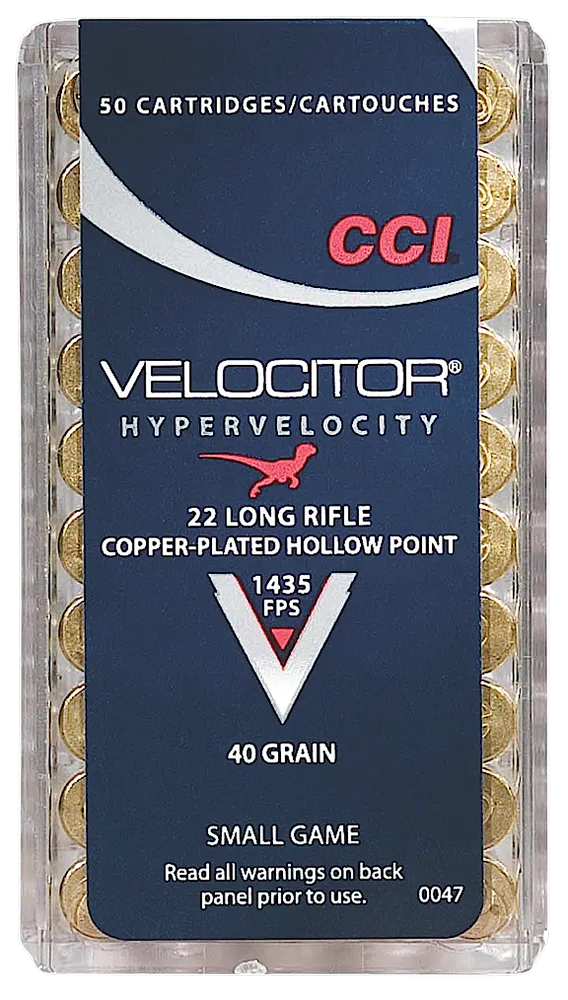
CCI Ammunition Velocitor Brass .22 LR 40-Grain 50-Rounds CPHP
.22 LR · 40gr · 50 rds
Browse everything live on the .22 LR ammo page, or start from how to buy ammo online if you want the general method before the caliber specifics. If you are weighing a rimfire trainer against simply shooting more centerfire, cost per round explained is the right way to frame that decision.
Get alerted when .22 LR price drops hit.
We watch every listing and email you the moment the cost per round drops.
Set Up a Free Price AlertAmmoSpotter earns a commission when you buy through links on this page. It never changes what you pay, and it never decides what we recommend — our picks are ranked on live cost-per-round data pulled from every retailer we track. Full disclosure.
Frequently Asked Questions
What is a good price per round for .22 LR?+
Is bulk .22 LR ammo actually cheaper?+
Does .22 LR ammo choice affect reliability?+
Is match-grade .22 LR worth the money?+
Can you reload .22 LR?+
What .22 LR should I buy for small game hunting?+
Shop the data

About the author
AmmoSpotter Research Desk
Price & Ballistics Research
The AmmoSpotter Research Desk analyzes live retail pricing across every ammunition, firearm and accessory listing we track. Recommendations here are ranked against real cost-per-round data pulled daily from the retailers we monitor - not against manufacturer marketing copy.
- ✓Tracks 180,000+ live product listings across 6 retailer feeds
- ✓Records price history on every listing, every day
- ✓Cost-per-round methodology applied to all ammunition rankings
- ✓No product is ranked without a verifiable in-stock retail price
- ✓Affiliate relationships never influence rankings
Related Guides

Cost Per Round: The Only Ammo Price Metric That Matters
There is exactly one reason ammunition is hard to price-compare: it is advertised in boxes and consumed in rounds. Box counts are not standardized. A "box" of 9mm might be 50 rounds. A "value pack" might be 100, or 11...

Bulk vs Box: How Much You Actually Save Buying a Case
The standard advice is to buy by the case because bulk is cheaper. We track every live ammunition listing we can get, normalized to cost per round, so we tested that advice against the data instead of assuming it. The...

How Many Rounds Does It Take to Get Good?
Almost every shooter is round-count constrained and almost none of them have written the number down. Ammunition is the actual budget line that determines how much you improve, and it is the one people plan least. So ...

Best Ammo for Suppressed Shooting: Subsonic, Supersonic and What Actually Goes Quiet
The most common disappointment with a first suppressor is that it did not make the rifle quiet. The can is usually fine. The ammunition is usually the problem. A gunshot makes three distinct noises, and a suppressor o...
Rimfire Price Index: What .22 LR Really Costs Now
.22 LR is still the cheapest way to put rounds through a gun. That part hasn't changed. What has changed is how wide the spread is inside the cartridge. A 50-round box of match ammunition and a 500-round brick of plin...

Best .22 LR Rifles 2026: Cheapest Trigger Time, Priced Live
- A rimfire rifle is the cheapest legal way to buy repetitions. Everything else in shooting is a function of how many you can afford. - The entry tier is real now: functional semi-auto .22 rifles sit near the bottom o...