Best .22 LR Rifles for Training and Plinking
A rimfire rifle is the only way to buy real repetitions instead of rationing them — here is what each tier costs, and what the ammo costs to feed it.

Why a .22 costs less to shoot than anything else you own
The argument for a rimfire rifle is not sentimental and it is not about recoil. It is arithmetic. Here is what the two cartridges actually cost right now, read out of the same live catalog at the same moment:
.22 LR Price Index
Live · Nov 18, 20265.56 NATO / .223 Remington Price Index
Live · Nov 18, 2026That gap is the whole guide. We track 307 live .22 LR ammunition listings as this publishes, with a market floor of about 5.8 cents per round and an average across the catalog closer to 16 cents. The blocks above are live, so trust them over this sentence — but the shape does not change: a rimfire round is a fraction of a centerfire round, every week of the year, including the weeks when ammo prices are spiking and centerfire supply gets thin.
What that buys you is volume. If you have read how many rounds it takes to get good, you already know the uncomfortable part: the number is large, and most shooters never get there because they are paying centerfire prices for fundamentals that do not require centerfire. A .22 rifle converts a training plan from a budget problem into a schedule problem.
What $150 actually buys at the entry tier
The bottom of the rimfire market has changed. TM22-pattern rifles from Derya and Rock Island, and the long-running Savage 64, now sit below where a used Marlin 60 used to trade. These are the cheapest semi-auto rifles in our entire firearm index, which runs to more than 58,000 live listings:
Cheapest Semi-Auto Rifles in the Index
Prices updated Nov 18, 2026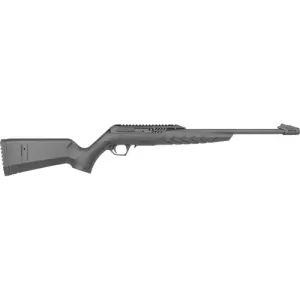
Derya TM22 .22 LR 18 Barrel 10-Rounds
.22 LR · 10 rds

Rock Island Armory TM22 Standard .22 LR 18 Barrel 10-Rounds Ambidextrous

Derya TM22 Black Cherry .22 LR 18 Barrel 10-Rounds - DEMO
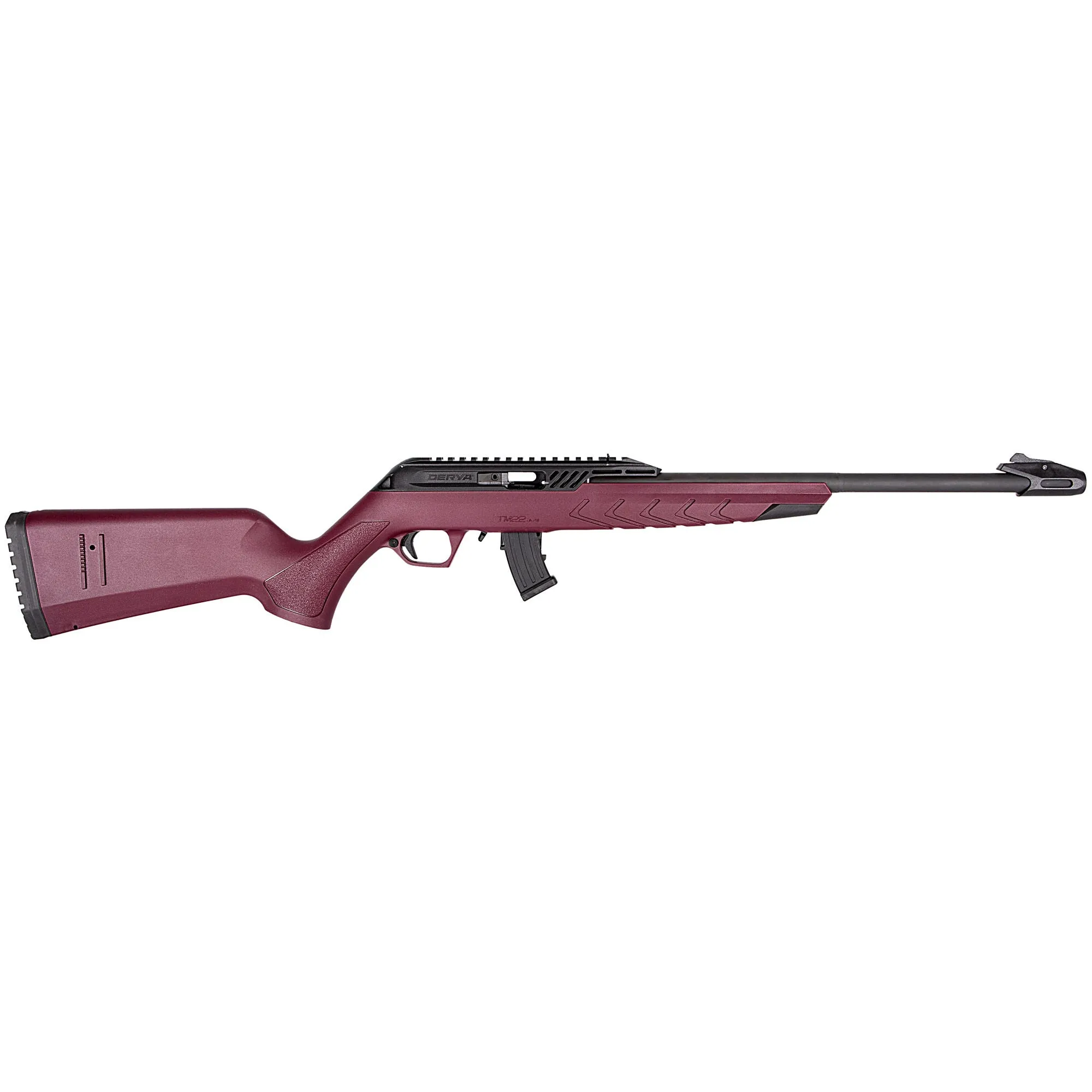
Derya TM22 Black Cherry .22 LR 18 Barrel 10-Rounds

Derya TM22 Flat Dark Earth .22 LR 18 Barrel 10-Rounds

Derya TM22 OD Green .22 LR 18 Barrel 10-Rounds
The trade-off is honest and worth saying out loud. At this price the rifle is the whole product: the trigger is the trigger, the stock is the stock, and the aftermarket is thin to nonexistent. Magazines are proprietary and sometimes hard to source, which matters more than buyers expect — see how many magazines you actually need before you assume two will do. Accuracy is usually adequate for steel at 50 yards and rarely better.
Buy at this tier when the rifle's job is to exist so that someone can shoot. That is a legitimate job and it is the one most .22 rifles are bought for.
Is the Ruger 10/22 still the default answer?
Yes, but for one reason, and it is not price or accuracy.
Ruger 10/22 — Live Prices
Prices updated Nov 18, 2026
Ruger 10/22 .22 LR 18.5 Barrel 10-Rounds w/ Scope Rail

Ruger 10/22 Carbine Black / Hardwood Stock .22LR 18.5 Barrel 10-Rounds
.22LR
Ruger 10/22 .22 LR 18.5 Barrel 10-Rounds
.22 LR · 10 rds

Ruger 10/22 .22 LR 16.12 Barrel 10-Rounds Fiber Optic Sights

Ruger 10/22 Birch .22 LR 18.5 Barrel 10-Rounds
Ruger 10/22 Black / Stainless .22 LR 18.5 Barrel 10-Rounds
.22 LR · 10 rds
The 10/22 is a platform. Triggers, barrels, stocks, chassis, extended magazine releases and magazines in every capacity are sold by dozens of companies, and every one of them fits without gunsmithing. Nothing else in rimfire has that. A base 10/22 bought today can be a target rifle in three years without the original purchase becoming a sunk cost — which is exactly what happens with an entry-tier rifle you outgrow.
The counterargument: out of the box, a 10/22 is not more accurate than the cheaper rifles above, and the factory trigger is worse than several of them. You are paying for optionality. If you know you will never modify the rifle, the optionality is worth nothing to you and you should buy lower.
AR-pattern rimfires: paying for the manual of arms
If you own an AR-15, there is a specific case for a rimfire that handles like one. Safety selector, magazine release, charging handle and stock geometry all sit where your hands already go, so the repetitions transfer instead of competing.
Smith & Wesson M&P 15-22 — Live Prices
Prices updated Nov 18, 2026
Smith and Wesson M&P 15-22 .22 LR 16.5 Barrel 10-Rounds Magpul Handguard

Smith and Wesson M&P 15-22 Sport .22 LR 16.5 Barrel 25-Rounds
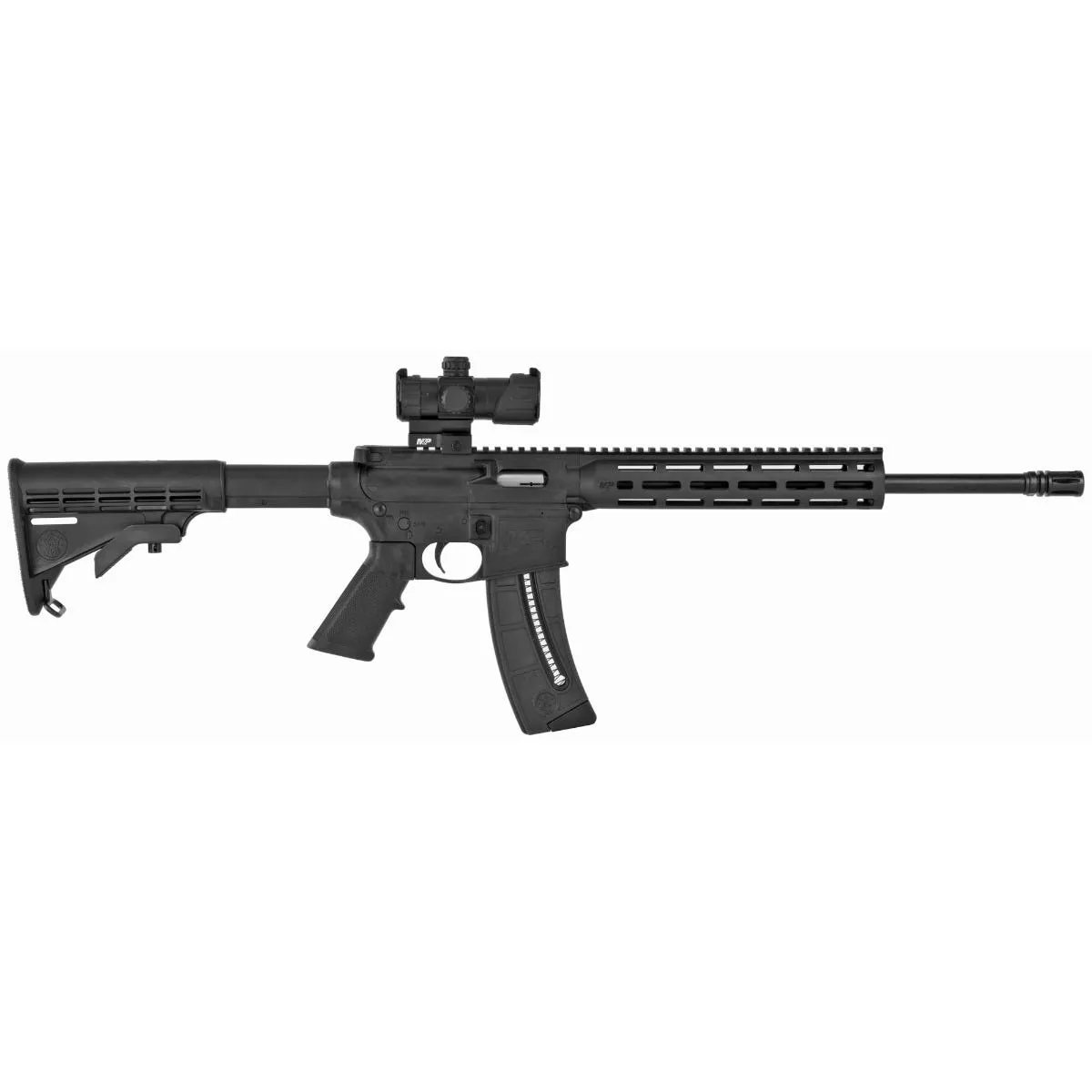
Smith and Wesson M&P15-22 Sport .22 LR 16.5 Barrel 25-Rounds with Red/Green Optic
.22LR

Smith and Wesson M&P15-22 Sport .22 LR 16.5 Barrel 10-Rounds Flip-Up Sights
.22LR

Smith and Wesson M&P15-22 Sport Robin s Egg Blue .22 LR 16.5 Barrel 25-Rounds
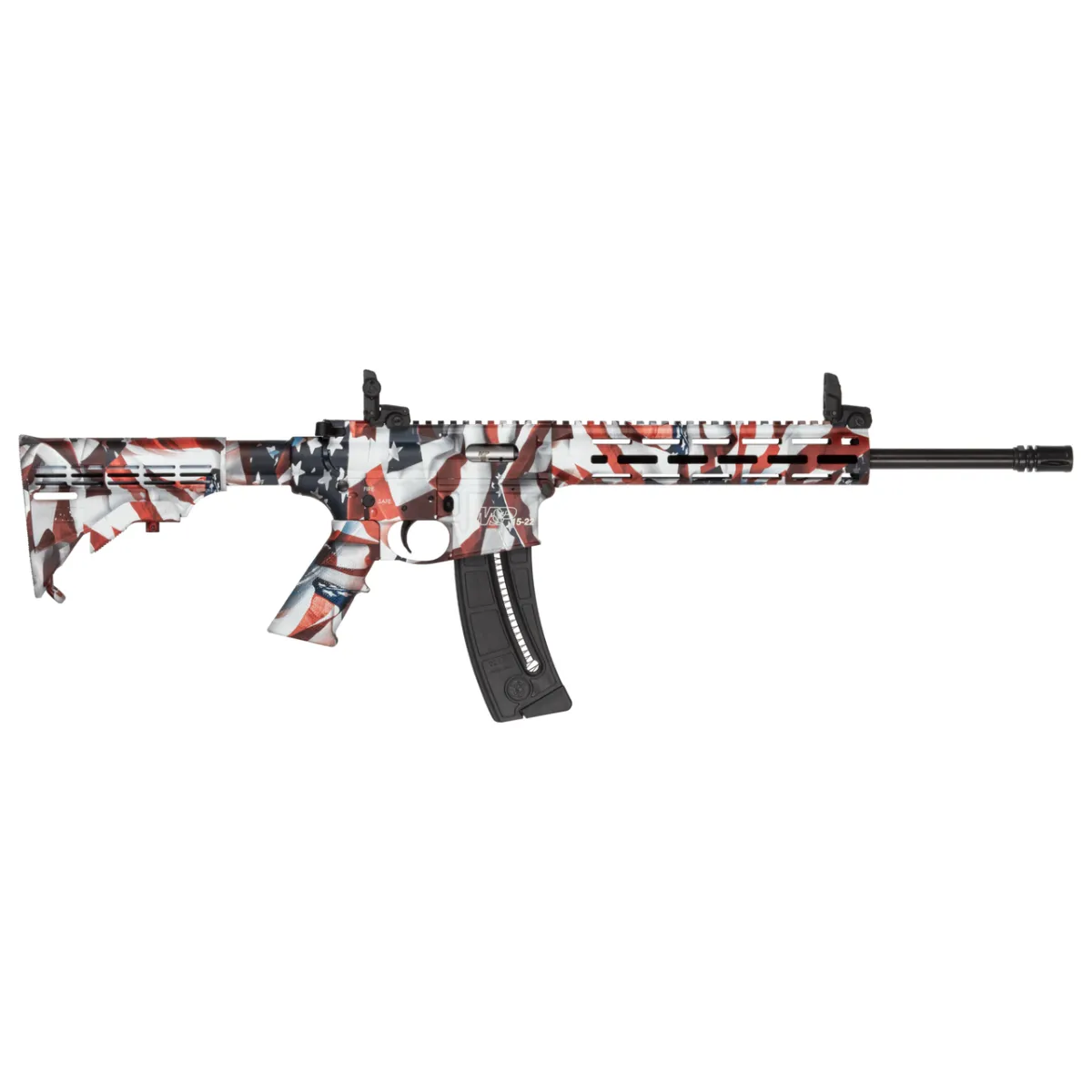
Smith and Wesson M&P15-22 Sport USA Flag .22 LR 16.5 Barrel 25-Rounds
The M&P 15-22 is the volume seller here; Tippmann's M4-22 line sits above it and uses a closer-to-real bolt carrier. Both cost multiples of the entry tier, and neither is more accurate than a $250 bolt gun. You are buying ergonomic transfer, nothing else. That is worth it if your centerfire practice is limited by ammo cost — pair it with the load selection in our 5.56 and .223 guide so the rifle you are actually training for is fed correctly on the days you do shoot it.
One caution specific to this segment: an AR-pattern rimfire is a dedicated rifle, not a conversion. Optics choices carry over though, and the reasoning in red dot vs LPVO applies unchanged at rimfire distances.
Bolt guns and single-shots: the case for slowing down
Semi-autos reward volume. Bolt guns reward deliberation, which is why nearly every serious rimfire training program — and every youth program — starts with one.
Single-Shot Rimfire Trainers
Prices updated Nov 18, 2026
Crickett .22LR Pink Synthetic with Blued Barrel

Crickett Youth Blue .22 LR 16.125 Barrel 1-Round
.22LR

Keystone Crickett Pink .22 LR 16.13 Barrel 1-Rounds
.22LR

Crickett Youth Purple .22 LR 16.125 Barrel 1-Round
.22LR
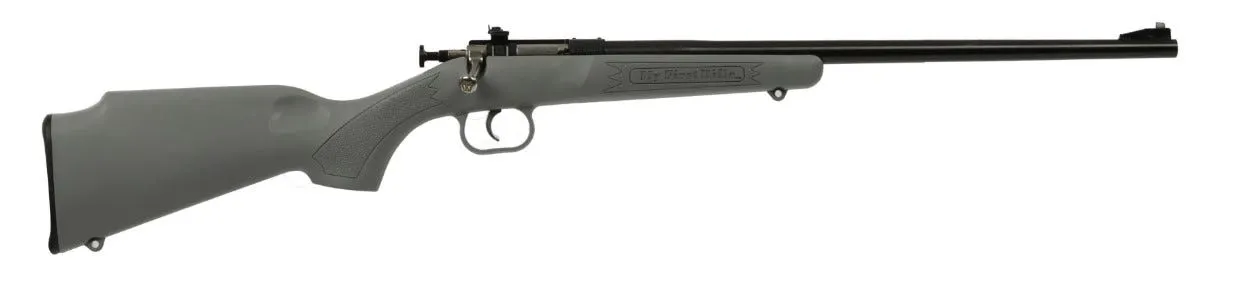
Keystone Sporting Arms Crickett 22LR Bolt Action Rimfire Rifle - 16.125" - Blue - 1 Round

Crickett My First Rifle Gen2 Purple w/Black Webbing .22 LR 16.1 Barrel 1-Round
Single-shot Crickett and Savage Rascal rifles exist for a reason that survives scrutiny: a rifle that holds one cartridge cannot be fired twice by accident, and a new shooter who must consciously load each round shoots each round consciously. They are also the cheapest rifles in the index, full stop. Our listings show a 1-round capacity on these, which is the design, not a data error.
Step up and the bolt rimfire becomes a precision instrument:
CZ 457 — Live Prices
Prices updated Nov 18, 2026
CZ 600 ST2 American Walnut / Black 6.5 Creedmoor 24 Barrel 5-Rounds
6.5 Creedmoor
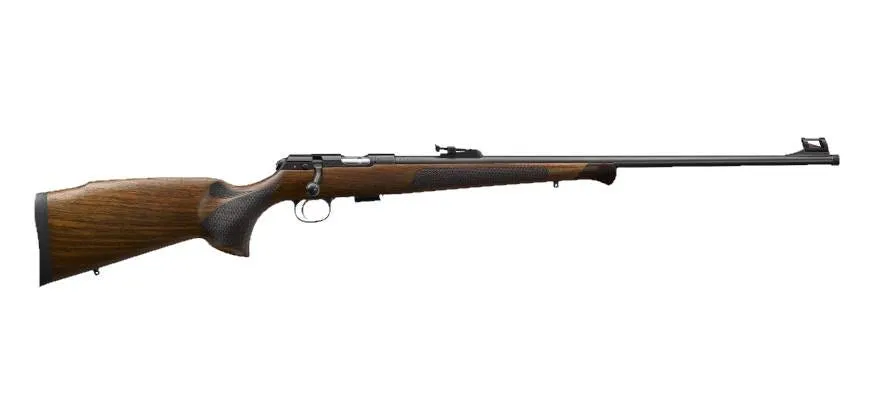
CZ 457 Premium Turkish Walnut .22 LR 24.8 Barrel 5-Rounds
.22LR
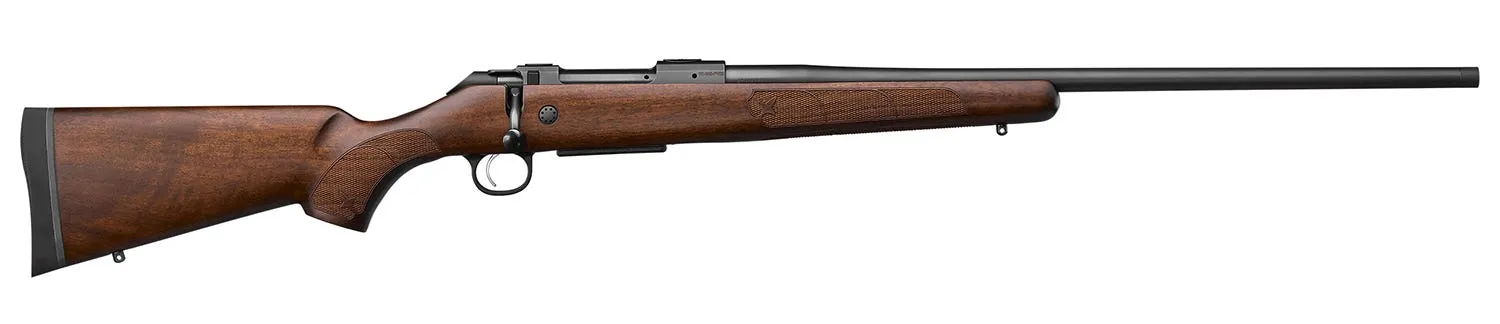
CZ 600+ American Walnut .30-06 24 Barrel 5-Rounds
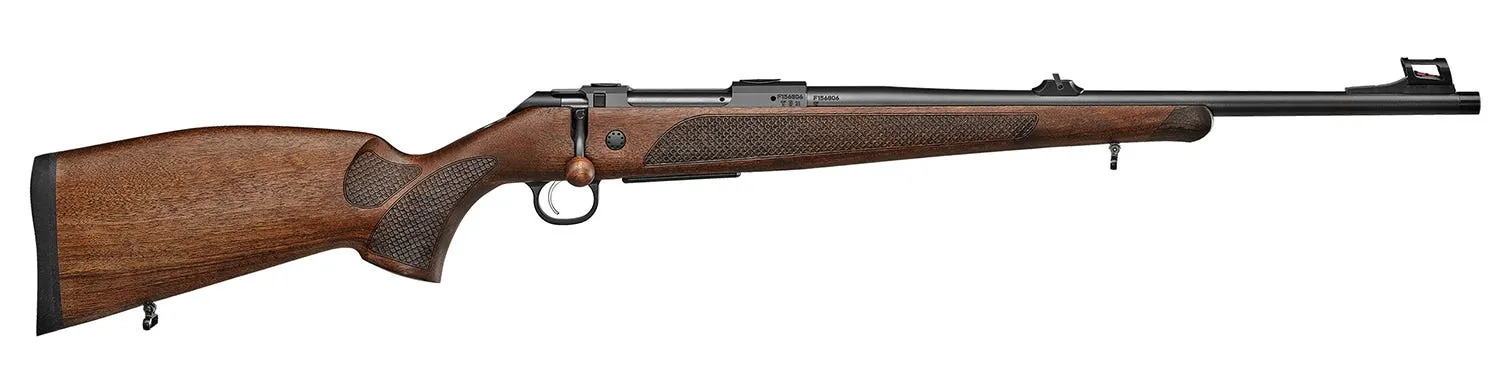
CZ 600+ Lux Walnut .308 Win 20 Barrel 5-Rounds
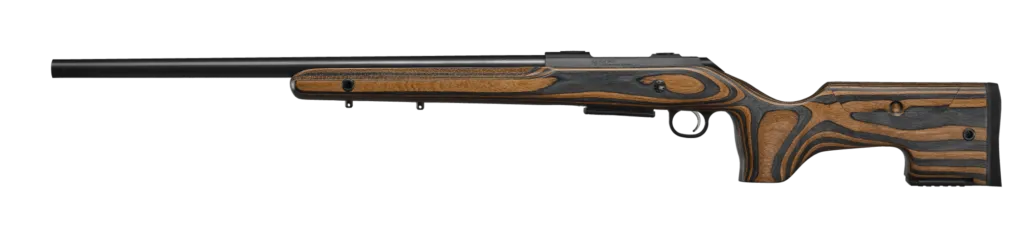
CZ 600 Range Wood Laminate .308 Win 24 Threaded Barrel 5-Rounds
.308 Win

CZ 600 ST2 American High Grade Walnut 6.5 Creedmoor 24 Barrel 5-Rounds
6.5 Creedmoor
The CZ 457 and rifles at its level shoot well enough that the ammunition becomes the limiting factor, which is the point at which match rimfire stops being a waste of money. Below that price, it usually is.
Threaded barrels and the suppressor question
Rimfire is the cheapest possible path into suppressed shooting, and a .22 rifle with a threaded muzzle is the cheapest possible host. Several of the CZ, Bergara and Winchester rimfires in our catalog ship threaded from the factory; adding threads later costs more than the price difference between a threaded and unthreaded model.
If you are anywhere near this decision, read the suppressor buying guide first, then the ammunition side in best ammo for suppressed rifles — rimfire subsonics are the quietest common thing you can shoot, and the ammunition choice matters more than the can at this level.
What it costs to feed, and what to feed it
The rifle is the small number. The ammunition is the recurring one:
Cheapest Bulk .22 LR Right Now
Prices updated Nov 18, 2026
Federal American Eagle Brass .22 LR 38 Grain 4000-Rounds Bulk CPHP
.22 LR · 38gr · 4,000 rds
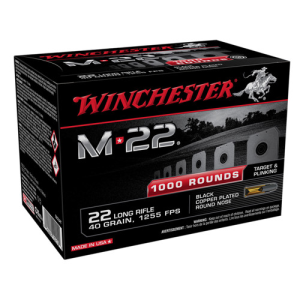
WINCHESTER M22 22LR 40gr Black Copper Plated Round Nose Ammunition | 1000 Rounds
.22 LR · 40gr · 1,000 rds

BROWNING BPR Value Pack 22LR 36gr Hollow Point Ammunition | 800 Rounds
.22 LR · 36gr · 800 rds

Aguila Super Extra High Velocity Bulk .22 LR 40-Grain 500-Rounds CPSP
.22 LR · 40gr · 500 rds
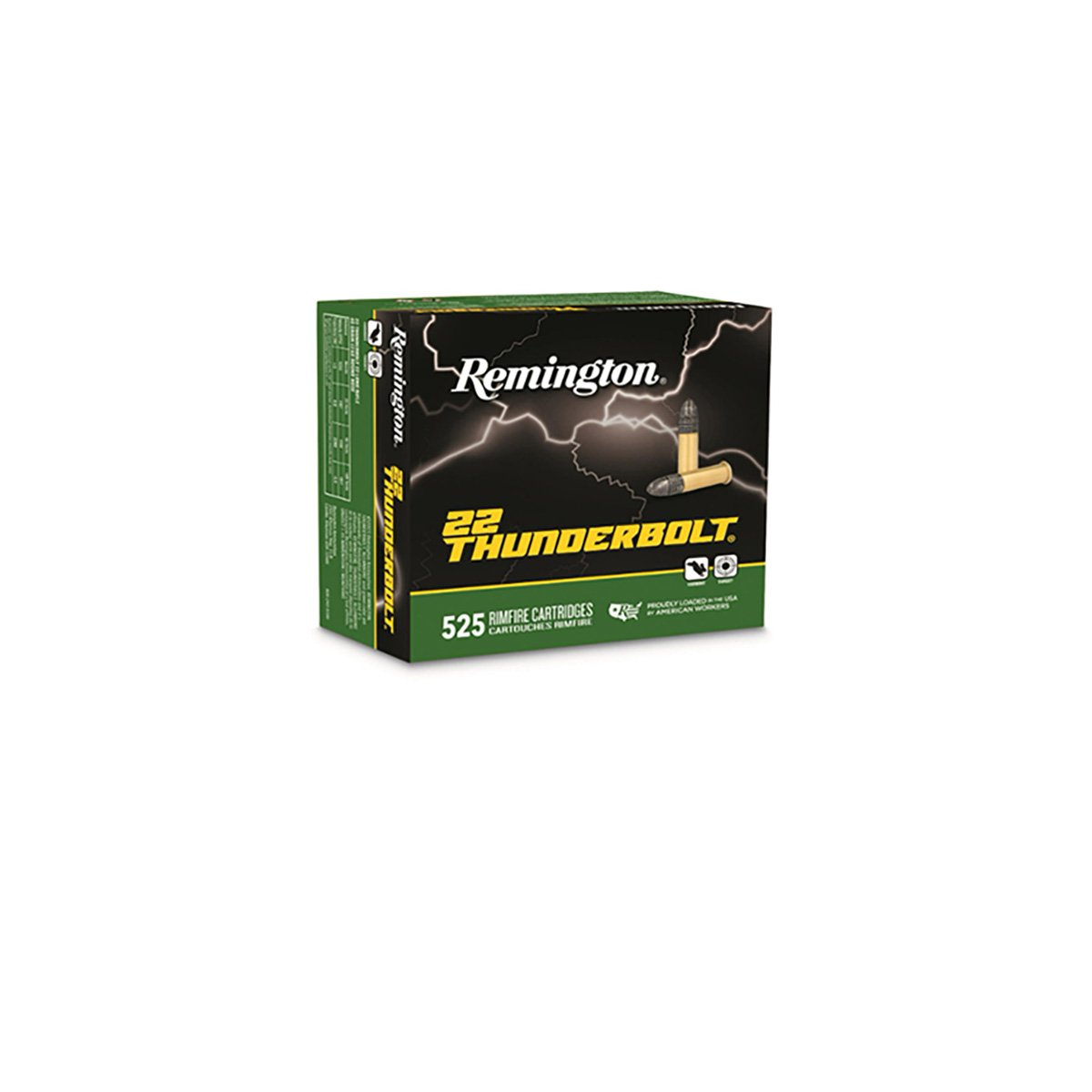
Remington Thunderbolt Bulk .22 LR 40 Grain 525-Rounds LRN
.22 LR · 40gr · 525 rds

Remington Standard V .22 LR 38 Grain 550-Rounds LRN
.22 LR · 38gr · 550 rds
Bulk lead round-nose is the default and it is where the floor lives. Standard-velocity and match loads cost several times more per round and are worth it only in a rifle that can show the difference, and in a semi-auto they may not cycle at all. The load-by-load breakdown lives in our .22 LR ammunition guide; browse everything currently listed on the .22 LR caliber page.
Run your own numbers before you commit to a bulk pack:
Cost Per Round Calculator
The only number that matters when comparing ammo. Shipping included.
The same calculator is the one to use when someone tells you reloading would be cheaper — for rimfire it cannot be, since .22 LR is not reloadable at all. For everything else, is reloading still cheaper does that math properly.
How we picked these
We did not shoot them. AmmoSpotter does not run ballistics or accuracy testing, and we do not publish numbers we did not measure — the reasoning is in how we rank ammunition, and it applies to firearms the same way.
What we do have is the price data. Every tier above is defined by where real retail listings actually sit today across the retailers we track, and every block on this page re-reads that catalog when you load it. The rankings are about fit — entry, platform, ergonomic transfer, precision — and the prices are live. If a rifle here looks expensive relative to the grid next to it, the grid is right.
Get alerted when .22 LR price drops hit.
We watch every listing and email you the moment the cost per round drops.
Set Up a Free Price AlertAmmoSpotter earns a commission when you buy through links on this page. It never changes what you pay, and it never decides what we recommend — our picks are ranked on live cost-per-round data pulled from every retailer we track. Full disclosure.
Frequently Asked Questions
Is a .22 LR rifle actually useful for training, or just for plinking?+
How much cheaper is .22 LR than 5.56 or 9mm?+
Should I buy a Ruger 10/22 or something cheaper?+
Do I need a threaded barrel on a .22 rifle?+
Why do some .22 rifles list a 1-round capacity?+
Will cheap bulk ammo run reliably in a semi-auto .22?+
Shop the data

About the author
AmmoSpotter Research Desk
Price & Ballistics Research
The AmmoSpotter Research Desk analyzes live retail pricing across every ammunition, firearm and accessory listing we track. Recommendations here are ranked against real cost-per-round data pulled daily from the retailers we monitor - not against manufacturer marketing copy.
- ✓Tracks 180,000+ live product listings across 6 retailer feeds
- ✓Records price history on every listing, every day
- ✓Cost-per-round methodology applied to all ammunition rankings
- ✓No product is ranked without a verifiable in-stock retail price
- ✓Affiliate relationships never influence rankings
Related Guides

Best .22 LR Ammo 2026: Bulk, Match and Hunting on Live Prices
- .22 LR is the cheapest trigger time available, and it is not close. The live floor below is roughly what a single centerfire rifle round costs in loose change. - Bulk barely helps. Across our catalog the 50-round bo...

How Many Rounds Does It Take to Get Good?
Almost every shooter is round-count constrained and almost none of them have written the number down. Ammunition is the actual budget line that determines how much you improve, and it is the one people plan least. So ...

Best First Handgun for a New Shooter (2026): Pick the Gun, Then Fund the Round Count
- Buy the gun you can afford to shoot 500 rounds through, not the most gun you can afford to buy. - 9mm is the default first chambering for one unglamorous reason: it is the cheapest centerfire pistol round on the mar...

Suppressor Buying Guide: What You Actually Need to Know First
- The suppressor is one of four costs. The others are the federal transfer and its tax, the dealer's transfer fee, and the mount. - Buy for the host you actually shoot most, not the host you imagine shooting. A rimfir...
Rimfire Price Index: What .22 LR Really Costs Now
.22 LR is still the cheapest way to put rounds through a gun. That part hasn't changed. What has changed is how wide the spread is inside the cartridge. A 50-round box of match ammunition and a 500-round brick of plin...
Best Pistol Caliber Carbines 2026: Compared on Running Cost
- A PCC is a running-cost argument, and in 9mm the argument is strong: the live floor is about half the .223/5.56 floor. - It collapses in the other chamberings. 10mm Auto's floor is within a cent of 5.56. 188 of 460 ...