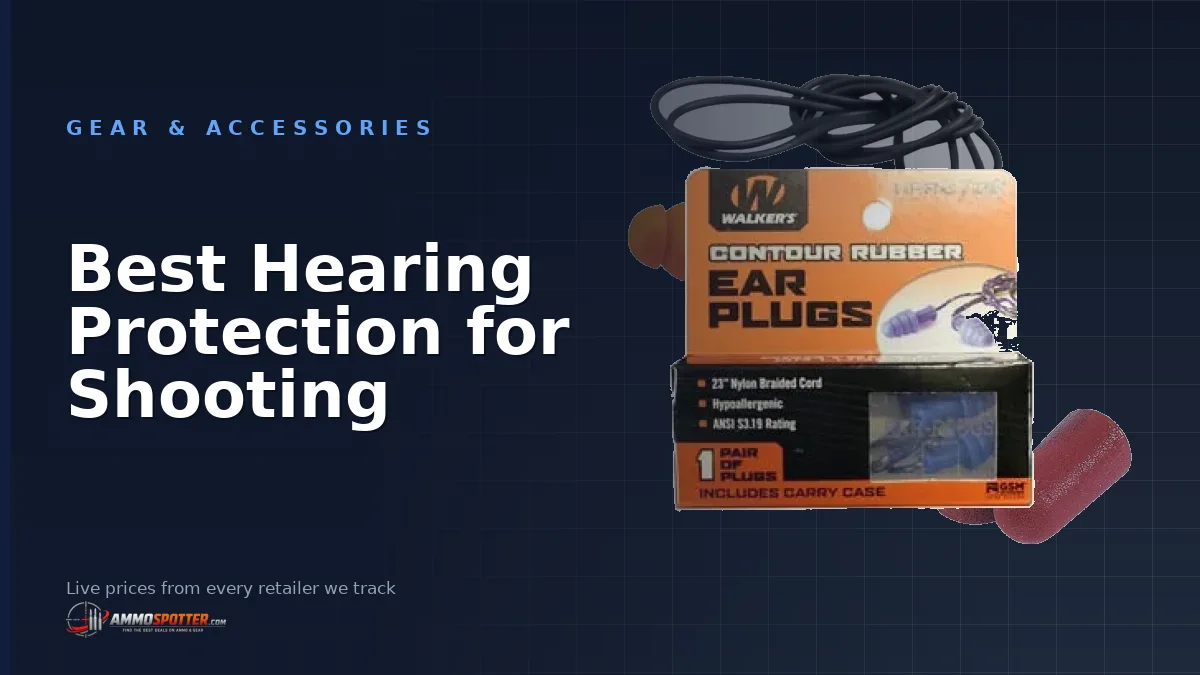
Best Hearing Protection for Shooting
Across 487 live ear protection listings, the products that block the most noise are the cheapest ones — because the money goes to amplification, not attenuation.
Spending More on Ear Pro Buys You Less Protection
This is the finding, and it is the opposite of how the category is marketed.
We pulled every listing in our ear protection catalog that states an attenuation figure in decibels — 129 of 487 — and split them into electronic and passive. Then compared both the ratings and the prices:
| Listings with a stated figure | Mean dB | Median dB | Median price | |
|---|---|---|---|---|
| Passive | 79 | 25.9 | 26 | $17.89 |
| Electronic | 48 | 23.4 | 23 | $54.29 |
Electronic muffs cost roughly three times as much and block, on average, about two and a half decibels less. That is not a defect in the products. It is what the products are: an electronic muff has microphones, speakers, a battery compartment and a circuit board inside a cup that would otherwise be solid, and every one of those is a path for sound. The premium buys amplification, not attenuation.
So the question is not "which gives me the most protection." It is "do I need to hear things between shots?" If you shoot alone at an outdoor range, the answer is probably no, and the $17 muff is genuinely the better buy. If you take instructed classes, shoot timed stages, or hunt, electronics are worth it — for the hearing, not the protecting.
What Does Shooting Ear Protection Actually Cost?
The distribution of all 487 live listings:
| Price band | Live listings |
|---|---|
| Under $10 | 61 |
| $10–$25 | 170 |
| $25–$50 | 123 |
| $50–$100 | 81 |
| $100–$200 | 37 |
| $200–$400 | 3 |
| $400+ | 12 |
Median $27.39, with the middle half of the market between $14.29 and $52.09. By product form: foam and flanged plugs median $10.79 (98 listings, from $1.89), passive muffs median $17.09 (135 listings), electronic muffs median $52.09 (160 listings, from $6.99).
The bottom of the category is unusually honest — unlike most gear categories we map, sorting ear protection by price actually returns ear protection rather than accessories:
Cheapest Hearing Protection Right Now
Prices updated Oct 13, 2026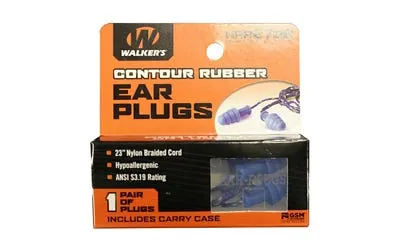
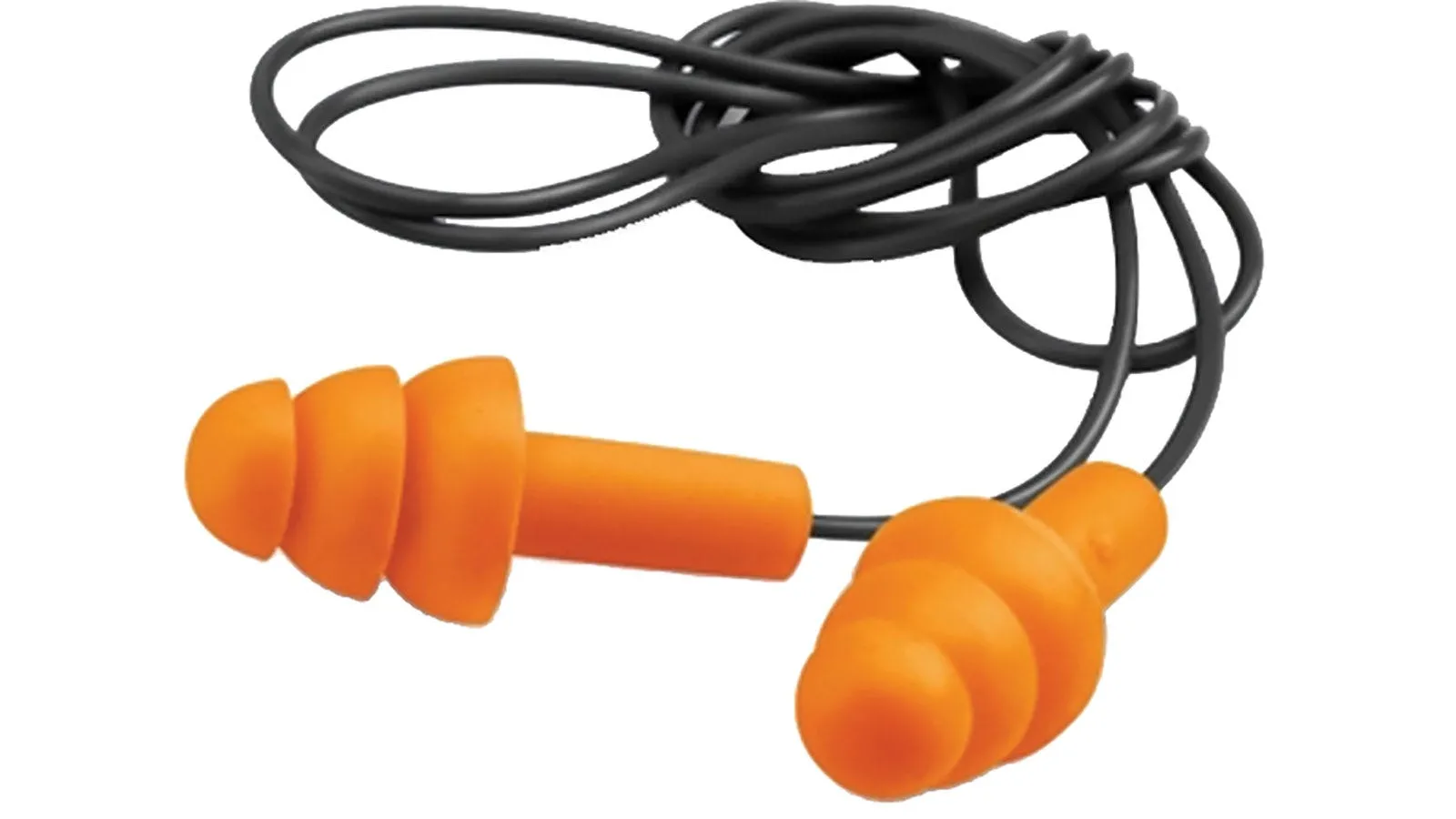
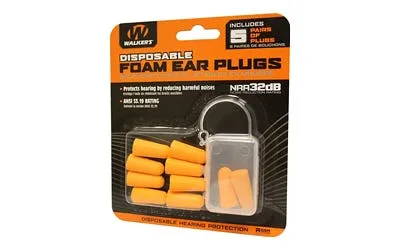
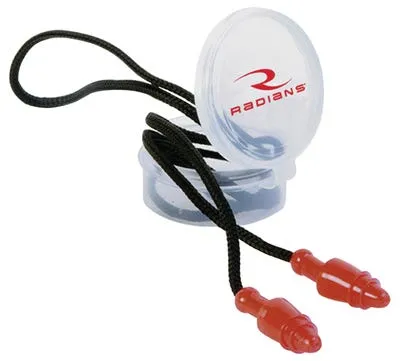
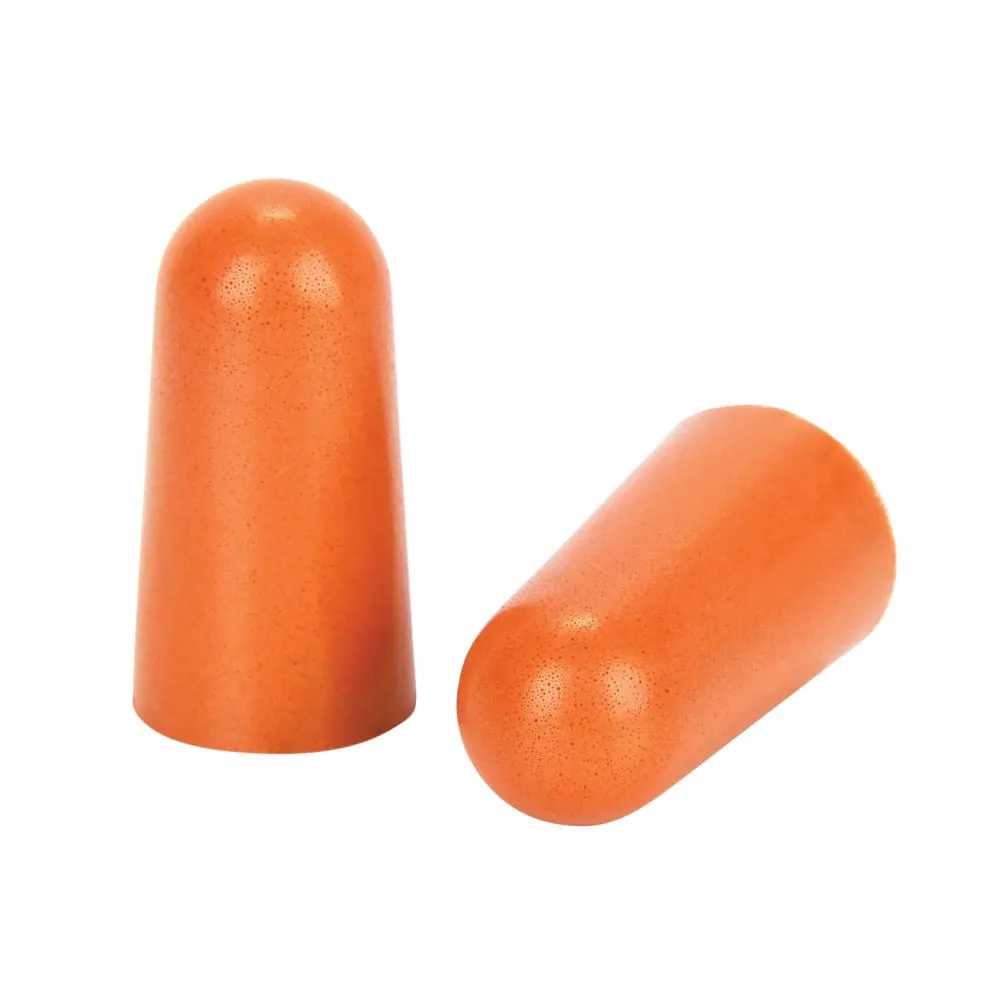
Nobody has a budget excuse for shooting unprotected. Protection starts under two dollars.
Do You Need a Higher NRR?
Here is the full set of listings we carry rated at 30 dB or better, which is the answer to the question by itself:
- 33 dB — one listing, a flanged impulse plug, $22.98
- 32 dB — eleven listings, median $8.39, from $2.79
- 31 dB — one listing, $10.39
- 30 dB — three listings, from $23.40
Every one of those is a plug, except a single 30 dB electronic muff. Meanwhile the dense, expensive part of the catalog sits at 22–23 dB. The highest-protection products we sell are among the cheapest things in the entire store.
Howard Leight's listings show the pattern cleanly, with the rating stated right in the product names:
Howard Leight Plugs, Ratings Stated
Prices updated Oct 13, 2026
Howard Leight Super Leight Plug 5PRCaseNRR33
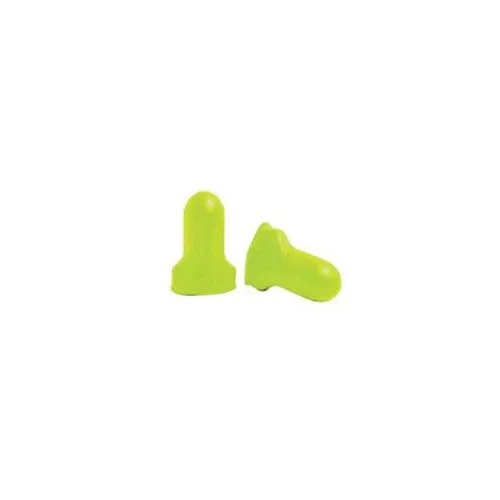
Howard Leight Leight Plugs 5PR with Case NRR30
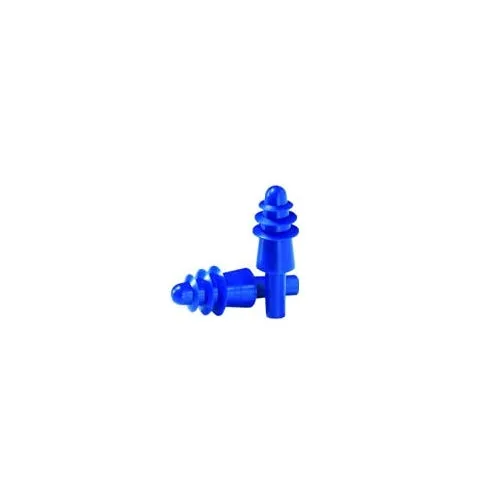
Howard Leight Airsoft Plug 2PR with Case NRR27
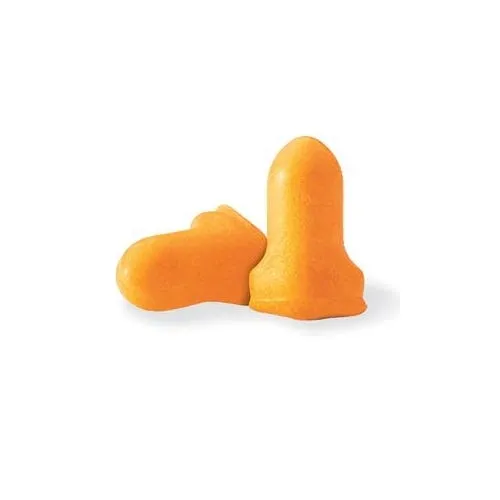
Howard Leight R-01518 Ear Plugs
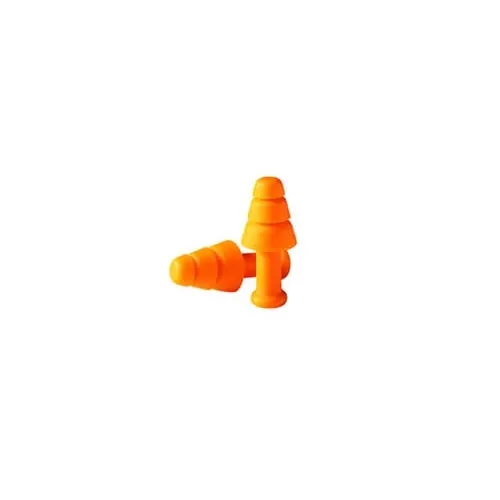
Howard Leight SMARTFIT Plug 2PR with Case NRR25
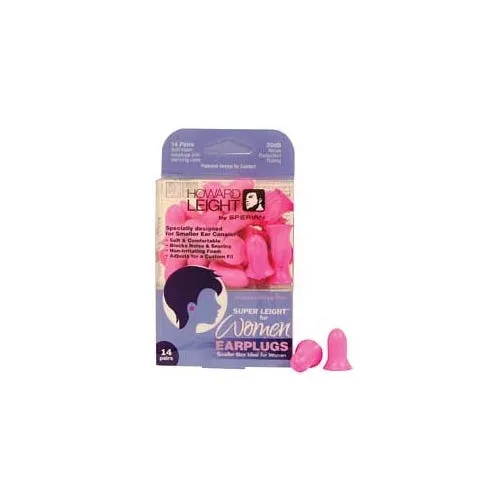
Howard Leight Super Leight Women 14PRCaseNPR30
The real problem is not the ratings — it is that 358 of 487 listings do not state one. Only 129 put a dB figure in the title and only 60 name NRR explicitly. If you care about the number, you will often have to leave the listing to find it, which is the same silent-omission pattern we have documented across AR uppers and barrels. Browse the full accessories catalog or go by brand: Howard Leight, Radians, Champion, Walker's.
Electronic or Passive: What the Ladder Actually Looks Like
Two brands make the step visible within a single product line, which is more useful than comparing across makers.
Champion runs from plugs through genuine passive muffs with the rating on the box, topping out around the mid-teens in price:
Champion Passive Muffs and Plugs
Prices updated Oct 13, 2026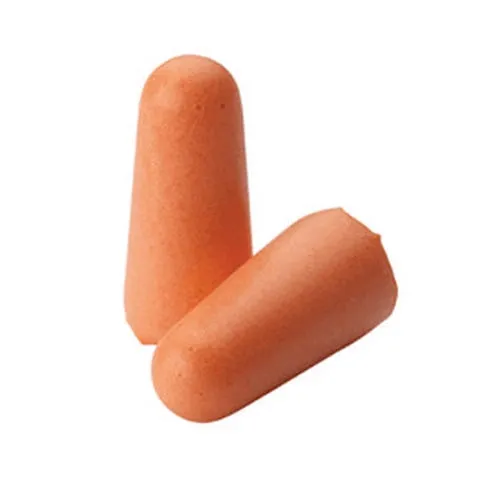
Champion Shooting Ear Plugs 6PR

Champion Targets Foam Ear Plug Orange 50 Count
Champion Targets Passive Ear Muffs NRR 27dB
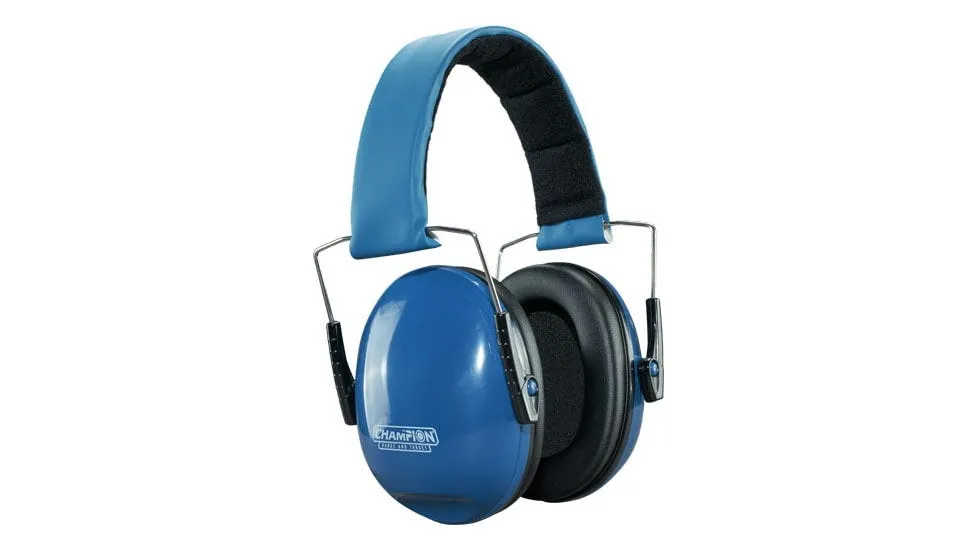
Champion Targets Small Frame Passive Muff Blue 21dB NRR
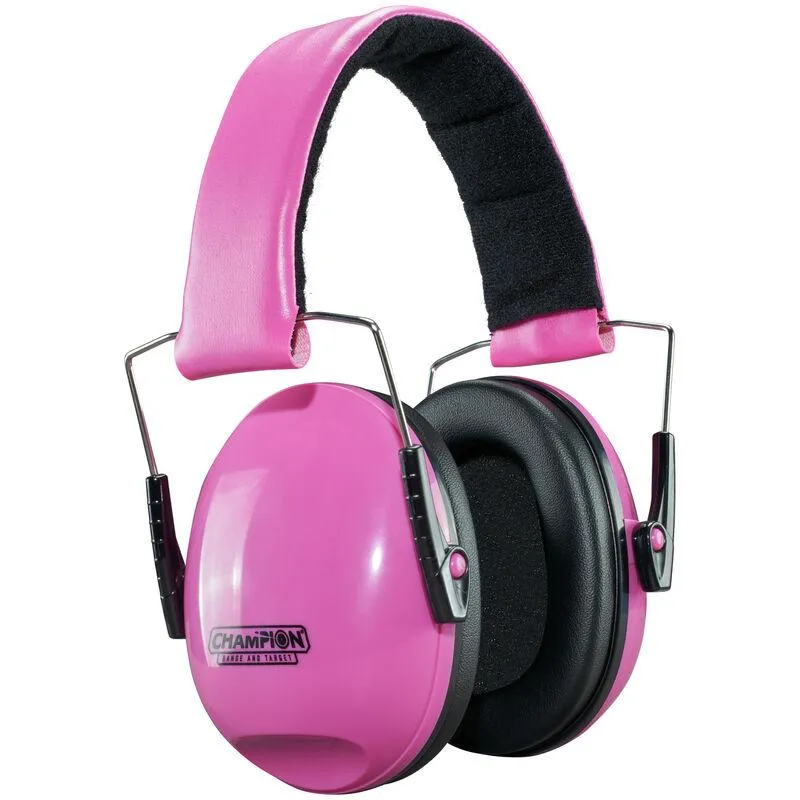
Champion Targets Passive Small Frame Pink 21db NRR
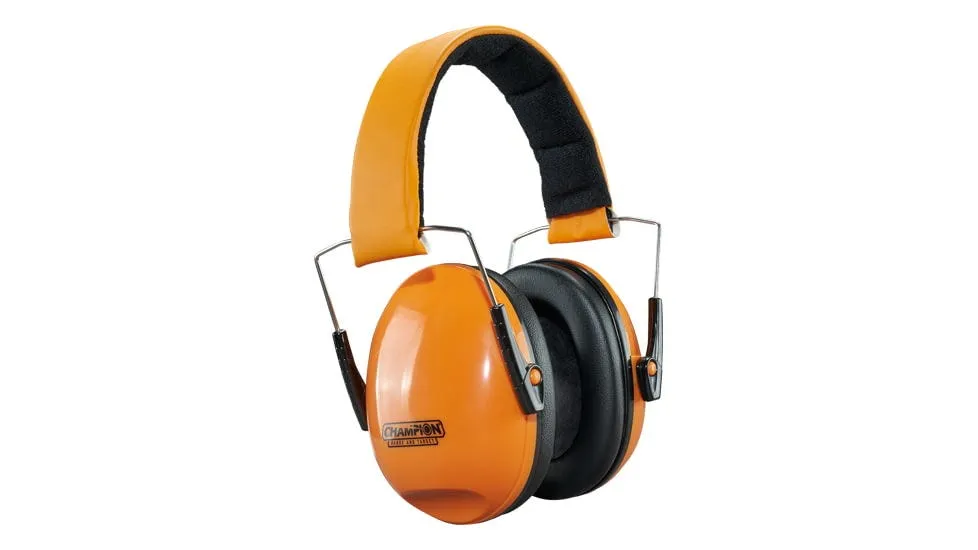
Champion Targets Small Frame Muff Passive Ear Protection Orange 21dB NRR
Caldwell spans the whole decision — plugs, then passive muffs including youth sizes, then its electronic model — so you can see exactly what the electronics cost as an upgrade rather than as a separate product:
Caldwell: Passive to Electronic in One Line
Prices updated Oct 13, 2026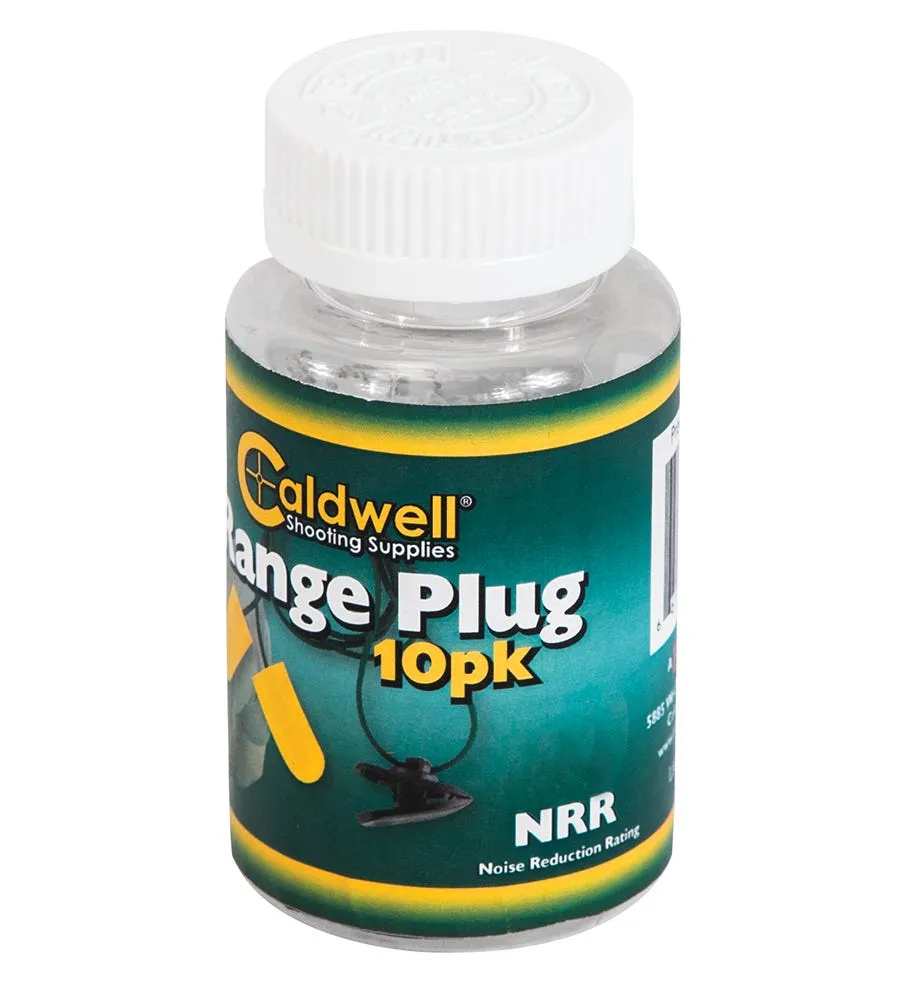
Caldwell RANGE PLUGS W/CORD 10PK
Caldwell Youth Passive Earmuffs Orange
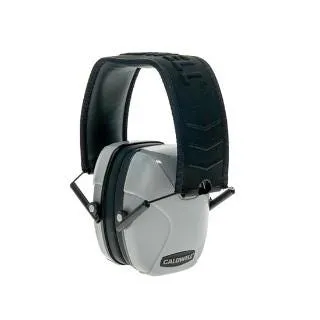
Caldwell Passive Earmuff Low Pro Gray
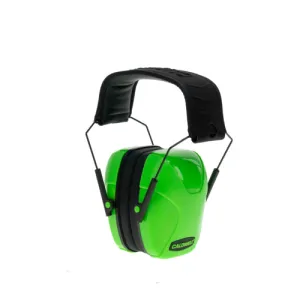
Caldwell Youth Passive Earmuffs Neon Green
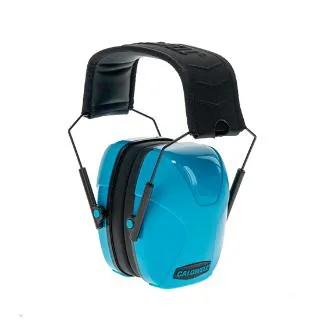
Caldwell Youth Passive Earmuff Blue
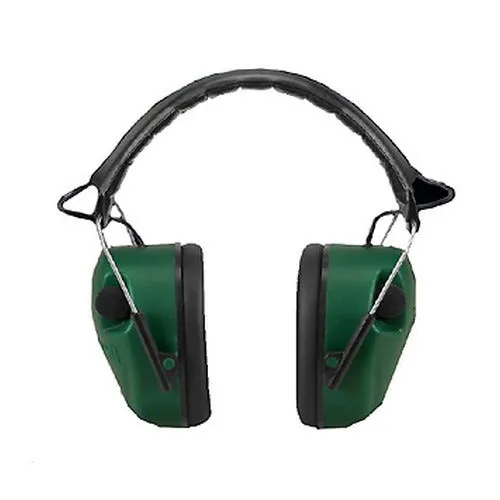
Caldwell E-Max Electronic Ear Muff
Pro Ears is the step above, where the muffs give way to behind-the-head electronic buds:
Pro Ears Muffs and Electronic Buds
Prices updated Oct 13, 2026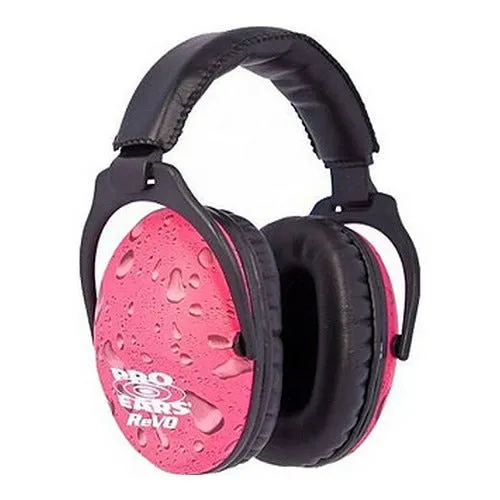
Pro Ears PE26UY016 REVO NRR26 Pink Rain
Pro Ears PE26UY003 REVO NRR26 NEON Green
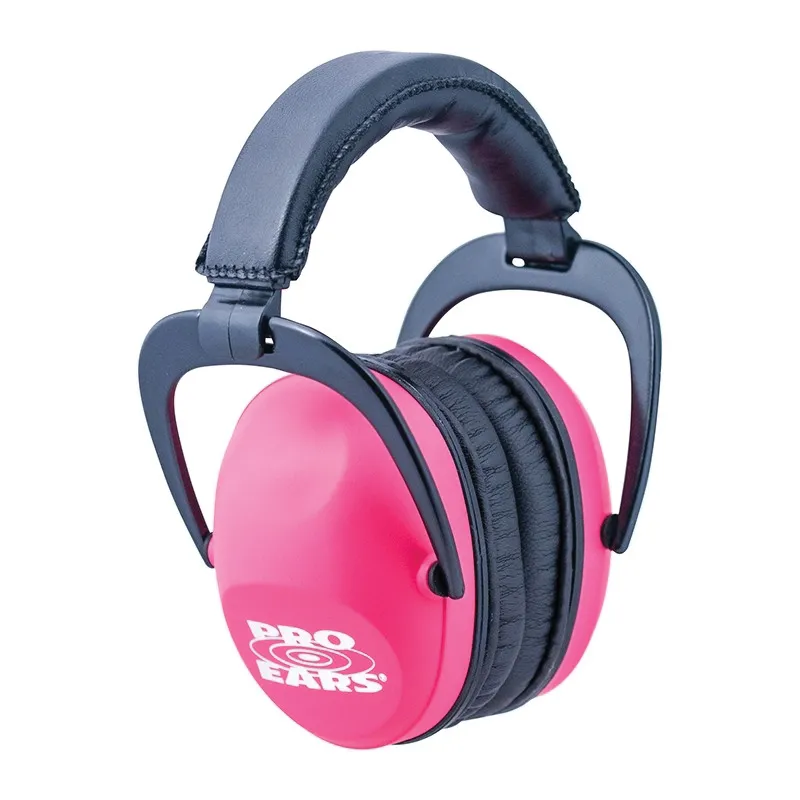
Pro Ears Ultra Sleek Ear ProtectionPink
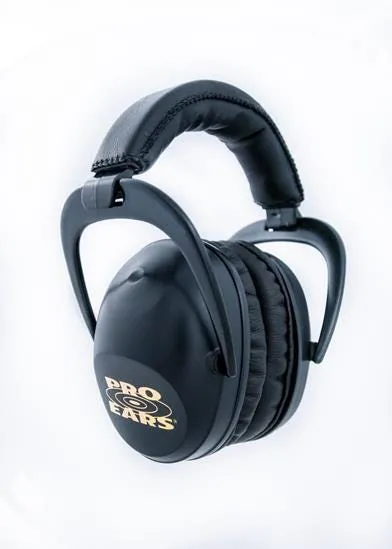
Pro Ears Ultra Sleek Ear ProtectionBlack
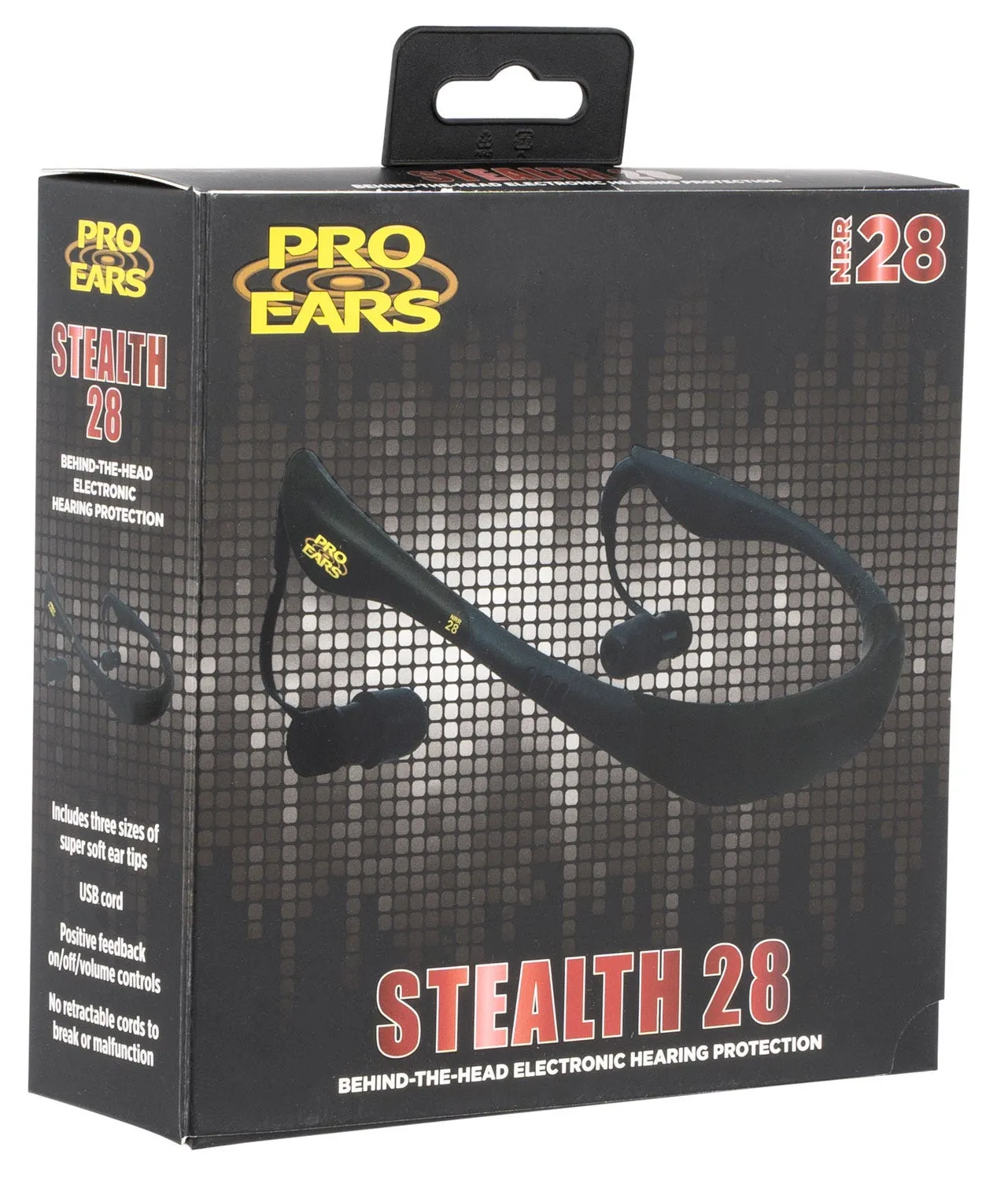
Pro Ears Stealth 28 Ear Buds Behind The Head 28dB NRR
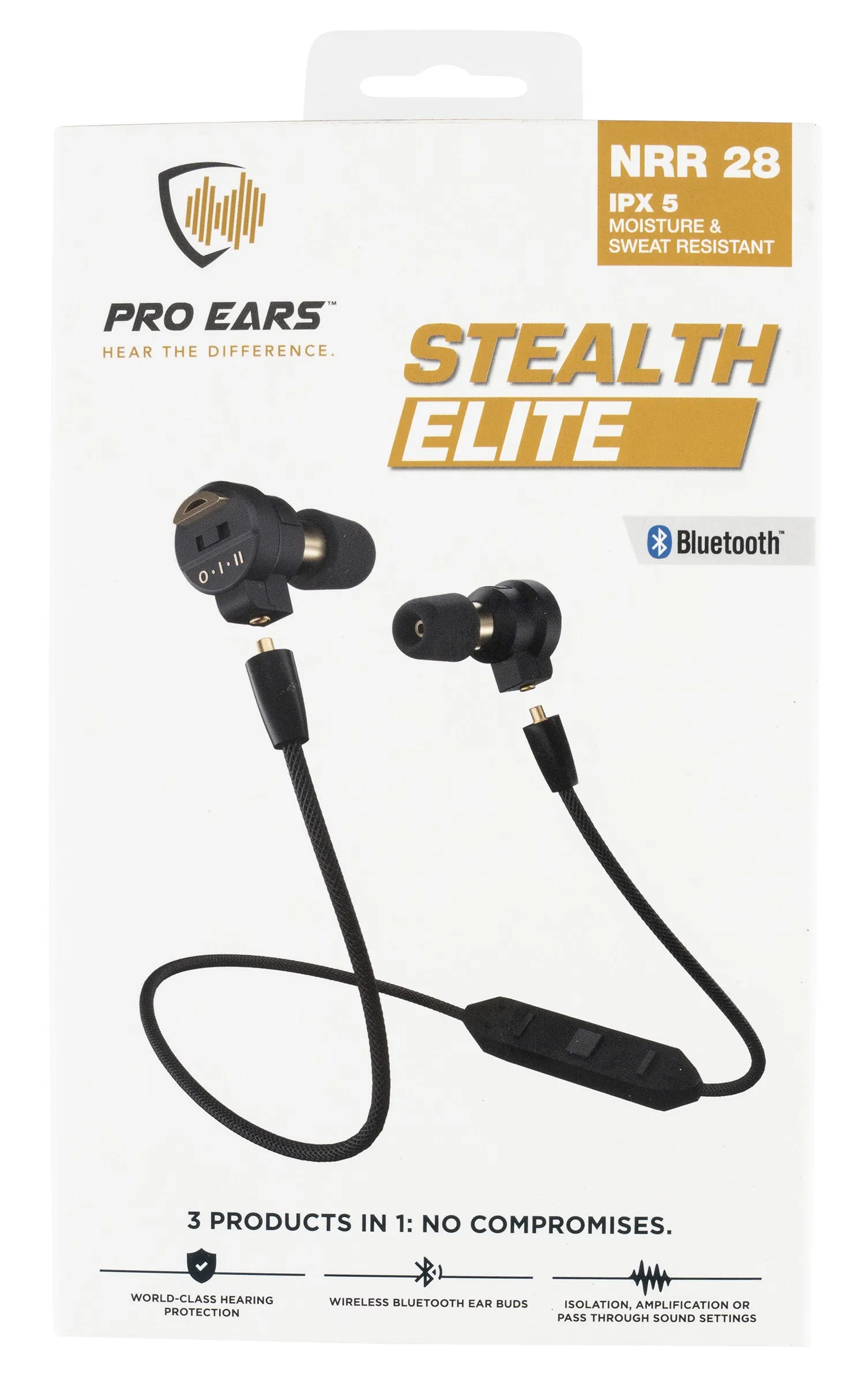
Altus Brands Stealth Elite Ear Buds
Is a $500 Headset Worth It Over a $50 Muff?
Careful here, because the top of this category is deceptive. Twelve listings sit above $400 — but most of them are not premium headsets at all. They are 25-pair bulk cases of plugs: the Surefire EP4, EP7 and EP10 listings between $427.50 and $598.50 are cartons, not products. A naive "most expensive ear protection" list would recommend a box of 25 pairs of earplugs as a flagship.
The genuine premium tier is narrow and specific: the Peltor ComTac family, from $569.99 for a ComTac VIII up to $839.99 for a ComTac VI with a boom microphone. Those are communications headsets — they exist to integrate with a radio, and the ComTac V in our data states 23 dB, the same figure as a $51 Walker's Razor. You are buying comms and durability, not quieter.
Between the $100–$200 tier and that one there is almost nothing: three listings in the entire $200–$400 band, all Bluetooth models from one brand. Practically speaking the market stops at around $130 unless you need a radio interface.
A Suppressor Costs More Than 40 Pairs of Muffs — and You Still Wear the Muffs
Suppressors get recommended as the real hearing-protection answer. Our catalog puts a number on that: the median listing in our silencer-typed catalog is $759.05, with the lower quartile at $471.99 — and that is before a federal transfer tax and the application wait. Against a $17.09 median passive muff.
A can meaningfully reduces what reaches your ears, and on a short-barreled or braked rifle it is the difference between tolerable and not. But most host-and-ammunition combinations stay loud enough that you keep wearing protection anyway, so it is an addition to ear pro, not a replacement for it. If you are going down that road, read the suppressor buying guide first — the paperwork, the wait and the state-by-state eligibility rules matter more than the price, and you should verify current requirements for your own address rather than relying on any article.
What actually reduces the blast for free is the cartridge. Muzzle blast scales with how much powder you burn, which is the same variable behind muzzle energy — and the quietest centerfire-alternative in common use is also the cheapest thing to shoot.
The Gear Is a One-Time Cost. The Exposure Is Per Round.
Hearing damage accumulates per shot fired, and so does the bill. This is where our price data changes the recommendation rather than decorating it.
.22 LR Price Index
Live · Oct 13, 2026.223 Rem / 5.56 NATO Price Index
Live · Oct 13, 2026The .22 LR floor is a fraction of the .223/5.56 floor, and a rimfire is dramatically quieter at the muzzle. If your goal is trigger time — and per how many rounds it takes to get good, trigger time is most of what improves shooting — then a rimfire gets you more repetitions per dollar and less exposure per repetition. The $27 median muff is a rounding error against either ammunition bill.
Shop the cartridges directly at .22 LR and .223/5.56, or read best .22 LR ammo and best 5.56 ammo for the load-level picks.
Shop Retailers, Don't Wait for a Sale
Of the 487 listings, 318 are carried by more than one retailer — 65.3%, far above the 38.5% we see across accessories generally. Among those, the median gap between the cheapest and dearest store on the identical product is 7.55%; 134 differ by 10% or more and 49 differ by 25% or more. One electronic muff we track is $56.99 at one retailer and $95.99 at another.
Waiting is the weaker play: only 45.4% of these listings currently sit above their own recorded low since February 2026, against 70.7% of the 12,241 ammunition listings we track. Ammunition is usually marked up against its own history. Ear pro usually isn't. Compare stores today, and save the price alerts for the cartridge.
What to Buy
- Shooting alone outdoors — a passive muff in the $13–$20 band, the highest stated rating you can find. Nothing electronic.
- Classes, matches, anything with instruction — an electronic muff, accepting 22–23 dB. The $50 tier does this; the $500 tier adds a radio you don't have.
- Indoor range, brakes, short barrels — a 32 dB foam plug under whichever muff you own. Two dollars.
- Hunting — electronic, where amplification is the whole point.
- Add eye protection while you are at it; we track 332 live listings from $1.39.
Get alerted when .22 LR price drops hit.
We watch every listing and email you the moment the cost per round drops.
Set Up a Free Price AlertFrequently Asked Questions
What NRR do I need for shooting?+
Are electronic ear muffs better than passive ones for shooting?+
How much should I spend on shooting ear protection?+
Should I wear plugs and muffs at the same time?+
Does a suppressor replace hearing protection?+
Is it cheaper to buy ear protection on sale or shop around?+
AmmoSpotter earns a commission when you buy through links on this page. It never changes what you pay, and it never decides what we recommend — our picks are ranked on live cost-per-round data pulled from every retailer we track. Full disclosure.
Shop the data

About the author
AmmoSpotter Research Desk
Price & Ballistics Research
The AmmoSpotter Research Desk analyzes live retail pricing across every ammunition, firearm and accessory listing we track. Recommendations here are ranked against real cost-per-round data pulled daily from the retailers we monitor - not against manufacturer marketing copy.
- ✓Tracks 180,000+ live product listings across 6 retailer feeds
- ✓Records price history on every listing, every day
- ✓Cost-per-round methodology applied to all ammunition rankings
- ✓No product is ranked without a verifiable in-stock retail price
- ✓Affiliate relationships never influence rankings
Related Guides

Suppressor Buying Guide: What You Actually Need to Know First
- The suppressor is one of four costs. The others are the federal transfer and its tax, the dealer's transfer fee, and the mount. - Buy for the host you actually shoot most, not the host you imagine shooting. A rimfir...

How Many Rounds Does It Take to Get Good?
Almost every shooter is round-count constrained and almost none of them have written the number down. Ammunition is the actual budget line that determines how much you improve, and it is the one people plan least. So ...

Best .22 LR Ammo 2026: Bulk, Match and Hunting on Live Prices
- .22 LR is the cheapest trigger time available, and it is not close. The live floor below is roughly what a single centerfire rifle round costs in loose change. - Bulk barely helps. Across our catalog the 50-round bo...

Best Gun Safes for Home Defense 2026: What the Price Data Says to Buy
- We track 103 live gun vault and safe listings . Ninety-nine of them cost under $270, four cost over $1,199, and exactly one sits in between — the mid-priced gun safe is a category that barely exists at these retaile...
How Much Does a Suppressor Really Cost, All In?
- There are four costs, not one: the can, the federal transfer tax, the mount or threaded barrel, and the ammunition. - Across the suppressor listings in our catalog, the rimfire tier is the cheapest entry point and t...
Best Suppressor Hosts by Caliber: What Each One Costs to Feed
- The suppressor is a one-time cost. The host caliber sets your cost per round for as long as you own the stamp, and that is where the real money goes. - Cost per round across common host calibers spans more than an o...