Best Suppressor Hosts by Caliber
The can is a one-time cost. The host you bolt it to sets your cost per round for the life of the stamp — here is what each caliber actually costs on live prices.
What actually makes a good suppressor host?
Four things, in roughly this order.
A muzzle that will take the can. Threaded from the factory is easiest. Rimfire and 5.56 hosts are usually 1/2x28; .30 caliber rifles are usually 5/8x24. Look at the candidate list of cans and you will see those two pitches repeated over and over — that is the market telling you which hosts it expects.
A barrel that can stabilize heavy subsonic bullets. Subsonic loads are heavy and slow. A barrel with too slow a twist rate will not stabilize them, and you get keyholing instead of quiet. This matters most in .300 Blackout and least in .22 LR, which is subsonic in its standard loadings anyway.
A gas system that tolerates back pressure. Putting a can on a semi-auto raises port pressure and sends more gas back at the shooter. Adjustable gas blocks and flow-through can designs exist because of this. A bolt gun or a pump does not care.
Ammunition you can afford to shoot. This is the one every other guide skips, and it is the one that decides whether the can ever leaves the safe.
Why the caliber decides the cost, not the can
A suppressor is a fixed cost: purchase price, plus the federal transfer tax, plus a wait. Once it is yours, it is paid for. The host's ammunition is not. It is a recurring cost that scales linearly with how much you actually shoot, and across the calibers people commonly suppress, the spread in cost per round is enormous.
Put the two cheapest and two most expensive common host calibers side by side on live data:
.22 LR Price Index
Live · Oct 3, 20269mm Luger Price Index
Live · Oct 3, 2026.300 Blackout Price Index
Live · Oct 3, 2026.308 Winchester Price Index
Live · Oct 3, 2026Those four blocks are pulled live from every listing we track, normalized to cost per round. Look at the market floor row across all four. The difference between the cheapest host caliber and the most expensive one is not a few cents — it is a multiple, and it repeats on every single round you fire.
Cost Per Round Calculator
The only number that matters when comparing ammo. Shipping included.
Is .22 LR the best suppressor host for most people?
For most people buying a first can: yes, and it is not close.
Rimfire hosts are the least expensive firearms in the category, dedicated .22 cans sit at the bottom of the suppressor market, and .22 LR is the cheapest cartridge in our entire catalog on a cost-per-round basis. Standard-velocity .22 LR is also subsonic without any special load hunting, so a rimfire host is quiet on ordinary ammunition rather than on a premium subsonic SKU you have to source.
The trade-off is honest: a .22 is a training and small-game platform. It will not do anything a centerfire host does. But the marginal cost of a round through it is small enough that the can actually gets used, which is more than can be said for a lot of expensive .30 caliber setups.
Threadable .22 LR Hosts — Live Prices
Prices updated Oct 3, 2026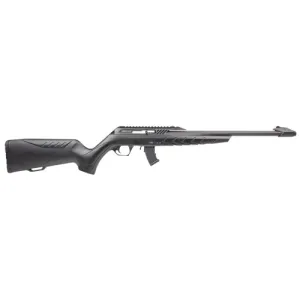
ROCK ISLAND TM22 22 LR 18" 10rd - Black
.22 LR · 10 rds
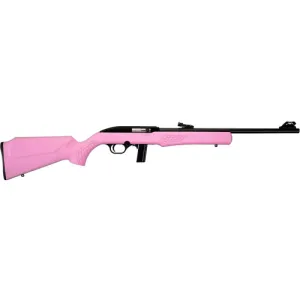
Rossi Taurus RS22 22 LR 18" 10rd - Blk/Pink
.22 LR · 10 rds
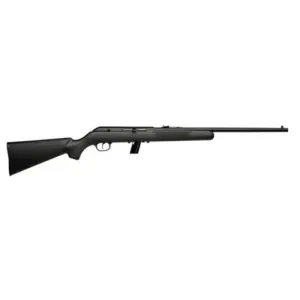
SAVAGE ARMS 64 F 22LR 20.25" 10rd Blue Finish
.22 LR · 10 rds

SAVAGE ARMS Model 64 F Color 22 LR 21" 10rd Orange
.22 LR · 10 rds
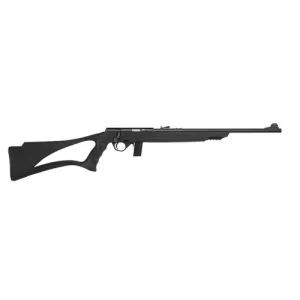
MOSSBERG 802 Plinkster 22 LR 11rd 18" Blued Finish
.22 LR · 11 rds
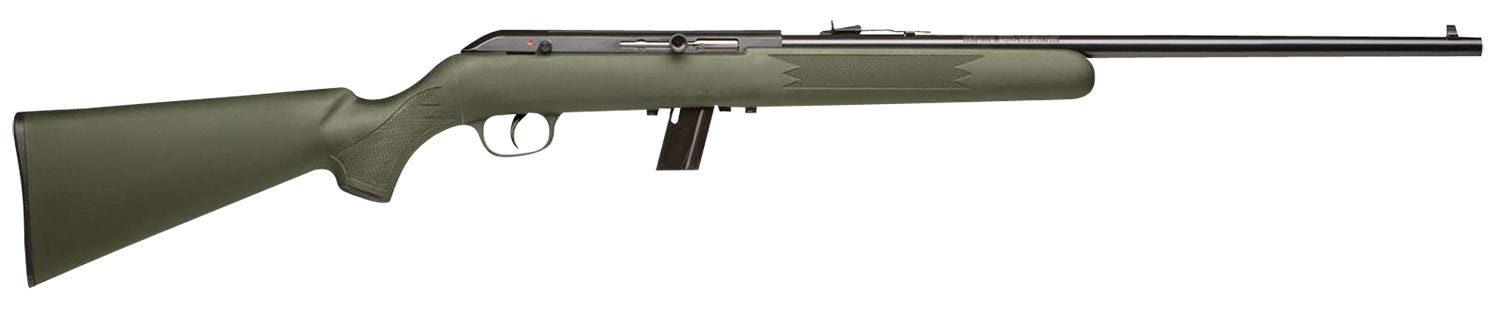
SAVAGE ARMS Model 64 F Color 22 LR 21" 10rd Green
.22 LR · 10 rds
Bulk .22 LR by Cost Per Round
Prices updated Oct 3, 2026
Federal American Eagle Brass .22 LR 38 Grain 4000-Rounds Bulk CPHP
.22 LR · 38gr · 4,000 rds

BROWNING BPR Value Pack 22LR 36gr Hollow Point Ammunition | 800 Rounds
.22 LR · 36gr · 800 rds

REMINGTON 22 LR 38Gr Standard V LRN 550rd
.22 LR · 38gr · 550 rds

WINCHESTER AMMO 22 LR USA 36Gr Copper Plated HP 500rd
.22 LR · 36gr · 500 rds

Aguila Super Extra High Velocity Bulk .22 LR 40-Grain 500-Rounds CPSP
.22 LR · 40gr · 500 rds
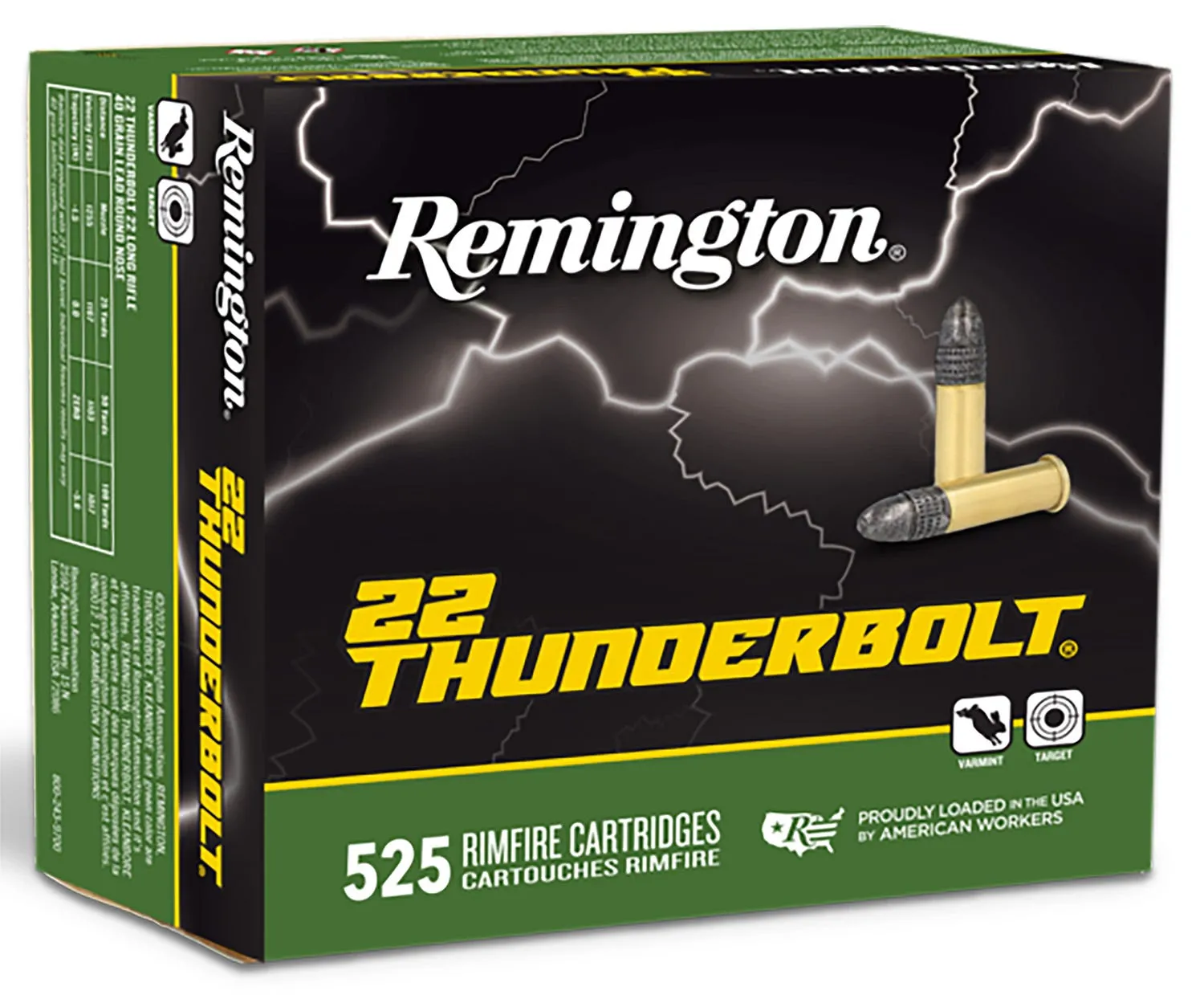
Remington Thunderbolt Bulk .22 LR 40 Grain 525-Rounds LRN
.22 LR · 40gr · 525 rds
Note that not every rifle in that grid ships with a threaded muzzle. Confirm before you order — and if you want the longer version of the rimfire host argument, our guide to the best .22 LR rifles for training and plinking covers the platforms in detail, while best .22 LR ammo covers what to feed one.
Why 9mm is the cheapest genuinely quiet centerfire host
9mm is the only common centerfire chambering that is frequently subsonic in standard factory loadings. Heavier bullet weights in particular sit below the sound barrier without being a specialty product, which means you are not paying a subsonic premium to get a quiet host.
That applies to both pistols and pistol-caliber carbines. A PCC gives you a longer sight radius and a bit more velocity, and a threaded pistol gives you the most compact suppressed package there is.
9mm Hosts — Live Prices
Prices updated Oct 3, 2026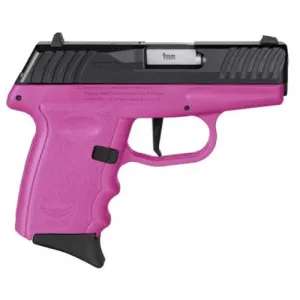
SCCY INDUSTRIES DVG-1 9mm 3.1" 10rd - Black & Pink
9mm · 10 rds
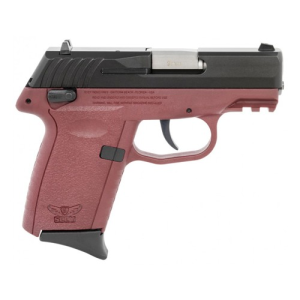
SCCY INDUSTRIES CPX1-CB G3 9mm 3.1" 10rd - Crimson Red / Black
9mm · 10 rds
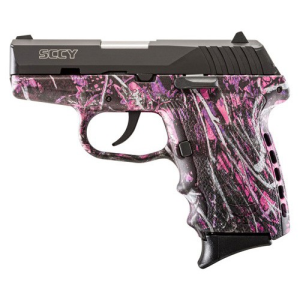
SCCY INDUSTRIES CPX-2 CBMG 9mm 3.1" Blk 10rd NO SAFETY Muddy Girl
9mm · 10 rds
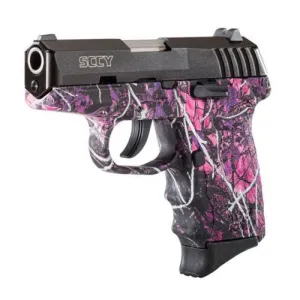
SCCY INDUSTRIES CPX-2 9mm 3.1" 10rd - Black
9mm · 10 rds
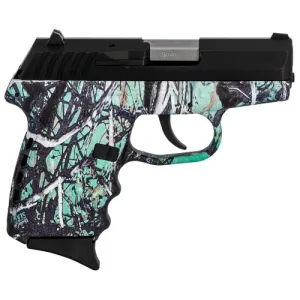
SCCY INDUSTRIES CPX-2 9mm 3.1" 10rd - Black
9mm · 10 rds
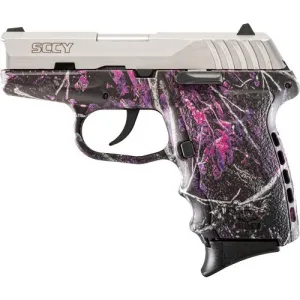
SCCY INDUSTRIES CPX-2 TTMG 9mm 3.1" SS 10rd Muddy Girl NO SAFETY
9mm · 10 rds
Bullet weight matters more here than anywhere else, because it is what determines whether a given box is subsonic. Our 9mm ammo guide ranks the loads, and muzzle energy vs muzzle velocity explains why the heavier, slower load is not giving up as much as the velocity number implies.
.300 Blackout: purpose-built for a can, priced like it
.300 Blackout exists because someone wanted .30 caliber subsonic performance out of a short AR barrel. It does that job better than anything else on this list. Heavy subsonic loads out of a 8–10 inch barrel with a can on the end is the quietest centerfire rifle experience most shooters will have.
The cost is visible in the price index above. .300 Blackout sits near the top of the host calibers on cost per round, and it stays there — this is a cartridge with no surplus market and no commodity bulk tier propping up the floor. You can see the whole catalog sorted by cost per round on our .300 Blackout ammo page.
Cheapest .300 Blackout Right Now
Prices updated Oct 3, 2026
Wolf Performance Ammo Polyformance Steel Case .300 AAC Blackout 145 Grain 20-Rounds
.300 Blackout · 145gr · 20 rds

NOSLER Custom Brass 300 AAC Blackout Bulk Brass 250rd
.300 Blackout · 250 rds

MAGTECH 300 AAC Blackout HPFB 115Gr 50rd
.300 Blackout · 115gr · 50 rds

SELLIER BELLOT SB300BLKB 300 AAC Blackout 147gr Full Metal Jacket Ammunition | 20 Rounds
.300 Blackout · 147gr · 20 rds

SELLIER BELLOT SB300BLKSUBA 300 AAC Blackout 200gr Full Metal Jacket Subsonic Ammunition | 20 Rounds
.300 Blackout · 200gr · 20 rds

ARMSCOR Precision 300 AAC Blackout 147gr Full Metal Jacket Ammunition | 100 Rounds
.300 Blackout · 147gr · 100 rds
One practical note: supersonic and subsonic .300 Blackout are effectively two different cartridges in how they shoot, and mixing them up with 5.56 magazines is a well-documented way to destroy a rifle. Our supersonic and subsonic .300 Blackout guide covers the load split.
Do 5.56 and .308 make sense as suppressor hosts?
They do, but for a different reason. Neither goes quiet — a supersonic bullet cracks no matter what is on the muzzle. What the can buys on a 5.56 or .308 host is the elimination of muzzle blast, which is what actually makes an unsuppressed rifle unpleasant to shoot next to, indoors, or under a roof.
That is a real benefit and worth paying for. Just do not buy a .30 caliber can expecting Hollywood results on a 20-inch .308.
5.56 also has the strongest economic argument of any centerfire host, because it is the cheapest centerfire rifle cartridge in our data and the hosts are the most abundant firearms in the catalog.
5.56 NATO / .223 Remington Price Index
Live · Oct 3, 20265.56 / .223 Hosts — Live Prices
Prices updated Oct 3, 2026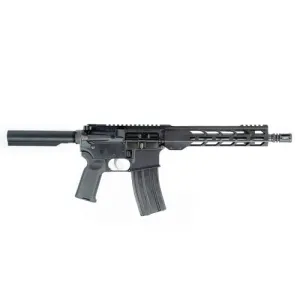
ANDERSON MANUFACTURING AR15 5.56 NATO / 223 Rem 10.5" 30rd - Black
.223 Remington · 30 rds
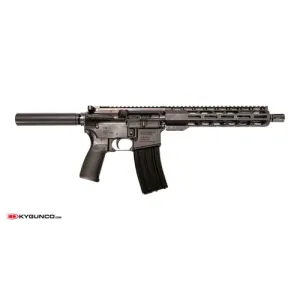
RADICAL FIREARMS RPR 5.56 NATO 10.5" 30rd - Black
5.56x45mm NATO · 30 rds
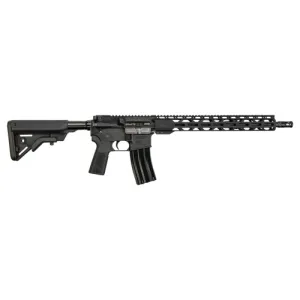
RADICAL FIREARMS RF-15 5.56 NATO/ 223 Rem 16" 30rd - Black
.223 Remington · 30 rds
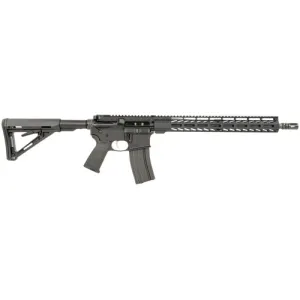
ANDERSON AM-15 5.56 NATO 16" 30rd - Black
5.56x45mm NATO · 30 rds

RADICAL FIREARMS SHR 5.56 NATO 16" 30rd w/ B5 Furniture - Black & FDE
5.56x45mm NATO · 30 rds

RADICAL FIREARMS SHR 5.56 NATO 16" 30rd w/ B5 Furniture - Black & Gray
5.56x45mm NATO · 30 rds
If you are going this route, read best 5.56 and .223 ammo for the load side, and note that most cans rated for .30 caliber will run 5.56 — buying the bigger bore first is how a lot of people end up with one can instead of three.
What does the can itself cost right now?
We track just over 2,000 listings in the suppressor category. Here is the live market, sorted by how many retailers are competing on each model:
Suppressors — Live Retailer Prices
Prices updated Oct 3, 2026
Q El Camino Rimfire Suppressor .22LR 5.95-inch

Rugged Suppressors Mustang 22 .22 LR 1/2x28 Direct Thread Mount

HUXWRX Flow 22 Ti .22 1/2x28 Direct Thread

HUXWRX Flow 22 Ti Flat Dark Earth .22 LR 1/2x28
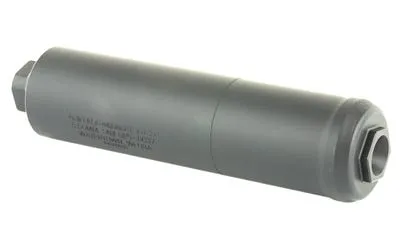
Griffin Armament GP5 Silencer Direct Thread 5.56 1/2x28 TPI

Rugged Suppressors Oculus 22 .22 LR / 5.7 X 28 1/2x28 Thread

Rugged Suppressors Oculus 22 Flat Dark Earth .22 LR

Dead Air Armament Mask-22 Flat Dark Earth .22 LR 1/2x28

Dead Air Armament Mask-22 Stainless .22 LR
The spread across our catalog runs from rimfire cans around the $250 mark to full-size .30 caliber and titanium multi-caliber models approaching $1,000, with the grid above showing exactly where each model sits today. Every one of those prices is the purchase price only. The federal transfer tax is separate and fixed, and the wait to take possession has nothing to do with what you paid.
The mistakes that cost you a second can
Wrong thread pitch. 1/2x28 and 5/8x24 are not interchangeable. Confirm the host's muzzle threads and the can's mount before either one ships.
Buying too small a bore. A .22-rated can will not safely run a centerfire host. A .30 caliber can will generally run smaller bores if the manufacturer rates it for that cartridge. Buying up is how you cover more hosts with one stamp — buying down is how you end up buying twice.
Assuming a mount is included. Some listings bundle a direct-thread mount or a QD mount, some do not. Read the title.
Forgetting the host needs to be legal where it is going. Suppressor ownership, transfer, and even transport rules vary by state, and they change. Describe your plan to your dealer and verify the current rule for your own state before you commit money. The same applies to the firearm itself.
So which host should you actually buy?
If this is your first stamp and you want to shoot it a lot, buy a threaded .22 LR and a rimfire can. Lowest entry cost, lowest running cost, quiet on ordinary ammunition.
If you want one centerfire host that is quiet without a specialty ammunition budget, buy 9mm — a threaded pistol or a PCC.
If you specifically want a short, quiet .30 caliber rifle and you have looked at the cost per round above and accepted it, buy .300 Blackout.
If the can is about blast reduction on a rifle you already own and shoot, buy 5.56 and put the money you saved into ammunition. Cartridge prices move constantly — why ammo prices move explains what actually drives that, and the price index blocks above will always show today's number rather than the one we typed.
Get alerted when .300 Blackout price drops hit.
We watch every listing and email you the moment the cost per round drops.
Set Up a Free Price AlertAmmoSpotter earns a commission when you buy through links on this page. It never changes what you pay, and it never decides what we recommend — our picks are ranked on live cost-per-round data pulled from every retailer we track. Full disclosure.
Frequently Asked Questions
What is the cheapest suppressor host to own?+
Do I need a threaded barrel for a suppressor host?+
Is .300 Blackout worth it over 5.56 for a suppressed rifle?+
Can one suppressor cover multiple hosts?+
Does a suppressor change what ammo I should buy?+
How much does a suppressor cost right now?+

About the author
AmmoSpotter Research Desk
Price & Ballistics Research
The AmmoSpotter Research Desk analyzes live retail pricing across every ammunition, firearm and accessory listing we track. Recommendations here are ranked against real cost-per-round data pulled daily from the retailers we monitor - not against manufacturer marketing copy.
- ✓Tracks 180,000+ live product listings across 6 retailer feeds
- ✓Records price history on every listing, every day
- ✓Cost-per-round methodology applied to all ammunition rankings
- ✓No product is ranked without a verifiable in-stock retail price
- ✓Affiliate relationships never influence rankings
Related Guides

Suppressor Buying Guide: What You Actually Need to Know First
- The suppressor is one of four costs. The others are the federal transfer and its tax, the dealer's transfer fee, and the mount. - Buy for the host you actually shoot most, not the host you imagine shooting. A rimfir...
Subsonic vs Supersonic Ammo Explained: What Actually Goes Quiet
- Subsonic means the bullet stays under the speed of sound, roughly 1,125 fps at sea level. That is the entire definition. - It removes the sonic crack. It does not remove the muzzle blast or the action noise, so subs...

Best Ammo for Suppressed Rifles 2026: Subsonic Loads Ranked on Live Prices
- A suppressor silences muzzle blast. It does nothing about a supersonic bullet's crack. The ammunition, not the can, decides how quiet the rifle actually is. - .300 Blackout in 200–220 grain is the only mainstream ce...
Best .300 Blackout Ammo 2026: Supersonic and Subsonic on Live Prices
.300 Blackout exists to solve one problem: fitting a heavy, slow bullet into an AR-15 that cycles reliably with nothing changed but the barrel. It does that well. What it does not do is cost the same as feeding the ri...
How Much Does a Suppressor Really Cost, All In?
- There are four costs, not one: the can, the federal transfer tax, the mount or threaded barrel, and the ammunition. - Across the suppressor listings in our catalog, the rimfire tier is the cheapest entry point and t...
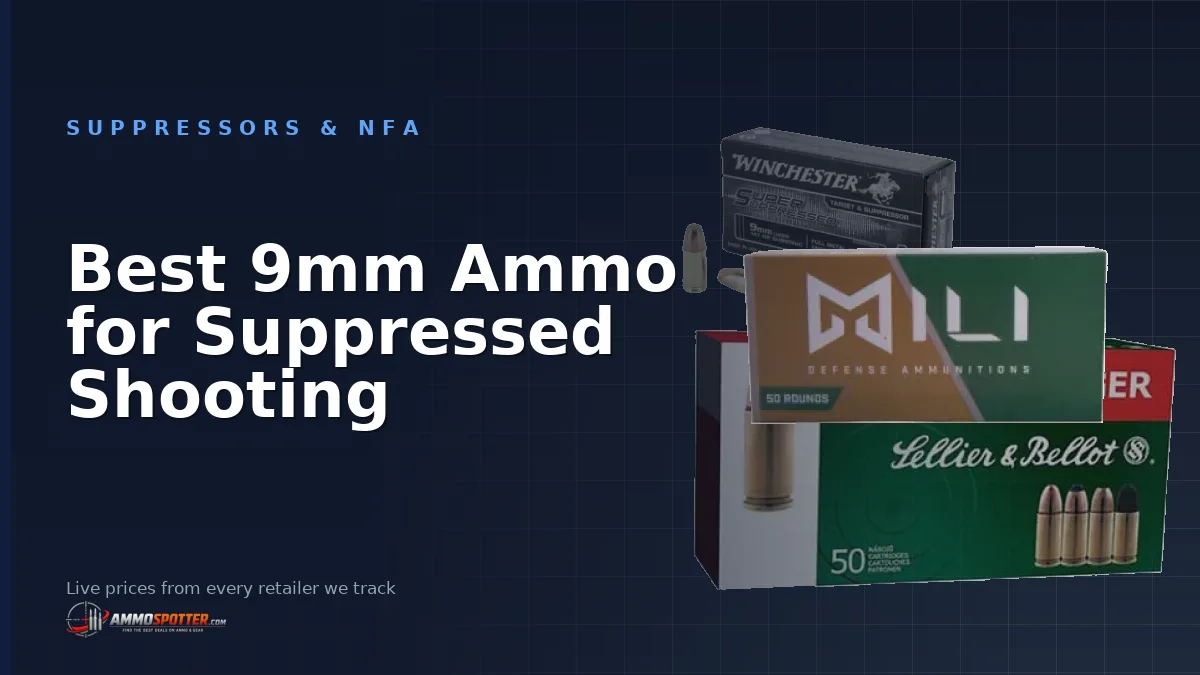
Best Subsonic 9mm Ammo for Suppressed Shooting, on Live Prices
A suppressor on a 9mm pistol or carbine solves only part of the noise problem. It traps and slows the gas behind the bullet, which is where the muzzle report comes from. It does nothing about the bullet itself. If tha...