How Often Should You Actually Clean Your Gun? A Round-Count Answer
Most guns need oil more often than scrubbing. Here's how round count, ammo type and suppressors set your cleaning schedule, plus what supplies cost.
22 results
Most guns need oil more often than scrubbing. Here's how round count, ammo type and suppressors set your cleaning schedule, plus what supplies cost.
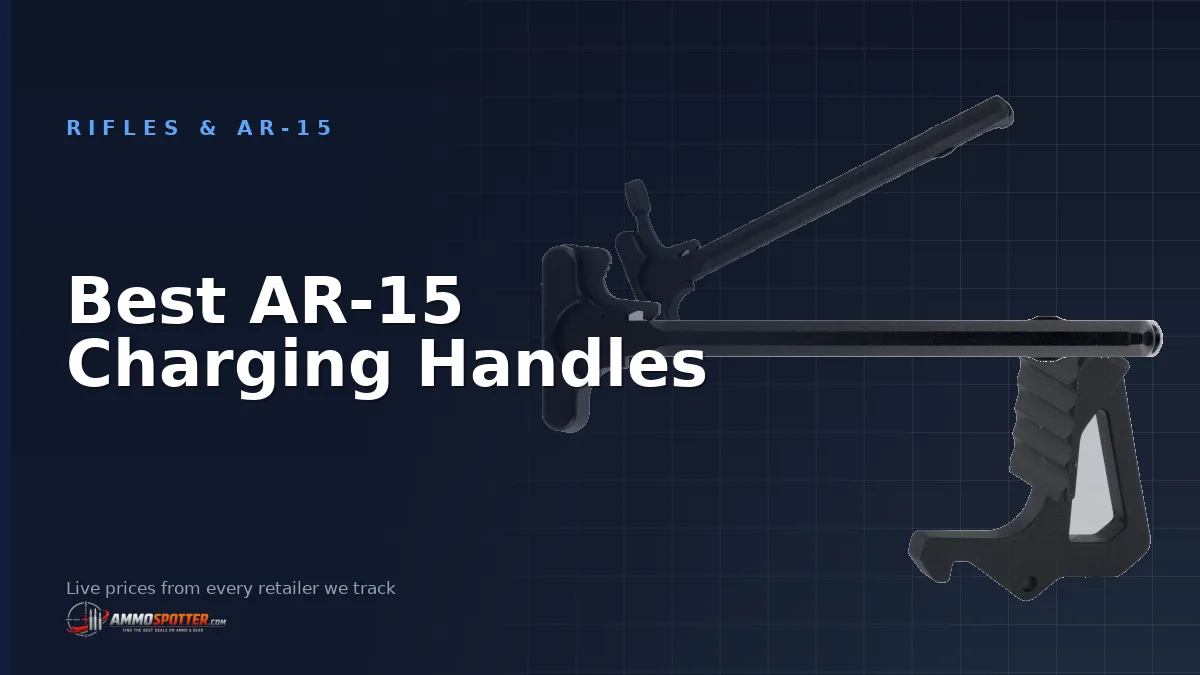
Most people want a bigger latch, and that costs $14.95 on its own. A typical handle is about $70, and ambidextrous costs about double. Read titles closely.
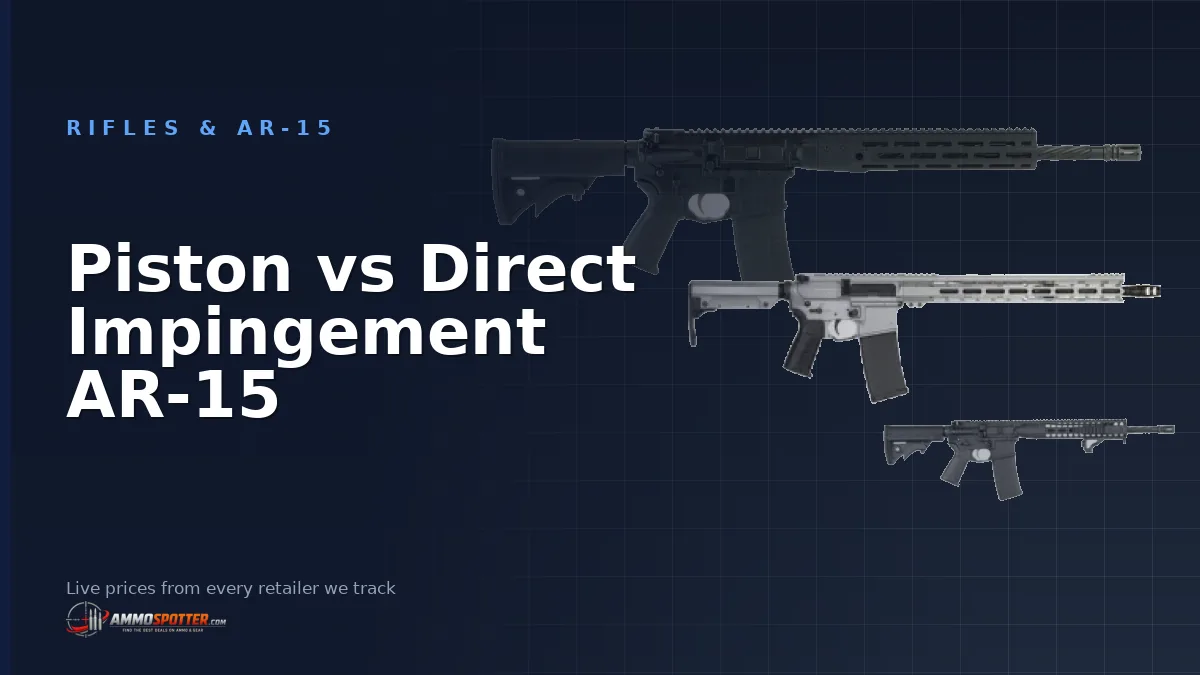
Piston ARs run cleaner but cost about $400 to $650 more from the same maker, and spare parts are hard to find. Here's why DI makes sense for most buyers.
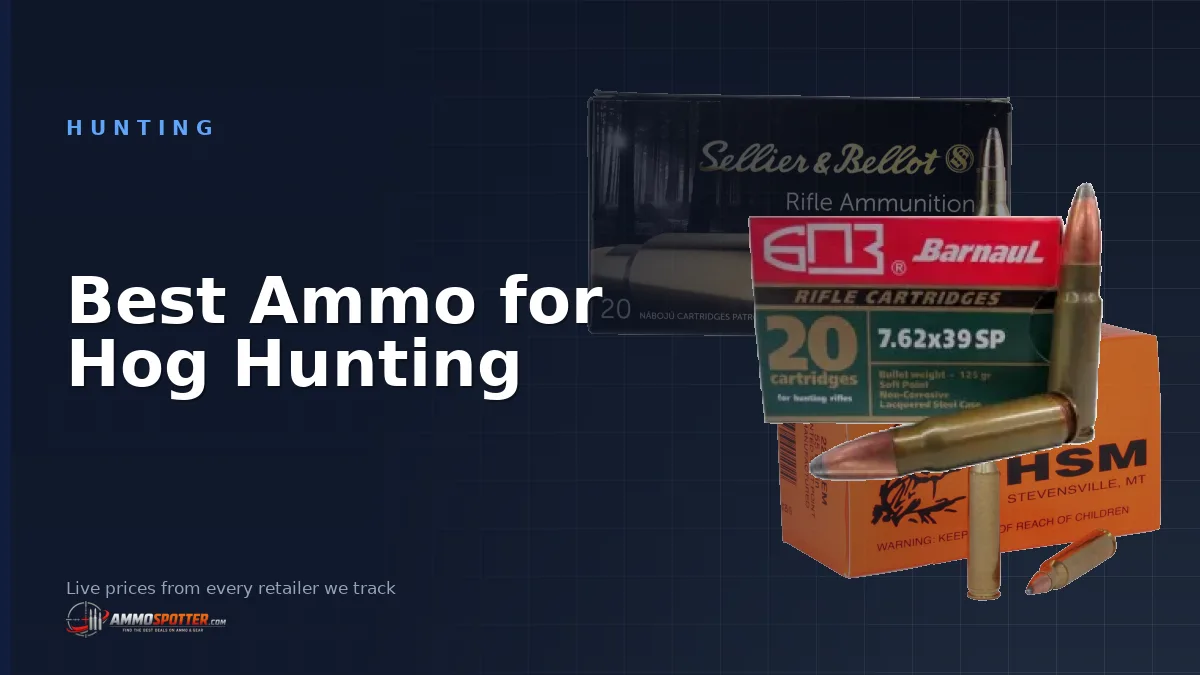
Hogs have no season in much of the South, so cost per round matters. Here's which cartridges have cheap bulk ammo, which don't, and what to buy.
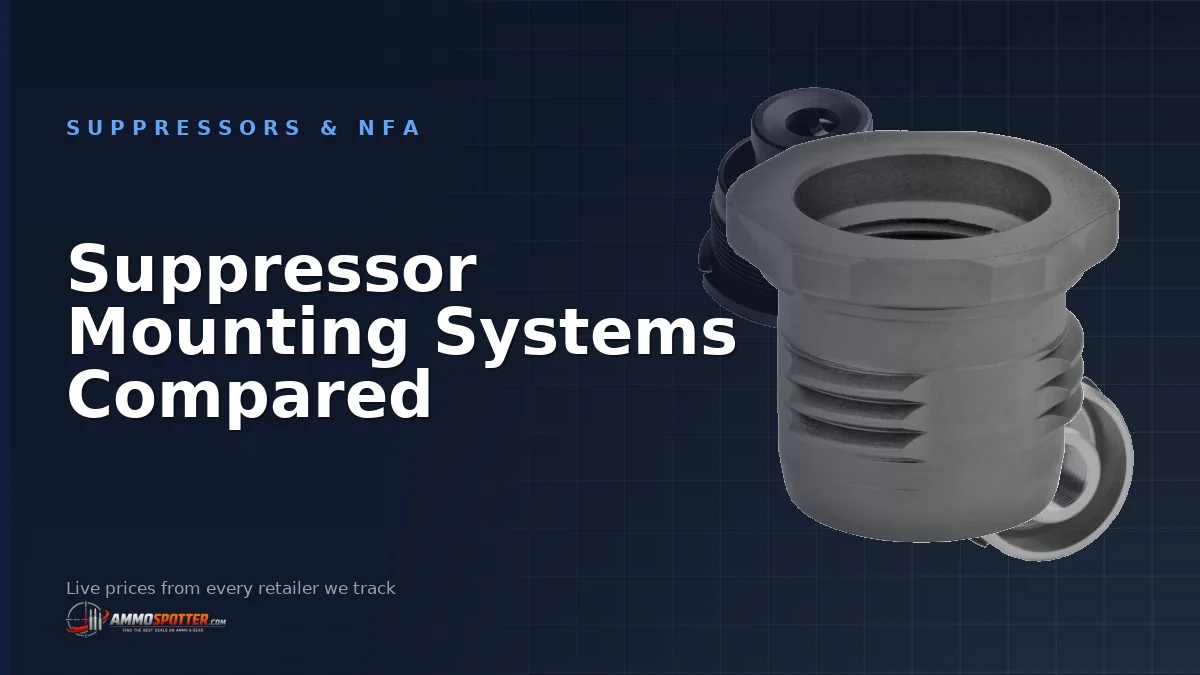
The mount is the cheapest part of a suppressor, but it decides which guns your can fits. Here's how direct thread, QD and HUB compare on cost.
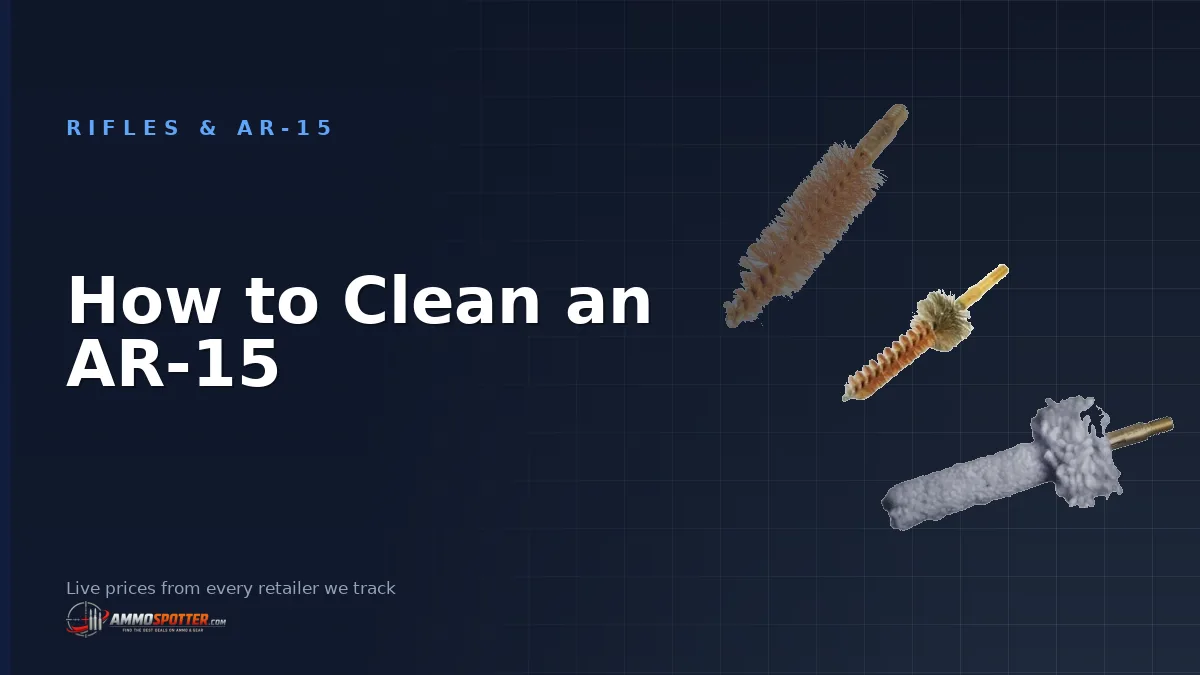
One cleaning session costs less than a round of .223. Here's how to field strip your AR, which parts need attention, and where to spend your money.
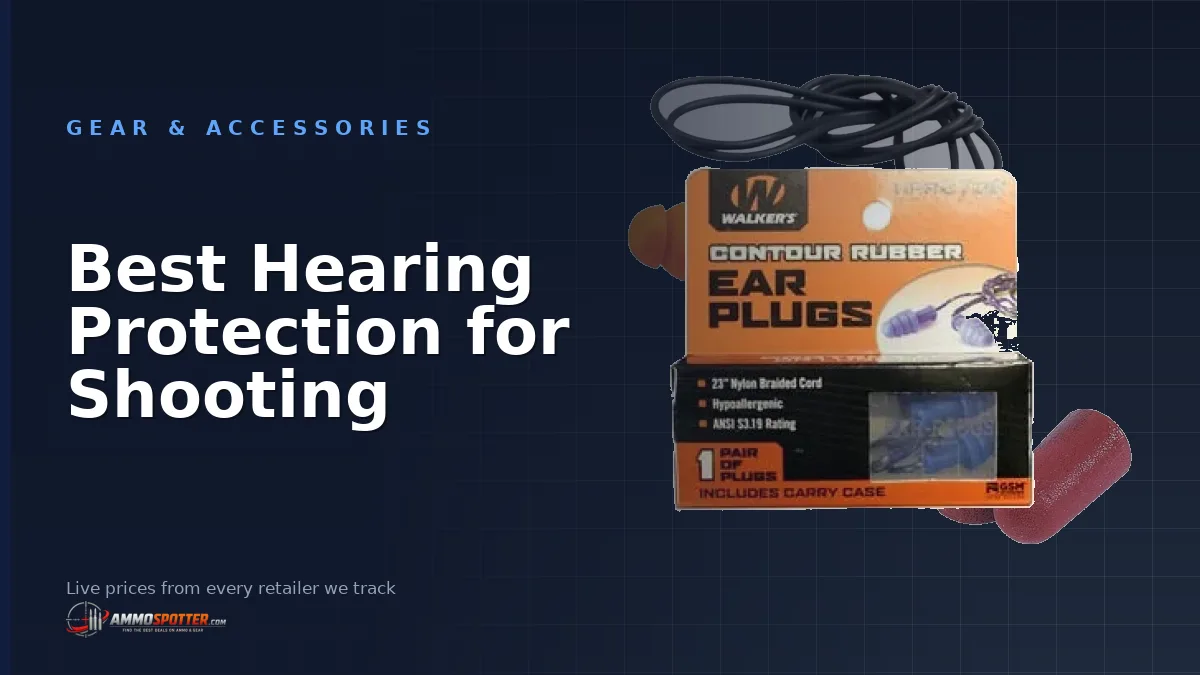
Passive muffs block about 26 dB for around $18. Electronic muffs block about 23 dB for around $54. You're paying to hear between shots, not for more protection.
For most buyers a 16-inch barrel wins: cheapest of the common lengths and no paperwork. Here's what 14.5, 10.5 and 20-inch barrels really cost once you add parts and ammo.
A suppressor has four costs, not one. Here's what cans cost by tier, what mounts add, and why ammo ends up being the biggest bill.
The can is a one-time cost. The host's ammo costs you every round. Here's why .22 LR and 9mm are the best first hosts, and when .300 Blackout or 5.56 make sense.
Subsonic ammo kills the sonic crack, not the gunshot. Here's what it costs, which calibers handle it easily, and the trade-offs nobody puts on the box.
Shorter barrels lose velocity, and the speed on the box came from a test barrel that isn't yours. Here's which calibers care most and how to buy ammo for a short barrel.
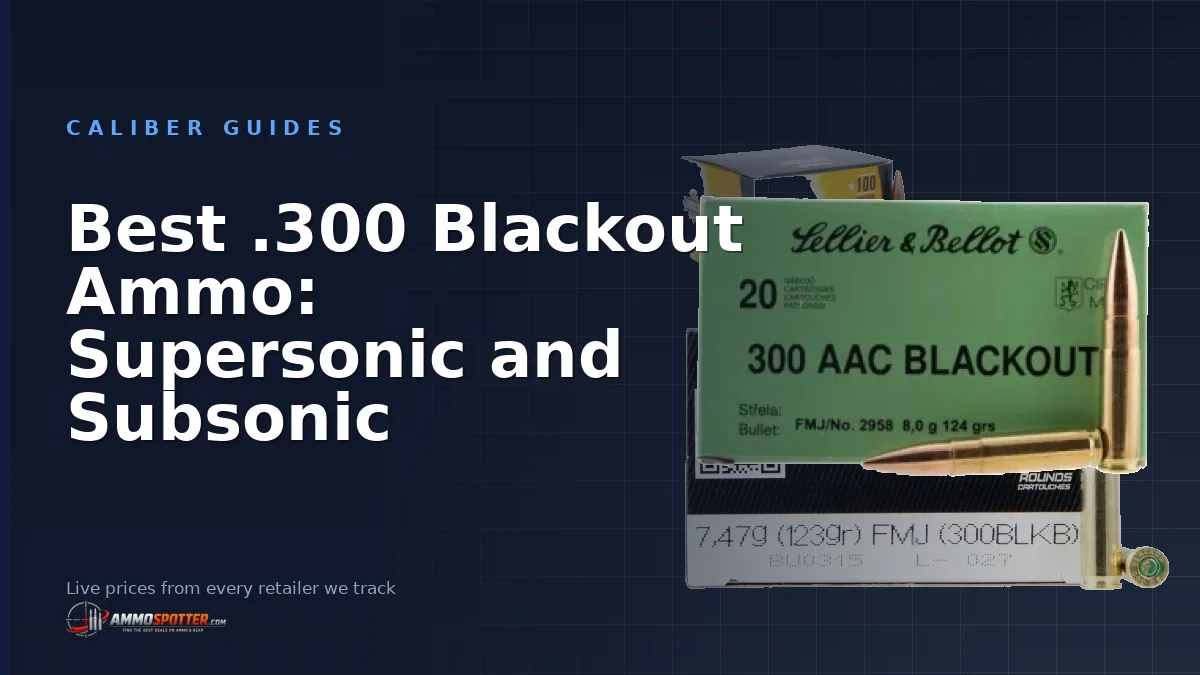
.300 Blackout costs more than 5.56, but not where you'd expect. Plain subsonic costs the same as supersonic. Expanding bullets and small boxes are the premium.
Most 9mm cracks through a can. Here's which 147-grain and subsonic loads stay quiet, why carbines need heavier bullets, and what it costs per round.
A grain is just the bullet's weight. Here's what it changes in recoil, zero and twist rate, and why the most common weight is always cheapest.
Under $700 buys an AR-15 that works, the middle tier buys a good one, and premium buys durability. Here's what each costs today, and why ammo decides your tier.
State ammo rules change too often for any map to stay right. Learn the six types of restriction, how to check your address, and why fees mean you should buy bigger and less often.
A can stops muzzle blast, not a supersonic crack. Here's which subsonic ammo works in .300 Blackout, .22 LR, .308 and 9mm carbines, and what each costs.
A suppressor is four costs, not one. Here's which can to buy first, direct thread vs quick-detach, materials, and why subsonic ammo is the real ongoing bill.
.300 Blackout always costs more per round than 5.56. It's worth it if you shoot suppressed or run a very short barrel. Otherwise, 5.56 wins.
115 and 124 grain 9mm trade places as the cheapest practice ammo. 147 grain is for suppressors and duty loads. Here's which weight to buy for each job.
Most suppressor letdowns are an ammo problem. Here's subsonic vs supersonic, the best quiet loads by caliber, and how to fix cycling and fouling.