Reloading Starter Kit: What You Actually Need
Starter kits are priced to look like the whole answer. We tracked what the kits cost, what they leave out, and the two components our retailers do not sell at all.
Reloading starter kits are packaged to look like the complete answer. Open the box, bolt the press down, start making ammunition. That is not how it goes, and the gap between the kit price and the money you actually spend is the part nobody prices out.
So we priced it out of our own catalog. Just over 9,000 live reloading listings, tracked across retailers, which is enough to say concretely what a kit costs, what the kit leaves out, what the missing pieces cost, and — the part that surprised us — which components you cannot buy from any of these retailers at any price.
What does a reloading starter kit cost right now?
Here is the live kit ladder from our reloading listings, cheapest first. These are tracked prices, not MSRP, and they move.
The Starter Kit Ladder
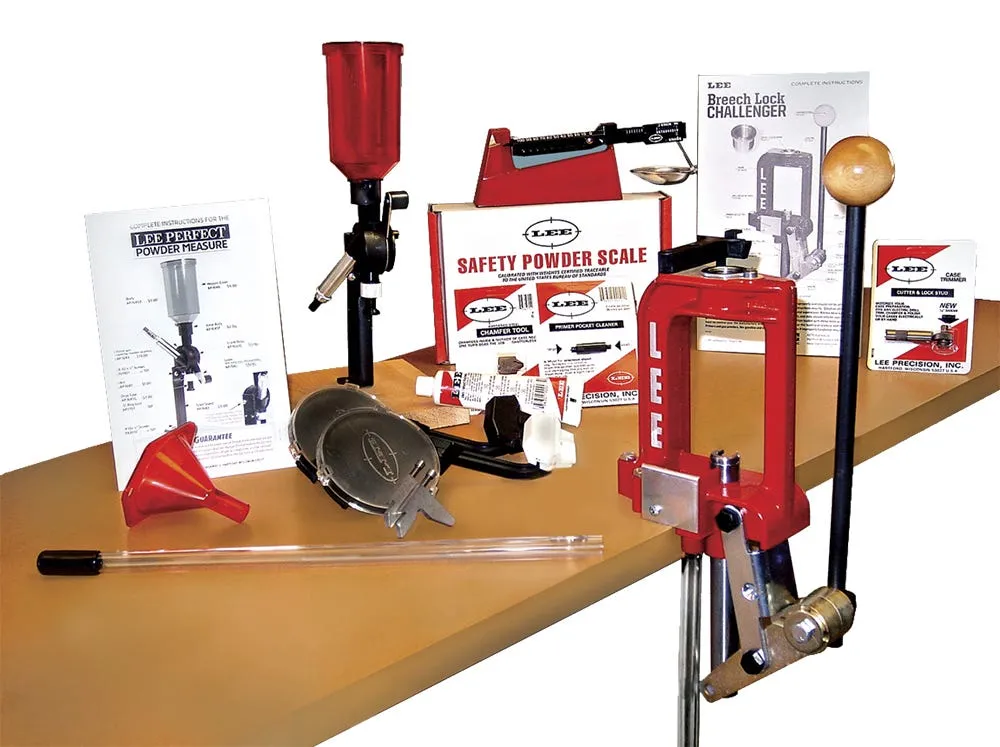
Lee Precision 50th Anniversary Reloading Kit Red Multi-Size
Lee's 50th Anniversary kit is the cheapest complete single-stage package in the catalog. Press, scale, powder measure, priming and case prep are in the box. Dies are not, and the plastic-bodied Perfect Powder Measure is the part people replace first.
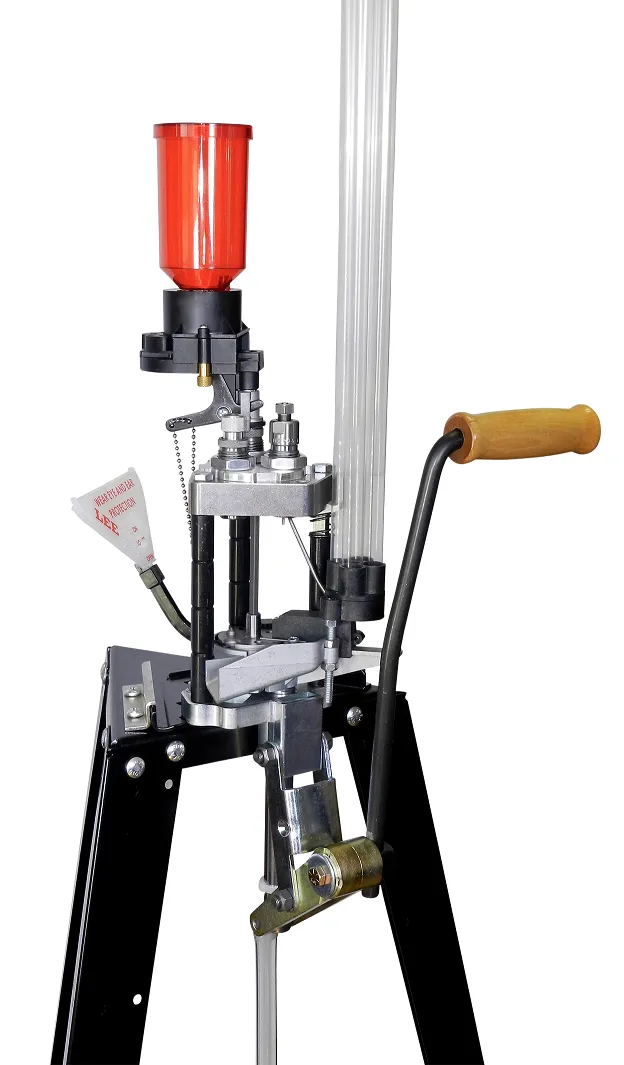
Lee Precision Pro 1000 Reloading Kit .223 Rem Progressive Press Kit
The Lee Pro 1000 is a three-station progressive sold caliber-specific, so this one arrives set up for .223 Remington with dies included. Progressives multiply output and they multiply mistakes; this is a second press for most people, not a first one.
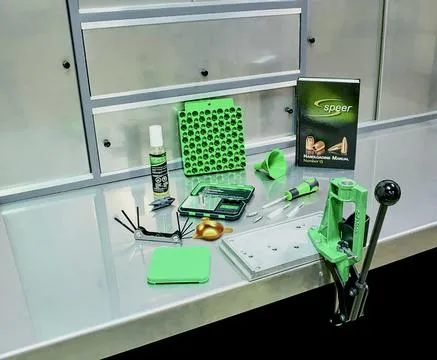
RCBS Partner Reloading Kit
The RCBS Partner kit buys you a stiffer press frame, a balance beam scale and the brand's shell-holder and die ecosystem. Dies still sold separately. This is the tier where the press stops being the limiting factor on your ammunition.

Hornady Lock-N-Load Classic Single Stage Centerfire Reloading Kit
Hornady's Lock-N-Load Classic single-stage kit uses bushings so dies swap without re-adjusting them each time. Worth the money specifically if you are loading several cartridges rather than feeding one pistol.
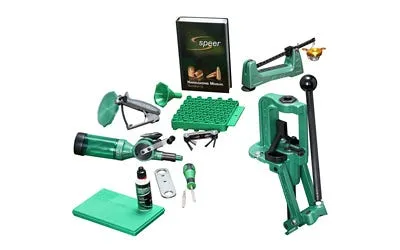
RCBS Chucker Supreme Master Reloading Kit
The RCBS Chucker Supreme Master kit is the top of our kit listings and the only one that arrives close to genuinely complete. Even here you supply the dies, the caliper, the components and the bench.
The shape of that ladder matters more than any single number. Between the cheapest complete single-stage kit and the most complete kit on the list, you are paying roughly three times as much — and almost none of that difference buys you better ammunition. It buys a stiffer frame, a better scale, and fewer parts you will replace in year two.
What it does not buy, at any tier, is a shortcut past the components problem below.
The press is the least important decision in the kit
Press listings price-sorted look like this:
Reloading Presses, Cheapest First
Prices updated Oct 4, 2026
Lee Precision 20 Gauge Load All II Reloader Built in Primer Catcher 90012
20 Gauge
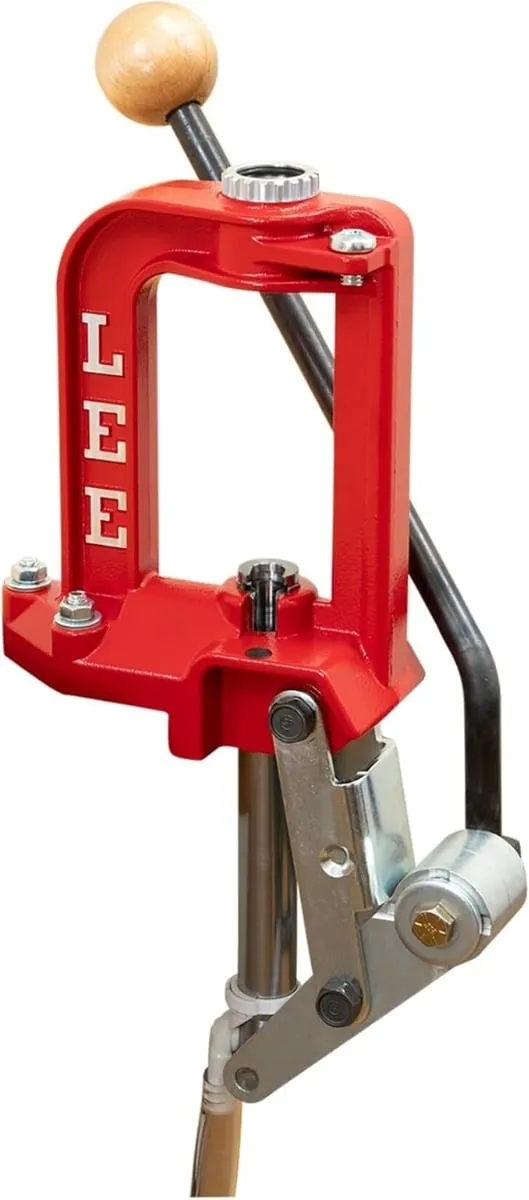
Lee Precision Challenger Press 40th Anniversary Red w/ .45 ACP Breech Lock Carbide 3-Die Set
.45 ACP

Redding Reloading Boss Reloading Press

Redding Big Boss Reloading Press
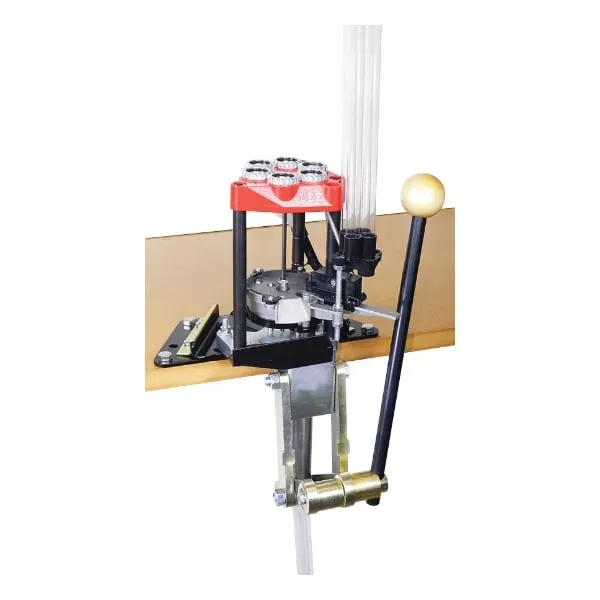
Lee Precision Six Pack Pro Reloading Press Black / Red for All Cases
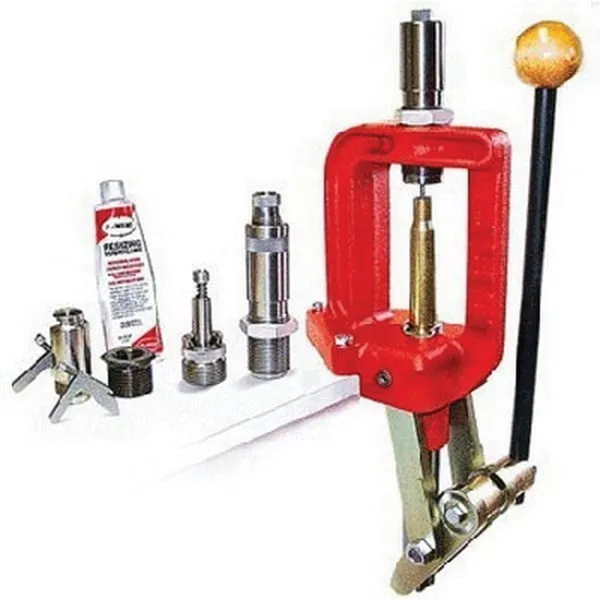
Lee Precision .50 BMG Reloading Kit .50 BMG
.50 BMG
Read that grid carefully, because the cheap end of it is not what it appears to be. The lowest-priced entry is a shotshell loader — a completely different machine that loads 20 gauge hulls and cannot load a metallic cartridge. Our Presses category mixes shotshell and metallic presses together, and the first genuine single-stage O-frame is well up the list. The top of the same grid is a commercial progressive priced like a used car.
Any of the metallic presses in that range will produce ammunition that shoots as well as you can hold. Rigidity affects consistency at the margins; it does not separate good handloads from bad ones. Your powder measurement, your case prep and your load data do that.
The real decision is single stage versus progressive, and for a first press it is not close. A single stage performs one operation per stroke, so a missing powder charge is a case you can see into. A progressive performs four or five operations simultaneously, and the failure mode — a double charge or a squib hidden mid-sequence — is the one that damages guns. Buy the progressive when the single stage has become the bottleneck.
Dies are sold separately, and they are per cartridge
This is the line item that catches people. General-purpose kits ship without dies, because dies only exist as cartridge-specific tooling. Load 9mm and .223 and you buy two sets.
Entry Die Listings, Cheapest First
Prices updated Oct 4, 2026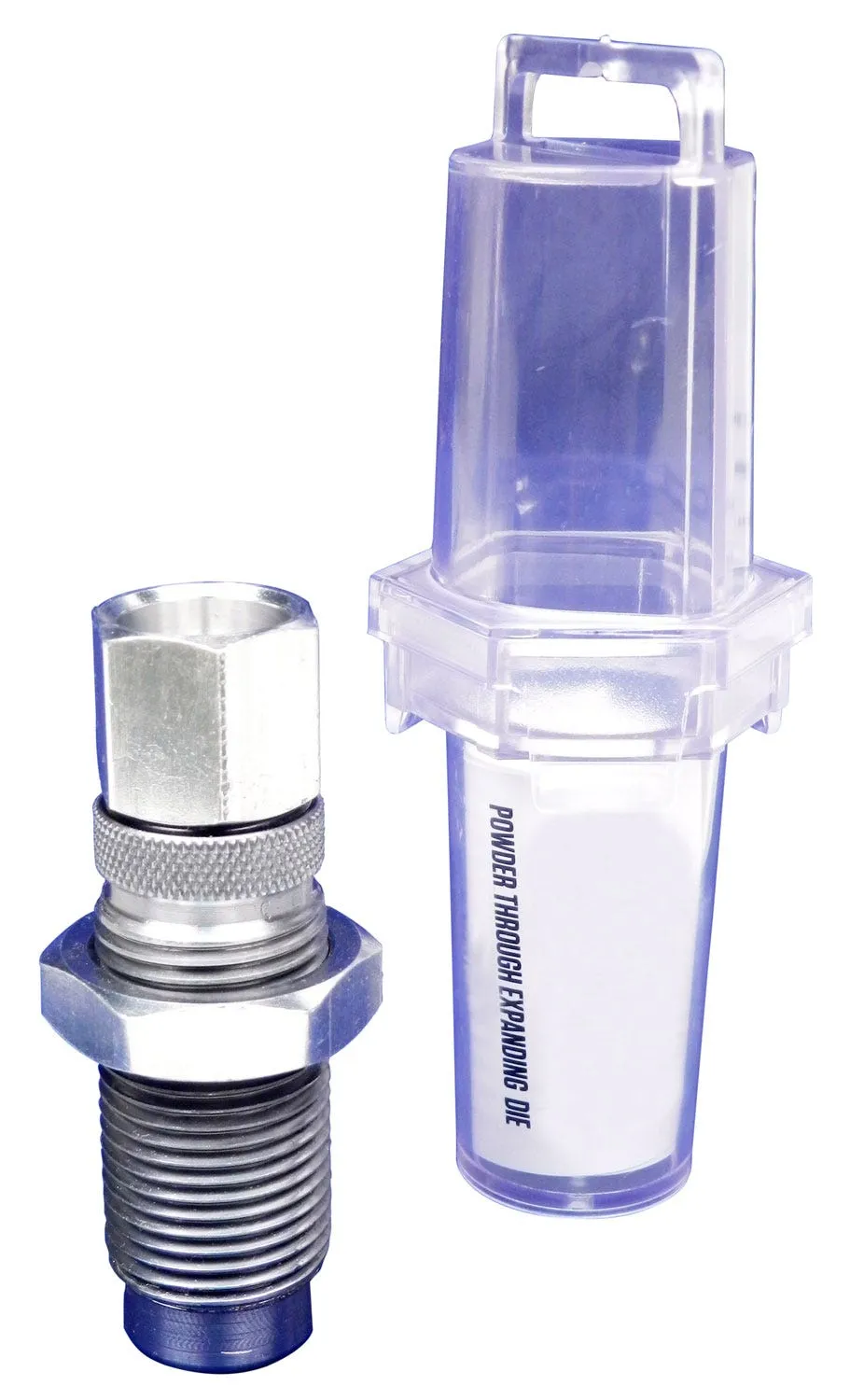
Lee Precision Powder Through Expanding Die Steel .40 SW
10mm Auto
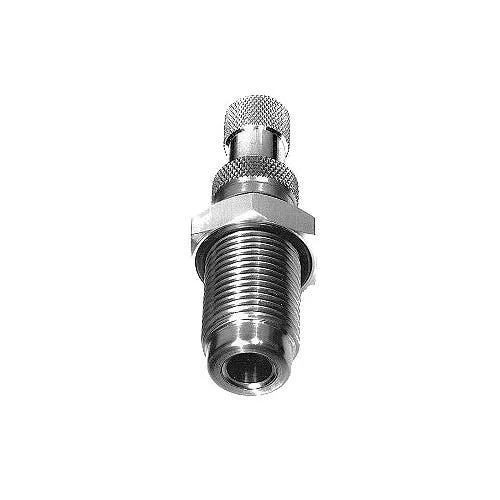
Lee Precision Factory Die 7mm Express
.280 Remington
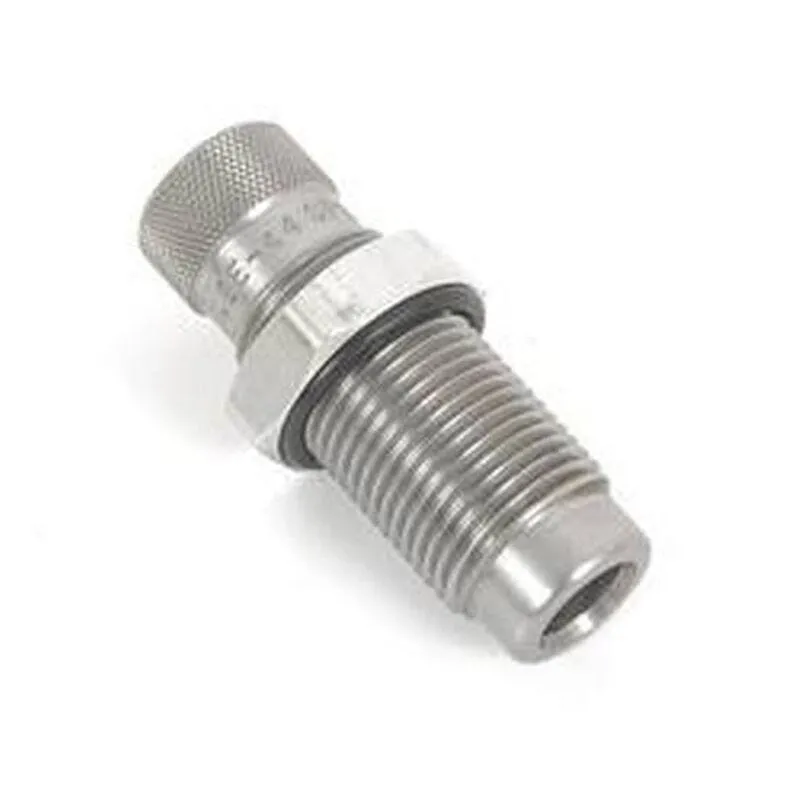
Lee Precision Taper Crimp Die Steel .44 SPC / .44 Mag
.44 Magnum
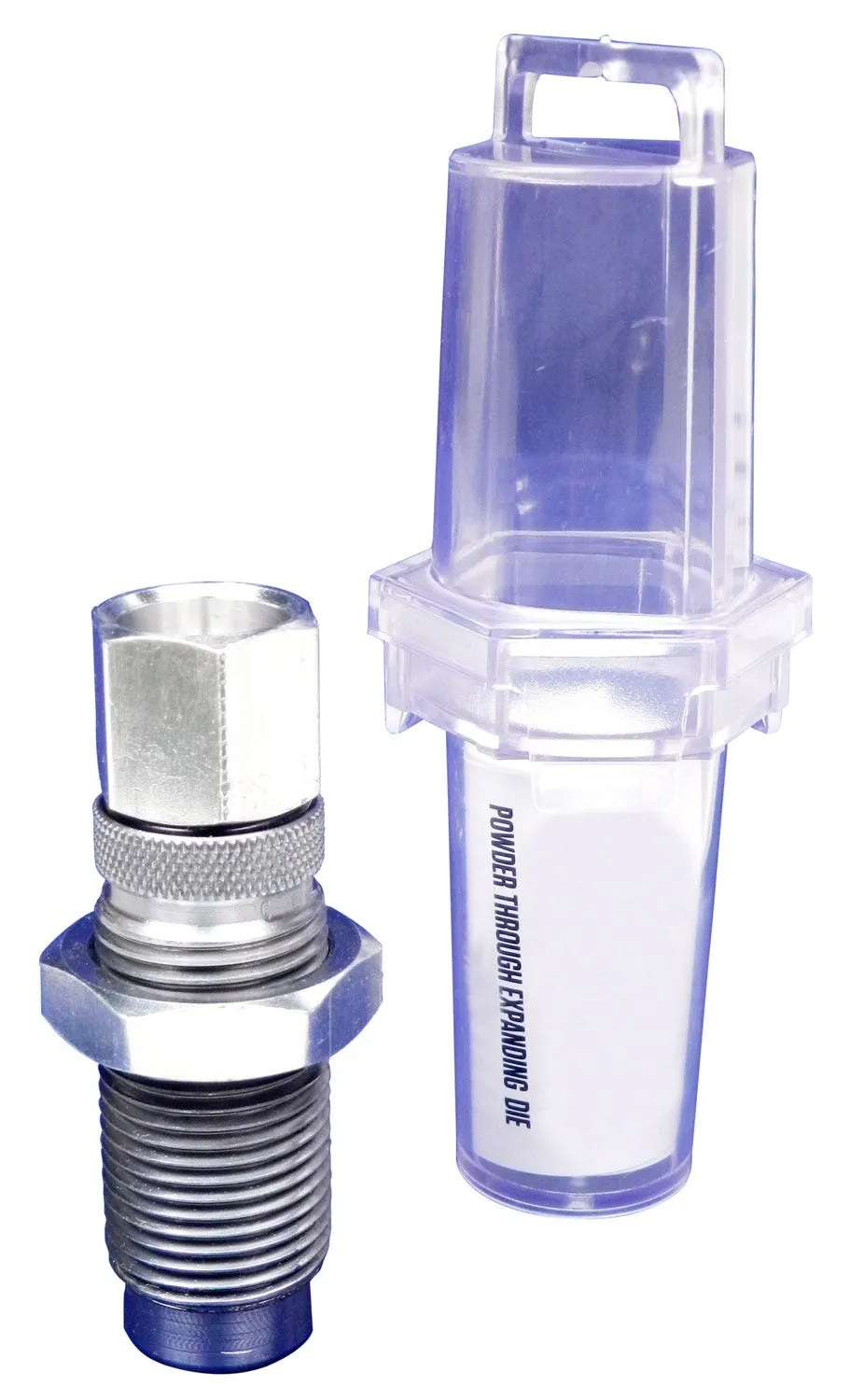
Lee Precision Powder Through Expanding Die Steel .45 LC
.45 Colt
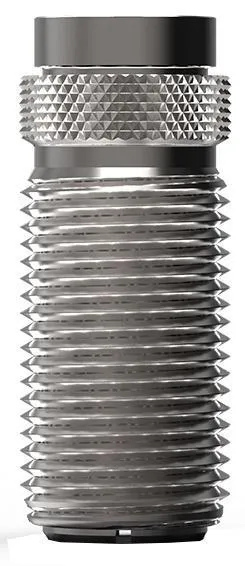
Lee Precision Quick Trim Pistol Die .357 Mag
.357 Magnum
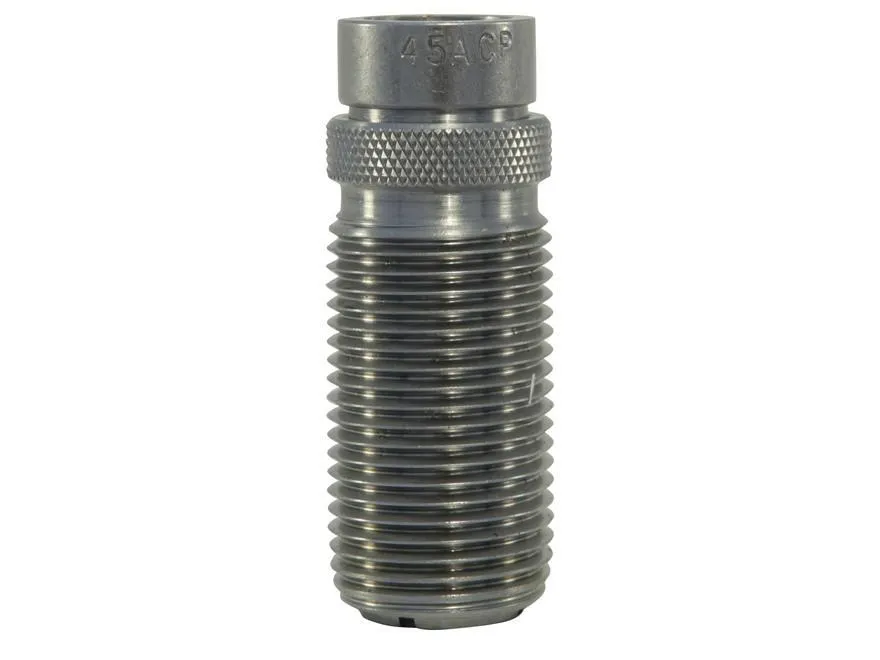
Lee Precision Quick Trim Pistol Die .44 Mag
.44 Magnum
Worth knowing before you shop: price-sorting our whole Dies category puts die storage boxes at the top, not dies. They are categorised identically and they are cheaper. The grid above is filtered to one maker to keep actual tooling at the front, and even there the first entries are single-purpose dies — crimp dies, expanding dies, trim dies — rather than complete sets. A usable two- or three-die set for a common cartridge sits in the low twenties in our listings. Carbide pistol dies cost more and are worth it, because they size without case lube and remove an entire step from your process.
You also need the right shell holder for the case head, which some die sets include and some do not.
The two components that are hardest to actually get
This is the finding that changes how you plan the purchase.
The reason is hazmat. Powder and primers ship under restrictions that most affiliate datafeeds simply exclude, in the same family of rules that governs how loaded ammunition moves — see our breakdown of ammo shipping restrictions for how those rules actually get applied, and verify your own state and carrier situation rather than assuming.
Practically: before you spend $160 or $480 on equipment, confirm you can source the specific powder your load data calls for and the primer size your cartridge uses. That supply is the real constraint on the hobby, and powder is the half of it this site cannot help you price at all.
Projectiles and brass you can actually shop
The other two components are in the catalog, which makes them the half of the cost you can comparison-shop.
Plated Pistol Projectiles
Prices updated Oct 4, 2026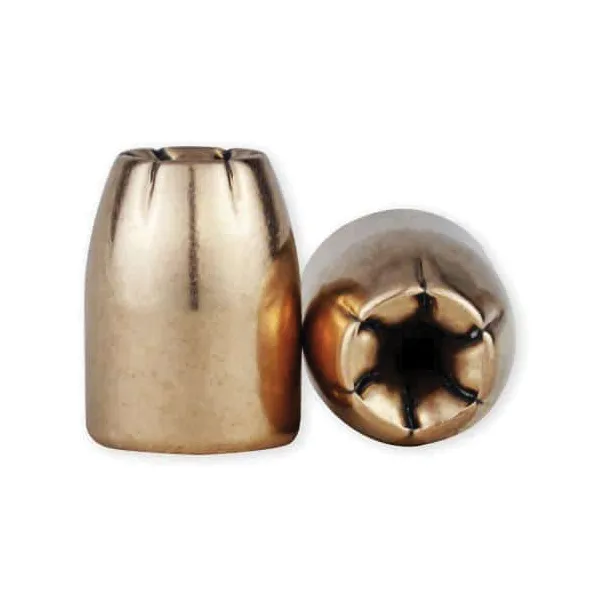
Berry s Manufacturing Hybrid .45 ACP 230-Grain 50-Rounds HP
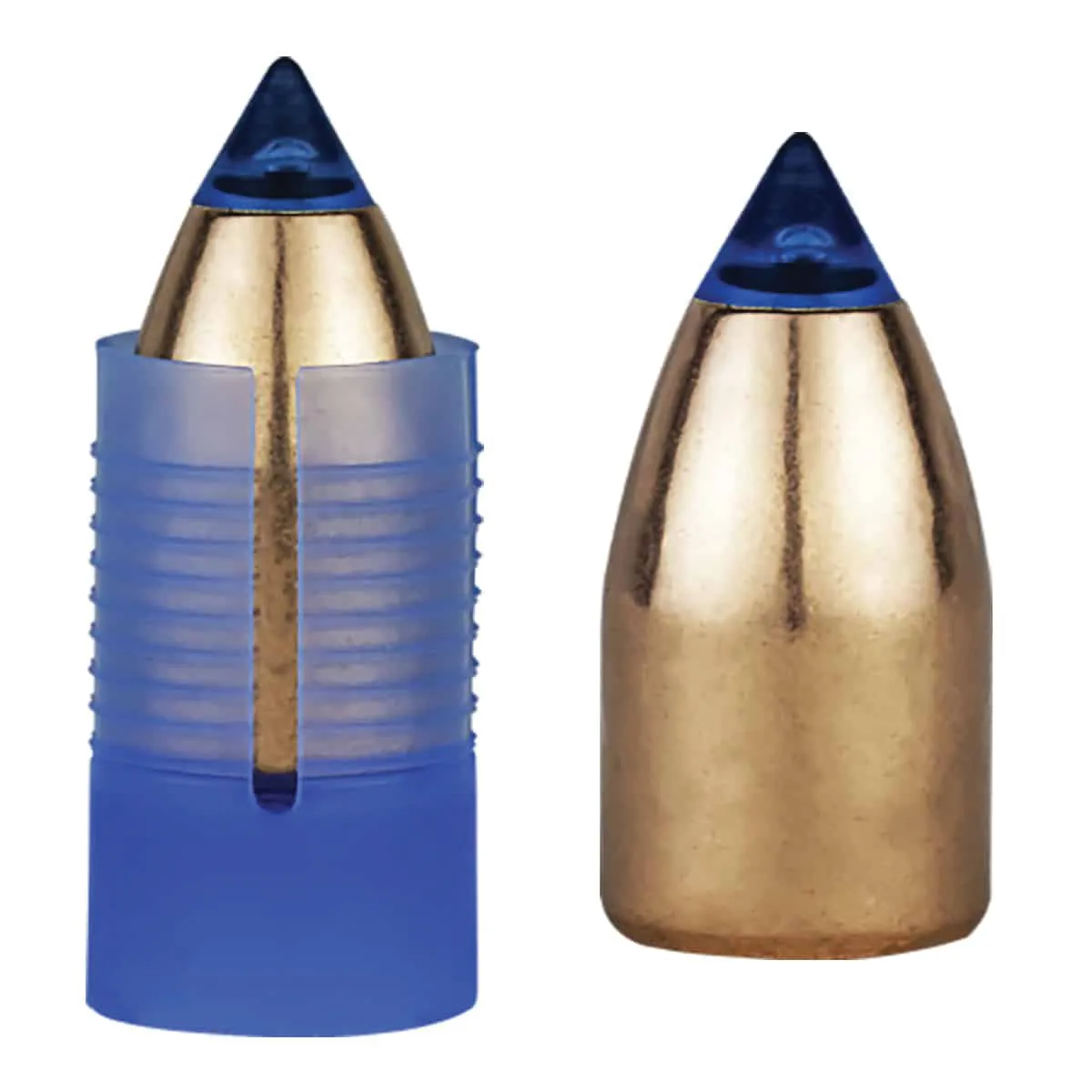
Berry s Manufacturing Blue Diamond .45 Caliber 275-Grain Projectiles 25-Count
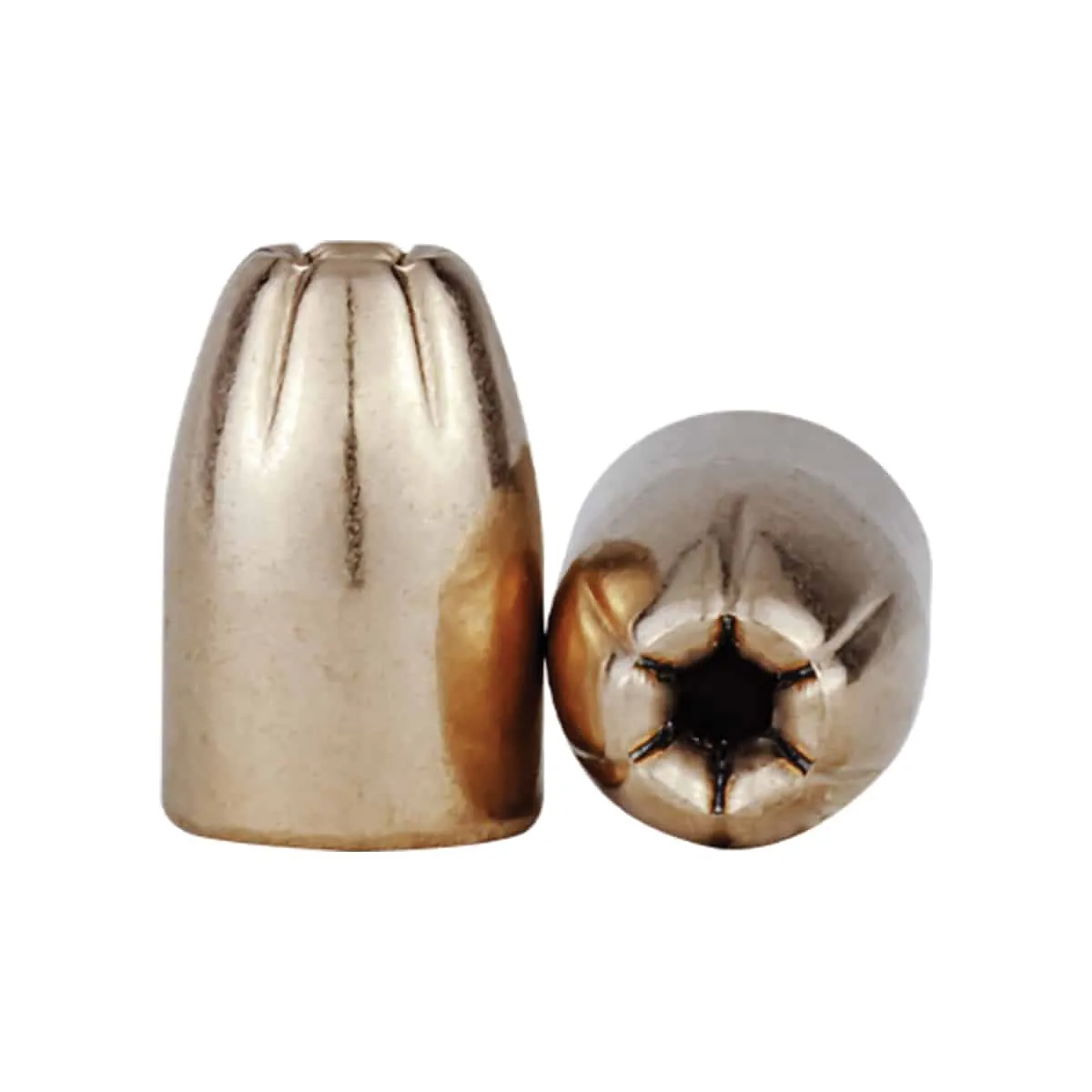
Berry s Manufacturing Superior Plated Copper 9mm 124-Grain 100-Rounds HHP
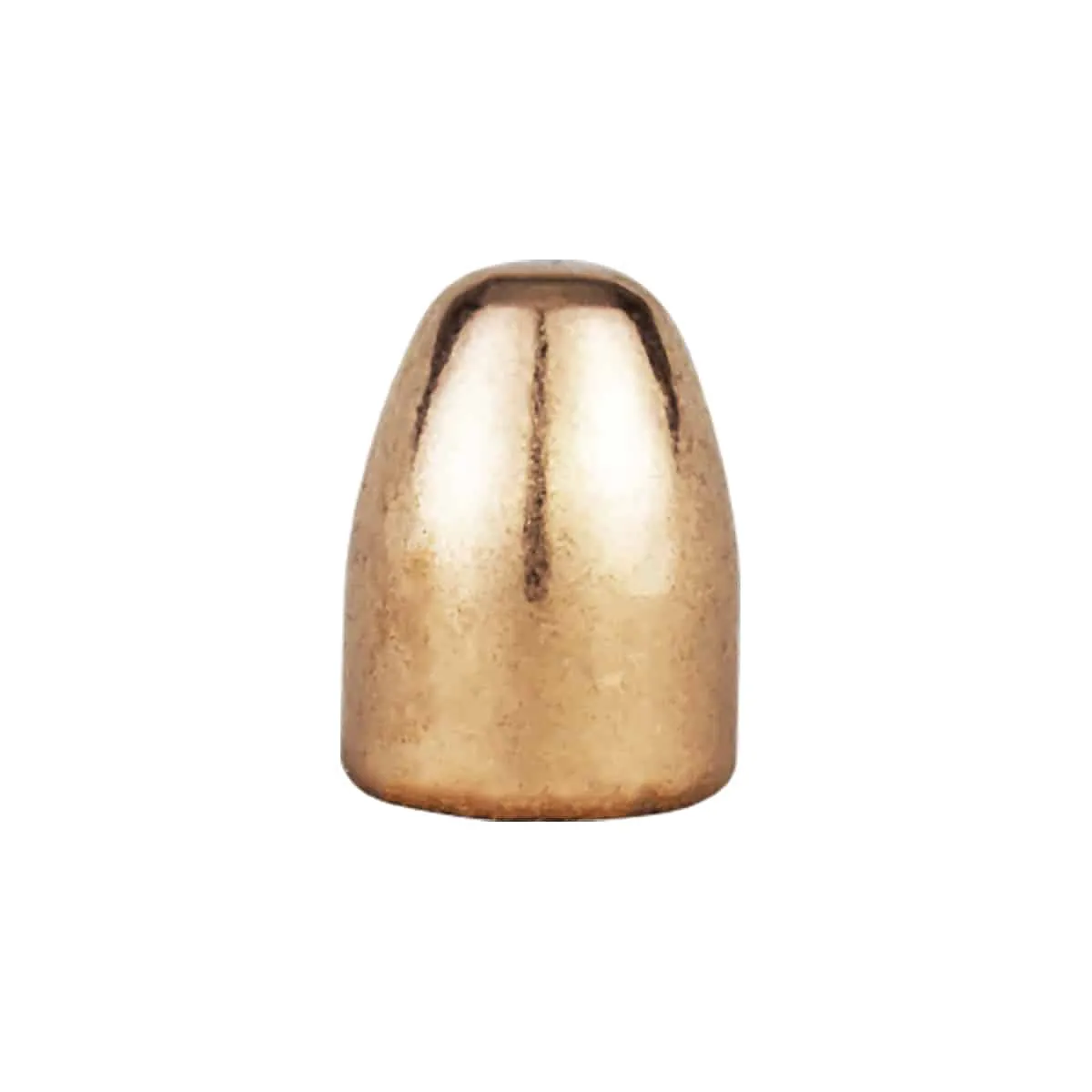
Berry s Preferred Plated Pistol Bullets .32 Cal 71-Grain 250-Count RN
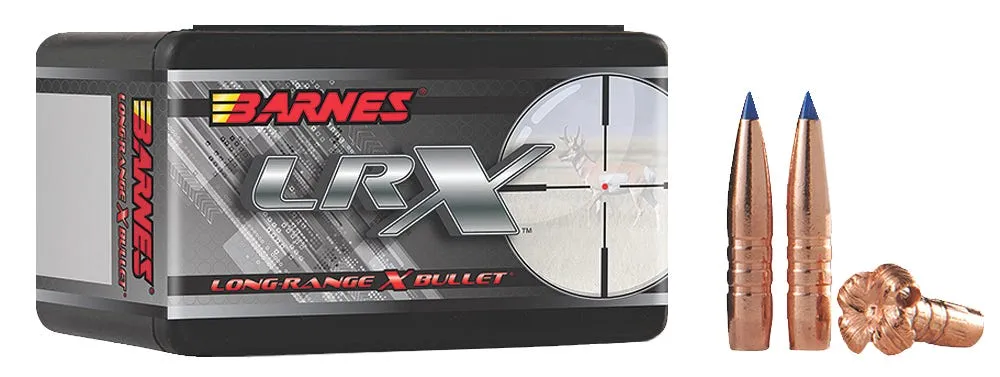
Berry s Manufacturing 9mm .356 Diameter 115 Grain Round Nose Bullet 250 Count
9mm
Berry s Manufacturing .380 Caliber 100 Grain Hollow Base Round Nose Bullet 250 Count
.380 ACP
Plated pistol bullets are where most new reloaders start, because they are cheap, they do not lead a barrel, and they tolerate a wide range of load data. Note the count on each listing before comparing — these run 25, 50, 100 and 250 to the box, so the sticker price tells you nothing until you divide. The cost-per-round calculator below handles that arithmetic.
Cost Per Round Calculator
The only number that matters when comparing ammo. Shipping included.
Brass is the component you mostly do not buy, because you are picking it up off the range floor. New unprimed brass matters for cartridges you cannot scavenge, for load consistency in a precision rifle, or for wildcats and obsolete chamberings:
Unprimed Brass, Cheapest First
Prices updated Oct 4, 2026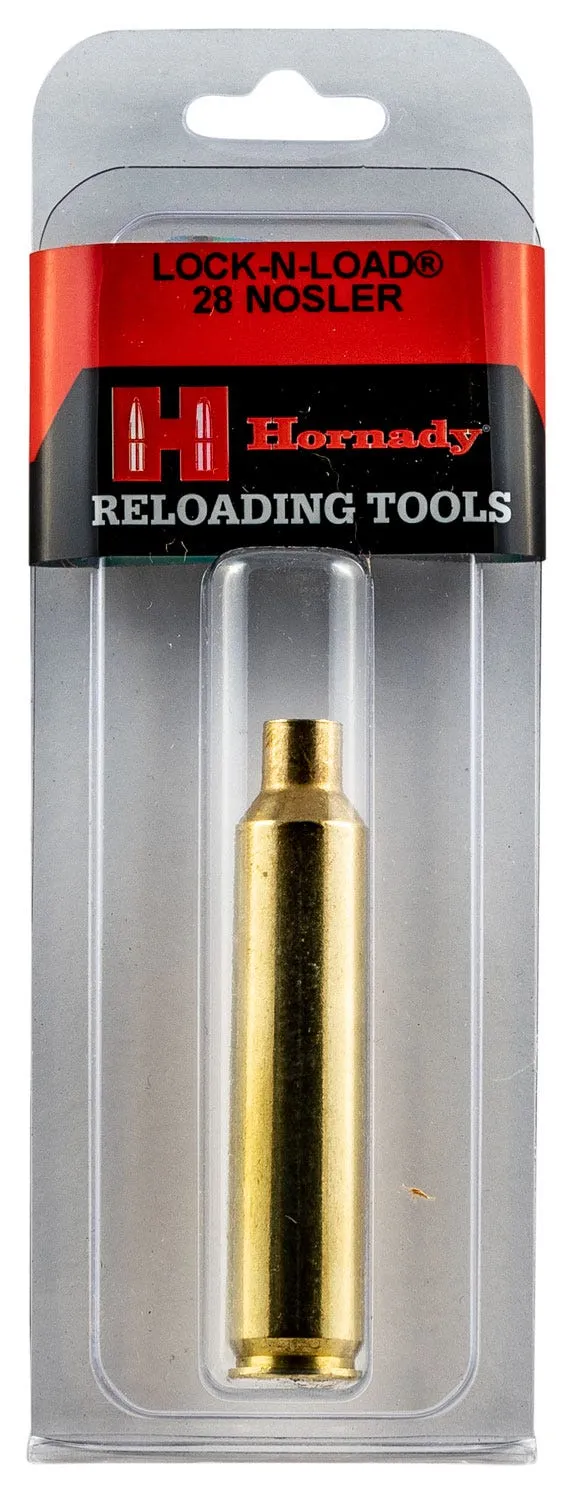
Hornady Lock-N-Load Modified Case Brass .28 Nosler
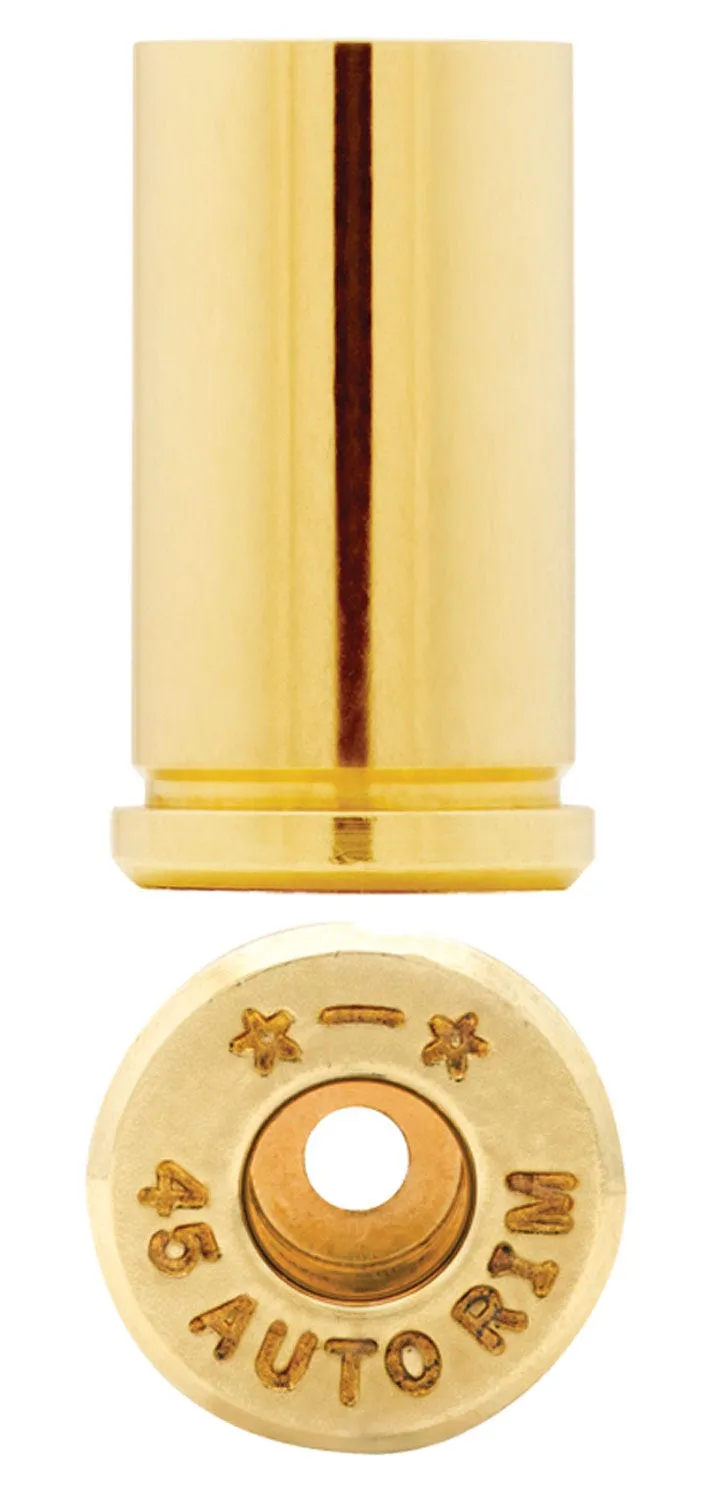
Starline Brass Handgun 45 Auto Rim Unprimed Brass 50 Rounds
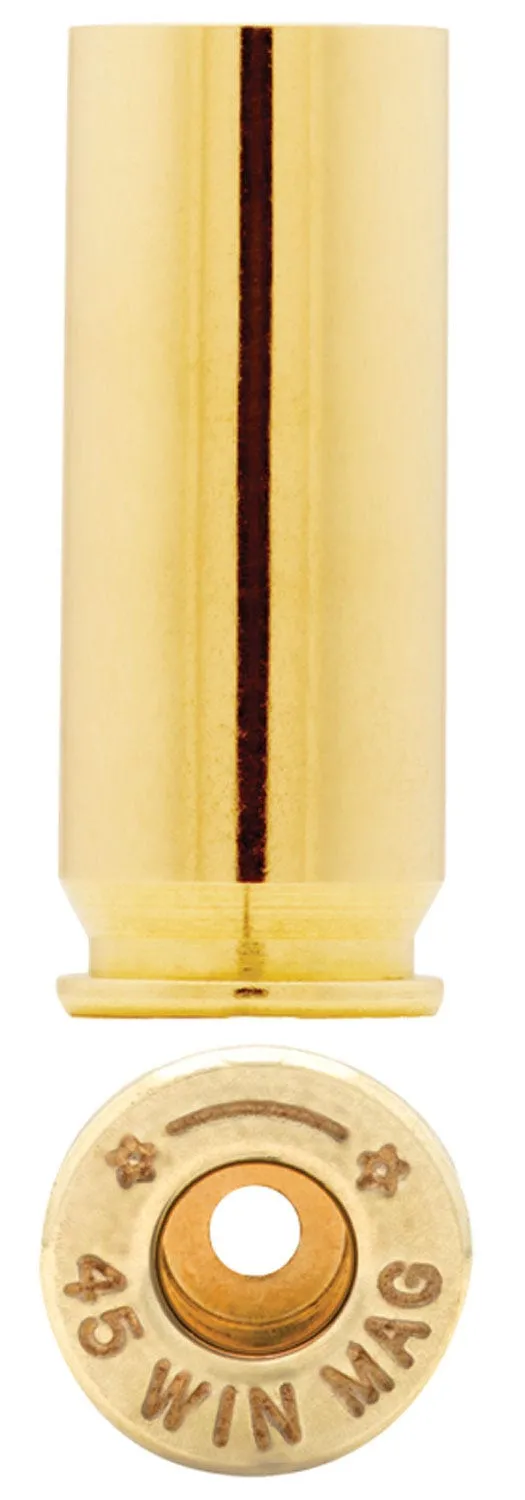
Starline Brass Handgun 45 Winchester Magnum Unprimed Brass 50 Rounds
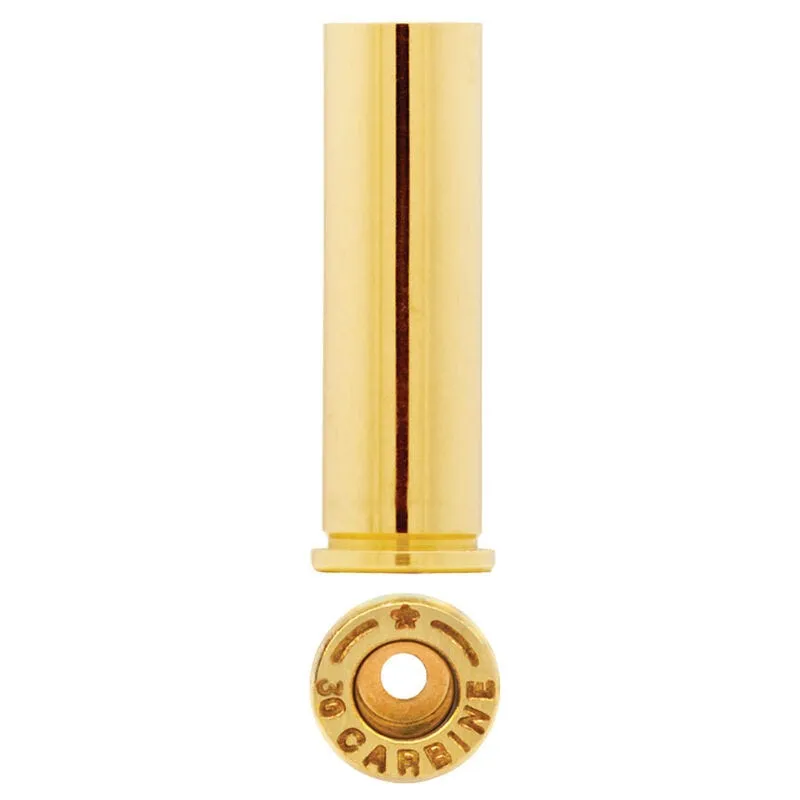
Starline .30 Carbine Unprimed Rifle Brass Cases 50 Count 30CAREUP-50
Winchester WSC9U Unprimed Case 9mm Lug 100/BG
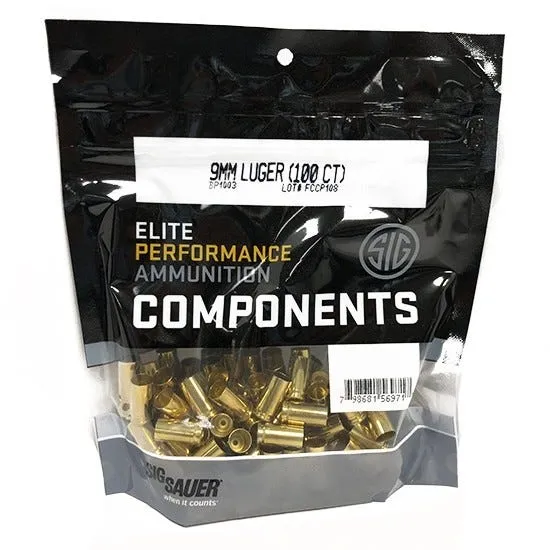
Sig Sauer Component Brass 9mm 100-Count Unprimed
If you are chasing group size rather than volume, uniform brass is the single highest-leverage component change you can make — which is a different project from making range ammunition, and leads into how velocity and energy actually relate when you start working up loads.
What the small stuff adds up to
The accessory listings are cheap individually and real in aggregate:
Shell Holders, Funnels and Case Prep
Prices updated Oct 4, 2026
Lee Precision Auto Index Hex Ratchet White 3-Pack
Hornady Universal ACC Handle
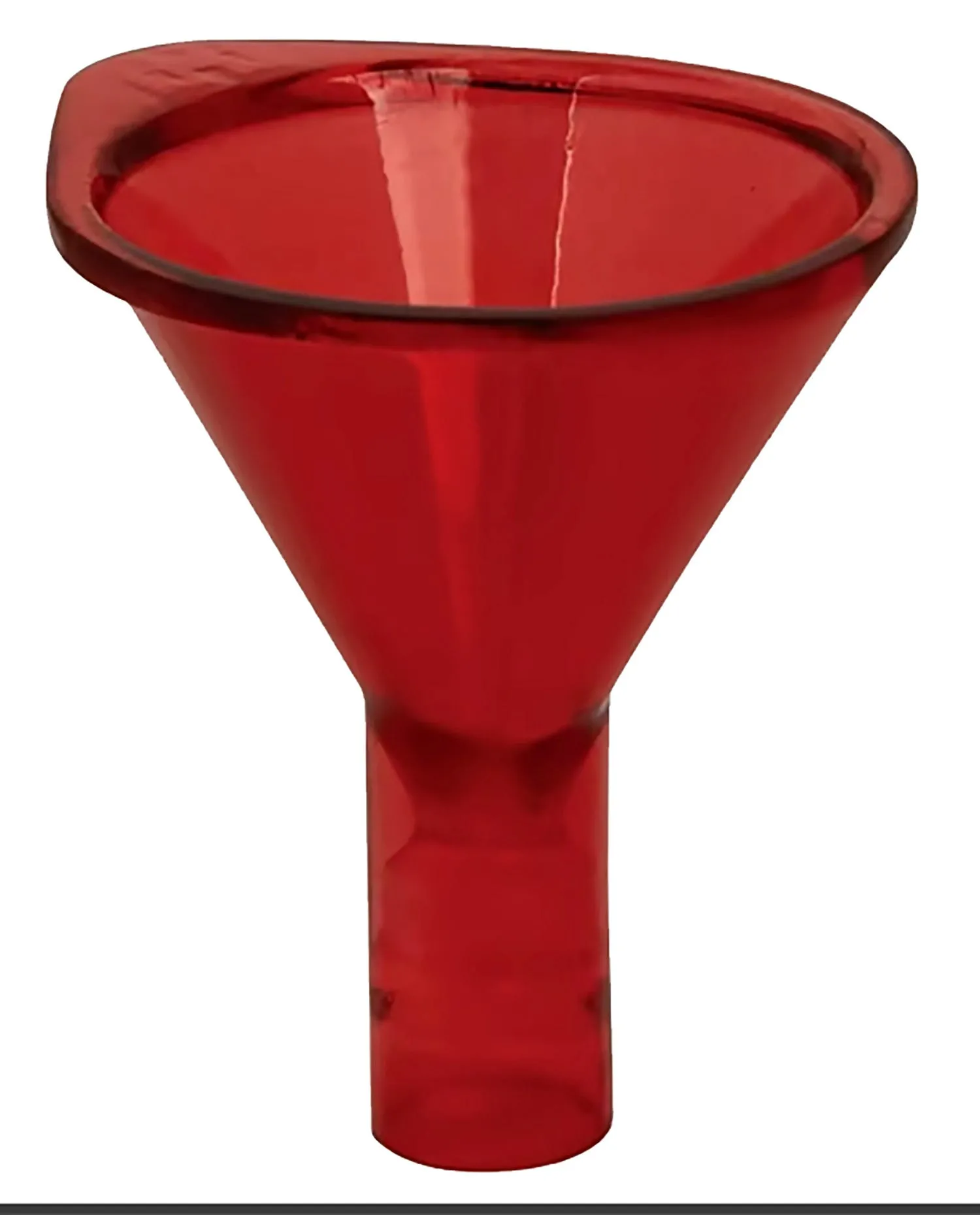
Hornady Basic Powder Funnel Red .22-.45 Calibers
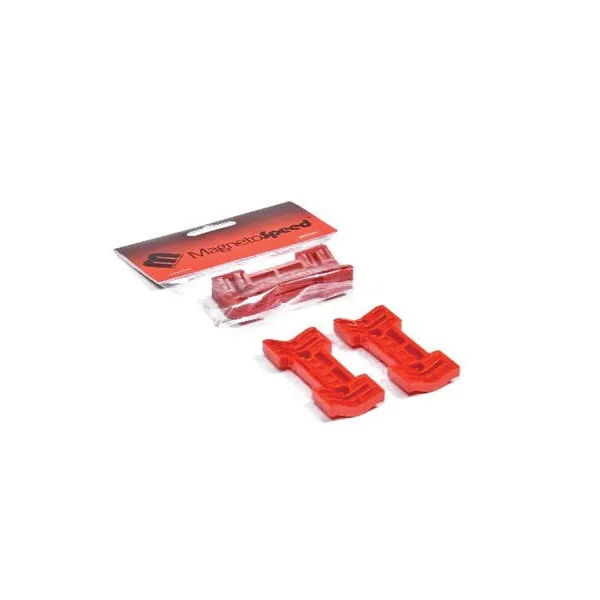
MagnetoSpeed Tapered Spacer Kit Red
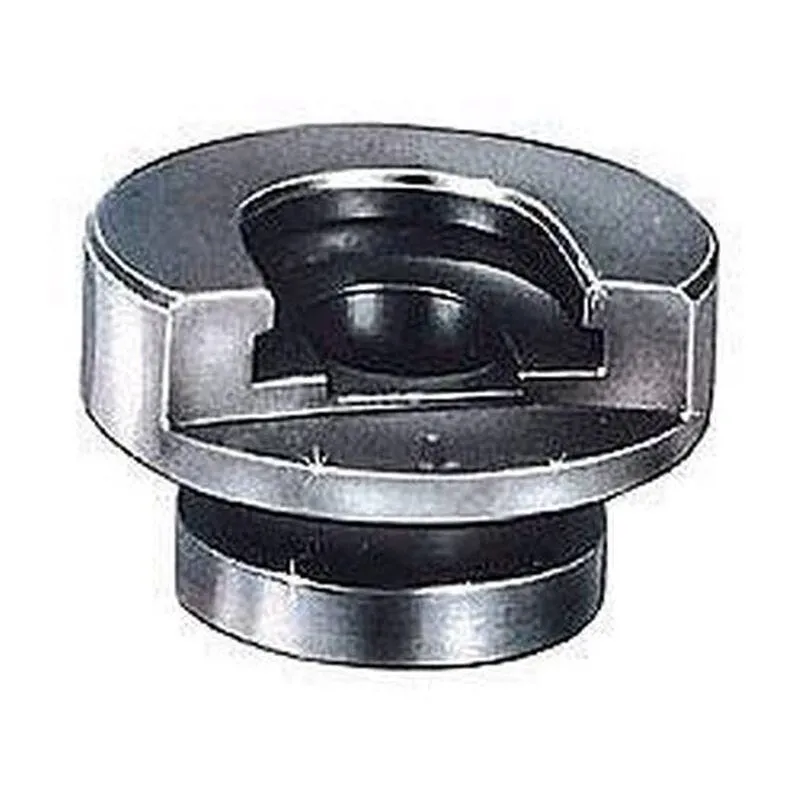
Lee Precision Universal Shell Holder Steel #19
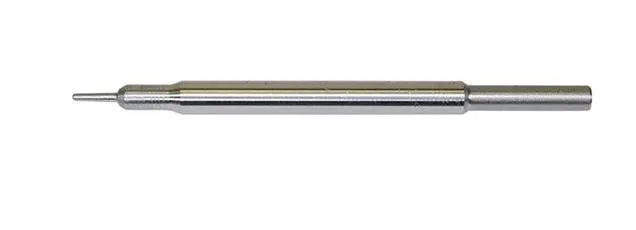
Lee Precision 45 Caliber Heavy Duty Guided Decapper
The non-negotiables that kits routinely omit:
| Item | Why it is mandatory |
|---|---|
| Caliper | You cannot verify case length or overall length without one. Our listings start around $30 for a usable digital caliper. |
| Current load manual | Cartridge-specific booklets start under $10; a full hardbound manual runs into the low twenties. Internet load data is not a substitute. |
| Shell holder | Cartridge-specific, a few dollars, and the press does nothing without the right one. |
| Case trimmer | Rifle brass grows. Pistol brass mostly does not. Skip it only if you are loading pistol. |
| Tumbler and media | Optional for function, useful for die life and for spotting case defects. |
Add it up and the honest answer is that any kit price on this page is roughly 70 to 85 percent of your actual day-one spend, before a single component.
Is any of this cheaper than just buying ammunition?
That depends entirely on what the cartridge costs today, which is the whole reason we treat it as a live number instead of a fixed one.
9mm Luger Price Index
Live · Oct 4, 20269mm is the hardest case for reloading, and the block above is why: it is the most abundantly manufactured centrefire cartridge in the world, and the floor sits low enough that your component cost has very little room underneath it. If you are loading 9mm purely to save money on range ammunition, run the numbers against the current 9mm deals and against our best 9mm ammo rankings before you buy a press. We worked the break-even arithmetic in detail in is reloading still cheaper than buying ammo.
Reloading pays back fastest on the opposite profile: expensive cartridges, magnum rifle rounds, obsolete chamberings, match loads tuned to one rifle, and anything that disappears from shelves during a supply shock. If you want to understand which cartridges are exposed to that, the forces behind ammunition price moves explain the pattern better than any single price does.
Two more honest filters. If you shoot rimfire, stop here — .22 LR cannot be reloaded, and the bulk .22 LR listings are already cheaper per round than you could load a centrefire for. And if your annual volume is low, the equipment never amortises; our piece on how many rounds it takes to get good is a useful reality check on whether you are actually a high-volume shooter or just intend to be.
Buy the kit, or buy the pieces?
Buy the kit. Not because kits are a bargain — piece-by-piece you can often match the contents for similar money — but because a kit guarantees the parts work together and that nothing is missing on bench day. The one exception is if you already own a press, in which case buying a kit to get a scale and a powder measure is paying twice for the expensive part.
Then budget a second purchase immediately: dies for your cartridge, a caliper, a manual, and the shell holder if it is not in the set. Browse the rest of the live ammunition listings while you wait for it all to arrive, because until you have powder and primers in hand, factory ammunition is still the only thing you can load a magazine with.
Get alerted when 9mm price drops hit.
We watch every listing and email you the moment the cost per round drops.
Set Up a Free Price AlertAmmoSpotter earns a commission when you buy through links on this page. It never changes what you pay, and it never decides what we recommend — our picks are ranked on live cost-per-round data pulled from every retailer we track. Full disclosure.
Frequently Asked Questions
What do you actually need to start reloading?+
How much does a reloading starter kit cost?+
Can I buy powder and primers online?+
Is a single stage or a progressive press better for a beginner?+
Do reloading kits include dies?+
How many rounds do you need to load before reloading pays for itself?+
Shop the data

About the author
AmmoSpotter Research Desk
Price & Ballistics Research
The AmmoSpotter Research Desk analyzes live retail pricing across every ammunition, firearm and accessory listing we track. Recommendations here are ranked against real cost-per-round data pulled daily from the retailers we monitor - not against manufacturer marketing copy.
- ✓Tracks 180,000+ live product listings across 6 retailer feeds
- ✓Records price history on every listing, every day
- ✓Cost-per-round methodology applied to all ammunition rankings
- ✓No product is ranked without a verifiable in-stock retail price
- ✓Affiliate relationships never influence rankings
Related Guides

Is Reloading Still Cheaper Than Buying Ammo? (2026 Break-Even Math)
Reloading used to be a single-sentence decision. Components cost less than loaded ammunition, so if you shot enough, you loaded your own. That arithmetic held for decades. It does not hold uniformly anymore, and the r...

How Many Rounds Does It Take to Get Good?
Almost every shooter is round-count constrained and almost none of them have written the number down. Ammunition is the actual budget line that determines how much you improve, and it is the one people plan least. So ...

Why Ammo Prices Move: The Five Forces Behind Every Spike
From the outside, ammunition pricing looks arbitrary. One cartridge climbs while another does not. A caliber that was plentiful in spring is thin by autumn. Prices rise fast and fall slowly. It is not arbitrary. Five ...

Best 9mm Ammo 2026: Range, Carry and Duty Loads Ranked
9mm Luger is the most-produced, most-competitive cartridge in the American market. That is good news and bad news: prices are low, and the sheer number of listings makes it easy to pay 30% more than you needed to for ...
Primer Types Explained: Small, Large, Pistol, Rifle and Magnum
A primer is a cup, a pellet of impact-sensitive compound and an anvil, and choosing the wrong one ranges from "wide velocity spreads" to "pierced primer and gas in your face." There are only a handful of types, the ch...

Best .22 LR Ammo 2026: Bulk, Match and Hunting on Live Prices
- .22 LR is the cheapest trigger time available, and it is not close. The live floor below is roughly what a single centerfire rifle round costs in loose change. - Bulk barely helps. Across our catalog the 50-round bo...