Is Reloading Still Cheaper Than Buying Ammo?
The answer is cartridge-specific, and it is decided by the live factory price you are trying to beat. Here is the break-even math, run against what ammunition actually costs today.

Reloading used to be a single-sentence decision. Components cost less than loaded ammunition, so if you shot enough, you loaded your own. That arithmetic held for decades.
It does not hold uniformly anymore, and the reason has nothing to do with reloading getting worse. Factory production volume has diverged enormously between cartridges. Some cartridges are now manufactured at a scale that no individual can approach on materials cost. Others are produced in small premium runs where the gap is as wide as it ever was.
So the question is no longer "is reloading cheaper." It is "is reloading cheaper than the specific number you are trying to beat." That number is knowable, it changes weekly, and it is what the rest of this article is built around.
What does a reloaded round actually cost?
Six inputs, and most people count four.
The projectile. Almost always the largest single line item, and the easiest to price because it is a catalogued product with a per-box price and a stated count. We track roughly 9,400 live reloading listings alongside the loaded ammunition catalog, so this input can be checked rather than estimated:
Projectiles We're Tracking Right Now
Prices updated Nov 18, 2026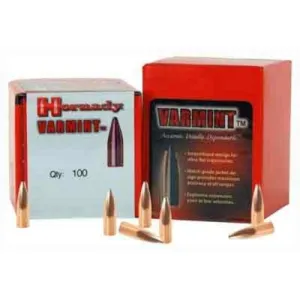
Hornady Varmint SP SX .22/.224 Cal 55gr Bullets (100/Box) 2265
55gr · 100 rds
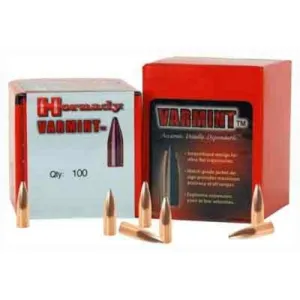
Hornady SP .22/.224 Cal 55gr Bullets w/Cannelure (100/Box) 2266
55gr · 100 rds
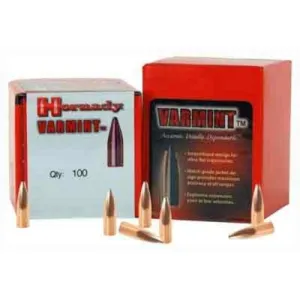
Hornady FMJ BT .22/.224 Cal 55gr Bullets w/Cannelure (100/Box) 2267
55gr · 100 rds
Hornady FMJ RN 9mm/.355 Cal 115gr Bullets (100/Box) 35557
9mm · 115gr · 100 rds
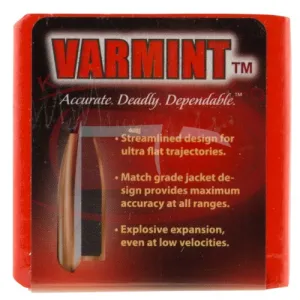
Hornady Varmint SP SX .22/.224 Cal 50gr Bullets (100/Box) 2240
50gr · 100 rds
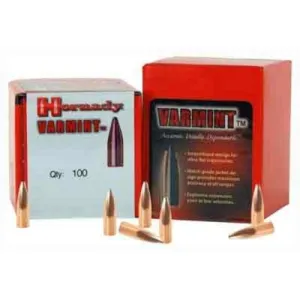
Hornady Varmint SP SX .22/.224 Cal 55gr Bullets (100/Box) 2260
55gr · 100 rds
Divide the box price by the count on the label — most centerfire rifle and pistol bullets ship in hundreds — and you have your largest component cost in the same unit as everything else.
Powder. Small per round, bought by the pound. A pound is 7,000 grains, so a charge weight divided into 7,000 gives you rounds per pound directly. This is the input where cartridge size shows up hardest: a magnum rifle charge burns through a pound several times faster than a pistol charge.
The primer. One per round, no substitutions, and historically the component that disappears first in a shortage. Price it at what you can actually buy it for today, not at what you remember paying.
Brass. Amortized across the number of times you will reload each case. This is the input people get wrong in both directions — assuming brass is free because they already have it, or assuming it is single-use because factory ammunition is. Neither is right. Case life varies with cartridge pressure, load intensity and how aggressively you size.
Then the two that get left out:
Equipment, divided by every round you will ever load. Your time, at whatever an hour is worth to you.
What number do you actually have to beat?
Not the sticker price on a box. The landed cost per round — box price plus shipping and any hazmat fee, divided by the round count. That is the figure factory ammunition genuinely costs you, and it is the only fair comparison target.
Cost Per Round Calculator
The only number that matters when comparing ammo. Shipping included.
If the mechanics of that calculation are new to you, cost per round explained covers the arithmetic and the places it goes wrong. The same discipline applies to your component costs: everything normalized to one round, shipping included, or the comparison is decorative.
Why the commodity cartridges are where reloading loses
Here is the live market for the two highest-volume centerfire cartridges. These are the numbers your component stack has to come in under.
9mm Luger Price Index
Live · Nov 18, 2026.223 / 5.56 NATO Price Index
Live · Nov 18, 2026Those floors are not the product of a sale. They are the product of continuous, enormous-volume manufacturing with automated case forming, bulk primer supply and packaging efficiency that a single-stage press on a bench cannot reproduce. When you price a projectile, a primer and a charge against the 9mm floor above, the margin is thin before you have amortized a single piece of equipment.
That does not mean nobody should load 9mm. It means the honest reason to load 9mm is that you already own the press for something else, or you want a specific load — not that it will pay for the press.
For what is worth buying at those factory prices, best 9mm ammo and best 5.56 and .223 ammo cover the loads; the 9mm caliber page carries the full live listing.
Rimfire is the extreme case of the same logic. You cannot reload it — the priming compound is applied inside the case rim at manufacture, and the case is not built to be resized and re-primed. There is no decision to make, which is exactly why .22 LR remains the cheapest way to shoot anything.
Where the math still works: the low-volume end
Now the other end of the catalogue.
6.5 Creedmoor Price Index
Live · Nov 18, 2026.30-06 Springfield Price Index
Live · Nov 18, 2026.357 Magnum Price Index
Live · Nov 18, 2026Compare those market averages against the handgun figures further up the page. These cartridges are produced overwhelmingly in premium loadings at modest volume — hunting bullets, match bullets, small production runs. There is no bulk practice tier holding the average down, so the gap between a component stack and a loaded box stays wide.
This is why the reloading community skews so heavily toward precision rifle, hunting chamberings and revolver cartridges. It is not tradition. It is where the arithmetic still clears. The effect gets more pronounced the further you go into magnum, large-bore and obsolete chamberings, where factory production is thinner still.
Hunting cartridges make the point sharpest: they are bought in twenty-round boxes, shot in small numbers, and priced as premium product. If your annual volume is genuinely low, though, note that a wide per-round gap on fifty rounds a year is still a small absolute saving. Best deer hunting ammo by caliber shows what the factory side of that trade looks like.
The break-even is a round count, not a price
This is the step that turns the question from an argument into a calculation.
Equipment is not a cost per round until you decide how many rounds it is spread across. A press, dies, a scale and the ancillary tools are a fixed total. Divide that total by your per-round saving and you get the number of rounds you must load before you are ahead. Nothing else about the decision matters as much.
What a Press Costs Today
Prices updated Nov 18, 2026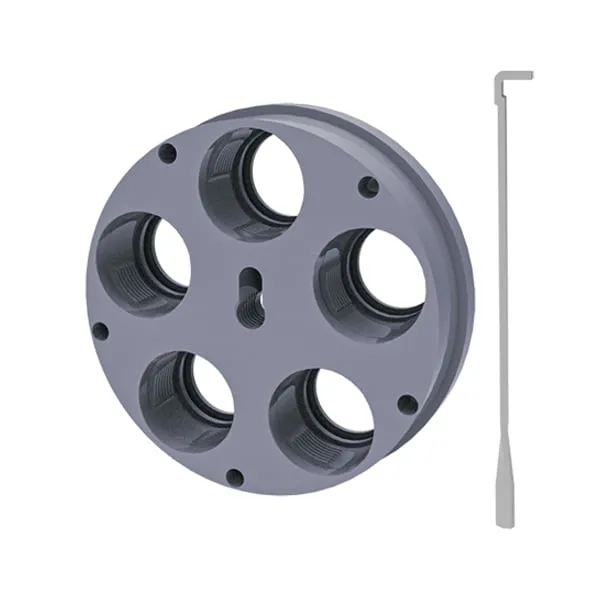
Lee Precision 5-Hole Ultimate Tool Carrier Silver for Ultimate Turret Press
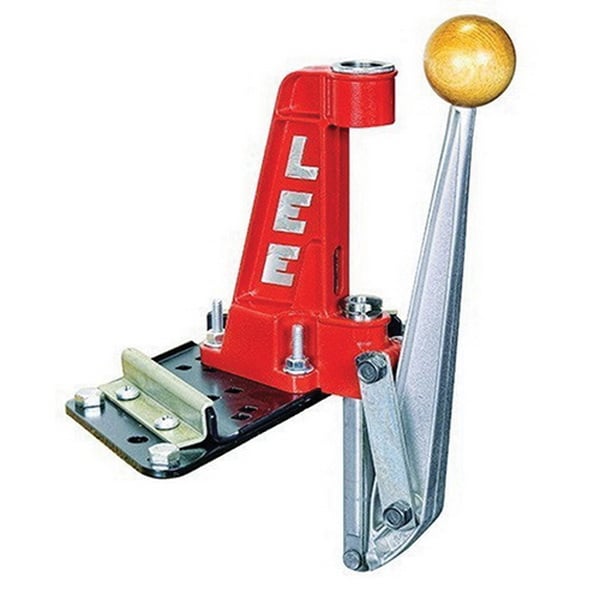
Lee Precision Breech Lock Reloader Press Red Ambidextrous for 7/8x14 Threaded Dies
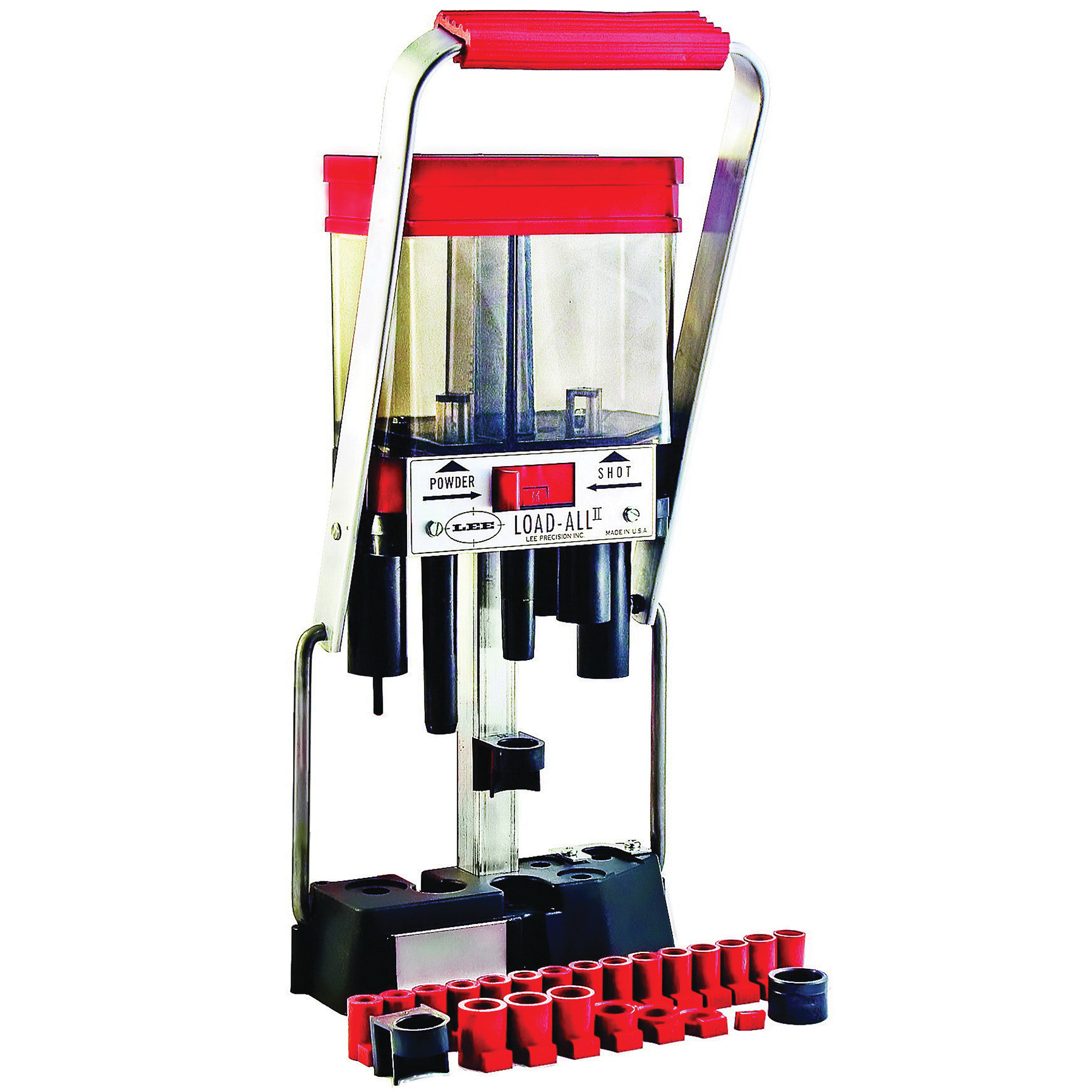
Lee Precision Load-All II Shotshell Reloader Red 16 GA for 2.75 / 3 Shells
16 Gauge
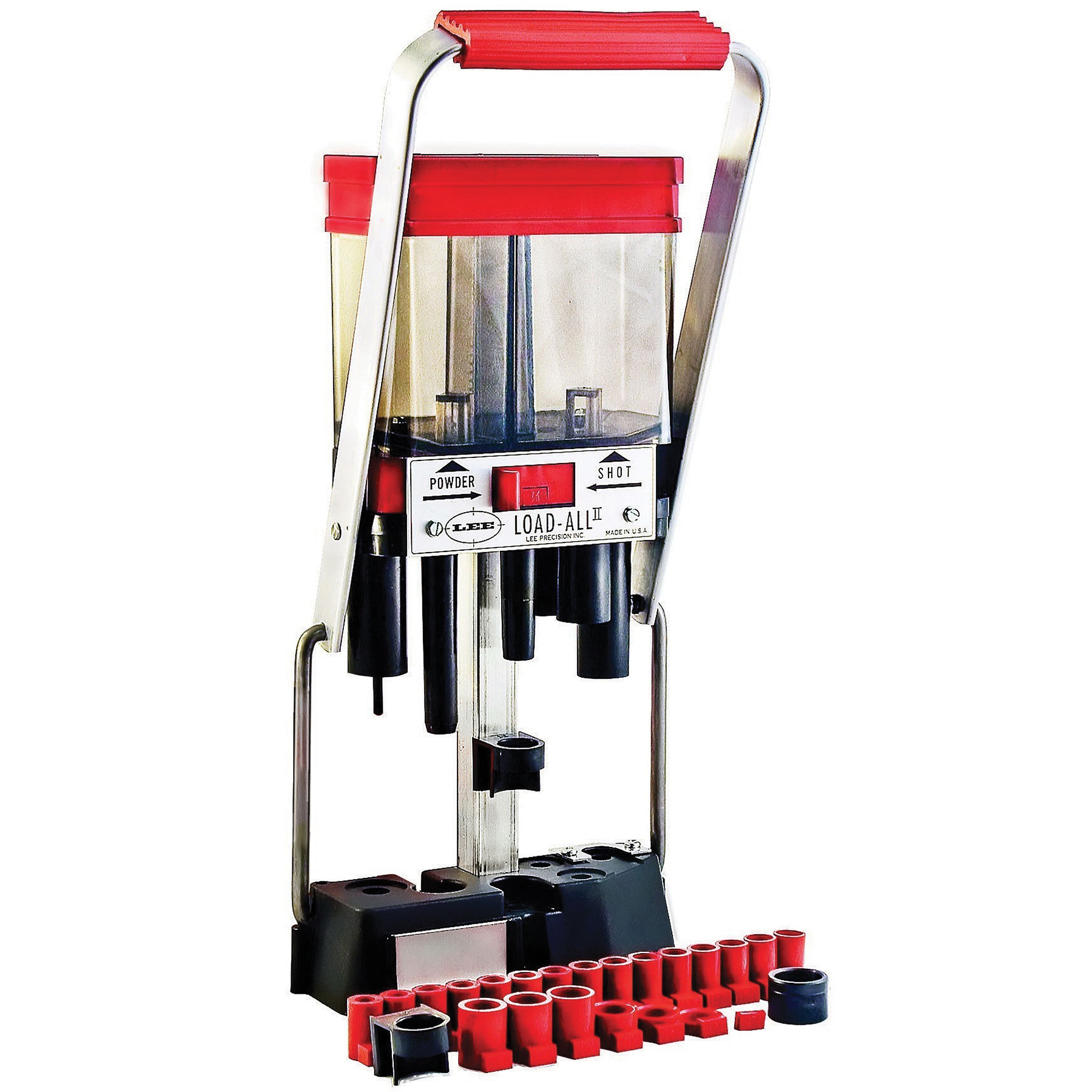
Lee Precision 20 Gauge Load All II Reloader Built in Primer Catcher 90012
20 Gauge
Run it in that order and the trap becomes obvious: the cartridges with the cheapest factory ammunition give you the smallest per-round saving, so they demand the largest round count to justify the same gear. A setup that pays for itself quickly loading .30-06 may never pay for itself loading 9mm, using the identical equipment.
Two more honest adjustments. Consumables — brass, tumbler media, lube, the odd broken decapping pin — are real and recurring. And a single-stage press and a progressive press produce the same ammunition at very different rates, which matters mostly through the next input.
Does your time count as a cost?
If the question is whether reloading saves money, yes.
Case prep, priming, charging and seating take hours. Those hours have an opportunity cost whether or not money changes hands. Price them at anything above zero and the commodity-cartridge case collapses immediately; price them at zero and you have stopped answering the question you asked.
The cleaner framing: if you enjoy the process, reloading is a hobby that partially pays for itself. That is a perfectly good reason to do it. It is just a different claim from "reloading is cheaper," and conflating the two is how people end up with a bench full of equipment and no savings.
If you are trying to work out what volume you actually shoot before committing, how many rounds it takes to get good is the more useful starting point than any equipment list.
What about shortages and supply independence?
This is the argument that survives the arithmetic.
A reloader with components on the shelf keeps shooting when the shelves are empty, and during a surge the binding problem is usually availability rather than price. That has genuine value which never shows up in a per-round figure.
Two caveats. Primers are typically the first component to vanish, so the hedge is only as strong as your primer stock — component supply is not independent of the same forces described in why ammo prices move. And your fired brass is an asset only if you keep it, which is the strongest argument against steel-cased practice ammunition for anyone who loads: see steel case vs brass ammo.
Components have their own shipping rules
Powder and primers are regulated as hazardous materials for shipping, which typically means a hazmat fee and carrier restrictions that do not apply to loaded ammunition. Some states and localities impose additional limits on quantity, storage or purchase.
The general rule is that a component order can carry a surcharge large enough to change your break-even, so include it in the landed cost the same way you would for factory ammunition. Specific requirements vary by jurisdiction and change; verify the current rules for your address before you order rather than relying on what was true last season. The same checking discipline covers loaded ammunition — ammo shipping restrictions walks through how to confirm it.
How to settle this for your cartridge in one sitting
- Price your component stack per round: projectile, primer, powder charge, brass divided by expected case life.
- Pull the live factory floor for the same cartridge from the price index above, and add shipping to get the landed number.
- Subtract. That difference is your per-round saving — or your per-round loss.
- Divide your equipment total by that difference. That is your break-even round count.
- Compare it against what you honestly shoot in a year, then decide whether the payback period is one you care about.
If the answer comes out negative, that is useful information, not a failure. It means the market is doing the job for you on that cartridge, and the money is better spent on volume than on a bench.
Get alerted when 9mm price drops hit.
We watch every listing and email you the moment the cost per round drops.
Set Up a Free Price AlertWe do not test ammunition ourselves and we do not publish load data — what we do is track price, across retailers, with history behind it. How we rank ammunition sets out what that means and what we refuse to claim. To check the factory side of your own break-even, start with all tracked ammunition sorted by cost per round.
AmmoSpotter earns a commission when you buy through links on this page. It never changes what you pay, and it never decides what we recommend — our picks are ranked on live cost-per-round data pulled from every retailer we track. Full disclosure.
Frequently Asked Questions
Is reloading cheaper than buying ammo in 2026?+
How many rounds do you have to load to break even on reloading equipment?+
Can you reload .22 LR?+
Does reloading save money on 9mm?+
Should I include my time in the cost of reloading?+
Is reloading worth it for load development rather than cost?+
Shop the data

About the author
AmmoSpotter Research Desk
Price & Ballistics Research
The AmmoSpotter Research Desk analyzes live retail pricing across every ammunition, firearm and accessory listing we track. Recommendations here are ranked against real cost-per-round data pulled daily from the retailers we monitor - not against manufacturer marketing copy.
- ✓Tracks 180,000+ live product listings across 6 retailer feeds
- ✓Records price history on every listing, every day
- ✓Cost-per-round methodology applied to all ammunition rankings
- ✓No product is ranked without a verifiable in-stock retail price
- ✓Affiliate relationships never influence rankings
Related Guides

Is Reloading Still Cheaper Than Buying Ammo? Run the Numbers
Reloading used to be a straightforward economic decision. It is not anymore, and the reason is that factory ammunition production volume has diverged enormously between cartridges. The honest 2026 answer: reloading sa...

Cost Per Round: The Only Ammo Price Metric That Matters
There is exactly one reason ammunition is hard to price-compare: it is advertised in boxes and consumed in rounds. Box counts are not standardized. A "box" of 9mm might be 50 rounds. A "value pack" might be 100, or 11...

Bulk vs Box: How Much You Actually Save Buying a Case
The standard advice is to buy by the case because bulk is cheaper. We track every live ammunition listing we can get, normalized to cost per round, so we tested that advice against the data instead of assuming it. The...

Steel Case vs Brass Case Ammo: What You Actually Give Up
Steel-cased ammunition occupies a strange place in shooting culture: universally used, frequently condemned, rarely analyzed. The honest position is narrower than either camp claims. Steel is cheaper. It is cheaper fo...
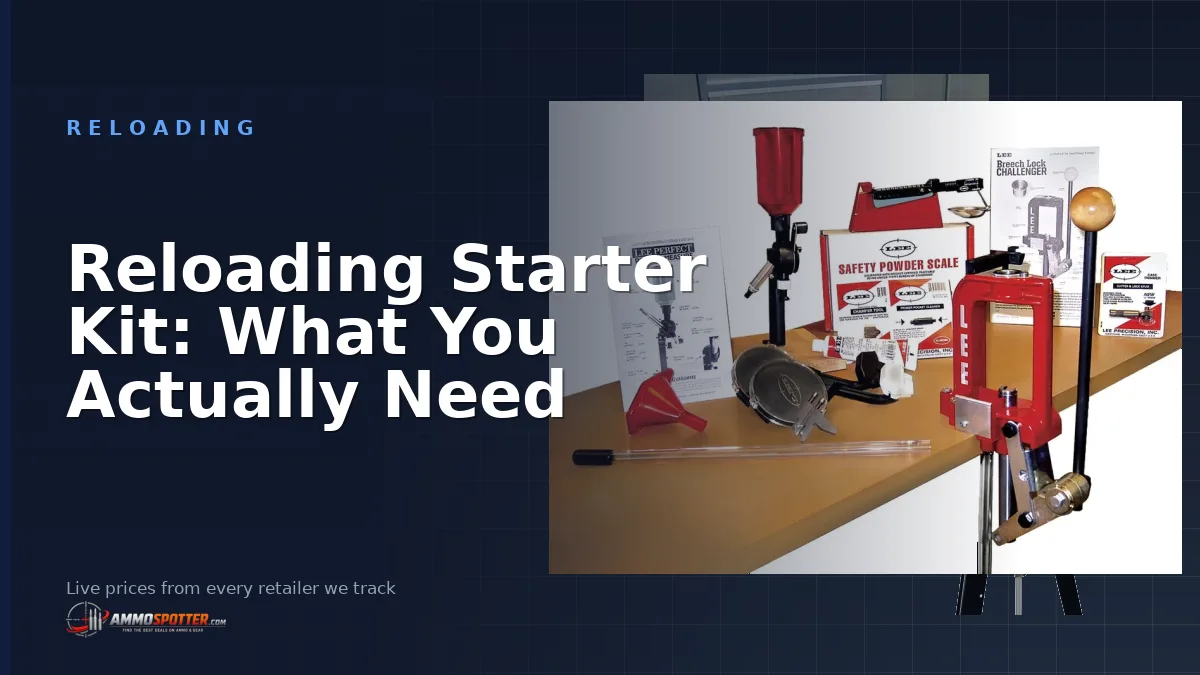
Reloading Starter Kit 2026: What You Actually Need, Priced From Our Catalog
Reloading starter kits are packaged to look like the complete answer. Open the box, bolt the press down, start making ammunition. That is not how it goes, and the gap between the kit price and the money you actually s...
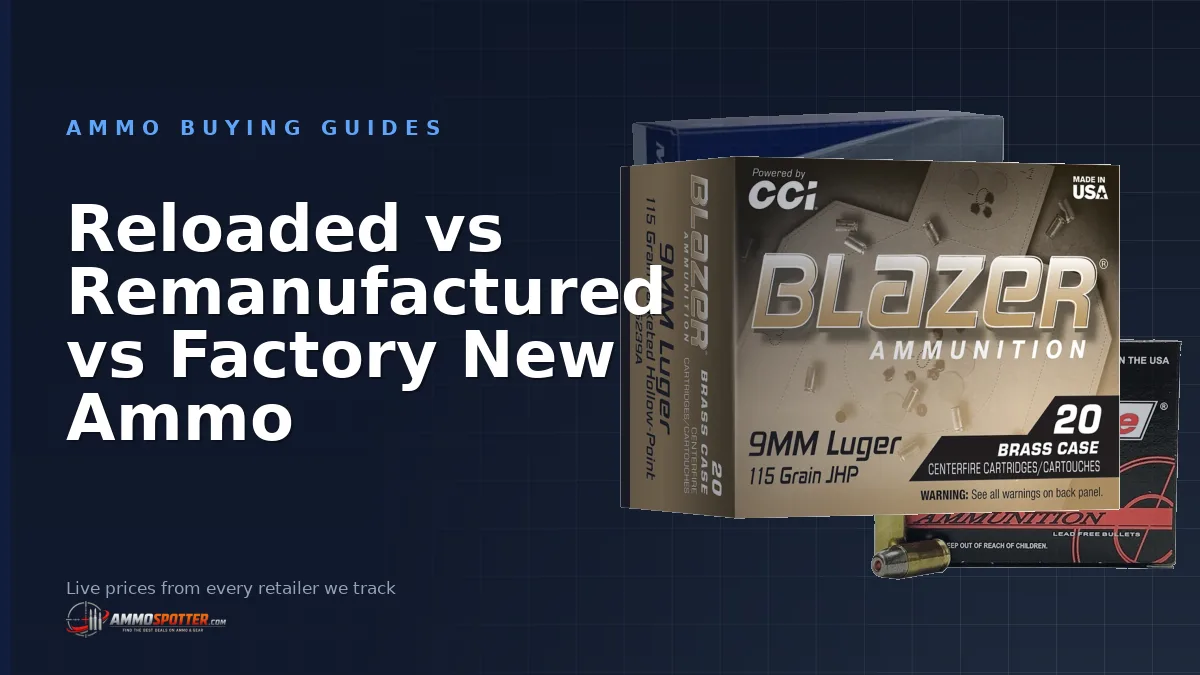
Reloaded vs Remanufactured vs Factory New Ammo: What the Discount Has to Beat
- Reloaded means assembled by an individual. Remanufactured means reloaded commercially from fired brass. Factory new means every component, including the case, is new. - Remanufactured ammo has one selling point, pri...