Brass Prep Explained
What each prep step does, what the tooling actually costs on today's shelf, and why an empty .308 case prices out at almost exactly the same as a complete loaded round.
Brass prep is the part of reloading that nobody puts in the starter kit photo. The press is the glamour item, the primer is the component everybody argues about, and the case is the thing you quietly reuse — which is exactly why it deserves a price tag.
So here is the number that frames everything below. The cheapest new, empty, unprimed .308 Winchester case we track in a 50-count pack works out to $0.644 per case. The cheapest complete loaded .308 round in our index is $0.650. You are paying the same money for an empty piece of brass as for a finished cartridge with a primer, powder and a bullet in it.
What does an empty case actually cost?
This is the question our data can answer and a gear review cannot. For each cartridge below, the left column is the cheapest new unprimed case we currently track in a shoppable 50- or 100-count pack; the right is what the cheapest complete loaded round costs in our live index.
| Cartridge | Cheapest new case | Cheapest loaded round | Case as share of a loaded round |
|---|---|---|---|
| 7.62x39mm | $0.462 | $0.350 | 132% |
| .308 Winchester | $0.644 | $0.650 | 99% |
| .30-06 Springfield | $0.766 | $0.850 | 90% |
| 9mm | $0.204 | $0.240 | 85% |
| .223 Remington | $0.342 | $0.450 | 76% |
| 6.5 Creedmoor | $0.702 | $0.950 | 74% |
| .300 Blackout | $0.492 | $0.700 | 70% |
| .40 S&W | $0.250 | $0.361 | 69% |
| .38 Special | $0.246 | $0.420 | 59% |
| .357 Magnum | $0.253 | $0.540 | 47% |
.308 Winchester Price Index
Live · Oct 22, 2026The 7.62x39mm row is the one to sit with. A new brass case for it costs a third more than a loaded cartridge, because the cheap end of that market is imported steel-cased ammunition that was never built to be reloaded — the same mechanism we unpicked in steel-cased versus brass ammunition.
Two caveats, stated rather than buried. Volume changes the rifle picture sharply and the handgun picture barely at all: .308 drops to about $0.465 per case in a 2,000-count box and .30-06 to about $0.460 at 1,500, a saving of roughly 30–40% per case, and .223 falls to about $0.260 at 3,500. Compare that with 9mm, which only drops from $0.204 to $0.177 between a 100-count bag and a 6,000-count box. And the loaded-round figures are index floors, which our widget calculates from the third-cheapest listing rather than the single cheapest, so a grid sorted by cost per round can show one row below the stated floor.
There is one more way to get brass, and our catalog shows how thin it is. Across every listing we track there are exactly five once-fired, reconditioned or ready-to-load brass products. Where they exist they are genuinely cheaper — a 500-count box of reconditioned 9mm works out at $0.089 per case, well under half the cheapest new 9mm brass above. But five listings is not a market. Most once-fired brass changes hands outside the retail feeds we aggregate, which is precisely why knowing how to prep it yourself has value.
Unprimed Brass Listings, Cheapest First
Prices updated Oct 22, 2026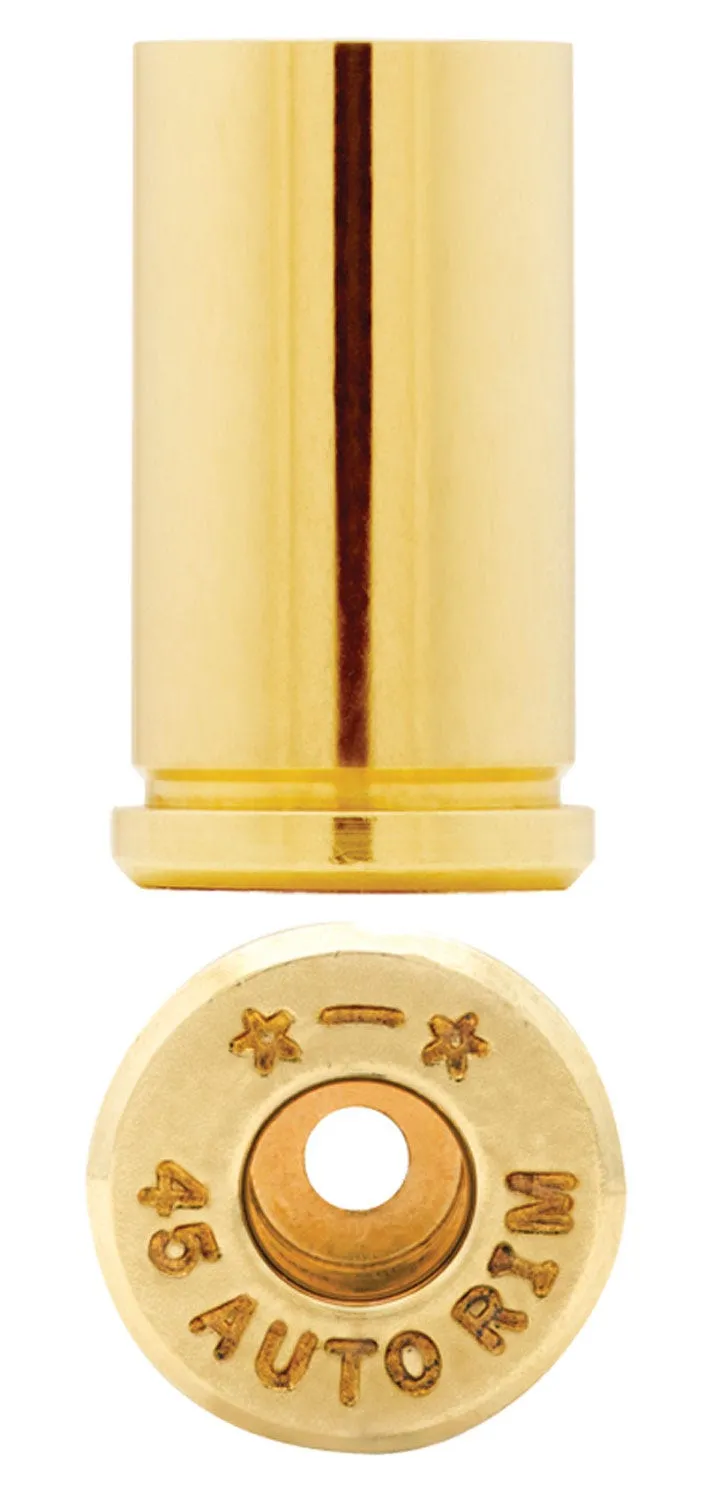
Starline Brass Handgun 45 Auto Rim Unprimed Brass 50 Rounds
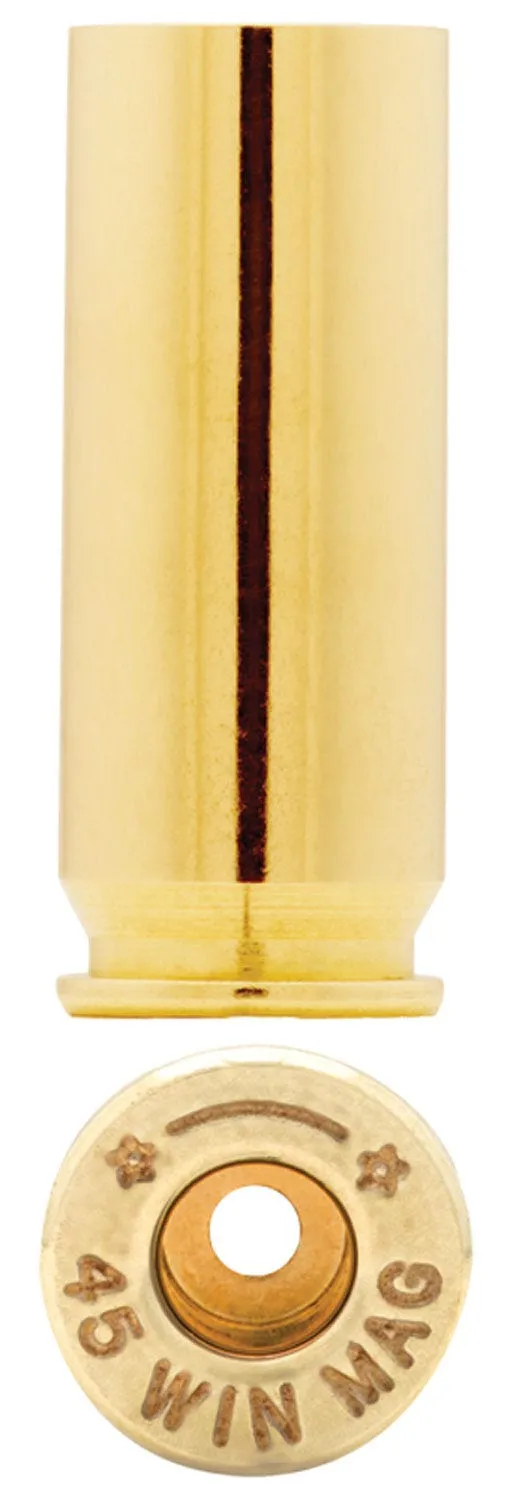
Starline Brass Handgun 45 Winchester Magnum Unprimed Brass 50 Rounds
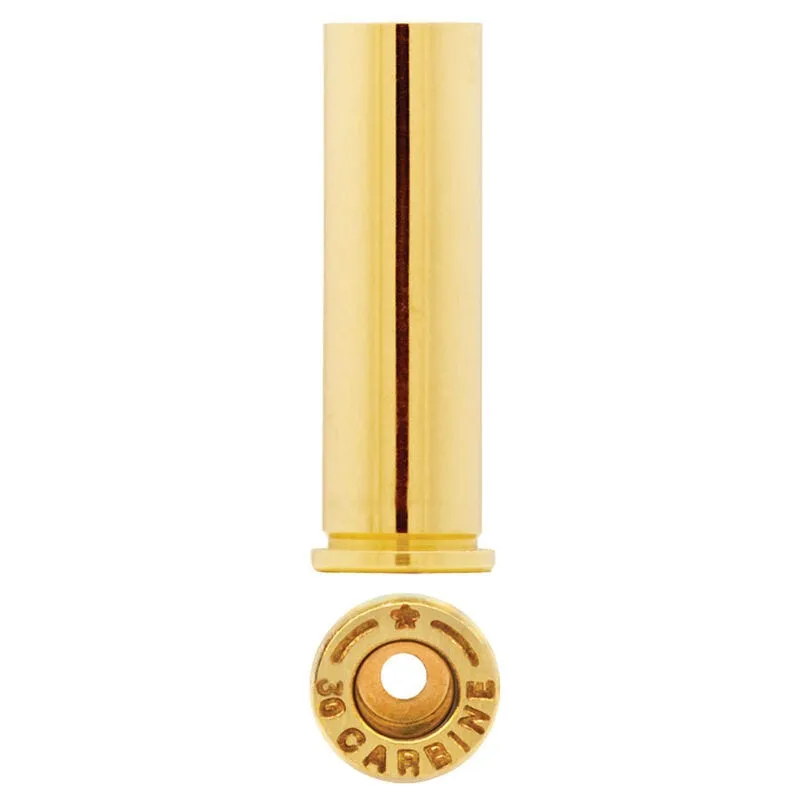
Starline .30 Carbine Unprimed Rifle Brass Cases 50 Count 30CAREUP-50
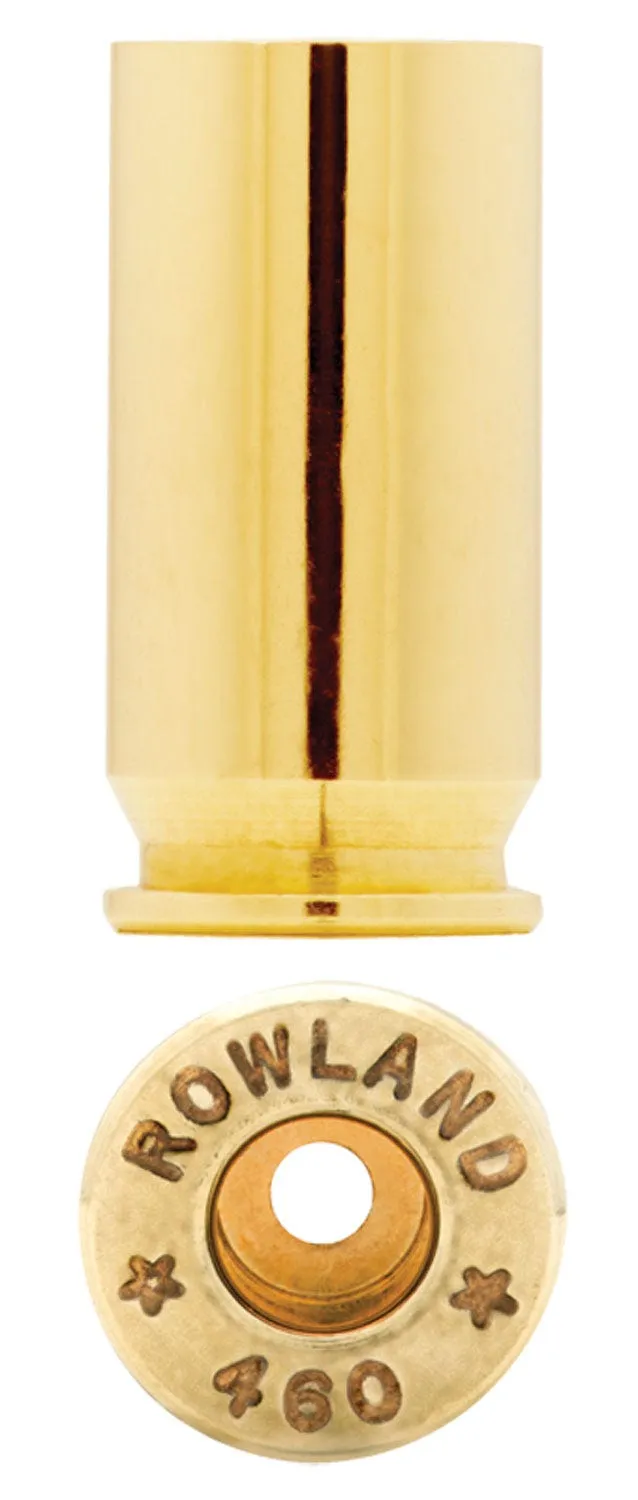
Starline Brass Unprimed Cases 460 Rowland 50 Rounds Star460RowEU
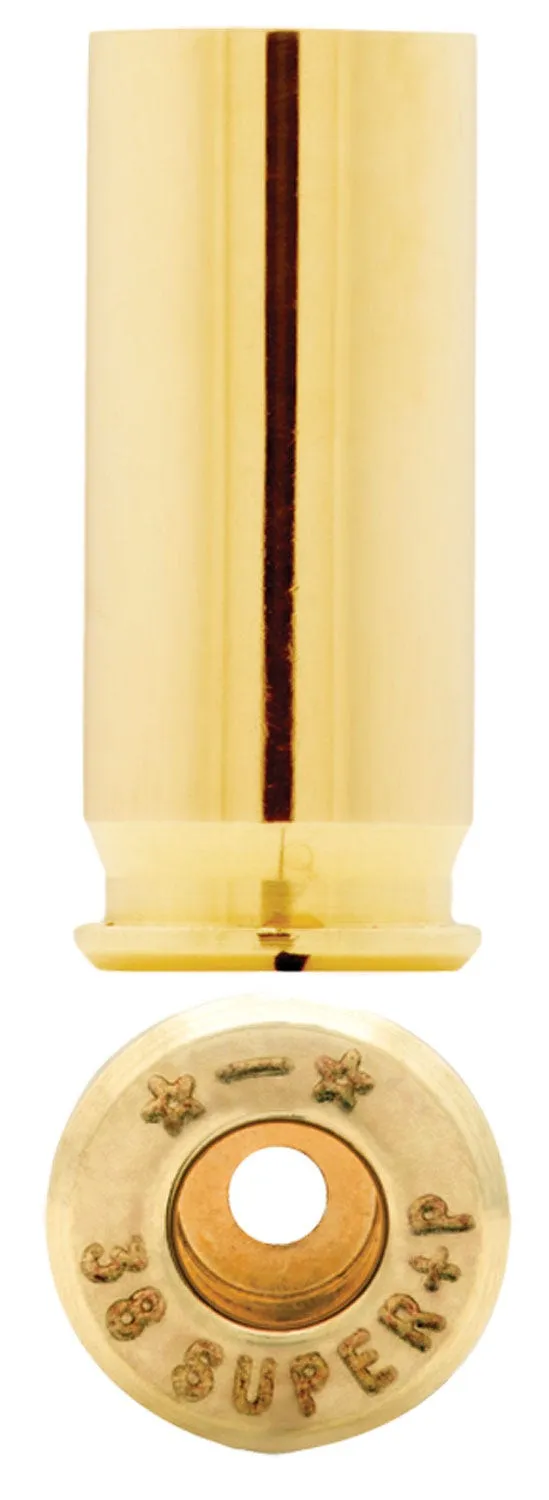
Starline Brass STAR38SUP+PE 38 Super +P Handgun Brass 100 Per Bag
.38 Super
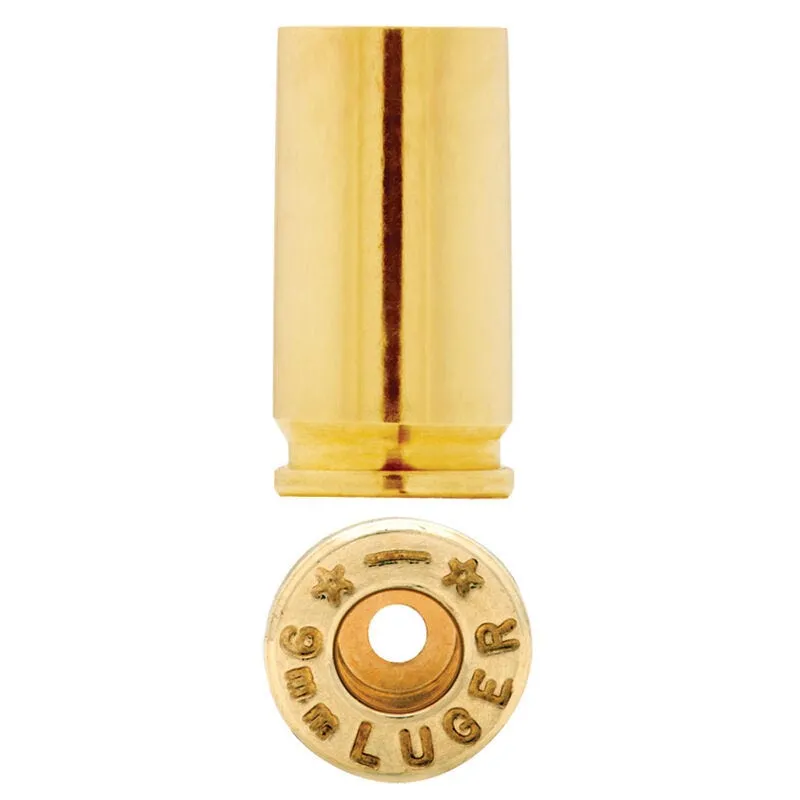
Starline 9mm Luger Unprimed Brass Cases 100 Count 9EUP-100
Sizing: the one step no reloaded case skips
Firing expands a case to fit your chamber. Sizing pushes it back to a dimension that will chamber again and grip a bullet. Everything else in this article is optional in some circumstance; this is not.
The decision is how much of the case you work. A full-length die squeezes body, shoulder and neck back toward factory spec. A neck-sizing die touches the neck only and leaves the fired body fitted to the chamber that made it. Neck sizing is kinder to brass and suits one bolt gun; full-length sizing is what you need if the ammunition has to work in two rifles, or in anything semi-automatic.
Our catalog prices that choice at close to nothing. Full-length sizing dies run from about $35.59 with a median near $57.29. Neck-sizing dies have a lower median, around $25.99, and the interchangeable neck bushings that bushing-style dies use sit near $22.99 each. The decision is about your rifles, not your wallet.
Die Listings, Cheapest First
Prices updated Oct 22, 2026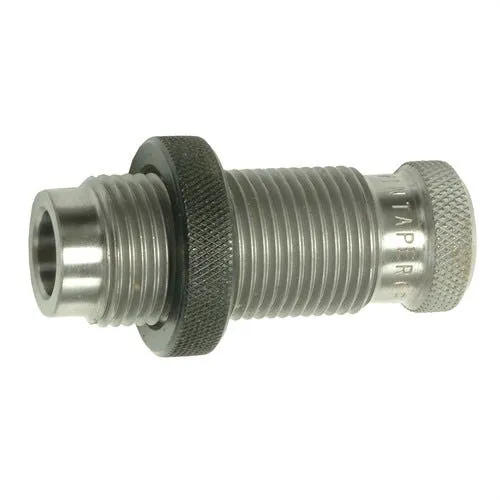
Redding Series A Taper Crimp Die for Straight Wall Cases 10mm Only
10mm Auto
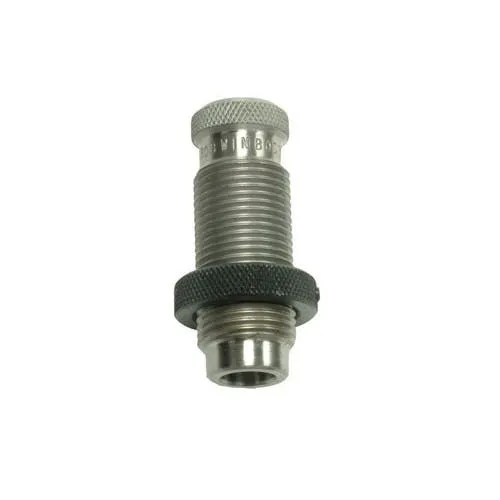
Redding Reloading Body Die .28 Nosler Steel
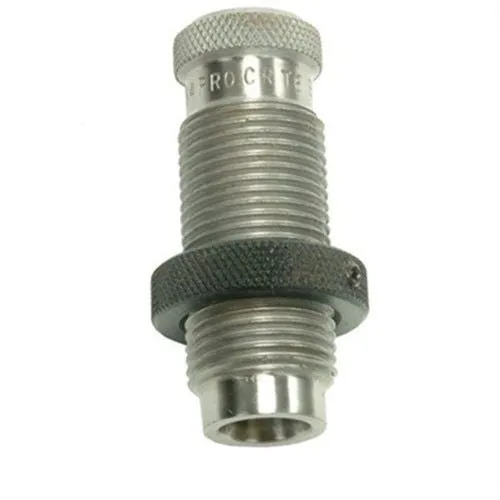
Redding Reloading Profile Crimp Die 38 Special/357 Magnum
.38 Special
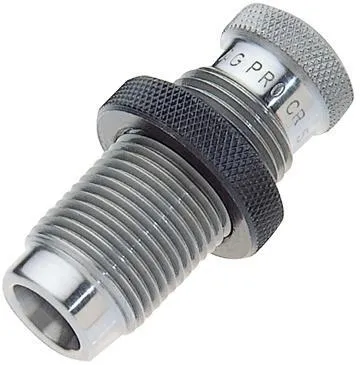
Redding Reloading Profile Crimp Die .45 Colt / .454 Casull
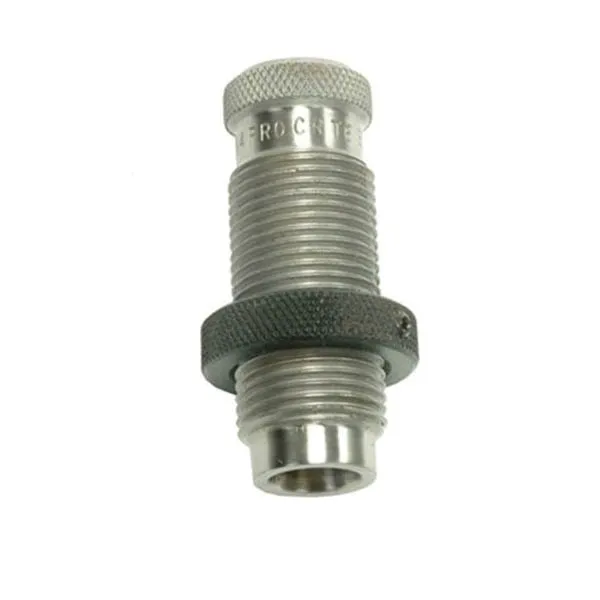
Redding Reloading Profile Crimp Die .44 Mag / .44 SPC
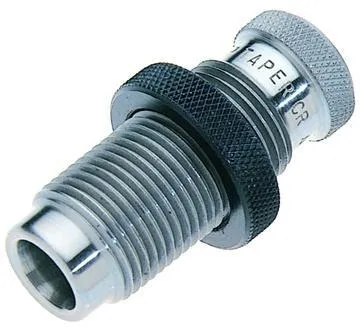
Redding Reloading Series A Taper Crimp Die .45 ACP for Straight Wall Cases
Read that grid carefully, because it is honest about something: cheapest-first, the dies you see first are crimp and body dies, not sizers. Sizing dies start higher. And dies are per cartridge — the same per-cartridge multiplication that makes a reloading starter kit cost more than its headline figure.
Sizing also needs lubricant, or you will stick a case in the die and spend an evening extracting it. Case lube listings start at $4.29 with a median around $12.79. It is the cheapest insurance on the bench.
Trimming: which cartridges force it, and why the price list lies
Bottleneck rifle cases stretch forward each time they are fired and full-length sized. Eventually they exceed the maximum case length for the cartridge, and a long case can jam into the end of the chamber and raise pressure. Straight-wall handgun brass barely moves, which is why plenty of pistol loaders own a case length gauge and have never owned a trimmer.
Now the trap. We track 142 live listings matching trimmer searches, priced from $4.29 to $699.99 — but the median is $7.99, and that median is meaningless. The cheap rows are cartridge-specific bushings and pilots: consumables for a trimmer you already own. Filter them out and the real ladder is roughly $5 for a drill-driven cutter, about $22 for a press-mounted hand tool, $140–$190 for a manual lathe, $160 for a powered bushing-indexed unit, and $600–$700 for the two top machines. The dearest trimmer we list costs about 140 times the cheapest genuine one, and both cut brass to the same number.
The Trimming Ladder, Cheapest to Dearest
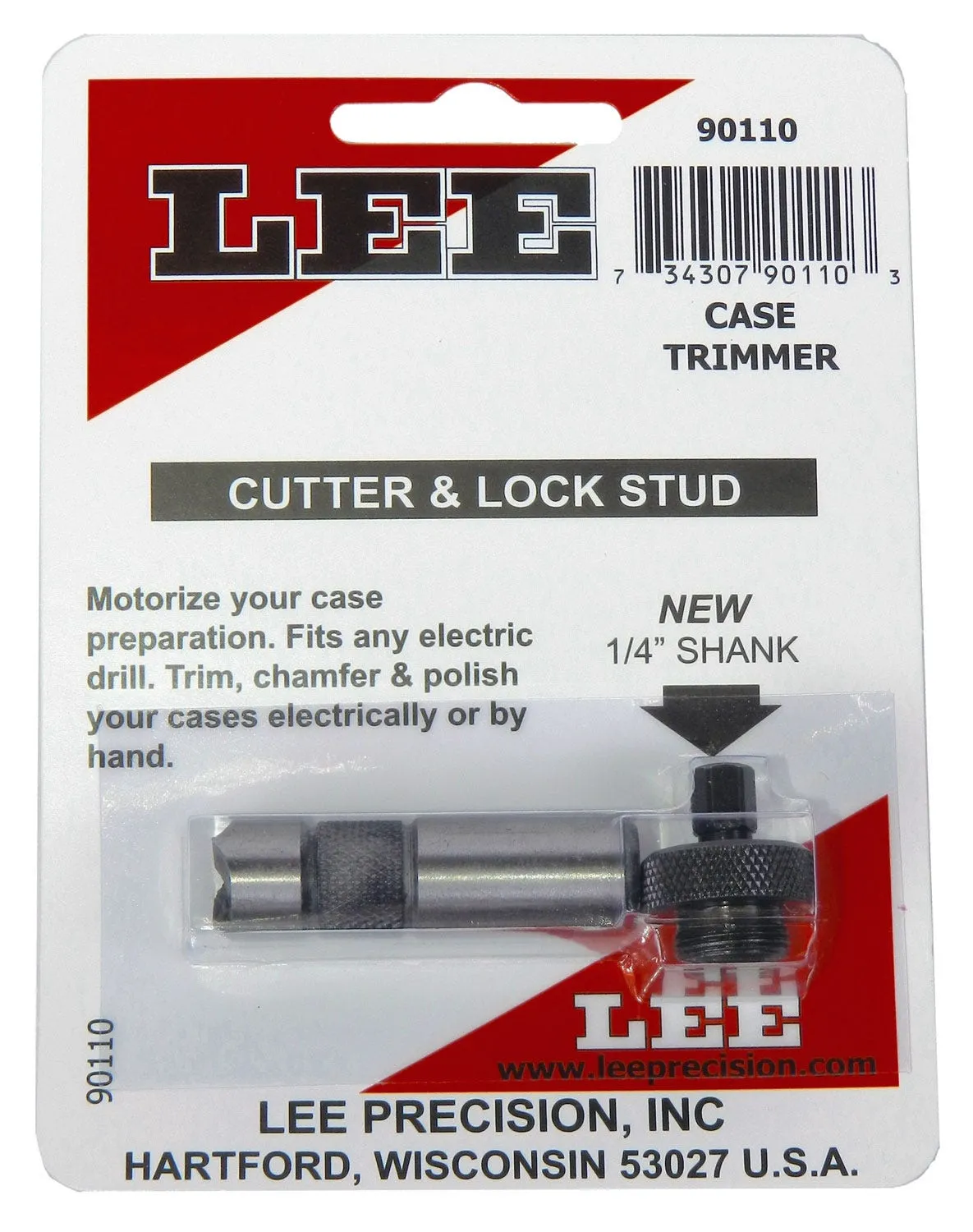
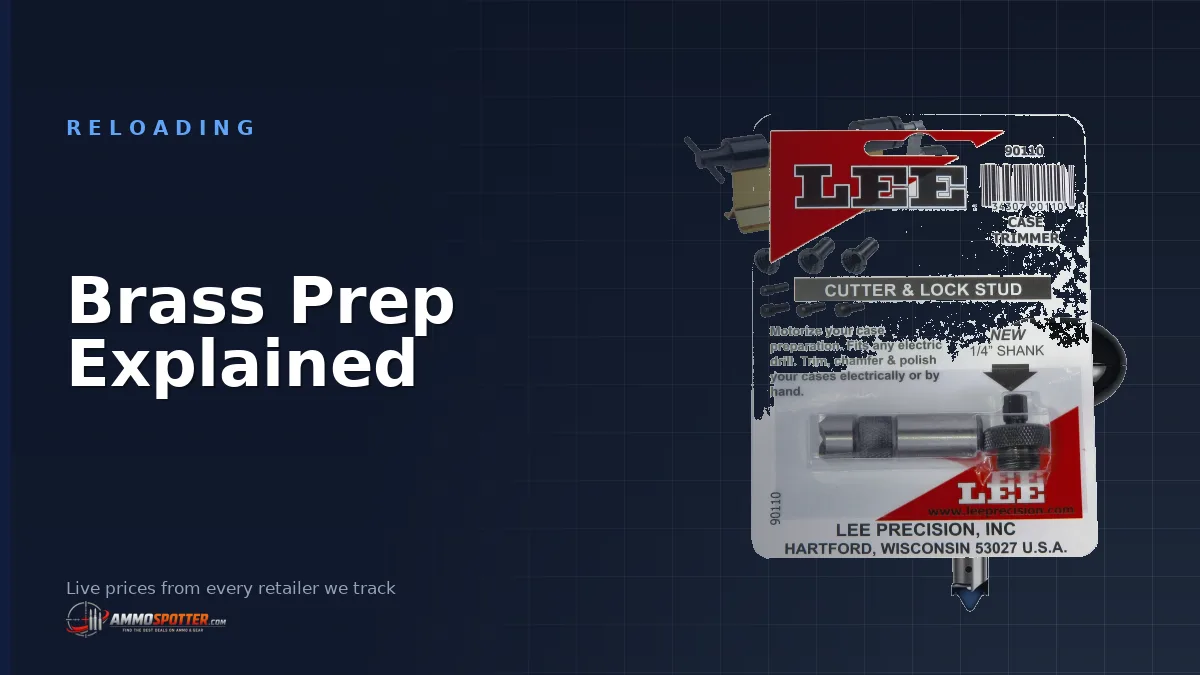
Lee Precision Cutter & Lock Stud For Brass Less Than .475
Lee's cutter and lock stud. It chucks into a drill or turns by hand, and it references case length off a separate per-cartridge gauge rather than off an adjustable stop — so the tool is cheap and you buy a gauge for every cartridge you load. Those gauges run a few dollars each on our shelf. Slow, fiddly, dimensionally fine.
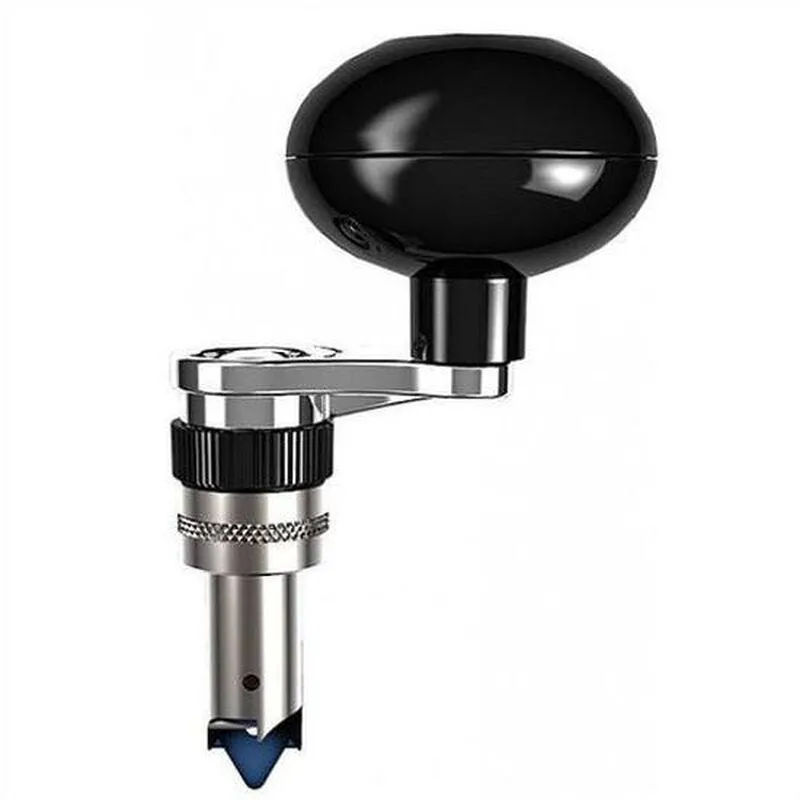
Lee Precision Deluxe Quick Trimmer Hand Tool For Lee Quick Trim Dies Steel 90437
Lee's Deluxe Quick Trimmer. Takes a Quick Trim die per cartridge, which sits in the press and indexes off the shellholder, so trimming becomes one more pull of the handle. The dies are the recurring cost here, not the tool.
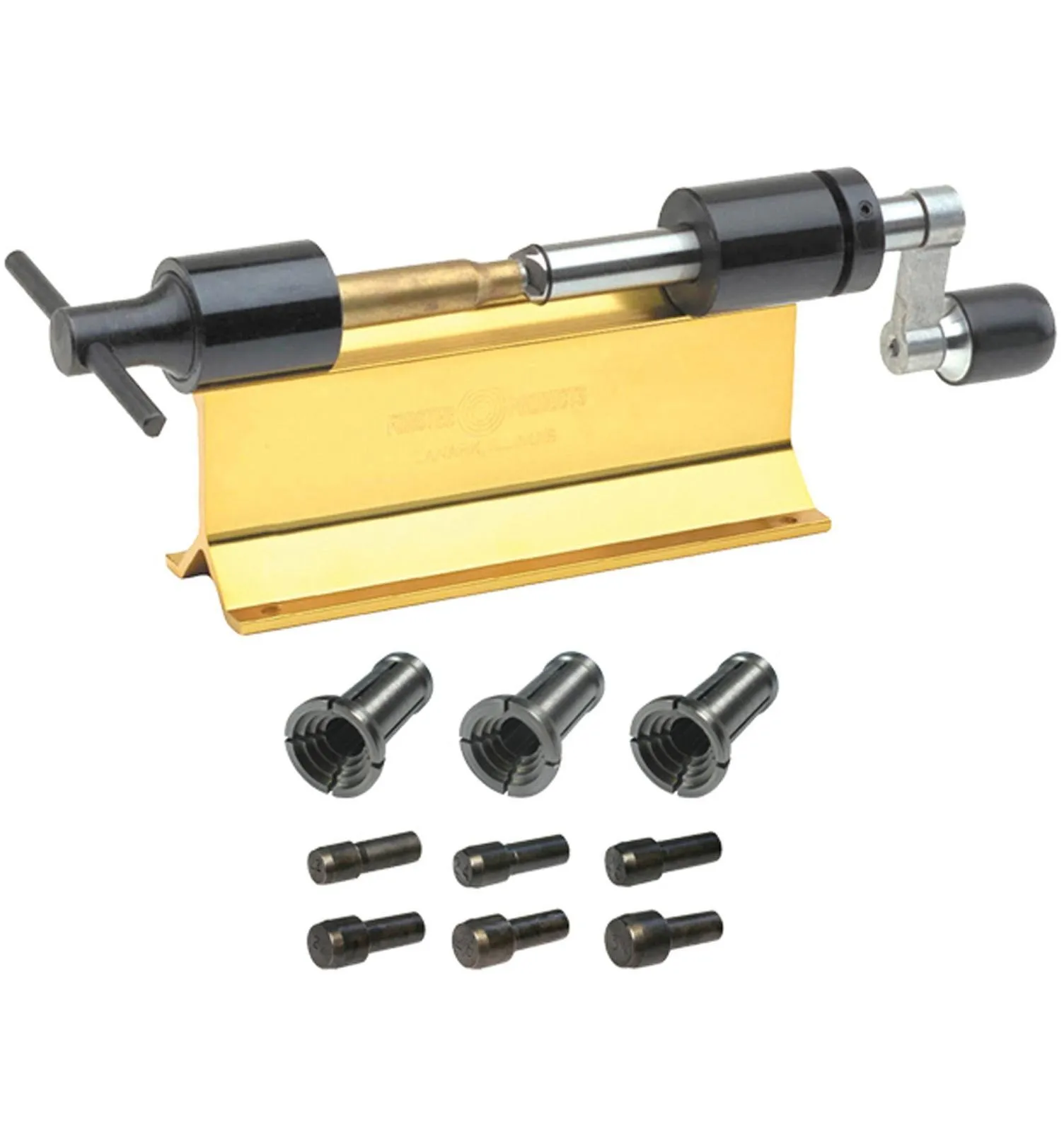
Forster Products Original Case Trimmer Kit with 6 Pilots / 3 Collets
Forster's Original Case Trimmer kit, supplied with six pilots and three collets. This is the manual-lathe class of trimmer: slower per case than anything powered, but it holds the case on its shoulder and most people's concentricity complaints disappear at this tier. Buy once, add pilots per caliber.
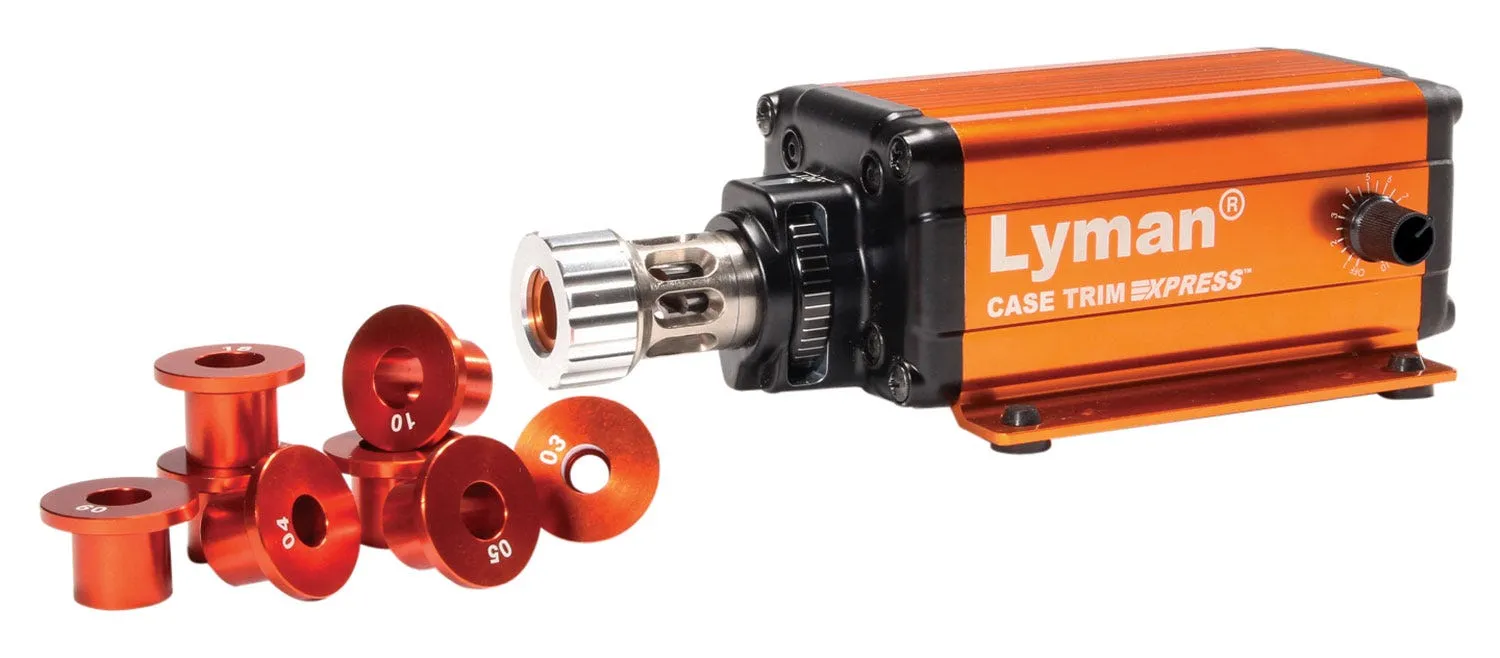
Lyman Brass Smith Case Trim Xpress Orange
Lyman's Brass Smith Case Trim Xpress. Trim-to-length is set by a cartridge-specific bushing rather than by adjusting the tool, which is fast and repeatable — and means a few dollars of consumable per new cartridge you add. Those bushings are the cheapest rows in our whole trimmer search, which is exactly why a price-sorted trimmer list is misleading.
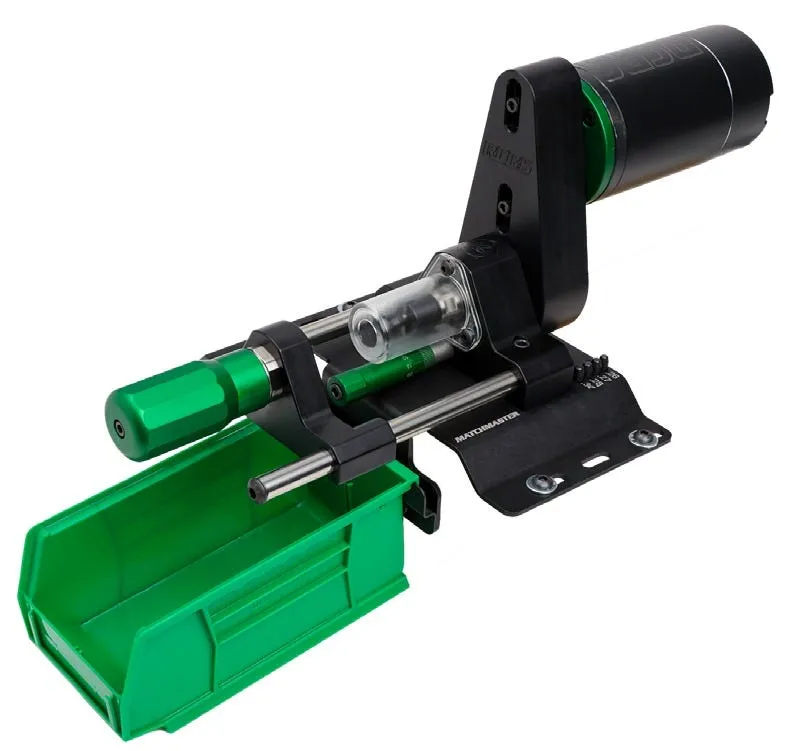
RCBS MatchMaster Precision Case Trimmer Black / Green 22-30 Cal
RCBS MatchMaster, covering .22 through .30 calibre. The dearest trimmer listing we currently track, at roughly 140 times the price of the Lee cutter at the other end of this block. Both tools cut brass to a number. What you are buying here is speed and repeatability across a high round count.
Downstream of trimming sit the small steps. Chamfering and deburring the freshly cut mouth starts at $2.89 with a median of $16.89. Primer pocket tools start at $2.29. A case or headspace gauge has a median of $23.29, and a caliper — the tool that tells you whether any of this worked — has a median of $54.79. None of these are the expensive part of reloading.
Annealing: the step we cannot price at all
Here is a finding rather than a recommendation. We searched every product title and every product description we hold — all 639,938 product records, live listings and dormant ones alike, with no filters applied — for anneal, annealer, annealing and induction. Every count came back zero.
That is worth stating plainly because the alternative is pretending. Annealing is real: brass work-hardens as it is repeatedly expanded and sized, and the neck is where that shows up first, as inconsistent bullet grip and eventually as splits. Relieving that work-hardening with controlled heat is established practice among people chasing case life and consistency on high-round-count rifle brass. We have no listings for the equipment, so we cannot tell you what it costs, which brands are in stock, or whether prices are moving — and we are not going to invent any of that. Annealing hardware in this market is largely sold direct by its makers and never reaches the affiliate datafeeds we aggregate.
If you go looking for it elsewhere, follow the equipment maker's own instructions for time and temperature. We do not run metallurgical testing and will not publish numbers we have not measured, which is the same standard we apply to everything else in how we rank what we publish.
The adjacent precision tools are thin too. The whole catalog holds four concentricity gauges, from $78.99 to $161.99. Six of the listings typed as reloading in our data are drinking tumblers, which tells you something about how much of this bench is a genuine retail category and how much is a tagging accident.
What does the whole prep bench cost?
Taken as a shelf rather than as a shopping list: cleaning is the one step where the machine costs more than the job. Tumblers have a median of $80.99 and reach $421.99, while the media they consume has a median of $21.09. Case prep stations — the powered multi-tools that chamfer, deburr and clean pockets in one pass — start at $25.69 as hand-held sets and run to $589.99, with a median of $139.99.
Case Prep Consumables, Cheapest First
Prices updated Oct 22, 2026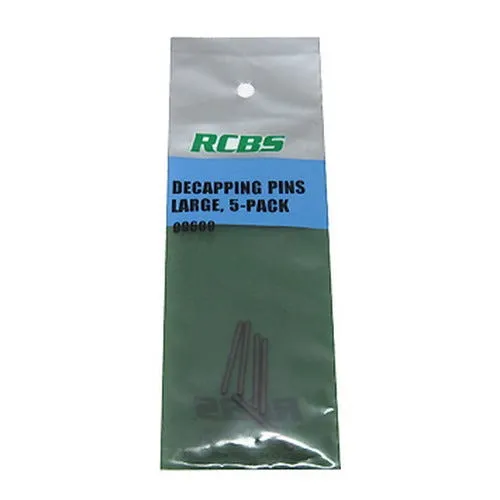
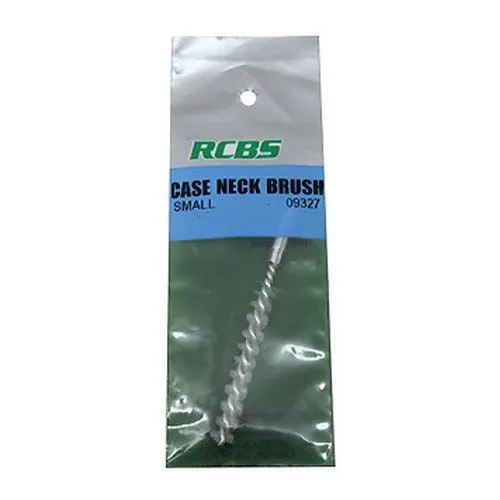
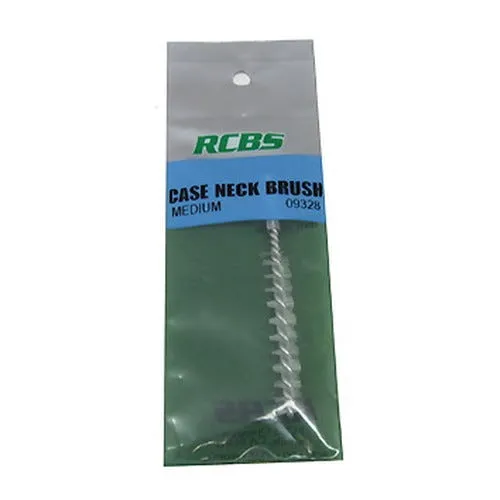
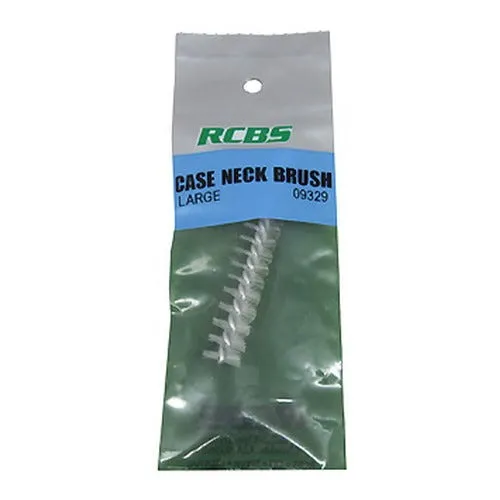
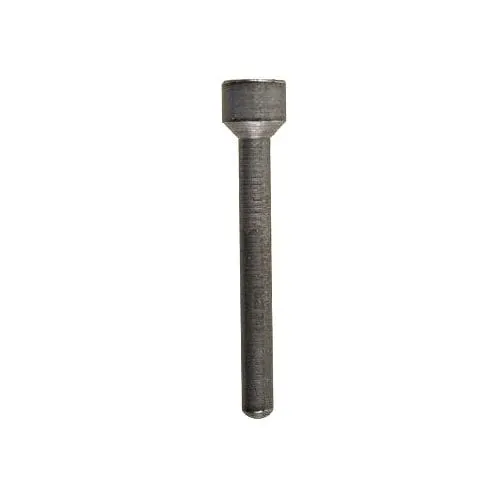
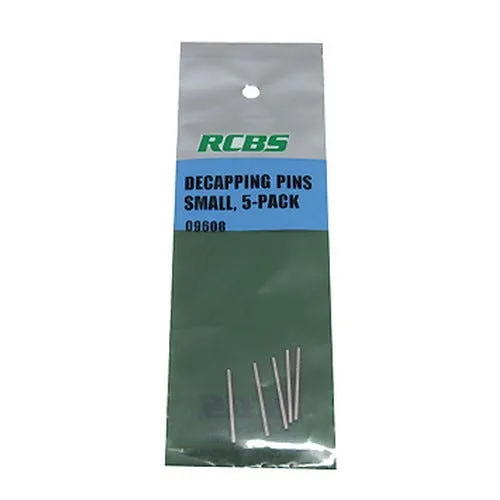
Nothing in that grid is a machine. Those are neck brushes, decapping pins and dry neck lube at three and four dollars — and they are a fair picture of the shelf: of 9,498 live reloading listings, 3,183 are under $25 while 1,448 are over $100. The bench is mostly small parts, and the small parts are mostly consumed.
Whatever you spend, the arithmetic that matters is per case. A one-time tool divided by the number of cases you will prep with it is usually a rounding error against the cost per round; it is the components that decide whether handloading pays, which is the whole argument in is reloading still cheaper than buying ammunition. Run your own numbers:
Cost Per Round Calculator
The only number that matters when comparing ammo. Shipping included.
Do prep tools reward shopping around, or waiting?
Our price history separates those two levers, and they point in opposite directions depending on what you are buying.
| Group | Stocked by 2+ retailers | Currently above its own recorded low |
|---|---|---|
| Trimmers | 66.2% | 71.1% |
| Tumblers and media | 58.4% | 70.1% |
| Dies | 70.7% | 49.3% |
| Unprimed brass | 51.9% | 49.0% |
| All reloading listings | 49.3% | 67.6% |
Tools behave like ammunition: most listings sit above a price they have already been, so waiting works. Brass and dies behave like hardware: about half are sitting at their own floor already, but they are the most widely stocked groups we have, so comparing retailers is the better lever. Brass that is above its low is only a median 5.09% above it — which is to say, there is no great brass sale coming, and the thousand-count box will beat any discount on a 50-count pack.
Get alerted when .308 Winchester price drops hit.
We watch every listing and email you the moment the cost per round drops.
Set Up a Free Price AlertWhich prep steps can you actually skip?
- Sizing: never. Every reloaded case gets sized.
- Cleaning: do it, cheaply. Not for shine — to keep grit out of your dies.
- Trimming: measure first. Straight-wall handgun brass rarely reaches maximum length. Bottleneck rifle brass will.
- Chamfer and deburr: only after trimming, or on new brass with a sharp mouth.
- Primer pocket cleaning: cheap, fast, and the thing that actually improves seating consistency. A $2.29 tool.
- Annealing: last, and only if you are reloading the same rifle brass many times. We cannot price it for you.
None of this changes the central fact. The case is the single component you are trying not to buy again, and in .308 Winchester it is worth as much as a loaded round. Whether that case eventually goes in a precision rifle or a carbine, the prep is the same work — and the volume you shoot is what decides if the bench pays for itself, which is the question behind how many rounds it takes to get good.
Two closing notes for anyone pricing components rather than loaded ammunition. Powder and primers travel under hazardous-material rules that keep them out of normal parcel shipping, and brass does not — the same patchwork covered in ammo shipping restrictions. And if what pushed you toward reloading was the cost of practice, check .308 and 7.62 deals and the rest of our live ammunition prices first; the reasons those numbers move are the same reasons component prices move, laid out in why ammo prices move. One cartridge family is exempt from all of this: rimfire is primed in manufacture and cannot be reloaded at home, so bulk .22 LR is the one shelf where none of the above applies.
9mm Luger Price Index
Live · Oct 22, 2026AmmoSpotter earns a commission when you buy through links on this page. It never changes what you pay, and it never decides what we recommend — our picks are ranked on live cost-per-round data pulled from every retailer we track. Full disclosure.
Frequently Asked Questions
Do I have to trim brass every time I reload?+
What is the difference between full-length sizing and neck sizing?+
Does cleaning brass actually matter, or is it cosmetic?+
How many times can I reload the same case?+
Do you track annealing equipment?+
Is prepping brass cheaper than buying new brass?+
Shop the data

About the author
AmmoSpotter Research Desk
Price & Ballistics Research
The AmmoSpotter Research Desk analyzes live retail pricing across every ammunition, firearm and accessory listing we track. Recommendations here are ranked against real cost-per-round data pulled daily from the retailers we monitor - not against manufacturer marketing copy.
- ✓Tracks 180,000+ live product listings across 6 retailer feeds
- ✓Records price history on every listing, every day
- ✓Cost-per-round methodology applied to all ammunition rankings
- ✓No product is ranked without a verifiable in-stock retail price
- ✓Affiliate relationships never influence rankings
Related Guides
Reloading Starter Kit 2026: What You Actually Need, Priced From Our Catalog
Reloading starter kits are packaged to look like the complete answer. Open the box, bolt the press down, start making ammunition. That is not how it goes, and the gap between the kit price and the money you actually s...
Primer Types Explained: Small, Large, Pistol, Rifle and Magnum
A primer is a cup, a pellet of impact-sensitive compound and an anvil, and choosing the wrong one ranges from "wide velocity spreads" to "pierced primer and gas in your face." There are only a handful of types, the ch...

Is Reloading Still Cheaper Than Buying Ammo? (2026 Break-Even Math)
Reloading used to be a single-sentence decision. Components cost less than loaded ammunition, so if you shot enough, you loaded your own. That arithmetic held for decades. It does not hold uniformly anymore, and the r...

Steel Case vs Brass Case Ammo: What You Actually Give Up
Steel-cased ammunition occupies a strange place in shooting culture: universally used, frequently condemned, rarely analyzed. The honest position is narrower than either camp claims. Steel is cheaper. It is cheaper fo...
Powder Selection for Beginners: How to Pick One You Can Actually Get
Most powder guides open with a burn-rate chart. This one opens with a stock check, because our catalog turned up something that changes the advice entirely. We track 42 canister powder products — Hodgdon, Winchester, ...

Best .22 LR Ammo 2026: Bulk, Match and Hunting on Live Prices
- .22 LR is the cheapest trigger time available, and it is not close. The live floor below is roughly what a single centerfire rifle round costs in loose change. - Bulk barely helps. Across our catalog the 50-round bo...