Primer Types Explained
The eight-box chart, what actually separates the boxes, and what our live catalog says about which primers you can currently buy at all.
A primer is a cup, a pellet of impact-sensitive compound and an anvil, and choosing the wrong one ranges from "wide velocity spreads" to "pierced primer and gas in your face." There are only a handful of types, the chart fits on one screen, and most of the confusion comes from two overlaps that the chart does not make obvious.
Then there is the part no chart tells you: which of these you can actually buy. We track just over 9,000 live reloading listings across retailers, so we can answer that with data rather than with a shrug — and the answer is uncomfortable.
What are the primer types? The chart
| Type | Nominal pocket | Typical cartridges |
|---|---|---|
| Small pistol | 0.175" | 9mm, .380 ACP, .38 Special, .40 S&W |
| Small pistol magnum | 0.175" | .357 Magnum, heavy ball-powder pistol loads |
| Large pistol | 0.210" | .45 ACP, .44 Special, .45 Colt |
| Large pistol magnum | 0.210" | .44 Magnum, heavy large-case pistol loads |
| Small rifle | 0.175" | .223 Remington, 5.56, .222, .17 Hornet |
| Small rifle magnum | 0.175" | .22-250 and similar with slow ball powders |
| Large rifle | 0.210" | .308 Winchester, .30-06, 6.5 Creedmoor |
| Large rifle magnum | 0.210" | Belted and large-case magnums, cold-weather rifle loads |
| #209 shotshell | n/a | 12, 20, 28 gauge and .410, plus inline muzzleloaders |
Those two pocket figures are not estimates — they are the sizes our catalog's primer pocket cleaners are literally sold in, one tool for 0.175" pockets and another for 0.210".
Note what the chart deliberately does not do: tell you your cartridge's primer size from its name. Cartridges move. Several traditionally large-rifle-primer cases now ship in small-primer match variants, and .45 ACP brass exists with both pocket sizes depending on who made it. Sort your brass by what is in front of you.
Small or large, pistol or rifle: the two overlaps that catch people
Overlap one: diameter is shared, cup specification is not. A small rifle primer and a small pistol primer drop into the same 0.175" pocket. They are still different components. Rifle primers use thicker, harder cups because rifle chamber pressures are higher and rifle firing pins hit harder. Put a pistol primer in a rifle and you risk piercing it; put one in a semi-automatic with a floating firing pin and you add slam-fire risk on top. Going the other way is less dangerous but gives you light strikes and misfires.
Overlap two: brass is not consistent within a cartridge. This is the one that actually bites handloaders, because it fails silently — you seat a batch, half of them crush or sit proud, and you have a mixed-headstamp bin to blame. The fix is boring and it works: separate by headstamp before you prime.
Rifle Primers We Currently Track
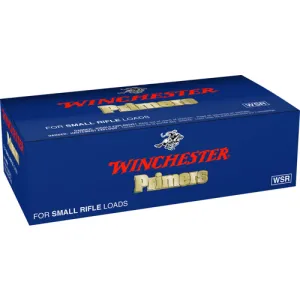
WINCHESTER Small Rifle Primer 1000rd - LIMIT of 10 Bricks
Winchester small rifle, 1,000 to the brick, and the lowest-priced thousand-count primer listing we track. Note what the retailer wrote into the product title: a limit of ten bricks per customer. Four products in our entire catalog carry a purchase cap in the title and all four are primers.

Remington Centerfire Primer for 6-1/2 Small Rifle - X22606
Remington's standard small rifle number, intended for bolt guns and conventional rifle pressures. Check your load data before putting any standard small rifle primer into a semi-automatic — cup hardness is the whole argument in a floating firing pin rifle, and the harder mil-spec cups exist for that reason.
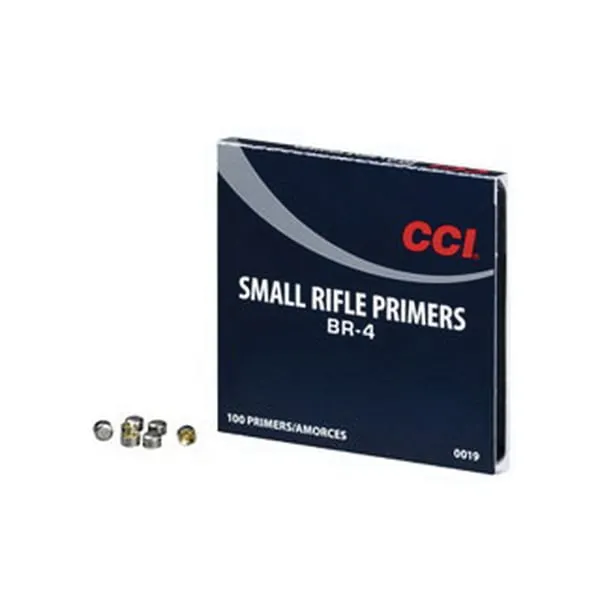
CCI Small Rifle Primer for 400 Small Rifle - 0013
CCI's standard small rifle primer, and the benchmark most published small rifle load data was developed around. If a manual lists a 'standard small rifle' primer with no further detail, this is the class of component it means.
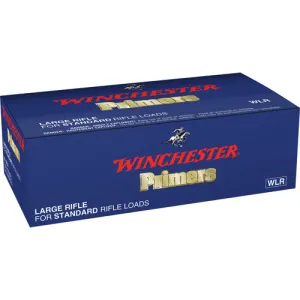
WINCHESTER Large Rifle Primer 1000rd - LIMIT of 10 Bricks
Winchester large rifle, 1,000 count, and currently the single large rifle primer listing in the catalog. Every .308, .30-06 and 6.5 Creedmoor handloader is shopping this one row. It also carries the ten-brick purchase limit.

Remington Centerfire Primer for 9-1/2 Magnum Rifle - X22622
Remington's 9½ magnum rifle primer — a large rifle primer with a hotter, longer-burning output for big powder charges, ball powders and cold-weather ignition. Magnum is a brisance specification, not a cartridge name; plenty of magnum cartridges load fine on standard primers.

Winchester #41 5.56x45mm Small Rifle Primer
Winchester's #41, a small rifle primer built with the harder cup and the slam-fire margin that semi-automatic 5.56 service rifles want. This is the correct answer to 'which small rifle primer for an AR' far more often than a match primer is.
What does a magnum primer actually change?
A magnum primer produces a hotter flame that lasts longer. That buys you reliable ignition in three situations: a large case volume, a slow or ball-type powder that is hard to light, and genuinely cold weather. Outside of those, it mostly buys you higher pressure.
The naming is the problem. "Magnum primer" is a specification of the primer's output, not an instruction attached to cartridges with Magnum in the name. Plenty of magnum cartridges are loaded on standard primers in published data, and plenty of non-magnum cartridges — hot .357 loads, heavy ball-powder pistol charges — genuinely want the magnum. Follow the load data for the exact primer it names.
And treat a primer swap as a load change, because it is one. Changing primer brand or type shifts peak pressure and velocity enough to show up on a chronograph. If you are tracking what that does to performance downrange, our explainer on how muzzle energy and velocity actually relate covers which of those numbers is worth chasing.
Pistol and Shotshell Primers We Currently Track

Remington Centerfire Primer for 5-1/2 Small Pistol - X22626
Remington's small pistol number, which covers 9mm, .38 Special, .380 and the rest of the small pistol field. Small pistol is the densest part of our primer listings, which tracks with 9mm being the most commonly handloaded pistol cartridge.
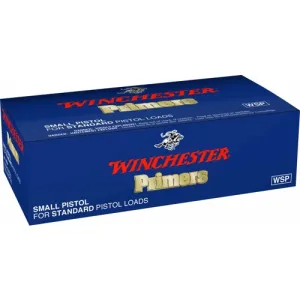
WINCHESTER Small Pistol Primer 1000rd - LIMIT of 10 Bricks
Winchester small pistol, 1,000 count, with the same ten-brick cap written into the title. Small pistol is the one size where our listings run more than one brand deep, so this is the row to price against the Remington and CCI options rather than buying on sight.
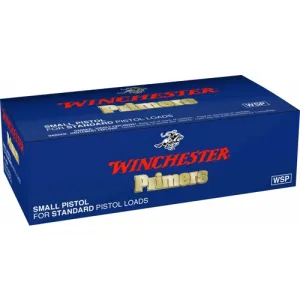
Winchester #1-1/2 Small Pistol Primer
The #1½ is Winchester's other small pistol listing. Worth comparing against the brick above before ordering — count and price per thousand are the only numbers that matter here, and the listings are not packaged alike.

CCI Small Pistol Primer for 550 Magnum Small Pistol - 0018
CCI 550, the magnum small pistol primer. This is the one that matters for hot .357 Magnum and heavy ball-powder loads in small-primer cases, where a standard primer can leave unburnt powder and wide velocity spreads.
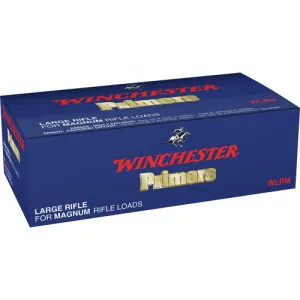
WINCHESTER Large Magnum Pistol Primer 1000rd - LIMIT of 10 Bricks
Winchester large magnum pistol, 1,000 count. Read that carefully: there is currently no standard large pistol primer listed anywhere in our catalog, so .45 ACP and .44 Special handloaders are left choosing between a magnum primer and waiting. Ten-brick cap again.
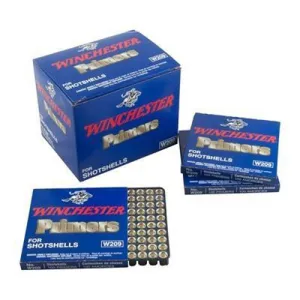
Winchester Ammunition #209 Shotgun Shells Shotshell Primer - W209
Winchester's W209, the shotshell primer. Physically and functionally a different component from any metallic primer — a self-contained battery cup unit rather than a cup and anvil pressed into a pocket — and not interchangeable with anything above.
What the live catalog says about primer supply
Here is the part we can say and a reference chart cannot.
Single-vendor depth is the number to watch rather than the price. A product with one retailer behind it has no competitive floor, no backstop when that retailer sells through, and nothing stopping the price moving in one direction. The mechanics behind that are the same ones we laid out in why ammunition prices move, and the reason primers specifically are so exposed is regulatory — they ship as hazardous material, which is the same regime that governs loaded ammunition. Our guide to ammunition shipping restrictions explains how those rules get applied in practice; verify your own state and carrier rather than assuming anything from a product page.
The primer types you currently cannot buy at all
Two of the eight metallic types have no listing in our catalog right now:
- Standard large pistol. The only large pistol primer we track is a magnum. If you load .45 ACP or .44 Special to published data calling for a standard large pistol primer, there is nothing here to sell you.
- Small rifle magnum. Absent entirely.
For the first of those, the honest alternative is to not load it. Factory .45 ACP is in good supply and the arithmetic is easy to check:
.45 ACP Price Index
Live · Oct 4, 2026Bulk .45 ACP by Cost Per Round
Prices updated Oct 4, 2026
CCI Ammunition Independence Loose Bulk .45 ACP 230-Grain 500-Rounds FMJ
.45 ACP · 230gr · 500 rds
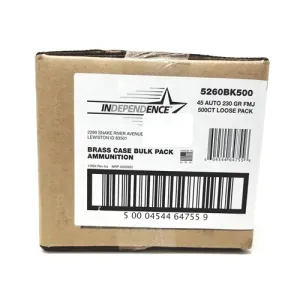
INDEPENDENCE AMMO 45 Auto 230Gr FMJ 500rd Bulk
.45 ACP · 230gr · 500 rds

PMC Ammunition Bronze Brass .45 ACP 230-Grain 1000-Rounds FMJ Bulk
.45 ACP · 230gr · 1,000 rds
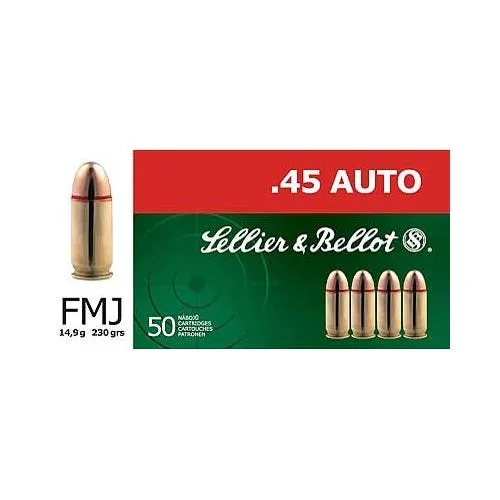
Sellier and Bellot Handgun Brass .45 ACP 230 Grain 1000-Rounds Bulk FMJ
.45 ACP · 230gr · 1,000 rds
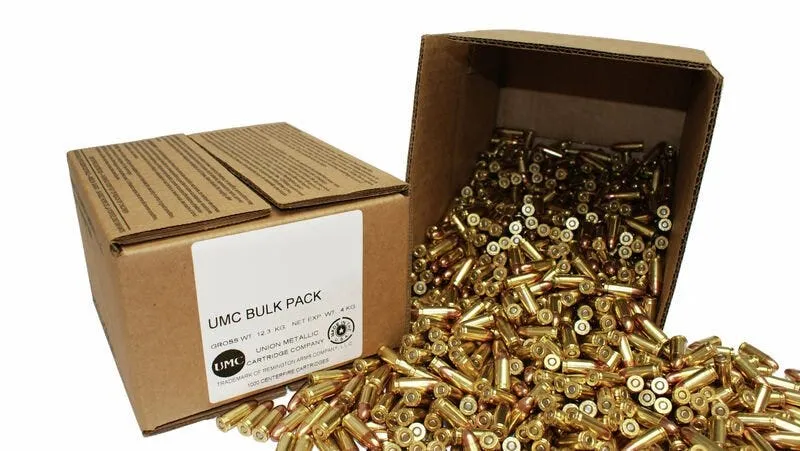
Remington UMC Brass .45 ACP 230-Grain 500-Rounds FMJ Bulk
.45 ACP · 230gr · 500 rds

CCI Ammunition Independence Bulk .45 ACP 230-Grain 500-Rounds FMJ
.45 ACP · 230gr · 500 rds
Run your own component cost against that floor with the calculator below before deciding the primer hunt is worth it. Browse the rest of the live .45 ACP listings if you want the full spread rather than the bulk end.
Cost Per Round Calculator
The only number that matters when comparing ammo. Shipping included.
The small rifle picture is better stocked, which matters because 5.56 and .223 are the highest-volume centrefire handloads in the country. The current factory floor for those:
5.56 NATO / .223 Remington Price Index
Live · Oct 4, 2026If that number is lower than your component cost — and for bulk 55-grain blasting ammunition it very often is — buy the factory round. Our 5.56 and .223 rankings and the live .223/5.56 listings are the benchmark to beat. Reloading those cartridges makes sense for match loads and specific bullet weights, not for volume plinking.
#209, Berdan and the rimfire exception
#209 shotshell primers are a different component entirely: a self-contained battery cup assembly rather than a cup-and-anvil unit pressed into a pocket. They serve shotshell reloading and inline muzzleloaders, and they interchange with nothing on the metallic chart.
Berdan versus Boxer decides whether brass is worth keeping. Boxer primers carry their own anvil and sit over one central flash hole, so the spent primer deprimes cleanly and the case reloads. Berdan cases form the anvil into the case head with two offset flash holes — depriving them is a hydraulic or specialist-tool job and the brass is generally not worth the effort. Most commercial US and European brass is Boxer; much imported steel-case and surplus ammunition is Berdan.
Crimped pockets are the last gotcha. Military and military-pattern brass, including a great deal of once-fired 5.56, has the primer pocket crimped over. You must swage or ream that crimp before a new primer will seat. Our catalog carries swaging tools from under $6, which is the cheap end of a problem that will otherwise stop a loading session dead.
Rimfire has no primer at all. The compound is spun into the case rim at the factory, which is exactly why .22 LR cannot be reloaded — and also why rimfire is the one thing a primer shortage cannot touch. If the component hunt has you off the range, the bulk .22 LR listings are the cheapest trigger time available anywhere.
The tools are cheap; the primers are the bottleneck
Everything that touches a primer except the primer itself is plentiful and inexpensive in our catalog: 32 priming and seating tool listings starting under $4, 34 primer pocket cleaners and uniformers starting at $2.29, 17 swaging tools, plus flip trays and feed tubes.
Case Prep and Press Hardware, Cheapest First
Prices updated Oct 4, 2026
Lee Precision Auto Index Hex Ratchet White 3-Pack
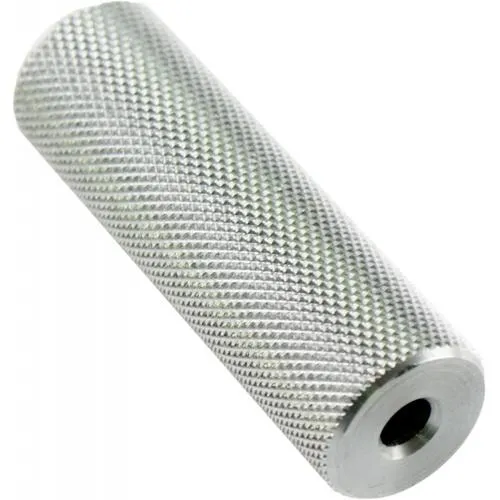
Hornady Universal ACC Handle
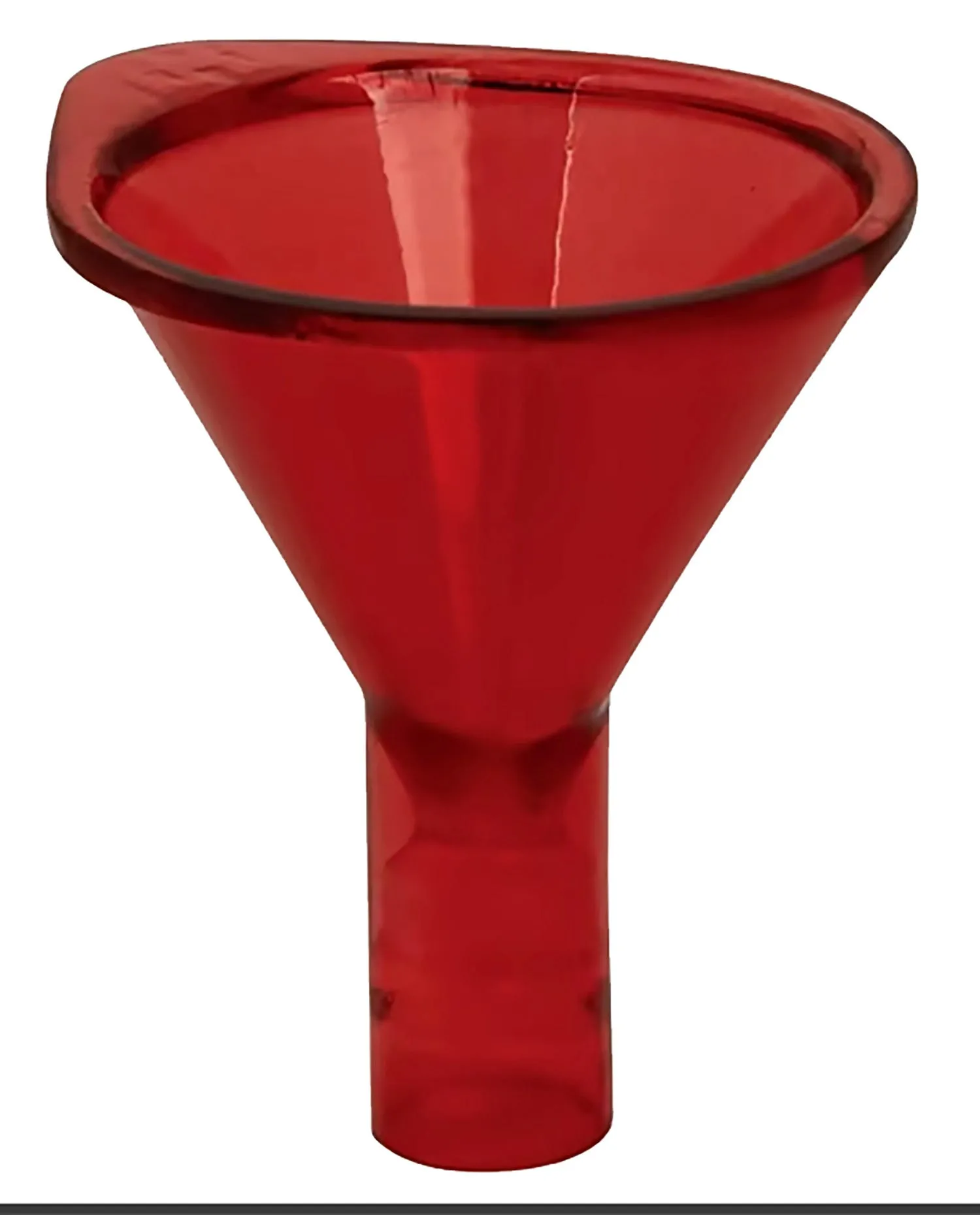
Hornady Basic Powder Funnel Red .22-.45 Calibers
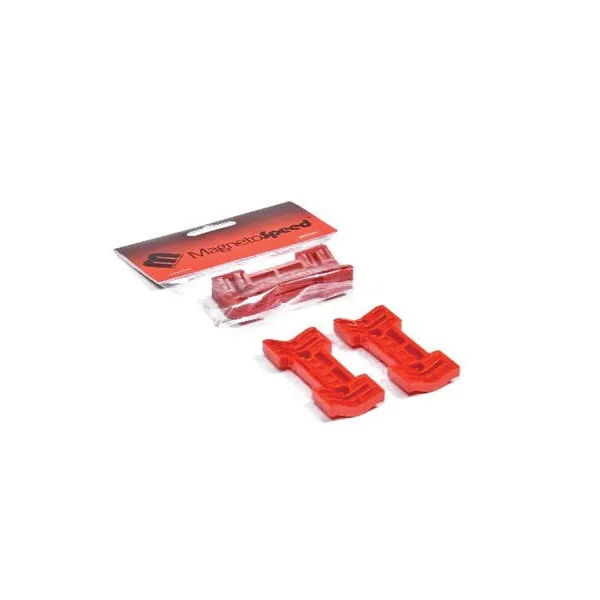
MagnetoSpeed Tapered Spacer Kit Red
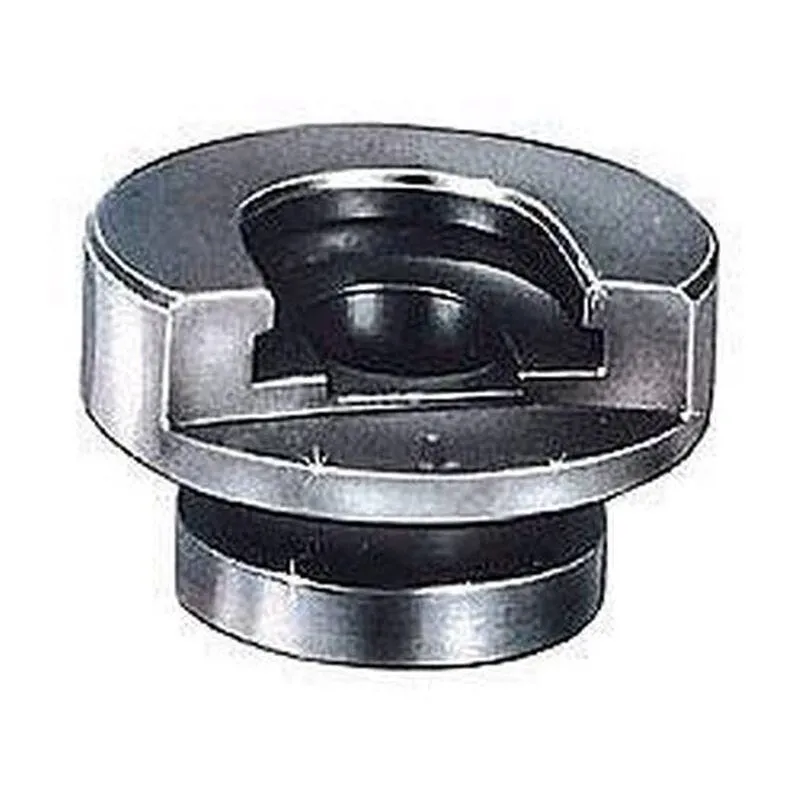
Lee Precision Universal Shell Holder Steel #19
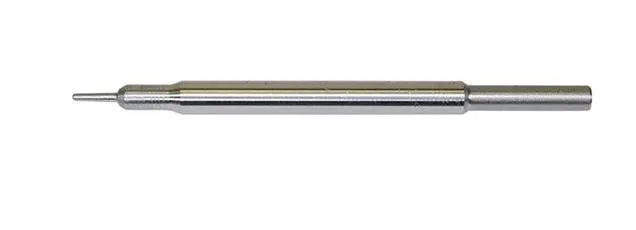
Lee Precision 45 Caliber Heavy Duty Guided Decapper
Read that grid for what it is — the cheap end of this category is shell holders, decappers and funnels rather than priming tools specifically — but the point holds. Tooling is a solved problem. If you are assembling a bench, our reloading starter kit breakdown prices the whole setup and makes the same argument from the other direction: the equipment is the easy part, and the components decide whether any of it gets used.
Buy primers when you see them, in the size your cartridge actually takes, and check what the loaded ammunition costs before you assume handloading wins.
Get alerted when .45 ACP price drops hit.
We watch every listing and email you the moment the cost per round drops.
Set Up a Free Price AlertAmmoSpotter earns a commission when you buy through links on this page. It never changes what you pay, and it never decides what we recommend — our picks are ranked on live cost-per-round data pulled from every retailer we track. Full disclosure.
Frequently Asked Questions
How do I know whether my cartridge takes a small or large primer?+
Can I use rifle primers in pistol cases, or pistol primers in rifle cases?+
What does a magnum primer actually do?+
Why are primers so hard to find online?+
What is the difference between Boxer and Berdan primers?+
Do .22 LR and other rimfire cartridges use primers?+
Shop the data

About the author
AmmoSpotter Research Desk
Price & Ballistics Research
The AmmoSpotter Research Desk analyzes live retail pricing across every ammunition, firearm and accessory listing we track. Recommendations here are ranked against real cost-per-round data pulled daily from the retailers we monitor - not against manufacturer marketing copy.
- ✓Tracks 180,000+ live product listings across 6 retailer feeds
- ✓Records price history on every listing, every day
- ✓Cost-per-round methodology applied to all ammunition rankings
- ✓No product is ranked without a verifiable in-stock retail price
- ✓Affiliate relationships never influence rankings
Related Guides
Reloading Starter Kit 2026: What You Actually Need, Priced From Our Catalog
Reloading starter kits are packaged to look like the complete answer. Open the box, bolt the press down, start making ammunition. That is not how it goes, and the gap between the kit price and the money you actually s...

Is Reloading Still Cheaper Than Buying Ammo? (2026 Break-Even Math)
Reloading used to be a single-sentence decision. Components cost less than loaded ammunition, so if you shot enough, you loaded your own. That arithmetic held for decades. It does not hold uniformly anymore, and the r...

Why Ammo Prices Move: The Five Forces Behind Every Spike
From the outside, ammunition pricing looks arbitrary. One cartridge climbs while another does not. A caliber that was plentiful in spring is thin by autumn. Prices rise fast and fall slowly. It is not arbitrary. Five ...

Best 5.56 & .223 Ammo 2026: Practice, Defense and Precision
5.56x45mm NATO and .223 Remington are the most-purchased rifle cartridges in America, and the most confusing to buy. The same rifle will accept ammunition ranging from bulk steel-cased plinking loads to match ammuniti...

Best .22 LR Ammo 2026: Bulk, Match and Hunting on Live Prices
- .22 LR is the cheapest trigger time available, and it is not close. The live floor below is roughly what a single centerfire rifle round costs in loose change. - Bulk barely helps. Across our catalog the 50-round bo...

How to Buy Ammo Online Without Overpaying (2026 Guide)
Most ammunition buying advice stops at "shop around." That is not a process, and it is not why people overpay. People overpay because ammunition is priced in a unit nobody compares — the box — while the thing being bo...