Scope Magnification for Hunting
What the hunting-scope shelf actually offers, what each magnification range costs, and why the cheap middle is also the most popular.
What magnification do hunting scopes actually ship with?
We track 1,397 live rifle-scope listings. Of those, 1,208 state a variable magnification range in the title, 148 state a fixed power, and 41 state nothing you can read. Grouped by the exact range, the shelf is far more concentrated than the marketing suggests:
| Range | Listings | Floor | Median |
|---|---|---|---|
| 3-9x | 174 | $39.00 | $159.99 |
| 1-6x | 108 | $179.97 | $919.99 |
| 4-16x | 80 | $69.99 | $399.99 |
| 6-24x | 74 | $92.09 | $499.99 |
| 3-12x | 66 | $47.79 | $299.99 |
| 3-18x | 56 | $279.99 | $1,284.99 |
| 4-12x | 54 | $62.39 | $209.99 |
| 1-8x | 54 | $189.99 | $1,409.00 |
| 5-25x | 46 | $479.99 | $2,155.00 |
| 2-7x | 22 | $43.39 | $159.99 |
The oldest answer in hunting is still the most available one and the cheapest one. 3-9x has more listings than any other range, and 115 of its 174 listings sit under $200 — 48 of them under $100. For comparison, the whole category's median is $639.99 and its 75th percentile is $1,289.99.
The second cheapest range is 2-7x, the traditional timber and rimfire answer, at the same $159.99 median. There are only 22 of them. That is worth knowing before you plan around one: it is not a tier you can shop, it is a listing you catch.
Entry-Tier Hunting Scopes — Live Prices
Prices updated Nov 18, 2026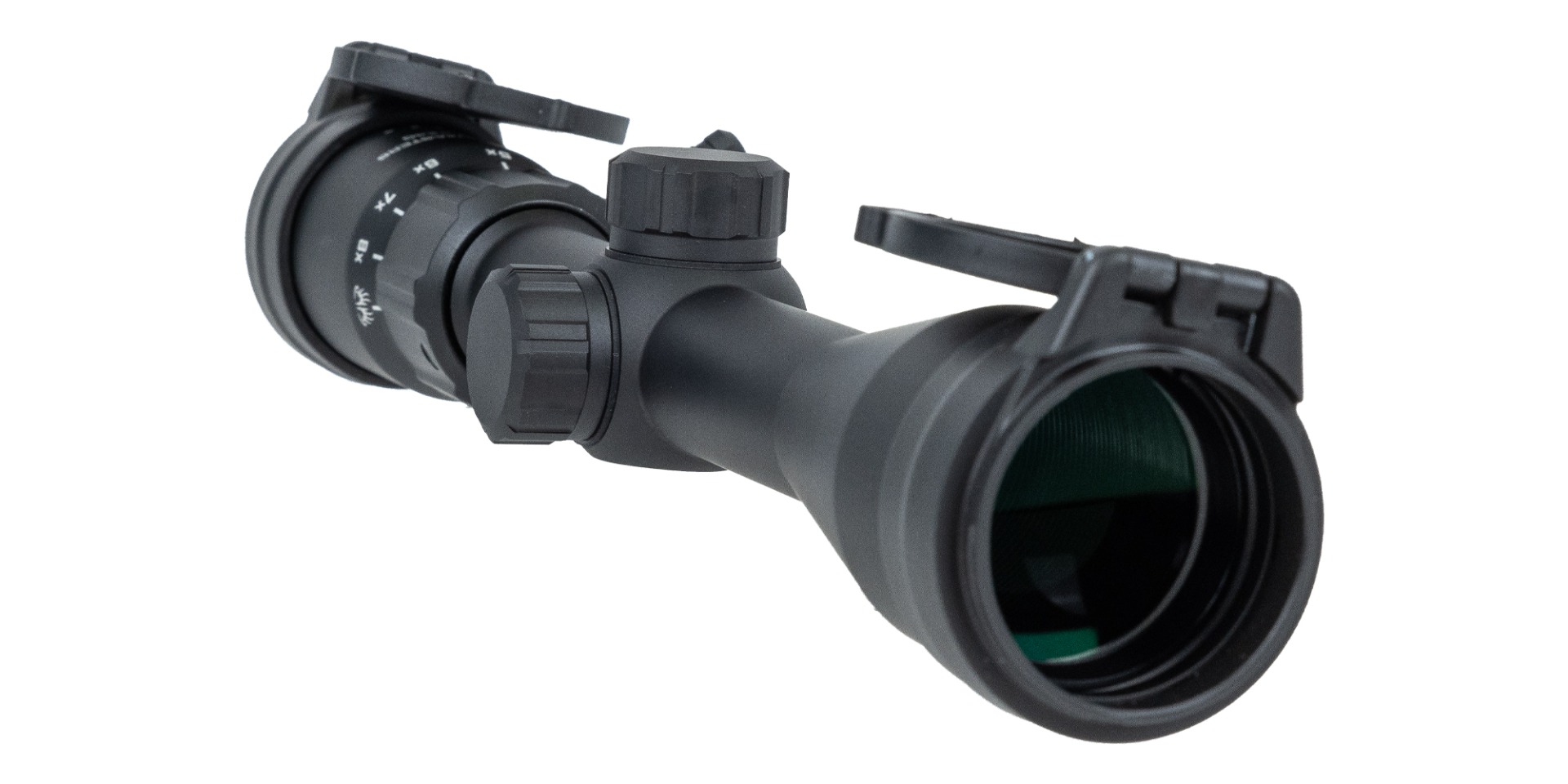
Sig Sauer Buckmasters 3-9x40mm BDC Riflescope SOBM33001
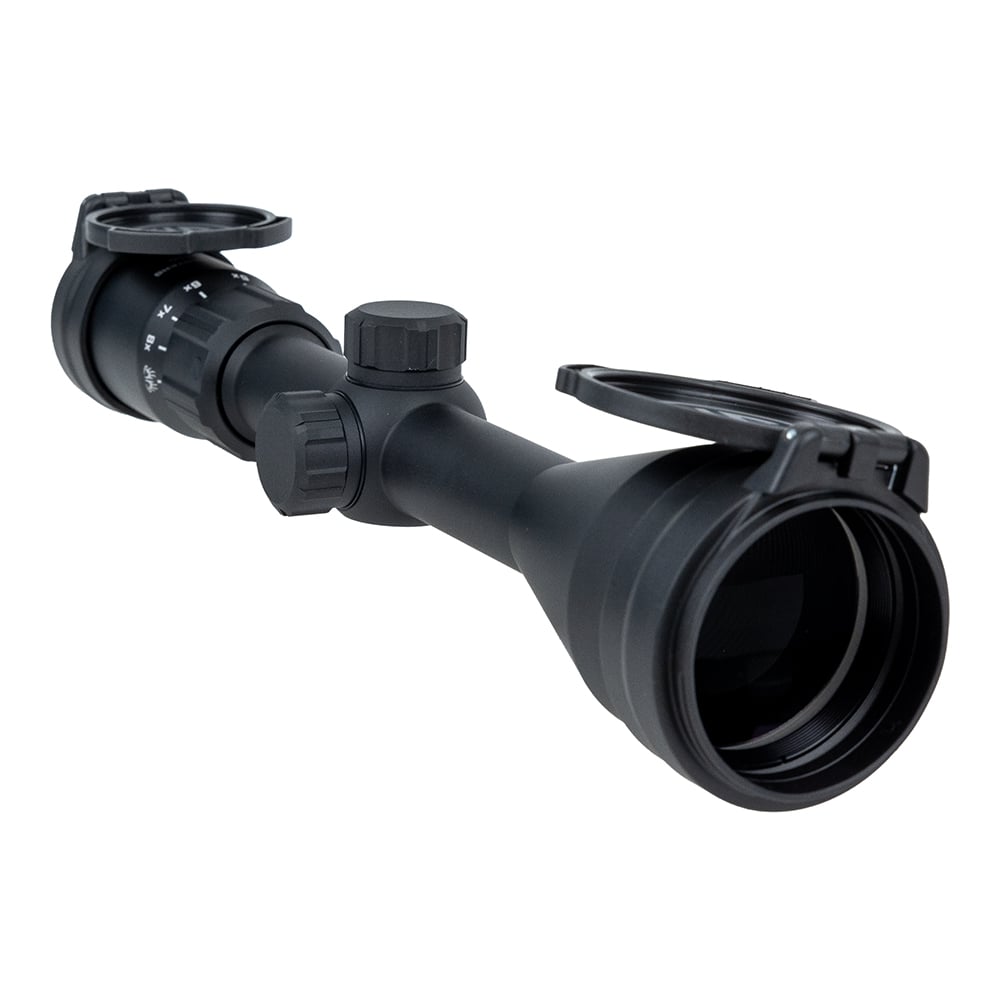
Sig Sauer Buckmasters 3-9x50mm BDC Riflescope SOBM33002
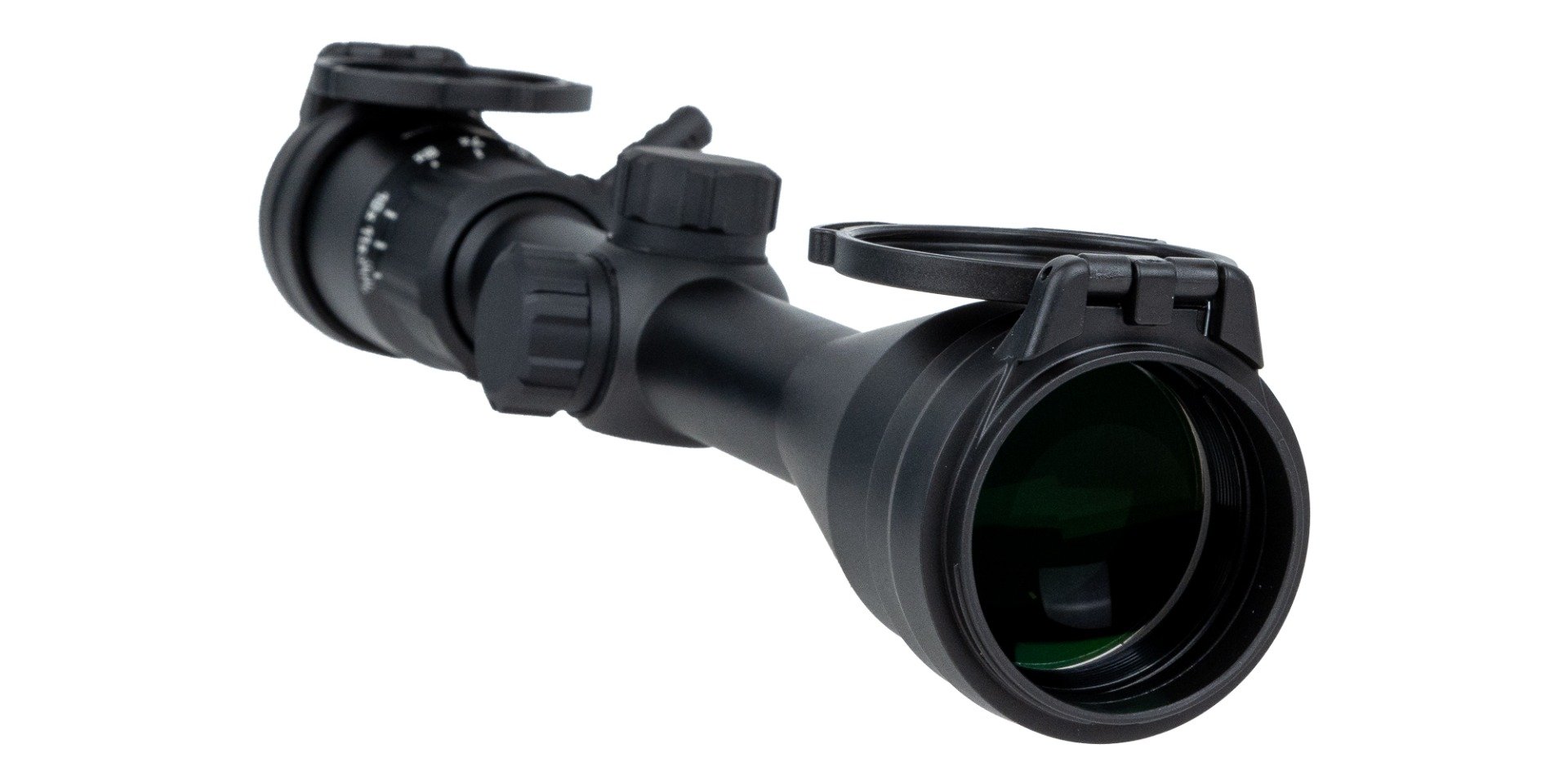
Sig Sauer Buckmasters 3-12x44mm BDC Riflescope SOBM43001
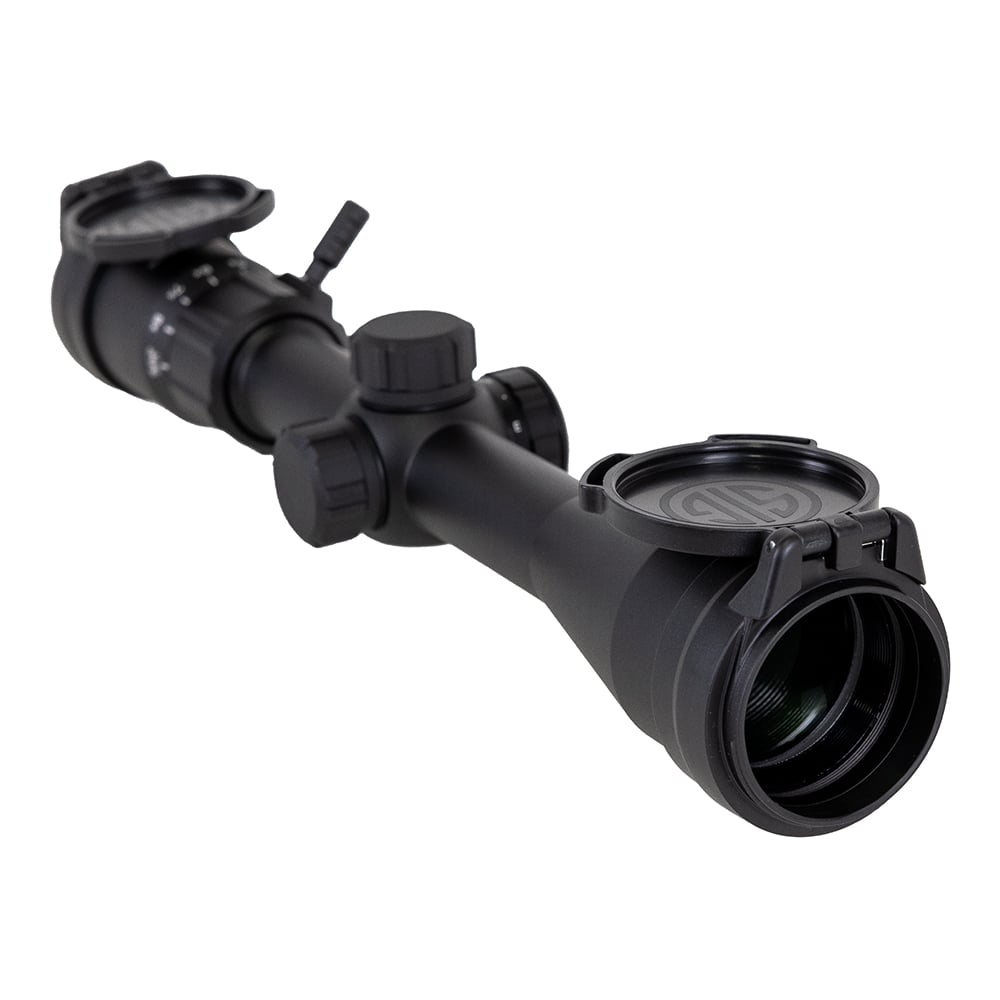
Sig Sauer Buckmasters Scope 3-9x40mm 1 in SFP Hellfire Illum Buckmasters BDC 0.25 MOA Adj Black SOBM33004

Sig Sauer Buckmasters Scope 3-12x44mm 1 in SFP Hellfire Illum Buckmasters BDC 0.25 MOA Adj Black SOBM43002
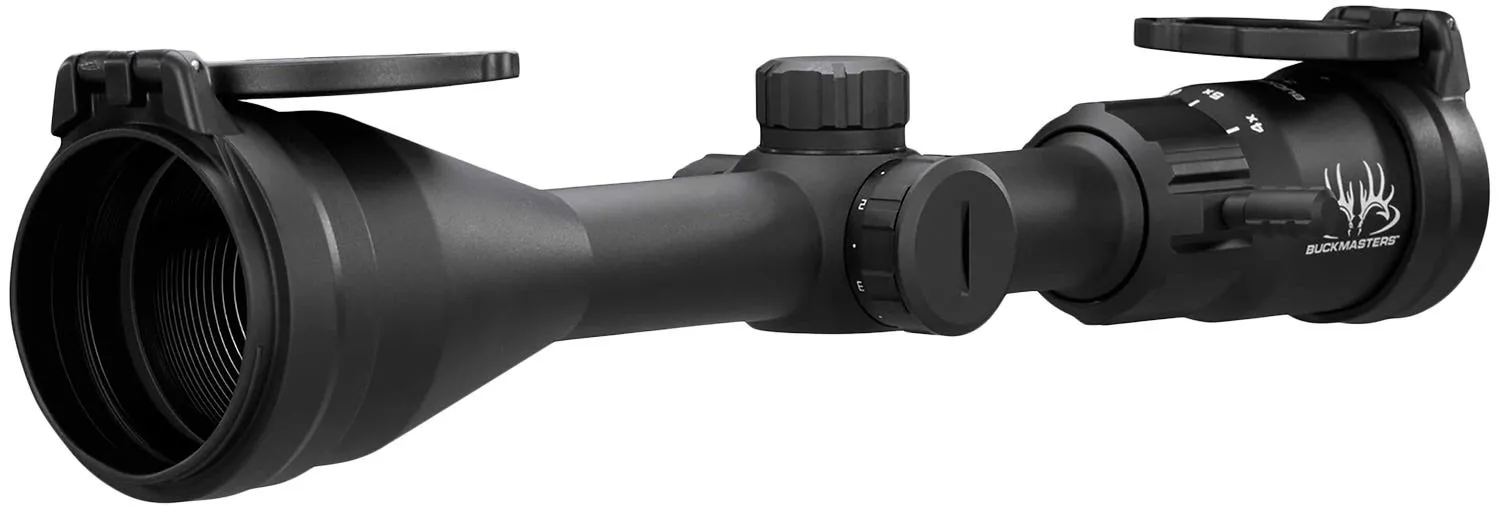
Sig Sauer Buckmasters Scope 3-9x50mm 1 in SFP Hellfire Illum Buckmasters BDC 0.25 MOA Adj Black SOBM33003
That grid is unusually clean for this category: every cheap listing in it is an actual hunting scope with a drop-compensating reticle. The unbranded cheap end of the shelf is not:
The Cheap End of the Rifle Scope Catalog
Prices updated Nov 18, 2026
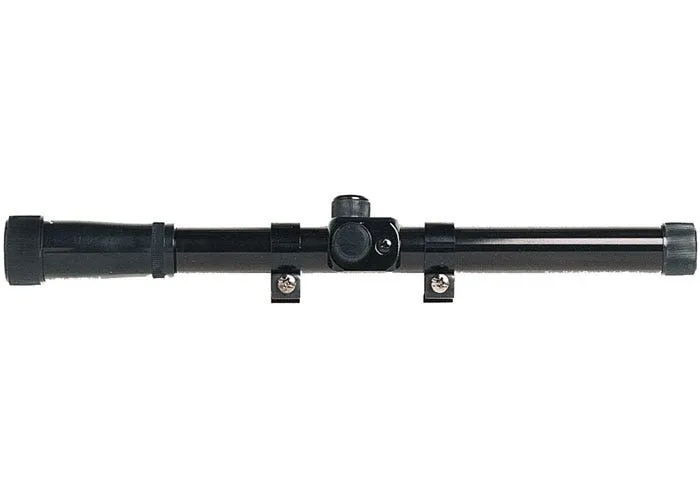
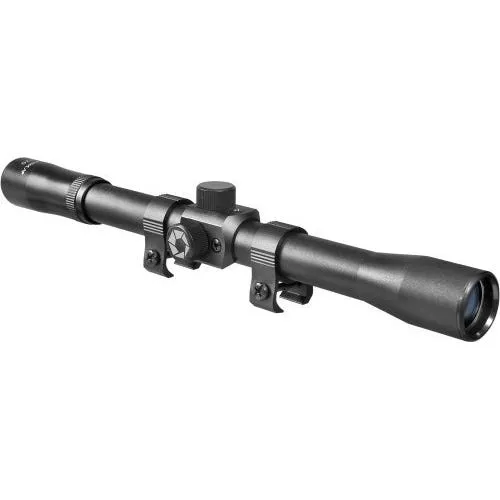
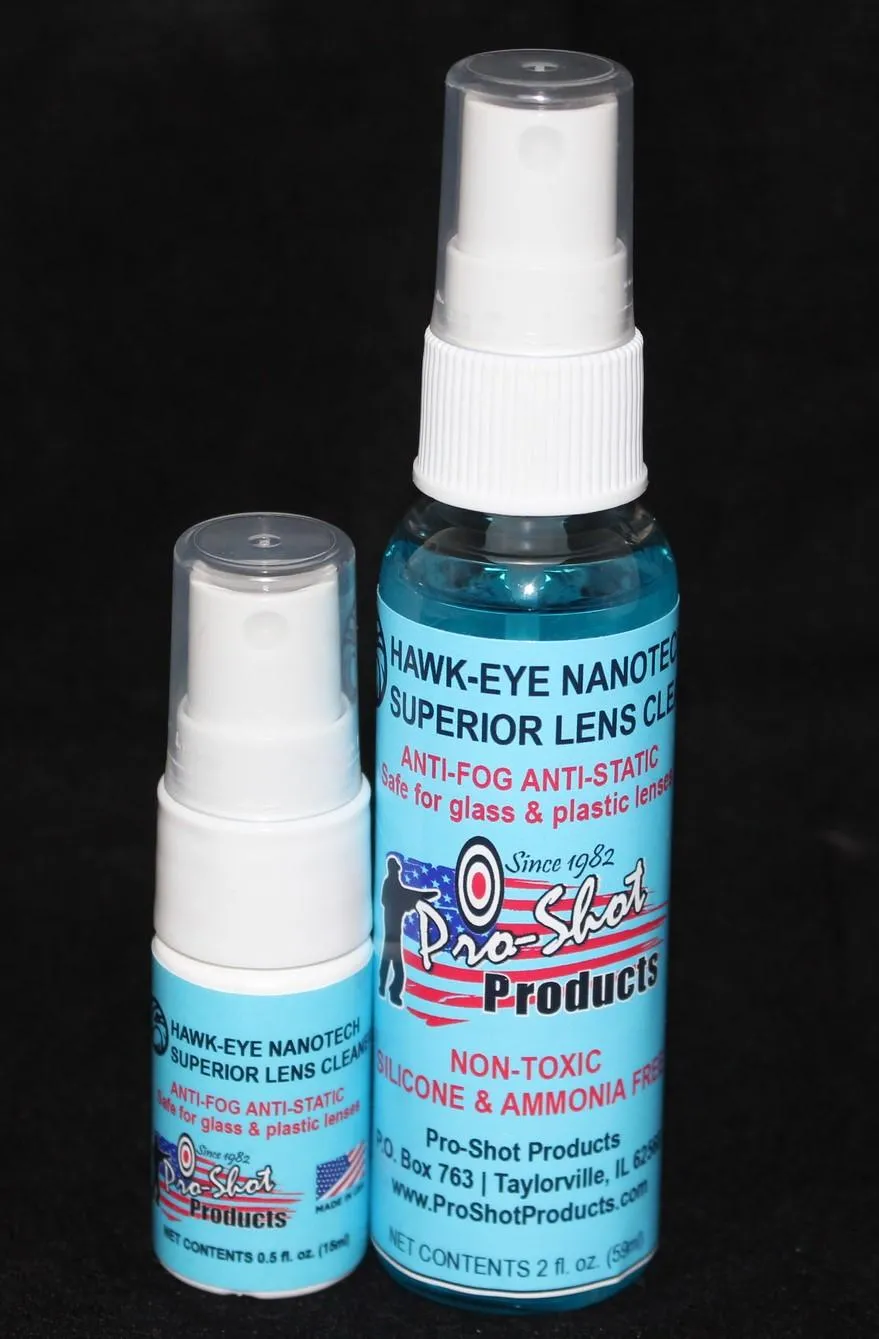
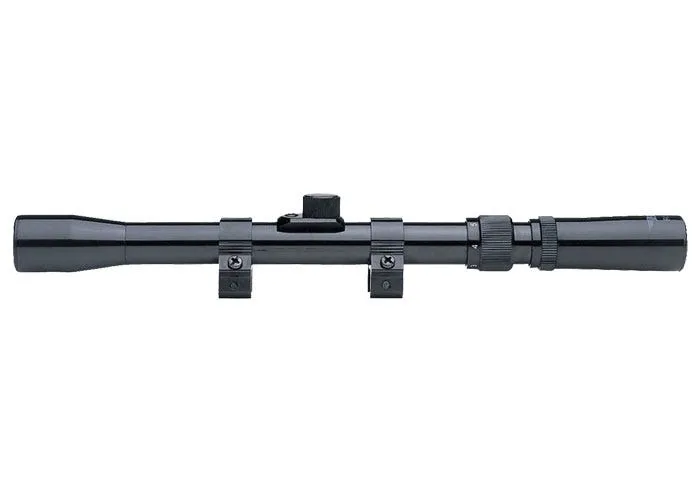
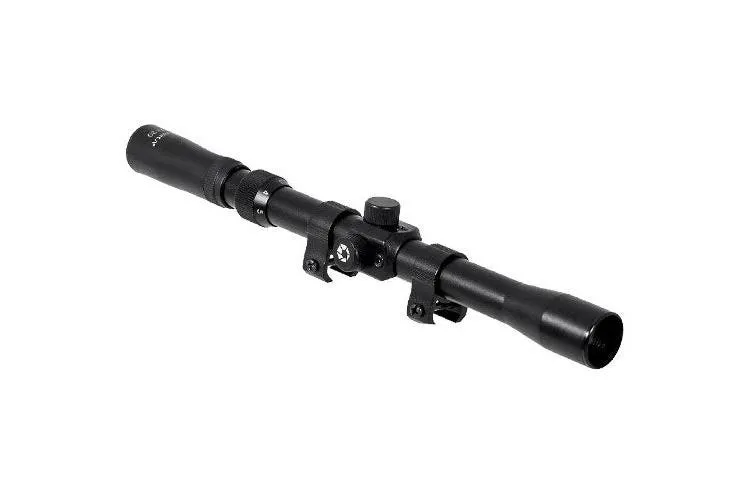
Daisy, Crosman and Barska air-rifle and rimfire scopes, plus a lens cleaner. Under about $40 this category is not selling you a hunting optic, and the price-sorted first page will not tell you that.
Does more magnification cost more?
At the top end, yes, and in clean steps. Variable scopes grouped by their maximum magnification:
| Top end | Listings | 25th pct | Median |
|---|---|---|---|
| 9x or less | 421 | $159.95 | $299.99 |
| 10-12x | 233 | $229.99 | $389.99 |
| 13-18x | 239 | $399.99 | $849.95 |
| 19-25x | 192 | $499.00 | $849.99 |
| 26x and up | 123 | $899.99 | $1,899.99 |
The step that matters is from 12x to 13x. Crossing it more than doubles the median, and it does not buy you a doubling of anything a hunter uses. Between 13x and 25x the median barely moves — those two bands are within five dollars of each other — and then the 26x-and-up tier doubles again into dedicated long-range glass.
One brand shows what this looks like inside a single product tier:
Price-sorted, that grid puts a 3-9x40, a 4-12x50 and a 4-16x44 within fifty dollars of each other. Inside a tier, magnification is nearly free. Between tiers it is the most expensive line on the spec sheet. Both facts are true at once, which is why "how much magnification do I need" is really a question about which tier you are shopping.
Why a 1x bottom end costs more than a 24x top end
This is the finding that surprised us. Group the same variable scopes by their minimum magnification instead:
| Bottom end | Listings | Floor | Median |
|---|---|---|---|
| 1x | 243 | $82.69 | $759.00 |
| 1.5-2.5x | 132 | $43.39 | $599.99 |
| 3x | 341 | $22.79 | $279.99 |
| 3.5-4x | 213 | $62.39 | $458.99 |
| 4.5-6x | 240 | $92.09 | $999.99 |
| 6.5x and up | 39 | $150.99 | $1,699.99 |
A scope that starts at 3x is the cheapest thing on the shelf and the deepest shelf, at 341 listings. A scope that starts at true 1x costs roughly two and a half times as much at the median — more than the 19-25x tier does. A genuine 1x bottom end is hard to build and it is sold into the low-power variable market, which is priced as a different product entirely. If you want that, red dot vs LPVO is the comparison you actually want, not this one.
For hunting the practical reading is simple: a 3x bottom end is the cheap, deep, well-supported part of the market, and the money you would spend getting to 1x buys better glass if you spend it on a 3-9x instead.
Is a fixed-power scope the cheap option?
No, and the median says so loudly: 148 fixed-power listings at a median of $1,093.99, well above the whole category. That looks absurd until you split it. 114 of the 148 are Trijicon or ACOG-titled prism optics, median $1,167.99. The other 34 run from $15.89 with a median of $70.99 — rimfire and air-rifle 4x32s.
So the fixed-power shelf is barbelled with nothing useful in the middle. A simple, rugged fixed 6x hunting scope is not a product this market sells any more; you either buy a military-pattern prism or a $50 rimfire scope. Treat "fixed power is simpler, so it should be cheaper" as an intuition the catalog does not support.
One Brand, the Whole Hunting Ladder
Prices updated Nov 18, 2026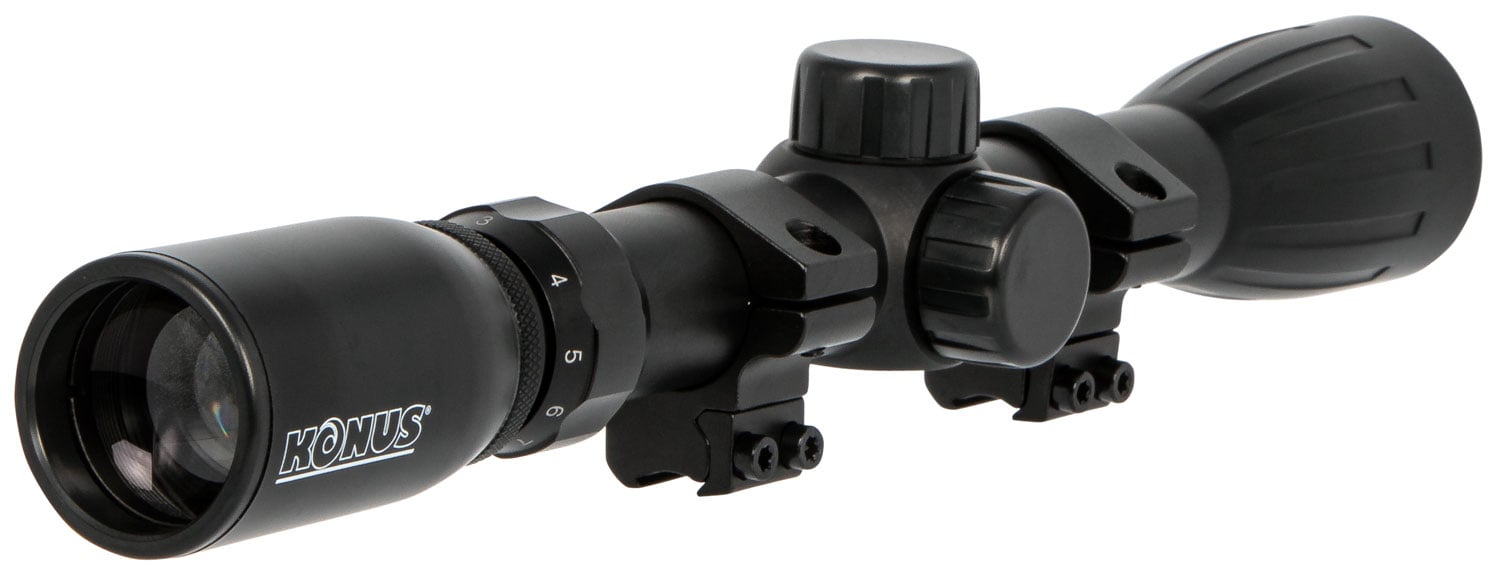
Konus KonusFire Rifle Scope 3-9x32mm 30/30 Reticle
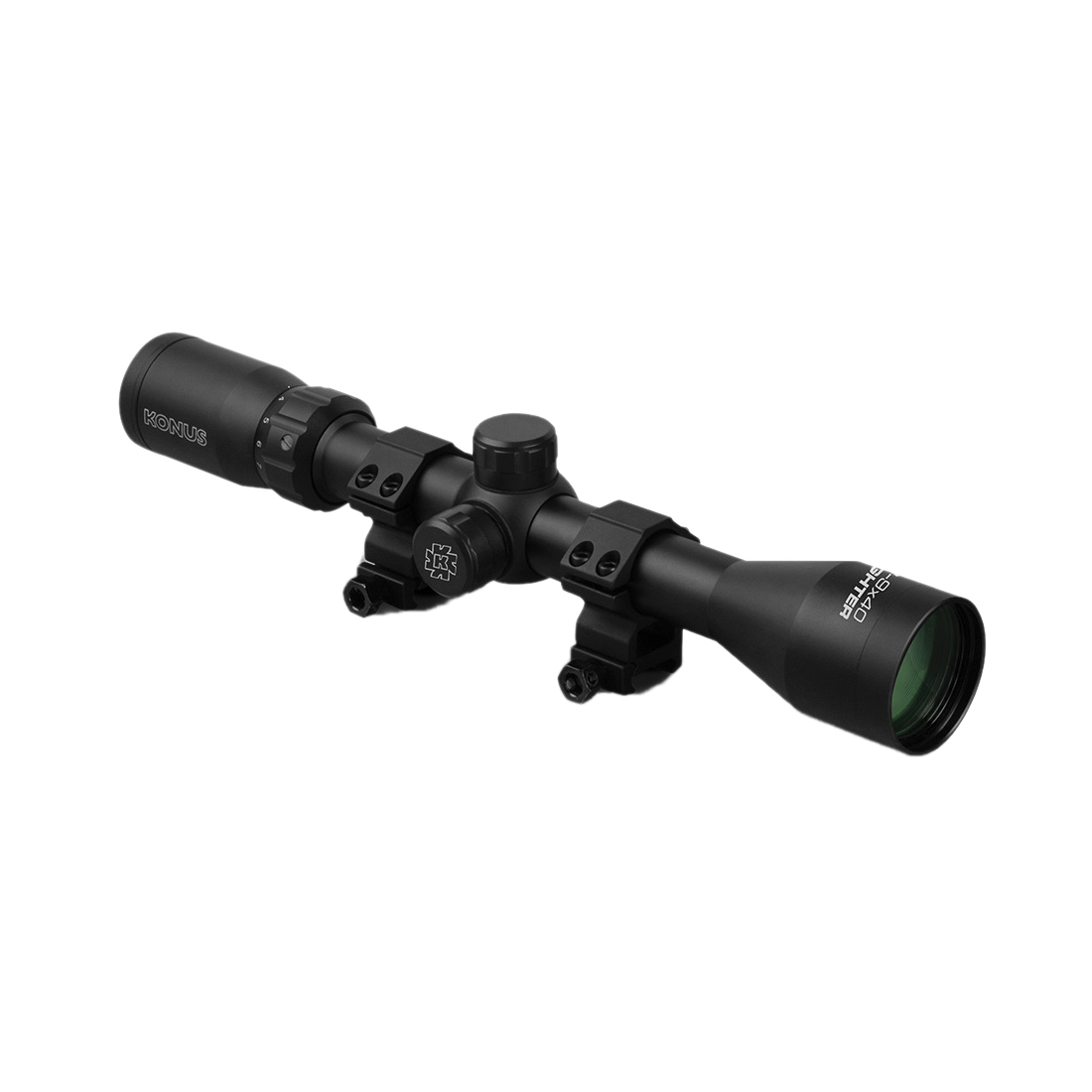
Konus Fighter 3-9x40mm SFP 30/30 Reticle w/ Rings
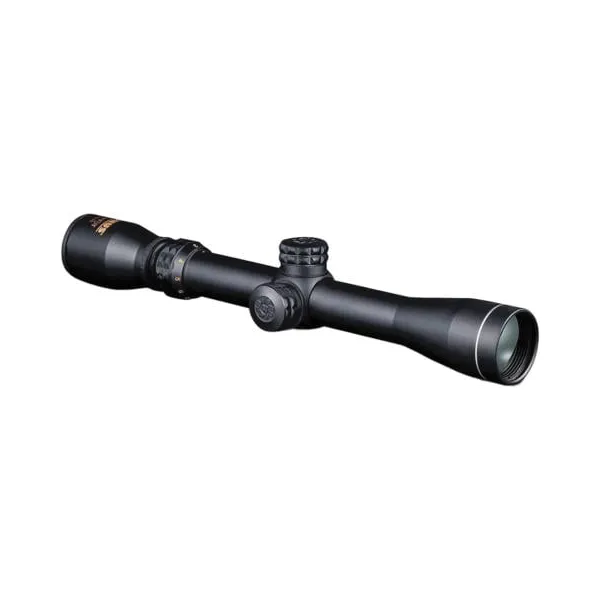
Konus KonusPro 550 Ballistic 4-12x44mm SFP BDC Reticle
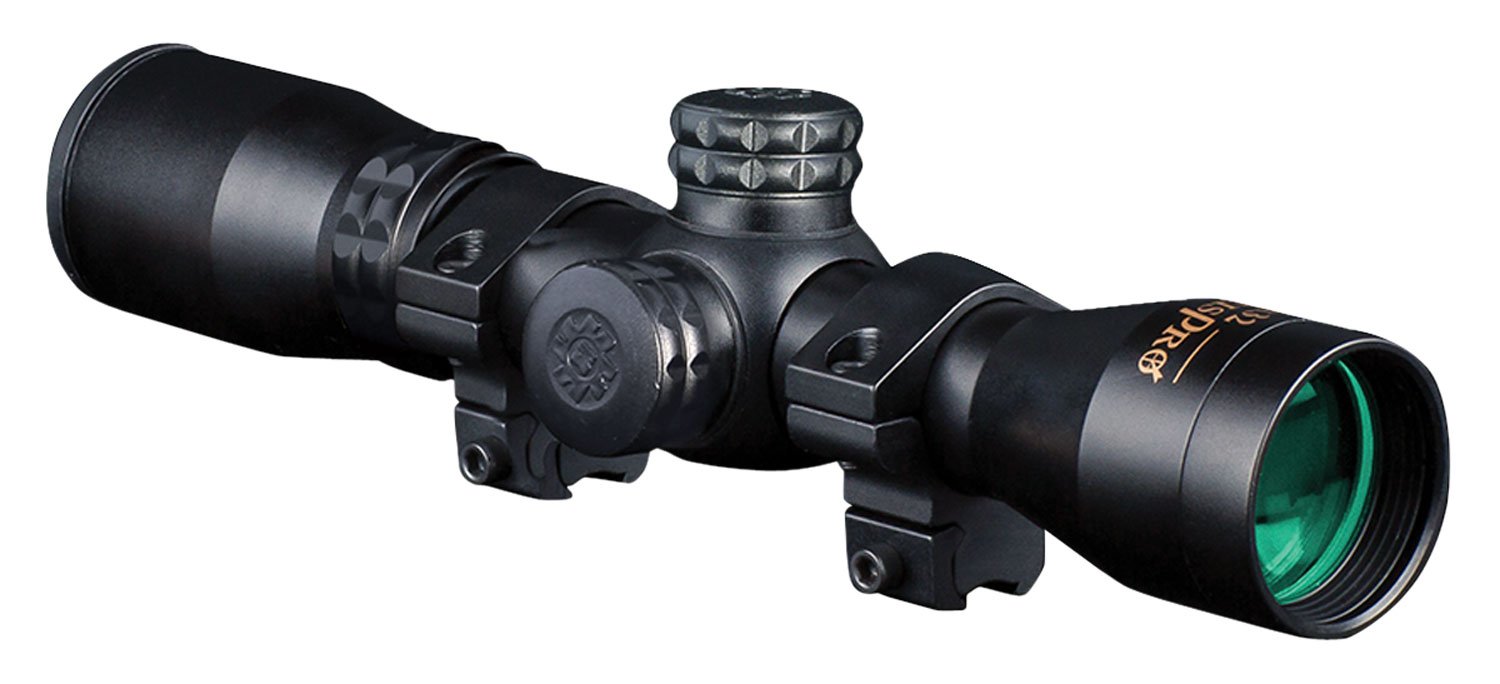
Konus KonusPro 4x32
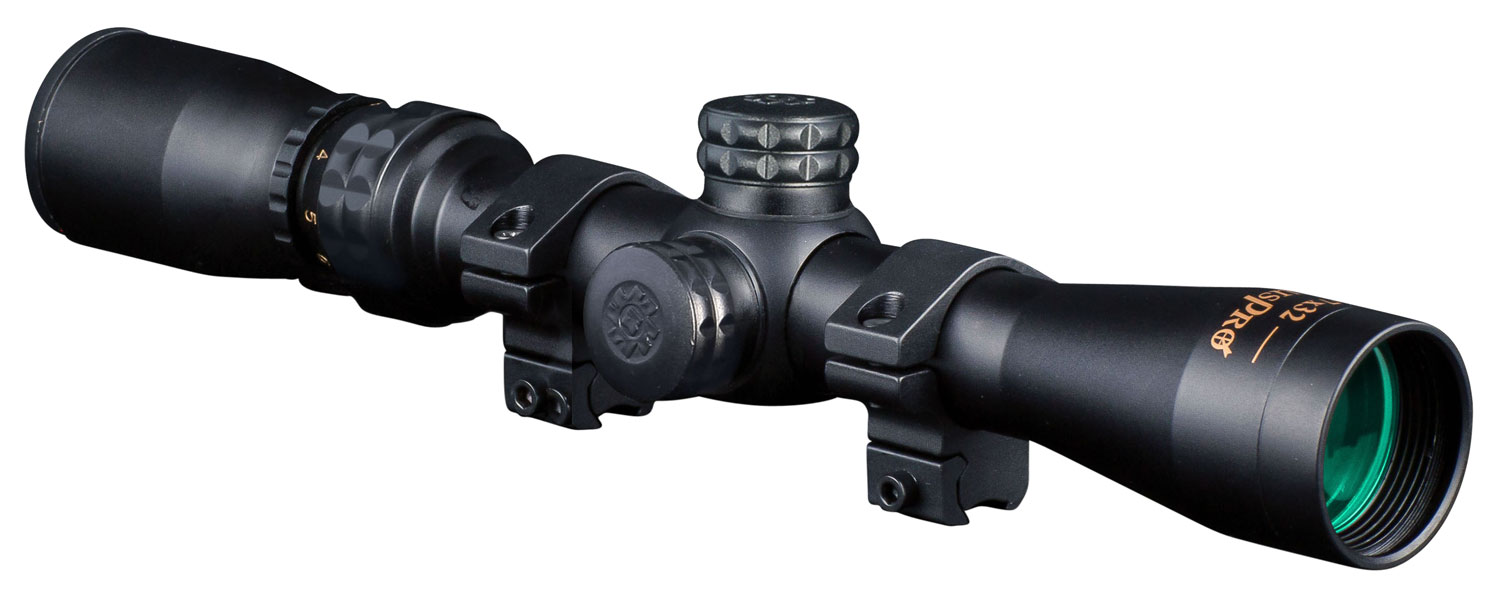
Konus Pro 2-7X32 Matte Black
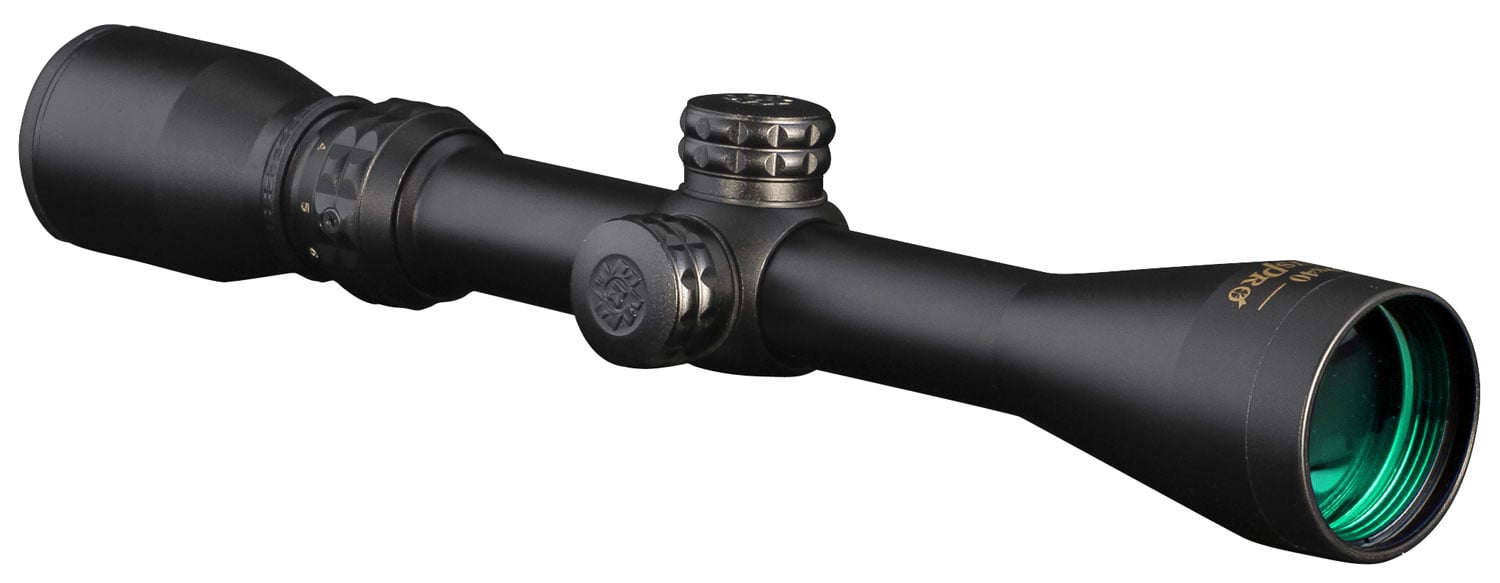
Konus Pro 3-9X40 Matte Black
That grid is the useful counterexample: a 3-9x32, a 3-9x40, two 4-12x and a 2-7x32, all under about $85. Objective diameter tracks the magnification tier more than anything else — among 3-9x listings that state a diameter we can read, 40mm dominates, while the 20x-and-up listings cluster at 50mm and 56mm. A big front end is a consequence of high magnification, not an upgrade you choose separately.
How much magnification do you need for the distance you actually shoot?
The catalog cannot answer that, so here is the honest version: your magnification requirement is set by how small your aiming point is at your real maximum range, and your real maximum range is set by what you can hold, not what the cartridge can do. The scope that fits is almost always less magnification than the one you want in the shop.
Two things the shelf does tell you. First, nearly every hunting-marketed scope under $200 is a 3-9x or a 4-12x, which means the market has already decided this question for the budget buyer. Second, the high-magnification tiers are not sold as hunting glass — they are sold as target and long-range glass, with the weight, length and tight eye box that implies.
If you are chambering the rifle at the same time, the best bolt-action rifles for hunting covers the gun side and the best deer hunting ammo covers the cartridge side. If you are stepping up to a dialling scope, read MOA vs MRAD before you pick turret units, and how to zero a rifle scope for what the first range trip costs. On the terminal side, muzzle energy vs muzzle velocity is the correction to the number most spec sheets lead with.
The Premium Hunting Tier — Live Prices
Prices updated Nov 18, 2026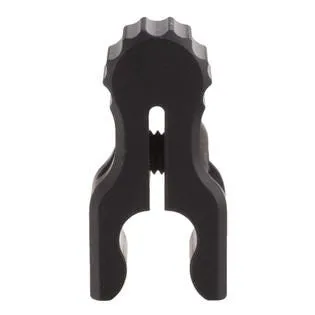
Trijicon AccuPoint/AccuPower Magnification Ring Lever AC20007
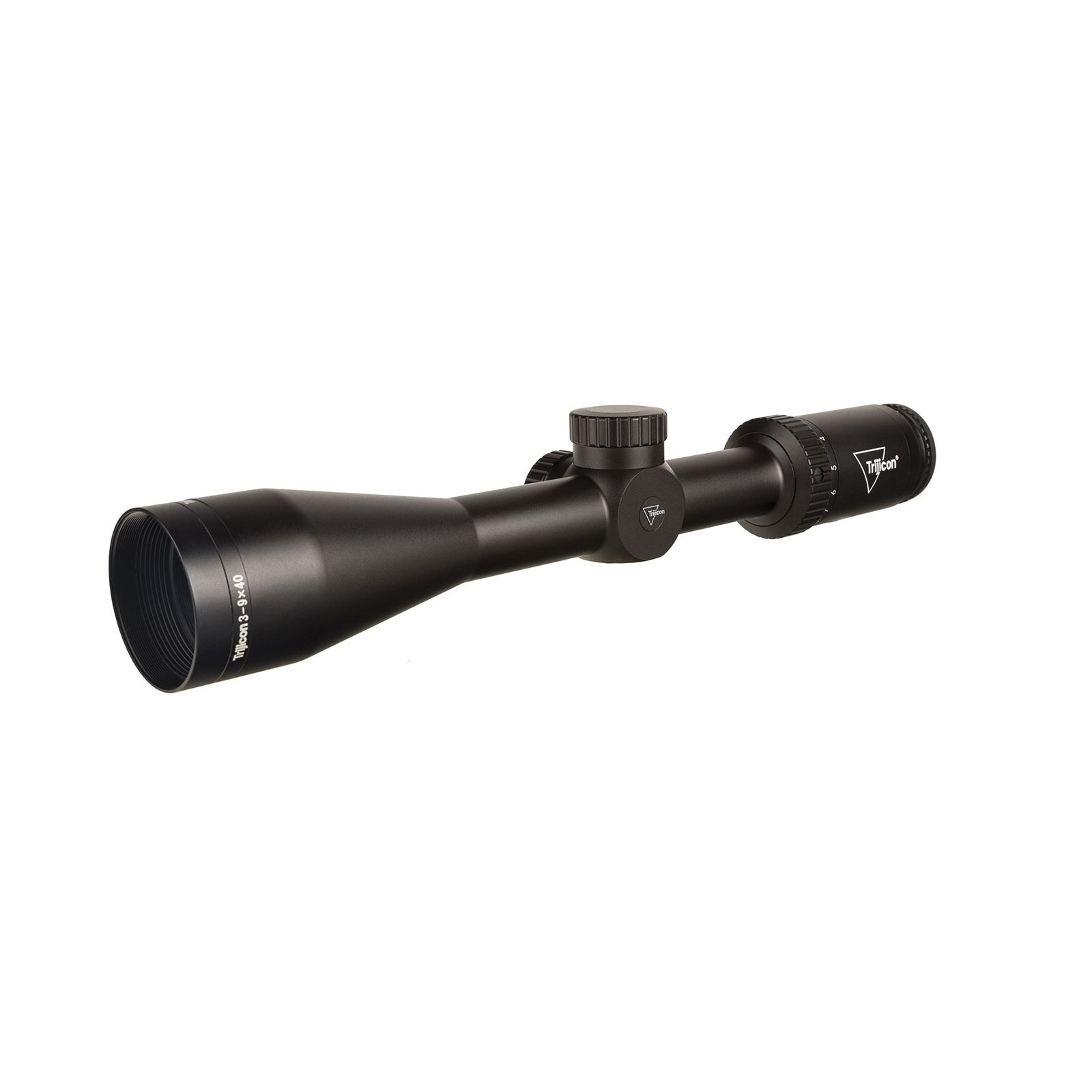
Trijicon Huron 3-9x40 Riflescope With German #4 Crosshair Reticle MOA Adjustment 30mm Tube
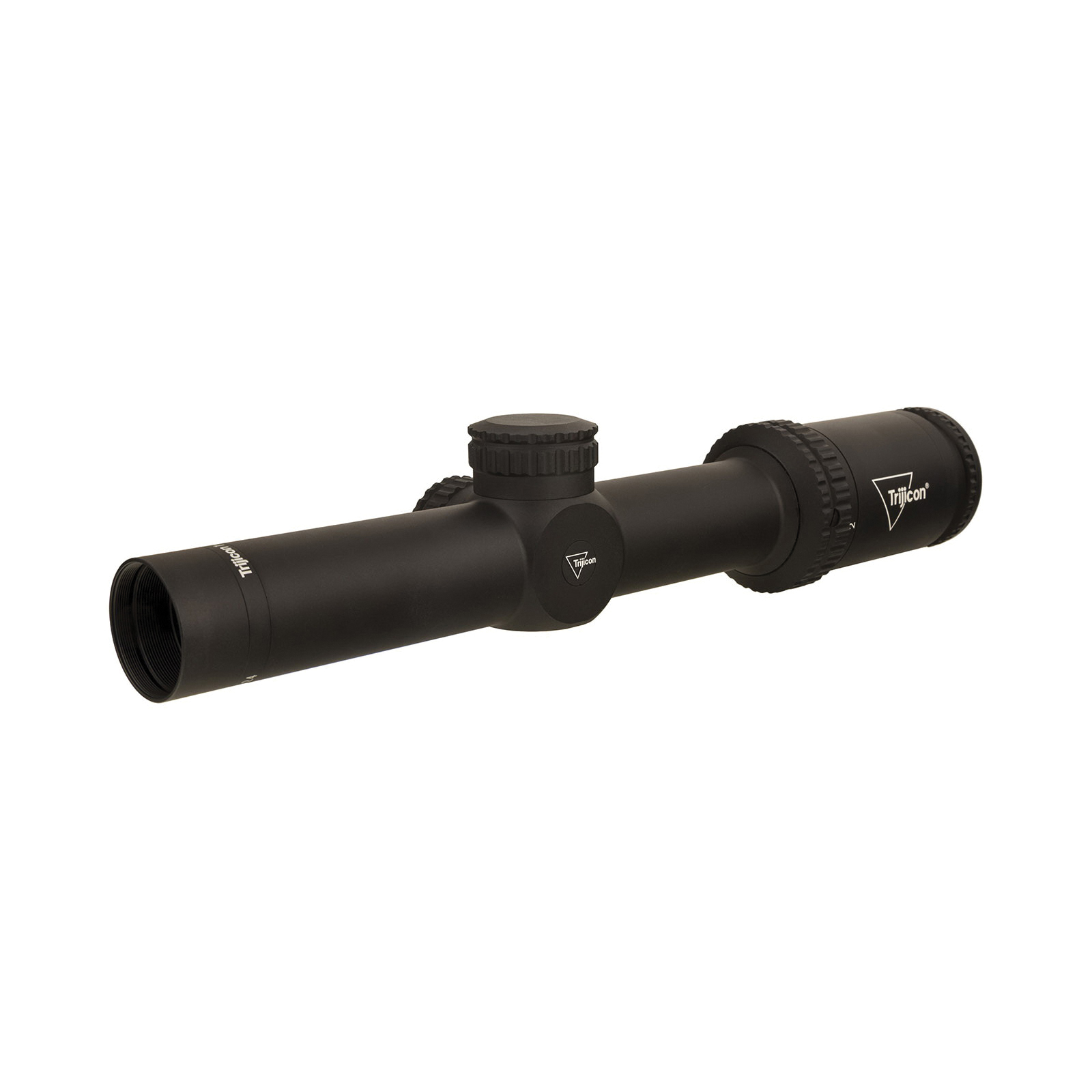
Trijicon Ascent 1-4x24 BDC Target Holds, 30mm, Matte Black Riflescope 2800001
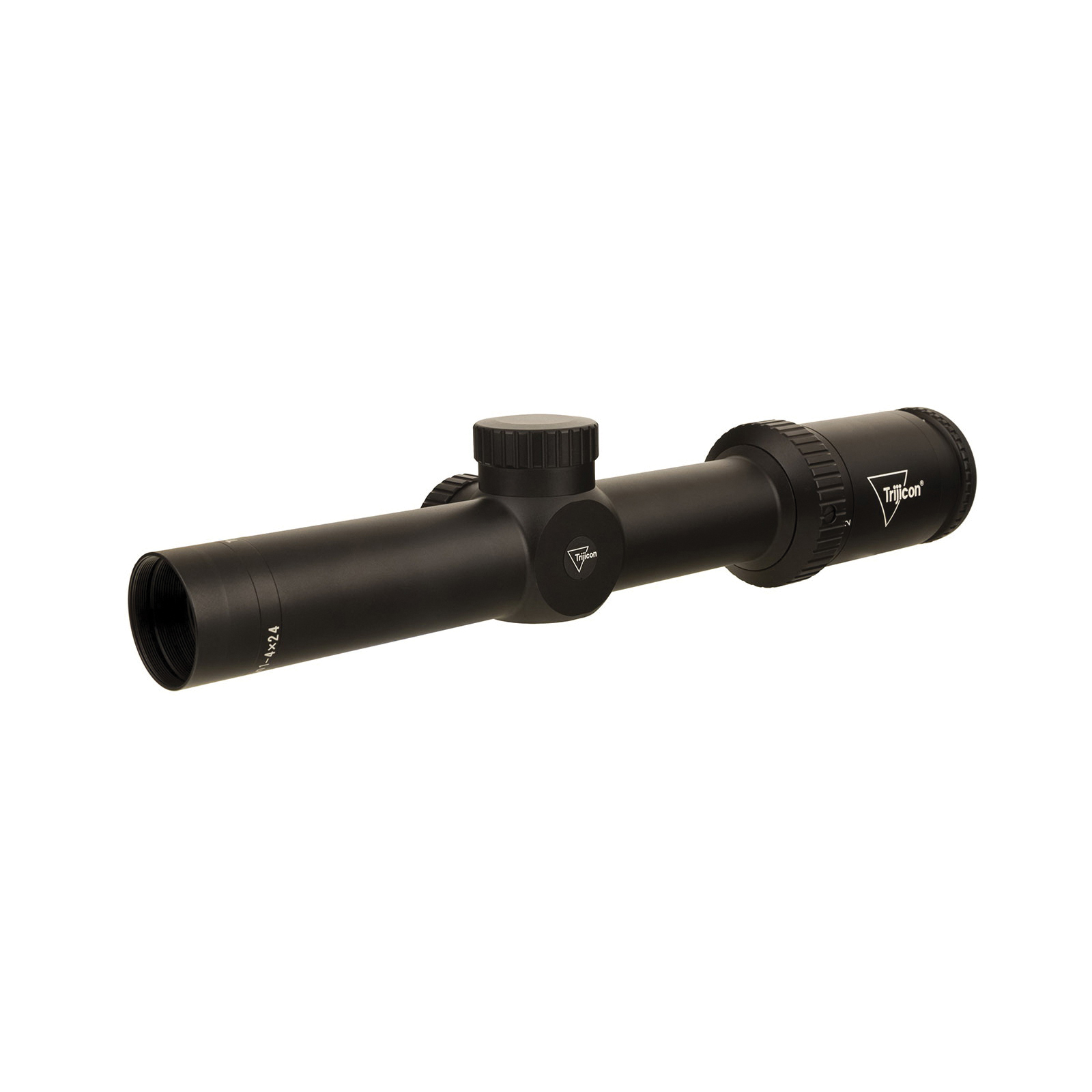
Trijicon Huron 1-4x24 BDC Hunter Holds, 30mm, Satin Black Riflescope 2700001
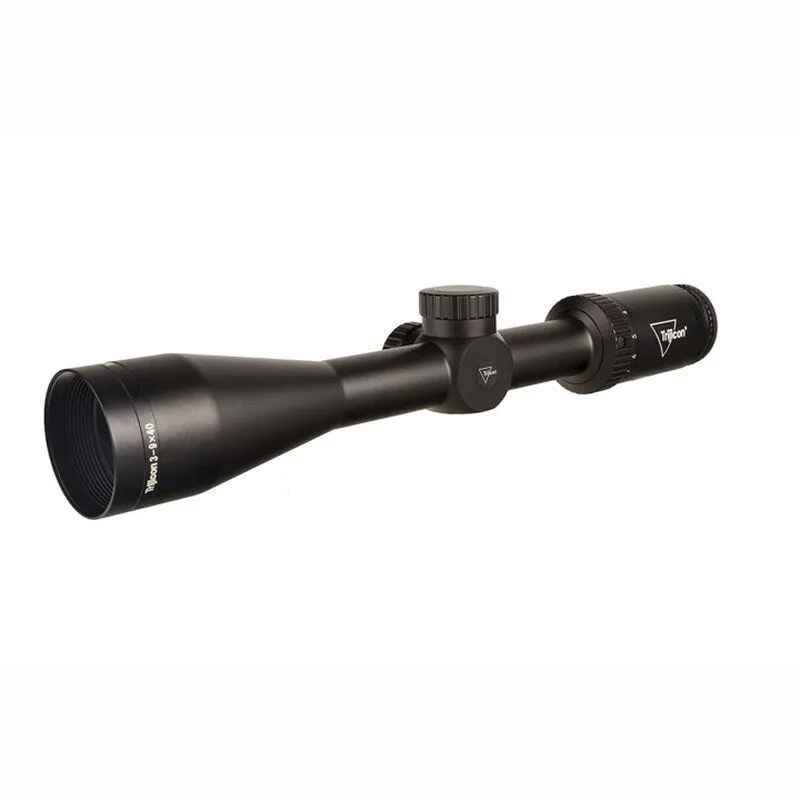
Trijicon Huron 3-9x40 Standard Duplex, 1 in., Satin Black Riflescope 2700005
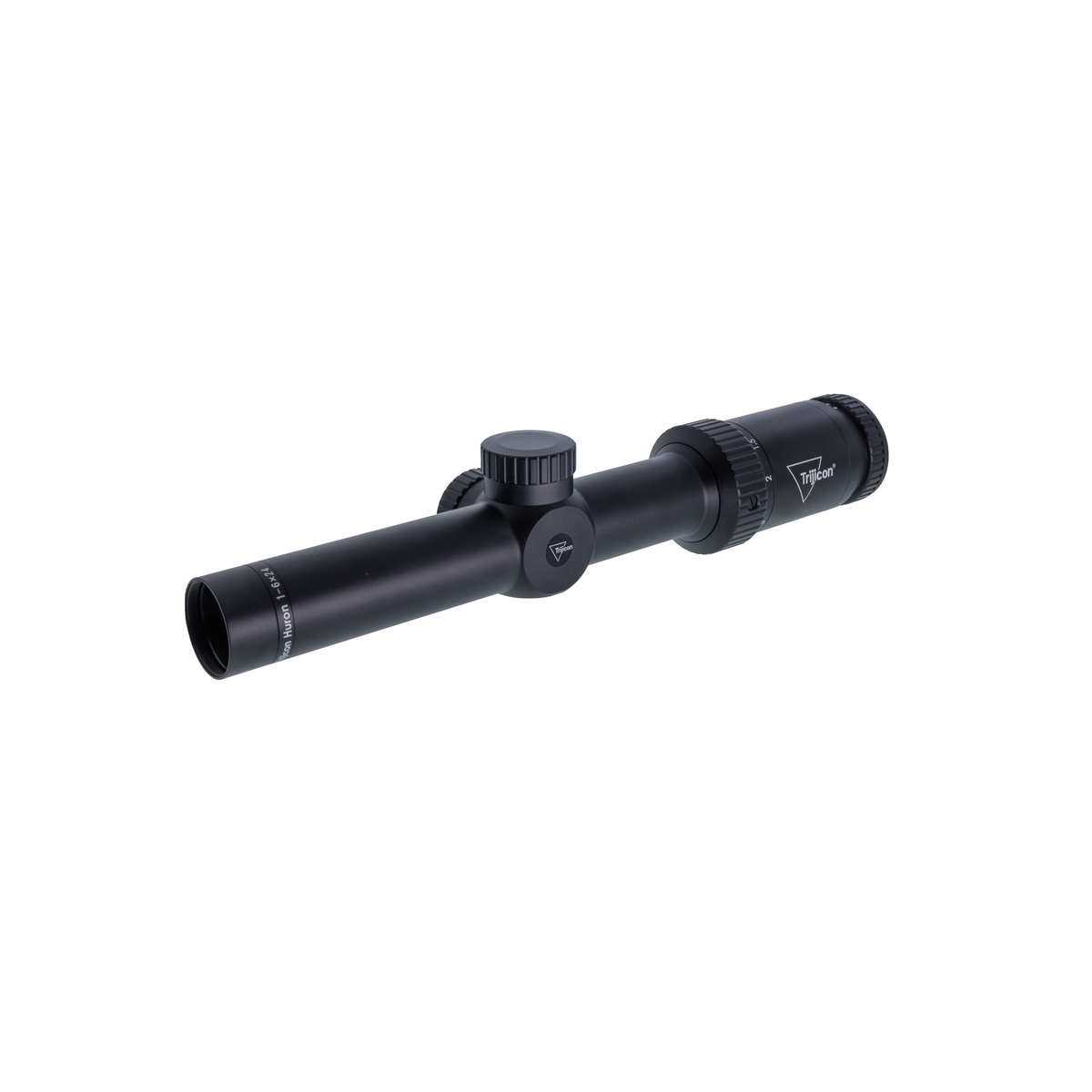
Trijicon Huron 1-6x24 Riflescope BDC Hunter Holds, 30mm Tube, Satin Black, Capped Adjusters 2700008
What the magnification decision costs against the cartridge
Here is the arithmetic that puts the whole question in proportion.
.30-06 Springfield Price Index
Live · Nov 18, 2026.22 LR Price Index
Live · Nov 18, 2026The gap between the median 3-9x and the median 26x-and-up scope is about $1,740. At the .30-06 floor the block above is showing, that difference is roughly two thousand rounds of centerfire hunting ammunition — more than most hunters fire in a decade of seasons. Against the rimfire floor it is tens of thousands of rounds.
That is the case for buying the cheap, deep, popular magnification range and spending the difference on trigger time. How many rounds it takes to get good is the honest answer on volume, and the best .22 LR ammo by bulk, match and hunting use is where that practice gets cheap. Compare cartridge costs directly at .30-06 Springfield deals and .22 LR deals, or browse the glass itself under accessories.
Note that every price we publish is item-only — retailer shipping is not in the feeds we ingest, and on a $50 scope that matters.
Should you shop around, or wait for a sale?
Shop. Across our 1,397 live rifle-scope listings, 49.0% are stocked by more than one retailer, but only 38.9% sit above their own recorded low, with a median gap of 5.57%. Ammunition is the mirror image: about seven in ten live ammo listings are marked up against their own recorded low. So the discount you are hunting on a scope mostly is not there, while the cross-retailer spread usually is.
It shifts a little by tier. The 3-9x band is 51.7% multi-retailer and 35.6% above its own low. The 1x-start low-power scopes are the most shoppable at 59.7% multi-retailer, and also the most likely to be marked up at 43.6%. The 20x-and-up tier is the least shoppable at 41.9% — thin, expensive listings at single retailers.
The practical conclusion is the same as everywhere else in our catalog: compare retailers on the hardware, and put the standing price alert on the cartridge, where the swings are. Why ammo prices move explains why that asymmetry exists.
What the listing will not tell you
Four gaps worth knowing before you shop this category on specifications:
- Focal plane is often silent. 435 listings name second focal plane and 296 name first — so 666 of 1,397 name neither, and it changes whether your reticle holds are valid at every magnification.
- Reticle type is thinner still. 443 mention illumination, 148 name a BDC, 58 a duplex, 31 a mil-dot, and only 19 say anything about turrets.
- 587 of 1,397 listings carry no brand string at all in the feed, so filtering this category by maker quietly drops more than a third of the shelf.
- 41 listings state no magnification in a readable form, and several more write it oddly enough ("3X-9X 40MM", a bare "18X") that they will not match a search.
Two brand grids are worth a warning for the same reason. Price-sorted, the Leupold shelf leads with a competition elevation dial and an anti-reflection device before any scope, and the Burris shelf leads with a magnification throw lever. Both are legitimate products. Neither is a scope, and both will be the first thing you see.
Six 3-9x Class Scopes, Cheapest First
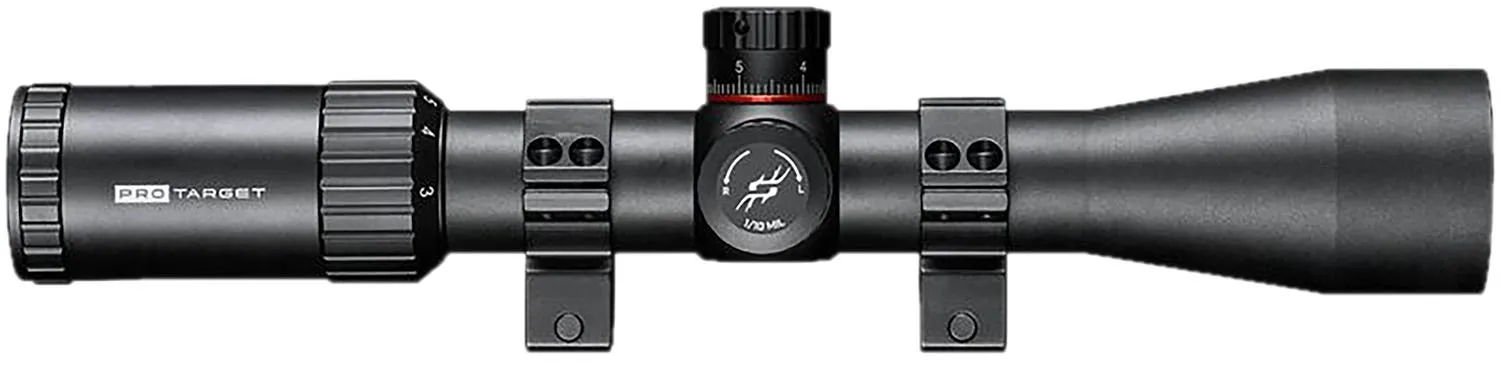
Simmons ProTarget 3-9x40mm SFP Mil-Dot Reticle
A plain second-focal-plane 3-9x40 with a mil-dot reticle. Pinned because it marks the real floor of the usable hunting shelf rather than the airgun scopes that sit below it.
Pros
- ✓Stocked at more than one of our retailers
- ✓The magnification range two thirds of hunting listings use
Cons
- ✗No illumination
- ✗Entry-tier glass and turrets
Sig Sauer Buckmasters 3-9x40mm BDC Riflescope SOBM33001
Sig's Buckmaster line is the cleanest entry grid on our scope shelf: every cheap listing in it is an actual hunting scope with a drop-compensating reticle, not an accessory or an air-rifle optic.
Pros
- ✓Multi-retailer
- ✓BDC reticle stated in the listing
Cons
- ✗Fixed parallax
- ✗No exposed turrets
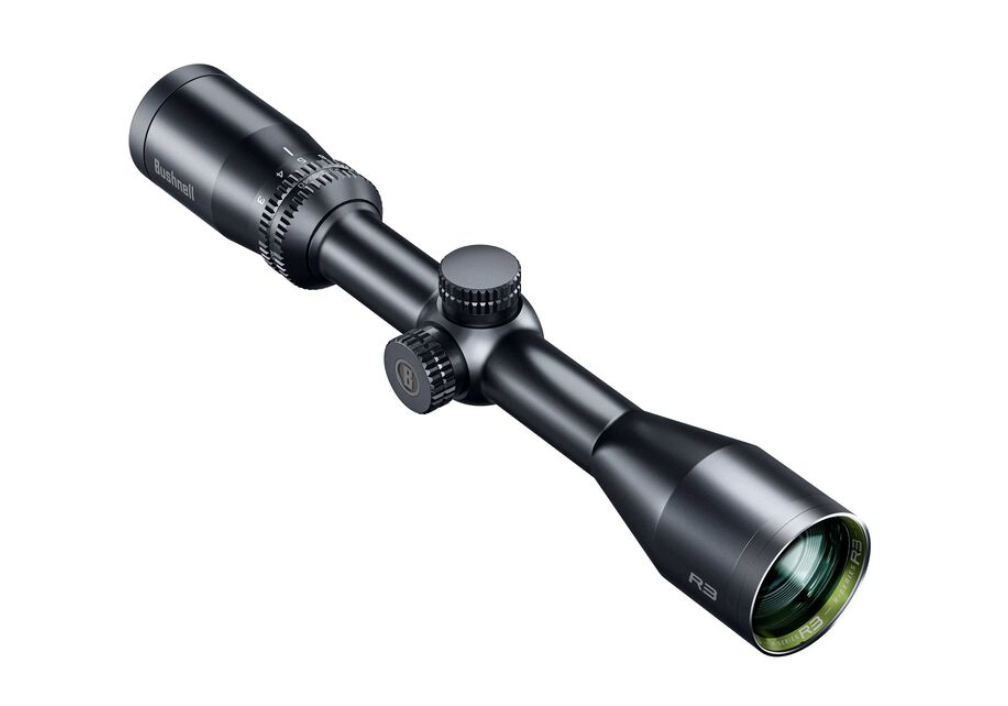
Bushnell Tactical Bushnell R3 3-9x40mm DOA QBR EXO Black Riflescope R3-3940S11
A 3-9x40 one tier up. Useful for seeing what the extra money buys when the magnification range is held constant, which is the only honest way to compare two scopes on a price list.
Pros
- ✓Multi-retailer
- ✓Reticle variants at the same price point
Cons
- ✗Still no illumination at this price
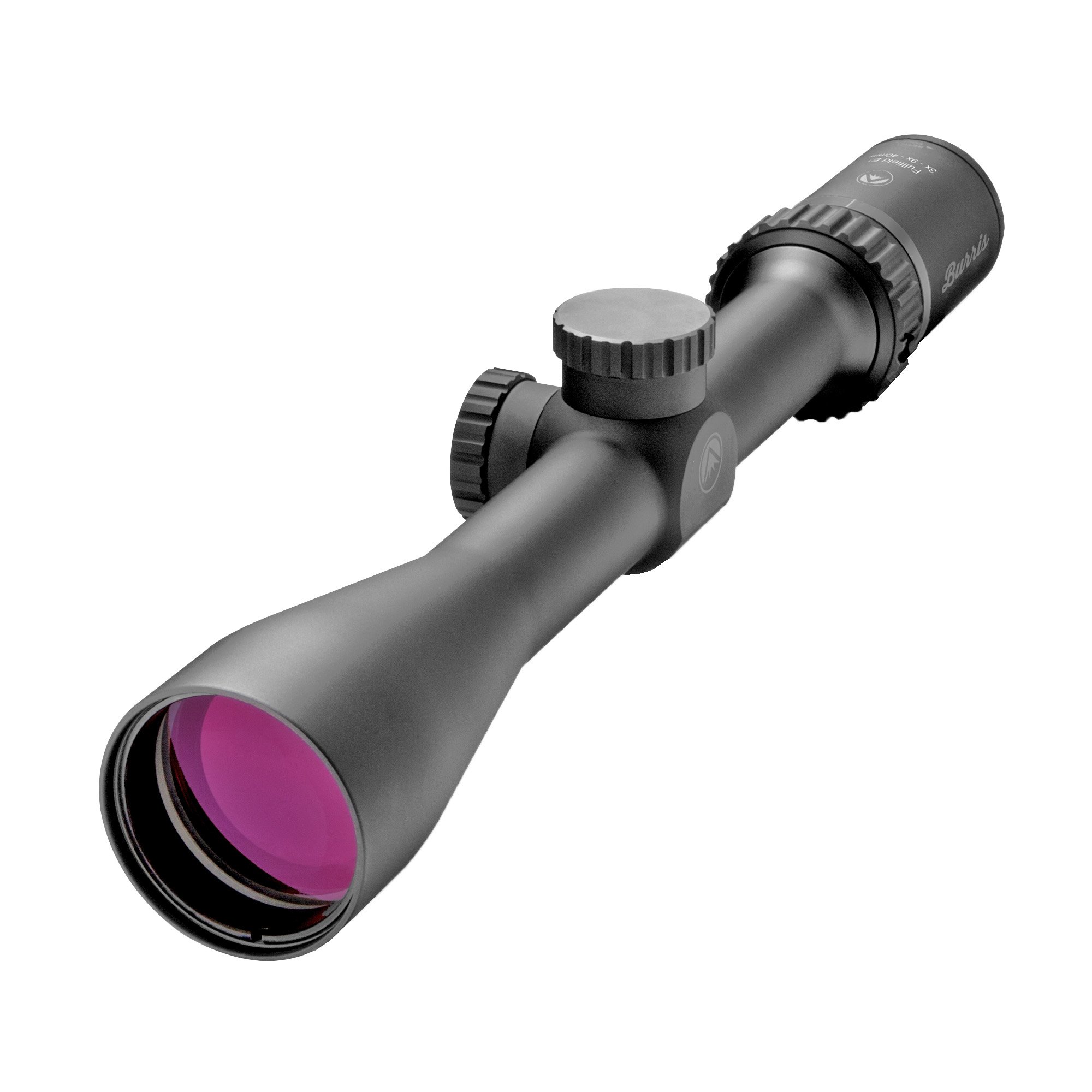
Burris Fullfield E1 3-9x40mm Ballistic Plex Shotgun Riflescope 200346
A 3-9x40 with a ballistic reticle at roughly the category's 25th percentile. If you want one scope that will not be the limiting factor on a deer rifle, this is the price band where that argument starts.
Pros
- ✓Multi-retailer
- ✓Established hunting line
Cons
- ✗Second focal plane, so holds change with magnification
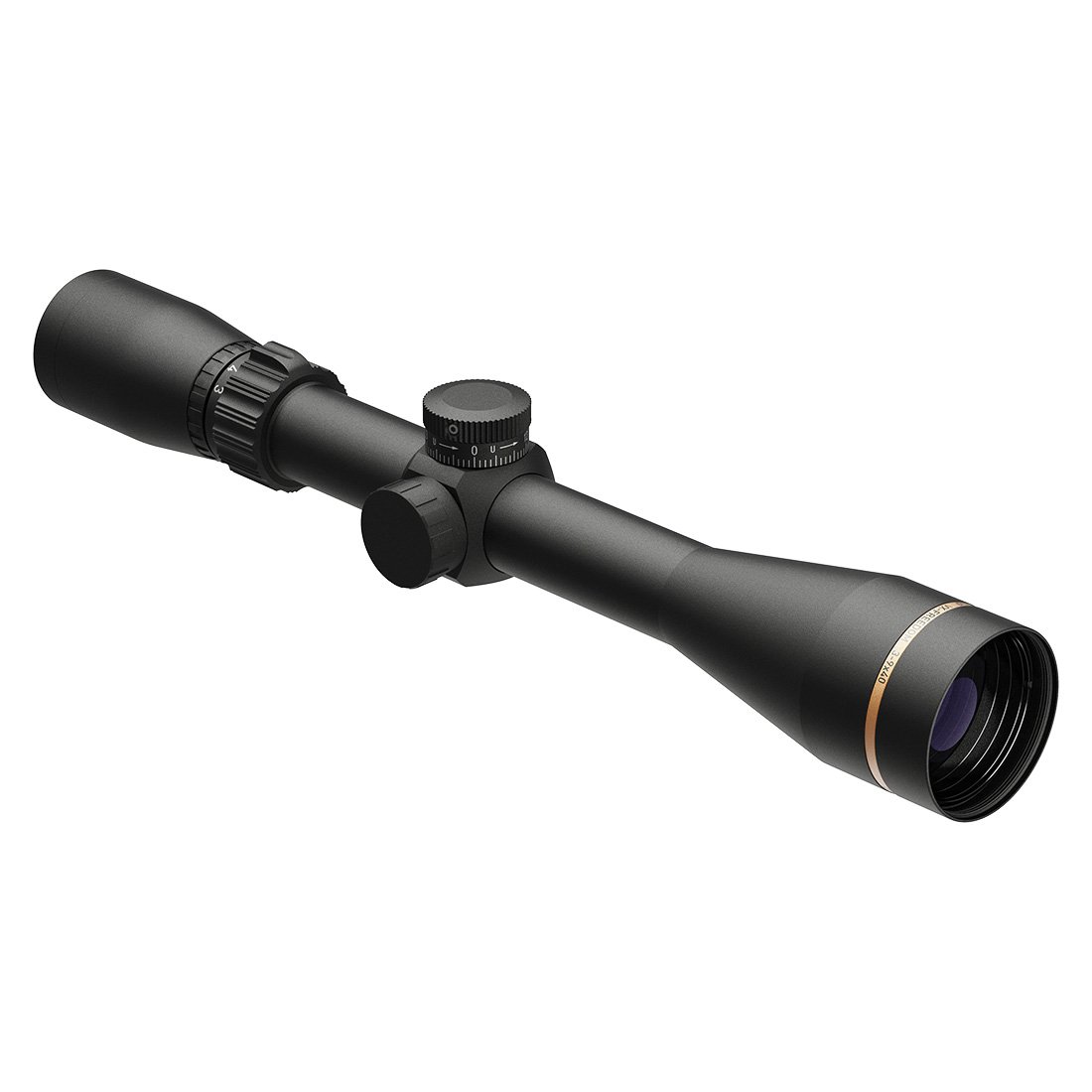
Leupold VX-Freedom 3-9x40 (1 inch) CDS Tri-MOA Riflescope 180603
Still a 3-9x40 — the same magnification as the cheapest pick here, at several times the price. Pinned deliberately to show that magnification is not what you are buying above $300.
Pros
- ✓Multi-retailer
- ✓Dial-based elevation system
Cons
- ✗No magnification advantage over a $50 3-9x
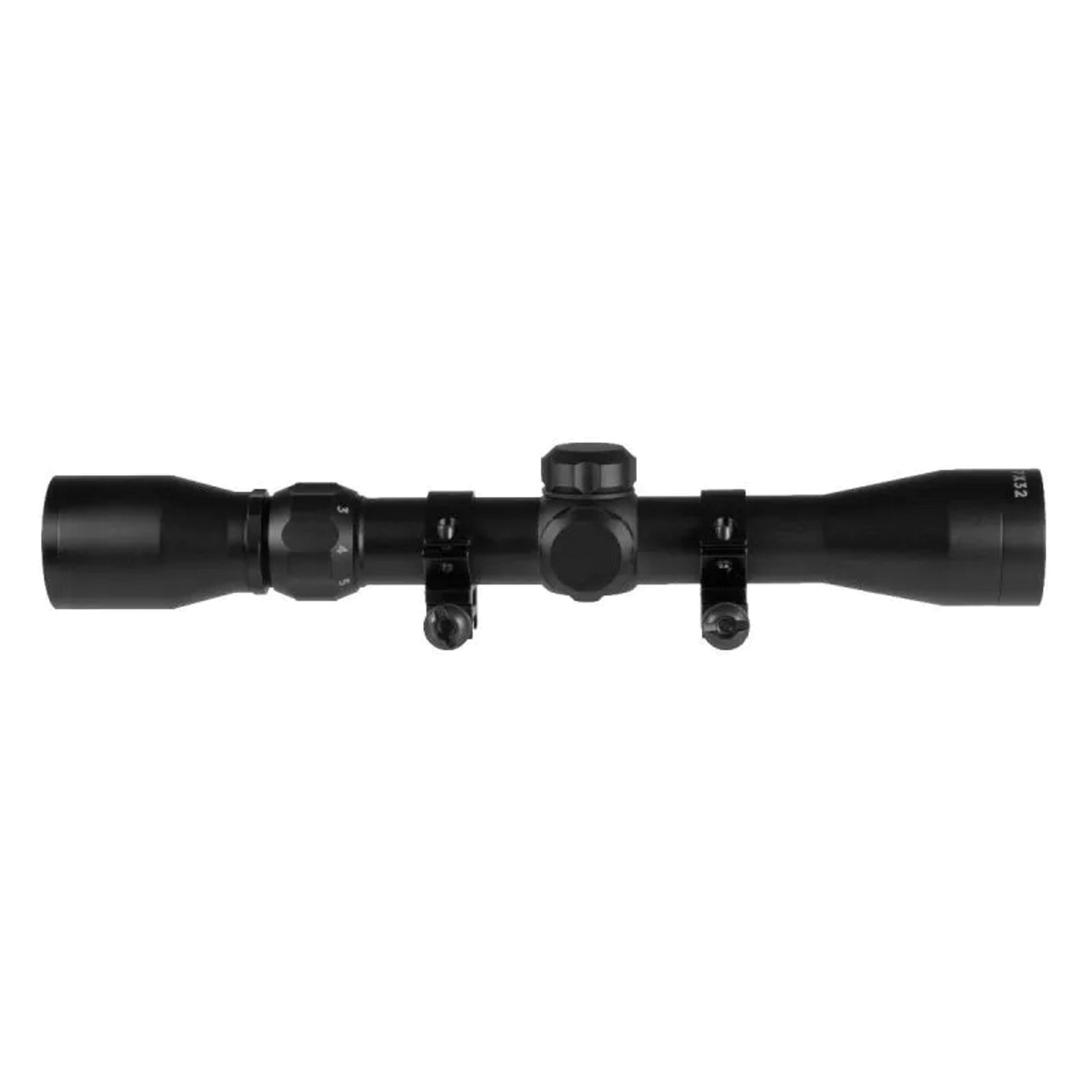
Truglo 2-7X32 TRUShot Scope Black Weaver
A 2-7x32. Only 22 listings on our shelf use this range, which is the traditional answer for timber and rimfire work. If it suits how you hunt, buy it when you see it.
Pros
- ✓Cheapest usable magnification range on the shelf
- ✓Multi-retailer
Cons
- ✗Shallow shelf — 22 live listings
- ✗Top end limits long open-country shots
So: start at 3-9x unless you have a specific reason not to, treat 12x as the point where the price curve turns against you, do not pay for a 1x bottom end on a hunting rifle, read the title for focal plane before you trust a reticle, and spend what you save on ammunition.
Get alerted when .30-06 Springfield price drops hit.
We watch every listing and email you the moment the cost per round drops.
Set Up a Free Price AlertAmmoSpotter earns a commission when you buy through links on this page. It never changes what you pay, and it never decides what we recommend — our picks are ranked on live cost-per-round data pulled from every retailer we track. Full disclosure.
Frequently Asked Questions
Is 3-9x enough magnification for deer hunting?+
Do I need more than 12x for hunting?+
Is a fixed-power scope cheaper than a variable?+
Should I spend more on the scope or the rifle?+
What magnification should a .22 LR trainer have?+
Can you tell me which hunting scope has the best glass?+
Shop the data

About the author
AmmoSpotter Research Desk
Price & Ballistics Research
The AmmoSpotter Research Desk analyzes live retail pricing across every ammunition, firearm and accessory listing we track. Recommendations here are ranked against real cost-per-round data pulled daily from the retailers we monitor - not against manufacturer marketing copy.
- ✓Tracks 180,000+ live product listings across 6 retailer feeds
- ✓Records price history on every listing, every day
- ✓Cost-per-round methodology applied to all ammunition rankings
- ✓No product is ranked without a verifiable in-stock retail price
- ✓Affiliate relationships never influence rankings
Related Guides
How to Zero a Rifle Scope: The Procedure, and What It Costs in Ammunition
- Zeroing is cheap in dollars and expensive in cartridges. The procedure is free; the ammunition is not. - Bore-sighted and done properly, budget nine to twelve rounds. Without bore sighting, twenty to forty. - Torque...
MOA vs MRAD Explained: Which Scope Units to Buy in 2026
- MOA and MRAD are units of angle, not grades of quality. One minute subtends 1.047 inches at 100 yards; one milliradian subtends 3.6 inches at the same distance. - A quarter-MOA click is finer than a tenth-MRAD click...

Red Dot vs LPVO 2026: Which Optic Belongs on Your Rifle
- A red dot is faster, lighter, cheaper to mount and forgiving of bad body position. An LPVO lets you identify a target and call a shot past the distance a dot can resolve. - The mount is the hidden cost. Most dots we...

Best Bolt Action Rifles for Hunting (2026): Priced Live, Cartridge First
- We track roughly 4,500 bolt-action rifles. The grids below are priced live at the moment you load this page. - Sort any bolt-action category cheapest-first and the top is rimfire, not deer rifles. Read the chamberin...
Best Budget Red Dot Sights 2026: Ranked on Street Price, Not MSRP
- The real floor for a usable rifle dot in our catalog sits around forty dollars. Everything below it is built for air rifles and dovetail rails. - The mount is usually included on red dots and usually not on riflesco...