How to Zero a Rifle Scope
Every zeroing guide tells you to adjust and confirm. None of them tell you that the bill arrives in cartridges — so here is the procedure alongside the live cost of the rounds it consumes.
What a zero actually is
Your sight line is straight. The bullet's path is not — it leaves the bore below the optic, climbs across the line of sight, arcs over, and crosses back down. A zero is the distance at which the descending path intersects the sight line, which means every zero has a second, closer crossing on the way up.
That geometry is why the question "what distance should I zero at?" has different answers for different rifles rather than one correct one:
- Rimfire: 25 to 50 yards. The trajectory is steep and short; there is nothing to gain from a distant zero.
- General-purpose carbine: 50 yards is the common convention, because for typical 5.56 loads the path stays within a few inches of the sight line out to a few hundred yards. Confirm the second crossing with your own load's published trajectory data rather than assuming it.
- Hunting and precision rifle: 100 yards, because it is the distance every ballistic table, turret marking and drop chart is referenced from.
Pick the distance before you start. Changing your mind halfway through is how a twelve-round job becomes a forty-round job.
Everything you should fix before the first shot
This is where the money is saved, because every mechanical fault here is eventually paid for in ammunition.
Torque the mounting system. Base screws and ring caps have manufacturer torque specs for a reason. A ring cap that is finger-tight will shift under recoil and move your zero after you have paid to establish it.
Check the cant on your base. A 20 MOA canted rail can push a short-range rifle past the bottom of its elevation travel so that a close zero is physically unreachable — you will burn a box of ammunition discovering a problem that is a hardware mismatch. We covered which bases are canted and why in MOA vs MRAD explained.
Level the reticle to the rifle, not to the world. A tilted reticle costs you nothing at your zero distance and progressively more as you dial up, because your elevation correction is no longer purely vertical.
Set the diopter and the parallax. Focus the reticle against a blank background first, then set the side-focus or adjustable objective for your target distance. Parallax error moves your apparent point of aim when your head shifts — which looks exactly like a rifle that will not hold zero.
Build a stable platform. A rest that lets the rifle move is not a rest. You are trying to measure the rifle's behaviour, and anything that adds dispersion means more rounds to see through the noise.
Rests, Bipods and Adapters — Cheapest Live Listings
Prices updated Oct 1, 2026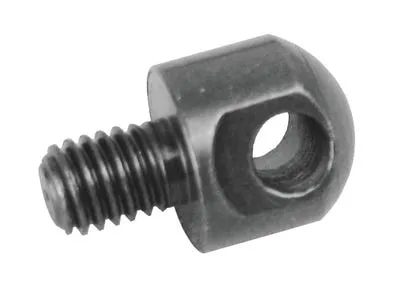
Yankee Hill Machine Company Fixed Bipod Stud
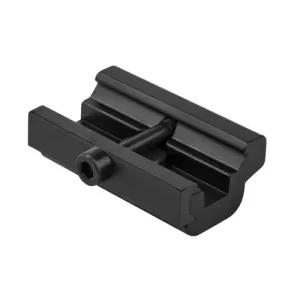
NC Star RAIL BIPOD STUD ADAPT
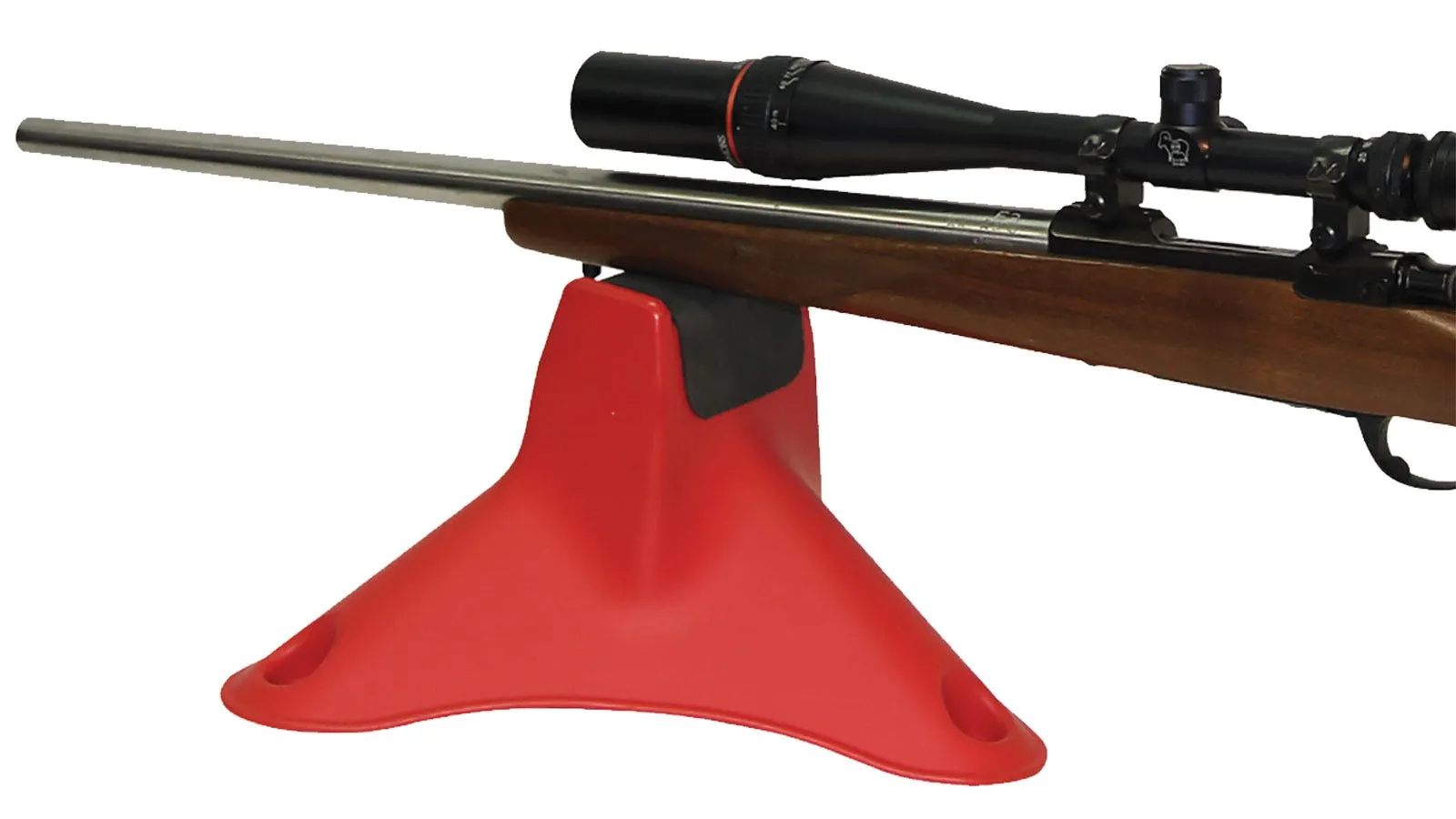
MTM Quick Rest Shooting Rest Red
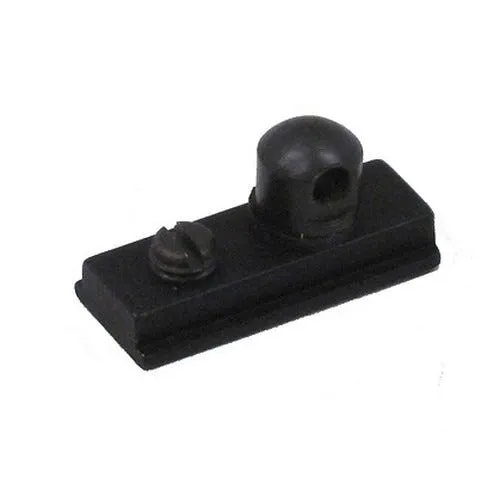
Harris #6 Adapter Rail European
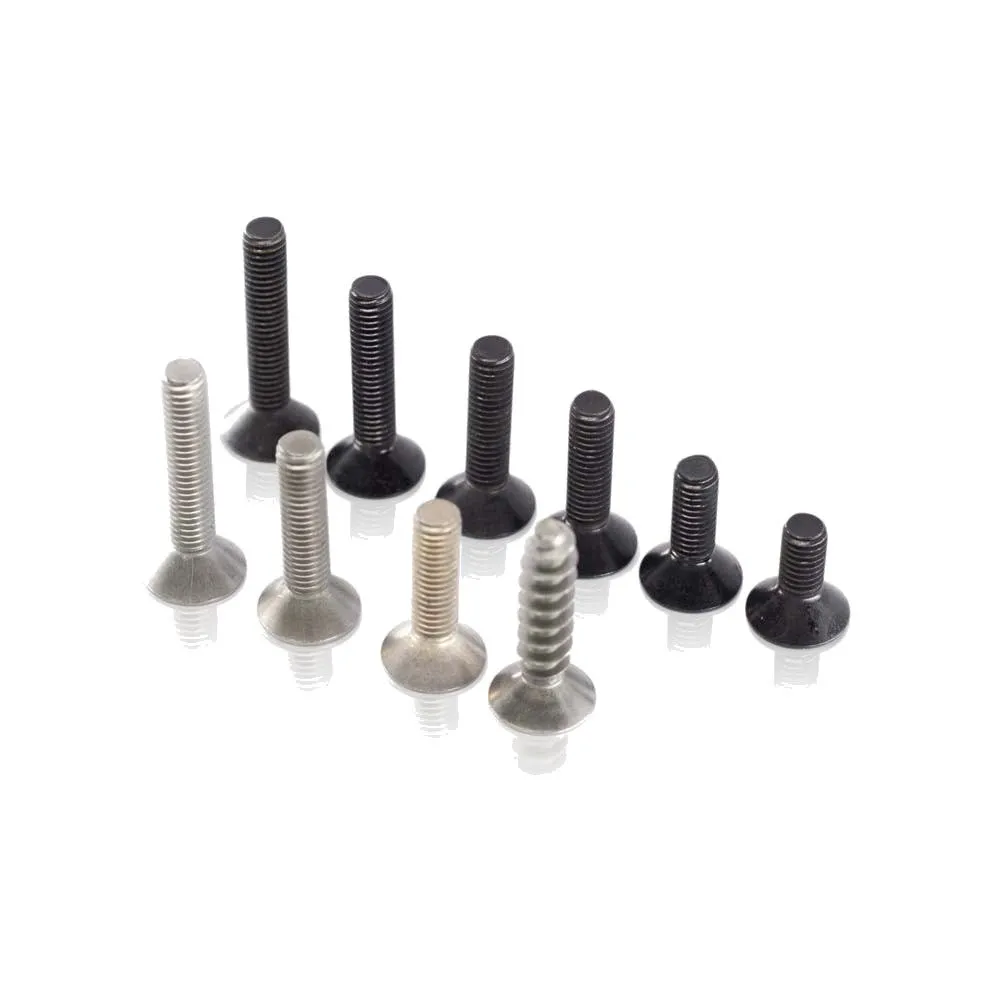
Spartan Precision Equipment Classic Rifle Adapter Screws 10-Count
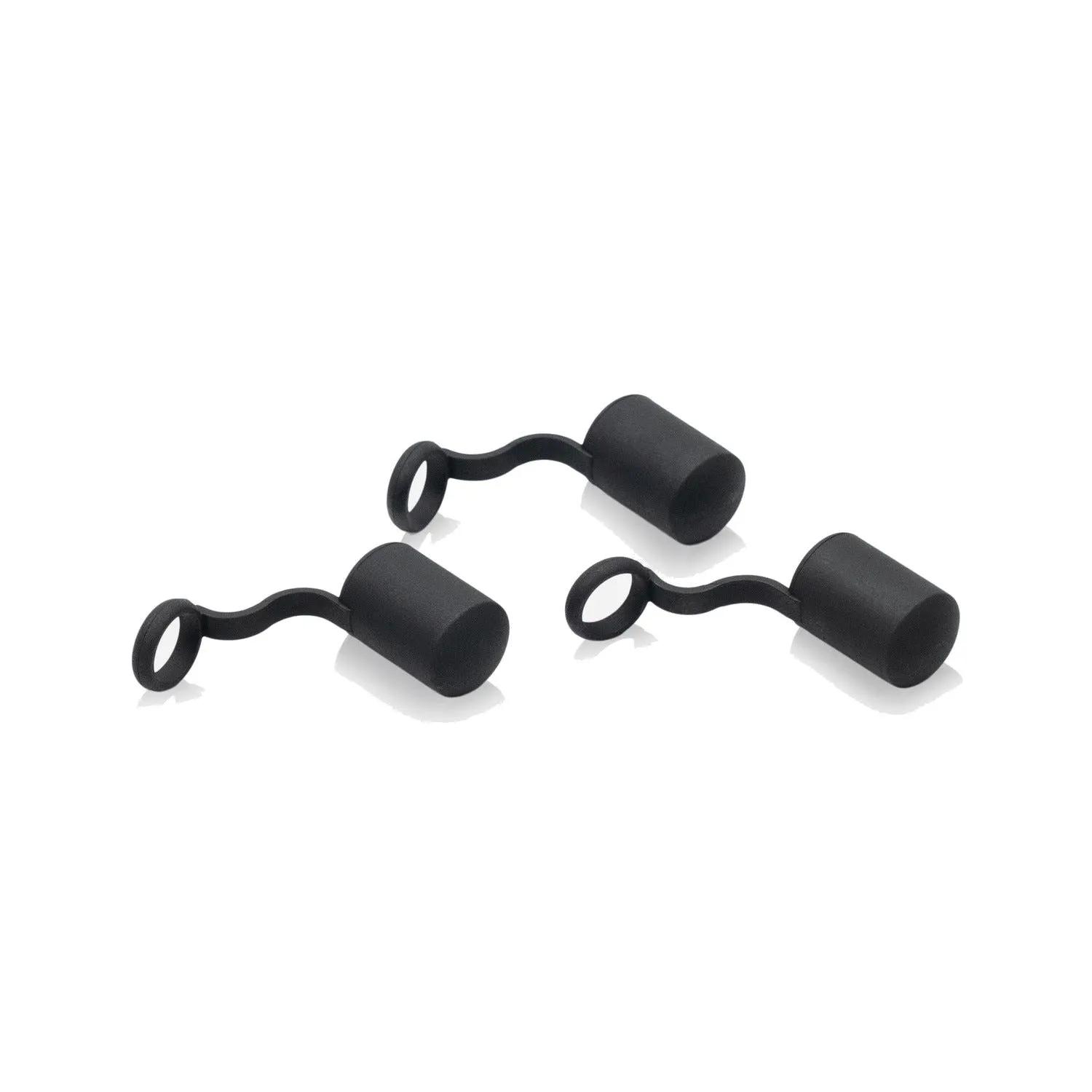
Spartan Precision Equipment Rubber Boots 3-Count
One warning about reading that grid: price-sorted, the rest category leads with bipod studs and rail adapters rather than complete rests, because the parts are cheaper than the products. Read the titles. The same caution applies to anything you price-sort in a parts-heavy category.
Use a target with a grid on it. A sight-in target with a measured grid turns "a bit low and left" into a number you can convert directly into clicks, which saves at least one confirming group.
Sight-In and Grid Targets — Live Prices
Prices updated Oct 1, 2026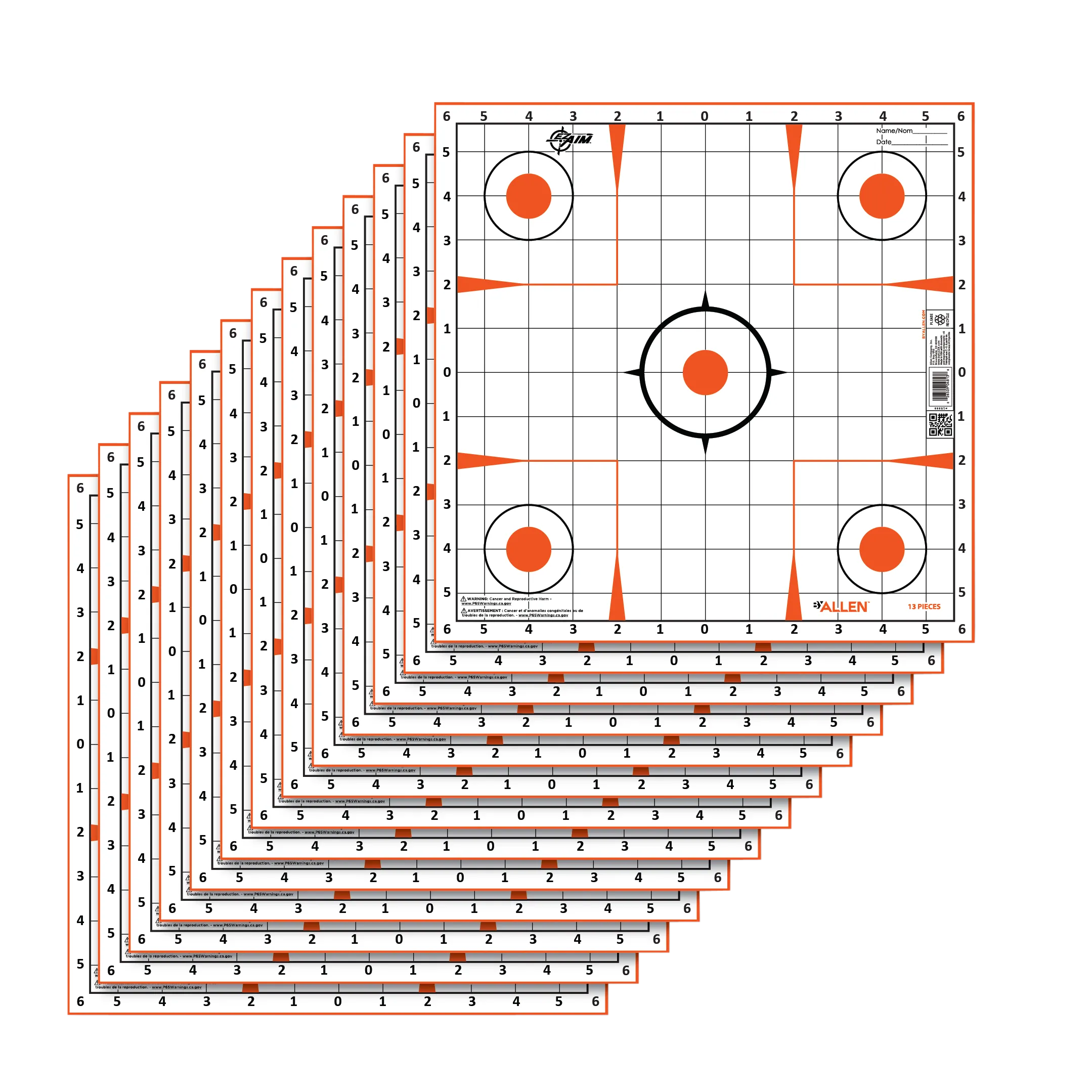
Allen EZ Aim Orange / White 12-Pack
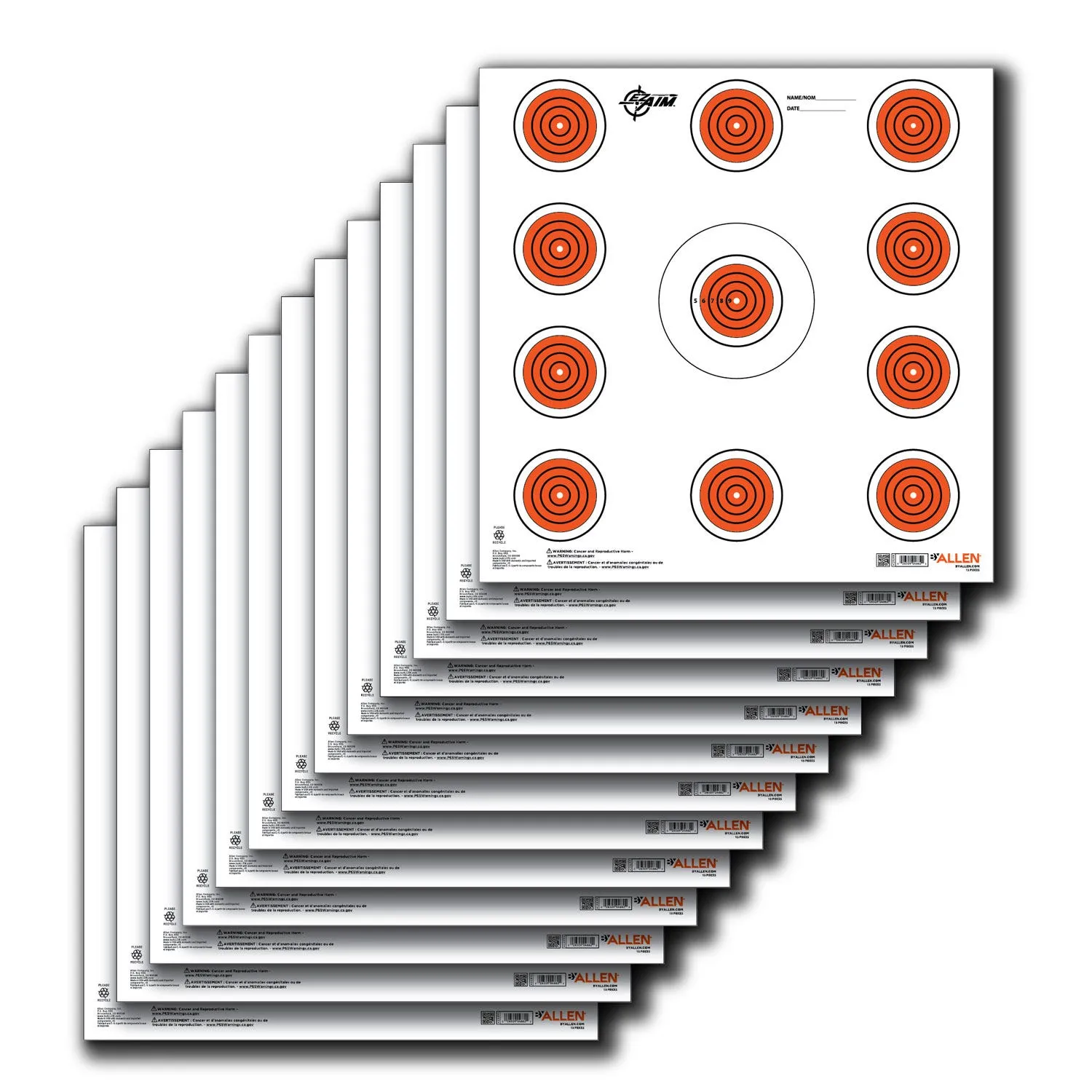
Allen EZ Aim Paper 12X12 11 Targets 13 Pack
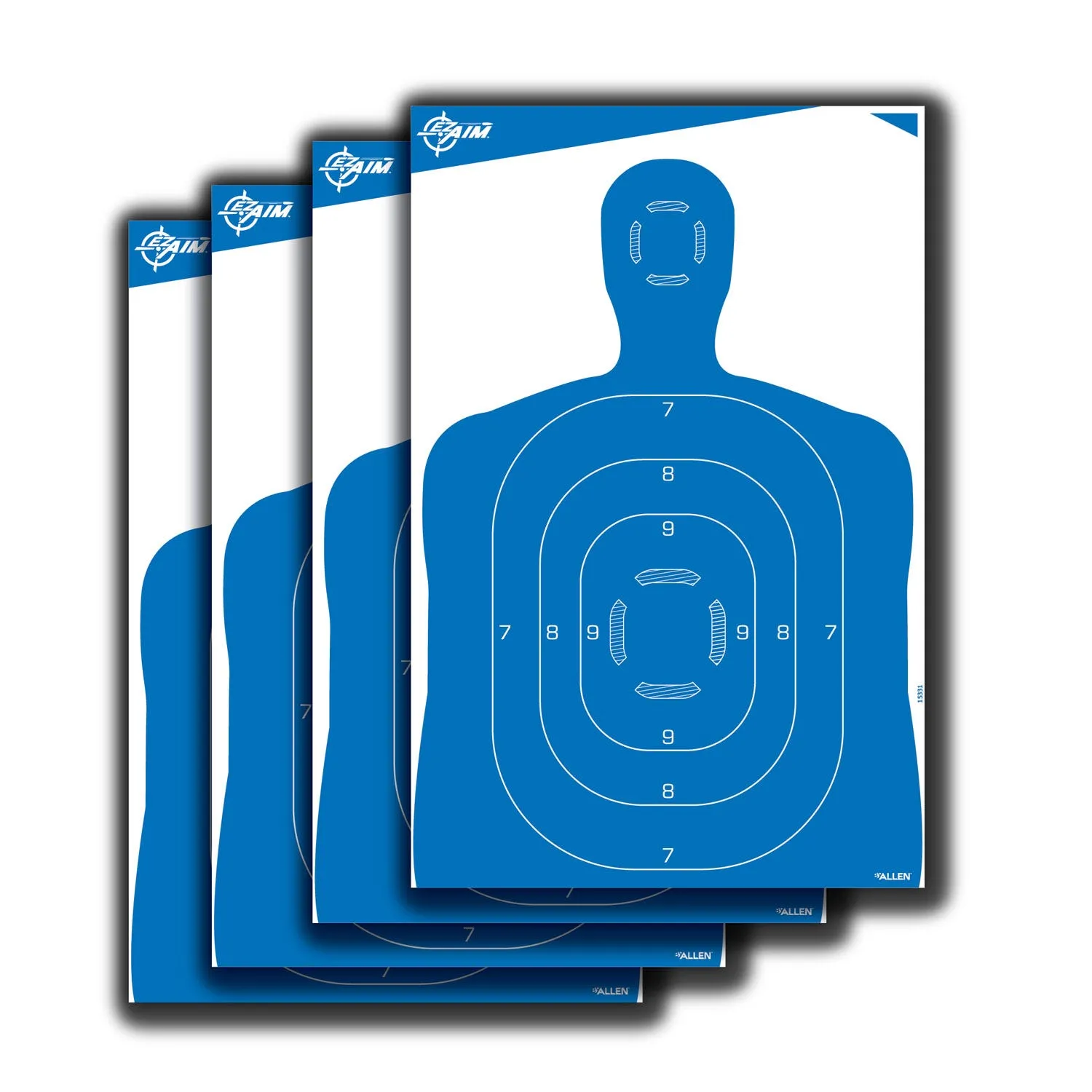
Allen EZ Aim 23x35 Silhouette Paper Target Blue 4 Pack
Birchwood Casey PP12 Plain Paper TGT12 inch rd
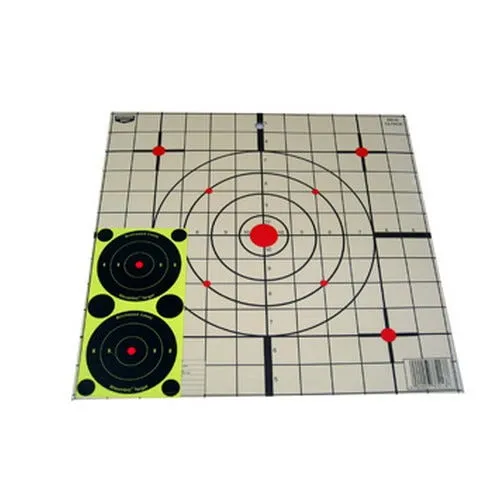
Birchwood Casey 37213 EZE Scorer 12IN Sight in 13
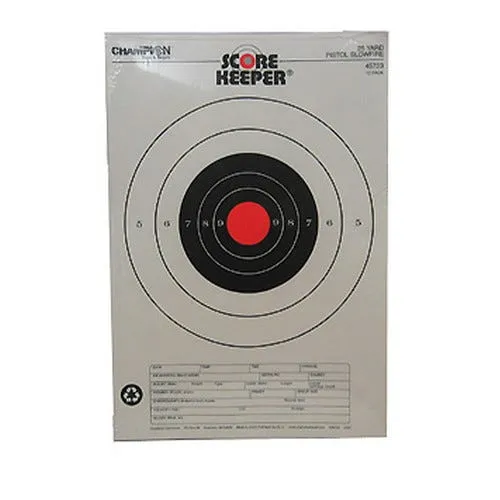
Champion 25YD Pistol Slowfire Target 12P
Bore sight first — it is the cheapest round count you will ever buy
Bore sighting gets the optic roughly aligned with the barrel before you fire anything, either optically through the bore, with a laser cartridge, or with a universal bore sighter clamped to the muzzle.
It does not produce a zero. It removes the stage where you are shooting into a blank backstop trying to find paper, and that stage is where most of the ammunition goes.
Lasers and Bore Sighters — Live Prices
Prices updated Oct 1, 2026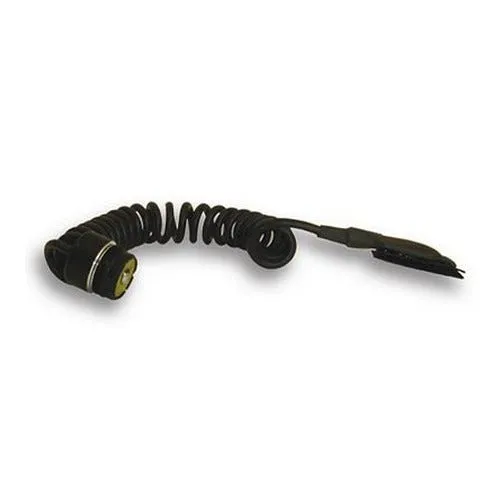
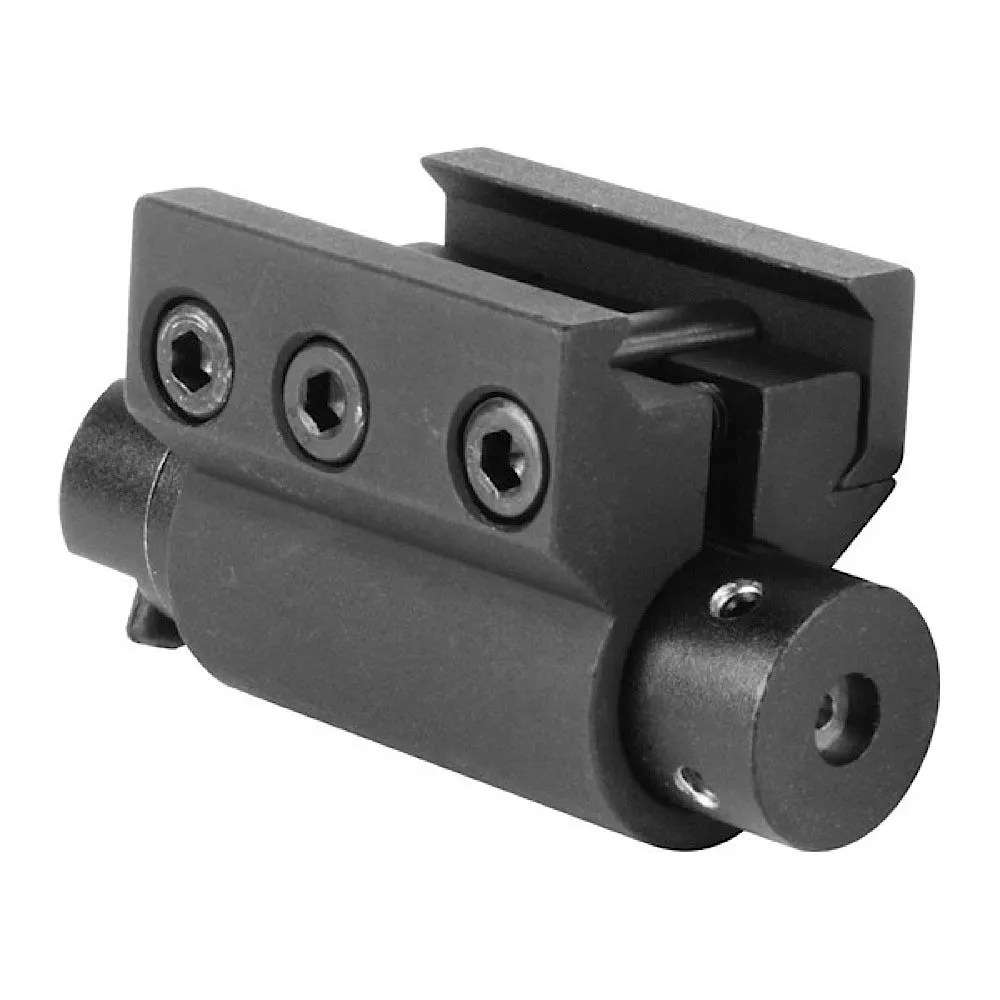
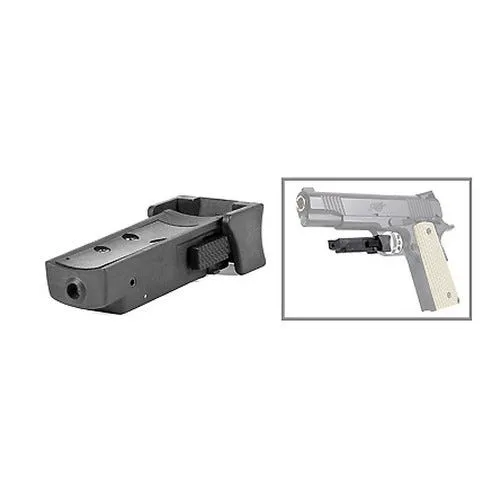
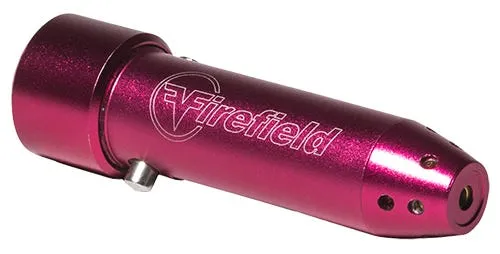
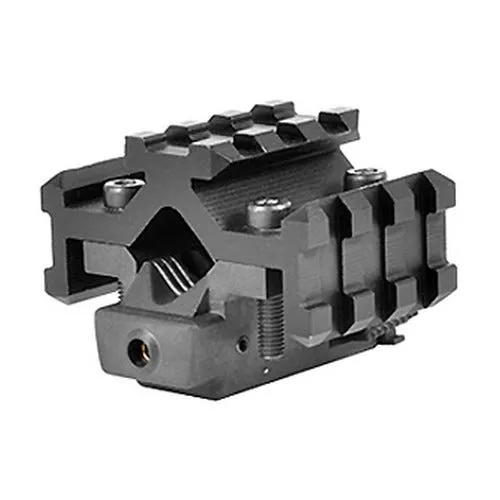
Note what that grid actually contains: price-sorted, the laser category opens with pressure switches and pistol lasers, and the universal bore sighters appear further up the list. That is a category labelling artifact, not a bargain. Filter by title, not by position.
A bore sighter is a one-time cost in roughly the same range as a couple of boxes of centerfire ammunition. The ammunition it saves is recurring. If you own more than one scoped rifle, the arithmetic is not close.
How many rounds does zeroing actually take?
Here is a realistic budget rather than a best case. These are planning figures for the procedure below, not measurements.
| Approach | Rounds to plan for |
|---|---|
| Bore-sighted, 3-shot groups, confirm once | 9 – 12 |
| No bore sight, find paper at 25 yd then move to 100 | 20 – 40 |
| Precision rifle: 5-shot groups, confirm, verify the dial tracks | 40 – 60 |
| Adding a second confirmed distance | +5 – 10 |
The procedure that produces the low number:
- Fire a three-shot group at your chosen distance from a stable rest, taking your time. Let the barrel cool.
- Measure from the centre of the group to the point of aim, horizontally and vertically. Not from the nearest shot. Not from the best shot.
- Convert to clicks and adjust once. A quarter-MOA turret moves about 0.26 inches per click at 100 yards; a tenth-MRAD turret about 0.36 inches. Halve the distance for a 50-yard zero, quarter it for 25.
- Fire a confirming group. If it is centred, you are done. If it is not, you have information about your rest or your technique, not about your scope.
- Confirm at a second distance if the rifle will be shot past its zero.
The expensive mistake at step two is adjusting off a single shot. One shot tells you almost nothing about where the rifle is pointed, and chasing individual holes around a target is the single most reliable way to turn a box of ammunition into a worse zero than you started with. If your round count is running high, it is almost always this.
What zeroing costs, cartridge by cartridge
This is the part the other guides skip. The procedure above is identical across rifles; the bill is not.
5.56 NATO & .223 Remington Price Index
Live · Oct 1, 2026.308 Winchester Price Index
Live · Oct 1, 2026Take the market floor in the blocks above and multiply by the round count you are planning for. A bore-sighted twelve-round zero on a 5.56 carbine is a trivial expense at today's floor. The same twelve rounds in .308 Winchester costs about half again as much per round, and in 6.5 Creedmoor or .30-06 Springfield roughly double. A precision rifle zeroed properly on five-shot groups, in a cartridge with a floor near a dollar, is a genuine purchase rather than an afterthought.
Run your own numbers rather than trusting a round figure:
Cost Per Round Calculator
The only number that matters when comparing ammo. Shipping included.
There is a second cost that is easy to miss: you should be zeroing with the ammunition you will actually shoot. Bullet weight and velocity change where the bullet leaves the barrel and where it lands, and two loads in the same cartridge can print well apart at 100 yards. That means your zeroing rounds come out of your good ammunition, at the good ammunition's price — not out of the cheapest steel-case case on the shelf. How we rank ammunition explains why we treat those as different products rather than interchangeable ones.
If you are buying the rounds for the job, the cheapest way to do it is by the case:
Bulk 5.56 and .223 by Cost Per Round — Live
Prices updated Oct 1, 2026
Wolf Military Classic Steel .223 Rem 55 Grain 500-Rounds Bulk FMJ
.223 Remington · 55gr · 500 rds

PMC Ammunition Bronze .223 Rem 55 Grain 1000-Rounds FMJ Bulk
.223 Remington · 55gr · 1,000 rds

Winchester M855 5.56 Bulk Ammo 62 Grain FMJ 1000rds (Unpainted Tip) - WM8551000
5.56x45mm NATO · 62gr · 1,000 rds

Wolf Performance Ammo PolyFormanc Steel Bulk .223 Rem 55 Grain 500-Rounds
.223 Remington · 55gr · 500 rds

Red Army Standard Centerfire Rifle Steel .223 Rem 55-Grain 500-Rounds Bulk FMJ
.223 Remington · 55gr · 500 rds

PMC Ammunition X-Tac Rifle Brass 5.56 55 Grain 1000-Rounds FMJBT Bulk
5.56x45mm NATO · 55gr · 1,000 rds
For which loads belong in a zeroing session versus a hunting magazine, best 5.56 and .223 ammo splits the practice tier from the precision tier. The whole live market by cost per round sits on the 5.56 and .223 page. And if you are ordering a case rather than buying locally, check ammo shipping restrictions before you check out — the rules vary by destination and change, so verify for your own address.
Zero a rimfire first if you want the skill for almost nothing
The process — read a group, measure, convert, adjust once, confirm — is identical regardless of cartridge. The cost of practising it is not.
.22 LR Price Index
Live · Oct 1, 2026Compare that floor to the 5.56 block above: .22 LR runs at roughly an eighth of the cost per round. You can run the full procedure five times on a rimfire for less than one careful centerfire session, and the muscle memory for reading groups and trusting your corrections transfers completely.
What does not transfer is the dope. A rimfire trajectory is far steeper, so the elevation numbers you learn are specific to that rifle. Practise the method on the cheap gun; establish the zero on the real one.
Bulk .22 LR by Cost Per Round — Live
Prices updated Oct 1, 2026
Federal American Eagle Brass .22 LR 38 Grain 4000-Rounds Bulk CPHP
.22 LR · 38gr · 4,000 rds

BROWNING BPR Value Pack 22LR 36gr Hollow Point Ammunition | 800 Rounds
.22 LR · 36gr · 800 rds

REMINGTON 22 LR 38Gr Standard V LRN 550rd
.22 LR · 38gr · 550 rds

WINCHESTER AMMO 22 LR USA 36Gr Copper Plated HP 500rd
.22 LR · 36gr · 500 rds

Aguila Super Extra High Velocity Bulk .22 LR 40-Grain 500-Rounds CPSP
.22 LR · 40gr · 500 rds
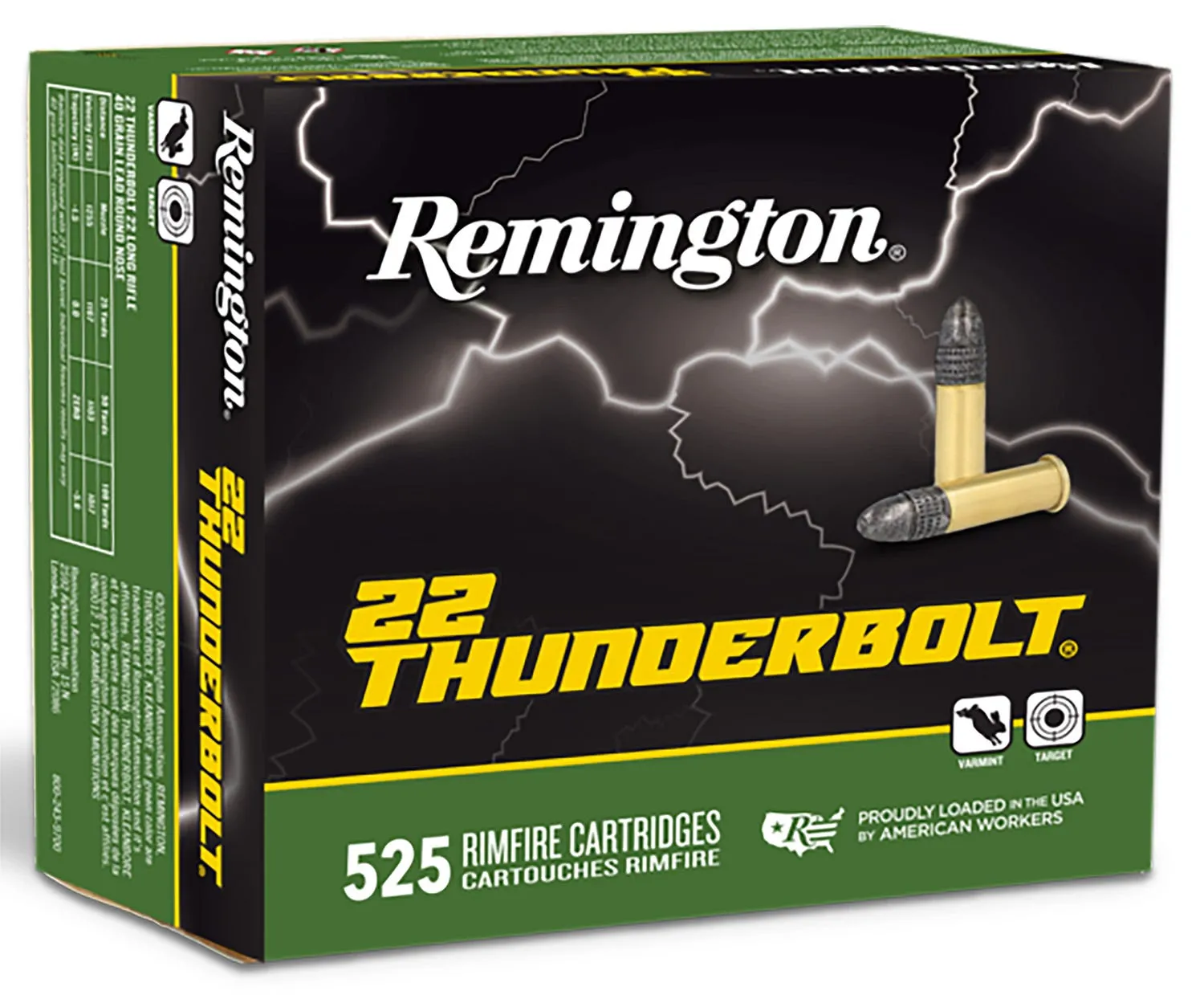
Remington Thunderbolt Bulk .22 LR 40 Grain 525-Rounds LRN
.22 LR · 40gr · 525 rds
best .22 LR ammo covers which bulk packs are consistent enough to be worth grouping with — a relevant caveat, because bulk rimfire dispersion can be mistaken for a scope problem.
The mistakes that each cost you a box
- Adjusting off single shots. Covered above, and worth repeating, because it is the most expensive habit in this article.
- Untorqued rings. You will establish a zero and then lose it, and pay twice.
- Wind you did not account for. A mild crosswind at 100 yards will move your group enough to chase. Zero in calm conditions or accept the error.
- Parallax left at the wrong setting. Produces apparent inconsistency that looks like a rifle fault.
- Switching ammunition mid-session. Now you have two datasets and no zero.
- A hot barrel. See above. The group tightens or walks and you learn nothing you can use cold.
- Assuming a 25-yard zero scales cleanly to 100. It gets you on paper. It does not finish the job.
Most of these are not optics problems, which is the point. If you want to understand why a correction that works at 100 yards does not hold at 400, the answer is in the load's velocity and how fast it bleeds off — muzzle energy versus muzzle velocity is the piece that unpacks it. If you are still choosing the optic rather than zeroing one, start with red dot versus LPVO, and if you are budgeting the practice that follows the zero, how many rounds it takes to get good has the volumes.
Get alerted when .223 Remington price drops hit.
We watch every listing and email you the moment the cost per round drops.
Set Up a Free Price AlertAmmoSpotter earns a commission when you buy through links on this page. It never changes what you pay, and it never decides what we recommend — our picks are ranked on live cost-per-round data pulled from every retailer we track. Full disclosure.
Frequently Asked Questions
How many rounds does it take to zero a rifle scope?+
Should I zero at 25, 50 or 100 yards?+
Does bore sighting actually save money?+
Do I need to zero again if I change ammunition?+
Why does my rifle shoot differently after the first shot?+
Can I zero a rifle at an indoor 25-yard range?+
Shop the data

About the author
AmmoSpotter Research Desk
Price & Ballistics Research
The AmmoSpotter Research Desk analyzes live retail pricing across every ammunition, firearm and accessory listing we track. Recommendations here are ranked against real cost-per-round data pulled daily from the retailers we monitor - not against manufacturer marketing copy.
- ✓Tracks 180,000+ live product listings across 6 retailer feeds
- ✓Records price history on every listing, every day
- ✓Cost-per-round methodology applied to all ammunition rankings
- ✓No product is ranked without a verifiable in-stock retail price
- ✓Affiliate relationships never influence rankings
Related Guides
MOA vs MRAD Explained: Which Scope Units to Buy in 2026
- MOA and MRAD are units of angle, not grades of quality. One minute subtends 1.047 inches at 100 yards; one milliradian subtends 3.6 inches at the same distance. - A quarter-MOA click is finer than a tenth-MRAD click...

Red Dot vs LPVO 2026: Which Optic Belongs on Your Rifle
- A red dot is faster, lighter, cheaper to mount and forgiving of bad body position. An LPVO lets you identify a target and call a shot past the distance a dot can resolve. - The mount is the hidden cost. Most dots we...

How Many Rounds Does It Take to Get Good?
Almost every shooter is round-count constrained and almost none of them have written the number down. Ammunition is the actual budget line that determines how much you improve, and it is the one people plan least. So ...

Best 5.56 & .223 Ammo 2026: Practice, Defense and Precision
5.56x45mm NATO and .223 Remington are the most-purchased rifle cartridges in America, and the most confusing to buy. The same rifle will accept ammunition ranging from bulk steel-cased plinking loads to match ammuniti...
Best Budget Red Dot Sights 2026: Ranked on Street Price, Not MSRP
- The real floor for a usable rifle dot in our catalog sits around forty dollars. Everything below it is built for air rifles and dovetail rails. - The mount is usually included on red dots and usually not on riflesco...
Best .300 Blackout Ammo 2026: Supersonic and Subsonic on Live Prices
.300 Blackout exists to solve one problem: fitting a heavy, slow bullet into an AR-15 that cycles reliably with nothing changed but the barrel. It does that well. What it does not do is cost the same as feeding the ri...