MOA vs MRAD Explained
The geometry is settled and the price difference is not what people assume — here is what each unit measures, which clicks are finer, and what the live riflescope catalog says about what you can actually buy.
What MOA and MRAD actually measure
Both are angles. Everything else follows from that.
A minute of angle is one sixtieth of one degree. Run the trigonometry and it subtends 1.047 inches at 100 yards, 2.094 inches at 200, and 10.47 inches at 1,000. Most people round it to one inch per hundred yards, and most of the time that rounding is harmless. It is also where the term "shooter's MOA" comes from — a parallel unit defined as exactly one inch at 100 yards. The two are 4.7 percent apart, which is nothing on a 2 MOA correction and nearly five inches of error on a 40 MOA dial to a thousand yards.
A milliradian is one thousandth of a radian, which means it subtends one unit at a thousand of the same unit. One metre at 1,000 metres. Ten centimetres at 100 metres. Ten inches at 1,000 inches. In yards, which is how American ranges are marked, it works out to 3.6 inches at 100 yards. One MRAD is 3.438 MOA, and that conversion is the only piece of arithmetic in this article worth memorising.
Note the naming mess, because it causes real confusion at the gun counter. "MRAD", "mil" and "milliradian" all mean the same thing here. A "mil-dot" reticle is a mil reticle. NATO's older mil systems divided the circle into 6,400 units rather than the 6,283 a true radian definition gives — close, not identical, and irrelevant to anything you can buy today.
Which unit gives finer adjustments?
Compare the standard click values rather than the units themselves, because that is what your fingers touch.
| Turret | One click at 100 yd | One click at 500 yd |
|---|---|---|
| 1/4 MOA | 0.26 in | 1.31 in |
| 1/10 MRAD | 0.36 in | 1.80 in |
The quarter-MOA turret is finer by about 37 percent. If you want the smallest possible positional change per detent, MOA wins on paper, and the argument ends there.
It should not end there. A quarter-minute of resolution is meaningless on a rifle and load whose own dispersion is three times that, and it is worse than meaningless on a turret that does not return to the same place twice. The specification that decides whether you hit is tracking — whether dialling twenty minutes up and twenty back puts the point of impact where it started. That is a mechanical property of the erector assembly and the spring, and it has nothing to do with how the dial is labelled. A well-made MRAD turret beats a poorly-made MOA turret at any distance, every time.
Does an MRAD scope cost more than an MOA scope?
This is the question the forums answer with vibes, so here is the catalog.
Of roughly 1,260 live riflescope listings we track, 303 name MOA in the title and 171 name a mil or MRAD unit. The medians land within about ten dollars of each other — in other words, the unit is not a tier. Nobody is charging you for milliradians.
What does change with price is what you can find:
| Street price | MOA-marked listings | MIL/MRAD-marked listings |
|---|---|---|
| Under $150 | 11 | 10 |
| $150 – $300 | 57 | 13 |
| $300 – $600 | 72 | 47 |
| $600 – $1,200 | 63 | 48 |
| Over $1,200 | 100 | 53 |
Below $300 the catalog is MOA by better than four to one. Above $300 it narrows to roughly three to two and stays there. That shape is not a conspiracy — it is American hunting glass, which is MOA by convention and sells in volume at $150 to $300, versus precision and tactical glass, which is mil by convention and mostly starts higher.
The practical consequence: if your budget is under $300 and you insist on MRAD, you are shopping a shelf with about a dozen candidates on it. If your budget is over $600, pick whichever unit you prefer and the catalog will have it.
Where a Mainstream Scope Line Starts — Live Prices
Prices updated Oct 1, 2026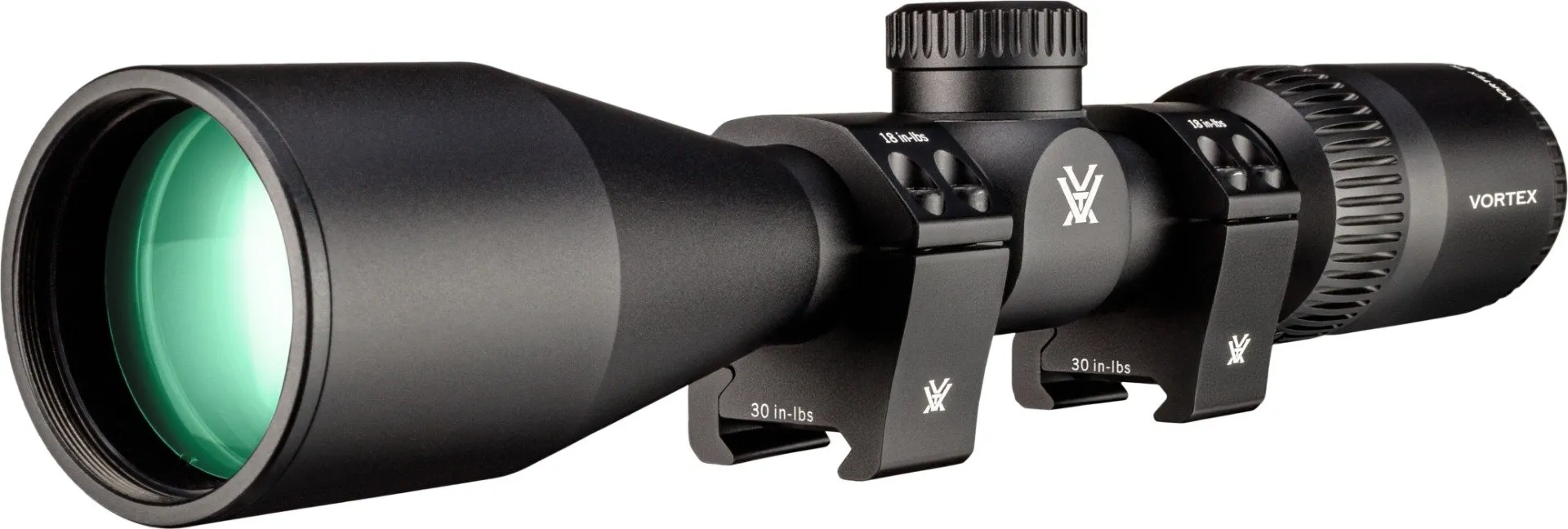
Vortex Triumph HD 3-9x40mm SFP Dead-Hold BDC MOA Reticle
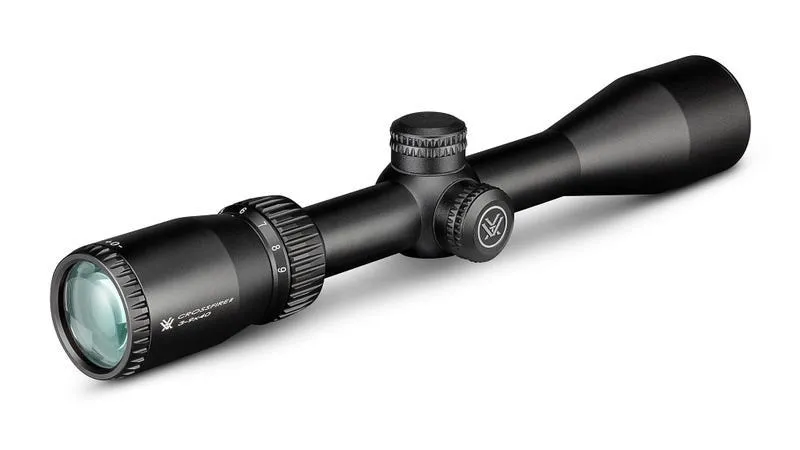
Vortex Crossfire II 3-9x40mm SFP V-Plex MOA Reticle
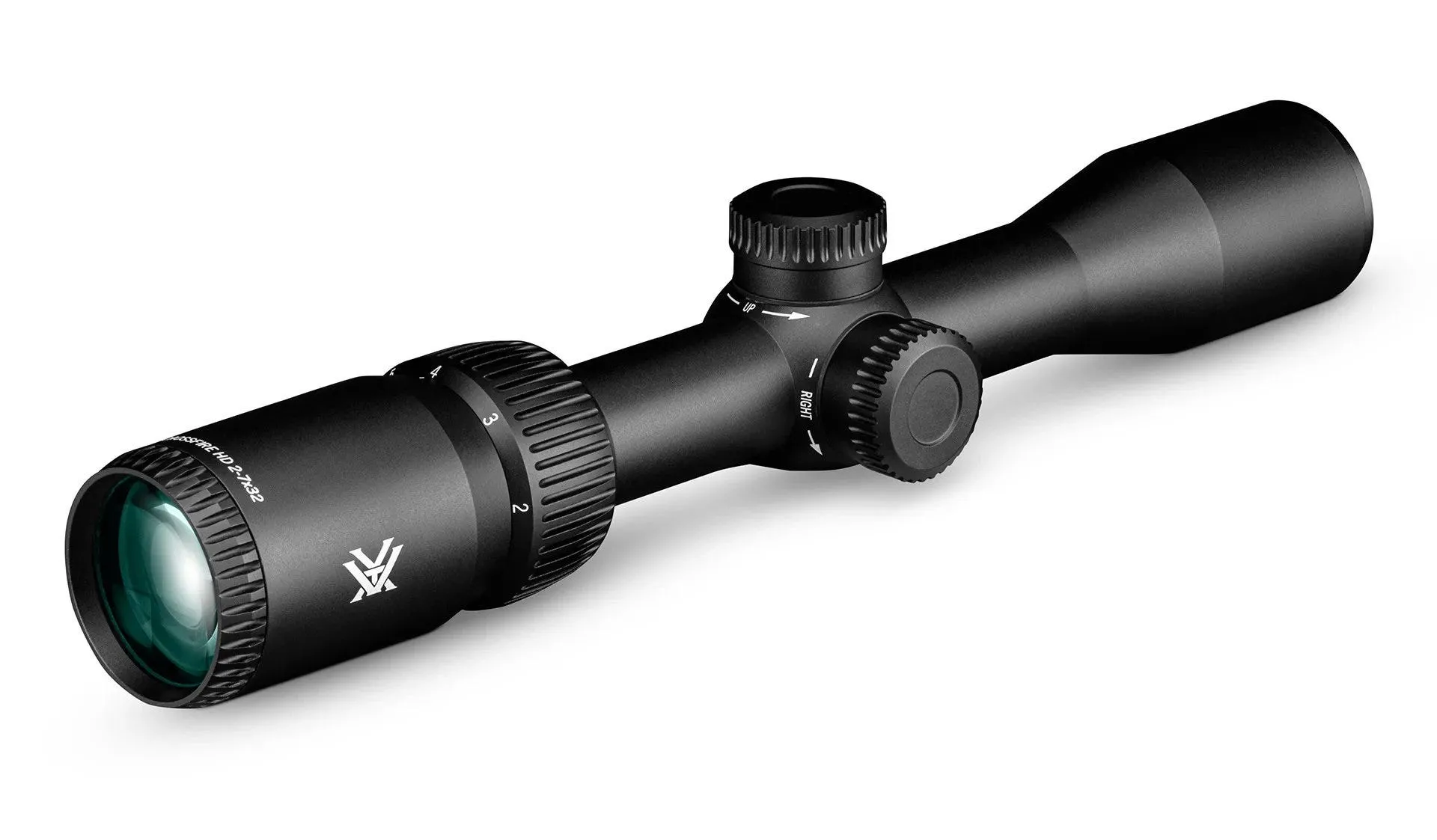
Vortex Crossfire HD 2-7x32mm SFP V-Plex Rimfire MOA Reticle
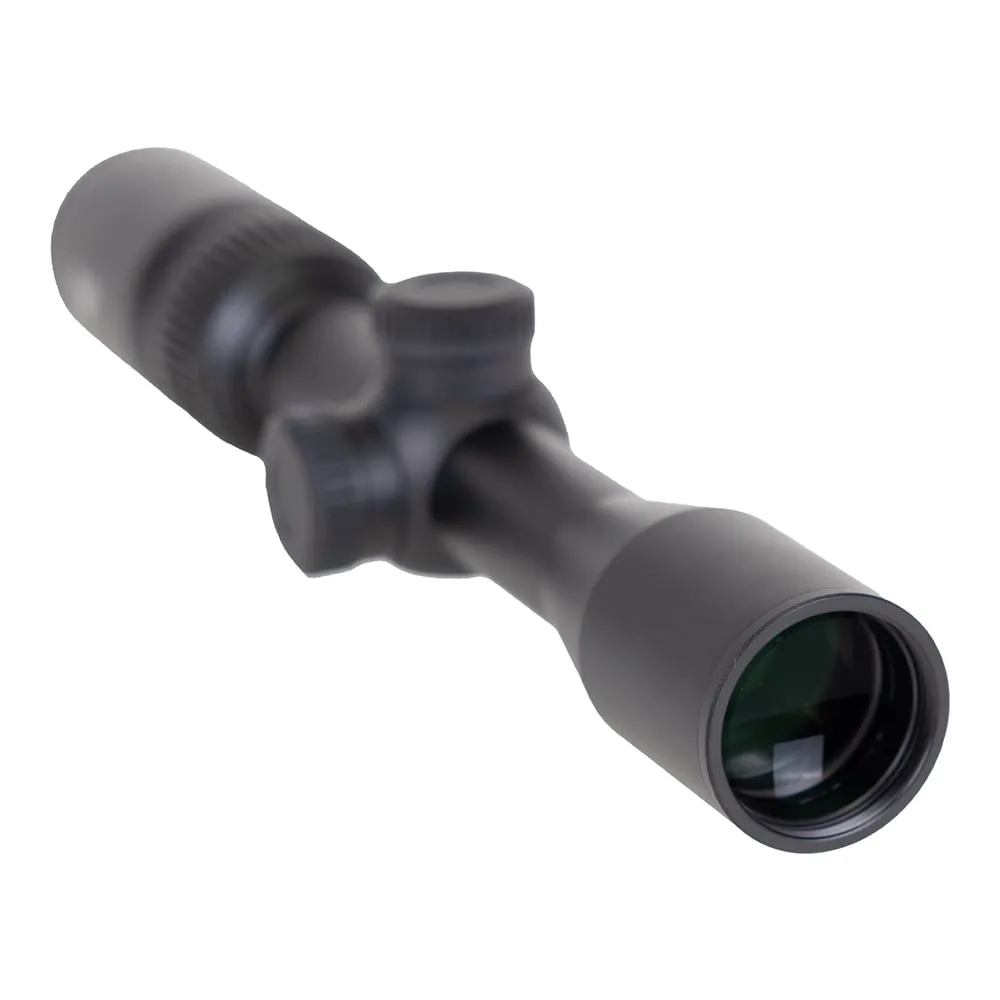
Vortex Crossfire HD 2-7x32mm SFP V-Plex MOA Reticle
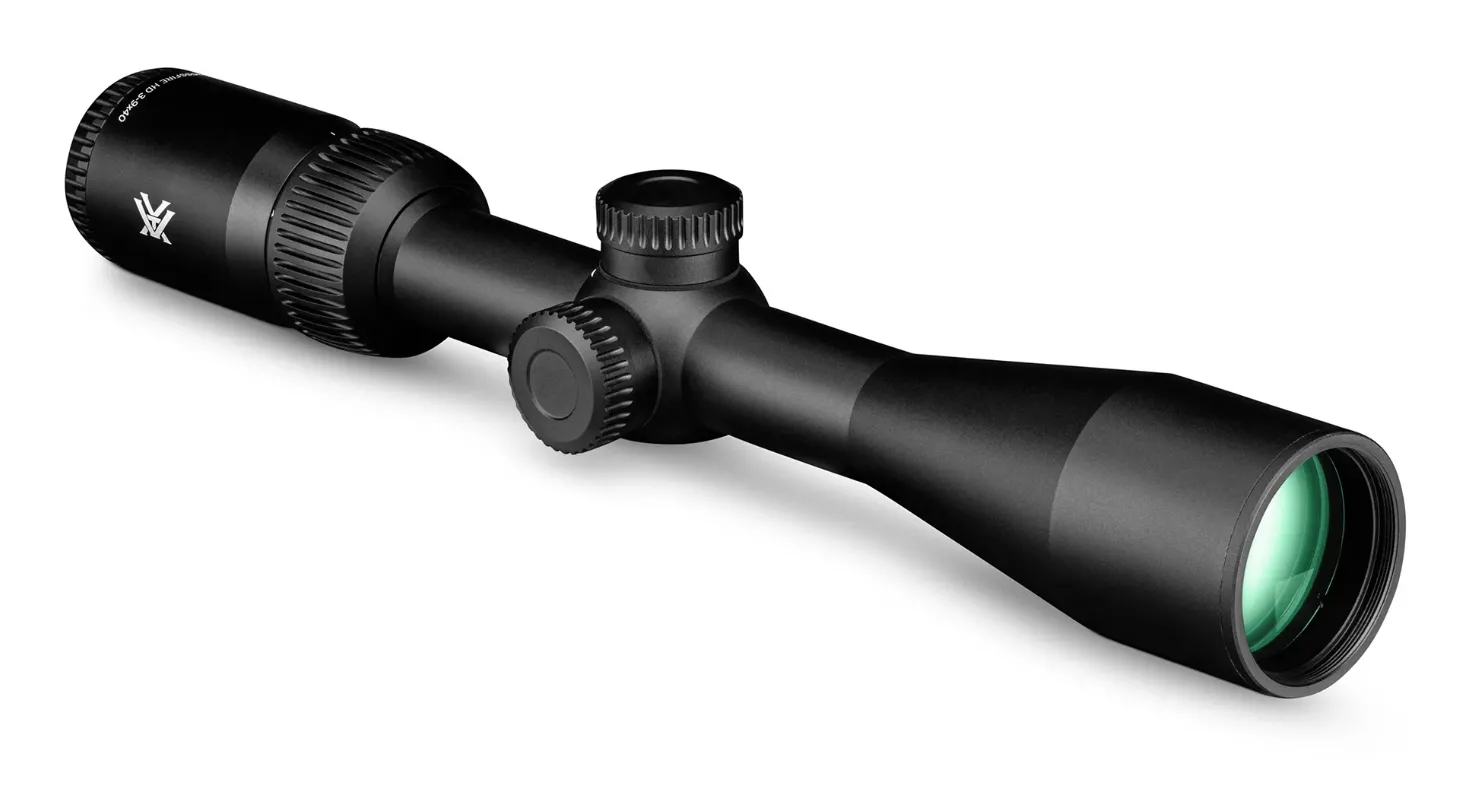
Vortex Crossfire HD 3-9x40mm SFP Dead-Hold BDC MOA Reticle
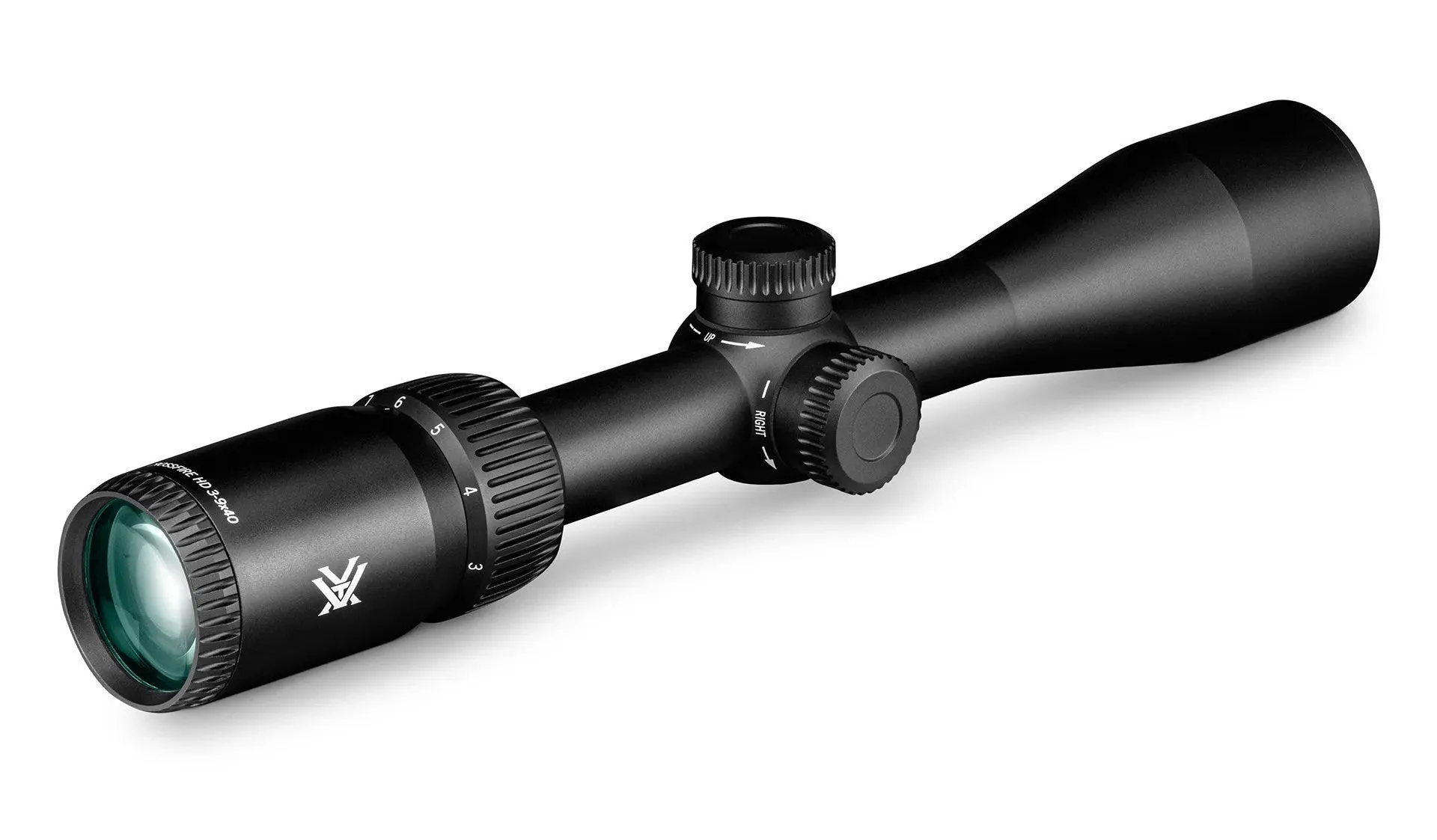
Vortex Crossfire HD 3-9x40mm SFP Straight-Wall BDC MOA Reticle
Read the titles in that grid rather than the prices. Every one of them names an MOA reticle, which is exactly what the table above predicts for this price band.
One honest caveat about those counts: 784 listings — the clear majority — name neither unit in the title at all. The unit is in the spec sheet, not the product name. Treat 303 against 171 as the shape of the market, not a census, and always confirm the unit on the manufacturer's page before you buy.
The MOA on a red dot has nothing to do with turrets
This trips up more buyers than the mil conversion does. On a reflex sight, MOA describes the angular size of the illuminated dot, which is a completely separate use of the same unit.
In our red dot catalog, 435 of the live listings put an MOA figure in the title. Three MOA is the most common at 124 listings, followed by 2 MOA at 83 and 5 MOA at 77. The spread is a genuine trade-off rather than a quality ladder: a 6 MOA dot covers about 6 inches of target at 100 yards and is fast to find under stress, while a 2 MOA dot covers about 2 inches and is slower to pick up. Neither is "better" without knowing the distance you shoot at.
Price does not track dot size the way people expect, either. The cheapest listing with a 3 MOA dot in our catalog is under twenty dollars; the cheapest 1 MOA listing is around two hundred. A fine dot requires a better emitter and better glass to look like a dot rather than a smear, so fineness does cost money — but the mainstream 2-to-5 MOA band is available at essentially every price point.
Dot Sizes Across One Brand — Live Prices
Prices updated Oct 1, 2026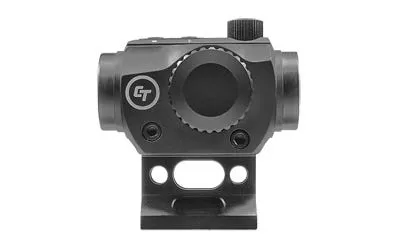
Crimson Trace CTS-25 Red Dot Sight 4 MOA Dot Picatinny Mount
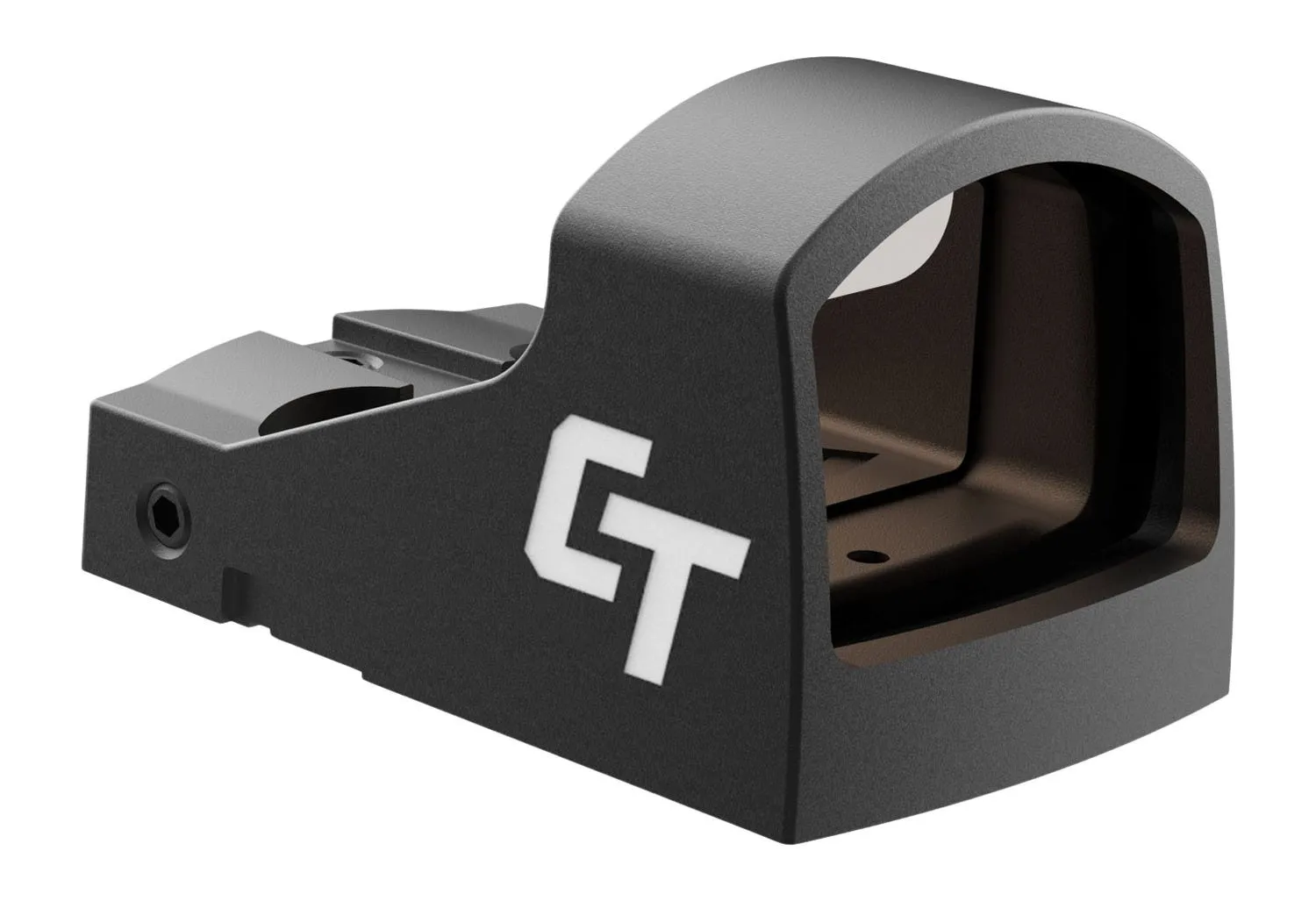
Crimson Trace CTS-1528 Green Dot 6 MOA Dot Reticle RMSc Footprint
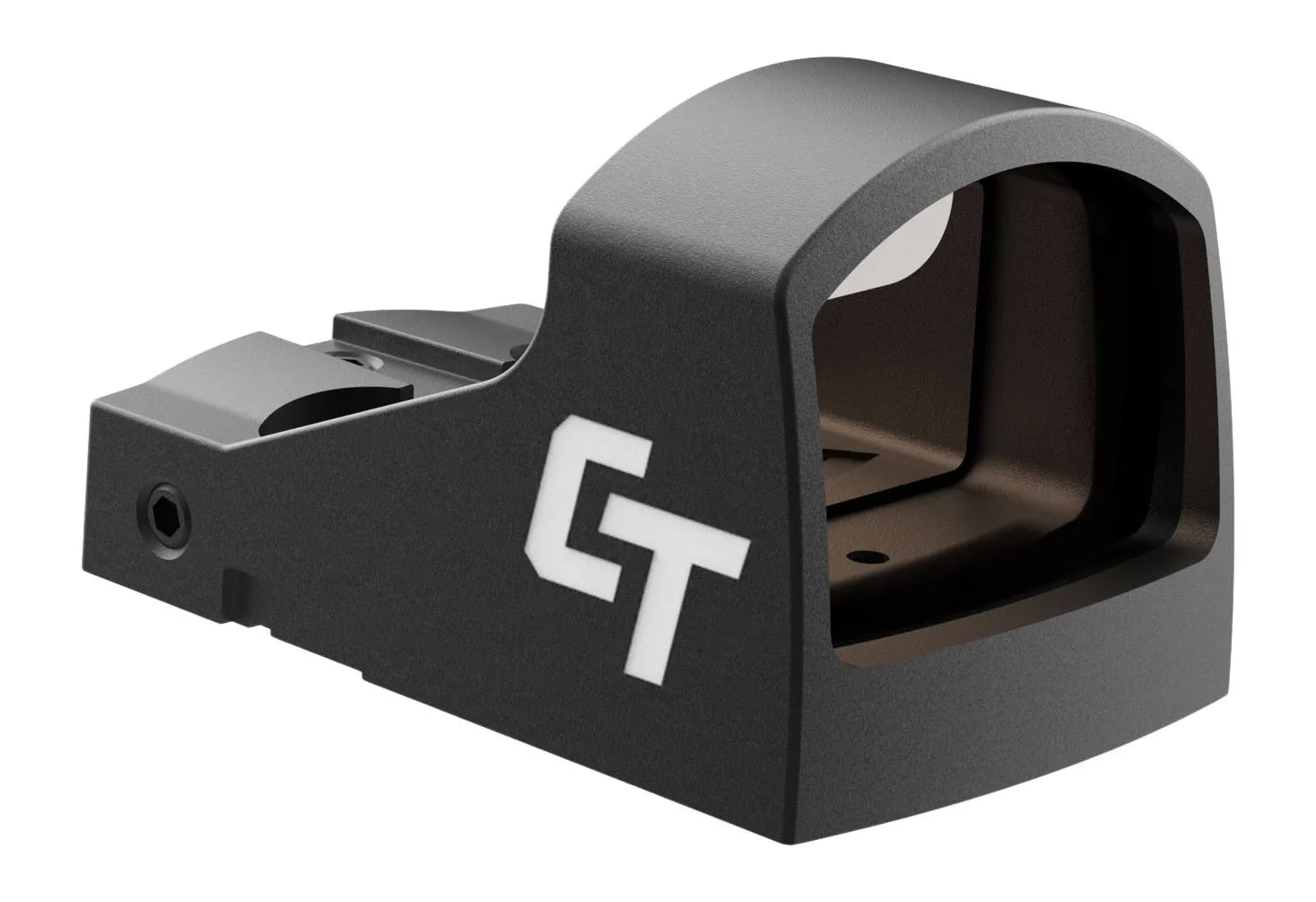
Crimson Trace CTS-1525 Red Dot 3MOA Dot RMSc Footprint
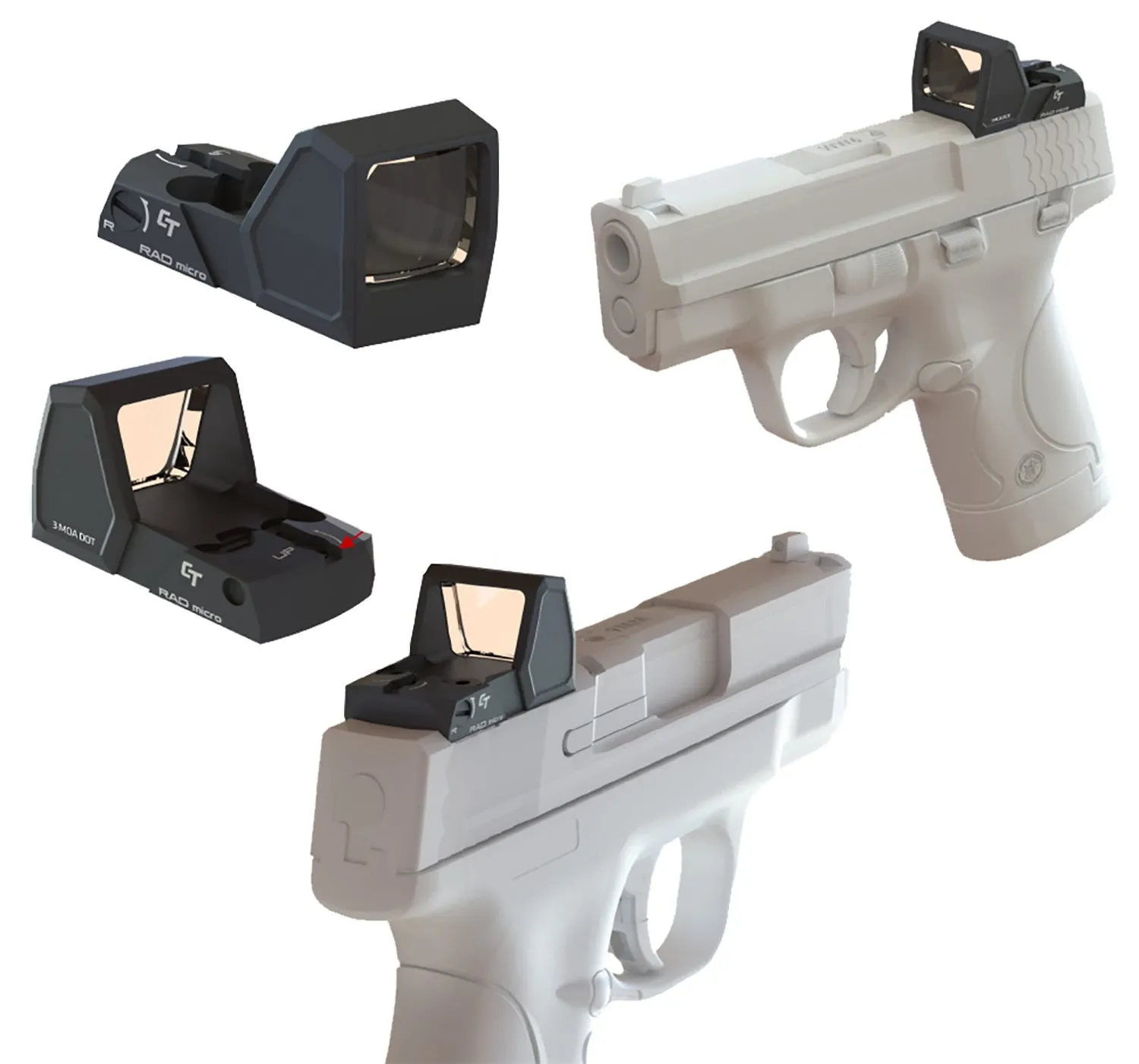
Crimson Trace Rad Micro Open Reflex Red Dot Sight 3 MOA RMSc Footprint
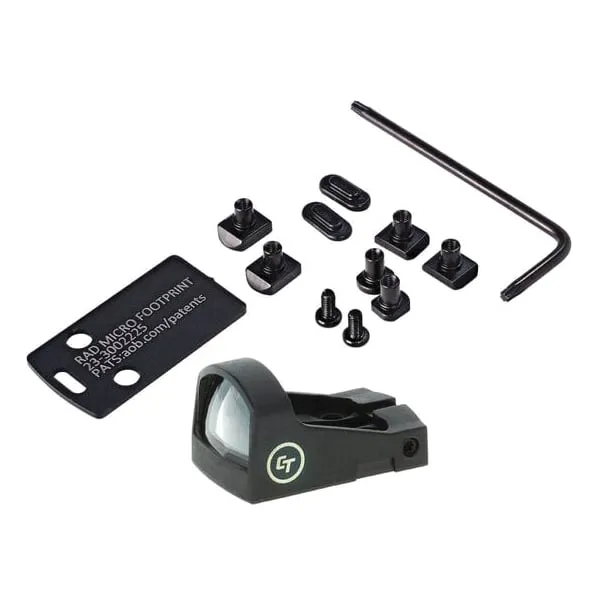
Crimson Trace CTS-1520 Dovetail Mount Combo 3 MOA Red Dot for Glock
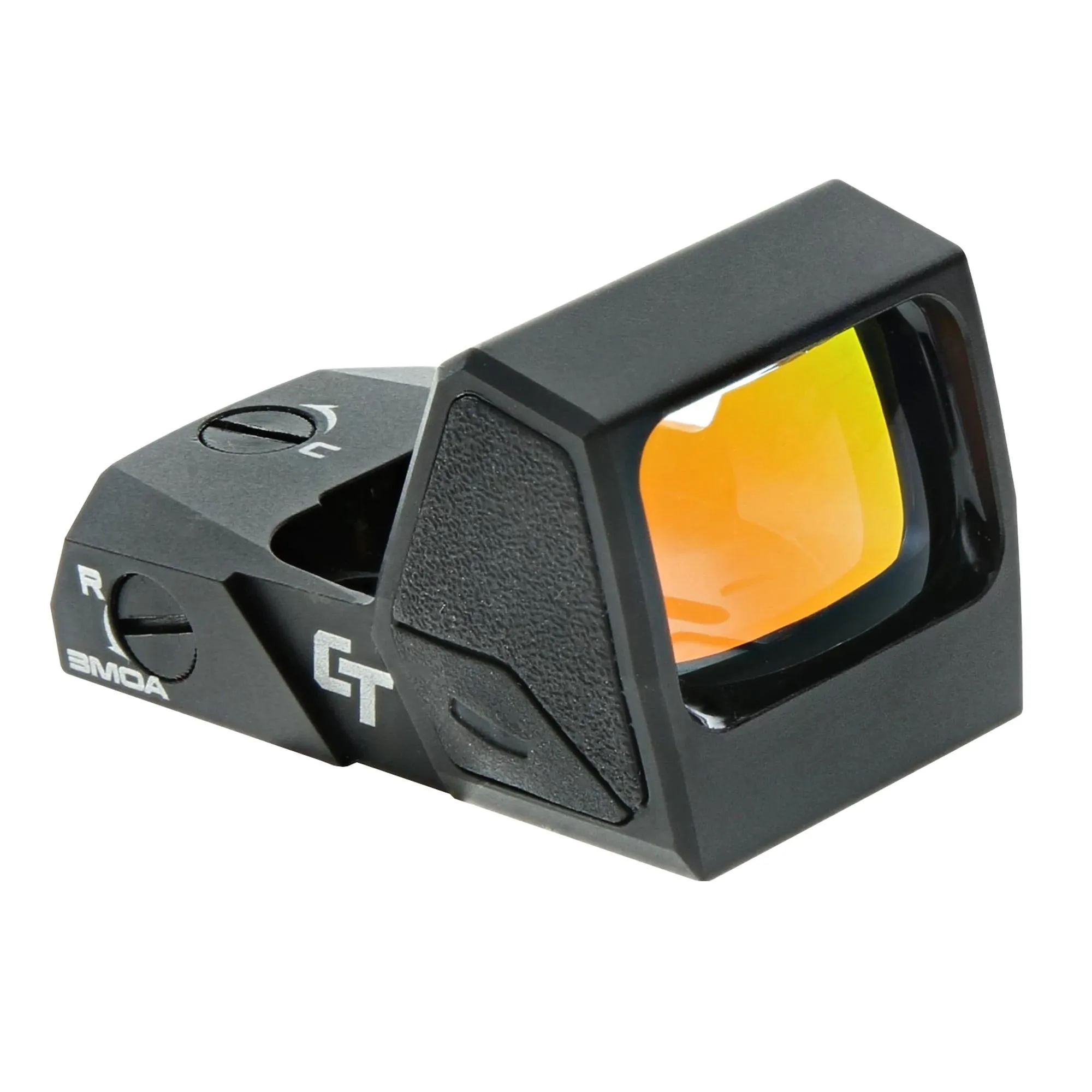
Crimson Trace RAD Open Reflex Sight 3 MOA Red Dot Docter Footprint
If you are still deciding between a dot and magnification rather than between units, that is a distance question and we worked through it separately in red dot versus LPVO. The entry tier of the dot market is mapped in best budget red dot sights.
The third MOA on the spec sheet: canted bases
The number stamped on a scope base or rail — 0 MOA, 20 MOA, 30 MOA — is a built-in downward tilt measured in the same unit, and it is the one most people buy wrong.
A 20 MOA base points the scope twenty minutes below the bore line. That consumes twenty minutes of your down travel and hands you twenty extra minutes of up travel, which is what you need for long-range dialling. Of the MOA-labelled bases in our live catalog, 89 are 20 MOA, 28 are 0 MOA and 6 are 30 MOA — canted is the norm, not the upgrade.
And it is not an upgrade in price either: the average street price of the canted rails and the flat ones sit within a few dollars of each other. The cant is effectively free, which is precisely why you should pick it on purpose rather than by price.
The Cheap End of the Base and Rail Catalog
Prices updated Oct 1, 2026
Weaver Top Mount Base Pairs for Ruger 10/22
Weaver Top Mount Base #47 for Browning A-Bolt
Weaver Top Mount Base #40AM for BSA / Colt / Remington
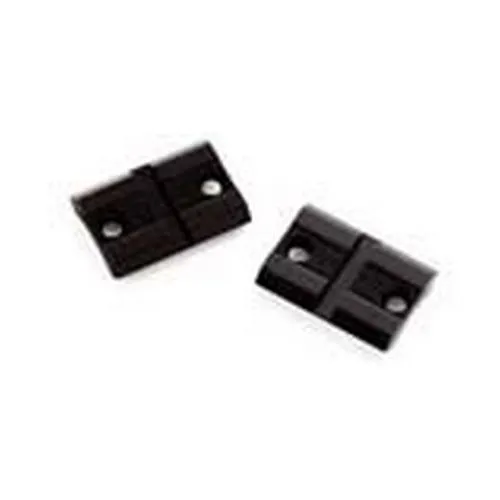
Weaver Top Mount Base Silver #406S for TCA Thunderhawk
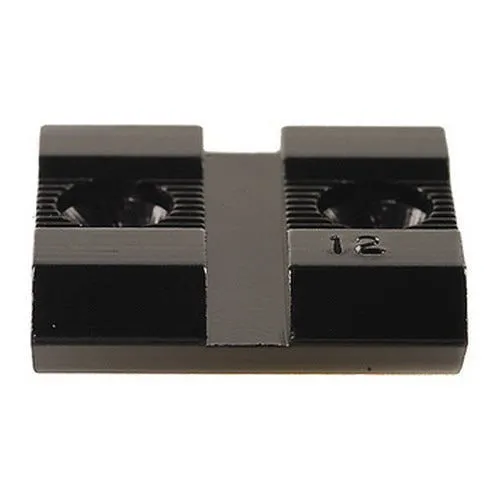
Weaver Top Mount Base #12 for Remington 514 / Winchester 74
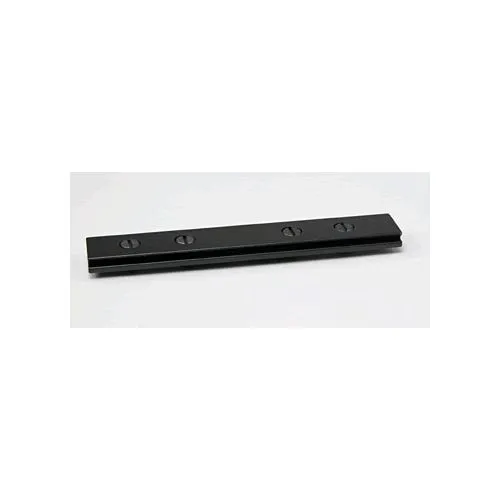
Ruger Scope Base Adapter for Ruger 96/22 96/17
Those cheapest listings are nearly all flat two-piece Weaver-pattern bases for specific receivers, which is the right product for a deer rifle and the wrong one for a precision build. Picatinny rails with a cant sit higher up the price list and are still inexpensive relative to the scope going on top.
So which should you buy?
Three questions, in this order.
1. What do the people you shoot with use? This is the actual deciding factor and it is not close. Spotting corrections out loud — "up point four, left point two" — only works if the spotter and the shooter share a unit. Mixed units on a two-person team is how a hit becomes a miss. If your club, your match discipline or your hunting partner is mil, buy mil.
2. Which system do you already think in? If you grew up with inches and your 100-yard zero lives in your head as "two clicks up is half an inch", MOA will cost you nothing to learn. If you have ever used a mil reticle to range a target, the ranging formula — target size in inches times 27.78, divided by mils, equals yards — will keep pulling you back to mil.
3. What is in your budget band? See the table above. Under $300 the answer is mostly made for you.
What should not be on that list is resolution per click, which is a difference you cannot shoot, or a belief that one unit is more professional. Also keep the reticle and the turrets in the same unit. A mil reticle over MOA turrets is sold and it works, but every correction becomes a conversion done under time pressure, which is a failure mode you can simply decline to buy.
The expensive part of the decision is the ammunition
Switching units does not cost you a scope. It costs you the rounds it takes to rebuild your dope, confirm your zero and get fast at dialling again — and that bill is paid in cartridges, not dollars-per-optic.
5.56 NATO & .223 Remington Price Index
Live · Oct 1, 2026A zero confirmation and a short dialling drill is a realistic afternoon's shooting. Multiply the market floor above by that round count and you have the honest cost of the switch — which is why it is worth getting the unit right once rather than relearning it twice. Our guide to how many rounds it takes to get good puts real numbers on the practice volume behind that; if you are working out what a season of it costs, run the figures through the calculator.
Cost Per Round Calculator
The only number that matters when comparing ammo. Shipping included.
The cheapest way to buy the rounds for that work is in bulk, where cost per round drops furthest:
Bulk 5.56 and .223 by Cost Per Round — Live
Prices updated Oct 1, 2026
Wolf Military Classic Steel .223 Rem 55 Grain 500-Rounds Bulk FMJ
.223 Remington · 55gr · 500 rds

PMC Ammunition Bronze .223 Rem 55 Grain 1000-Rounds FMJ Bulk
.223 Remington · 55gr · 1,000 rds

Winchester M855 5.56 Bulk Ammo 62 Grain FMJ 1000rds (Unpainted Tip) - WM8551000
5.56x45mm NATO · 62gr · 1,000 rds

Wolf Performance Ammo PolyFormanc Steel Bulk .223 Rem 55 Grain 500-Rounds
.223 Remington · 55gr · 500 rds

Red Army Standard Centerfire Rifle Steel .223 Rem 55-Grain 500-Rounds Bulk FMJ
.223 Remington · 55gr · 500 rds

PMC Ammunition X-Tac Rifle Brass 5.56 55 Grain 1000-Rounds FMJBT Bulk
5.56x45mm NATO · 55gr · 1,000 rds
For load selection rather than price alone, best 5.56 and .223 ammo separates the practice tier from the precision tier, and the full live market sits on the 5.56 and .223 caliber page. If you are sizing the rest of the kit at the same time, how many magazines you actually need is the companion question.
One last connection worth making: the reason you dial at all is that the bullet is losing velocity the whole way to the target, and how much it loses is a property of the load rather than the optic. Muzzle energy versus muzzle velocity is the piece to read next if the elevation numbers on your turret feel arbitrary.
Get alerted when .223 Remington price drops hit.
We watch every listing and email you the moment the cost per round drops.
Set Up a Free Price AlertAmmoSpotter earns a commission when you buy through links on this page. It never changes what you pay, and it never decides what we recommend — our picks are ranked on live cost-per-round data pulled from every retailer we track. Full disclosure.
Frequently Asked Questions
Is MOA or MRAD more accurate?+
What is 1 MOA at 100 yards?+
What is 1 MRAD at 100 yards?+
Does an MRAD scope cost more than an MOA scope?+
What does a 20 MOA base do?+
What MOA dot size should I look for on a red dot?+
Shop the data

About the author
AmmoSpotter Research Desk
Price & Ballistics Research
The AmmoSpotter Research Desk analyzes live retail pricing across every ammunition, firearm and accessory listing we track. Recommendations here are ranked against real cost-per-round data pulled daily from the retailers we monitor - not against manufacturer marketing copy.
- ✓Tracks 180,000+ live product listings across 6 retailer feeds
- ✓Records price history on every listing, every day
- ✓Cost-per-round methodology applied to all ammunition rankings
- ✓No product is ranked without a verifiable in-stock retail price
- ✓Affiliate relationships never influence rankings
Related Guides

Red Dot vs LPVO 2026: Which Optic Belongs on Your Rifle
- A red dot is faster, lighter, cheaper to mount and forgiving of bad body position. An LPVO lets you identify a target and call a shot past the distance a dot can resolve. - The mount is the hidden cost. Most dots we...
Best Budget Red Dot Sights 2026: Ranked on Street Price, Not MSRP
- The real floor for a usable rifle dot in our catalog sits around forty dollars. Everything below it is built for air rifles and dovetail rails. - The mount is usually included on red dots and usually not on riflesco...

How Many Rounds Does It Take to Get Good?
Almost every shooter is round-count constrained and almost none of them have written the number down. Ammunition is the actual budget line that determines how much you improve, and it is the one people plan least. So ...

Muzzle Energy vs Muzzle Velocity: What Actually Matters
Every ammunition box prints a velocity figure, and most print an energy figure next to it. Both are real. Both get used to argue things they cannot support — that one cartridge "hits harder," that a lighter bullet is ...
How to Zero a Rifle Scope: The Procedure, and What It Costs in Ammunition
- Zeroing is cheap in dollars and expensive in cartridges. The procedure is free; the ammunition is not. - Bore-sighted and done properly, budget nine to twelve rounds. Without bore sighting, twenty to forty. - Torque...

Best 5.56 & .223 Ammo 2026: Practice, Defense and Precision
5.56x45mm NATO and .223 Remington are the most-purchased rifle cartridges in America, and the most confusing to buy. The same rifle will accept ammunition ranging from bulk steel-cased plinking loads to match ammuniti...