What an FFL Transfer Actually Costs
Nobody publishes the fee, because the fee is local. So here is the other half of the arithmetic: exactly how many dollars buying online saves, measured across every firearm we track.
The one number we can't publish, and the one we can
Our firearm catalog contains 62,309 live listings. Not one of them contains an FFL transfer fee, and it is worth being blunt about why: the fee belongs to the dealer receiving the gun. It is not set by the retailer selling it, it is not transmitted in any product feed, and it varies by shop, by product class, and sometimes by which online retailer the package came from. Any site quoting you a national average transfer fee is estimating, and our ranking methodology commits us to not doing that.
What we can do is the other side of the equation. A transfer fee is a flat toll on an online purchase. Whether paying it makes sense depends entirely on how much the online purchase was going to save you — and that number is measurable. So this article is the fee's denominator: how many dollars the online route is actually worth, per gun, so you can test your dealer's quote against it.
The process itself — what the dealer does, the 4473, what stalls at the counter — is covered in how to buy a gun online. This is strictly the money.
Only 12.7% of the guns we track have a second price at all
Start here, because it reframes the whole question. Of 62,309 live firearm listings, 7,941 are listed in stock by two or more tracked retailers. That is 12.7%.
For the other 87%, "shopping around" is not an available move. There is one price, at one retailer, and the comparison you are actually making is against your local shop's counter price — not against a cheaper internet listing, because there isn't a second internet listing. The transfer fee in that scenario is not competing with a discount. It is competing with convenience and selection.
The median gap between retailers on the same gun is $20
Across those 7,941 price-shoppable firearms, the cheapest-to-dearest spread today:
| Measure | Dollar spread |
|---|---|
| Median | $20 |
| 75th percentile | $66 |
| 90th percentile | $139 |
| Widest single gun | $1,985.88 |
The median spread in percentage terms is 3.57%. The average is considerably higher than the median because of that long right tail — a handful of guns are listed hundreds of dollars apart — which is why the median is the honest number to plan with. Half the shoppable catalog is tighter than $20.
Now turn that into the question you actually have. If a flat fee is $F, what share of shoppable guns have a retailer gap big enough to cover it?
| If the fee were... | ...it is covered by the retailer gap on |
|---|---|
| $25 | 46.2% of shoppable guns |
| $30 | 42.7% |
| $40 | 36.3% |
| $50 | 31.5% |
| $75 | 22.3% |
| $100 | 16.4% |
| $150 | 9.1% |
Read that as a test, not a verdict. Plug in the number your dealer gave you. At the lower end of commonly quoted fees you are better than even money that shopping across retailers pays for the transfer. By the time a fee reaches three figures, fewer than one shoppable gun in six has a spread that absorbs it — and remember this table only covers the 12.7% that can be compared in the first place.
Waiting is worth more than shopping — if the gun is expensive
There is a second lever, and on hardware it is the stronger one. We have tracked per-retailer price history since February 2026, so every listing has a recorded low of its own.
Right now 25,480 of 62,309 live firearms (40.9%) are priced above their own recorded low, with a median gap of $38.70 — nearly double the median retailer spread. The 75th percentile is $88, the 90th is $185.90.
That gap covers a $25 fee on 25.5% of the entire live catalog and a $50 fee on 17.3% of it. Those percentages are lower than the shopping table's because this one is measured against all 62,309 listings rather than just the comparable ones — which is the point. Waiting is a move you can make on any gun. Shopping is a move you can make on one gun in eight.
For the seasonal version of this question — whether there is a cheapest month, and why there isn't — see the best time of year to buy a gun.
The fee hits hardest exactly where the savings are smallest
Here is the finding that should change how you shop, and it is the opposite of intuitive. A flat fee is obviously a bigger percentage of a cheap gun. What is less obvious is that cheap guns also have the smallest absolute savings available — so the two effects compound instead of cancelling.
| Gun price | Median retailer spread | Median gap above own low |
|---|---|---|
| Under $200 | $10 | $4.77 |
| $200–$400 | $12 | $17.44 |
| $400–$600 | $19.98 | $30 |
| $600–$1,000 | $27 | $43 |
| $1,000–$1,500 | $49 | $69.50 |
| $1,500–$2,500 | $41 | $100 |
| Over $2,500 | $47 | $240 |
Under $200, the median gun is $10 cheaper at one retailer than another and sits $4.77 above its own best-ever price. There is almost nothing there for a transfer fee to eat into. Our catalog has 7,274 listings in that band and another 7,555 between $200 and $400 — 23.8% of the firearms we track — and that is precisely where a flat fee does the most damage.
The Cheap End: Where a Flat Fee Is a Visible Share
Prices updated Oct 15, 2026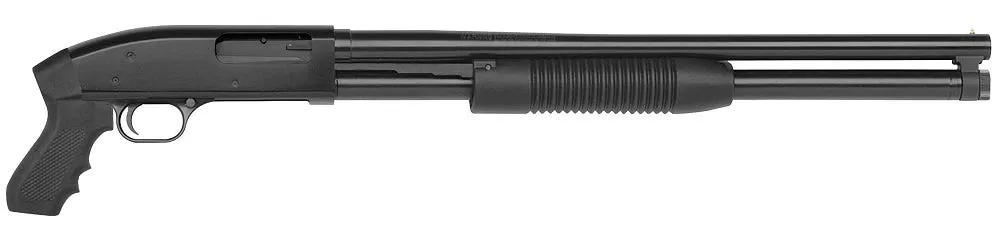
Mossberg Maverick 88 Cruiser 12 Gauge Shotgun 20 Barrel 7-Rounds 3 Pistol Grip
12 Gauge
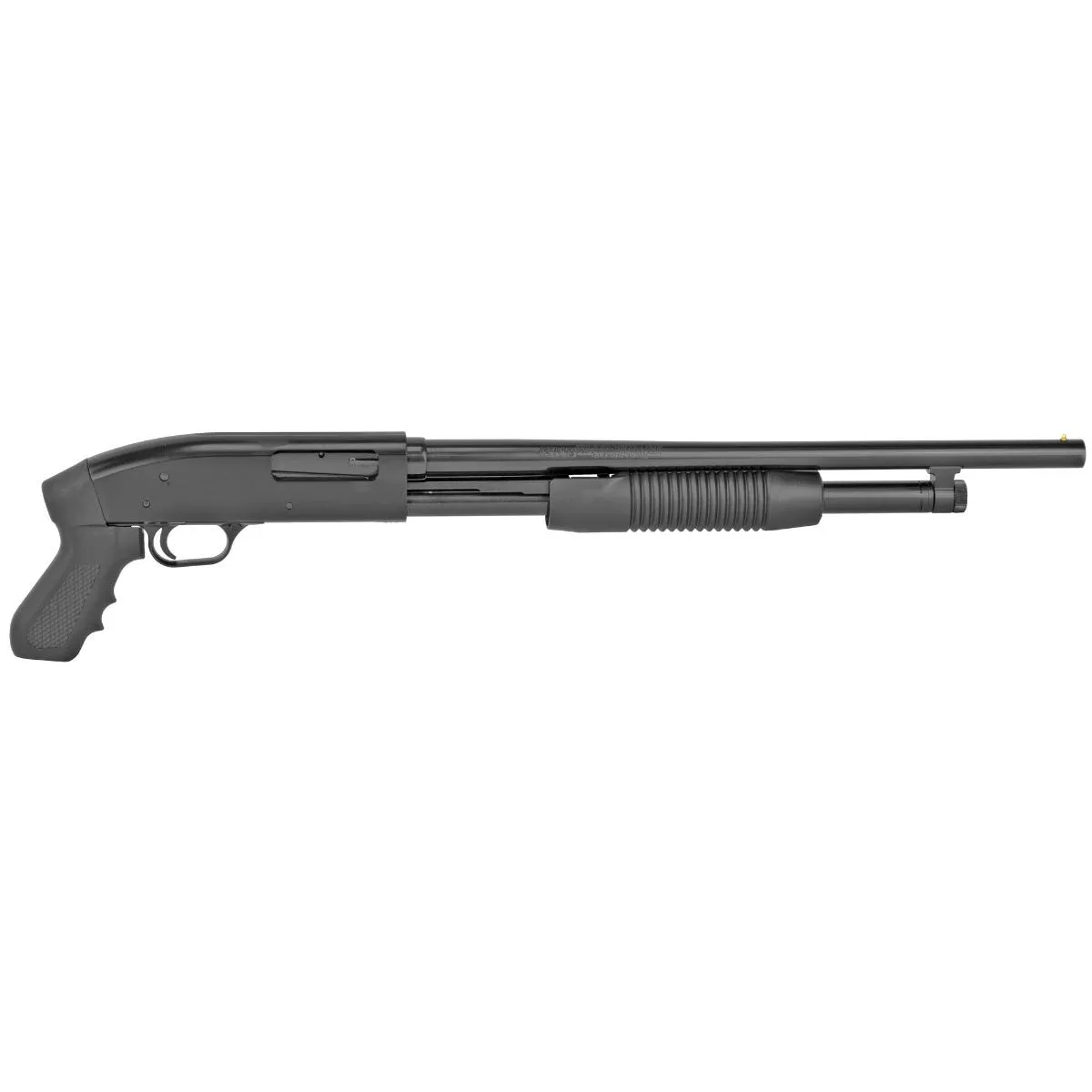
Mossberg Maverick 88 Cruiser 20 Gauge 18.5 Barrel 5-Rounds 3-Chamber
20 Gauge
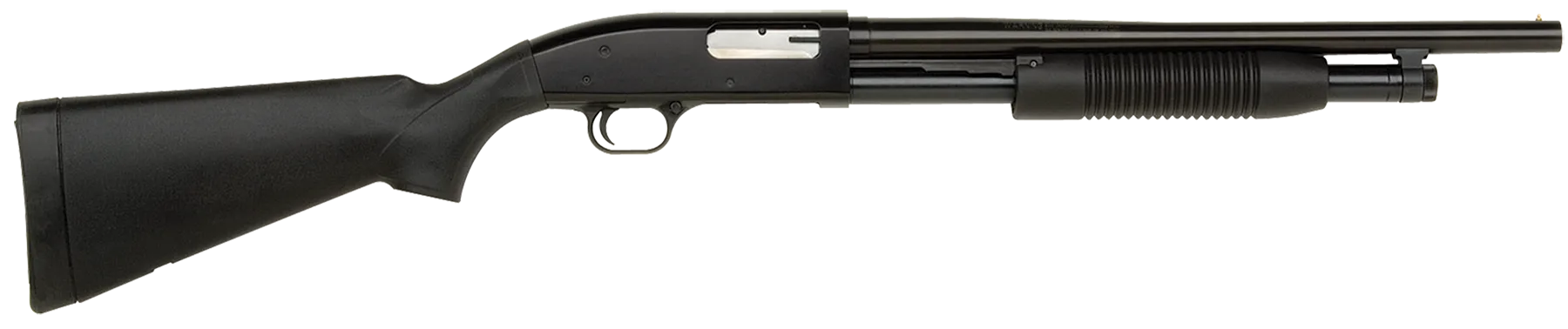
Mossberg Maverick 88-Security 12 GA 18.5 Barrel 5-Rounds 3-Chamber
12 Gauge

Mossberg Maverick 88 12 Gauge 28 Barrel 3 Chamber 5-Round
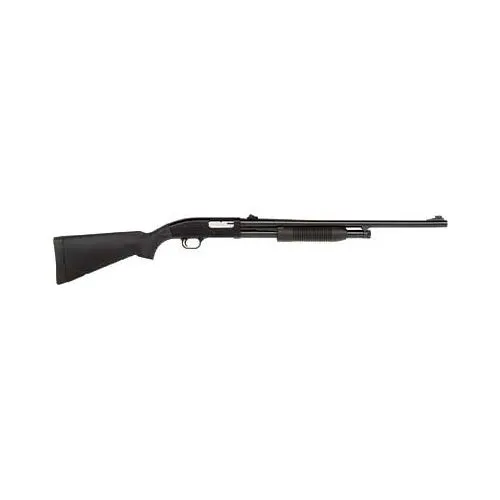
Mossberg 88 Slug 12 GA 24 Barrel 5-Rounds 3
12 Gauge
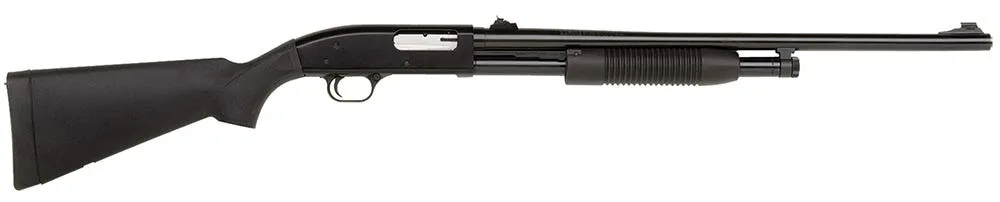
Mossberg Maverick 88 12 GA 24 Barrel 3-Chamber 5-Rounds
12 Gauge
On a gun in that grid, a transfer fee is a meaningful fraction of what you are paying, and the measurable online advantage is a few dollars. That does not mean don't buy online — availability is a real reason, and your local shop may not stock it — but it does mean the price argument for doing so is weak. If the shop down the road is within the delta, you are paying them the fee either way.
The Top End: Where the Fee Rounds to Nothing
Prices updated Oct 15, 2026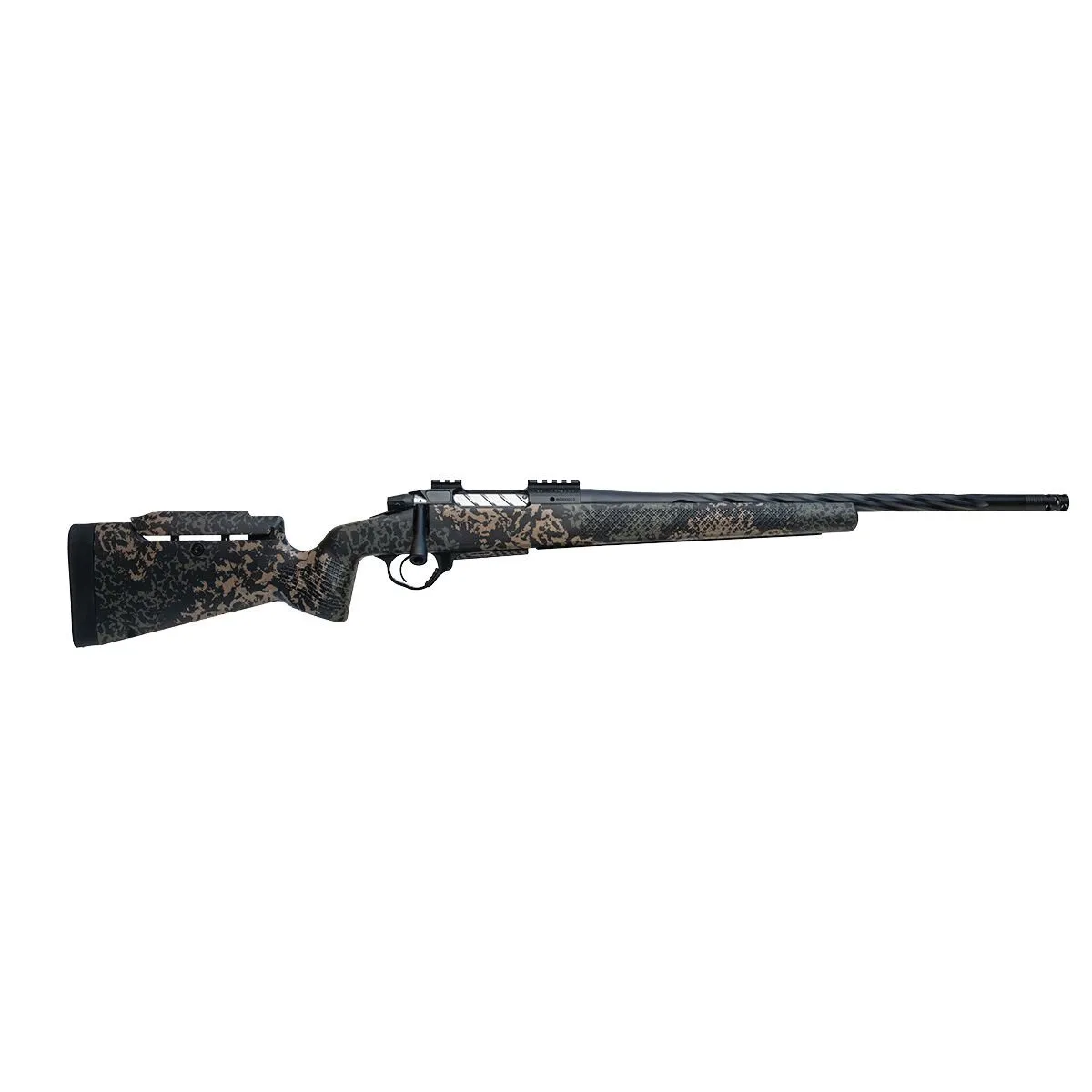
Seekins Precision Havak PH3 Woodland Shadow Camo 7mm Rem Mag 22 Fluted Threaded Barrel
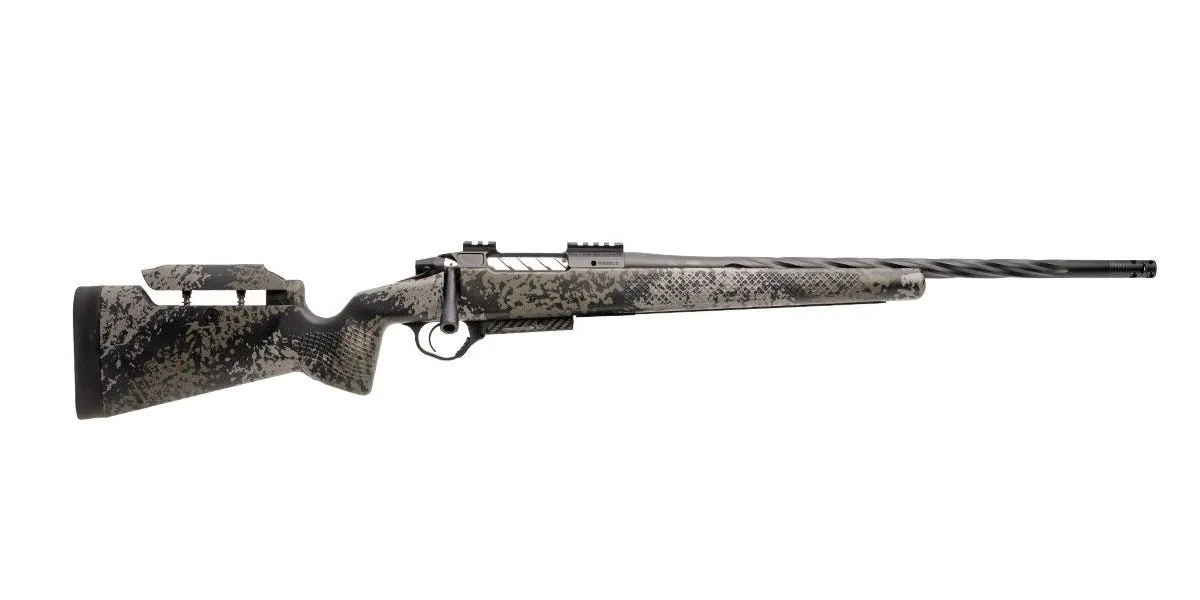
Seekins Precision HAVAK Pro Hunter 3 Mountain Shadow Camo .308 Win 20 Barrel 3-Rounds
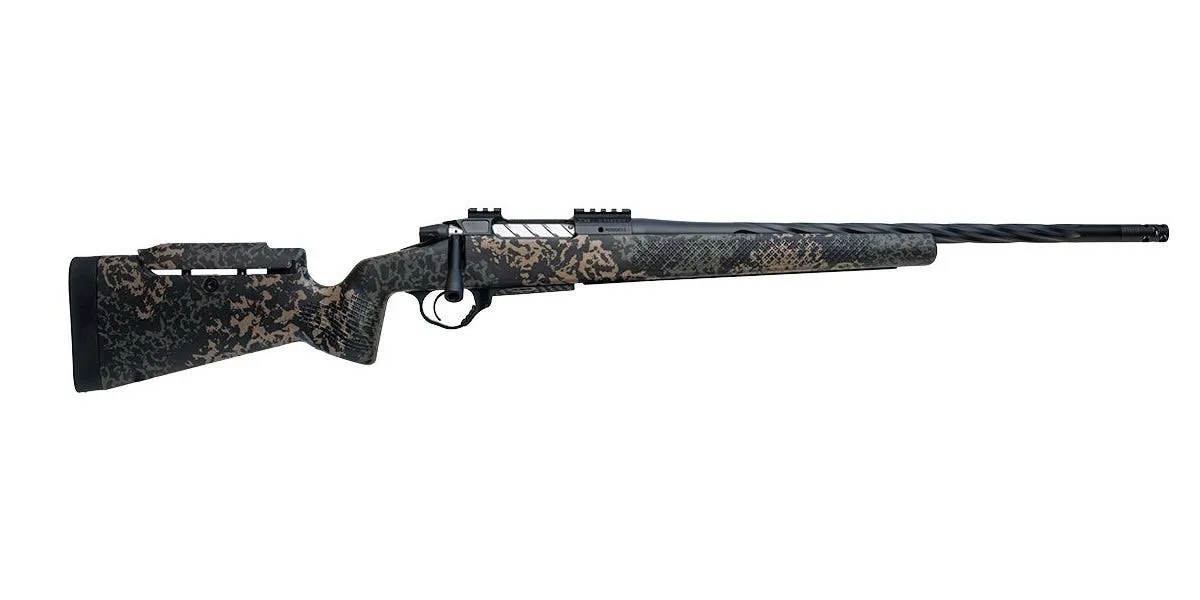
Seekins Precision Havak Pro Hunter 3 Woodland Shadow .300 Win 22 Barrel 3-Rounds
.300 Win Mag
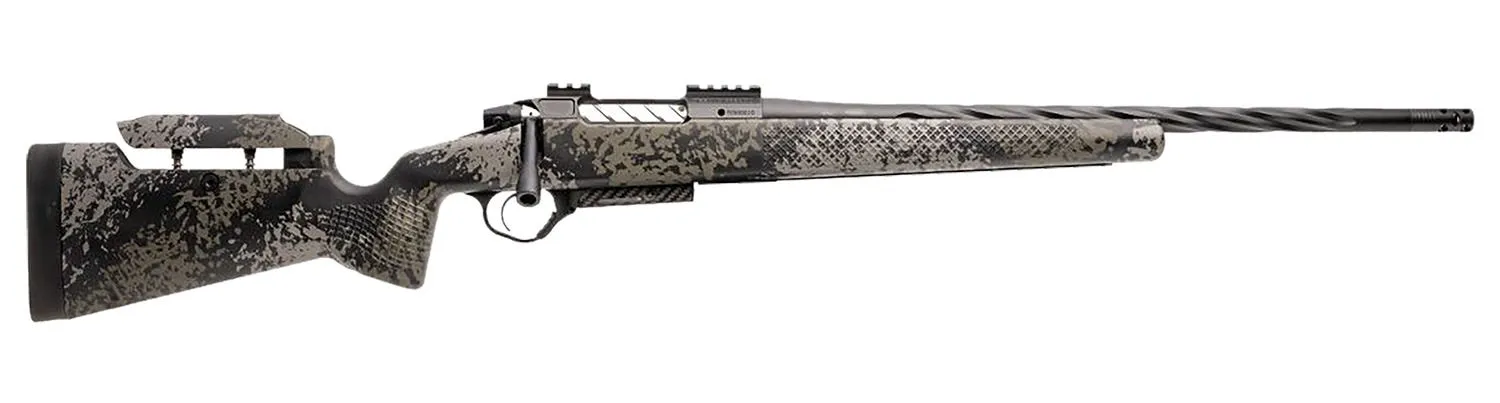
Seekins Precision HAVAK Pro Hunter 3 Mountain Shadow .300 Win 22 Barrel 3-Rounds
.300 Win Mag
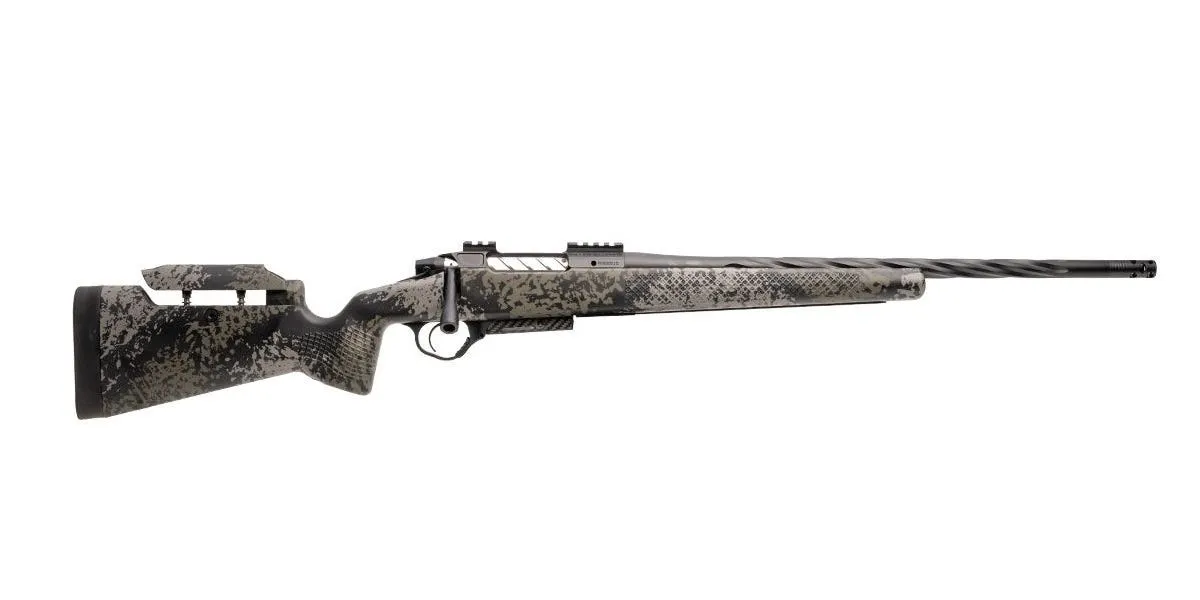
Seekins Precision Havak Pro Hunter 3 (PH3) Mountain Shadow Camo .300 PRC 22 Barrel 3-Rounds
.300 PRC
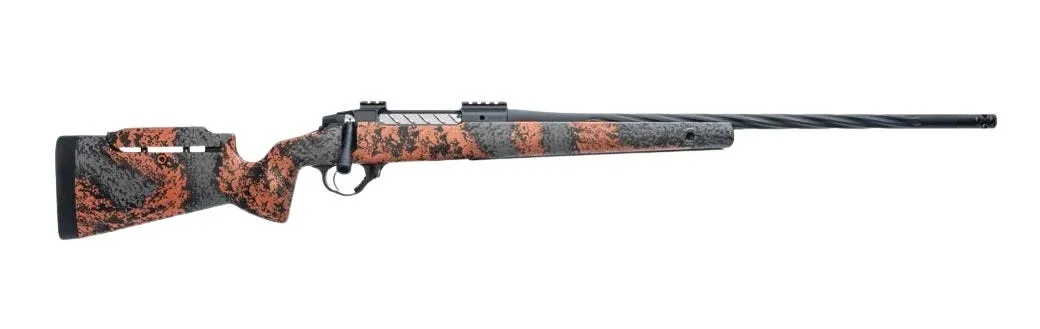
Seekins Precision Havak PH3 Urban Shadow 6mm Creedmoor 20 Fluted Threaded Barrel 3-Rounds
At the other end the fee simply stops being a factor. The median gun above $2,500 sits $240 above its own recorded low. Any plausible transfer fee disappears inside that, and the only question left is whether you bought at the right moment — which is a watch-the-listing problem, not a fee problem.
Handguns are the most commonly transferred class and sit mostly in the middle of this picture:
Entry-Tier Carry Revolvers, Cheapest First
Prices updated Oct 15, 2026
Taurus 605 Protector Polymer Brown .357 Mag 2 Barrel 5-Rounds Fiber Optic Front Sight

Taurus 856 Ultra-Lite .38 SPL 2 Barrel 6-Rounds
.38 Special

Taurus 856 .38 SPL+P 2 Barrel 6-Rounds
.38 Special

Taurus 856 .38 SPL 2 Barrel 6-Rounds
.38 Special +P

Taurus 856 Ultra-Lite .38 SPL 2 Barrel 6-Rounds

Taurus 856 .38 SPL 2 Barrel 6-Rounds Fixed Sights
.38 Special
A transfer fee is a one-time toll. Ammunition is a subscription
The fee is also, for most buyers, the smallest recurring-cost decision they will make that week. Our ammunition catalog behaves nothing like our firearm catalog: 66.5% of 16,907 live ammo listings sit above their own recorded low, against 40.9% of firearms, and 4,106 ammo products are stocked by two or more retailers with a median spread of just $3.00 each.
Three dollars is nothing. Three dollars, several times a month, forever, is the entire budget.
9mm Luger Price Index
Live · Oct 15, 20269mm by the Case, Cheapest Per Round
Prices updated Oct 15, 2026
Winchester USA Forged 9mm 115 Grain 1000-Rounds Bulk FMJ
9mm · 115gr · 1,000 rds

CCI Ammunition Blazer Aluminum 9mm 115-Grain 1000-Rounds Bulk FMJ
9mm · 115gr · 1,000 rds
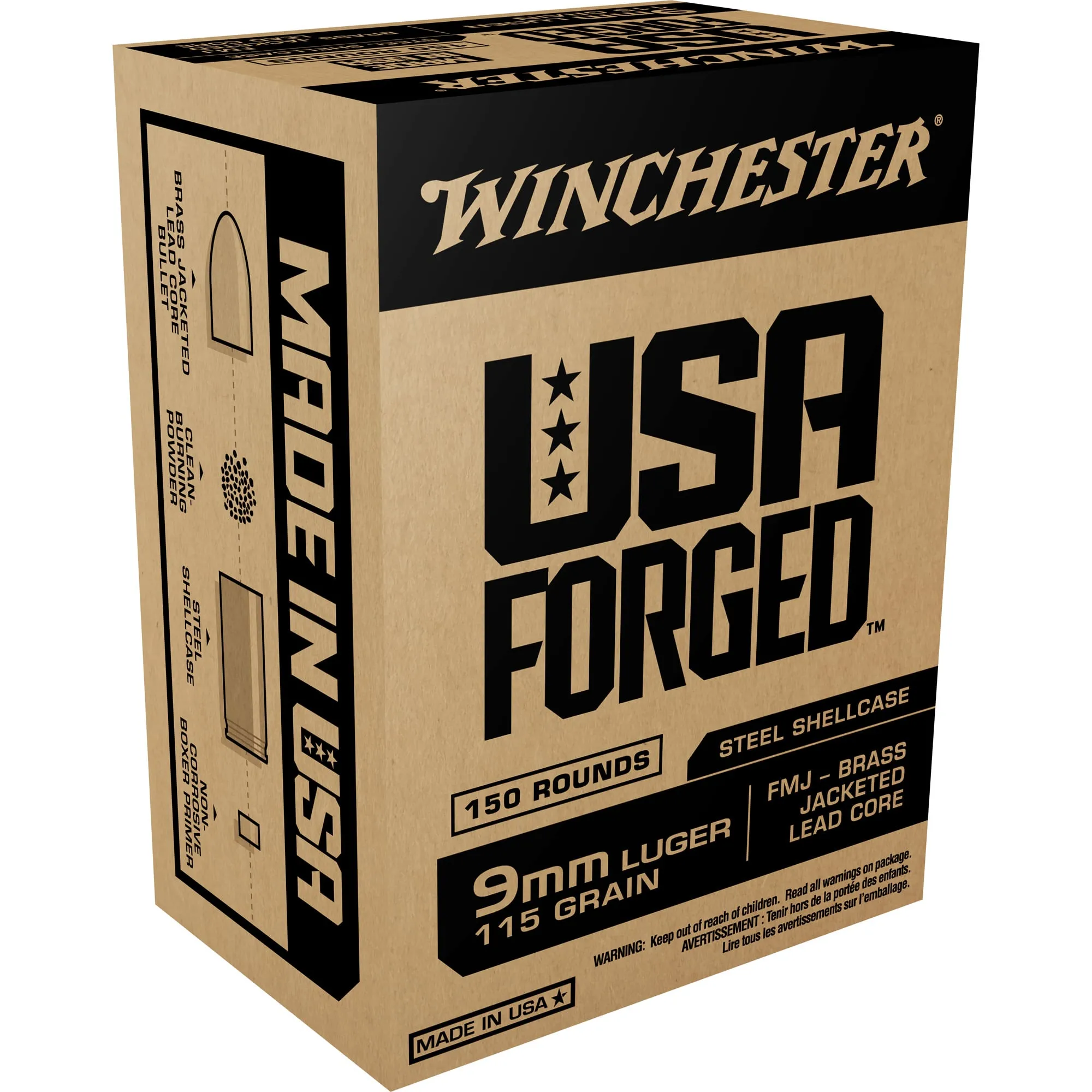
Winchester USA 9mm Ammunition, 1000 Rounds FMJ 115Gr - WIN9SK
9mm · 115gr · 1,000 rds

PMC Ammunition Bronze Brass 9mm 115-Grain 1000-Rounds Bulk FMJ
9mm · 115gr · 1,000 rds

Winchester Centerfire Handgun Brass 9mm 115-Grain 1000-Rounds FMJ Bulk
9mm · 115gr · 1,000 rds

PMC Ammunition Bronze Brass 9mm 124 Grain 1000-Rounds Bulk FMJ
9mm · 124gr · 1,000 rds
One case in that grid is in the same money as a transfer fee, and you will buy many more cases than you will pay transfer fees. If you are trying to find money in a firearm purchase, the fee is the wrong line item to optimise — put the effort into the cartridge instead. Our 9mm load rankings and the full 9mm catalog are the place to start; why ammo prices move explains why that line item is the volatile one. And before you order, check ammo shipping restrictions, which are a separate problem from firearm transfers and catch people out more often.
The paperwork classes that change the arithmetic
Two cases break the model above, and both deserve local verification rather than a number from us.
Suppressors and other NFA items carry a federal transfer tax in addition to whatever the dealer charges, and the dealer's own handling fee for an NFA transfer is typically not the same as their fee for an ordinary rifle. The suppressor buying guide covers what that process involves, and the all-in cost breakdown prices the parts that are knowable.
State and local rules are the other case. Feature restrictions, magazine-capacity limits, roster or permit requirements and waiting periods can make an otherwise-cheap listing simply unavailable to you, or add costs that have nothing to do with the dealer's fee. These vary by jurisdiction and change. Confirm what applies where you live before you treat any listing as purchasable.
How to use these numbers before you click buy
- Get the fee. One phone call, three questions: what is the transfer fee, do you accept transfers from this retailer, is there anything on top.
- Check whether your gun can even be shopped. If the listing shows one retailer, the retailer-spread table does not apply to you; you are comparing against your local counter price.
- Compare the gap, not the sticker. Against a $50 fee, fewer than a third of shoppable guns have a retailer spread that covers it. Know which side of that line your gun is on.
- Check the gun's own history before the calendar. 40.9% of live firearms are above their own recorded low, median $38.70 — more than the median retailer gap, and available on any gun.
- Budget the ammunition first if the gun is cheap. Below $400 the fee is a real share of the purchase and the measurable savings are a handful of dollars. How many rounds it takes to get competent will cost more than the gun and the fee combined.
The honest summary: on an expensive gun the transfer fee is noise, and the thing to optimise is timing. On a cheap gun the fee is real money, the online saving is usually smaller than people expect, and buying locally is a perfectly rational answer. The reason to track prices is to know which of those two situations you are in — not to assume the internet always wins.
Get alerted when 9mm price drops hit.
We watch every listing and email you the moment the cost per round drops.
Set Up a Free Price AlertAmmoSpotter earns a commission when you buy through links on this page. It never changes what you pay, and it never decides what we recommend — our picks are ranked on live cost-per-round data pulled from every retailer we track. Full disclosure.
Frequently Asked Questions
How much is an FFL transfer fee?+
Is buying a gun online actually cheaper than buying local?+
Does a transfer fee apply to a gun I buy in my own state?+
Can a dealer charge a separate fee for each gun in one shipment?+
Do the prices on this site include shipping and tax?+
Where does the transfer fee matter least?+
Shop the data

About the author
AmmoSpotter Research Desk
Price & Ballistics Research
The AmmoSpotter Research Desk analyzes live retail pricing across every ammunition, firearm and accessory listing we track. Recommendations here are ranked against real cost-per-round data pulled daily from the retailers we monitor - not against manufacturer marketing copy.
- ✓Tracks 180,000+ live product listings across 6 retailer feeds
- ✓Records price history on every listing, every day
- ✓Cost-per-round methodology applied to all ammunition rankings
- ✓No product is ranked without a verifiable in-stock retail price
- ✓Affiliate relationships never influence rankings
Related Guides

How to Buy a Gun Online: FFL Transfers Explained
- A firearm bought online ships to a licensed dealer near you, not to your door. You do the paperwork and the background check in person. - The transfer fee is set by that receiving dealer. It is invisible to every pr...

Best Time of Year to Buy a Gun: What Six Months of Our Price Data Actually Shows
- We tracked 6,075 firearms with a recorded price in every month from March through August 2026. Indexed against each gun's own average, the market moved 0.7% end to end. - Every major category — bolt guns, revolvers,...
How Much Does a Suppressor Really Cost, All In?
- There are four costs, not one: the can, the federal transfer tax, the mount or threaded barrel, and the ammunition. - Across the suppressor listings in our catalog, the rimfire tier is the cheapest entry point and t...
Ammo Price Alerts: Why 7 in 10 Listings Cost More Than Their Own Floor
- Of 12,027 live ammunition listings in our index, 8,518 — 70.8% — are currently priced above the lowest price we have recorded for that exact product . - The median gap for those listings is 10.9% . More than a third...
Buying a Used Gun: What to Check, and What It Has to Beat
- We cannot price used guns, and we will say so rather than estimate. Of 62,309 live firearm listings, exactly 12 carry a used or open-box flag — and all 12 are open-box, not second-hand. Zero are factory blems. - Tha...

Best Gun Safes for Home Defense 2026: What the Price Data Says to Buy
- We track 103 live gun vault and safe listings . Ninety-nine of them cost under $270, four cost over $1,199, and exactly one sits in between — the mid-priced gun safe is a category that barely exists at these retaile...