New vs Used Guns: What to Check
The used market is invisible to price feeds — only 12 of the 62,309 firearms we track are flagged used or open-box. So the only honest test of a used price is the live new floor for the same class, and here it is.
Can you even look up what a used gun is worth?
Not from retail data, and this is the honest place to start.
Our catalog holds 62,309 live firearm listings from tracked retailers. Exactly 12 of them carry a used, pre-owned, refurbished or open-box flag — and every one of those 12 is open-box, not second-hand. Searching for factory blems or seconds among firearms returns zero. The twelve open-box listings run from $289.99 to $2,699.99 and are scattered across handguns, bolt rifles and shotguns with no pattern worth generalising from.
That is not a gap in our coverage. It is the structure of the market. Used guns move through local shop cases, private sales between individuals and auction sites — none of which publish the product feeds that price trackers consume. There is no national used-price tape, and a site that shows you one is estimating from sold listings or simply guessing. Our ranking methodology commits us to not doing that.
So the useful thing we can give you is the comparison the used price has to survive.
The only honest test: what does the same thing cost new?
Here is the live new-gun floor, lower quartile and median for every class a used buyer actually shops, straight out of the catalog today.
| Class | Listings | Cheapest new | 25th percentile | Median |
|---|---|---|---|---|
| Single-shot shotgun | 171 | $104.99 | $165.99 | $209.99 |
| Pump shotgun | 601 | $119.99 | $319.99 | $419.99 |
| Semi-auto rifle | 464 | $99.99 | $359.99 | $729.99 |
| Semi-auto handgun | 4,102 | $74.99 | $425.99 | $609.99 |
| Revolver | 1,883 | $89.99 | $419.99 | $659.99 |
| Bolt-action rifle | 6,156 | $122.99 | $629.99 | $999.99 |
| Semi-auto shotgun | 1,314 | $164.99 | $729.99 | $1,046.99 |
| 1911 | 1,119 | $249.99 | $739.99 | $1,049.99 |
| Lever-action rifle | 699 | $144.99 | $829.99 | $1,169.99 |
| Modern sporting rifle | 1,500 | $189.99 | $769.99 | $1,191.99 |
| Over/under shotgun | 729 | $349.00 | $729.99 | $2,025.99 |
Two warnings about reading that table, because both floors are traps.
The absolute cheapest "semi-auto handgun" in the catalog is not a pistol — it is a bare polymer frame, a serialised component you build on. The same is true of the cheapest rifle listings, which are stripped lowers. And several of the lowest rimfire entries in the rifle classes are youth single-shots, not grown-up guns. Floors tell you where a category starts; the 25th percentile is a much better description of what a usable new gun costs.
The second warning is that these are class floors, not model prices. If the used gun in front of you is a specific model, find that model new and compare directly. The class floor only tells you whether the whole category has moved under the price you are being asked to pay.
The classes where used almost never makes sense
For most of that table, used is a perfectly rational purchase. For two rows, the arithmetic has quietly stopped working.
New Single-Shot Shotguns, Cheapest First
Prices updated Oct 15, 2026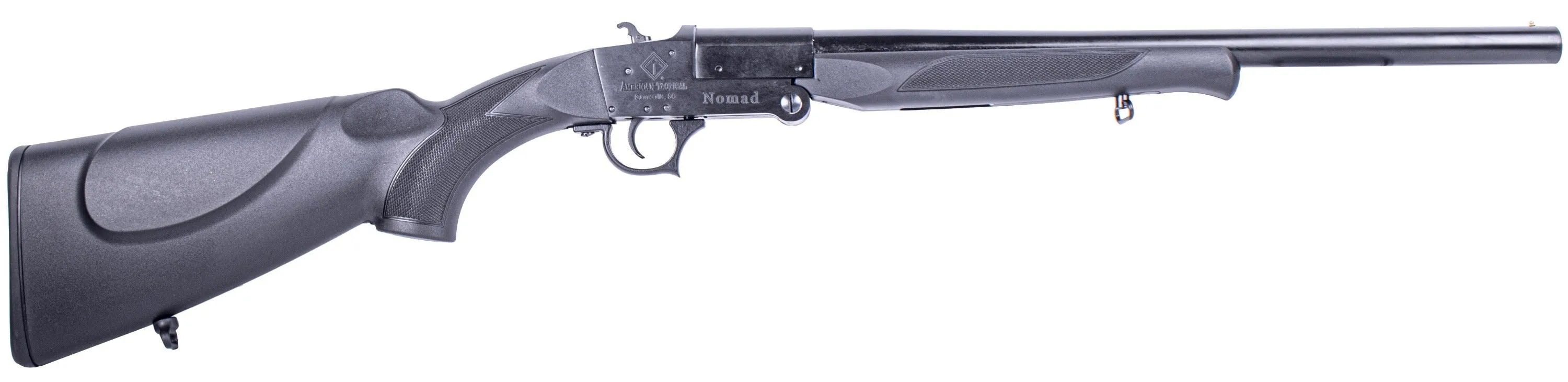
American Tactical Nomad 20 GA 18.5 Barrel 1-Rounds

Rock Island Armory Traditional Brown Woodgrain 12 GA 20 Barrel 3-Chamber 1-Rounds
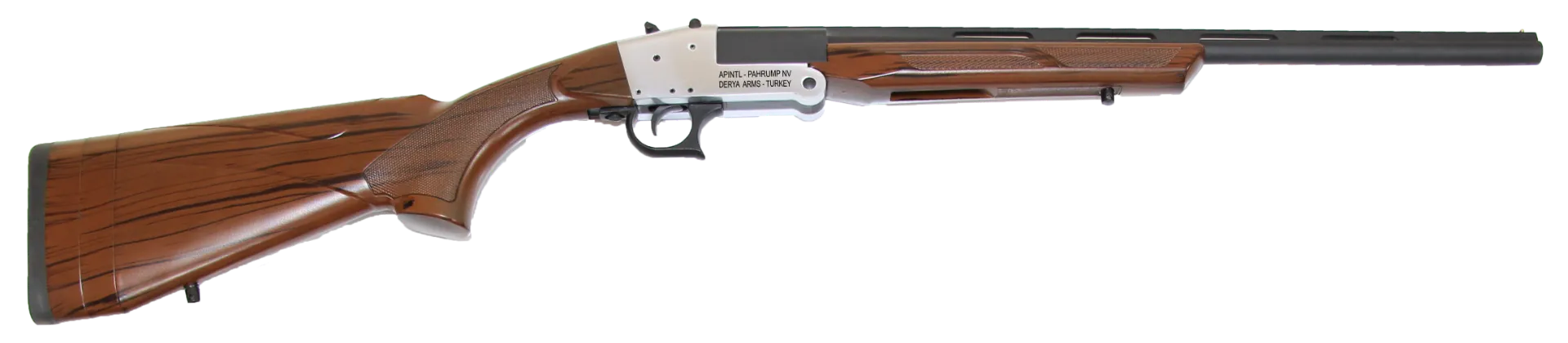
Rock Island Armory Traditional Woodgrain .410 GA 20 Barrel 3-Chamber 1-Rounds

American Tactical Nomad .410 GA 18.5 Barrel 3-Chamber 1-Round Tan Stock
.410 Bore · 1 rds
American Tactical Nomad 12 GA 18.5 Barrel 3-Chamber 1-Round Tan Stock
12 Gauge · 1 rds
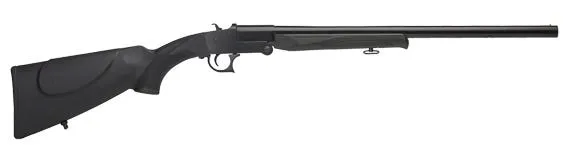
American Tactical Nomad 12GA 18.5-inch Single Shot - 3-inch Chamber
A new single-shot breaks the hundred-dollar mark and comes with a warranty. There is no realistic used discount on a gun like that which is worth inheriting an unknown history for — the entire purchase price is less than one decent optic, and a used example that needs a spring or an extractor has consumed its own saving.
The same logic applies at the bottom of the pump shelf, where a new defensive-length gun costs less than many people spend on the holster for their carry pistol. Above those two rows — bolt rifles, semi-auto shotguns, 1911s, over/unders — the new median is high enough that a used example at a genuine discount is often the smart buy.
Entry-tier new handguns sit in the middle of the argument, and this is the grid worth checking before you accept a used price on a defensive pistol:
Entry-Tier New 9mm Pistols
Prices updated Oct 15, 2026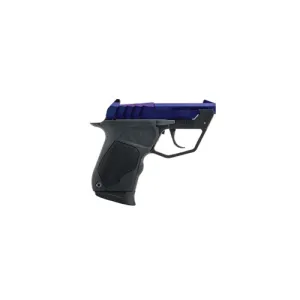
Taurus 22TUC Purple / Black .22 LR 2.5 Barrel 9-Rounds
.22 LR · 9 rds

Taurus 1-GX2P931 GX2 T.O.R.O. Compact 9mm 13rd Pistol, OR, Frame w/Picatinny Rail, Black
9mm · 13 rds

Taurus G3c T.O.R.O. 9mm 3.2 Barrel 10-Rounds Manual Safety
9mm

Taurus GX2 TORO Flat Dark Earth / Black 9mm 3.38 Barrel 13-Rounds
9mm · 13 rds
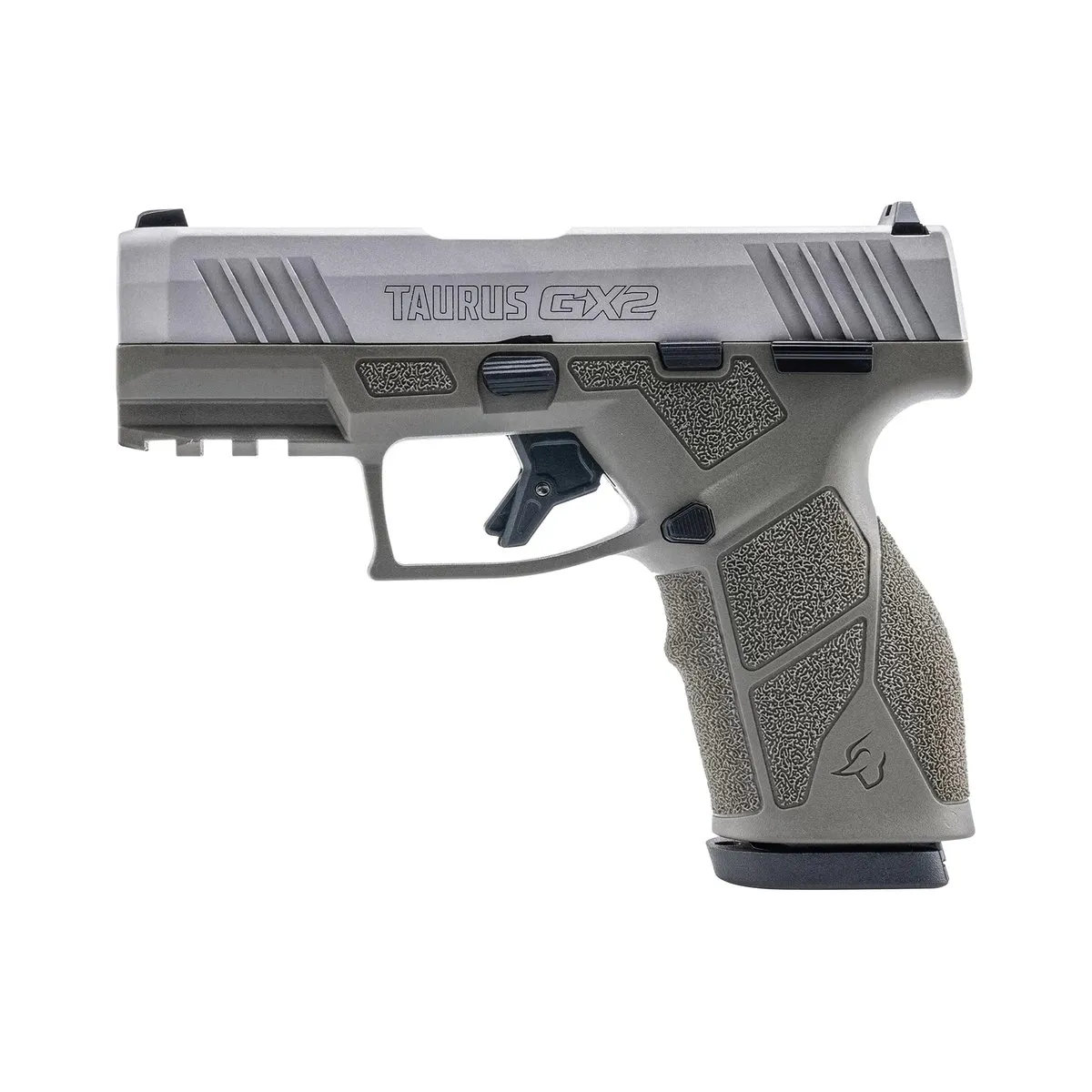
Taurus GX2 OD Green / Stainless Steel 9mm 3.38 Barrel 10-Rounds
9mm
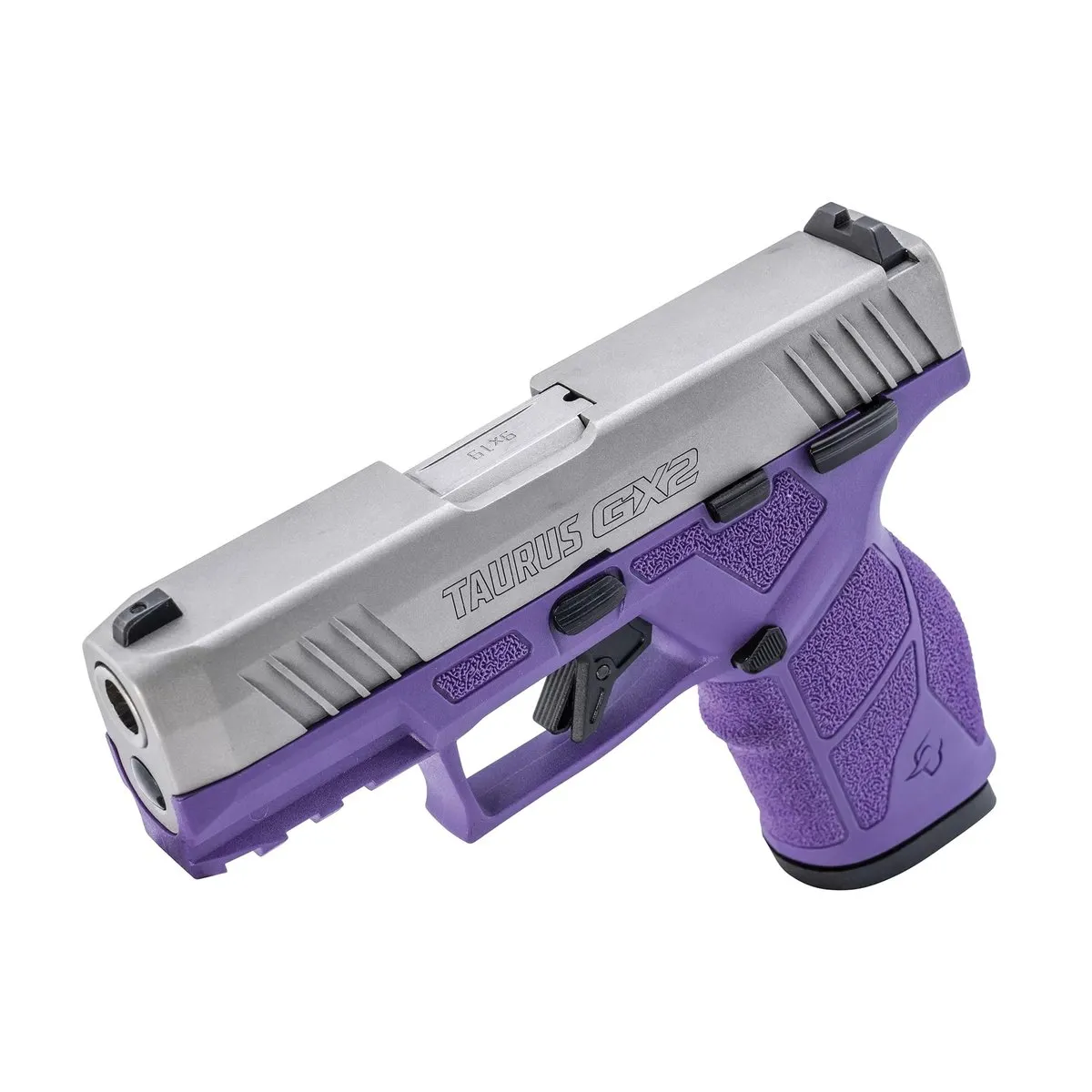
Taurus GX2 Dark Purple / Stainless 9mm 3.38 Barrel 10-Rounds
What a used price has to beat besides the sticker
A used gun is a single unit, at a single price, with no history you can see. That costs you three things that have nothing to do with the gun's condition.
You lose the retailer comparison. On the new side, roughly one firearm listing in eight is stocked by more than one tracked retailer, and where it is, there is a measurable gap between the cheapest and dearest shop. A used gun has exactly one seller.
You lose the waiting lever, which on hardware is the bigger one. Around 40% of live firearm listings are priced above their own recorded low since we started tracking in February 2026, with a median gap of a few tens of dollars — money you can collect simply by watching the listing instead of buying today. The full breakdown of both levers is in what an FFL transfer actually costs, and the seasonal version of the question is in the best time of year to buy a gun. A used gun offers neither: it is priced once, by one person, and it is gone when someone buys it.
You lose the warranty and the return window. This is the part people discount to zero and shouldn't. A new gun that comes back wrong is the retailer's problem. A used gun that comes back wrong is yours.
None of that makes used wrong. It means the discount has to be real — large enough to pay for the warranty you gave up and the shopping you can no longer do — not just a round number below MSRP.
What to check on a used gun, in order
Confirm the gun is unloaded first, every time, including when the seller has just done it. Then work from the parts that cost the most to fix toward the parts that cost the least.
- The bore. Look through it at a light. You are checking for pitting, a frosted or washed-out appearance ahead of the chamber, and rifling that still has square edges. A worn throat on a rifle is the single most expensive thing you can inherit, and it is invisible from the outside.
- The muzzle and crown. Dings or uneven wear at the muzzle will hurt accuracy and are a machining job to correct.
- Lockup and play. On a revolver, check cylinder rotation, timing and end shake, and whether the chambers line up with the barrel when locked. On a semi-auto, check slide-to-frame fit and barrel lockup. On a bolt gun, check that the bolt closes cleanly with no grit and the lugs show even contact.
- Fit between barrel and receiver. Any looseness where the barrel meets the frame or receiver is a stop sign, not a negotiating point.
- Springs, pins and screw heads. Buggered screw slots and mismatched pins mean someone has been inside the gun. That is not automatically bad, but it tells you to ask who and why.
- Does the wear match the story? A gun described as lightly used with a worn muzzle crown, a shiny feed ramp and a polished holster line has been used more than lightly. Sellers are not always lying; they are often just repeating what they were told.
- Function, if you are allowed. Dry cycling, trigger reset and safety function at the counter catch a surprising amount.
A note on legality rather than condition: transfer requirements for used and private sales vary considerably by state and sometimes by locality, and they change. Check what applies where you live before you agree to anything, and if the gun is crossing a state line, read how to buy a gun online and have it transferred first.
The costs a used gun arrives without
Used guns rarely come complete. Budget for the things that were in the new box:
- Magazines. A used pistol often arrives with one, where the new one shipped with two or three. Spares start under $10 on our shelf for common patterns, but proprietary or older-pattern magazines can cost a meaningful fraction of the gun. Check availability before you buy — see how many magazines you actually need.
- Cleaning gear, and a thorough first clean. You do not know what the last owner stored it with or how long it sat.
- Sights or optics, if the previous owner stripped them.
Budget the ammunition either way
Here is the cost that dwarfs the new-versus-used question entirely. The gun is a one-time payment. The cartridge is a subscription.
.22 LR Price Index
Live · Oct 15, 2026Bulk .22 LR Value Packs
Prices updated Oct 15, 2026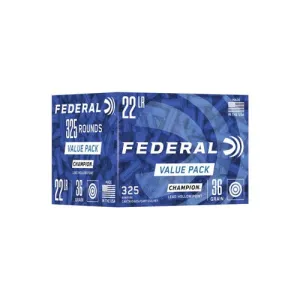
FEDERAL AMMO Champion Value Pack 22LR 36gr Lead Hollow Point Ammunition | 325 Rounds
.22 LR · 36gr · 325 rds
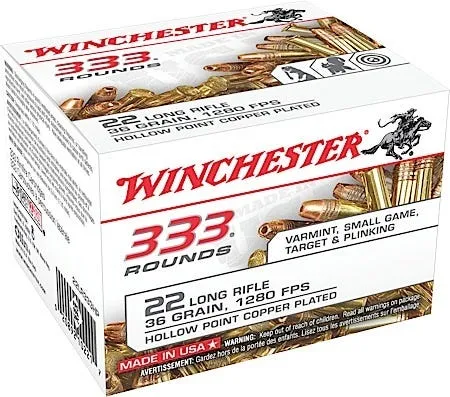
Winchester USA Brass .22 LR 36 Grain 333-Rounds Bulk CPHP
.22 LR · 36gr · 333 rds
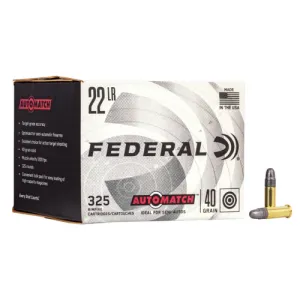
FEDERAL AMMO AutoMatch 22LR 1200 FPS 40Gr 325rd
.22 LR · 40gr · 325 rds
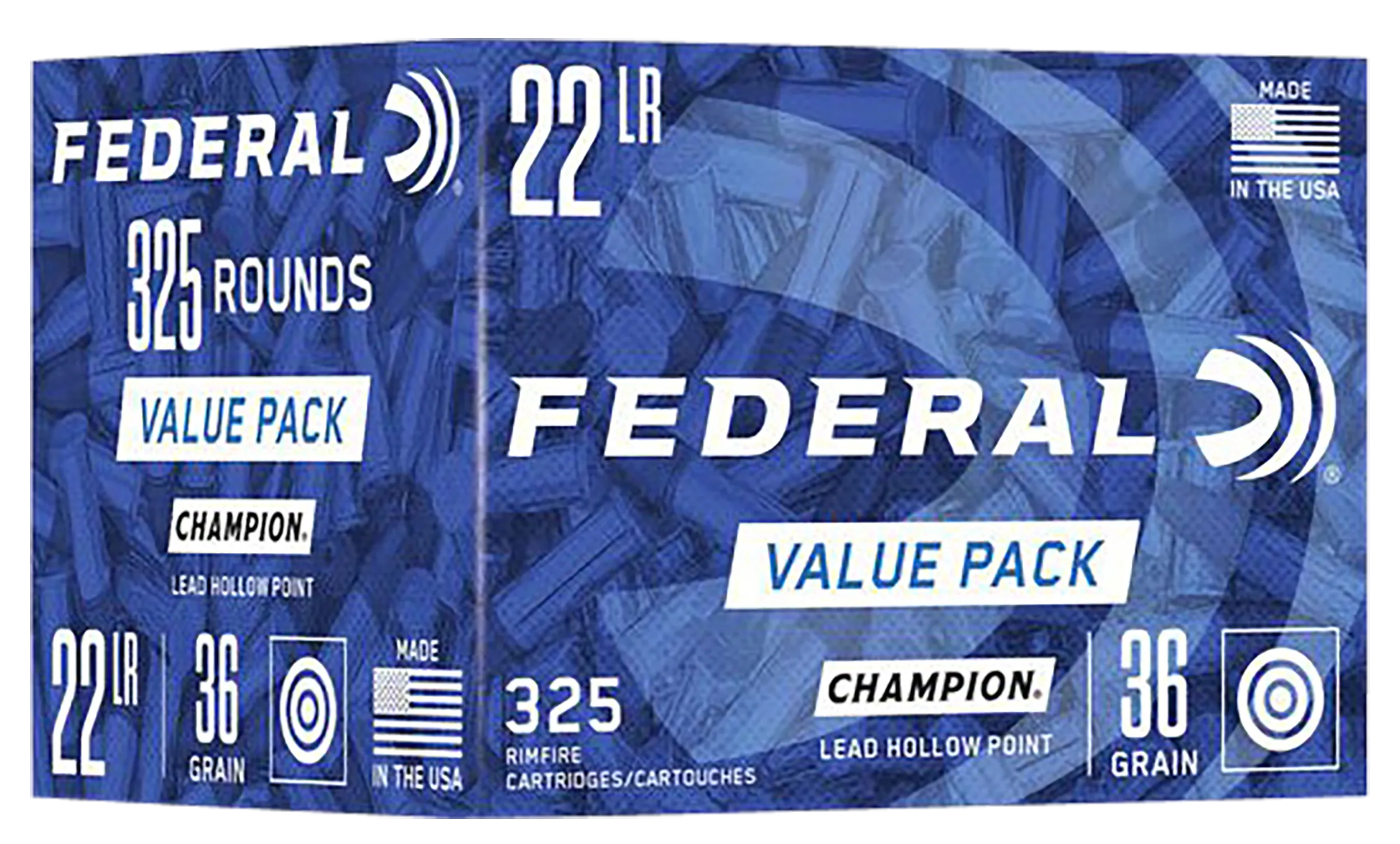
Federal Champion Training Value Pack Brass .22 LR 36 Grain 325-Rounds LHP
.22 LR · 36gr · 325 rds
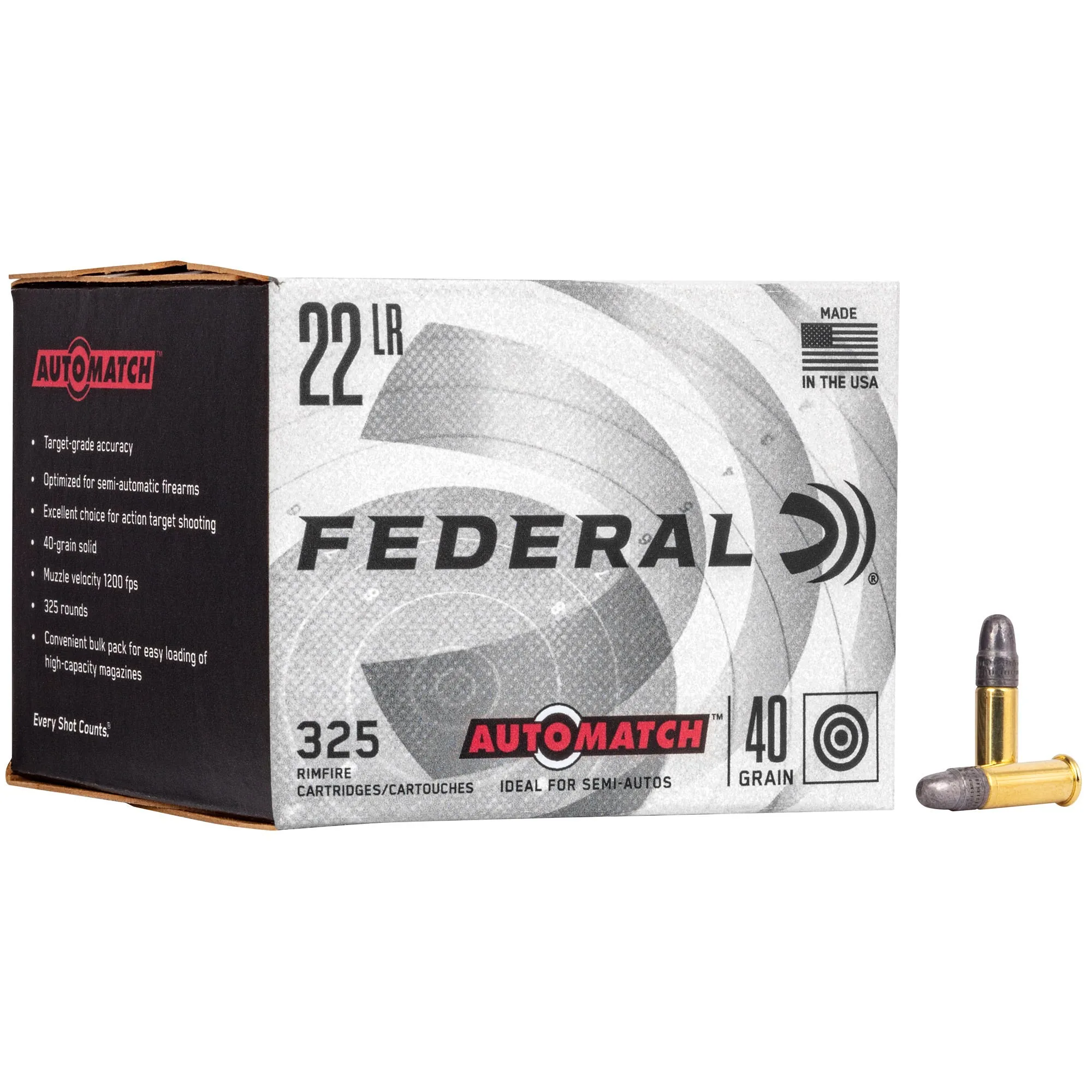
Federal Champion Training Bulk Ammo Brass .22 LR 40-Grain 325-Rounds LRN
.22 LR · 40gr · 325 rds
FEDERAL AMMO Value Pack 22LR 36gr Copper Plated Hollow Point Ammunition | 325 Rounds
.22 LR · 36gr · 325 rds
A rimfire is the cheapest way to put real rounds through anything, by a wide margin over every centerfire cartridge we track — which is why a used centerfire bargain and a new rimfire trainer are not competing purchases, they are complementary ones. Our .22 LR load rankings and the full .22 LR catalog cover the options; why ammo prices move explains why this is the volatile line item and the gun is not.
Then be realistic about volume. How many rounds it takes to get genuinely competent is a bigger number than most new owners budget for, and it will cost more than the difference between any new and used example of the same gun.
So how should you decide?
- Price the new floor for the class, then the new price for the exact model. That is the number the used gun has to beat. The table above is the starting point; browse the full catalog for the cartridge side of the budget.
- Subtract what you are giving up — warranty, returns, the ability to shop retailers, the ability to wait for a drop. If the used discount does not cover that, it is not a discount.
- Inspect the bore before the finish. Cosmetics are the cheapest thing on a gun to fix and the most heavily discounted. Condition that is hidden is where the money is.
- Skip used entirely at the bottom of the market. Under about $200 new, the warranty is worth more than any plausible used saving.
- Put the effort into the cartridge. The purchase is decided once. The ammunition bill arrives for as long as you own the gun.
Get alerted when .22 LR price drops hit.
We watch every listing and email you the moment the cost per round drops.
Set Up a Free Price AlertAmmoSpotter earns a commission when you buy through links on this page. It never changes what you pay, and it never decides what we recommend — our picks are ranked on live cost-per-round data pulled from every retailer we track. Full disclosure.
Frequently Asked Questions
Do you track used gun prices?+
Is buying a used gun actually cheaper?+
How much should a used gun be discounted from new?+
What should I check first on a used gun?+
Is an open-box gun the same as a used gun?+
Does a used gun cost more to shoot?+
Shop the data

About the author
AmmoSpotter Research Desk
Price & Ballistics Research
The AmmoSpotter Research Desk analyzes live retail pricing across every ammunition, firearm and accessory listing we track. Recommendations here are ranked against real cost-per-round data pulled daily from the retailers we monitor - not against manufacturer marketing copy.
- ✓Tracks 180,000+ live product listings across 6 retailer feeds
- ✓Records price history on every listing, every day
- ✓Cost-per-round methodology applied to all ammunition rankings
- ✓No product is ranked without a verifiable in-stock retail price
- ✓Affiliate relationships never influence rankings
Related Guides
What an FFL Transfer Actually Costs: The Break-Even Math on 62,309 Guns
- The transfer fee is set by your receiving dealer, appears in no retailer feed, and is the one number we genuinely cannot look up for you. - The other half of the arithmetic we can measure exactly. Of 62,309 live fir...

How to Buy a Gun Online: FFL Transfers Explained
- A firearm bought online ships to a licensed dealer near you, not to your door. You do the paperwork and the background check in person. - The transfer fee is set by that receiving dealer. It is invisible to every pr...

Best Time of Year to Buy a Gun: What Six Months of Our Price Data Actually Shows
- We tracked 6,075 firearms with a recorded price in every month from March through August 2026. Indexed against each gun's own average, the market moved 0.7% end to end. - Every major category — bolt guns, revolvers,...
Ammo Price Alerts: Why 7 in 10 Listings Cost More Than Their Own Floor
- Of 12,027 live ammunition listings in our index, 8,518 — 70.8% — are currently priced above the lowest price we have recorded for that exact product . - The median gap for those listings is 10.9% . More than a third...
Best Gun Safes for Home Defense 2026: What the Price Data Says to Buy
- We track 103 live gun vault and safe listings . Ninety-nine of them cost under $270, four cost over $1,199, and exactly one sits in between — the mid-priced gun safe is a category that barely exists at these retaile...
Best Semi-Auto Shotguns 2026: Clays and Waterfowl, Priced Live
- 1,254 live semi-auto listings , $164.99 to $3,649, median $1,039.99 . The pump median is $419.99 — the action roughly doubles the bill. - The "action tax" is not a fixed percentage. Charles Daly charges about 13% mo...