Storing Guns and Ammo: Humidity, Safes and Rust
A safe keeps guns secure, but it doesn't control humidity. Here's what rusts, what to buy first, and how to store ammo so it lasts.
54 results
A safe keeps guns secure, but it doesn't control humidity. Here's what rusts, what to buy first, and how to store ammo so it lasts.
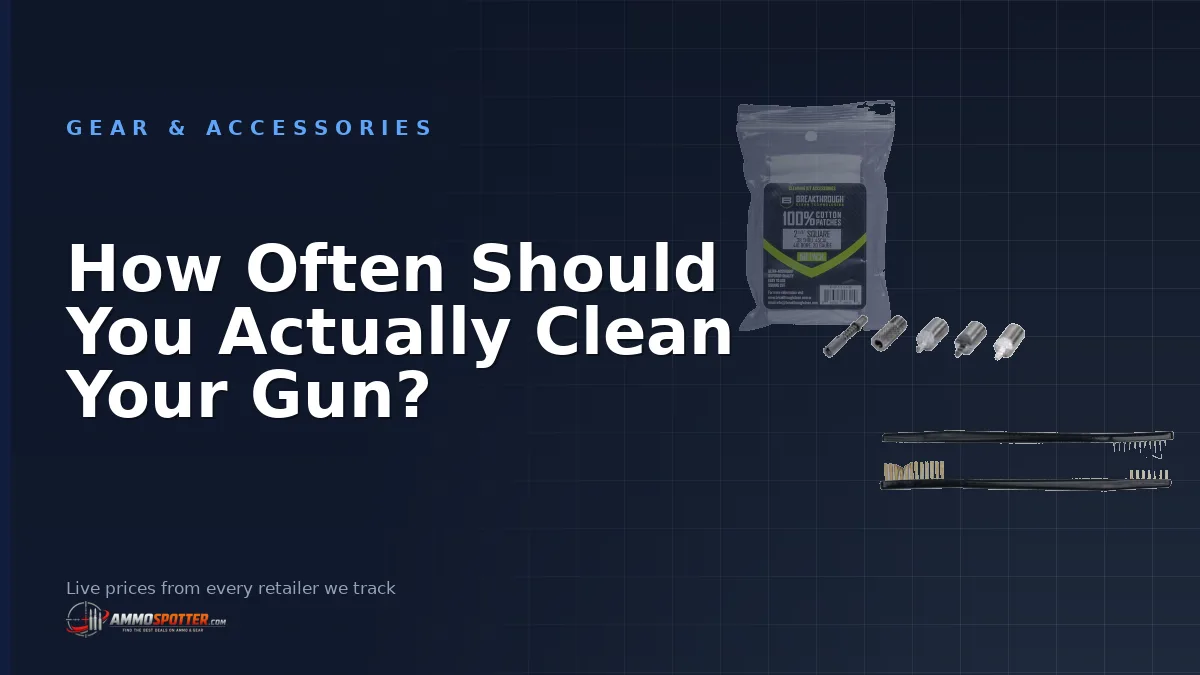
Most guns need oil more often than scrubbing. Here's how round count, ammo type and suppressors set your cleaning schedule, plus what supplies cost.
Most shooting glasses cost under $20, and the pricey ones are mostly sunglasses. Listings almost never state an impact rating, and "shooting gloves" are really work gloves.
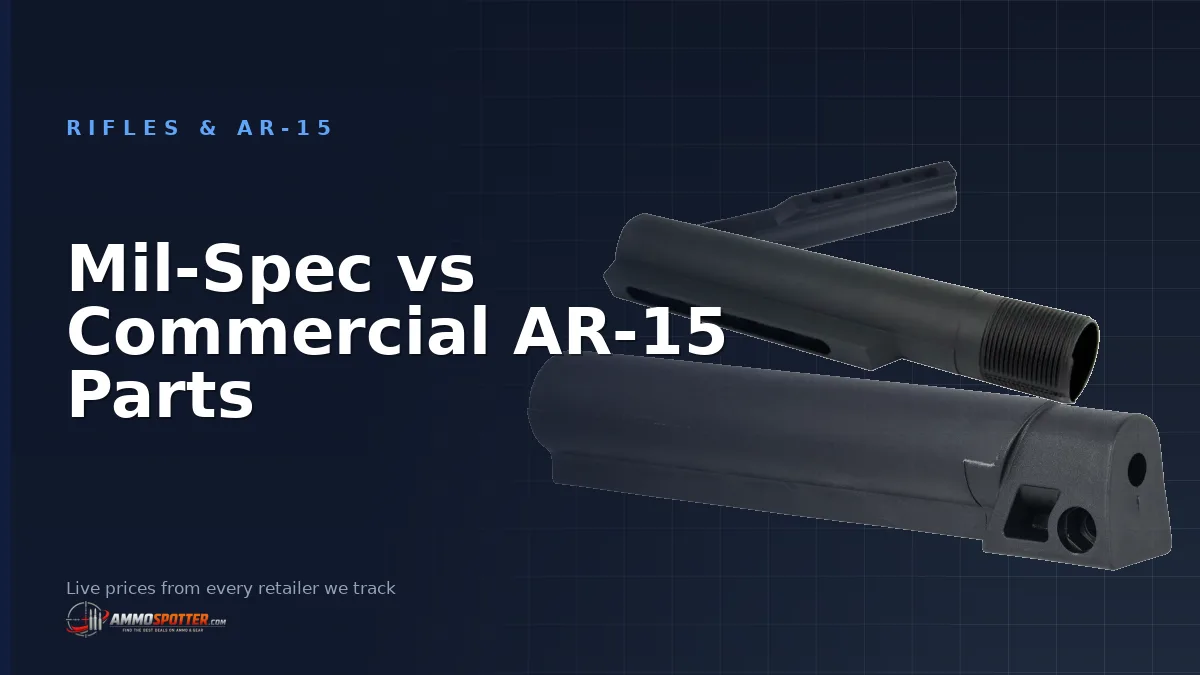
Mil-spec means a tube size on the buffer tube and a steel and testing standard on the bolt carrier. Here's what fits, what it costs, and what to check.
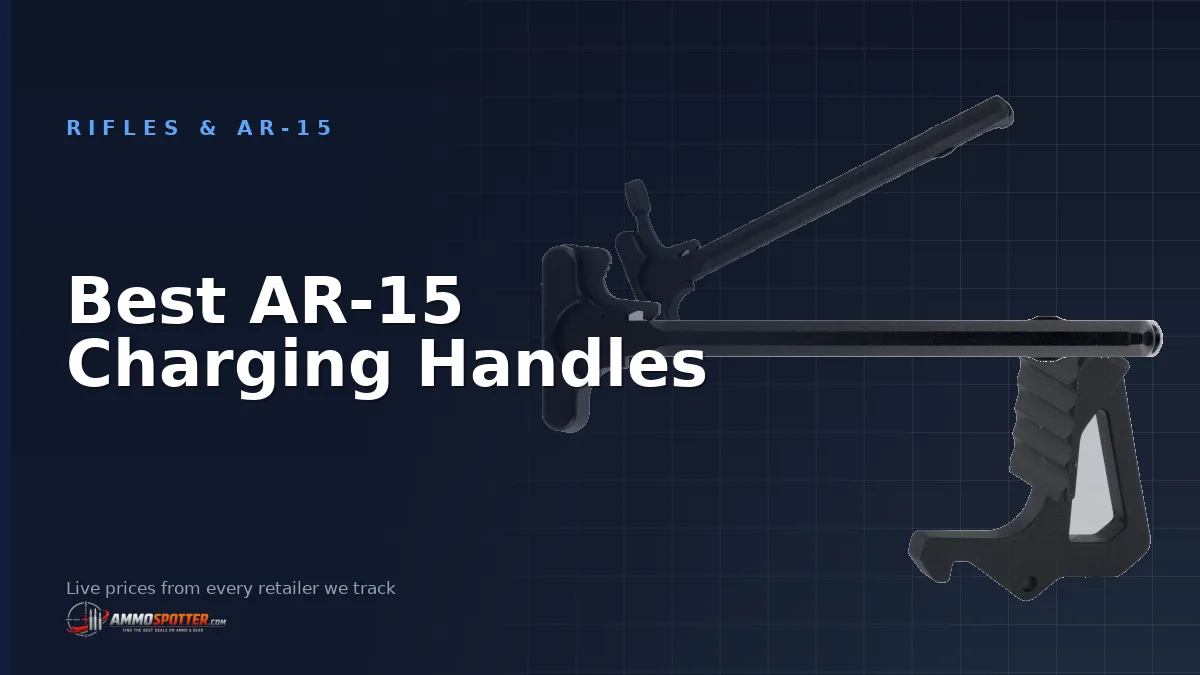
Most people want a bigger latch, and that costs $14.95 on its own. A typical handle is about $70, and ambidextrous costs about double. Read titles closely.
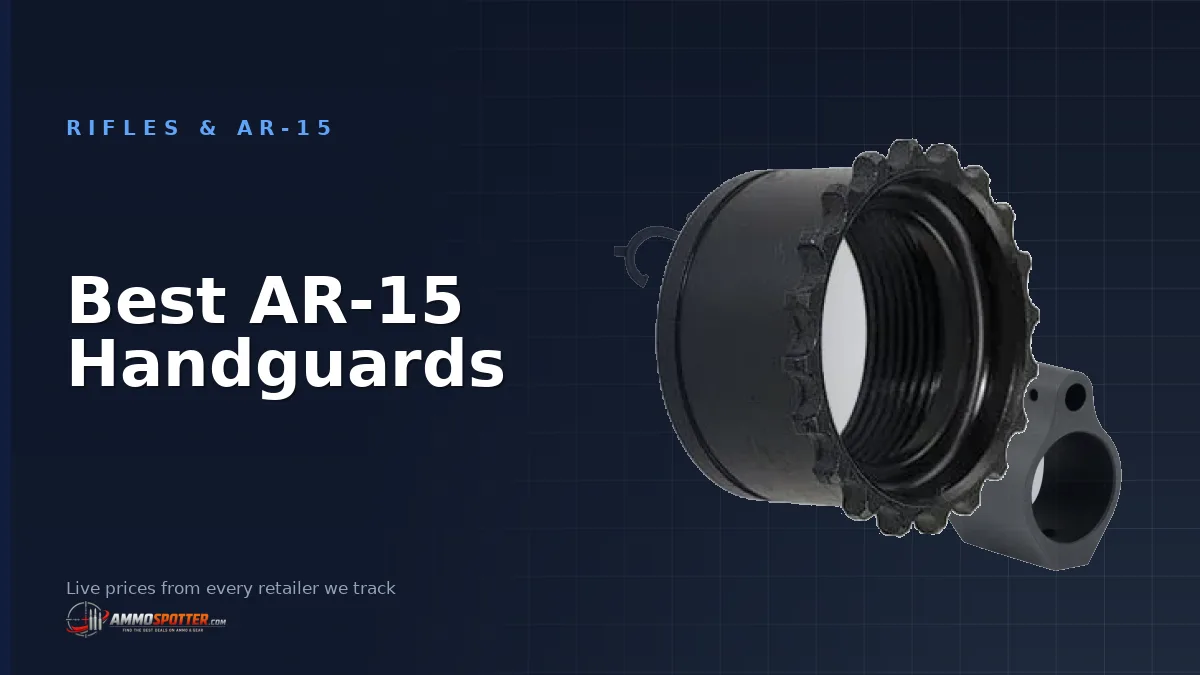
A typical AR-15 handguard costs about $165. Here's how to check fit, which install parts the listing leaves out, and why you should compare two stores and buy now.
Piston ARs run cleaner but cost about $400 to $650 more from the same maker, and spare parts are hard to find. Here's why DI makes sense for most buyers.
Hogs have no season in much of the South, so cost per round matters. Here's which cartridges have cheap bulk ammo, which don't, and what to buy.
AR-15 parts don't come with a round-count lifespan. Here's what to inspect, what to replace, and why the bolt-side wear parts cost about $21 in total.
Smokeless powder is almost impossible to buy online. Here's how beginners should choose a powder, why the manual comes first, and what to buy online instead.
For a box or two, the store usually wins. For a case, online wins because shipping spreads to almost nothing. Here's how to compare cost per round in the aisle.
A typical cleaning kit costs about $30, and spending more buys little. Here's how to pick one for your gun and when to buy it.
One cleaning session costs less than a round of .223. Here's how to field strip your AR, which parts need attention, and where to spend your money.
For most buyers a 16-inch barrel wins: cheapest of the common lengths and no paperwork. Here's what 14.5, 10.5 and 20-inch barrels really cost once you add parts and ammo.
Most good AR-15 drop-in triggers cost $140 to $199. Here's how prices break down, why the cheapest results are trigger guards, and what to check first.
Complete AR-15 uppers come almost entirely from one company, so you can't shop around. Here's what to check, when to wait, and what the caliber costs you later.
The AK isn't the cheap rifle anymore. Here's how the AR-15 and AK-47 compare on price, magazines, optic mounts, parts and ammo.
Buy known-brand AR-15 mags in the $10 to $20 range, buy more than you think you need, and spend the rest on ammo. Here's what each price tier gets you.
Use the primer your load data names. Pistol and rifle primers fit the same pockets but aren't interchangeable, and right now primers are hard to find.
Bore sight, fix your mount, shoot groups and adjust once. Here's how to zero a scope in 9 to 12 rounds, what distance to use, and the mistakes that waste a box.
MOA and MRAD both measure angle, and neither is better or pricier. Pick the one your shooting partners use, and keep reticle and turrets in the same unit.
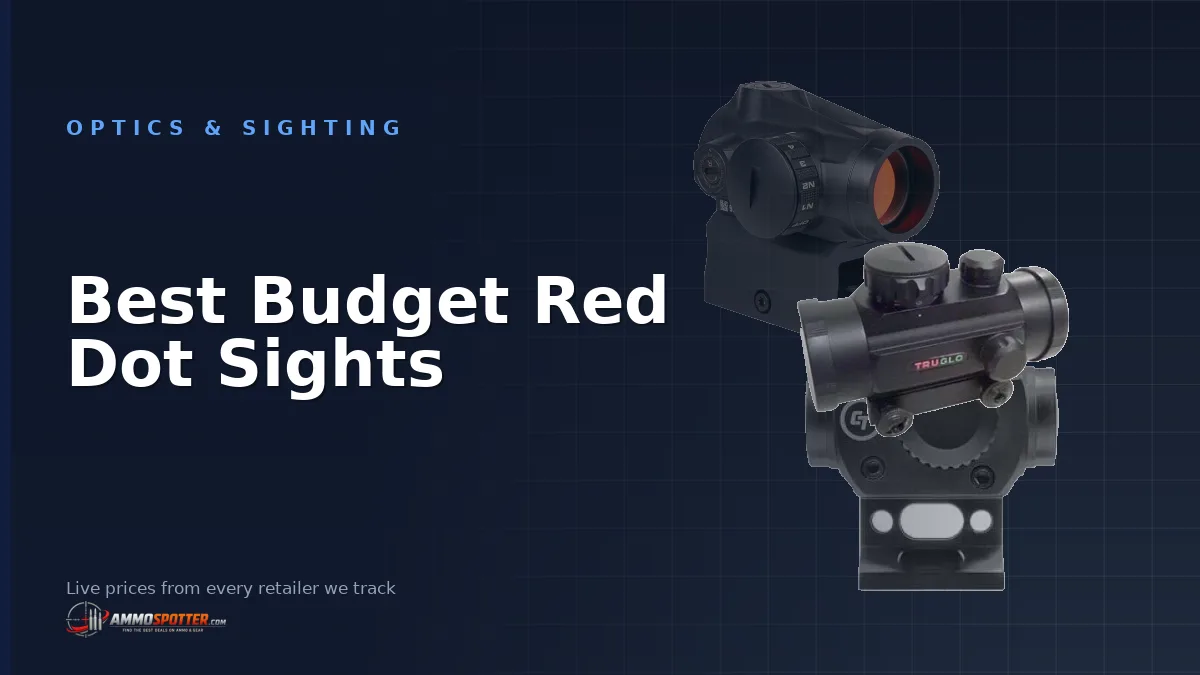
A usable rifle red dot starts around $40, and most people should stop at $90 to $150. Here's what each tier gets you, and what to check on a pistol dot.
A red dot is faster and lighter. An LPVO lets you see and shoot farther. Once you count the mount they cost about the same, so pick by how and where you shoot.
The can is a one-time cost. The host's ammo costs you every round. Here's why .22 LR and 9mm are the best first hosts, and when .300 Blackout or 5.56 make sense.