Suppressor Mounting Systems Compared
The mount is the cheapest part of a suppressor purchase and the one that locks you in hardest. Here is what each system costs on our shelf right now.
What does a suppressor mount actually cost?
Less than almost anything else in the purchase, which is why it gets decided badly. Across the 1,044 live listings in our suppressor-accessory category the median price is $79.90, the quarter-point is $61.69, and the three-quarter point is exactly $100. The whole category tops out at $712.99.
Split by what the part actually does, the three mounting classes separate cleanly:
- Direct thread adapters (pitch-to-pitch), 190 listings: median $71.99, from $16.00 to $127.99.
- HUB adapters, 111 listings: median $80.00, from $35.49 to $265.00.
- QD muzzle devices and brake mounts, 28 listings: median $101.15, from $31.99 to $260.10.
So the entire premium for a quick-detach interface, measured at the median, is about $29 per unit. That is the number people quote when they say mounts do not matter. It is also the wrong number, for a reason we will get to.
First, a caution about the cheap end of this shelf. Price-sorted, it is not mounts at all:
The Cheap End of the Suppressor Accessory Shelf
Prices updated Oct 21, 2026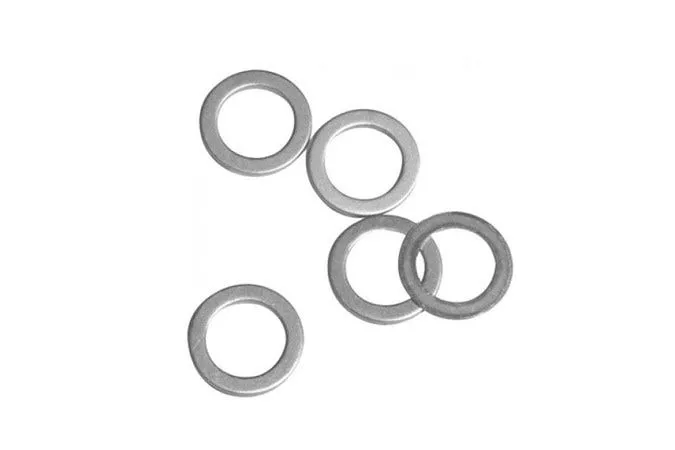
Gemtech Shim Set Steel 7.62mm 5/8-24
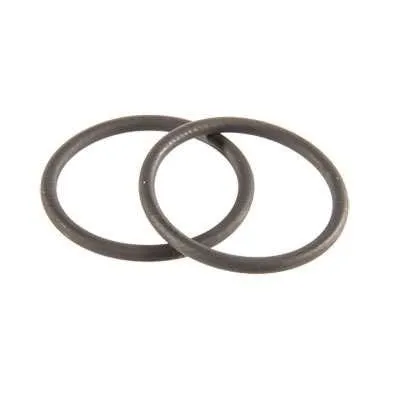
Silencerco Osprey O-Ring Booster Pack
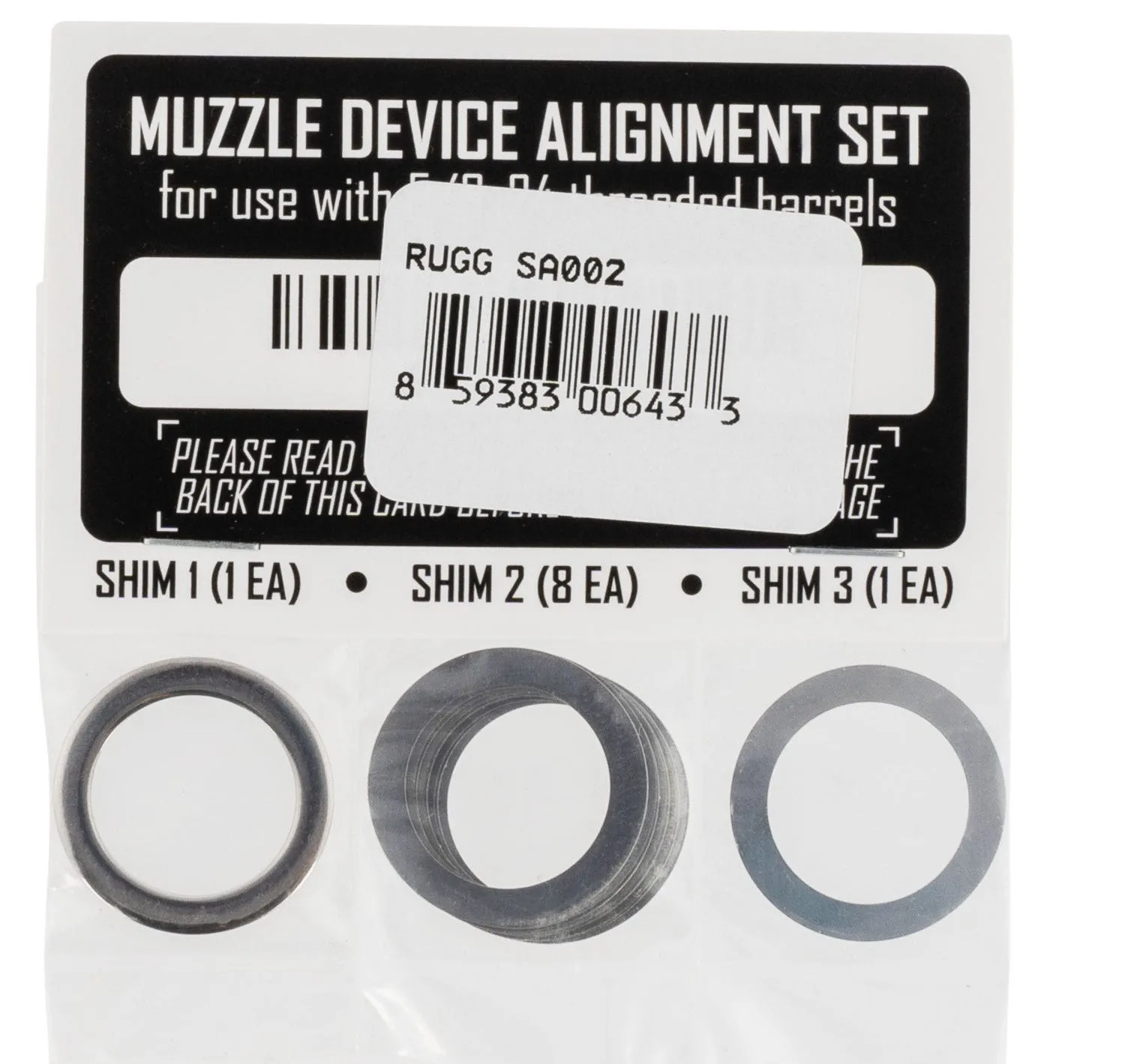
Rugged Suppressors Alignment Set Stainless for 5/8x24 Threaded Barrels
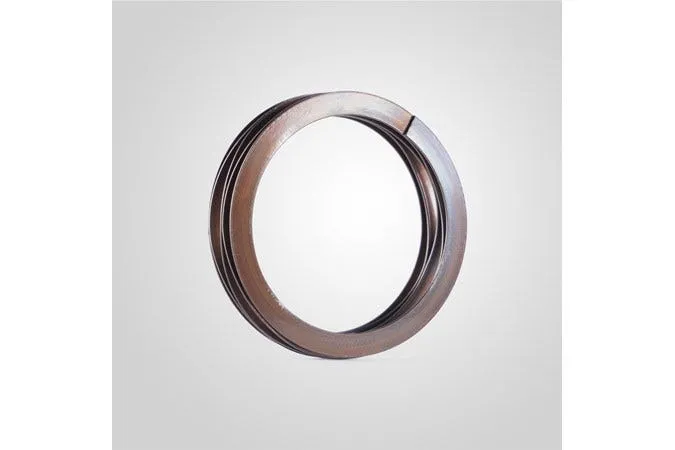
Dead Air Armament Wave Spring For KeyMo & KeyMicro Adapters
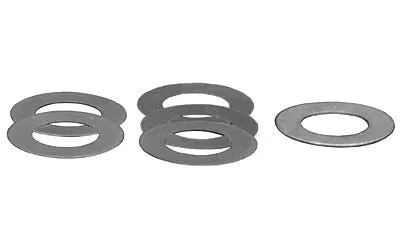
Yankee Hill Machine Company Barrel Shim Set 1/2
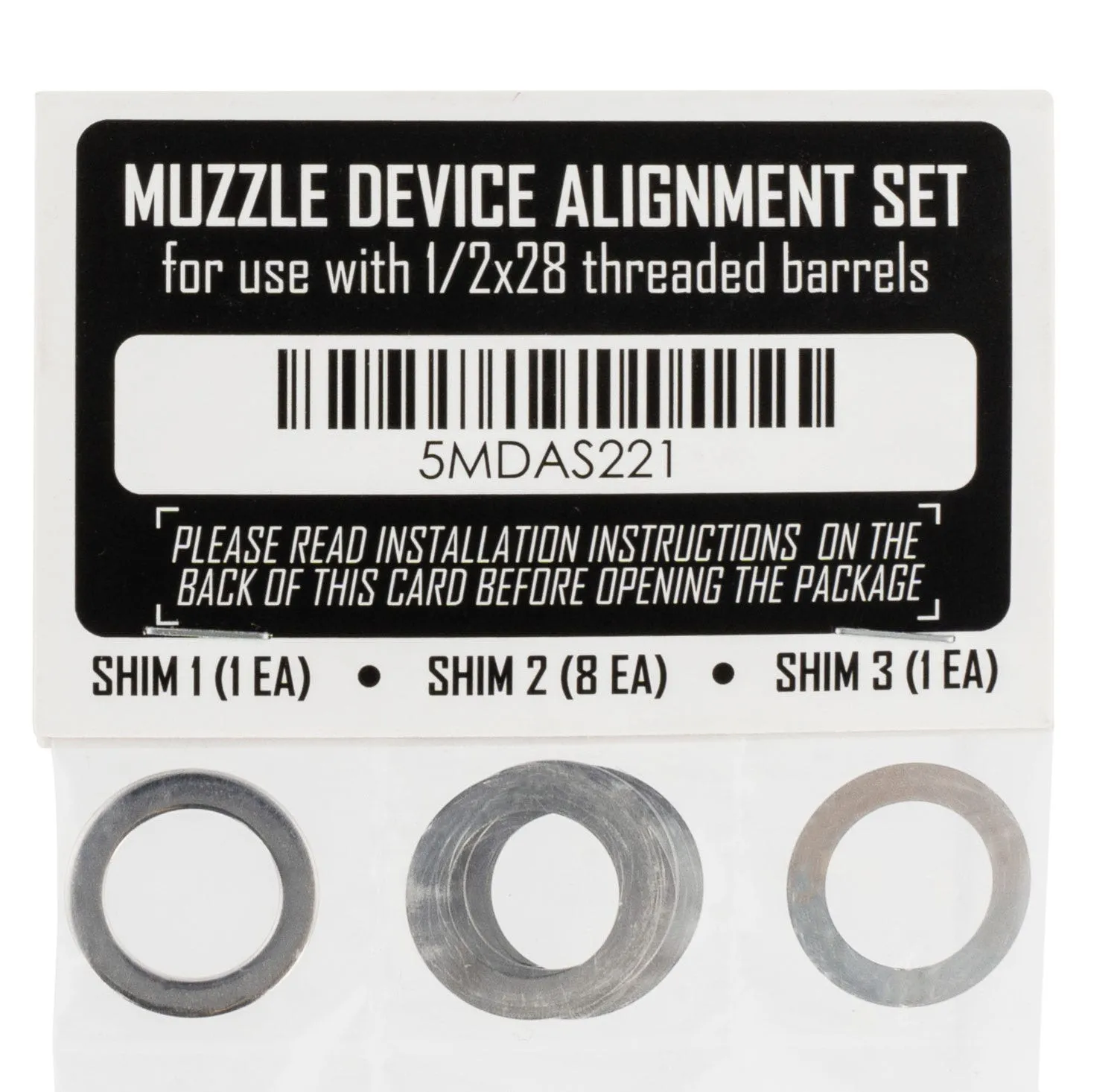
Rugged Suppressors Alignment Set Stainless for 1/2x28 Threaded Barrels
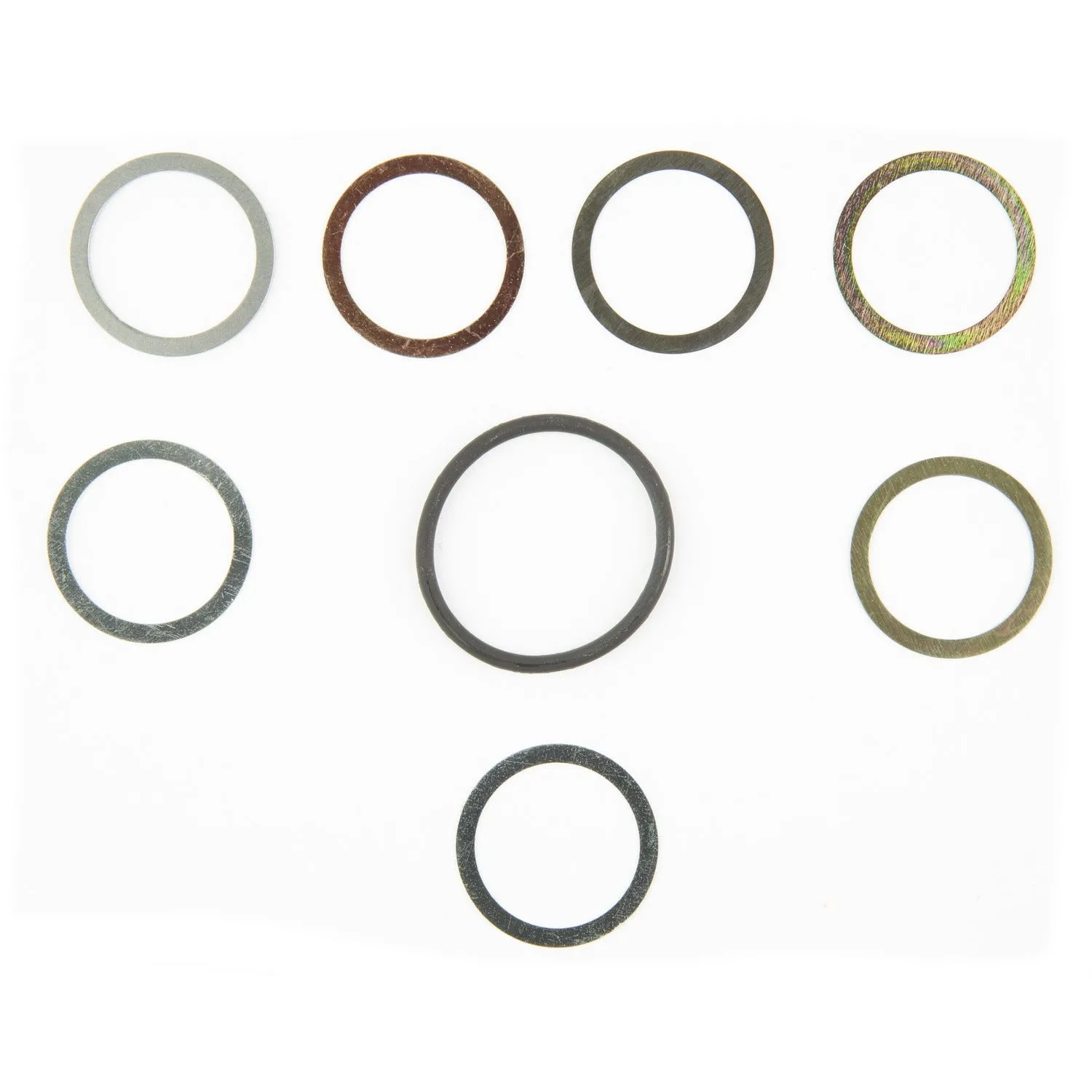
Wilson Combat Shim Kit Silver for 5/8x24 Threaded Barrel
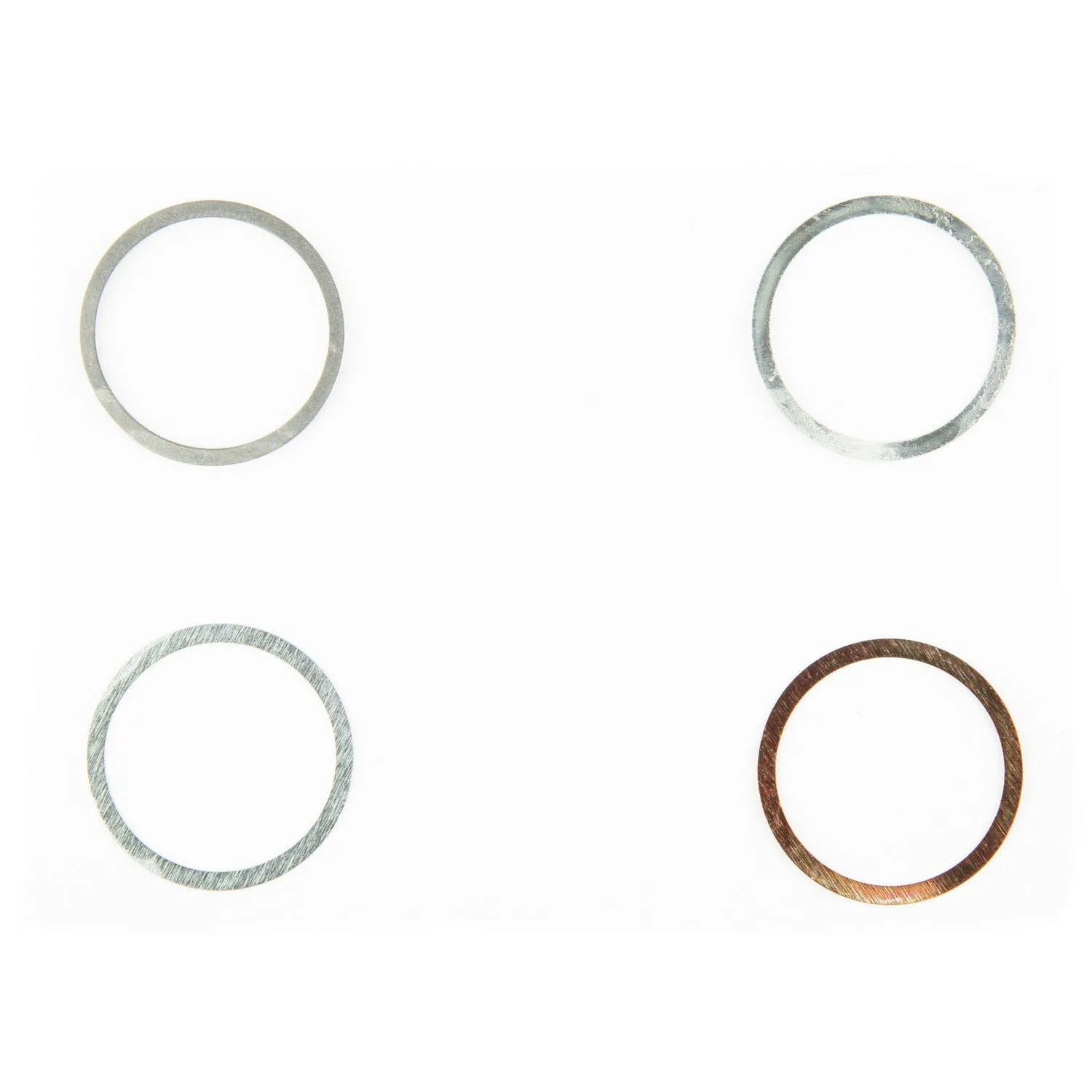
Wilson Combat Shim Kit Silver for 11/16x24 Threaded Barrel
Shim sets, alignment rods, booster O-rings and wave springs. Useful, consumable, and not a mounting system. If you budget $10 for "a mount" because that is what the first page of results showed you, you have budgeted for the washer.
Does the mount show up in the price of the suppressor itself?
This is the part the adapter price hides. We track 1,264 live suppressor listings, median $847.00. Grouped by the mounting language in the listing title:
| Mount named in the title | Listings | 25th pct | Median | 75th pct |
|---|---|---|---|---|
| Direct thread | 229 | $457.99 | $623.99 | $839.99 |
| HUB | 198 | $699.00 | $869.99 | $999.00 |
| QD | 86 | $859.99 | $1,129.99 | $1,390.00 |
The gap between the direct-thread median and the QD median is roughly $506 — about seven times the median price of a mount. And it runs the whole way down: the cheapest suppressors on our shelf are almost all plain direct thread.
The Cheapest Suppressors We Track
Prices updated Oct 21, 2026
Fingerprint Kit
NFA Firearms Trust by Capitol Armory
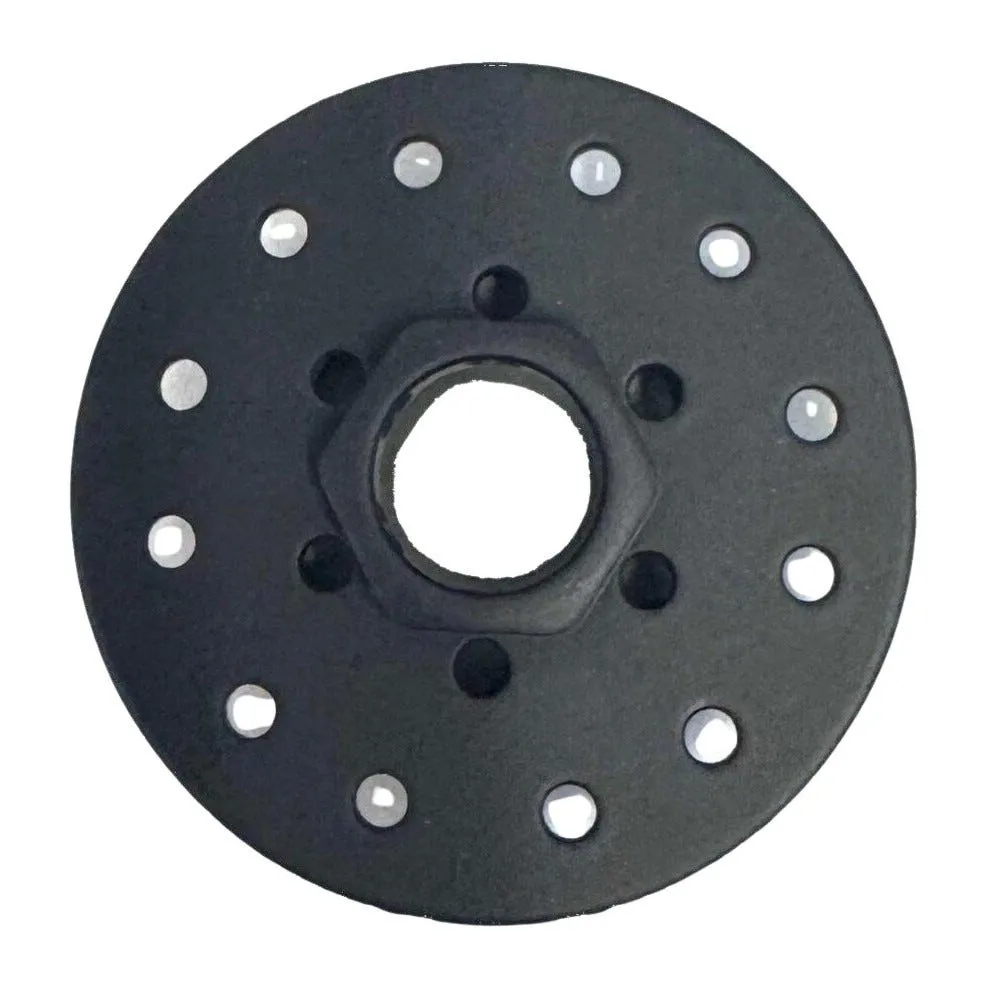
Fletcher Rifle Works Texas Flood .30 Caliber Suppressor Direct Thread 1.375x24
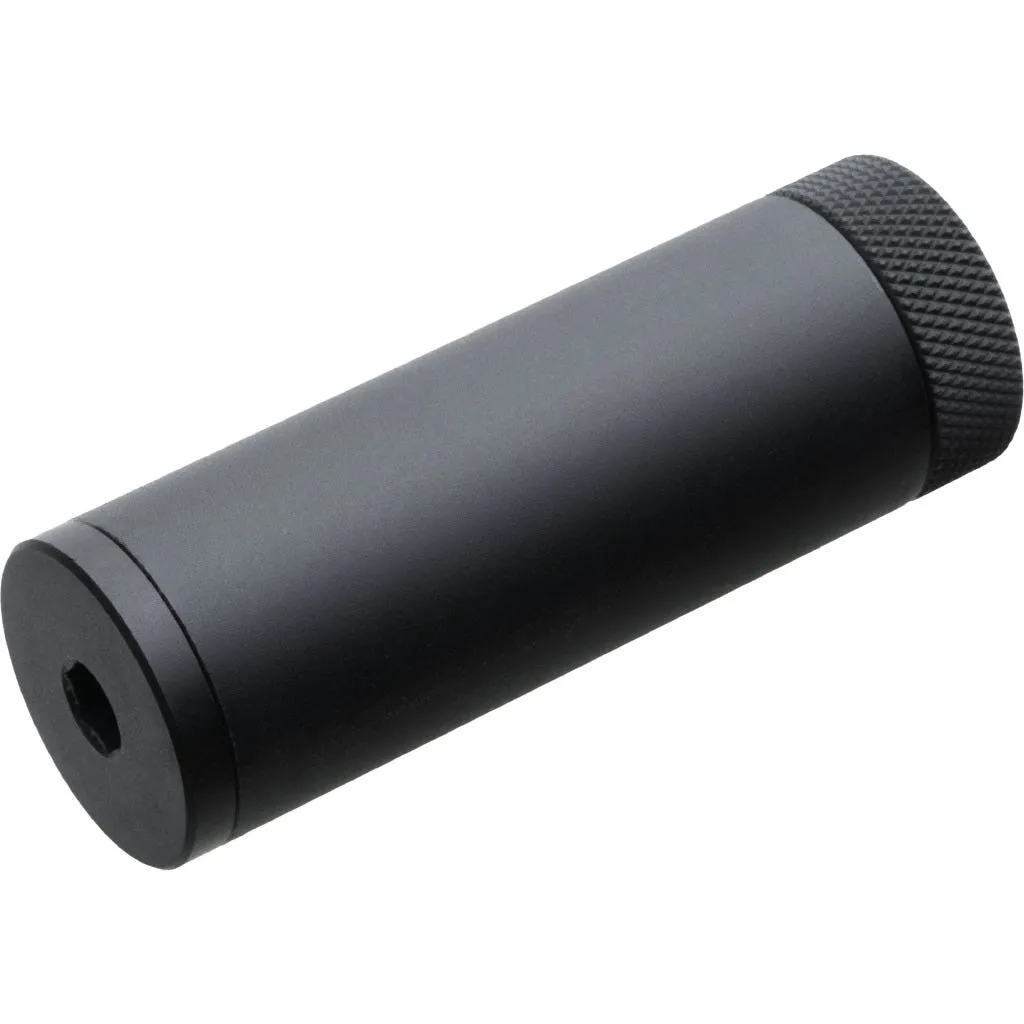
CMMG ZEROED 22 Mute-ish .22 LR 1/2x28
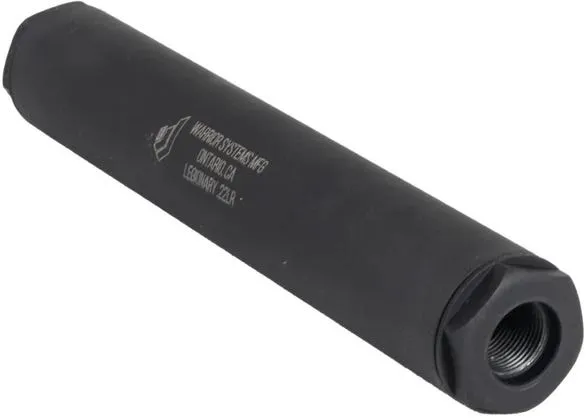
Warrior Systems Legionary .22 LR 1/2x28
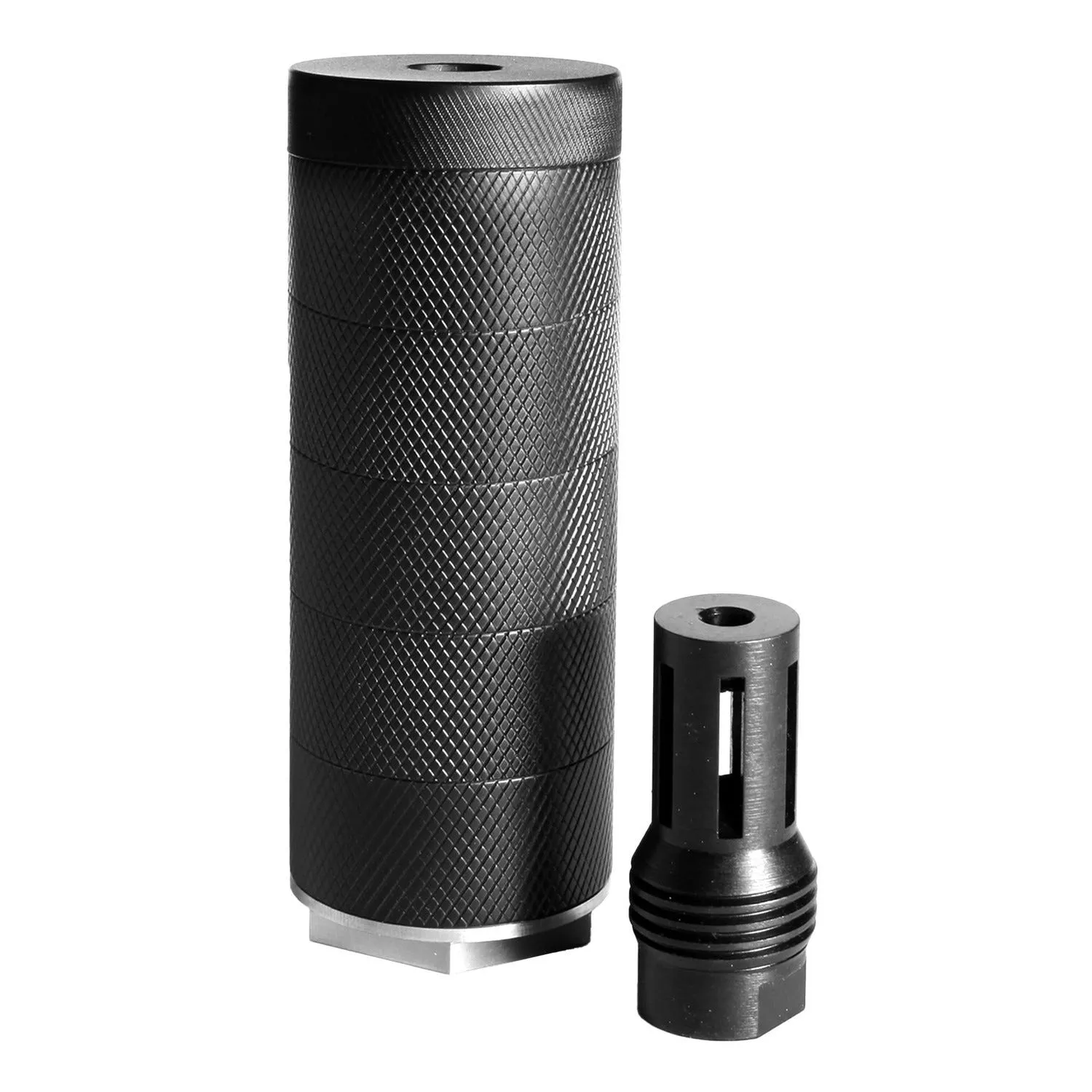
Advantage Arms 1.75X5 AR 5.56 Suppressor Direct Thread 1/2x28
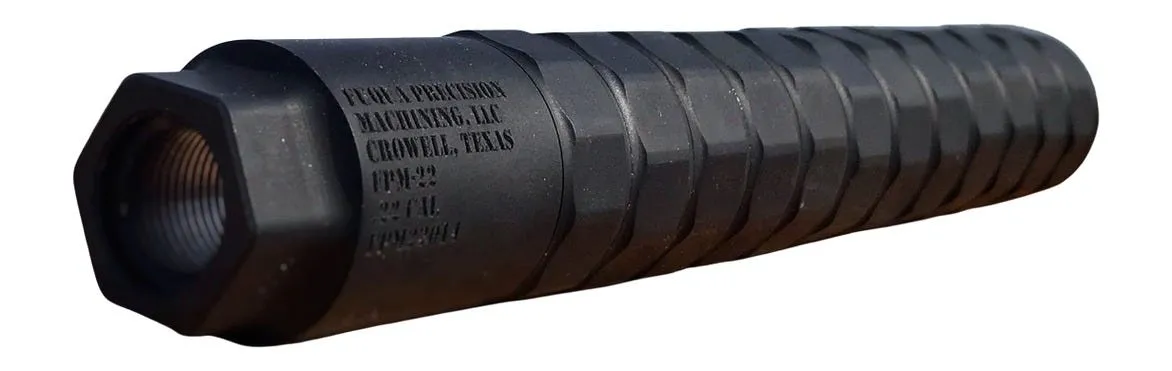
FPM Gunworks FPM .22 Cal Suppressor Direct Thread 1/2x28
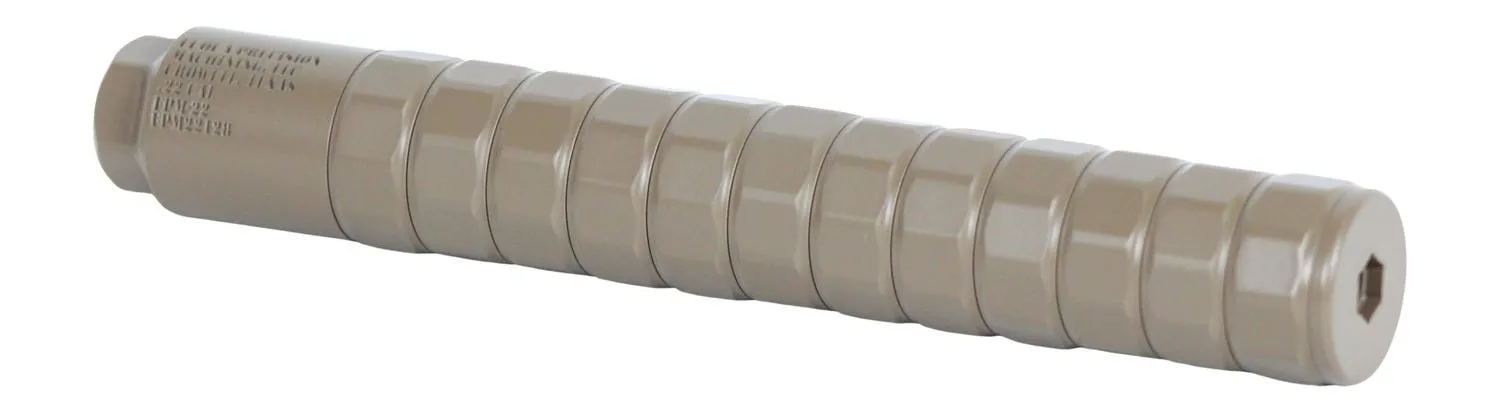
FPM Gunworks FPM Flat Dark Earth .22 Caliber Suppressor Direct Thread 1/2x28
Read that grid with one caveat: the two cheapest rows in this category are not suppressors at all — a fingerprint kit and an NFA trust service, both of which are filed here by the retailer. Everything from $99.99 up is a real can, and 1,242 of the 1,264 listings sit at $250 or more.
How many hosts does quick-detach need before it pays for itself?
Here is the arithmetic that the $29 median premium conceals. A direct thread can needs one adapter per thread pitch. A QD can needs one can-side mount plus one muzzle device on every host.
One brand's own shelf makes it concrete without any cross-brand guesswork. Q's listings include a direct mount, a quick-detach mount for its Cherry Bomb system, and the Cherry Bomb brake itself:
One Maker's Mount Ladder, Direct to QD
Prices updated Oct 21, 2026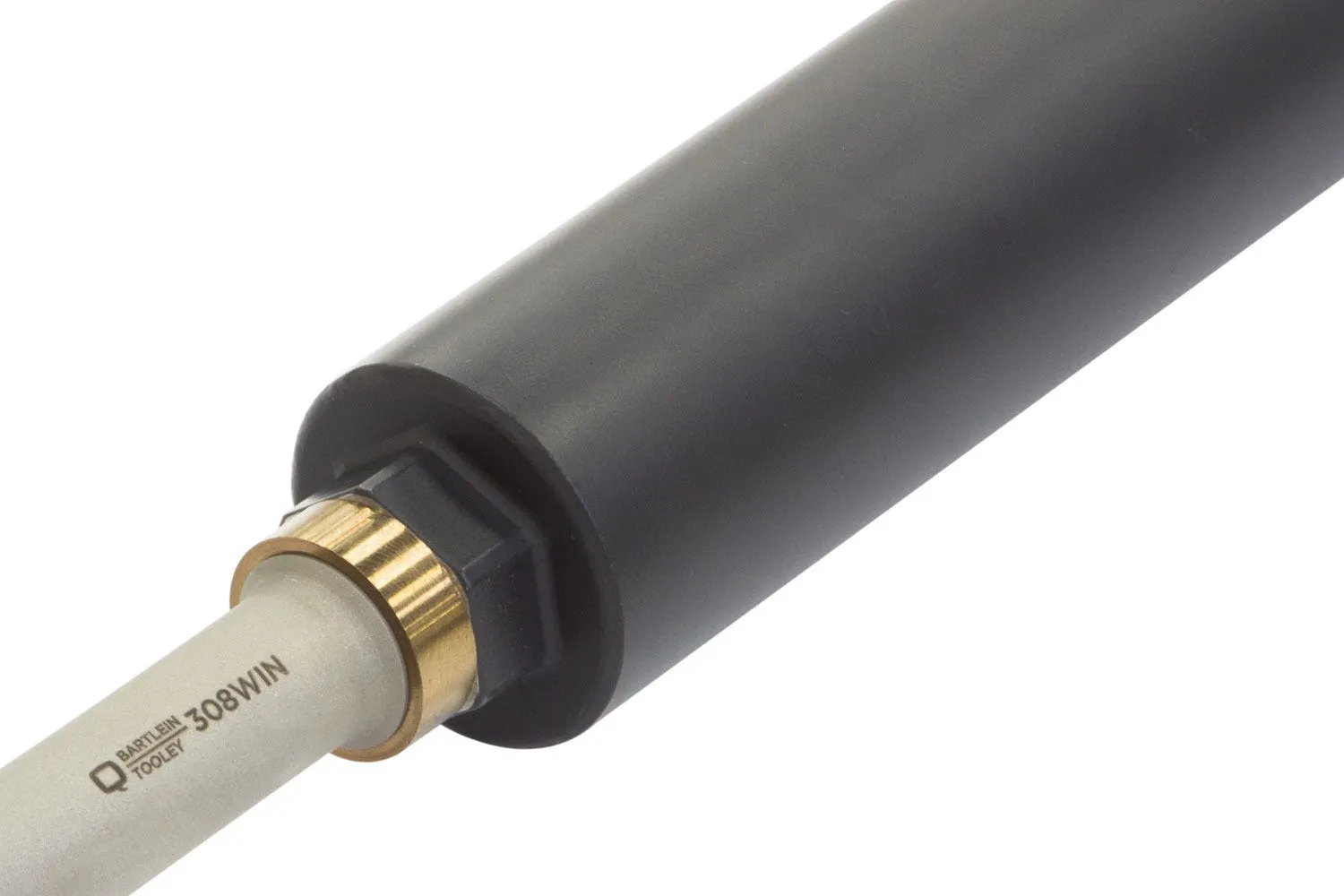
Q Taper Adapter Gold for 5/8-24 TPI Thread Pattern
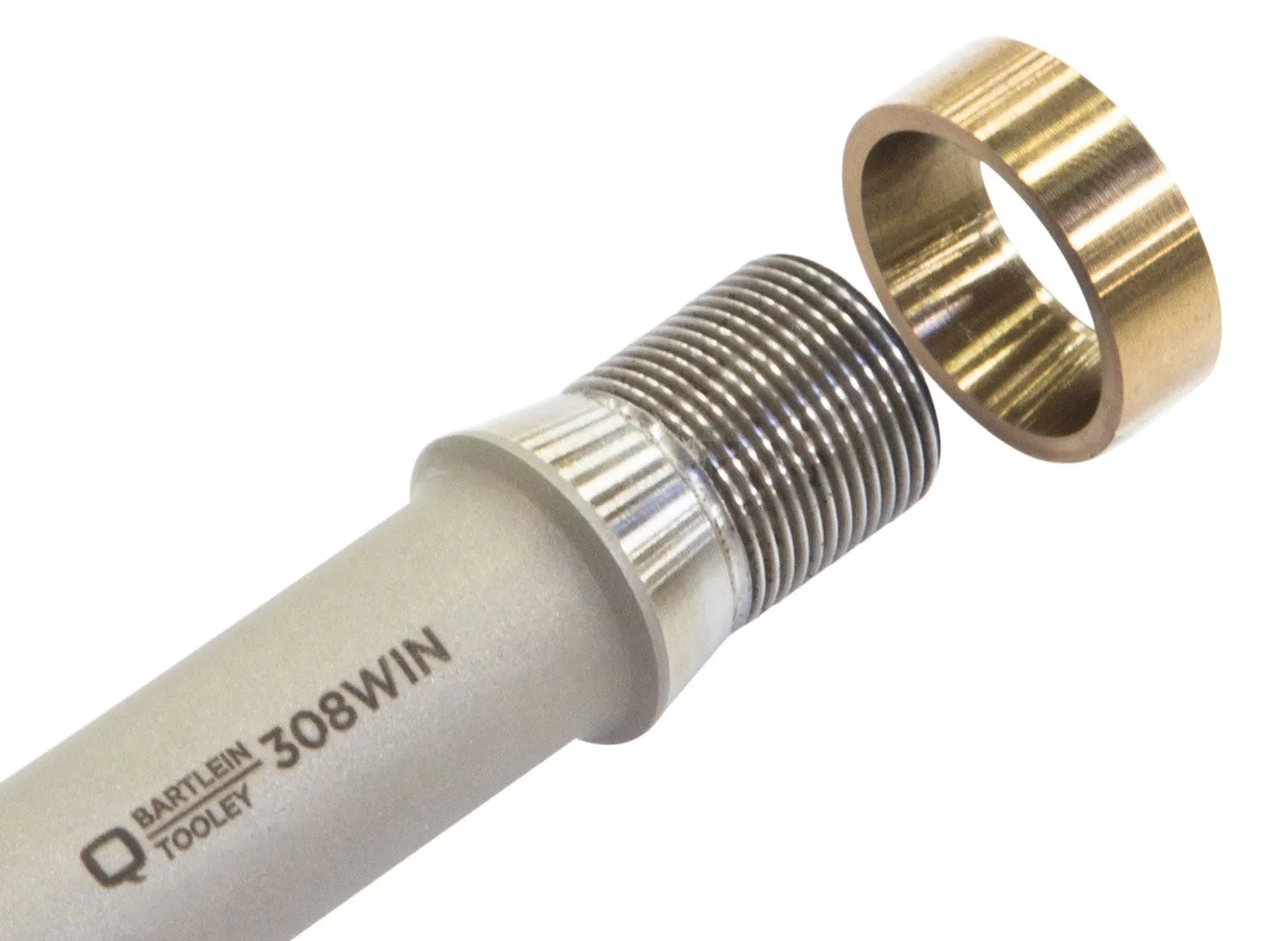
Q Taper Adapter Gold for 1/2-28 TPI Thread Pattern
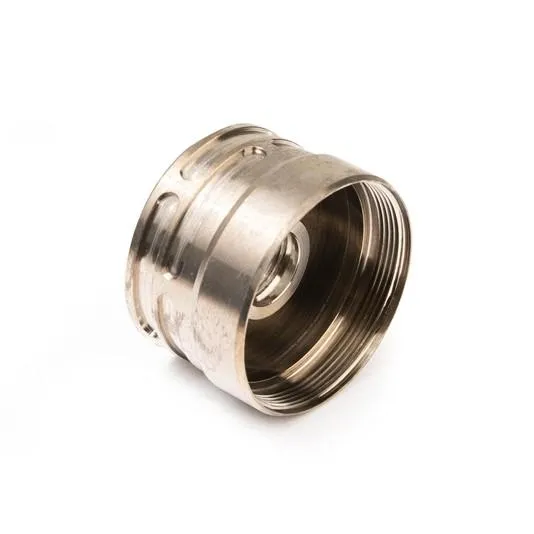
Q Erect9r Quickie Mount Copper for Cherry Bomb
Q Erect9r Direct Mount Stainless 9mm 1/2x28
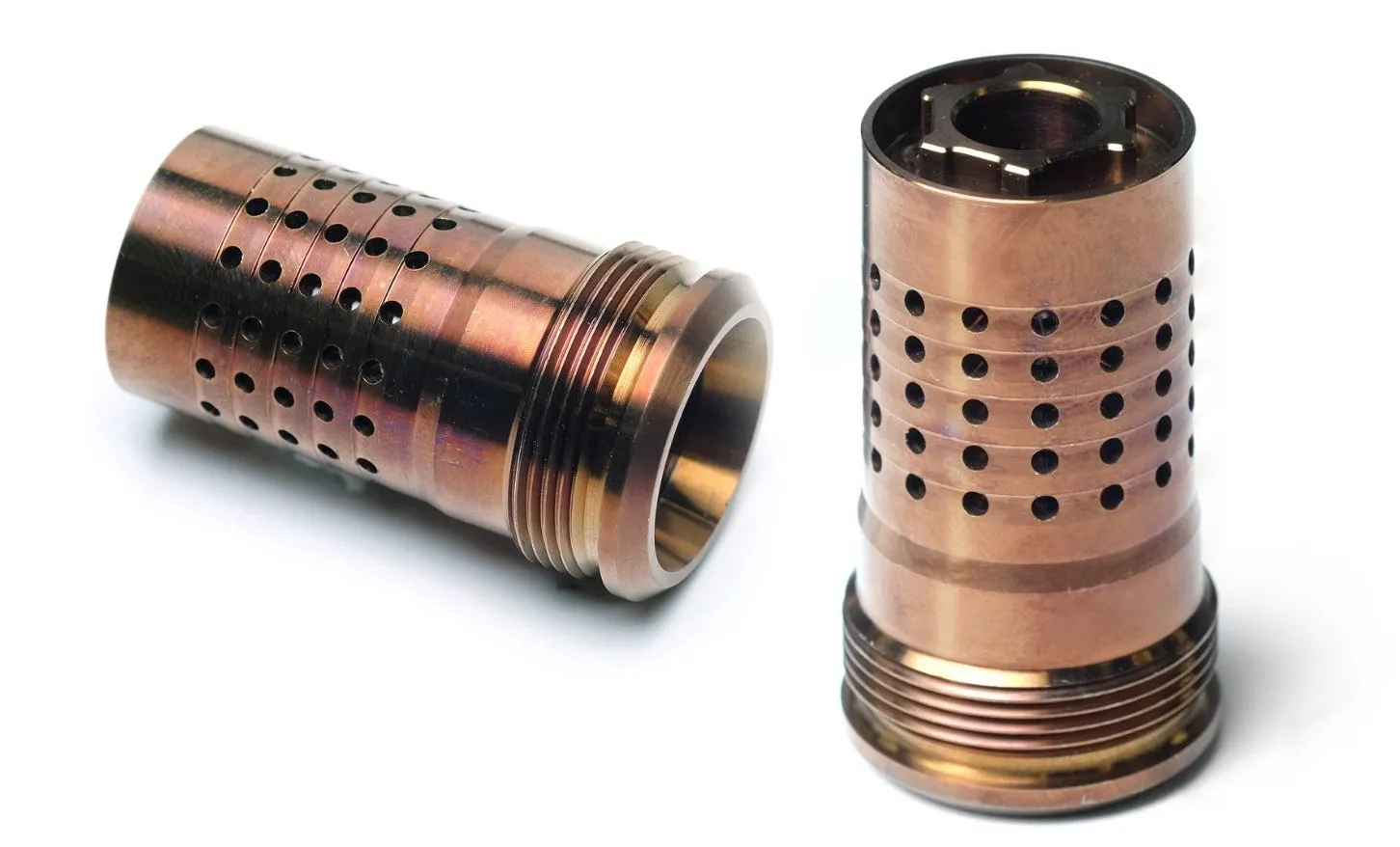
Q Cherry Bomb Muzzle Brake 7.62 1/2x28 Fits Q Suppressors
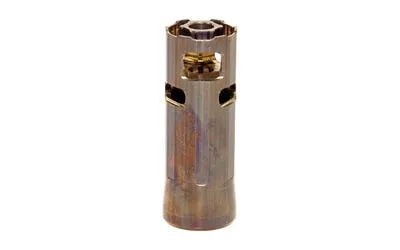
Q Bottle Rocket for Cherry Bomb Muzzle Brake
Price-sorted, that grid runs taper adapters, then the QD mount, then the direct mount, then the brake. The direct-thread route is a single part. The QD route is two parts before you have mounted anything, and then one more brake for every additional rifle. Three hosts on QD, at our category median of $101.15 per muzzle device, is around $303 of muzzle devices against a single $71.99 direct thread adapter.
For scale on the other side: a plain A2 flash hider that does nothing but cover your threads starts at $5.69 in our muzzle device category. A QD mount is roughly eighteen times that, because it has to index a suppressor repeatably rather than just sit there.
The practical rule the catalog supports is the one experienced owners already give: one host, direct thread; several hosts you genuinely swap between, QD. The suppressor buying guide covers the rest of the first-purchase decision, and best suppressor hosts by caliber covers which rifles are worth threading in the first place.
Is the mount a standard, or a brand lock-in?
Mostly a lock-in, and the shelf depth proves it. Counting adapter listings in our suppressor-accessory category by the proprietary system named in the title:
| System | Adapter listings | Can listings |
|---|---|---|
| HUB (1.375x24) | 139 | 204 |
| Tri-lug / 3-lug | 54 | 5 |
| ASR | 16 | 5 |
| Plan B | 14 | 5 |
| Xeno | 13 | 8 |
| Taper mount | 12 | 21 |
| KeyMo / KeyMicro | 8 | 8 |
| Cherry Bomb / Quickie | 8 | 9 |
Every proprietary pattern except HUB is a single-digit or low-double-digit shelf. If you buy into one and the maker discontinues the line, or you simply want a different can later, your muzzle devices are scrap. HUB — a shared rear thread rather than one brand's latch — is the only pattern with real depth on both sides, and it is the one worth paying a small premium for if you expect to own more than one suppressor.
Buying the pattern rather than the brand also sidesteps a shopping problem: 440 of those 1,044 accessory listings carry no brand string at all in the feed, so you cannot reliably filter this category by maker even when you know which maker you want.
Does your thread pitch limit which systems you can use?
Yes, and this is the constraint people discover after the stamp clears. Adapter listings by thread pitch:
1/2x28 — 131 listings, from $8.99. 5/8x24 — 101 listings, from $6.09. After that the shelf thins fast: 13.5x1 LH (33), .578x28 (29), M13x1 (26), 9/16x24 (20), 1/2x36 (19), M18x1 (14), 3/4x24 (11), M14x1 (7), 1-3/8x24 (7).
On the can side the same two pitches dominate: 316 suppressor listings name 1/2x28 and 227 name 5/8x24. If your host wears one of those, every system is open to you. If it wears a metric pitch, an AK pitch or an odd pistol pitch, you are shopping a shelf of seven to thirty parts and some systems simply will not have one.
One brand shows what buying by pitch looks like in practice:
One System, Priced Per Thread Pitch
Prices updated Oct 21, 2026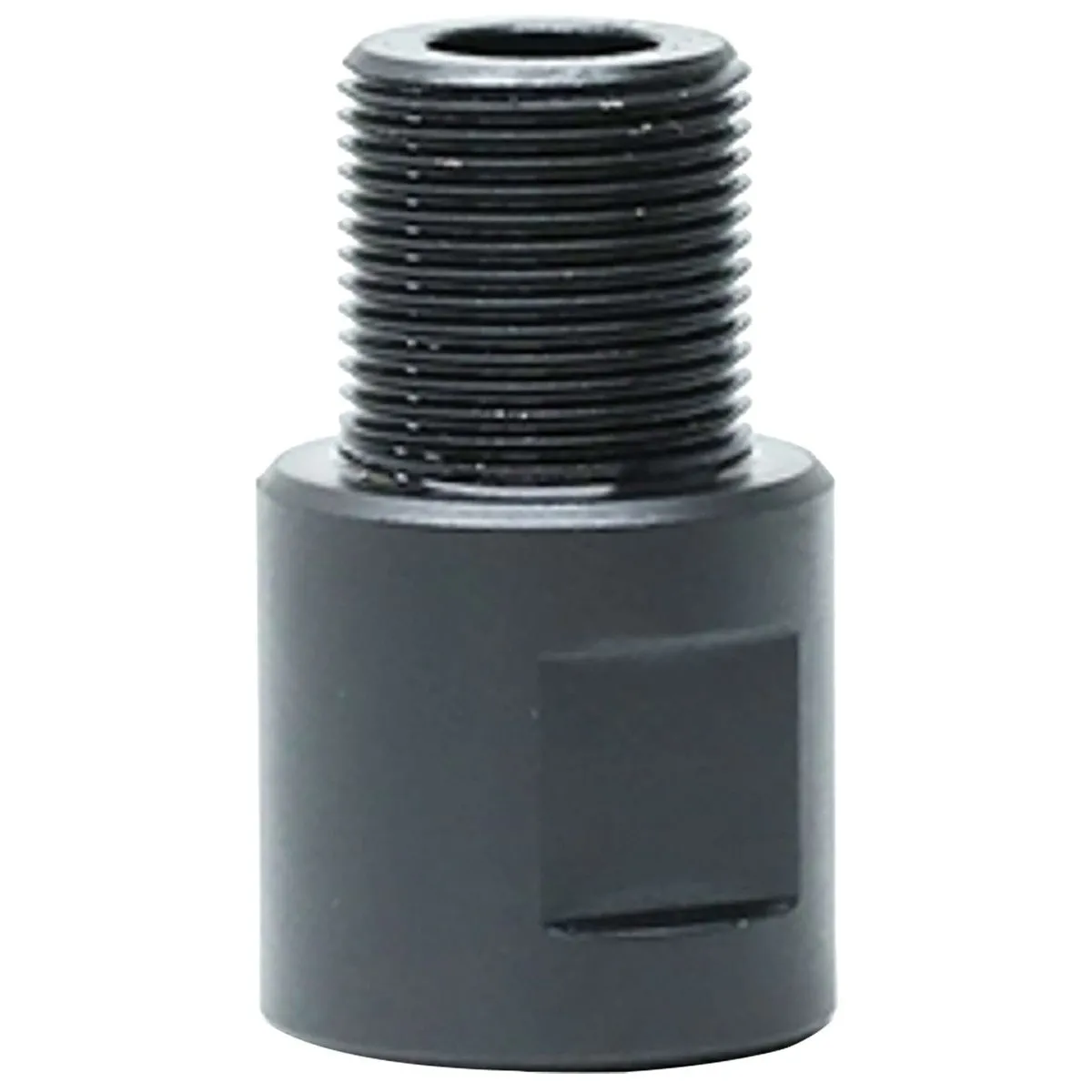
Griffin Armament Suppressor Thread Adapter
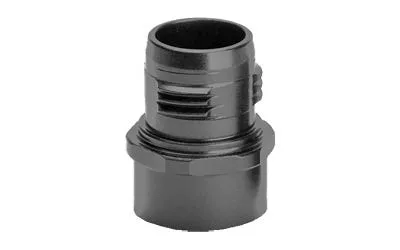
Griffin Armament Cam-Lok Barrel Adapter 9/16x24 Thread Pattern
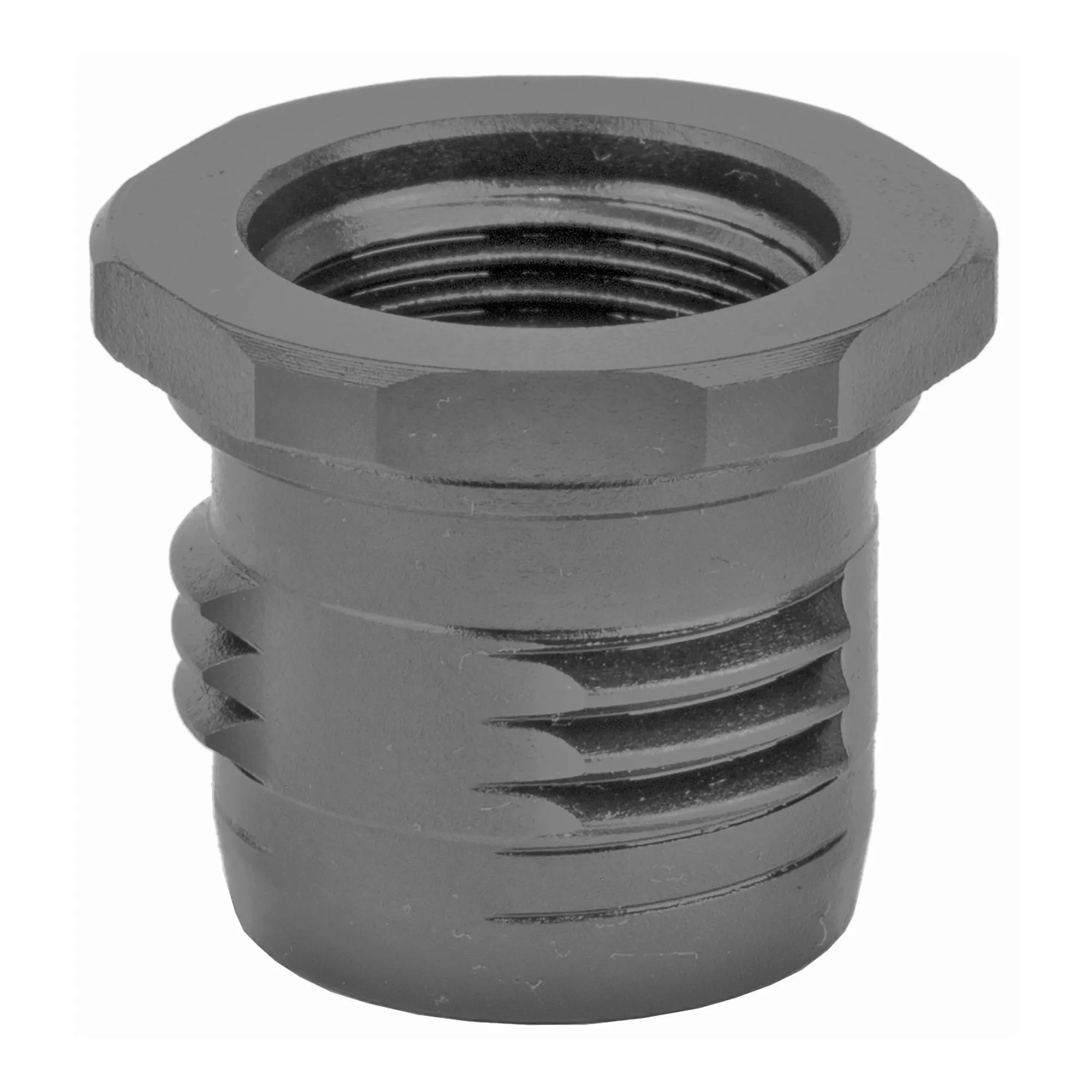
Griffin Armament CAM-LOK Barrel Adapter 1/2x28 Special
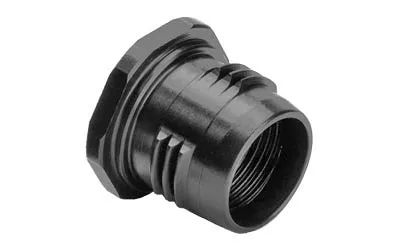
Griffin Armament Cam-Lok Barrel Adapter 13.5x1 LH Thread Pattern
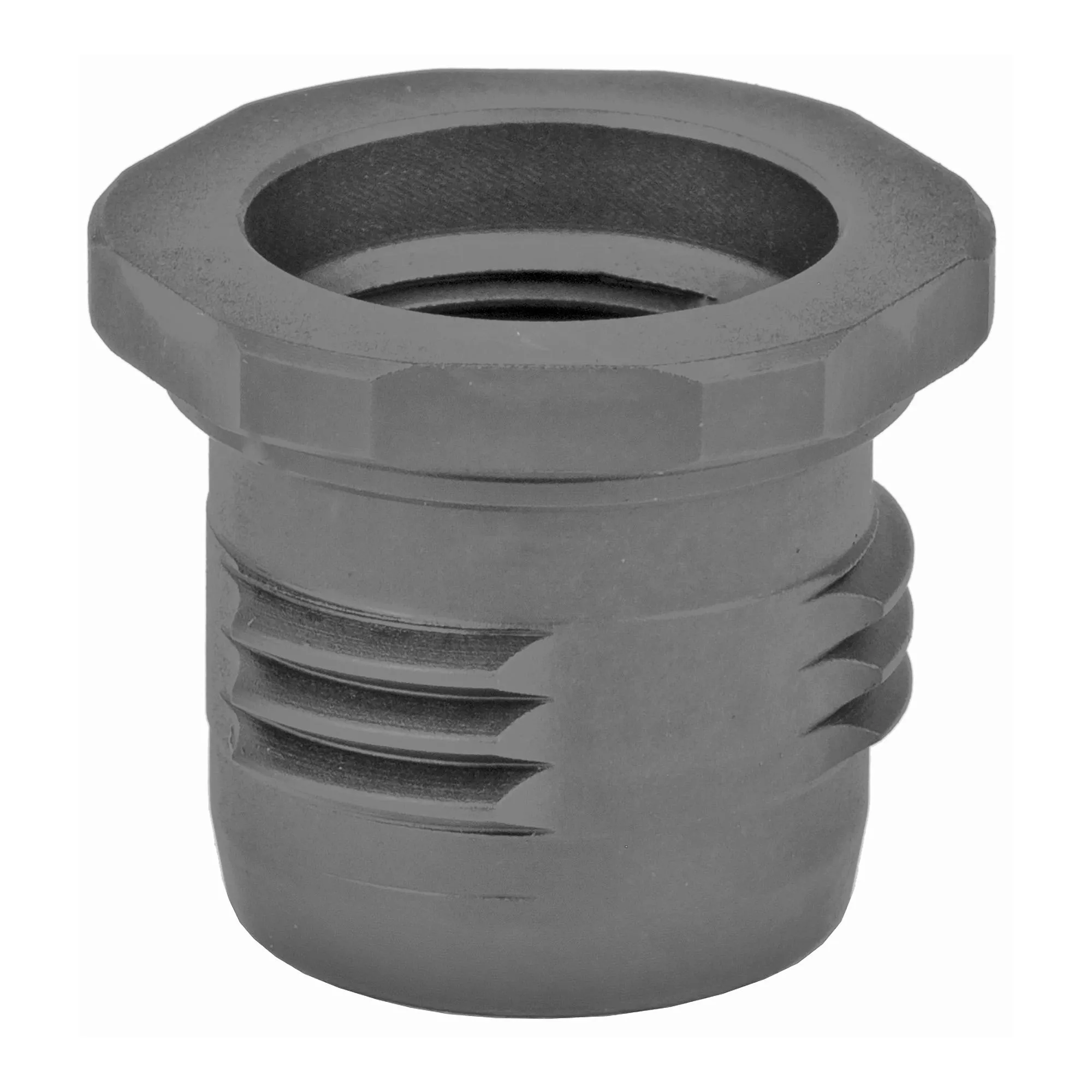
Griffin Armament Cam-Lok Barrel Adapter 1/2x28
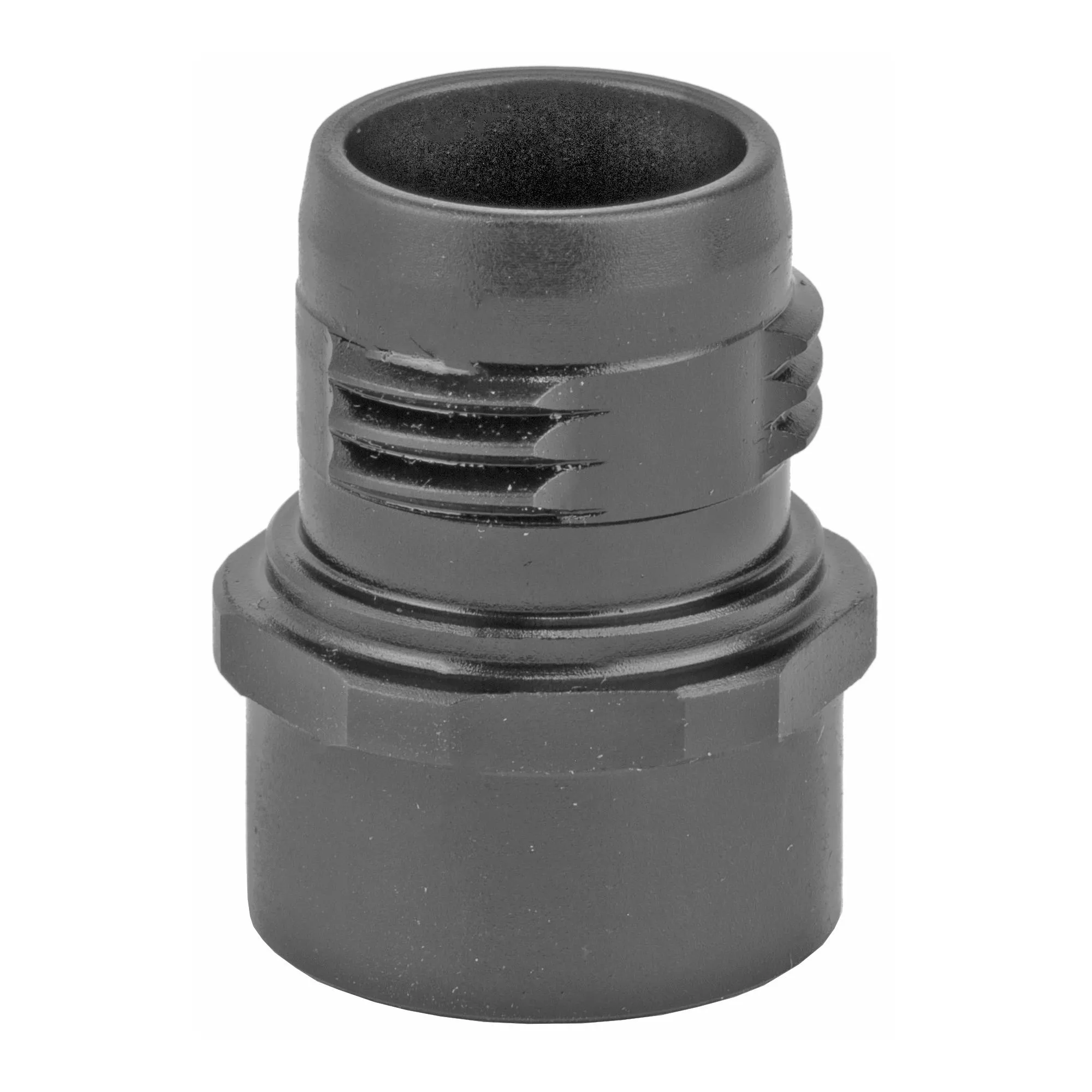
Griffin Armament CAM-LOK Barrel Adapter .578x28
Same part, same price, six different pitches. That flat pricing is the honest version of this market: the mount is not a feature you upgrade, it is a dimension you match. Confirm the pitch with your barrel maker rather than inferring it from caliber — a thread pitch is not a caliber, and muzzle energy vs muzzle velocity is a reminder of how often published numbers get read as the wrong quantity.
Can you wait for a mount to go on sale?
Not usefully, and we can measure that. Across our live catalog:
- Suppressor accessories: 28.3% stocked by more than one retailer; 32.2% sitting above their own recorded low, median gap 7.49%.
- Mounts and adapters specifically: 24.8% multi-retailer; 33.2% above their own low.
- Suppressors themselves: only 10.9% multi-retailer; 28.2% above their own low.
- Ammunition, for contrast: 29.9% multi-retailer; 69.7% above its own recorded low, median gap 10.61%.
Two-thirds of suppressor hardware is already at or near the cheapest price we have ever recorded for it, and most cans exist at a single retailer, so there is neither a spread to shop nor a discount to wait for. Ammunition is the inverse: most of it is marked up against its own history, which is why the alert belongs on the cartridge, not the mount. Why ammo prices move explains the forces behind that asymmetry, and what a suppressor really costs all in puts the hardware next to the stamp.
Prices in our catalog are item-only — retailer shipping is not published in the feeds we ingest, and on a $50 adapter shipping is a meaningful share of the total. Suppressors also carry dealer-transfer handling that no feed reports. Check both before comparing two listings that look $5 apart.
What the mount really decides
Not sound, not weight, not how the gun shoots. The mount decides which hosts the can serves, and the hosts decide what you spend for the rest of the can's life.
.22 LR Price Index
Live · Oct 21, 2026.308 Winchester Price Index
Live · Oct 21, 2026Those two blocks are the whole reason the mount question is worth an hour of thought. A can locked by a single direct thread adapter to one .308 rifle is fed at the upper figure forever. A HUB or QD can that also lands on a threaded rimfire gets fed at the lower one for most of its range sessions — and the floor on .22 LR is about a tenth of the .308 floor as those widgets render today. One $80 adapter changes which of those two lines your practice sits on, which no $500 difference in can price can undo.
If the plan involves a rimfire host, the best .22 LR ammo by bulk, match and hunting use is where to start on the recurring side, and the best ammo for suppressed rifles covers the subsonic question that actually governs how quiet the thing is. Browse the hardware itself under accessories, or compare cartridge costs directly at .22 LR deals.
Four Parts That Illustrate the Choice
Griffin Armament Cam-Lok Barrel Adapter 1/2x28
Griffin's Cam-Lok barrel adapter exists in six separate thread pitches at the same shelf price, which is the clearest illustration of how these systems are sold: you buy the pitch, not the part.
Pros
- ✓Same price across every pitch Griffin offers
- ✓Stocked by more than one of our retailers
Cons
- ✗Only useful on a Griffin-pattern can
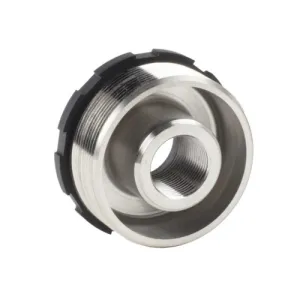
Gemtech Direct Thread Adapter for HUB to 1/2x28
A HUB-to-1/2x28 direct thread adapter. HUB is the only mounting pattern on our shelf with real depth on both sides, so a HUB can keeps your options open if you change systems later.
Pros
- ✓Deepest adapter shelf of any pattern we track
- ✓Direct thread simplicity on a HUB can
Cons
- ✗Single retailer at the moment
- ✗You still buy one adapter per thread pitch
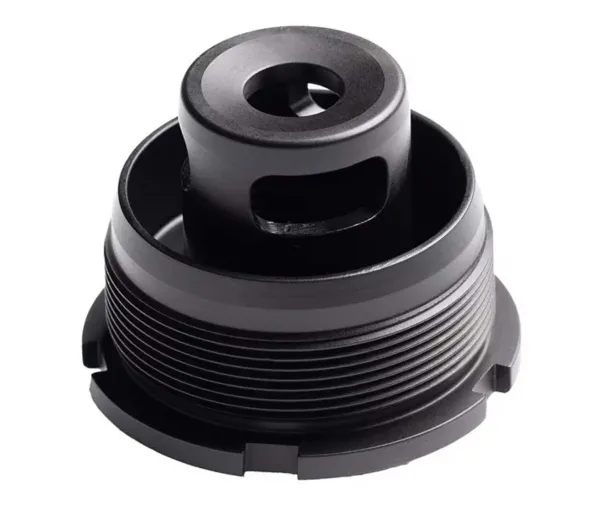
Dead Air Armament Direct Thread Brake Mount .22 Caliber 1/2x28
A brake-style mount in .22 calibre 1/2x28. This is the purchase you repeat for every host you want the can to jump between, which is where QD stops being cheap.
Pros
- ✓Multi-retailer, so it can be price-shopped
- ✓Doubles as a muzzle device when the can is off
Cons
- ✗One required per host
- ✗Adds length ahead of the muzzle
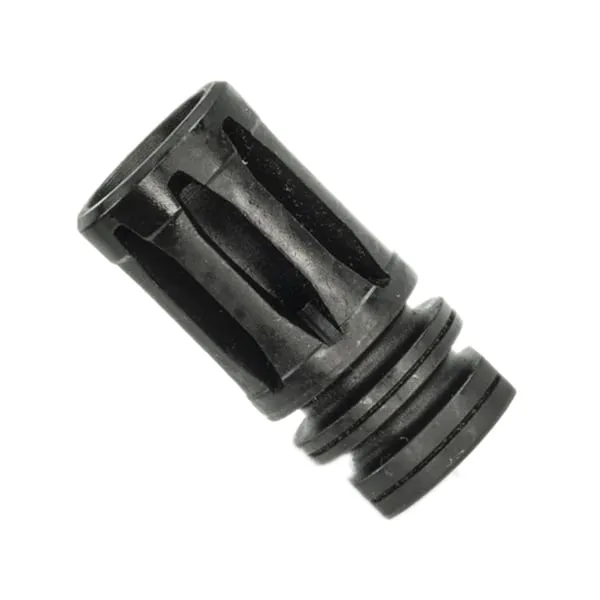
KAK Industry A2 Birdcage Flash Hider for AR-15 5.56 1/2x28
A plain A2 birdcage. Pinned here on purpose: it is what a muzzle device costs when it does not have to index a suppressor, and it is the number every QD mount above is really being compared against.
Pros
- ✓Cheapest way to cover a threaded muzzle
Cons
- ✗Will not mount a suppressor
So: pick the system before you pick the can, count your hosts honestly rather than aspirationally, confirm your thread pitch in writing, and prefer a shared pattern over a proprietary latch unless you are certain this is the only suppressor you will ever buy. Almost nobody is certain of that twice.
Get alerted when .22 LR price drops hit.
We watch every listing and email you the moment the cost per round drops.
Set Up a Free Price AlertAmmoSpotter earns a commission when you buy through links on this page. It never changes what you pay, and it never decides what we recommend — our picks are ranked on live cost-per-round data pulled from every retailer we track. Full disclosure.
Frequently Asked Questions
Is direct thread or QD better for a first suppressor?+
What is a HUB mount and is it worth paying for?+
Can I use the same suppressor mount on two different thread pitches?+
Do suppressor mounts go on sale?+
Does a suppressor mount need a tax stamp?+
Why are quick-detach suppressors more expensive than direct thread ones?+
Shop the data

About the author
AmmoSpotter Research Desk
Price & Ballistics Research
The AmmoSpotter Research Desk analyzes live retail pricing across every ammunition, firearm and accessory listing we track. Recommendations here are ranked against real cost-per-round data pulled daily from the retailers we monitor - not against manufacturer marketing copy.
- ✓Tracks 180,000+ live product listings across 6 retailer feeds
- ✓Records price history on every listing, every day
- ✓Cost-per-round methodology applied to all ammunition rankings
- ✓No product is ranked without a verifiable in-stock retail price
- ✓Affiliate relationships never influence rankings
Related Guides

Suppressor Buying Guide: What You Actually Need to Know First
- The suppressor is one of four costs. The others are the federal transfer and its tax, the dealer's transfer fee, and the mount. - Buy for the host you actually shoot most, not the host you imagine shooting. A rimfir...
How Much Does a Suppressor Really Cost, All In?
- There are four costs, not one: the can, the federal transfer tax, the mount or threaded barrel, and the ammunition. - Across the suppressor listings in our catalog, the rimfire tier is the cheapest entry point and t...
Best Suppressor Hosts by Caliber: What Each One Costs to Feed
- The suppressor is a one-time cost. The host caliber sets your cost per round for as long as you own the stamp, and that is where the real money goes. - Cost per round across common host calibers spans more than an o...

Best Ammo for Suppressed Rifles 2026: Subsonic Loads Ranked on Live Prices
- A suppressor silences muzzle blast. It does nothing about a supersonic bullet's crack. The ammunition, not the can, decides how quiet the rifle actually is. - .300 Blackout in 200–220 grain is the only mainstream ce...
Best Shooting Ear Protection 2026: What Our Price Data Says About NRR
- We track 487 live ear protection listings , from $1.89 to $839.99, median $27.39 . - Among listings that state an attenuation figure, passive models average 25.9 dB and electronic models average 23.4 dB — while the ...
Best Subsonic 9mm Ammo for Suppressed Shooting, on Live Prices
A suppressor on a 9mm pistol or carbine solves only part of the noise problem. It traps and slows the gas behind the bullet, which is where the muzzle report comes from. It does nothing about the bullet itself. If tha...