Best 9mm Ammo for Suppressed Shooting
Most 9mm is supersonic, and a crack at the muzzle defeats the can. Here is how to stay under the sound barrier, which loads are built for it, and what heavy 9mm costs per round against the market floor.
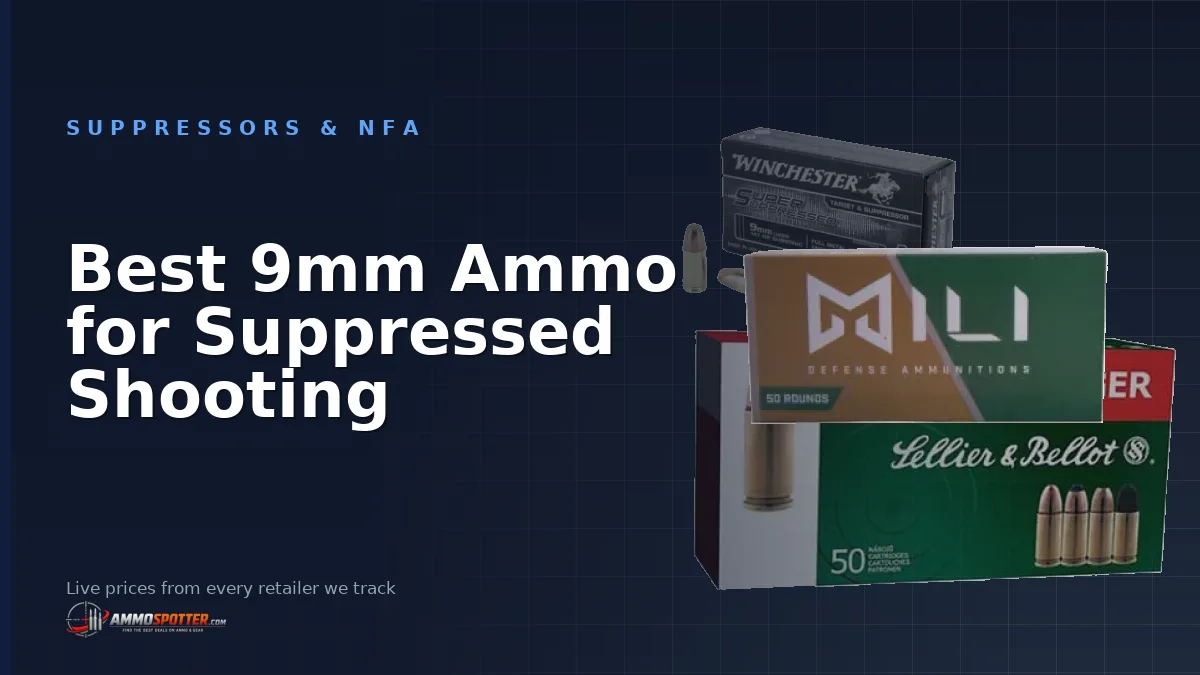
A suppressor on a 9mm pistol or carbine solves only part of the noise problem. It traps and slows the gas behind the bullet, which is where the muzzle report comes from. It does nothing about the bullet itself. If that bullet leaves the barrel faster than sound, it makes a small sonic boom that follows it all the way to the target, and no can on earth removes it. The ammo you choose decides whether you hear that crack.
This guide covers where the line sits, which 9mm loads stay under it, and what they cost per round right now across the retailers we track. The cost part is where most suppressor guides stop, and it is the part that matters once you are buying ammo by the case.
What makes 9mm ammo subsonic?
Velocity, and nothing else. A bullet is subsonic if it leaves the muzzle slower than the local speed of sound. That speed changes with air temperature: sound travels faster in warm air and slower in cold air. At sea level on a mild day it is roughly 1,125 FPS, and on a cold morning it drops. So a load that is subsonic in August can crack in January.
Most 9mm is built to be fast. A typical 115-grain range load is loaded to run well over the barrier from a pistol, and some listings print the velocity in the title. The Sellier & Bellot 124-grain load in our catalog is sold as "1200 FPS". That is supersonic before you account for anything else.
Heavier bullets are the usual answer. A 147-grain bullet at standard pressure is normally loaded to leave a pistol somewhere below the barrier. Listings for the Magtech 147-grain FMJ print 990 FPS, and the Blazer aluminum 147-grain prints 950 FPS. These numbers come from the manufacturer's own test barrel, not from us. We do not run chronograph or gel testing and will not give you figures for your gun. But they tell you the load was designed with room to spare.
Why a carbine changes the answer
A longer barrel gives the powder more time to accelerate the bullet. A load that leaves a pistol at a comfortable subsonic speed can leave a 16-inch pistol-caliber carbine noticeably faster. How much faster depends on the powder and the gun, but that gain is what pushes a marginal 147-grain load over the line.
If you shoot a suppressed PCC, either buy loads labeled subsonic, move to 150- to 165-grain bullets, or chronograph a box from your carbine before you commit to a case.
Heavy is not the same as subsonic
The 9mm catalog has plenty of heavy loads that are fast on purpose. Buffalo Bore's 147-grain +P+ JHP lists 1,175 FPS in its title. That is a 147-grain bullet that is supersonic from a pistol on a mild day. +P and +P+ loads exist to add velocity, which is exactly what a suppressed shooter doesn't want. If the box says +P, check the published velocity before you assume it is quiet. The same brand also sells a SubSonic Low Flash line, which shows the maker treats these as separate products.
What does subsonic 9mm cost per round right now?
Start with the whole market. This block is live, and it is the baseline every subsonic load is compared against:
9mm Luger Price Index
Live · Sep 21, 2026When this guide's data was pulled, the 9mm market floor sat at $0.240 per round. That is the price every heavy load has to be compared against, because it is what you would otherwise pay to shoot.
Here are the loads sold specifically as subsonic or for suppressors. Prices on these cards are live:
Loads Labeled Subsonic or Suppressor-Specific

MILI CUSTOM DEFENSE AMMUNITION 9mm 155gr Subsonic FMJ 50rd
A 155-grain FMJ sold explicitly as subsonic. When the brief for this guide was pulled it sat at the 9mm market floor, which is unusual for a specialty load. Confirm function in your host before buying in quantity.
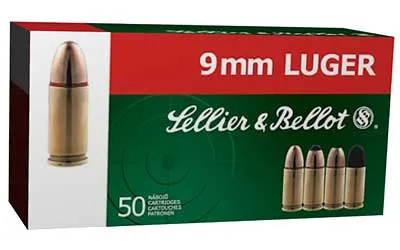
Sellier and Bellot 9mm SUBSONIC 140GR Full Metal Jacket - 50 Rounds
Sellier & Bellot's subsonic load uses a lighter bullet than most, so it needs more powder to stay under the barrier. Worth testing in suppressed pistols that run short of recoil energy with the can attached.
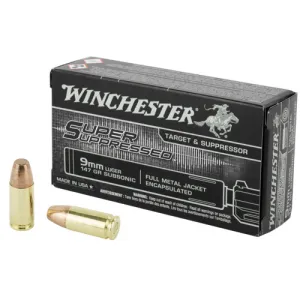
WINCHESTER Super Suppressed 9mm 147gr FMJ Ammunition | 50 Rounds
Winchester's Super Suppressed line is built around a 147-grain FMJ and a cleaner-burning powder. Named for the job, and priced close to ordinary 147-grain practice ammo.

CCI Ammunition Blazer Clean-Fire Suppressor 9mm 147-Grain 50-Rounds TMJ
CCI's Blazer Clean-Fire Suppressor load uses a total metal jacket and a lead-free primer. Less exposed lead means less lead and fouling blown back through a sealed can.
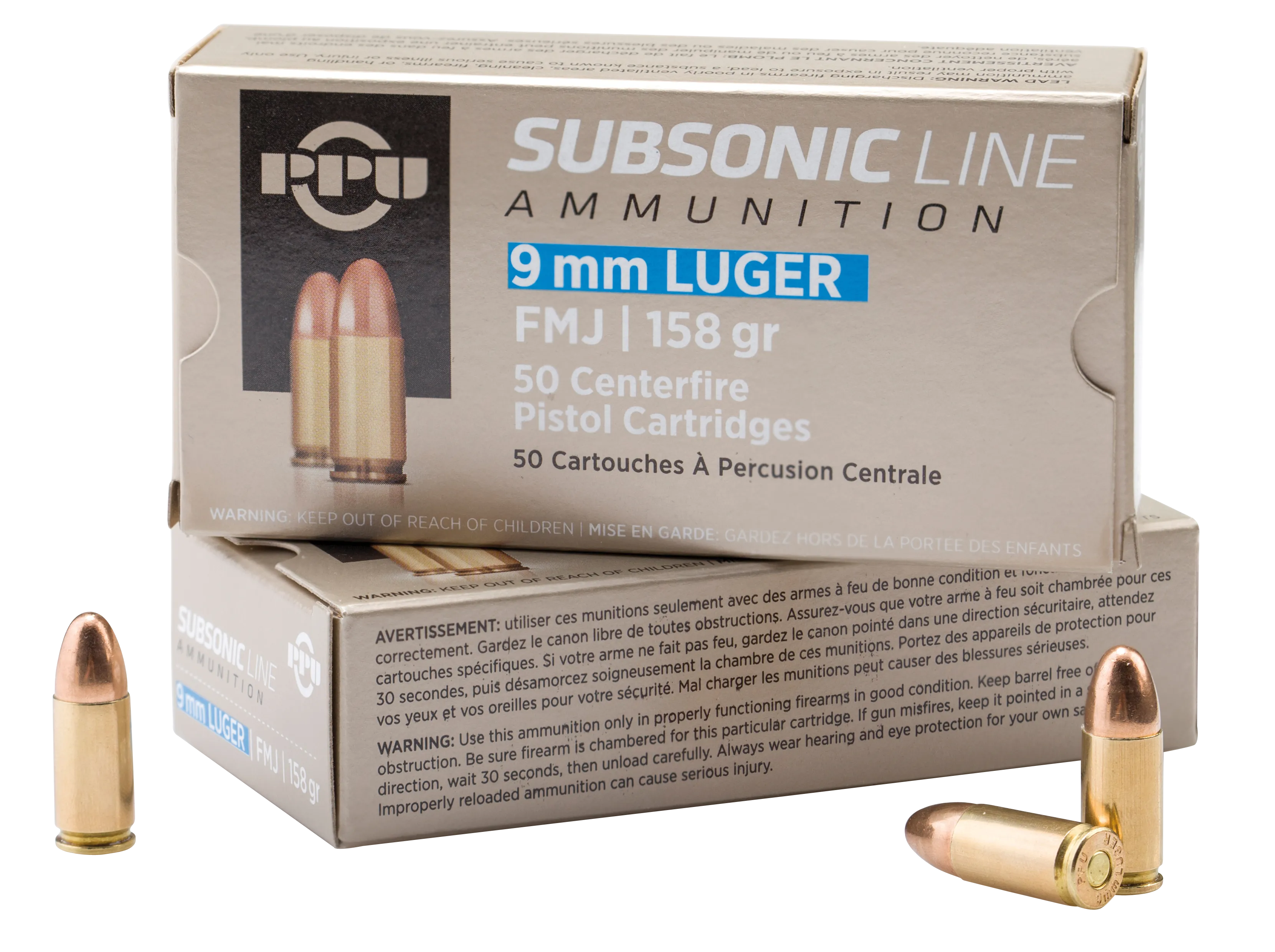
PPU Subsonic 9mm 158 Grain 50-Rounds FMJ
PPU's 158-grain subsonic. A heavier bullet stays further under the sound barrier from a carbine barrel, at the cost of less recoil energy to cycle a suppressed pistol.
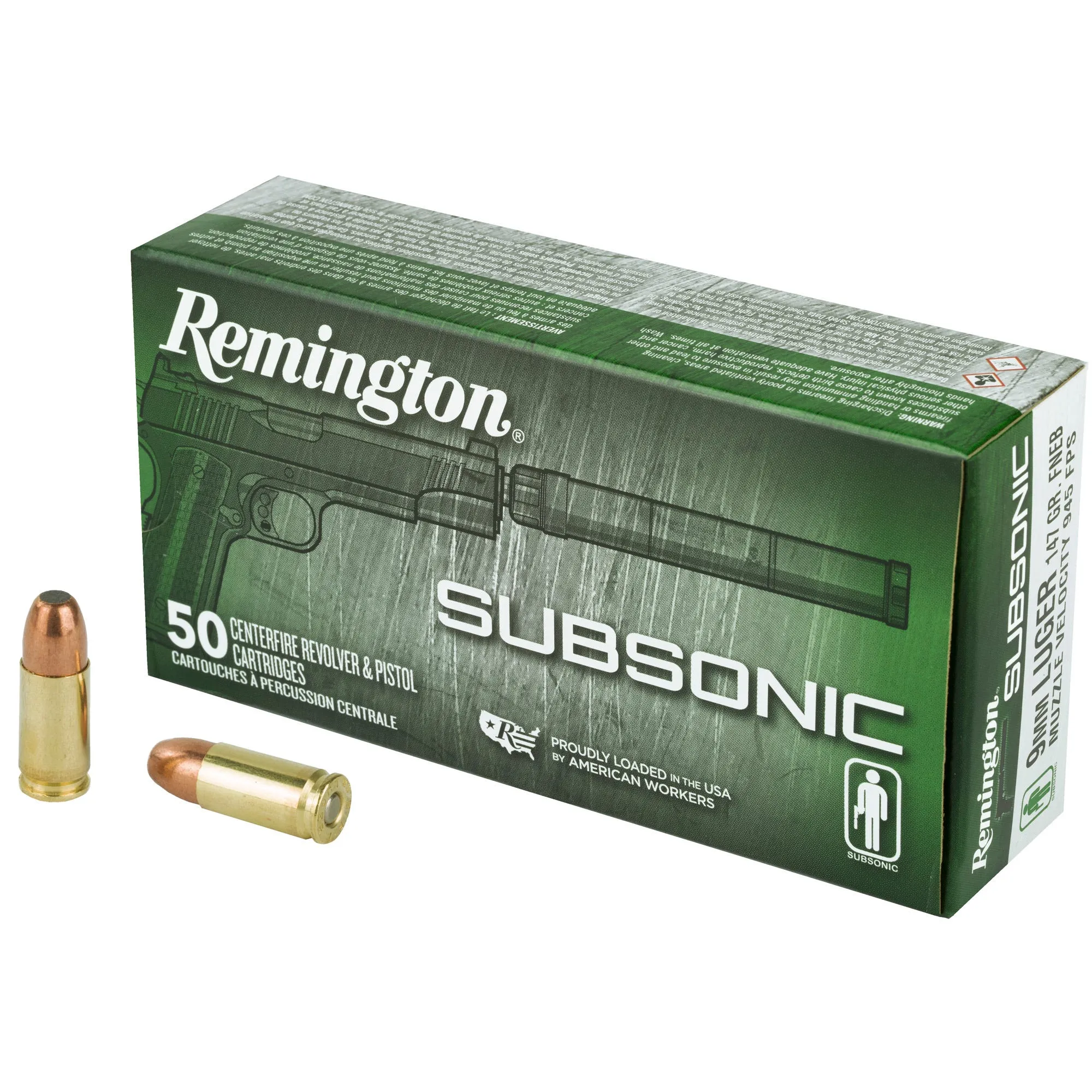
Advanced Armament Corp Subsonic Brass 9mm 147-Grain 50-Rounds FNEB
The Advanced Armament Corp subsonic load, sold under the Remington umbrella. A 147-grain flat nose with an enclosed base, aimed squarely at suppressed shooters.
The finding here surprised us. When the brief was pulled, the cheapest labeled subsonic 9mm, a 155-grain FMJ from Mili, sat at the same $0.240 per round as the whole 9mm market floor. It also showed up in our cheapest-per-round 9mm grid alongside ordinary 115- and 124-grain range ammo. The broader group of subsonic-labeled boxes runs higher, and the premium lines named for suppressors cost more again. But the idea that subsonic practice ammo costs double doesn't hold up for the cheapest labeled boxes.
147-grain practice ammo: the cheaper route to quiet
You don't have to buy something labeled subsonic. Standard-pressure 147-grain FMJ is sold as ordinary practice ammo by the big volume brands, and from a pistol it is usually subsonic. That makes it the default training load for many suppressed shooters:
147-Grain FMJ Practice Loads
MAGTECH 9mm 147Gr 990 FPS FMJ 50rd
Magtech's 147-grain FMJ lists 990 FPS in the listing title. That is a nominal figure from the maker's test barrel, but it puts this load under the barrier with margin.
BLAZER AMMO 9mm 147Gr FMJ 950 FPS 50rd
Blazer's aluminum-cased 147-grain lists 950 FPS. Aluminum cases are not reloadable, which matters less if you shoot suppressed and don't want to chase brass.
PMC 9mm 147Gr Full Metal Jacket 50rd
PMC's 147-grain FMJ in a reloadable brass case. Not marketed as subsonic, so check it in your gun, but a standard-pressure 147 typically runs below the barrier from a pistol.
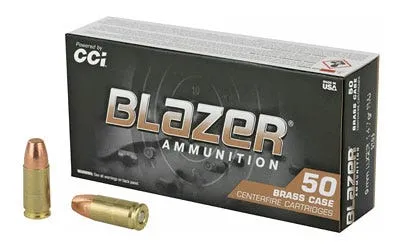
CCI Blazer Brass 9mm Luger Ammunition 50 RDs 147 Grain
CCI Blazer Brass in 147 grain, listed by more than one retailer. More vendors means a better chance the price holds when one sells out.
These cost a few cents more per round than the floor, but they are sold by the same volume brands as 115-grain range ammo. That usually means you can find them in stock when a specialty subsonic load isn't.
Compare them with the cheapest bulk 9mm, which is almost all 115-grain and supersonic:
Cheapest Bulk 9mm (Mostly Supersonic 115gr)
Prices updated Sep 21, 2026
Winchester USA Forged 9mm 115 Grain 1000-Rounds Bulk FMJ
9mm · 115gr · 1,000 rds

CCI Ammunition Blazer Aluminum 9mm 115-Grain 1000-Rounds Bulk FMJ
9mm · 115gr · 1,000 rds

Winchester Centerfire Handgun Brass 9mm 115-Grain 1000-Rounds FMJ Bulk
9mm · 115gr · 1,000 rds

PMC Ammunition Bronze Brass 9mm 124 Grain 1000-Rounds Bulk FMJ
9mm · 124gr · 1,000 rds

PMC Ammunition Bronze Brass 9mm 115-Grain 1000-Rounds Bulk FMJ
9mm · 115gr · 1,000 rds

CCI Ammunition Blazer Brass Loose Bulk 9mm 115 Grain 1000-Rounds FMJ
9mm · 115gr · 1,000 rds
The gap between the two grids is what quiet costs. On a case of 1,000 rounds, a few cents per round adds up to real money. Set that against how much of your shooting actually needs to be quiet, then decide.
Should you practice with cheap 115gr and save subsonic for later?
For many shooters, yes. The suppressor is safe with supersonic 9mm as long as it is rated for the cartridge. The only cost is the crack. If your range time is drills and malfunction practice, running bulk 115-grain through the can is a reasonable way to save money. Our guide to how many rounds it takes to get good shows how quickly round counts add up.
The trade-off is that a 115-grain load and a 147-grain load don't shoot to the same point of aim, and they don't recoil the same. A suppressor also shifts point of impact on many pistols. If you carry or hunt with a suppressed 9mm, your zero and your practice should use the load you actually rely on. We cover the bullet-weight differences in 115gr vs 124gr vs 147gr 9mm.
Will subsonic ammo cycle a suppressed 9mm pistol?
Not always, and this is the cost that doesn't show up in a price per round.
Most 9mm pistols use a tilting-barrel action. Hanging a suppressor on the barrel adds weight that the action has to move, and heavy subsonic loads produce a softer recoil impulse. Together, those can leave a pistol short-stroking. That is why most pistol suppressors use a booster, often called a Nielsen device, to decouple the can's mass from the barrel during cycling.
Blowback PCCs have the opposite problem. Heavy subsonic loads and the extra back pressure of a can can make them run harder and dirtier. Either way, buy one box of a candidate load, run a few magazines through your exact setup, and only then buy the case. The lighter 140-grain subsonic loads are worth testing in a pistol that is marginal with 147s.
Is subsonic 9mm good for home defense?
It can be, with caveats. A suppressed firearm indoors is still loud, and subsonic ammo does not make it hearing safe. Do not plan on skipping hearing protection because the ammo is subsonic.
For defense, choose a hollow point designed to expand at subsonic speed. Heavy 147-grain hollow points were largely developed for that velocity range, and published gel-test data from independent testers and manufacturers is where to look for evidence. We don't test ammunition, and how we rank ammunition explains what we will and won't claim. Here are defensive heavy loads on live prices:
Heavy and Subsonic Hollow Points
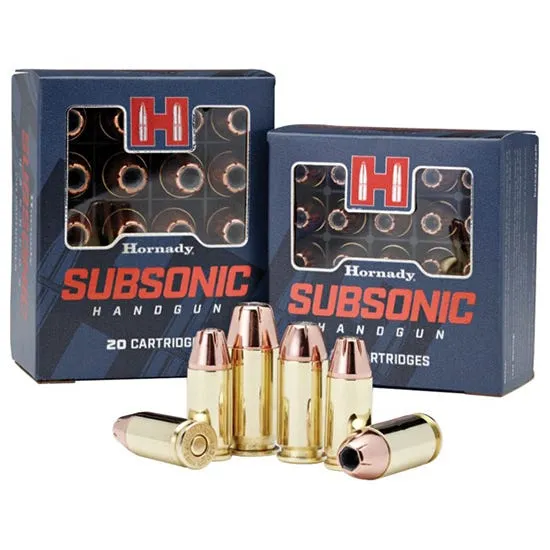
Hornady Subsonic Handgun Ammo Brass 9mm 147-Grain 25-Rounds XTP Subsonic
Hornady's Subsonic 147-grain XTP. A hollow point designed around subsonic velocity, sold in 25-round boxes, so the per-round cost is high by design.
BARNES AMMO 9mm Luger (Subsonic) Sierra JHP 147Gr 50rd
Barnes' subsonic 9mm on a 147-grain Sierra JHP. The 50-round box brings the per-round cost down against 20- and 25-round defensive packs.
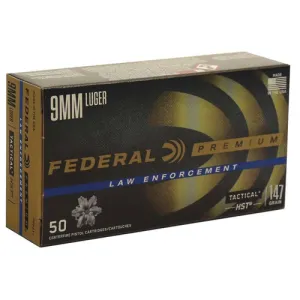
FEDERAL AMMO Premium Law Enforcement 9mm 147Gr HST JHP 50rd
Federal's 147-grain HST is a standard-pressure heavy load that many shooters run suppressed. Not labeled subsonic, so confirm with a chronograph from your barrel if it matters.

Winchester Ranger 9mm Luger 147 Grain 50 Rounds T-Series Jacketed Hollow Point
Winchester's law-enforcement Ranger 147-grain. Same caveat as HST: heavy and standard pressure, but not sold as subsonic.
HST and Ranger are not labeled subsonic. They are standard-pressure 147-grain loads that many suppressed shooters use, but if staying subsonic matters to you, confirm with a chronograph from your barrel. The 50-round boxes cost far less per round than the 20- and 25-round packs, and testing carry ammo in your gun is cheaper when you buy the bigger box. For the rest of the carry field, see our best 9mm ammo guide.
What else should you know before buying a 9mm can?
Suppressors are regulated under the National Firearms Act. The general process involves federal paperwork, a tax stamp and a wait, and the transfer runs through a dealer. Ownership, possession and hunting with a suppressor are also subject to state law, which varies and changes. Check your state's current rules before you buy anything. Our suppressor buying guide walks through the decision, and how to buy a gun online covers how dealer transfers work.
You can browse the suppressors we track alongside the ammo. For rifle calibers, where the subsonic question plays out very differently, see best ammo for suppressed rifles. If you shoot a suppressed rimfire, our .22 LR ammo guide covers subsonic .22. Ordering heavy 9mm by the case? Check ammo shipping restrictions for your address first.
How do you choose the right subsonic 9mm?
- Pistol, standard pressure: start with 147-grain FMJ practice ammo from a volume brand. It is usually subsonic and costs a few cents more than the floor.
- Carbine: buy loads labeled subsonic, or 150- to 165-grain, and chronograph a box.
- Defense: a heavy hollow point designed for subsonic velocity, bought in a 50-round box so you can afford to test it.
- Any setup: buy one box, confirm it cycles with the can on, then buy in bulk.
Heavy 9mm prices move with the rest of the caliber. Set an alert and we will email you when 9mm drops:
Get alerted when 9mm price drops hit.
We watch every listing and email you the moment the cost per round drops.
Set Up a Free Price AlertAll 9mm listings, sorted by cost per round, are on the 9mm ammo page.
AmmoSpotter earns a commission when you buy through links on this page. It never changes what you pay, and it never decides what we recommend — our picks are ranked on live cost-per-round data pulled from every retailer we track. Full disclosure.
Frequently Asked Questions
Is 147 grain 9mm subsonic?+
Can I shoot 115 grain 9mm through a suppressor?+
Does subsonic 9mm cost more than regular 9mm?+
Will subsonic 9mm cycle my pistol with a suppressor?+
Is subsonic 9mm hearing safe through a suppressor?+
What is the best subsonic 9mm for a PCC?+
Shop the data

About the author
AmmoSpotter Research Desk
Price & Ballistics Research
The AmmoSpotter Research Desk analyzes live retail pricing across every ammunition, firearm and accessory listing we track. Recommendations here are ranked against real cost-per-round data pulled daily from the retailers we monitor - not against manufacturer marketing copy.
- ✓Tracks 180,000+ live product listings across 6 retailer feeds
- ✓Records price history on every listing, every day
- ✓Cost-per-round methodology applied to all ammunition rankings
- ✓No product is ranked without a verifiable in-stock retail price
- ✓Affiliate relationships never influence rankings
Related Guides

Suppressor Buying Guide: What You Actually Need to Know First
- The suppressor is one of four costs. The others are the federal transfer and its tax, the dealer's transfer fee, and the mount. - Buy for the host you actually shoot most, not the host you imagine shooting. A rimfir...

Best Ammo for Suppressed Rifles 2026: Subsonic Loads Ranked on Live Prices
- A suppressor silences muzzle blast. It does nothing about a supersonic bullet's crack. The ammunition, not the can, decides how quiet the rifle actually is. - .300 Blackout in 200–220 grain is the only mainstream ce...

115gr vs 124gr vs 147gr 9mm: Which Bullet Weight Should You Buy?
Grain weight is the first spec on a 9mm box and the one people overthink most. Three loadings dominate the market — 115, 124 and 147 grain — and the actual differences between them are smaller than the internet sugges...

Best 9mm Ammo 2026: Range, Carry and Duty Loads Ranked
9mm Luger is the most-produced, most-competitive cartridge in the American market. That is good news and bad news: prices are low, and the sheer number of listings makes it easy to pay 30% more than you needed to for ...
Best 9mm Ammo for a Subcompact or Micro Pistol: Short-Barrel Loads on Live Prices
A micro-compact 9mm solves the carry problem. It fits inside the waistband, holds enough rounds, and disappears under a T-shirt. What it gives up is barrel length, and in a handgun cartridge barrel length is velocity....
FMJ vs JHP vs Soft Point: What the Bullet Actually Does for the Money
Three letters on a box decide what the bullet does when it stops being a bullet and starts being a hole. FMJ resists deforming. JHP is built to come apart in a controlled way. Soft point sits between them, expanding a...