Black Friday Ammo Deals: What Actually Gets Discounted
Most Black Friday ammo pages are link dumps. This one tells you which categories actually move, which ones only look like they do, and how to check a sale price against the live per-round floor before you commit.

Does ammo actually go on sale on Black Friday?
Parts of the catalog do. Not all of it, and not evenly.
The useful way to think about a late-November ammunition promotion is that retailers are buying traffic. They discount the things that pull the most clicks per dollar of margin given up, and they leave everything else alone. That means the deepest, most visible cuts land on the categories with the widest audience and the most competitive baseline pricing — bulk 9mm, bulk 5.56, plinking .22 LR, target shotshell, and the accessory shelf. The categories with narrow audiences and thin supply get a banner and a sticker that did not move.
We track roughly 16,200 live ammunition listings alongside about 73,800 accessories, 58,600 firearms, 9,300 reloading products and 1,900 suppressors. The distribution of that catalog is itself a hint about where promotional pressure goes: the accessory shelf is enormous and commoditized, which is exactly why it discounts hard, and why a "50% off" callout on a range bag sits next to a rifle cartridge that moved by pennies.
Which ammo categories actually move on Black Friday?
Four groups behave differently, and knowing which one you are shopping in tells you whether to act or wait.
Volume range ammo in common calibers. This is where real discounting happens. 9mm, 5.56/.223 and .22 LR are the loss-leader cartridges of the entire industry. They are stocked deep, sourced from many manufacturers, and priced against each other constantly. When a retailer wants a headline, this is where it comes from.
Bulk case quantities. The discount is often structural rather than promotional — a 1,000-round case has always been cheaper per round than twenty 50-round boxes, and the sale simply widens the gap. If you have been meaning to move from boxes to cases, this is the window where the math is least painful.
Accessories, storage and range gear. Ammo cans, targets, hearing protection, magazines and cleaning kits get cut hardest of anything. They carry the fattest margins and the lowest emotional stakes. If you have been putting off buying the magazines you actually need, this is the correct week.
Premium defensive, match and hunting loads. These barely move. Bonded hunting bullets and duty-grade hollow points are supply-constrained, brand-protected and bought by people who are not shopping on price. Expect single-digit movement at best, and expect the good stuff to sell out rather than get cheaper.
9mm Luger Price Index
Live · Oct 21, 20265.56 NATO / .223 Remington Price Index
Live · Oct 21, 2026.22 LR Price Index
Live · Oct 21, 2026Those three blocks are the live floor, the current average and the 30-day direction for the cartridges most likely to appear in a Black Friday banner. If an advertised sale price per round does not beat the floor shown above, the sale is a re-priced sticker. That is the entire test.
Why do the biggest discounts land on the cheapest cartridges?
Because discount depth follows competition, not scarcity.
A cartridge like 9mm is made by a dozen manufacturers, imported by several more, and stocked by every retailer in the country. No one has pricing power. When one retailer cuts, the others see it within hours, and the floor drops for everybody. That is why the cheapest cartridges get cheaper on sale — the market is already grinding margin down and a promotion just accelerates it.
A cartridge with two manufacturers and intermittent production has the opposite dynamic. The retailer holding stock has no competitive pressure to cut, and cutting would just move inventory faster at a lower price. The rational move is to hold the sticker. This is the same mechanism that drives ordinary price movement year-round, and it is worth understanding in full — we broke it down in why ammo prices move.
The practical consequence: Black Friday widens the gap between cheap calibers and expensive ones. If you shoot something common, the sale is real. If you shoot something uncommon, the sale is a banner.
How do you check a sale price without trusting the retailer's math?
Convert to cost per round and compare against the market, not against the retailer's own list price.
The "was $X, now $Y" framing is unfalsifiable on its own — you have no way to know whether $X was ever the transacting price. Cost per round against a live cross-retailer floor is falsifiable, which is why it is the only metric we rank on. We wrote out the reasoning in how we rank ammunition, including the claims we refuse to make.
Run the number yourself:
Cost Per Round Calculator
The only number that matters when comparing ammo. Shipping included.
Then check it against what the same cartridge is actually selling for right now:
Cheapest 9mm Per Round Right Now
Prices updated Oct 21, 2026
MAGTECH 9mm Luger Steel Case 124 FMJ 50rd
9mm · 50 rds

SELLIER BELLOT 9mm 115gr FMJ Brass Ammunition | 50 Rounds
9mm · 115gr · 50 rds
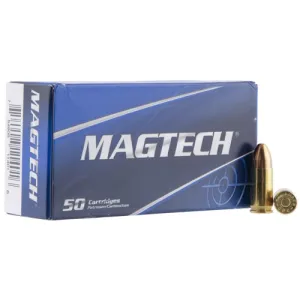
MAGTECH 9mm 115gr Full Metal Jacket Brass Ammunition | 50 Rounds
9mm · 115gr · 50 rds

SELLIER BELLOT 9mm 124Gr 1200 FPS FMJ 50rd
9mm · 124gr · 50 rds
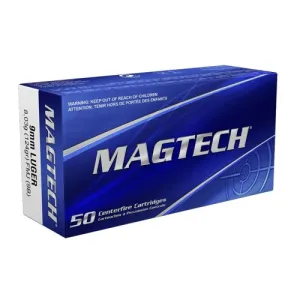
MAGTECH 9mm 124gr FMJ 50rd
9mm · 124gr · 50 rds

MILI CUSTOM DEFENSE AMMUNITION 9mm 155gr Subsonic FMJ 50rd
9mm · 155gr · 50 rds
Cheapest 5.56 / .223 Bulk Right Now
Prices updated Oct 21, 2026
PMC Ammunition Bronze .223 Rem 55 Grain 1000-Rounds FMJ Bulk
.223 Remington · 55gr · 1,000 rds

Winchester M855 5.56 Bulk Ammo 62 Grain FMJ 1000rds (Unpainted Tip) - WM8551000
5.56x45mm NATO · 62gr · 1,000 rds

Patriot Sports Rifle Ammunition .223 Rem 55 Grain 1000-Rounds FMJ
.223 Remington · 55gr · 1,000 rds

PMC Ammunition X-Tac Rifle Brass 5.56 55 Grain 1000-Rounds FMJBT Bulk
5.56x45mm NATO · 55gr · 1,000 rds

Wolf Performance Ammo PolyFormanc Steel Bulk .223 Rem 55 Grain 500-Rounds
.223 Remington · 55gr · 500 rds

Red Army Standard Centerfire Rifle Steel .223 Rem 55-Grain 500-Rounds Bulk FMJ
.223 Remington · 55gr · 500 rds
Three things to hold in your head while you do it:
- Landed cost, not cart cost. Ammunition ships hazmat. Surcharges are close to fixed per shipment, so they punish small orders brutally. A free-shipping threshold is often the largest real discount on the page.
- Round count is the variable that gets hidden. A "case" is not a standardized quantity. Read the count, then divide.
- Delivery is not universal. Some states and municipalities restrict ammunition shipments, require licensing, or block delivery outright, and rules change. Check ammo shipping restrictions and confirm your own address before you spend the sale window filling a cart that cannot ship. Verify locally — do not take any general summary, including ours, as current law where you live.
What should you actually buy when the discounts land?
Buy what you consume. That is the whole strategy.
The value of a discount scales with volume, and volume means practice ammo. If you shoot a thousand rounds a year of one cartridge, a few cents per round compounds into real money. If you buy two boxes of carry ammo annually, a promotion on it is a rounding error against your total spend. Most shooters get this backwards and stock premium defensive ammo on sale while paying full price for the range ammo they burn through.
Set the volume number honestly first. Skill acquisition costs rounds, and the count is higher than most people plan for — we worked through the realistic figures in how many rounds it takes to get good. Take your annual number, buy against it, and stop.
If you are choosing which cartridge to prioritize, start from what your platforms actually eat:
- Pistol shooters: the 9mm buying guide covers range, carry and duty tiers, and where the meaningful price breaks sit between them.
- AR shooters: best 5.56 and .223 ammo separates practice from defensive from precision, which matters because only one of those three discounts reliably.
- Rimfire shooters: best .22 LR ammo is the highest-leverage sale category in the catalog, because bulk rimfire is where round count per dollar is highest.
And if you are far enough down this road to be pricing components instead of loaded ammo, run the break-even before the sale distorts it — is reloading still cheaper walks through the fixed-cost recovery math that a one-week discount does not change.
Lowest Cost-Per-Round Bulk Practice Ammo In Stock
Prices updated Oct 21, 2026
Federal American Eagle Brass .22 LR 38 Grain 4000-Rounds Bulk CPHP
.22 LR · 38gr · 4,000 rds

BROWNING BPR Value Pack 22LR 36gr Hollow Point Ammunition | 800 Rounds
.22 LR · 36gr · 800 rds

REMINGTON 22 LR 38Gr Standard V LRN 550rd
.22 LR · 38gr · 550 rds

WINCHESTER AMMO 22 LR USA 36Gr Copper Plated HP 500rd
.22 LR · 36gr · 500 rds

Aguila Super Extra High Velocity Bulk .22 LR 40-Grain 500-Rounds CPSP
.22 LR · 40gr · 500 rds
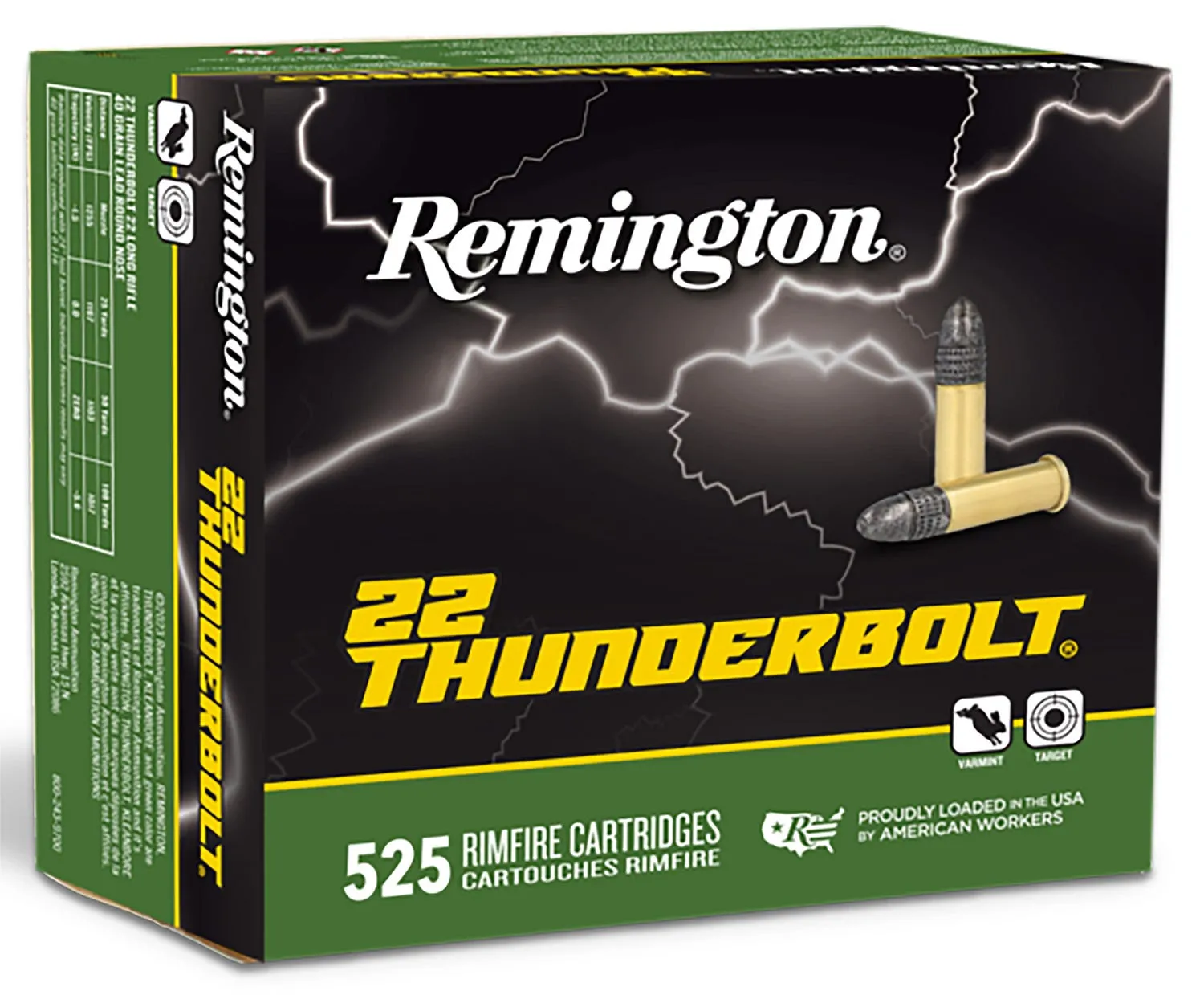
Remington Thunderbolt Bulk .22 LR 40 Grain 525-Rounds LRN
.22 LR · 40gr · 525 rds
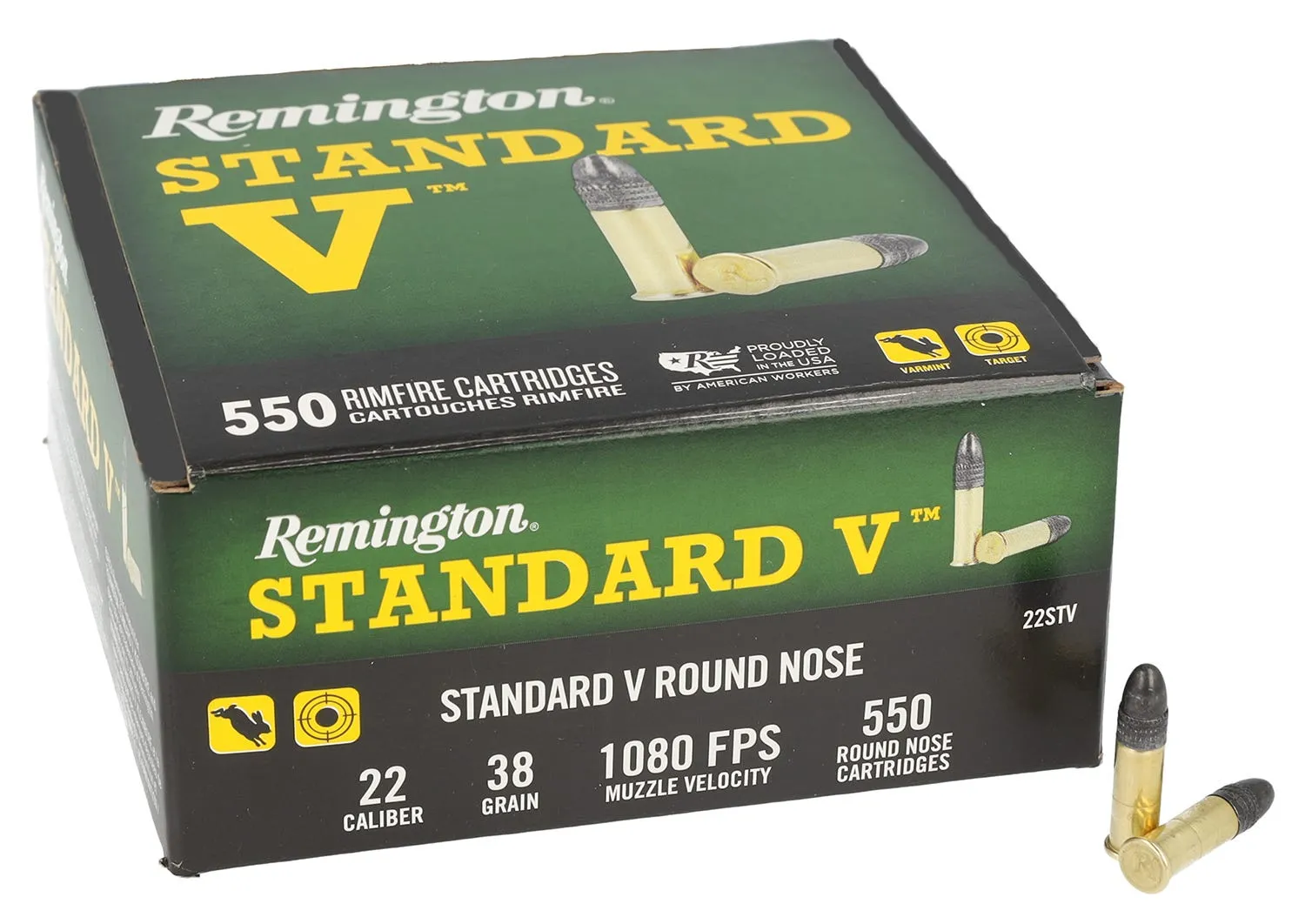
Remington Standard V .22 LR 38 Grain 550-Rounds LRN
.22 LR · 38gr · 550 rds

AGUILA AMMO 22LR 40gr Super Extra Coper-Plated Ammunition | 500 Rounds
.22 LR · 40gr · 500 rds
What Black Friday will not fix
It will not fix a shortage. If a cartridge is genuinely constrained, the promotional calendar is irrelevant — the price holds and the stock disappears. Sitting on an empty ammo can waiting for a sale that structurally cannot happen is the most common way shooters lose this game.
It will not fix a bad platform choice, either. A discount on ammunition for a rifle you do not enjoy shooting is not savings.
And it will not last. The window closes, prices normalize, and the cartridges that never moved go right on not moving. The durable version of this strategy is not shopping one week a year — it is knowing the floor for your cartridge continuously, so that when a price crosses it you recognize it immediately, in November or in March. Our full price index tracks that continuously, and the 9mm caliber page is the highest-traffic version of it.
If you would rather not watch it manually, set a threshold and let it watch for you:
Get alerted when 9mm price drops hit.
We watch every listing and email you the moment the cost per round drops.
Set Up a Free Price AlertThe shooters who consistently pay the least are not the ones with the best Black Friday tactics. They are the ones who know what a round costs on an ordinary Tuesday.
AmmoSpotter earns a commission when you buy through links on this page. It never changes what you pay, and it never decides what we recommend — our picks are ranked on live cost-per-round data pulled from every retailer we track. Full disclosure.
Frequently Asked Questions
Is ammo actually cheaper on Black Friday?+
How do I tell a real Black Friday ammo deal from a fake one?+
Should I wait for Black Friday to buy ammo in bulk?+
Do shipping costs cancel out Black Friday ammo discounts?+
Is Cyber Monday better than Black Friday for ammo?+
What ammo should I buy during a sale if I can only pick one thing?+
Shop the data

About the author
AmmoSpotter Research Desk
Price & Ballistics Research
The AmmoSpotter Research Desk analyzes live retail pricing across every ammunition, firearm and accessory listing we track. Recommendations here are ranked against real cost-per-round data pulled daily from the retailers we monitor - not against manufacturer marketing copy.
- ✓Tracks 180,000+ live product listings across 6 retailer feeds
- ✓Records price history on every listing, every day
- ✓Cost-per-round methodology applied to all ammunition rankings
- ✓No product is ranked without a verifiable in-stock retail price
- ✓Affiliate relationships never influence rankings
Related Guides

When Is the Cheapest Time of Year to Buy Ammo? (2026)
The question assumes ammunition behaves like patio furniture — that there is a predictable end-of-season dip, and that a patient buyer beats an impatient one by waiting for it. It does not work that way. The forces th...

AmmoSpotter Ammo Price Index: What Ammunition Costs Right Now
Most published ammunition pricing is one of two things: manufacturer MSRP, which nobody pays, or a hand-updated article that was accurate the week it was written. This page is neither. Every figure below is computed a...

Why Ammo Prices Move: The Five Forces Behind Every Spike
From the outside, ammunition pricing looks arbitrary. One cartridge climbs while another does not. A caliber that was plentiful in spring is thin by autumn. Prices rise fast and fall slowly. It is not arbitrary. Five ...

Cost Per Round: The Only Ammo Price Metric That Matters
There is exactly one reason ammunition is hard to price-compare: it is advertised in boxes and consumed in rounds. Box counts are not standardized. A "box" of 9mm might be 50 rounds. A "value pack" might be 100, or 11...

Gun Deals: How to Tell a Real Discount from a Fake One
- Across 44,390 live firearm listings tracked for 90 days or more, 43.8% have never changed price once . Another 3.9% have moved by less than a single percent. - 63.4% are sitting at their own lowest recorded price ri...

Best .22 LR Ammo 2026: Bulk, Match and Hunting on Live Prices
- .22 LR is the cheapest trigger time available, and it is not close. The live floor below is roughly what a single centerfire rifle round costs in loose change. - Bulk barely helps. Across our catalog the 50-round bo...