9mm vs .380 ACP
Less brass, less powder, smaller bullet — and a higher price per round. The reason is in the catalog, and we can show it to you.
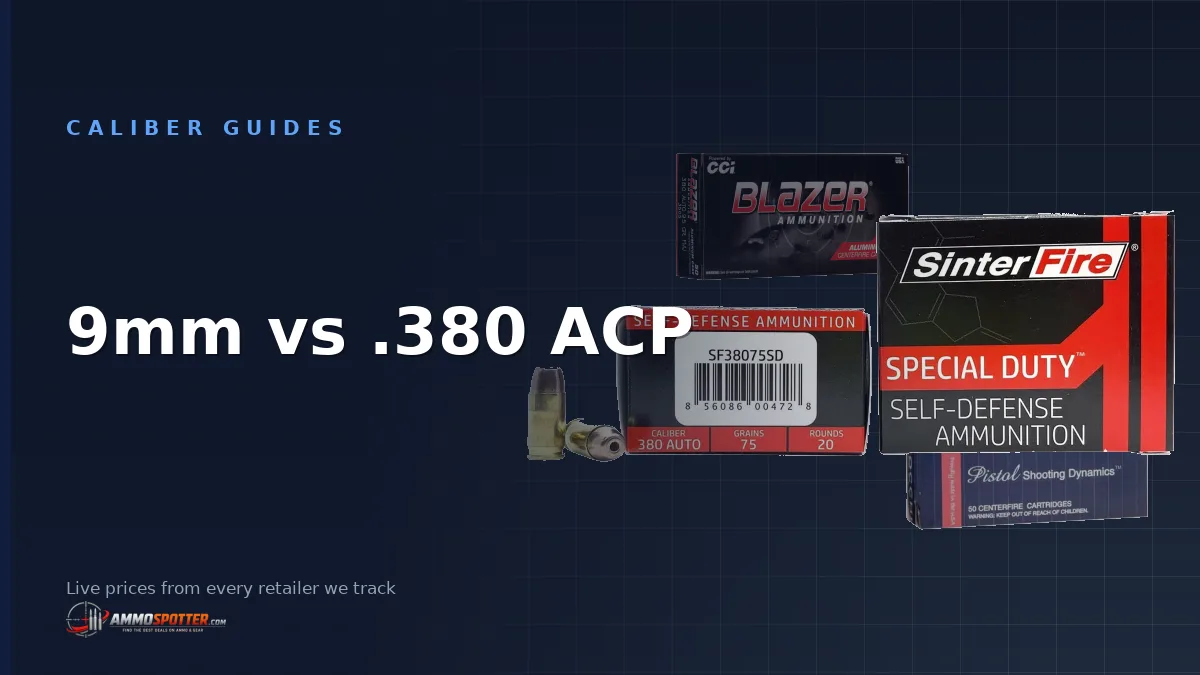
Does .380 ACP actually cost more than 9mm?
It does, and this is the fact that surprises people who assume a smaller cartridge should be a cheaper one. Here are both, computed identically from live retailer pricing across our whole network:
9mm Luger Price Index
Live · Sep 21, 2026.380 ACP Price Index
Live · Sep 21, 2026Read the first two cells. The market floor is the cheapest genuinely transactable cost per round; the market average is what the caliber costs when you are not hunting for the bottom. On both measures .380 ACP sits above 9mm, and it has not been a temporary inversion.
There is a third number in those blocks that cuts the other way, and it is a trap. The lowest box price in .380 ACP is lower than the lowest box price in 9mm. That is not a discount. It is a smaller box.
Why does the smaller round cost more per round?
Not because of what is in it. A .380 case holds less brass and less propellant than 9mm, and .380 bullets in our catalog run lighter — mostly 90 to 100 grains against 115 to 147 grains in 9mm. On raw materials, .380 should be the cheaper cartridge to produce.
The price is set by volume and by packaging, and here the catalog tells the story cleanly.
| 9mm | .380 ACP | |
|---|---|---|
| Quality-filtered ammo listings tracked | 702 | 177 |
| Distinct brands competing | 59 | 38 |
| Listings of 250 rounds or more | 59 | 11 |
| Listings of 500 rounds or more | 38 | 5 |
| Listings of 1,000 rounds or more | 24 | 1 |
Live catalog counts across every retailer we track, at the time of writing.
That bottom row is the entire explanation. 9mm has a real bulk tier — two dozen distinct thousand-round cases competing against each other, each one spreading its packaging, handling and hazmat-eligible shipping across a thousand rounds. .380 ACP has one. When there is no bulk tier, there is no bulk discount, and the cheapest cost per round a caliber can reach is capped by the economics of a 50-round carton.
The brand count compounds it. Fifty-nine manufacturers and importers fighting over 9mm shelf space generates a price floor that thirty-eight fighting over .380 cannot match, because the marginal low-cost importer goes where the volume is. We unpacked the general mechanics of this in Why Ammo Prices Move: The Five Forces Behind Every Spike, and the pattern repeats every time a chambering's catalog gets thin.
For contrast, look at a caliber where the bulk tier is genuinely deep: Best .22 LR Ammo 2026: Bulk, Match and Hunting on Live Prices covers a cartridge sold in bricks and cases by default, and its cost-per-round floor reflects that.
What does the gap cost you over a year of carrying?
Less than the 9mm versus .40 argument, for one specific reason: almost nobody shoots high volume in .380. The guns are small, the recoil impulse in a light pistol is unpleasant at length, and most .380 owners are carrying far more than they are training.
Run your own number rather than accepting that:
Cost Per Round Calculator
The only number that matters when comparing ammo. Shipping included.
If you are genuinely doing the reps — and How Many Rounds Does It Take to Get Good? argues you should be — the per-round premium starts to bite. The common and reasonable compromise is to train volume with a cheaper gun and confirm with the carry pistol, which is a strategy the price gap actively rewards.
Here is where .380 bottoms out today:
Cheapest .380 ACP Per Round Right Now
Prices updated Sep 21, 2026
WINCHESTER AMMO 380 Auto 85 STHP PLTD 100rd
.380 ACP · 100 rds

TulAmmo Handgun Ammo Zinc Coated Steel Case .380 ACP 50-Rounds
.380 ACP · 50 rds

CCI Ammunition Independence Brass Bulk .380 ACP 95 Grain 500-Rounds FMJ
.380 ACP · 95gr · 500 rds

1776 USA Lead Free Sporting Brass .380 ACP 70-Grain 50-Rounds LFB
.380 ACP · 70gr · 50 rds
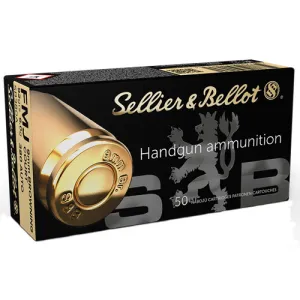
SELLIER BELLOT 380 ACP 92Gr FMJ 990 FPS 50rd
.380 ACP · 92gr · 50 rds
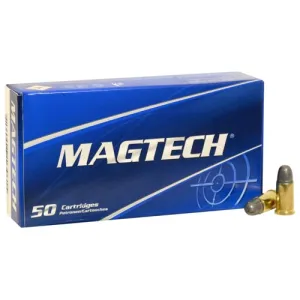
MAGTECH 380 ACP 95Gr 951 FPS FMJ 50rd
.380 ACP · 95gr · 50 rds
What does .380 ACP buy you that 9mm doesn't?
The cartridge itself buys you almost nothing. What it buys you is a class of pistol.
.380's lower operating pressure allows a simple blowback action without a locked breech, which is what makes genuinely pocket-sized semi-autos possible — guns that disappear in a front pocket or an ankle rig where a 9mm will not. That is a real, un-substitutable advantage for some carry methods, and it is the only honest reason to choose the caliber.
Recoil is the argument people expect to make here, and it needs a caveat. Yes, .380 is a lower-pressure cartridge throwing a lighter bullet. But most .380s are small, light, blowback guns, and blowback actions transmit a sharp impulse directly to the hand. A larger locked-breech micro 9mm can genuinely be more pleasant to shoot than a tiny .380, which is the opposite of what the cartridge specs predict. Shoot the pistol, not the caliber.
The availability picture reinforces this. Our firearm catalog currently tracks 5,111 live 9mm listings against 382 in .380 ACP. The .380 market is a specialist corner of the handgun world, and it is priced like one on both sides of the transaction.
Is .380 enough for defense?
It is a mainstream defensive chambering, ammunition makers develop loads specifically for it, and it has been carried seriously for over a century. It also gives up energy to 9mm, and it usually gives it up in a pistol with a shorter sight radius and less grip to hold onto.
We do not run terminal ballistics testing, and we are not going to hand you penetration and expansion figures as if we did. Manufacturer and independent gel-protocol results are published and worth reading on their own terms. Our ranking methodology sets out exactly which claims we will and will not make.
What we will say is the part that is actually actionable: load selection matters more in .380 than in 9mm, because the cartridge has less margin. If you carry it, carry a defensive load designed for short barrels rather than whatever range FMJ was cheapest. Best Concealed Carry Ammo by Caliber walks through the tiers with live pricing attached.
Should you buy a .380 or a micro 9mm?
Ask one question: would both pistols carry the same way?
If yes, buy the 9mm. It is cheaper per round, deeper in stock, available in vastly more guns, and every meaningful defensive-load development effort in the handgun world is aimed at it. Best 9mm Ammo for a Subcompact or Micro Pistol covers the short-barrel-specific loads, and Best 9mm Ammo 2026 covers the full range, carry and duty stack.
If no — if the .380 genuinely fits a pocket or an ankle where nothing in 9mm will — buy the .380 and stop agonizing. A gun you actually carry beats a cheaper cartridge you left at home. Just go in knowing the ammunition premium is permanent, because the supply structure behind it is permanent.
The same trade-off logic, one step up the ladder, is in 9mm vs .40 S&W: a cheaper gun bought against a more expensive decade of feeding it.
How to buy .380 without overpaying
- Normalize to cost per round, always. The pack-size trap above is the single biggest source of overpaying in this caliber.
- Buy the 250-round packs when they appear. There are only eleven listings at that size or larger in our entire .380 catalog, so they are not always there.
- Set an alert instead of watching. A thin catalog means good .380 pricing shows up irregularly and sells through fast.
- Check shipping before you commit. Ammunition shipping rules vary by destination and carrier — Ammo Shipping Restrictions: How to Check Before You Order covers how to verify for your own address, which you should do rather than relying on any general statement of the rules.
Browse the full tracked market at .380 ACP ammo deals, or compare it against 9mm ammo deals before you commit to a platform. If you are buying the pistol online too, How to Buy a Gun Online: FFL Transfers Explained covers the transfer end to end.
9mm Bulk, For Comparison
Prices updated Sep 21, 2026
Winchester USA Forged 9mm 115 Grain 1000-Rounds Bulk FMJ
9mm · 115gr · 1,000 rds

CCI Ammunition Blazer Aluminum 9mm 115-Grain 1000-Rounds Bulk FMJ
9mm · 115gr · 1,000 rds

Aguila Centerfire Handgun Bulk 9mm 115 Grain 300-Rounds FMJ
9mm · 115gr · 300 rds

WINCHESTER AMMO 9mm Silvertip HP 147Gr 100rd
9mm · 147gr · 100 rds

WINCHESTER AMMO 9mm 115Gr USA Forged Steel 150rd
9mm · 115gr · 150 rds

Winchester USA Forged Steel 9mm 115 Grain 150-Rounds FMJ
9mm · 115gr · 150 rds
Get alerted when .380 ACP price drops hit.
We watch every listing and email you the moment the cost per round drops.
Set Up a Free Price AlertAmmoSpotter earns a commission when you buy through links on this page. It never changes what you pay, and it never decides what we recommend — our picks are ranked on live cost-per-round data pulled from every retailer we track. Full disclosure.
Frequently Asked Questions
Is .380 ACP more expensive than 9mm?+
Why does the smaller .380 round cost more than 9mm?+
Why is the cheapest box of .380 cheaper than the cheapest box of 9mm?+
Is .380 ACP enough for concealed carry?+
Does .380 ACP recoil less than 9mm?+
Should I buy a .380 or a micro 9mm?+
Shop the data

About the author
AmmoSpotter Research Desk
Price & Ballistics Research
The AmmoSpotter Research Desk analyzes live retail pricing across every ammunition, firearm and accessory listing we track. Recommendations here are ranked against real cost-per-round data pulled daily from the retailers we monitor - not against manufacturer marketing copy.
- ✓Tracks 180,000+ live product listings across 6 retailer feeds
- ✓Records price history on every listing, every day
- ✓Cost-per-round methodology applied to all ammunition rankings
- ✓No product is ranked without a verifiable in-stock retail price
- ✓Affiliate relationships never influence rankings
Related Guides
9mm vs .40 S&W: Cost, Capacity and Recoil on Live Prices
- .40 S&W costs more per round than 9mm at every tier of the market, and the gap has been stable, not seasonal. - The recoil difference is real and it is about impulse, not raw power. It shows up in split times before...
Best 9mm Ammo for a Subcompact or Micro Pistol: Short-Barrel Loads on Live Prices
A micro-compact 9mm solves the carry problem. It fits inside the waistband, holds enough rounds, and disappears under a T-shirt. What it gives up is barrel length, and in a handgun cartridge barrel length is velocity....

Best Concealed Carry Ammo by Caliber (2026): Live Prices for Every Carry Cartridge
- Pick the caliber you shoot well in a gun you will carry daily. Every mainstream carry cartridge works; none of them compensate for a miss. - Carry-load cost is nearly irrelevant — it is one magazine. Practice cost i...

Best Concealed Carry Pistols 2026: Ranked on Street Price, Not MSRP
- MSRP is a marketing number. Every ranking below is sorted by live street price pulled from retailer listings, and it re-sorts itself as those listings change. - The carry-pistol market has consolidated. Above roughl...

How to Buy a Gun Online: FFL Transfers Explained
- A firearm bought online ships to a licensed dealer near you, not to your door. You do the paperwork and the background check in person. - The transfer fee is set by that receiving dealer. It is invisible to every pr...

Gun Deals: How to Tell a Real Discount from a Fake One
- Across 44,390 live firearm listings tracked for 90 days or more, 43.8% have never changed price once . Another 3.9% have moved by less than a single percent. - 63.4% are sitting at their own lowest recorded price ri...