Best 9mm Ammo for a Subcompact or Micro Pistol
A micro-compact's short barrel costs a defensive load velocity, and velocity is what makes a hollow point work. Here is how to choose for the short barrel, and what the labeled loads really cost per round.
A micro-compact 9mm solves the carry problem. It fits inside the waistband, holds enough rounds, and disappears under a T-shirt. What it gives up is barrel length, and in a handgun cartridge barrel length is velocity. The number printed on the ammunition box usually wasn't measured from a barrel as short as yours. This guide covers what that means for the hollow point you carry, which loads are built for it, and what they cost per round right now.
Why does a short barrel change how 9mm ammo performs?
A cartridge accelerates its bullet only while the bullet is in the barrel. Powder burns, gas pressure builds, and the bullet picks up speed until it leaves the muzzle. Cut the barrel shorter and the bullet leaves sooner, before the gas has done all its work. The result is lower muzzle velocity and more unburned powder exiting the muzzle as flash.
That matters because of how hollow points work. A hollow point expands when tissue, or the gelatin used to test it, fills the cavity and forces the jacket open. Expansion depends on impact velocity. Designers tune each bullet to open reliably across a velocity range. Drop below that range and the bullet may open less or not at all. It then behaves more like a round-nose bullet: less expansion and more penetration.
Published velocities are measured from test barrels chosen by the manufacturer. Those are often longer than the barrel on a micro-compact. How much velocity a specific load loses in your pistol depends on the powder, the bullet and the gun. We don't run our own chronograph or gel testing, so we won't give you a figure. If you want a number for your pistol, a chronograph at the range will give you one.
The practical conclusion is simple. A load's box velocity and its duty-pistol test results don't transfer automatically to a short barrel. Look for evidence from a barrel like yours.
What makes a 9mm load "short-barrel" ammo?
Makers take a few approaches to the problem:
- Short-barrel-specific versions. Some defensive lines have a version engineered to expand at compact-pistol velocities. Speer's Gold Dot Short Barrel is the best-known example, and Remington sells a version of Ultimate Defense marketed for compact handguns.
- Cavity and tip design. Polymer-tipped hollow points, such as Hornady's Critical Defense, use the tip to start expansion and keep the cavity from clogging with clothing. That design is intended to work at lower handgun velocities.
- Heavier bullets at standard pressure. 147-grain loads start slower than 115- and 124-grain loads, and many were designed from the outset around those lower velocities. That's why heavy standard-pressure duty loads are a common short-barrel choice. Ammo grain weight explained covers the trade-off in more detail.
- +P loads. Higher pressure buys back some of the velocity a short barrel loses, at the cost of recoil, flash and wear.
The first question isn't which bullet expands best in a lab. It's which load has credible performance data from a barrel like yours. Independent gel testing is usually reported against published standards such as the FBI protocol, which sets minimum and maximum penetration depths in calibrated gelatin. Look for tests that state the barrel length. How AmmoSpotter ranks ammunition explains why we rank on price and availability rather than on our own terminal testing.
Here are the loads in our catalog sold specifically for short barrels, compact handguns or low-velocity expansion, with live prices:
Loads Designed for Short Barrels and Compact Pistols
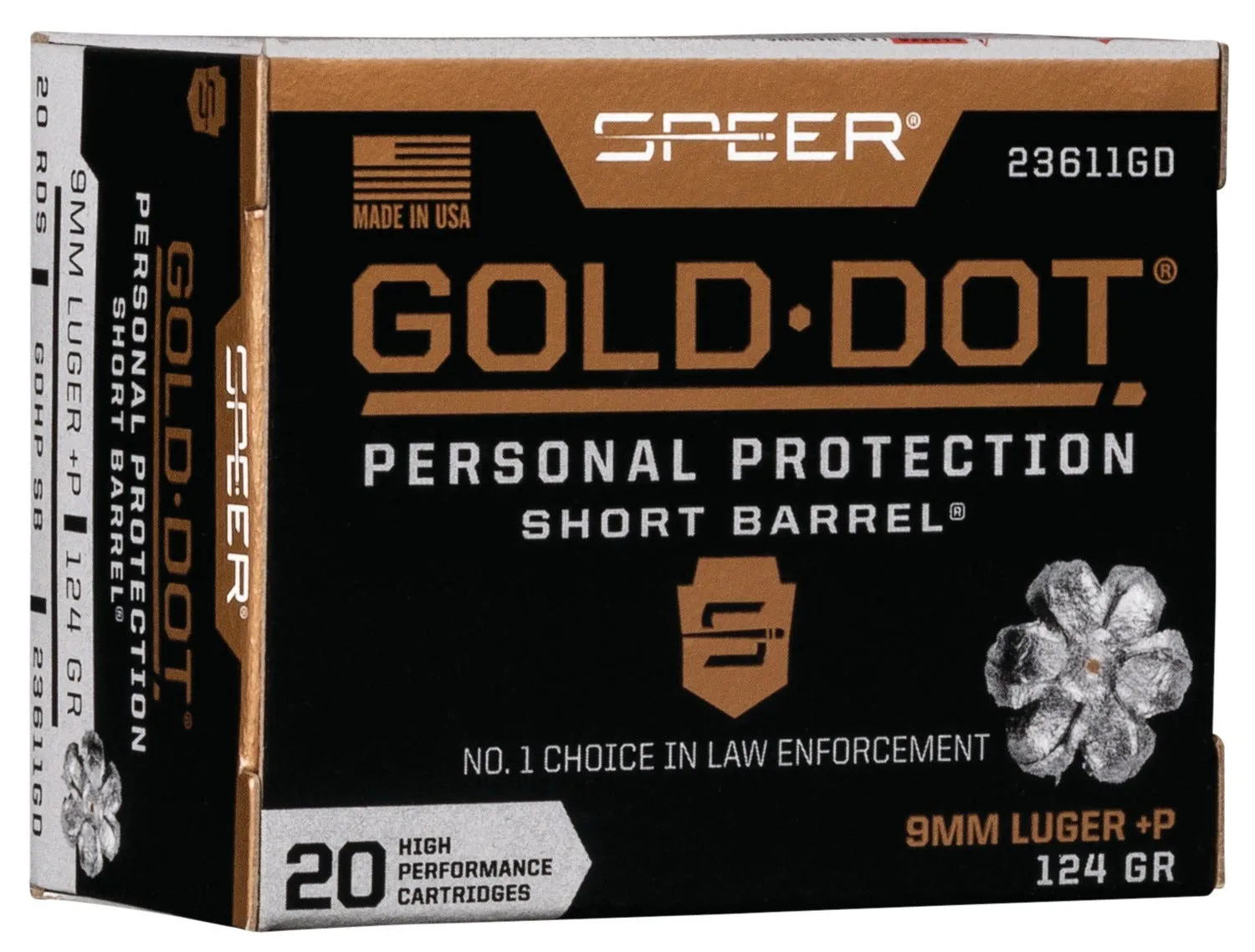
Speer Gold Dot Short Barrel 9mm P 124GR HP 20 Rounds
Speer's Gold Dot line in its Short Barrel version, a 124-grain +P load designed to expand at the velocities a compact pistol produces. Confirm your pistol is rated for +P before you carry it.
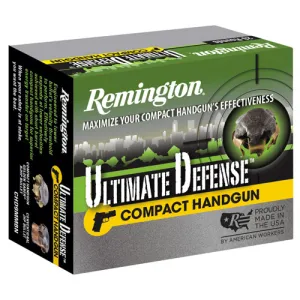
REMINGTON Ultimate Defense Compact 9mm 124gr Jacketed Hollow Point Ammunition | 20 Rounds
Remington's Ultimate Defense in the version marketed for compact handguns. This listing isn't labeled +P, which makes it worth a look if your pistol's manual advises against +P.
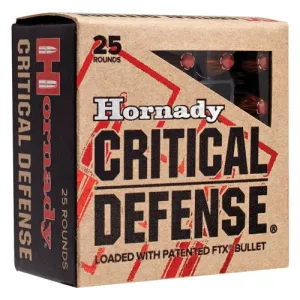
HORNADY CRITICAL DEFENSE 9mm 115Gr FTX Ammunition | 25 Rounds
Hornady Critical Defense uses a polymer tip in the hollow point cavity to start expansion and resist clogging, a design aimed at lower-velocity handgun loads.
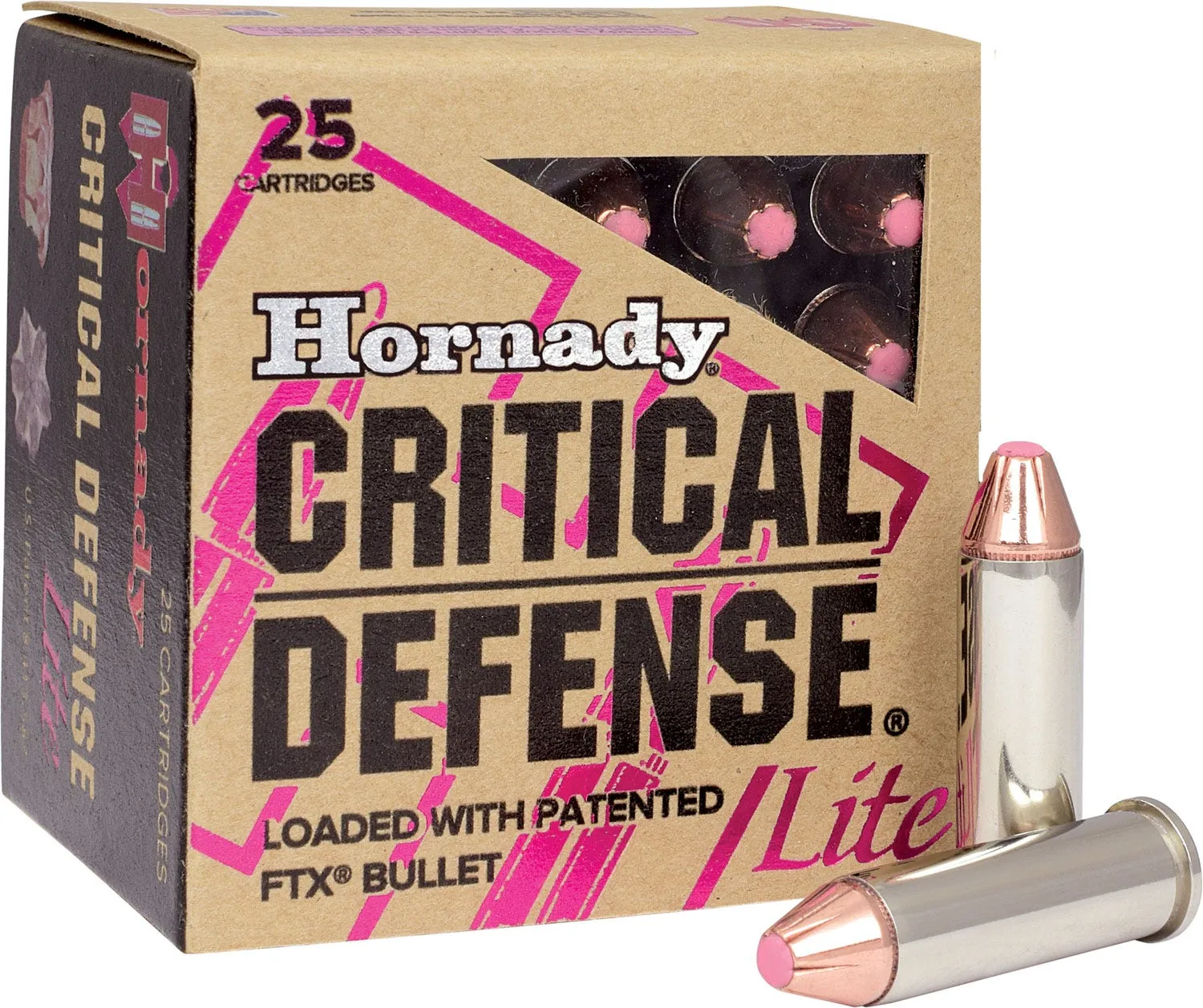
Hornady Critical Defense Lite Nickel Plated Brass 9mm 100 Grain 25-Rounds FTX
The Lite version of Critical Defense uses a lighter bullet for less recoil. It's worth trying if a very light micro pistol is hard for you to shoot quickly and accurately.
Should you carry +P in a micro-compact?
Only if two things are true. First, the pistol's manufacturer says it is rated for +P ammunition. Check the manual rather than a forum. Second, you can shoot it fast and accurately.
The case for +P in a short barrel is velocity recovery. The case against it is that micro-compacts are light, and extra pressure in a light gun means more recoil and a bigger flash, especially in low light. A defensive load that lands one good hit and a slow, wide second shot isn't an upgrade. Shoot a few magazines of your candidate +P load and a standard-pressure alternative side by side, and time your follow-up shots if you can. Many shooters find the standard-pressure short-barrel load is the better trade in a very small gun.
How much does short-barrel carry ammo cost per round?
This is where our data changes the buying decision. The 9mm market is huge, and the live index shows where it stands overall:
9mm Luger Price Index
Live · Sep 21, 2026When we pulled this data we were tracking 702 qualifying 9mm listings, and the market floor stood at $0.240 per round. That floor is set by FMJ practice ammunition. Defensive ammo sits in a different market:
- Hollow points typically cost around three times as much per round as FMJ in our live listings.
- The loads labeled for short barrels or compact pistols sit above the typical hollow point. Most are sold in 20- and 25-round boxes, and small boxes carry the highest per-round prices.
- Pack size matters more for carry ammo than for anything else. Across the 9mm hollow points we track, the typical 20- to 25-round box costs about twice as much per round as the typical 50-round box.
That last point is the opposite of what we found for practice ammunition. In our analysis of bulk pricing, the apparent case discount in 9mm FMJ mostly disappeared once like was compared with like. Carry ammo is different. The 20-round personal-defense box is a retail format with retail pricing, while the 50-round box of the same bullet family is mostly sold to law enforcement and high-volume buyers.
The ladder below compares the same bullet families in 20-round and 50-round boxes, at live prices:
Same Bullet Families, Bigger Boxes
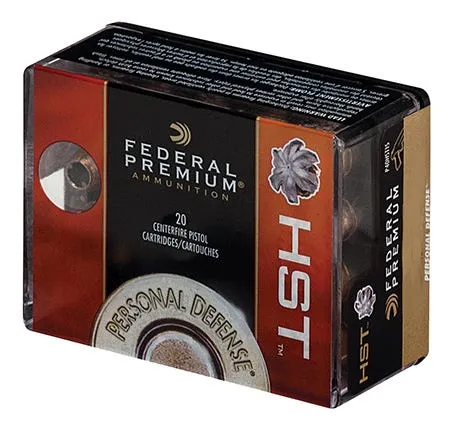
Federal Premium Personal Defense 9mm 124 Grain 20-Rounds HST
Federal HST in the 20-round Personal Defense box most shops stock. Compare its per-round price with the 50-round HST boxes below.
FEDERAL AMMO Premium Law Enforcement 9mm 147Gr HST JHP 50rd
Federal's HST in the 147-grain law-enforcement 50-round box. The same bullet family as the retail box above, sold in a bigger pack.
SPEER AMMO 9mm 115Gr Gold Dot GDHP 50rd Box
Standard Gold Dot 115-grain in a 50-round box. Not the Short Barrel version, so check the maker's data for your barrel length before you choose it.

Winchester Ranger 9mm Luger 147 Grain 50 Rounds T-Series Jacketed Hollow Point
Winchester's law-enforcement Ranger 147-grain in a 50-round box. Heavy, standard-pressure loads like this are a common choice for short barrels.
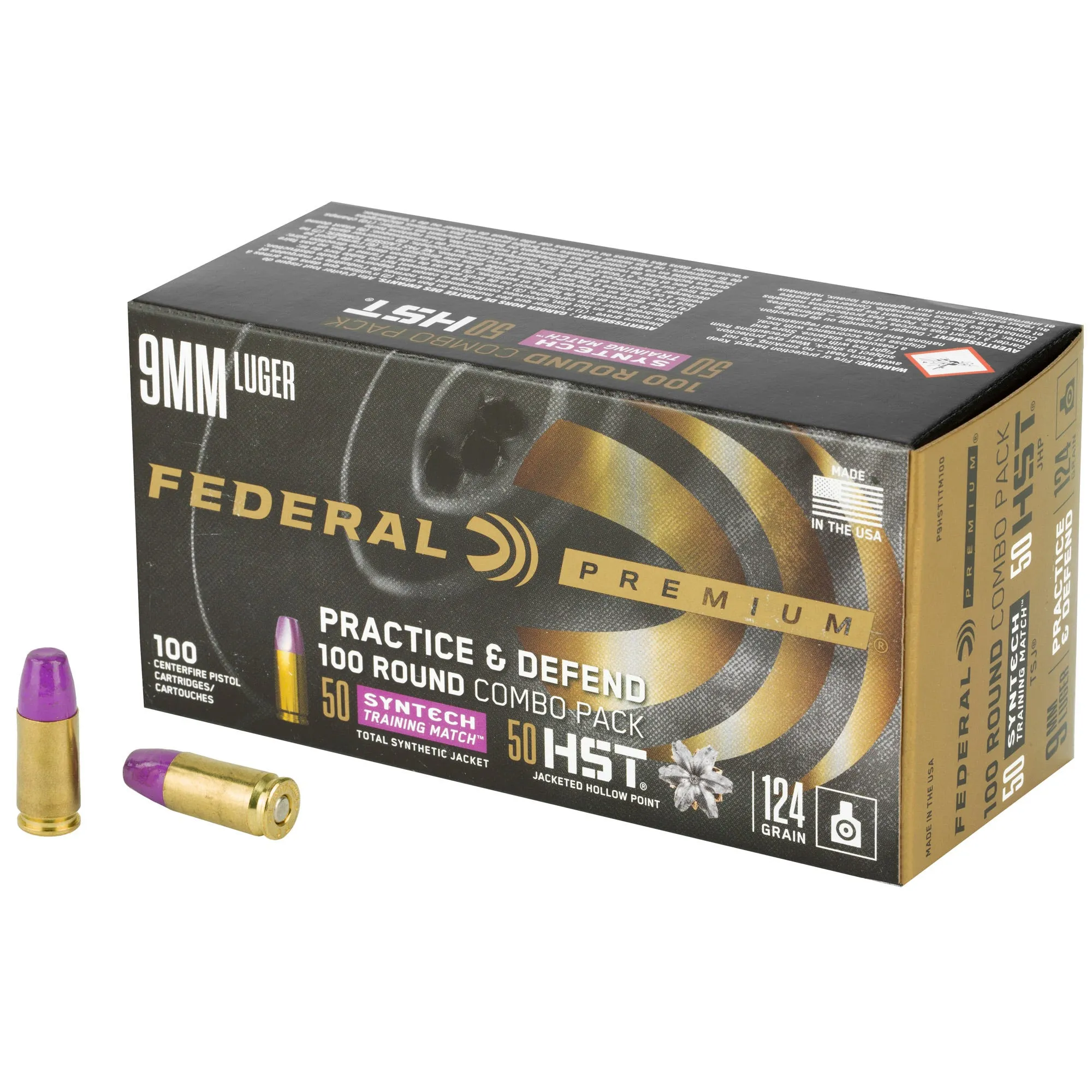
Federal Practice & Defend 9mm 124 Grain 100-Rounds HST / Synthetic
Federal's Practice & Defend pack combines HST hollow points with matching Syntech practice rounds, so your practice rounds and carry rounds come in the same box. Confirm both hit where you aim in your pistol.
The 50-round law-enforcement boxes aren't always the short-barrel-specific versions, so check the maker's data for your barrel length before you switch. When a 50-round box of a suitable load exists, it's the cheapest way to buy enough to test your pistol properly and still have a full carry supply.
Cost Per Round Calculator
The only number that matters when comparing ammo. Shipping included.
How do you test carry ammo in a micro pistol without overspending?
Micro-compacts are less forgiving than full-size pistols. Short slides cycle faster, magazines are tighter, and a weak grip on a light gun can cause malfunctions that never happen in a larger pistol. Bullet profile matters too. A wide hollow point that feeds perfectly in one gun can nose-dive on the feed ramp of another.
A sensible approach:
- Buy the carry load in the largest box you can find. Per round, a 50-round box costs about half as much as a 20-round box.
- Run it through every magazine you carry, loaded to capacity, from your normal grip. Include your weak hand if you train it.
- Confirm point of impact at your realistic defensive distances. Different bullet weights can print in different places, and a micro pistol's short sight radius magnifies the difference.
- Practice with cheap FMJ of a similar bullet weight, and return to the carry load periodically to confirm nothing has changed.
How much practice is enough is a separate question. How many rounds does it take to get good? covers it, and how many magazines you actually need covers how many to rotate through testing. For the practice half of the budget, these are the cheapest 9mm rounds we track right now:
Cheapest 9mm Practice Ammo Right Now
Prices updated Sep 21, 2026
MAGTECH 9mm Luger Steel Case 124 FMJ 50rd
9mm · 50 rds

MILI CUSTOM DEFENSE AMMUNITION 9mm 155gr Subsonic FMJ 50rd
9mm · 155gr · 50 rds

SELLIER BELLOT 9mm 115gr FMJ Brass Ammunition | 50 Rounds
9mm · 115gr · 50 rds

SELLIER BELLOT 9mm 124Gr 1200 FPS FMJ 50rd
9mm · 124gr · 50 rds

Winchester USA Forged 9mm 115 Grain 1000-Rounds Bulk FMJ
9mm · 115gr · 1,000 rds

Venom Ammo 9mm 124Gr FMJ Ammo 50rds - 9MM124FMJ-V50
9mm · 124gr · 50 rds
The bullet-design differences between practice and defensive ammo are covered in FMJ vs JHP vs soft point.
What if you also carry a full-size 9mm?
If you also carry or keep a full-size or compact pistol, the choice is less constrained. Barrel length is less of a limit, and standard duty loads were largely developed around those guns. Best 9mm self-defense ammo covers the broader field, and best 9mm ammo covers range, carry and duty loads together on live prices.
If you're still choosing the pistol, best concealed carry pistols and Glock 19 vs Sig P365 vs S&W Shield compare the guns this guide is written for. Buying one online means shipping it to a licensed dealer. How to buy a gun online explains the FFL transfer.
Ammunition delivery rules vary by state and locality, and retailers set their own policies. Check before a large order with ammo shipping restrictions: how to check before you order, and confirm current rules locally.
Get alerted when 9mm price drops hit.
We watch every listing and email you the moment the cost per round drops.
Set Up a Free Price AlertBrowse every live 9mm listing, or see carry loads by maker from Speer, Federal and Hornady.
AmmoSpotter earns a commission when you buy through links on this page. It never changes what you pay, and it never decides what we recommend — our picks are ranked on live cost-per-round data pulled from every retailer we track. Full disclosure.
Frequently Asked Questions
Does a short barrel really affect 9mm hollow point performance?+
Should I carry +P ammo in a micro-compact pistol?+
What grain weight is best for a short-barrel 9mm?+
Is short-barrel 9mm ammo more expensive?+
How much carry ammo should I test in a micro pistol?+
Shop the data

About the author
AmmoSpotter Research Desk
Price & Ballistics Research
The AmmoSpotter Research Desk analyzes live retail pricing across every ammunition, firearm and accessory listing we track. Recommendations here are ranked against real cost-per-round data pulled daily from the retailers we monitor - not against manufacturer marketing copy.
- ✓Tracks 180,000+ live product listings across 6 retailer feeds
- ✓Records price history on every listing, every day
- ✓Cost-per-round methodology applied to all ammunition rankings
- ✓No product is ranked without a verifiable in-stock retail price
- ✓Affiliate relationships never influence rankings
Related Guides

Best 9mm Self-Defense Ammo 2026: What to Actually Carry
Everything about buying defensive ammunition is different from buying practice ammunition. The quantity is small, the price is irrelevant at that quantity, and the failure mode is not "I overpaid" — it is "it did not ...

Best Concealed Carry Ammo by Caliber (2026): Live Prices for Every Carry Cartridge
- Pick the caliber you shoot well in a gun you will carry daily. Every mainstream carry cartridge works; none of them compensate for a miss. - Carry-load cost is nearly irrelevant — it is one magazine. Practice cost i...

Best Concealed Carry Pistols 2026: Ranked on Street Price, Not MSRP
- MSRP is a marketing number. Every ranking below is sorted by live street price pulled from retailer listings, and it re-sorts itself as those listings change. - The carry-pistol market has consolidated. Above roughl...

Glock 19 vs Sig P365 vs S&W Shield Plus: Size, Capacity and Live Price
- These are not competitors so much as three points on one curve: carryability on one axis, shootability on the other. - The Glock 19 wins capacity and shootability. The P365 wins concealment. The Shield Plus splits t...
9mm vs .380 ACP: Why the Smaller Round Costs More
- .380 ACP costs more per round than 9mm, even though it is the smaller cartridge. That is a supply fact, not a materials fact. - The mechanism is pack size: 9mm has a deep bulk tier and .380 effectively does not. - T...

Best 9mm Ammo 2026: Range, Carry and Duty Loads Ranked
9mm Luger is the most-produced, most-competitive cartridge in the American market. That is good news and bad news: prices are low, and the sheer number of listings makes it easy to pay 30% more than you needed to for ...