Storing Guns and Ammo: Humidity, Safes and Rust
A safe is a steel box with poor airflow bolted to a cold concrete floor. Here is what that does to your guns and the ammo sitting next to them.
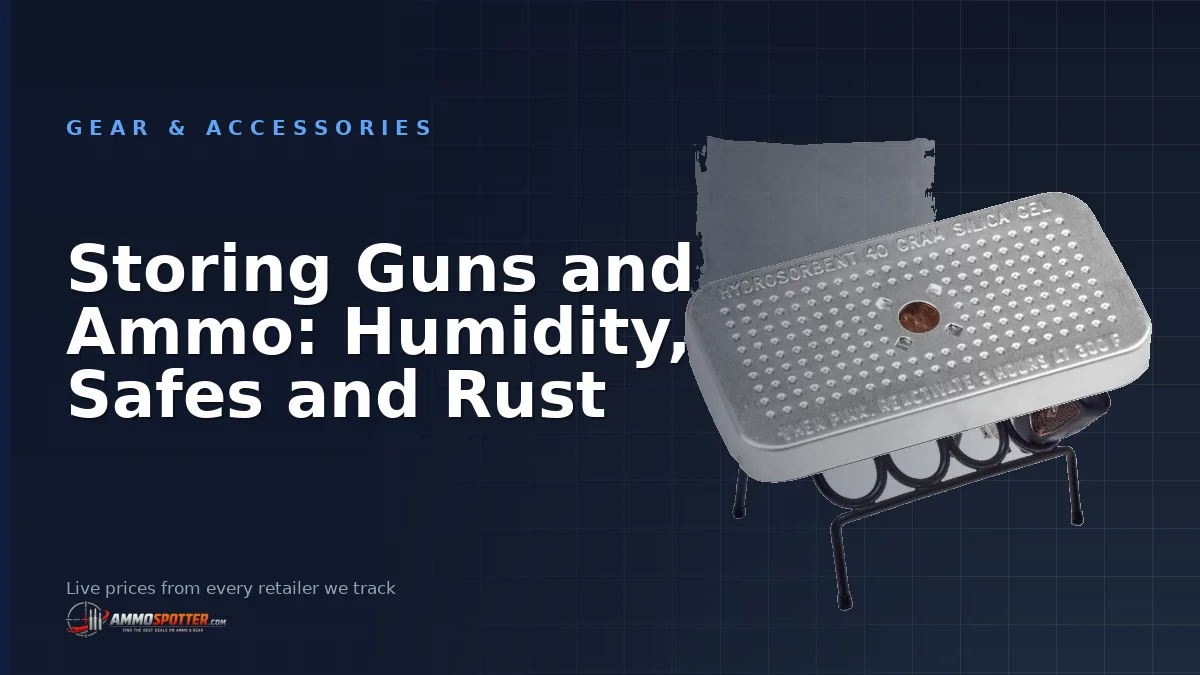
What humidity should a gun safe be kept at?
The commonly cited target is roughly 45 to 50 percent relative humidity. That figure comes from safe manufacturers and general conservation practice, not from testing we have done — AmmoSpotter prices products, it does not run environmental labs. Check your own safe's manual and treat that number as the authority.
The reasoning behind the range explains why both extremes are wrong. Too humid, and corrosion proceeds on any exposed carbon steel, faster wherever salt or acid is present to catalyse it. Too dry, and wood stocks shrink — a rifle stock that loses moisture can change bedding fit, crack at the wrist, or loosen at the action screws.
The practical problem is that almost nobody knows what the relative humidity inside their safe actually is. People buy a dehumidifier rod the way they buy a cleaning kit — as a precaution, without measurement. A hygrometer is the cheapest item in this entire discussion, and the only one that tells you whether you need the others.
Why a safe makes the humidity problem worse, not better
A gun safe is a heavy steel box with a gasketed door, usually bolted to a concrete slab, often against an exterior wall or in a basement. Three things follow from that:
- Thermal mass. The safe and its contents warm and cool more slowly than the room around them. When the room's air warms up and picks up moisture — a summer afternoon, a humid day after the HVAC cycles off — that air finds steel that is still at last night's temperature. If the steel is below the dew point of the air touching it, water condenses on it. On your guns.
- Concrete wicks. A slab is not a vapour barrier. Moisture migrates up through concrete continuously, and a safe bolted directly to it sits in that stream. A rubber mat or a plinth under the safe is a real improvement and costs nothing to think about.
- Reduced air exchange, not elimination. A safe breathes slowly, through the door gasket and any bolt holes or power pass-throughs. Humid air gets in; it just does not get back out quickly. An unmanaged safe can hold elevated humidity longer than the open closet next to it.
None of this argues against owning a safe — security and fire protection are the point, and our home defense safe round-up covers that side on live pricing. It argues against assuming the safe solved a problem it does not address.
What actually rusts, and what does not
Not every gun in the safe is equally at risk, and sorting them saves effort:
- Blued carbon steel is the vulnerable case. Bluing is a controlled oxide layer, not a sealant, and it offers very little corrosion protection on its own. Older hunting rifles, classic revolvers and shotgun receivers live here.
- Stainless resists, it does not refuse. Gun-grade stainless alloys will pit given salt and standing moisture, particularly around pins and under grips.
- Nitride, phosphate, Cerakote and anodized finishes are substantially more tolerant. A modern nitrided AR bolt carrier in a damp safe is a very different risk profile from a blued 1911.
- Wood is damaged in both directions — swelling and warping when damp, shrinking and cracking when too dry.
- Leather holsters and slings are the hidden offender. Leather holds moisture and the tanning chemistry is often slightly acidic. Do not store a gun inside a leather holster.
And the mechanism that outranks all of them: fingerprints. Skin oil plus salt, left on blued steel, etches a legible print in weeks. The gun that rusts is nearly always the one you handled, admired, and put straight back in the safe. The fix is a wipe-down with an oiled or silicone-treated cloth as the last action before the door closes. If you want the products compared, our gun oil and lubricant guide ranks them on live prices, and the same wipe-down is the last step in our cleaning frequency guide.
Desiccant, dehumidifier rod, or both?
Three approaches, in increasing order of effort and effectiveness:
Rechargeable desiccant — silica gel in a canister or bag — adsorbs moisture passively until saturated, then needs drying in an oven or a wall outlet. It is cheap, needs no power inside the safe, and fails silently when you forget to recharge it. Good for small safes and dry climates.
A heated rod does not absorb anything. It warms the air inside the safe a few degrees above ambient, which raises the interior's capacity to hold water vapour and keeps surfaces above dew point. It needs a power pass-through, which not every safe has — check before buying. It is the more reliable option in a basement or a humid region.
Vapour-corrosion-inhibitor products — emitters and treated plaques — deposit a molecular protective layer on exposed metal. They complement humidity control rather than replacing it.
Safe Accessories: Desiccant, Dehumidifiers and Hardware
Prices updated Oct 26, 2026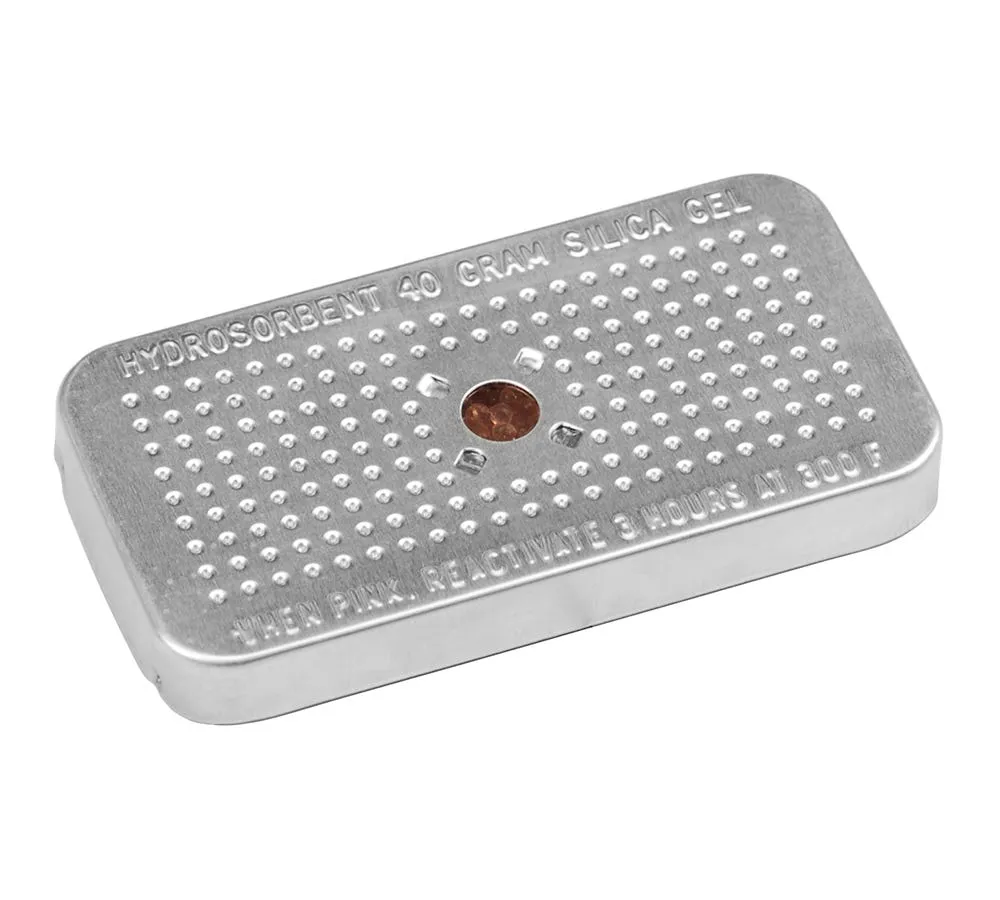
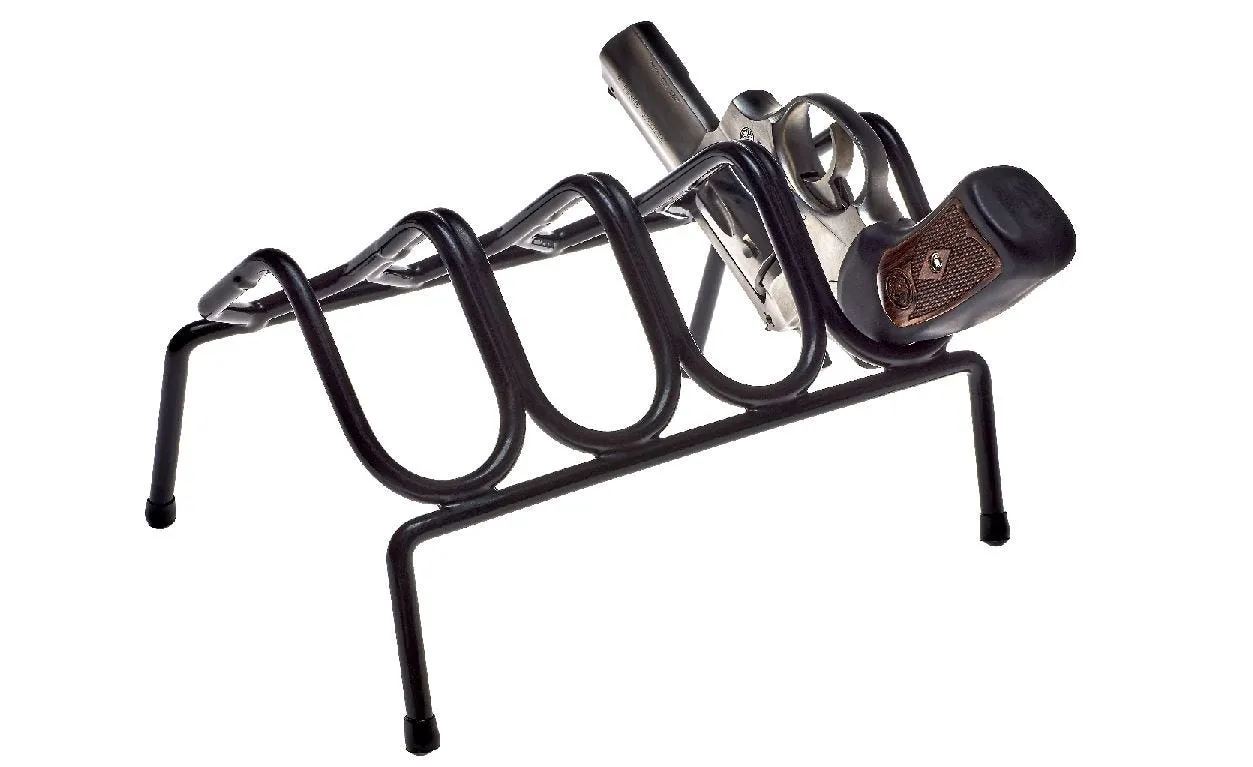
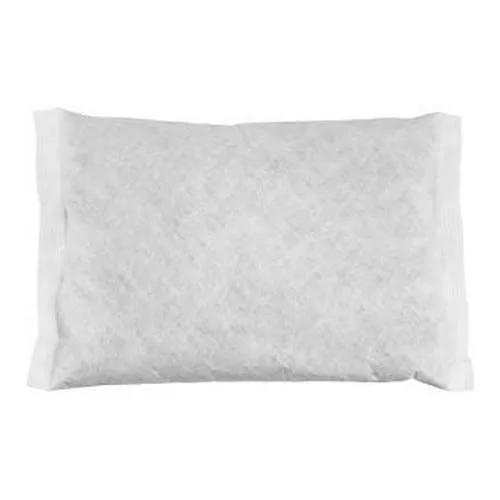


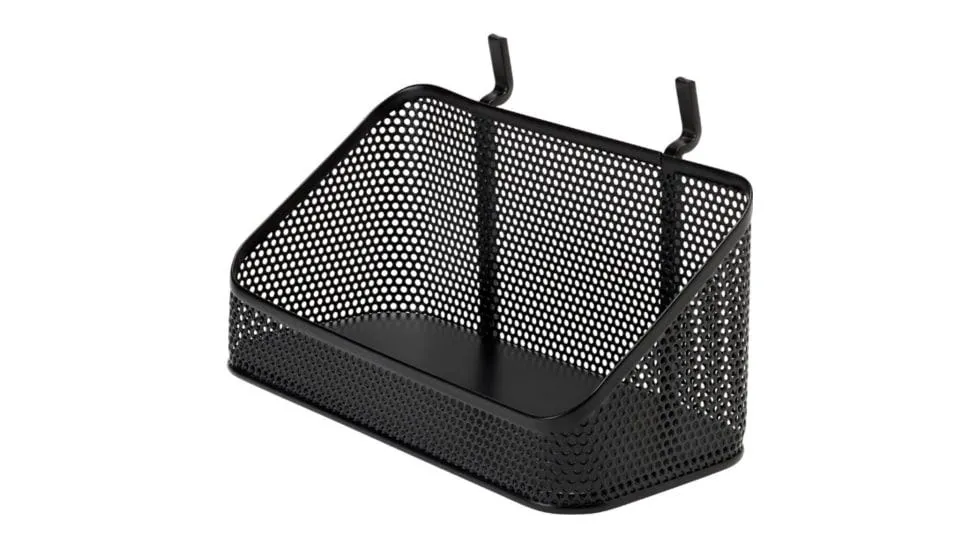
Note what those live prices show: none of this is a budget decision, which is exactly why it is worth doing in order. Buy the hygrometer first, read it across a temperature swing, then buy what matches the reading.
Does ammunition need the same conditions as the guns?
Ammunition is more robust than the steel around it, and it fails differently. The failure points are the primer and the case mouth — the two places where moisture can get at the propellant or start corrosion that spreads.
Three rules do almost all the work:
- Sealed container over open shelf. A latched ammo can with a gasket keeps humid air cycling in and out.
- Stable temperature over low temperature. Cycling is what drives condensation inside a container. A closet on an interior wall beats an unheated garage even if the garage is colder on average.
- Off the concrete. Same wicking problem as the safe.
Ammo Boxes and Cans by Live Price
Prices updated Oct 26, 2026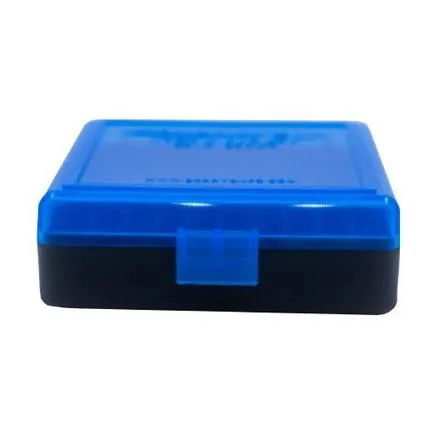
Berry s Manufacturing Ammo Box Blue .22 LR 100-Rounds
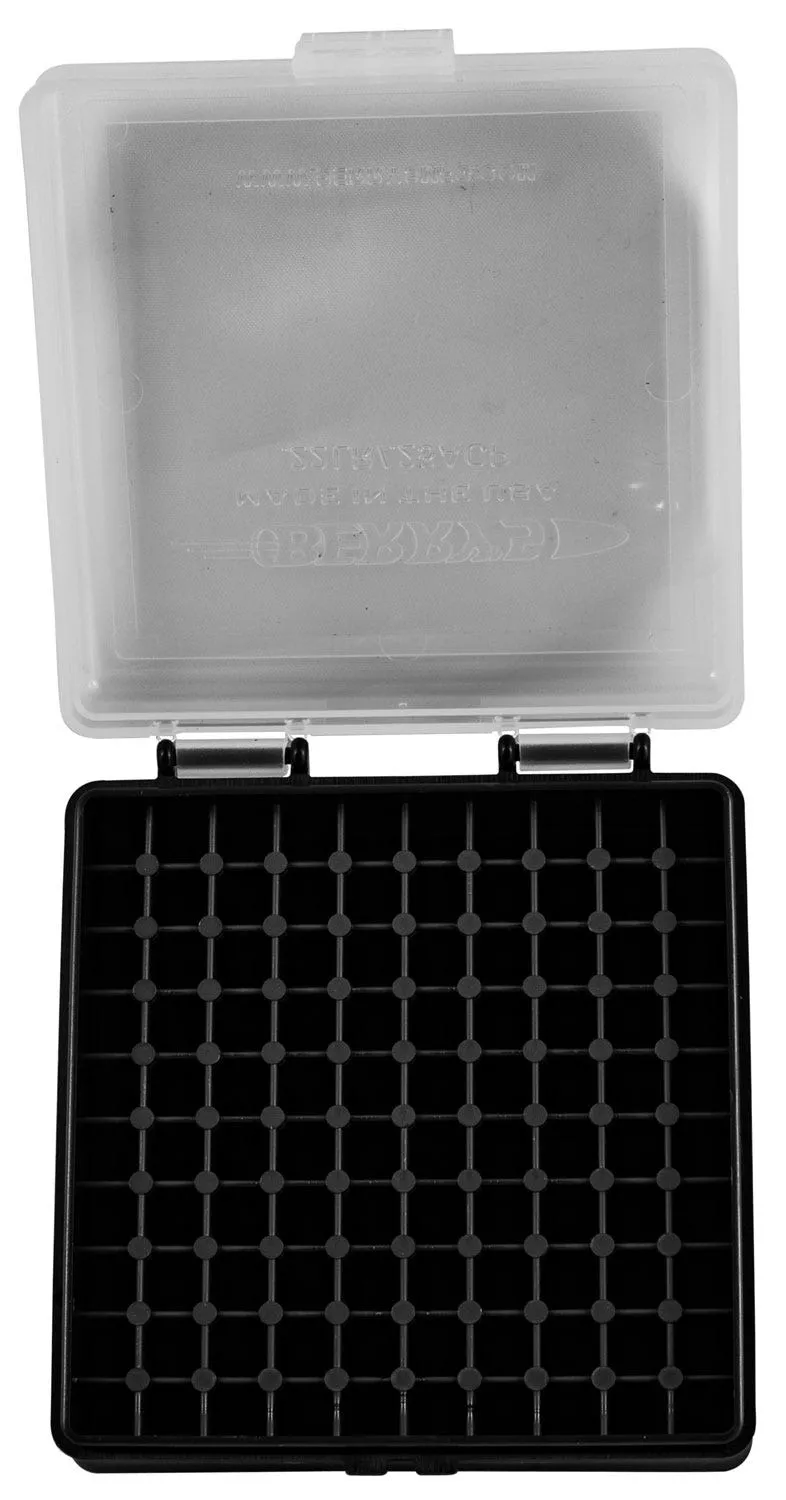
Berry s Manufacturing Ammo Box Clear .22 LR 100-Rounds
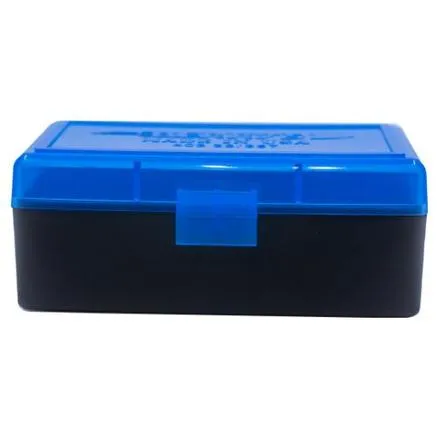
Berry s Manufacturing Ammo Box Blue .357 Mag / .32 S&W Long 50-Rounds
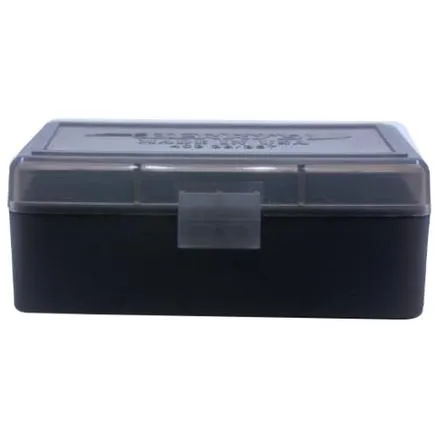
Berry s Manufacturing Ammo Box Smoke .357 Mag / .32 S&W Long 50-Rounds
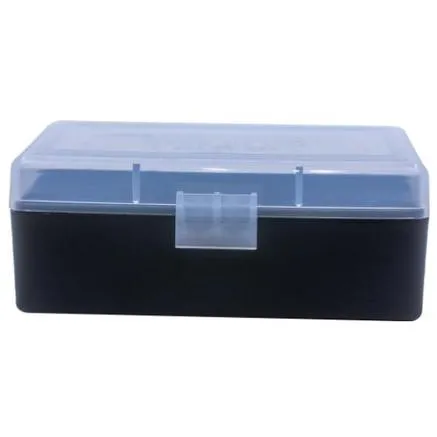
Berry s Manufacturing Ammo Box Clear .357 Mag / .32 S&W Long 50-Rounds

Berry s Manufacturing Model 401 Ammo Box Blue / Black 9mm / .380 ACP 50-Rounds
For how long ammunition actually keeps, what degrades first and how to tell whether an old lot is still worth shooting, our ammo shelf life and long-term storage guide goes into the detail this section deliberately skips. If you are buying ammunition specifically to store it, also check the shipping restrictions that apply to where it is going before you build a cart.
What is a case of ammo actually worth sitting in your closet?
Here is the argument for taking storage seriously that nobody makes, because it requires price data.
The reason ruined ammunition stings is not that it is dangerous — it is that you bought it at a price, and bulk buying means you bought a lot of it at once. A case is a position, and it carries a real dollar value that moves with the market.
9mm Luger Price Index
Live · Oct 26, 2026Bulk 9mm by Live Cost Per Round
Prices updated Oct 26, 2026
Winchester USA Forged 9mm 115 Grain 1000-Rounds Bulk FMJ
9mm · 115gr · 1,000 rds

CCI Ammunition Blazer Aluminum 9mm 115-Grain 1000-Rounds Bulk FMJ
9mm · 115gr · 1,000 rds
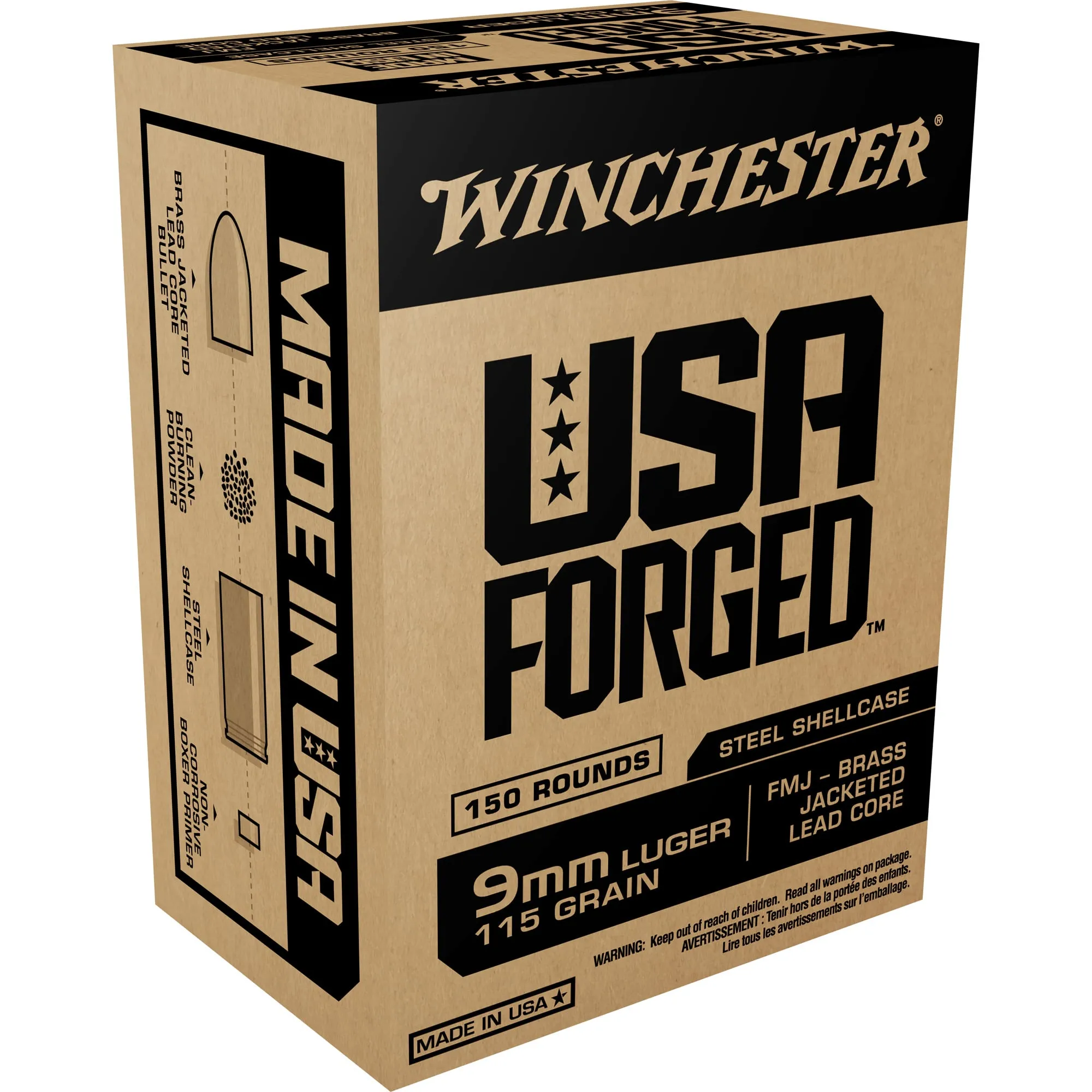
Winchester USA 9mm Ammunition, 1000 Rounds FMJ 115Gr - WIN9SK
9mm · 115gr · 1,000 rds

PMC Ammunition Bronze Brass 9mm 124 Grain 1000-Rounds Bulk FMJ
9mm · 124gr · 1,000 rds

PMC Ammunition Bronze Brass 9mm 115-Grain 1000-Rounds Bulk FMJ
9mm · 115gr · 1,000 rds

Winchester Centerfire Handgun Brass 9mm 115-Grain 1000-Rounds FMJ Bulk
9mm · 115gr · 1,000 rds
Those blocks are pulling current prices as you read this page. Multiply the cost-per-round figures by however many cases are on the shelf, then compare the result to the live prices in the desiccant grid further up. The protection costs a tiny fraction of what it is protecting, every time, which is why the only defensible answer here is to over-provision on storage and stop thinking about it. The same applies to anything you have stockpiled: bulk .22 LR, 5.56 and .223, or the 9mm loads most people buy in volume. Browse live 9mm prices or the full ammo catalog to see what a replacement would cost today.
Replacement cost is not static either. Why ammo prices move covers the forces behind that — which is why a stockpile has an insurance-like quality, and why letting it corrode is expensive rather than merely annoying.
Long-gun storage: socks, cases and the mistakes that trap moisture
The most common storage error is an upgrade that makes things worse.
Foam-lined hard cases are excellent for transport and bad for storage. Closed-cell foam holds moisture against the metal, and the case is a sealed microclimate that cycles with the room. A gun stored in a hard case in a garage is a gun stored badly.
Fleece and fabric sleeves are the same problem with less structure — they absorb moisture and hold it against the metal.
Silicone-treated gun socks are the exception, because they are designed as a vapour-inhibiting barrier rather than padding. They are the reasonable choice for a safe where guns would otherwise be rubbing against each other.
Gun Socks and Silicone Sleeves, Cheapest First
Prices updated Oct 26, 2026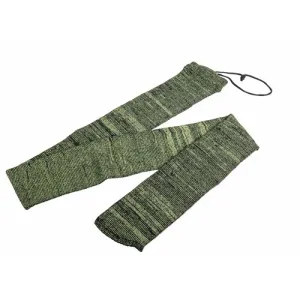
Lockdown Gun Sock Green 4x14 for Pistols

Birchwood Casey SportLock Silicone Gun Sleeve Gray 15 L
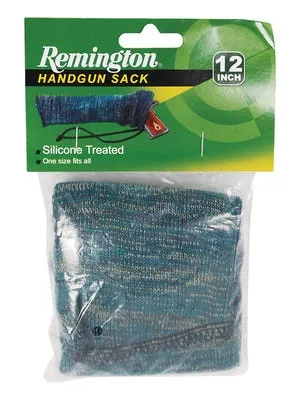
Remington Gun Sack With Logo 17269
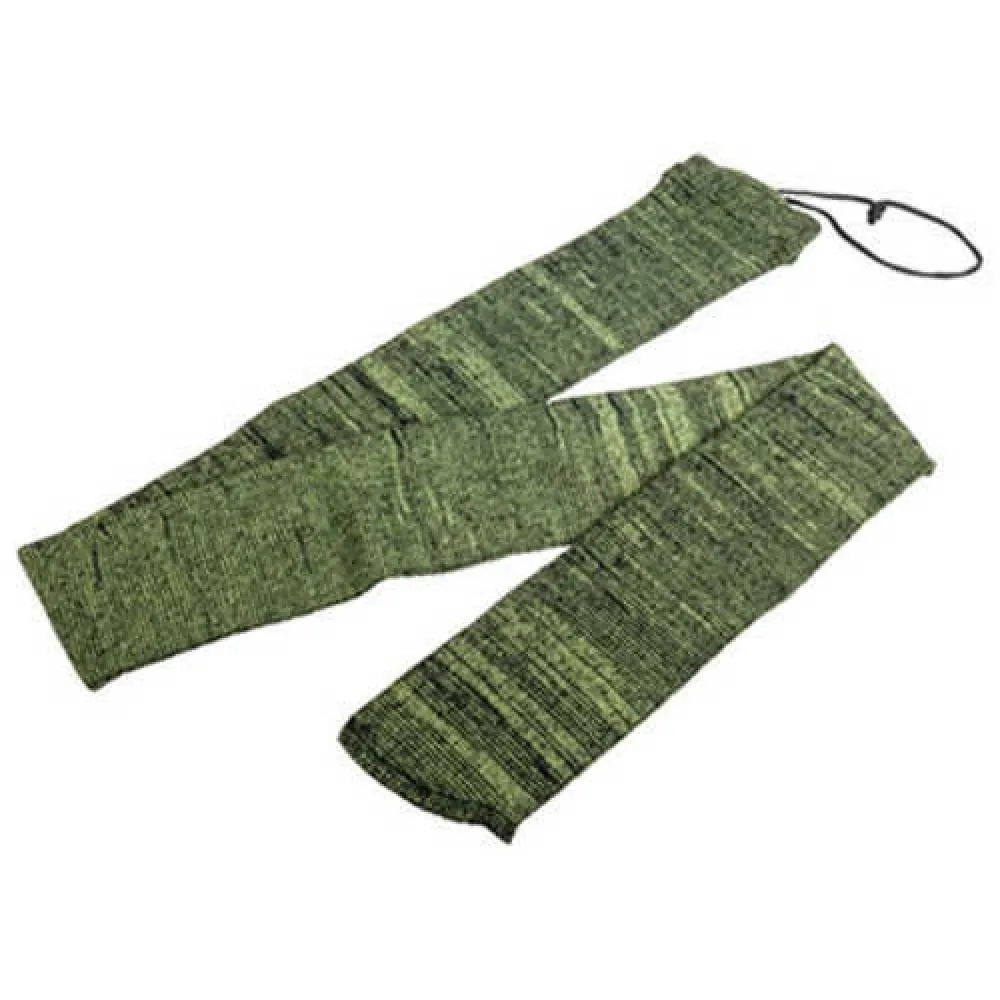
Lockdown Gun Sock Green/Black for Rifles and Shotguns

Birchwood Casey SportLock Silicone Gun Sleeve Gray 53 L
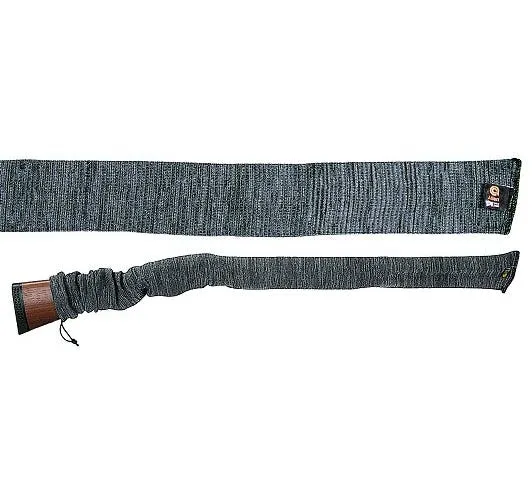
Allen 131 Knit Gun Sock Gray 52 inch
Magazines belong in the controlled space too, not in a damp range bag — they are steel with a feed lip in contact with brass. Leaving them loaded for years is generally fine; the claim that stored springs "take a set" is overstated for quality magazines. Our guide on how many magazines you need covers the inventory side.
Storage rules that are legal requirements, not preferences
Most of this page is engineering. Some of it is not.
Storage and locking requirements vary by state and sometimes by locality, and can turn on who else lives in the home, whether minors have access, and whether the firearm is loaded. Some jurisdictions require a specific locking device or an approved container. Check your state's published statute or ask an attorney rather than relying on general guidance, including ours — we are not going to state your jurisdiction's current law as settled fact.
NFA items add a second layer. A suppressor or other registered item has its own considerations around custody and who may legally possess it, and the general rule is that only the registrant or trust beneficiaries may have access. If that applies to you, our suppressor buying guide is the starting point, and confirm current requirements with the ATF or counsel before building a storage arrangement around an assumption.
A storage setup that works
In order, cheapest and highest-impact first:
- Wipe the gun down with an oiled or treated cloth before it goes away. Every time. This is free and prevents most of what you are worried about.
- Put a hygrometer in the safe and read it for two weeks, including at least one warm humid day.
- Get the safe off bare concrete with a mat or plinth, and move it off an exterior wall if you can.
- Add desiccant or a rod based on what the hygrometer told you, not on what the forum told you.
- Remove leather and foam from inside the safe. Store holsters elsewhere; store guns in silicone socks if they need separation.
- Seal the ammunition in gasketed containers, off the floor, somewhere with a stable temperature.
- Re-check twice a year. Recharge desiccant, confirm the rod is still warm, look for the first spot of rust while it is still a spot.
That list is unexciting on purpose. Storage is not a product category you solve by spending more — it is a set of conditions you verify. We publish how we rank ammunition to be explicit about the line between what we can measure and what we will not claim, and this topic sits on it. We can tell you what every item above costs this minute. We cannot tell you what is happening inside your safe — and neither can anyone selling you a solution for it.
Get alerted when 9mm price drops hit.
We watch every listing and email you the moment the cost per round drops.
Set Up a Free Price AlertAmmoSpotter earns a commission when you buy through links on this page. It never changes what you pay, and it never decides what we recommend — our picks are ranked on live cost-per-round data pulled from every retailer we track. Full disclosure.
Frequently Asked Questions
What humidity should a gun safe be kept at?+
Why does my gun safe get condensation inside it?+
Do I need a dehumidifier rod or is desiccant enough?+
Does ammunition need the same storage conditions as guns?+
Is it bad to store a gun in a foam-lined case long term?+
What is the single most common cause of rust on a stored gun?+
Shop the data

About the author
AmmoSpotter Research Desk
Price & Ballistics Research
The AmmoSpotter Research Desk analyzes live retail pricing across every ammunition, firearm and accessory listing we track. Recommendations here are ranked against real cost-per-round data pulled daily from the retailers we monitor - not against manufacturer marketing copy.
- ✓Tracks 180,000+ live product listings across 6 retailer feeds
- ✓Records price history on every listing, every day
- ✓Cost-per-round methodology applied to all ammunition rankings
- ✓No product is ranked without a verifiable in-stock retail price
- ✓Affiliate relationships never influence rankings
Related Guides

How Long Does Ammo Last? Shelf Life and Long-Term Storage
- Ammunition has no expiry date. It has storage conditions, and the failure mode is almost always moisture. - The order of risk is water, then heat, then age. Age alone, in a dry closet at stable temperature, is the l...

Best Gun Safes for Home Defense 2026: What the Price Data Says to Buy
- We track 103 live gun vault and safe listings . Ninety-nine of them cost under $270, four cost over $1,199, and exactly one sits in between — the mid-priced gun safe is a category that barely exists at these retaile...
How Often Should You Actually Clean Your Gun? A Round-Count Answer
- Calendar-based cleaning is the wrong model. Round count, ammo type and suppressor use set the interval. - For non-corrosive factory ammo, a dirty gun in a dry safe is not degrading. Dried-out lubricant is the actual...
Best Gun Oil 2026: Priced by the Ounce, Not by the Bottle
- We track 287 live lubricant listings , from $2.69 to $299.99, median $11.69 . - Priced per fluid ounce the same shelf spans $0.57 to $31.16 — a 55-fold range that the sticker price completely hides. - The cheapest l...

How Many Magazines Do You Actually Need?
Magazines are a rounding error next to what you spend on ammunition, and they cause a disproportionate share of malfunctions. That asymmetry is the whole argument: buying enough good magazines is the cheapest reliabil...
Best AR-15 Magazines 2026: What 482 Live Listings Actually Cost
- We track 482 live AR-15 magazine listings. 263 of them sit between $10 and $20, which is the only price band that matters for most buyers. - Reduced-capacity magazines cost more than full-capacity ones, by median an...