AR-15 Maintenance Schedule by Round Count
Only 4 of 4,135 live AR parts listings mention a round count at all — so the schedule has to be condition-based, and the only number anyone can actually price is the ammunition it takes to reach each interval.
How often should you actually service an AR-15?
Search this question and you will get confident numbers: clean every 500 rounds, replace gas rings at 5,000, retire the bolt at 10,000. We are not going to repeat any of them, because we cannot source them and neither can the people publishing them.
Here is what we can tell you, because it comes out of our own index. We track 4,135 live listings across the four categories that hold AR-15 internals — Misc Ar Parts, Gun Parts, Rifle Parts and Parts Kits. Searched for any mention of a round count, a service life, a replacement interval: 4 listings. Not 4 percent. Four.
So the schedule below is built the only honest way: fixed inspection points, replacement on condition, and a price on each interval. Your rifle's manual is the authority on its own numbers — suppressed, short-barrelled and full-auto-rated guns all run dirtier and hotter, and the maker knows that better than we do.
What does each service interval cost in ammunition?
This is the number nobody else gives you, and it is the one that should actually shape your schedule.
.223 Rem & 5.56 NATO Price Index
Live · Oct 21, 2026At the market floor above, the ammunition required to reach a service interval dwarfs the service itself. Work it in round numbers: 500 rounds at a $0.450 floor is about $225 of ammunition. Two thousand rounds is about $900. Five thousand is roughly $2,250. Ten thousand is about $4,500 — and that is at the cheapest cost per round in the entire index, which is a steel-case load, in a case quantity, on the one day you happened to look.
Run your own numbers against whatever you actually buy:
Cost Per Round Calculator
The only number that matters when comparing ammo. Shipping included.
The practical consequence: the interval you can afford is set by your ammunition budget, not by your tolerance for cleaning. If you shoot 200 rounds a month, a 5,000-round service point is two years away. Our guide to how many rounds it takes to get good puts real annual round counts against training goals, and what a year of AR-15 ownership costs models the whole bill.
1,000-Round Cases of .223 and 5.56, by Cost Per Round
Prices updated Oct 21, 2026
Winchester M855 5.56 Bulk Ammo 62 Grain FMJ 1000rds (Unpainted Tip) - WM8551000
5.56x45mm NATO · 62gr · 1,000 rds

Patriot Sports Rifle Ammunition .223 Rem 55 Grain 1000-Rounds FMJ
.223 Remington · 55gr · 1,000 rds

PMC Ammunition Bronze .223 Rem 55 Grain 1000-Rounds FMJ Bulk
.223 Remington · 55gr · 1,000 rds

PMC Ammunition X-Tac Rifle Brass 5.56 55 Grain 1000-Rounds FMJBT Bulk
5.56x45mm NATO · 55gr · 1,000 rds

PMC Ammunition X-Tac Brass 5.56 NATO 62-Grain 1000-Rounds GT Bulk
5.56x45mm NATO · 62gr · 1,000 rds

Winchester USA Lake City Brass 5.56 55-Grain 1000-Rounds FMJ Bulk
5.56x45mm NATO · 55gr · 1,000 rds
Those are case quantities — the cheapest way to buy the thing that creates the wear. Prices shown are item-only; no retailer in our feeds publishes a shipping cost, and on a 30-pound case that matters.
Why the wear parts cost less than one range trip
Now price the other side of the ledger. The four parts categories hold 809 AR-titled listings; the median is $28.49, 210 of them are under $10, and 372 are under $25.
The Cheap End of the AR Parts Shelf
Prices updated Oct 21, 2026
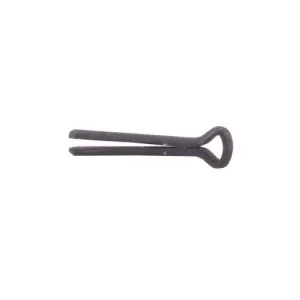
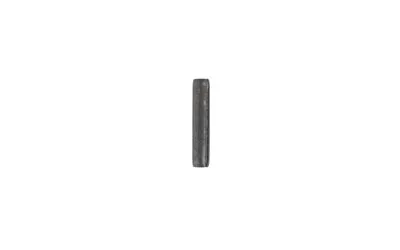
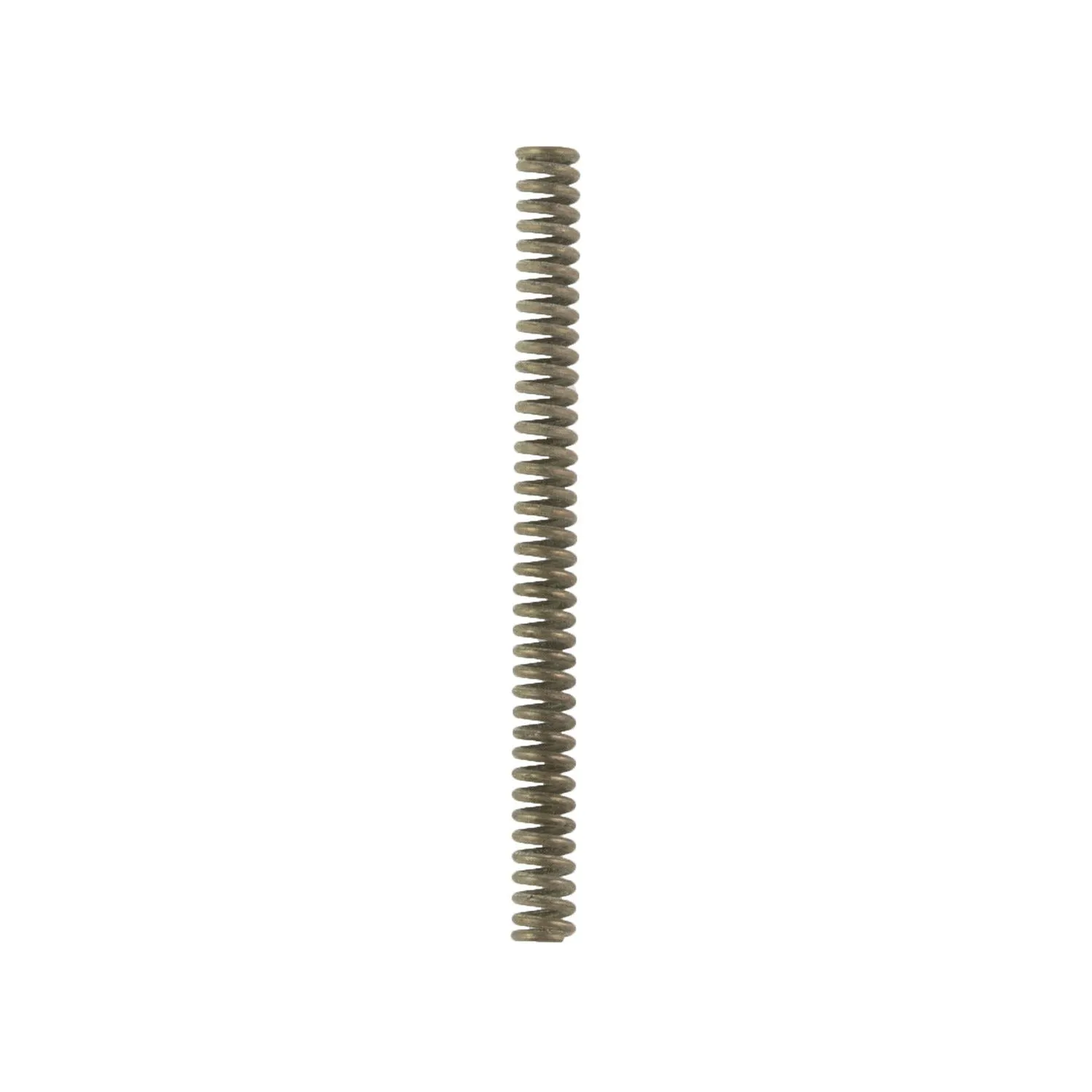
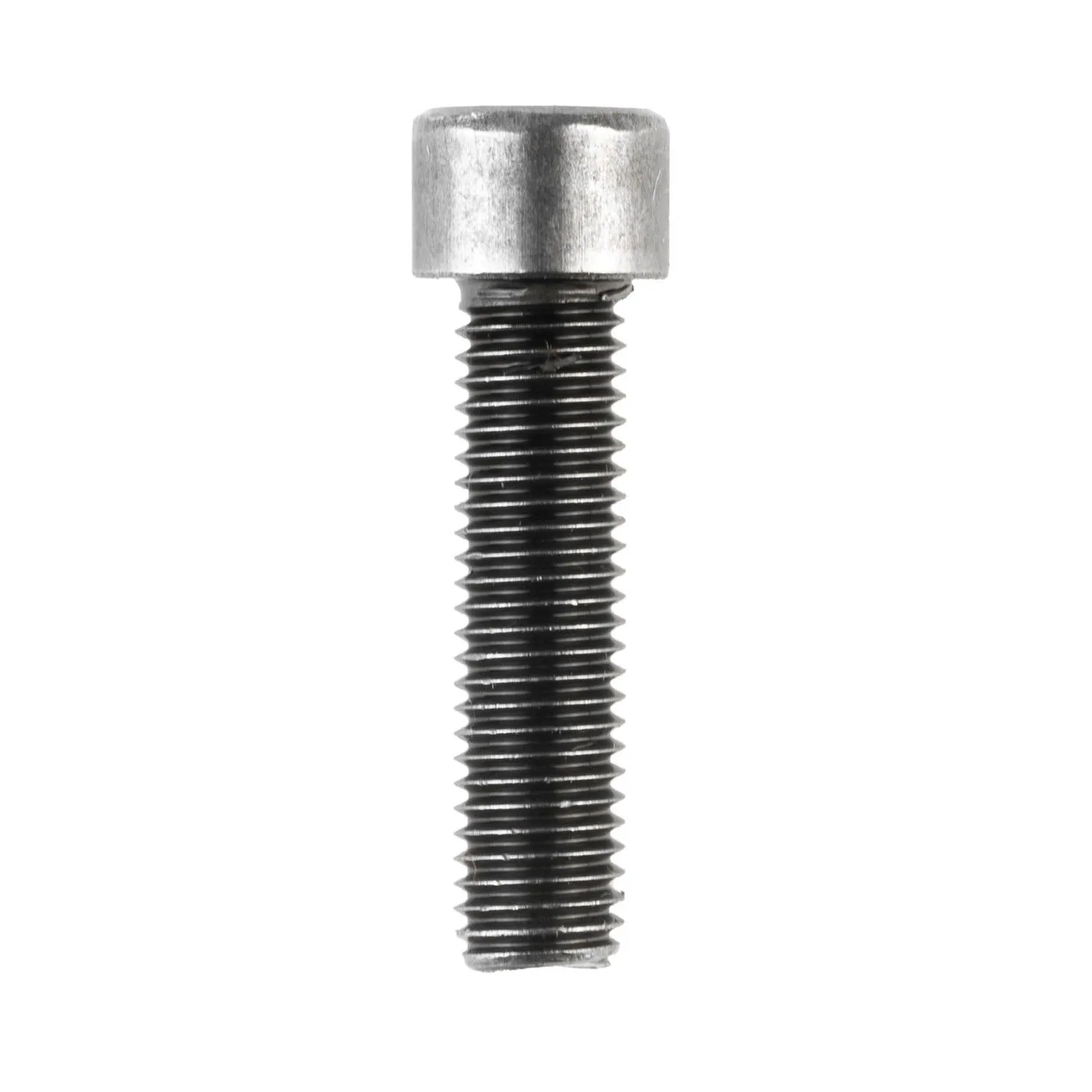
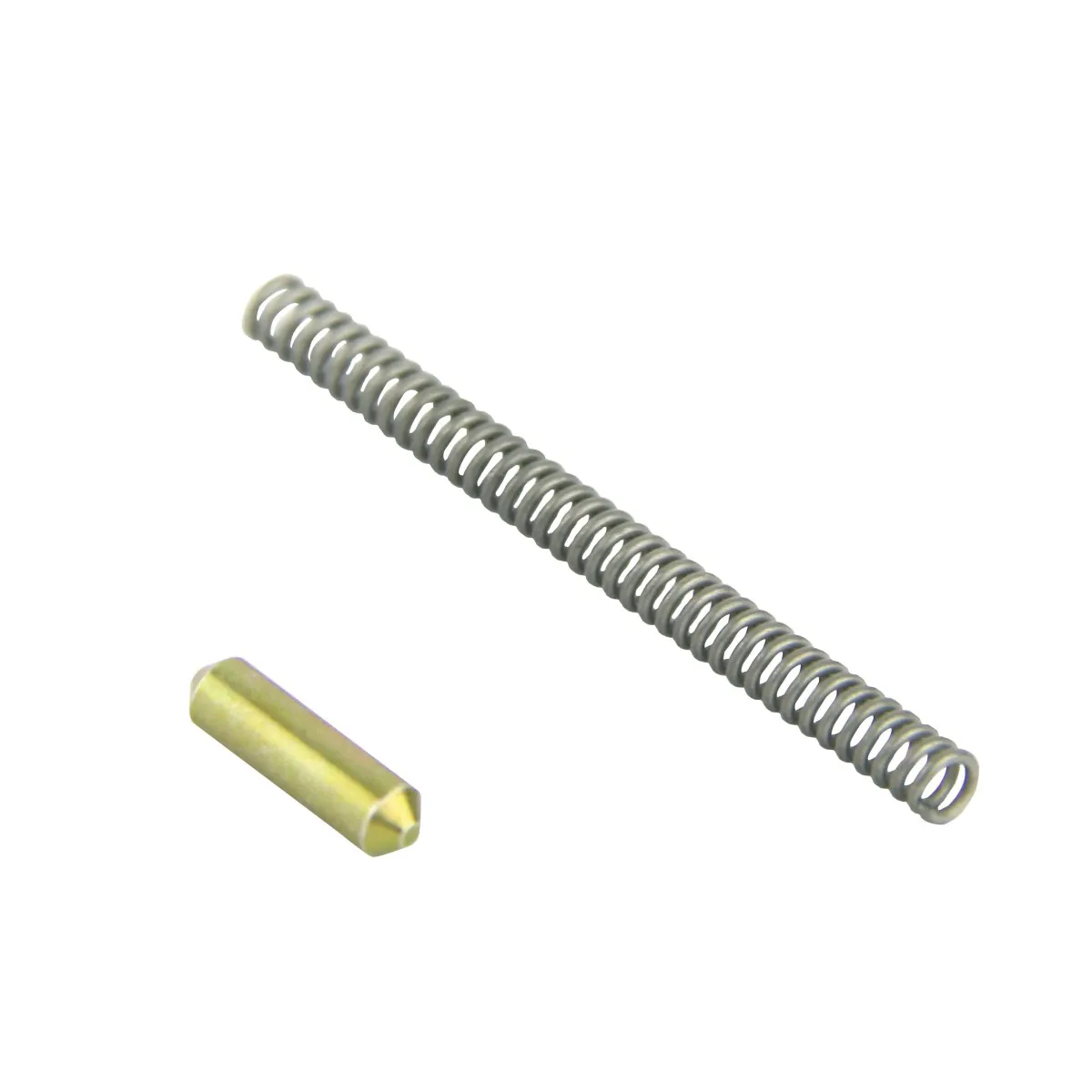
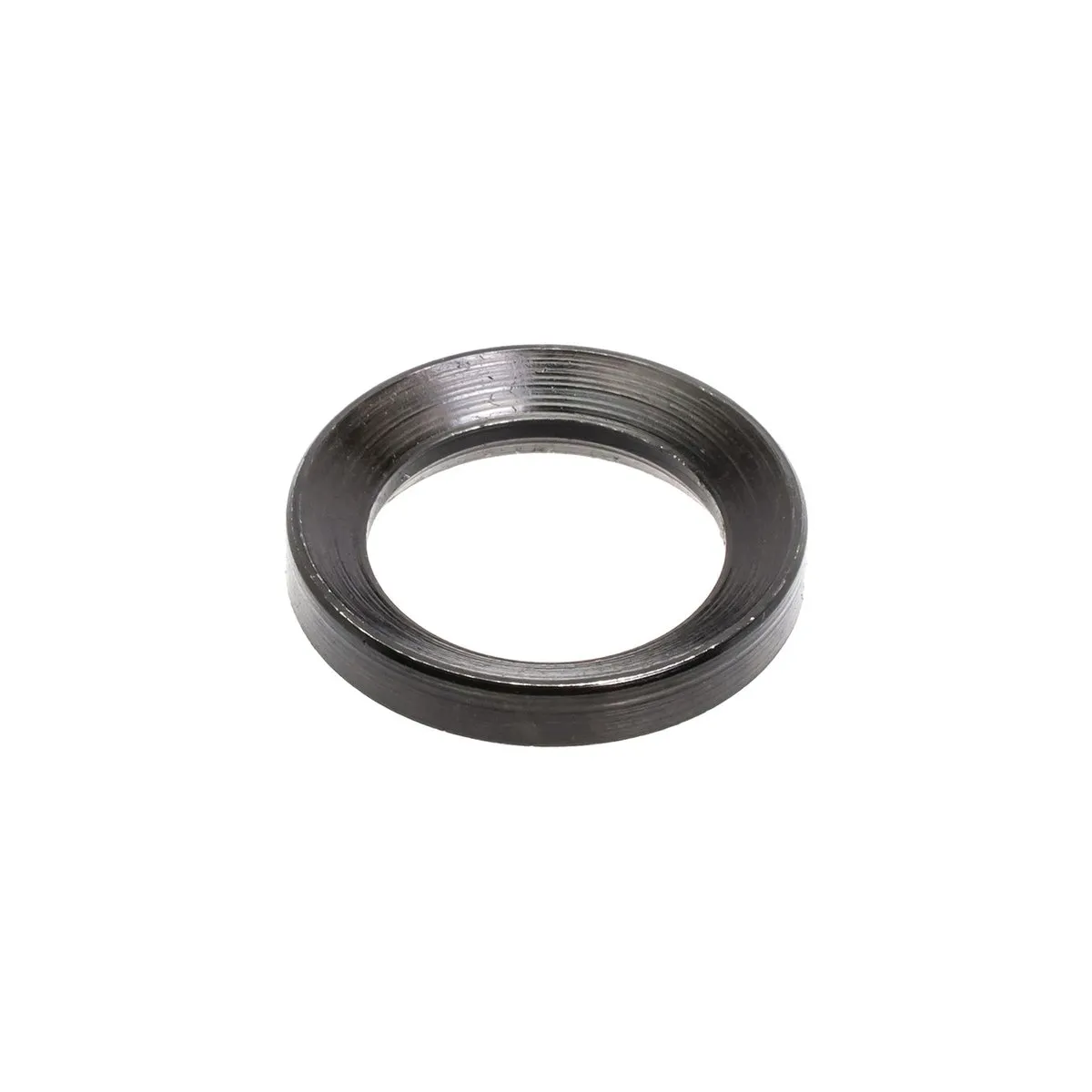
Read that grid honestly: a crush washer and a magazine catch button sit alongside the genuine wear items, because the category is sorted by price and does not distinguish. The gas ring set and the firing pin retainer in there are the real article.
The whole bolt-side set, at the cheapest current listing for each part: gas rings $1.69, extractor spring $1.79, cam pin $4.09, firing pin $6.09, carbine buffer $7.79. About $21 for every consumable on the business end of the rifle — roughly 48 rounds of .223 at today's floor. A complete 5.56 bolt assembly, if an inspection condemns yours, starts at $50.59, or about 112 rounds.
That ratio is the entire argument for maintaining on condition rather than deferring. There is no version of this where the part is the expensive decision.
Which parts get replaced, and what each one costs
The AR-15 Service Kit, Priced Live
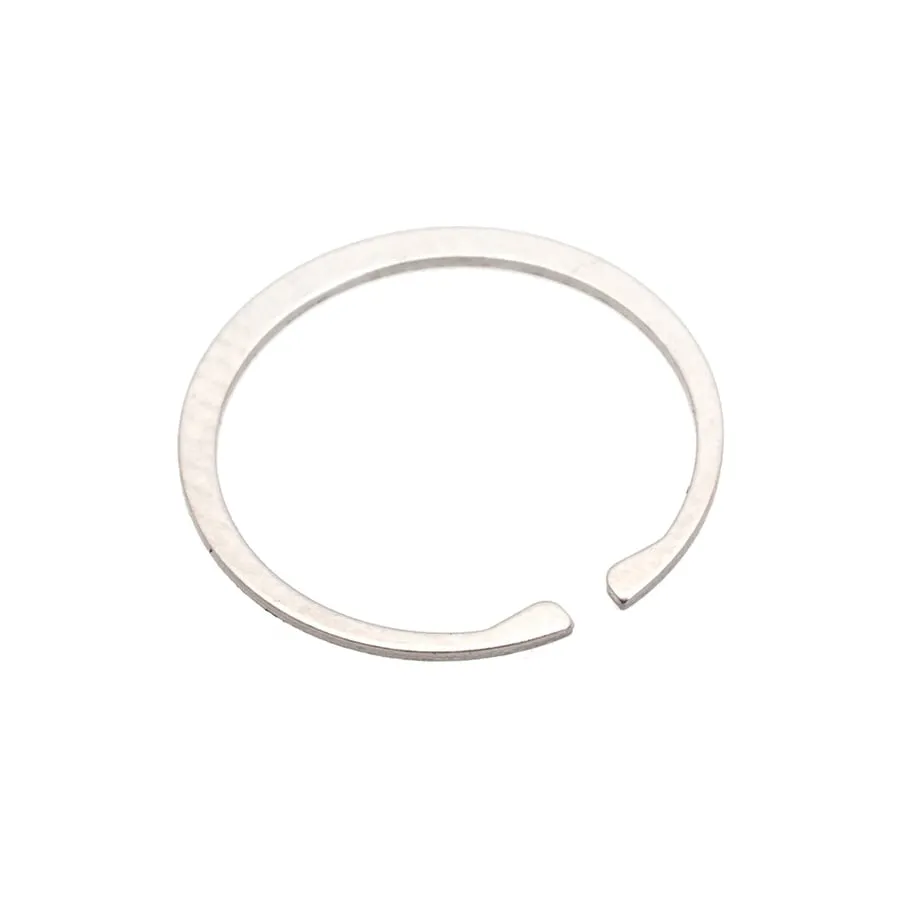
CMMG 3-Pack Split Type Gas Ring
A three-ring split set, the cheapest listing of its kind we track and carried by two retailers. Gas rings are the one bolt-side part with a genuinely common failure mode on a high-round rifle, and a set costs less than four rounds of .223 at today's floor.
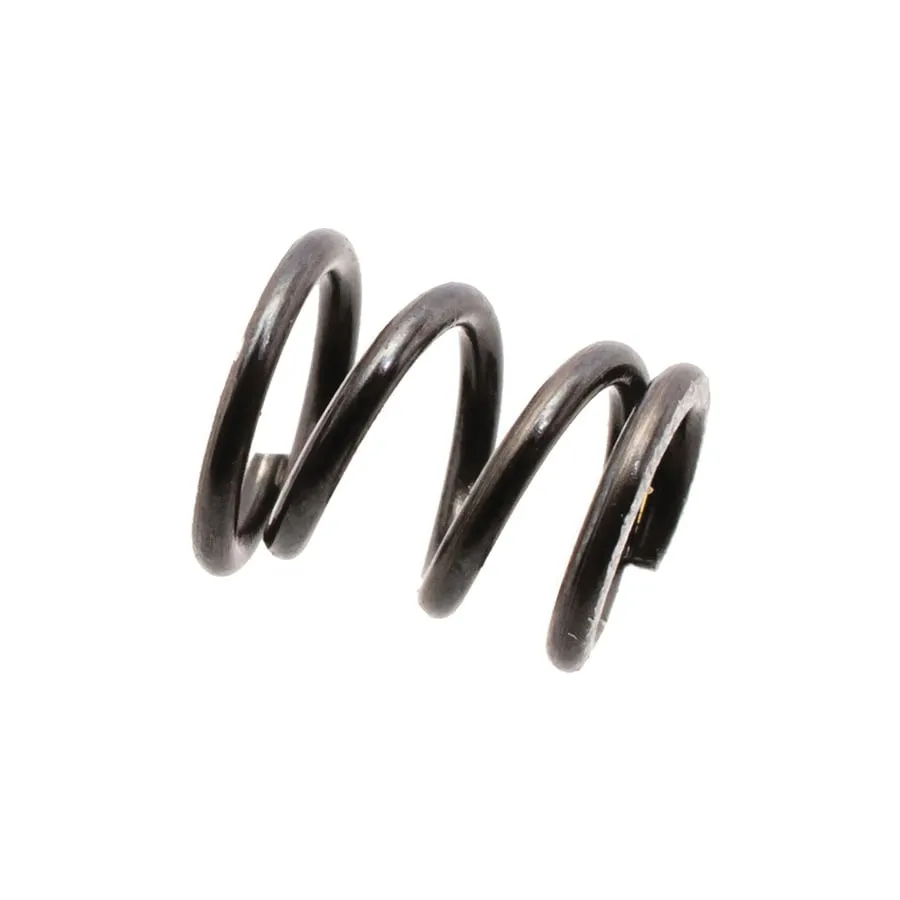
CMMG Mil-Spec Extractor Spring
Mil-spec extractor spring, the floor of a 12-listing shelf. Replaced on condition — weak extractor tension is one of the few failures you can diagnose without tools. Single-vendor at the moment, so there is no price to shop.
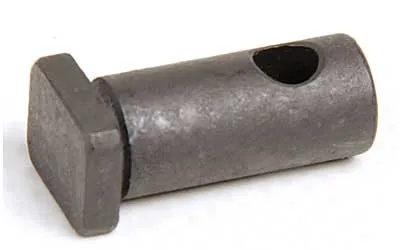
LBE Unlimited AR15/M16 BCG CAM PIN
The cheapest of 20 cam pin listings and listed at two retailers. Not a scheduled replacement — it is the part you want on the shelf because a damaged one stops the rifle entirely and costs about nine rounds of ammunition to pre-empt.
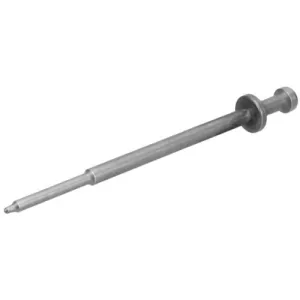
TacFire Firing Pin Hard Chrome 5.56x45mm for AR15/M16
Hard-chrome 5.56 firing pin. Inspect for a bent tip or a battered tail rather than replacing on a count. Among 51 firing-pin listings the median sits near $12, so this one is below the middle of the shelf.
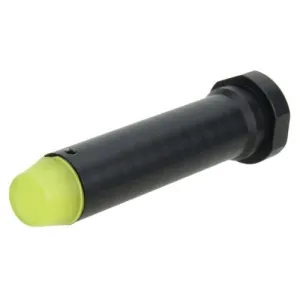
TacFire Buffer for AR-15 3 oz
A standard 3 oz carbine buffer at two retailers. The buffer face and the action spring are the wear items at the back of the rifle, and this is the cheaper half of that pair.
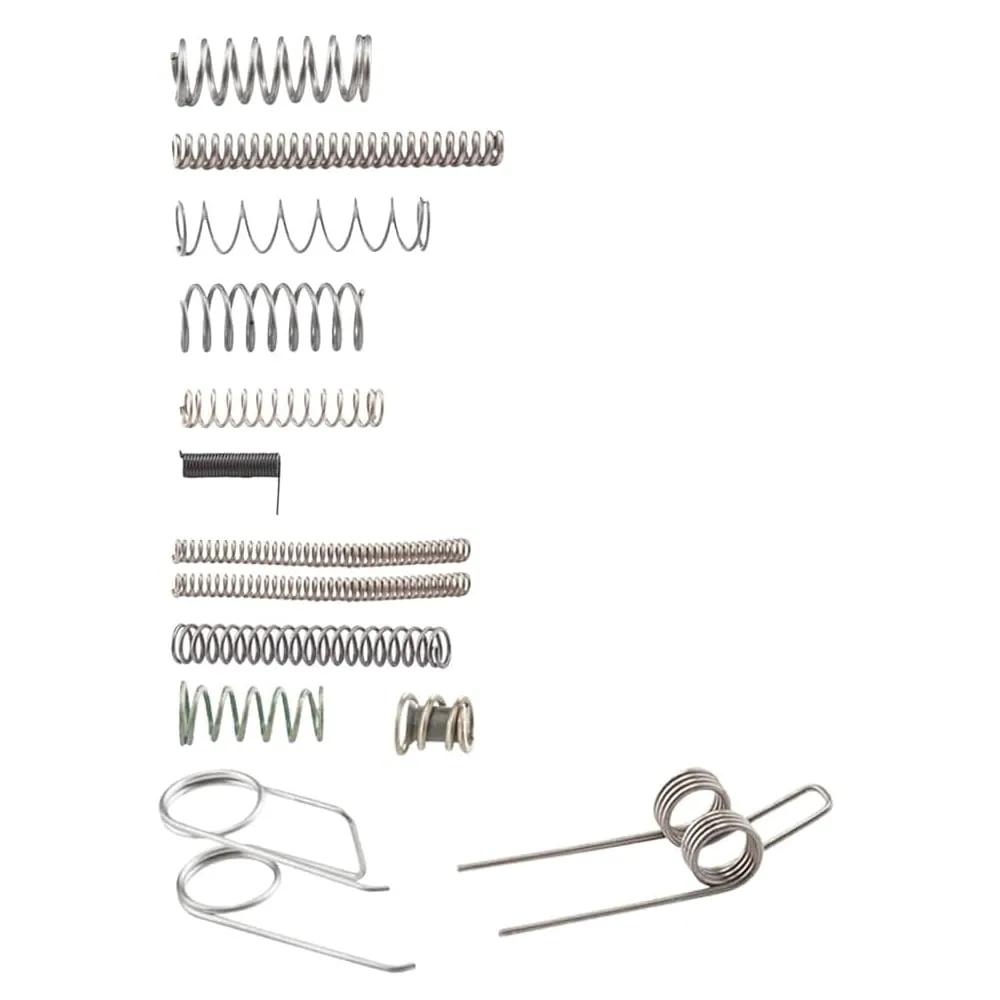
Luth-AR Spring Kit Stainless for AR-15 13-Piece
Every detent and spring in the lower receiver in one bag, at two retailers. These are the parts that get lost during a trigger or safety swap rather than worn out, which is why a kit beats ordering them one at a time.
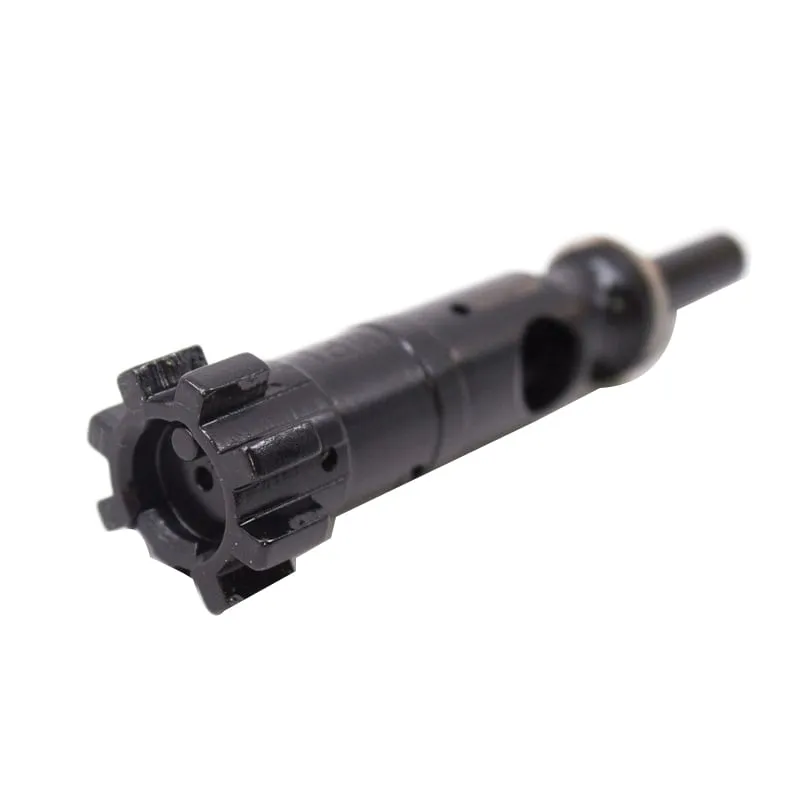
Faxon Firearms AR-15 Bolt 5.56
The cheapest complete 5.56 bolt assembly we track at more than one retailer. This is the step up from replacing individual parts, and at this price it is worth roughly 112 rounds of .223 at today's market floor.
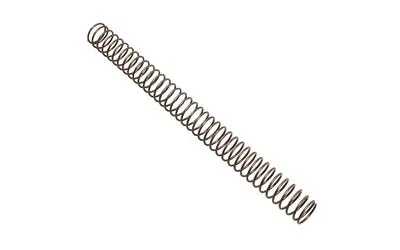
Shelf depth varies a lot by part, and thin shelves are worth knowing about before you need something: we track 17 gas ring listings, 12 extractor springs, 20 cam pins and 51 firing pins. The springs and rings are stocked by a handful of houses — CMMG, Luth-AR, LBE, Brownells, PSA — and when one is out, the alternatives are few.
CMMG Small Parts, Cheapest First
Prices updated Oct 21, 2026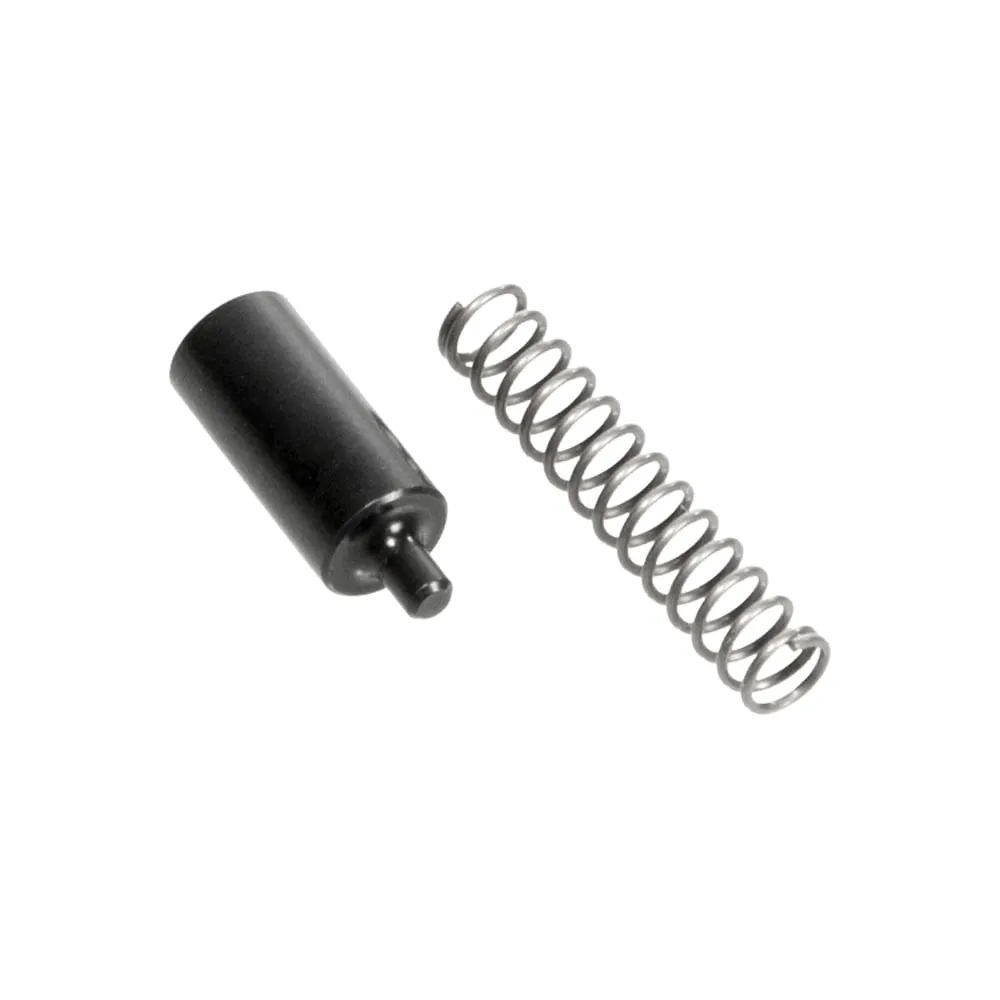
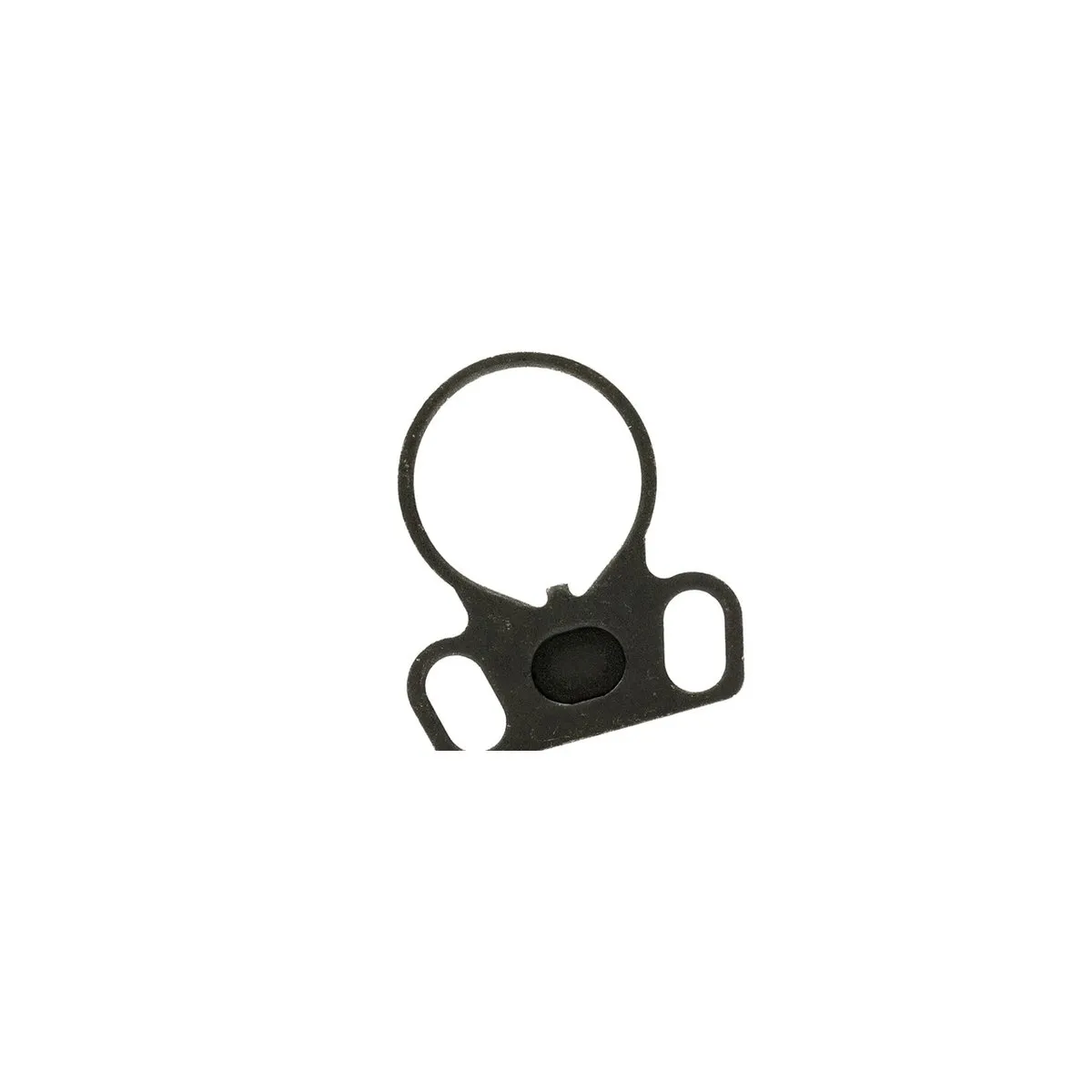
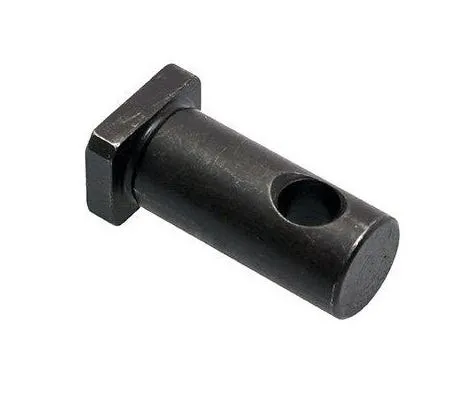
What the inspection actually covers is mechanical, not mysterious. The bolt tail and the inside of the carrier collect the heaviest carbon on a direct-impingement rifle. The gas rings have a well-known field check — stand the bolt on its tail inside the carrier and see whether it holds its own weight. Extractor tension you can feel. A firing pin you look at. Our AR-15 cleaning walkthrough covers the field strip and the solvent side of this in detail; this piece is about what you replace and what the interval costs.
Should you buy a spares kit or individual parts?
Spring and Small-Parts Kits, Cheapest First
Prices updated Oct 21, 2026
Lead and Steel Mil-Spec Lower Spring Kit 9-Piece
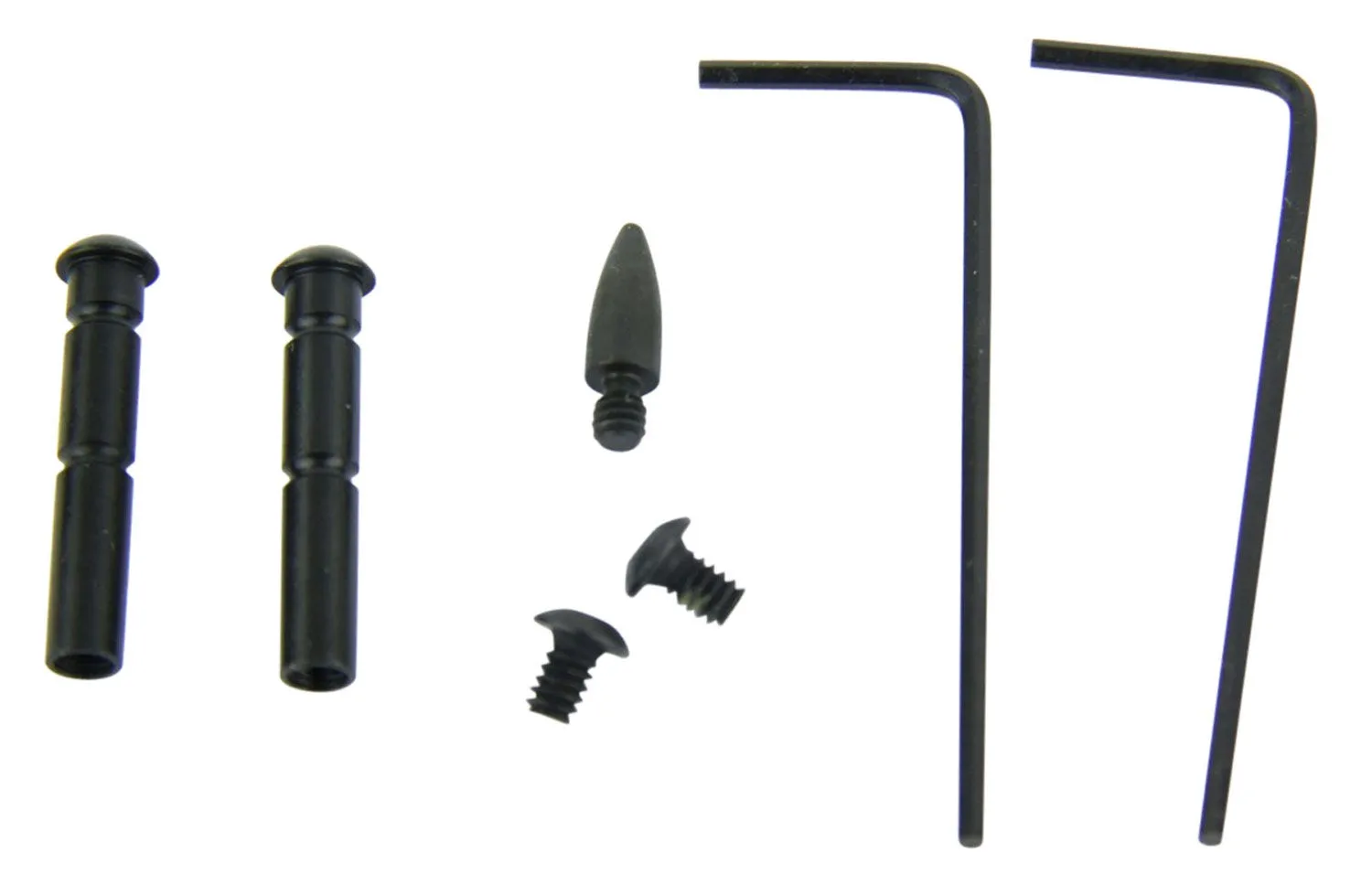
TacFire AR-15 Anti-Walk Pin Set
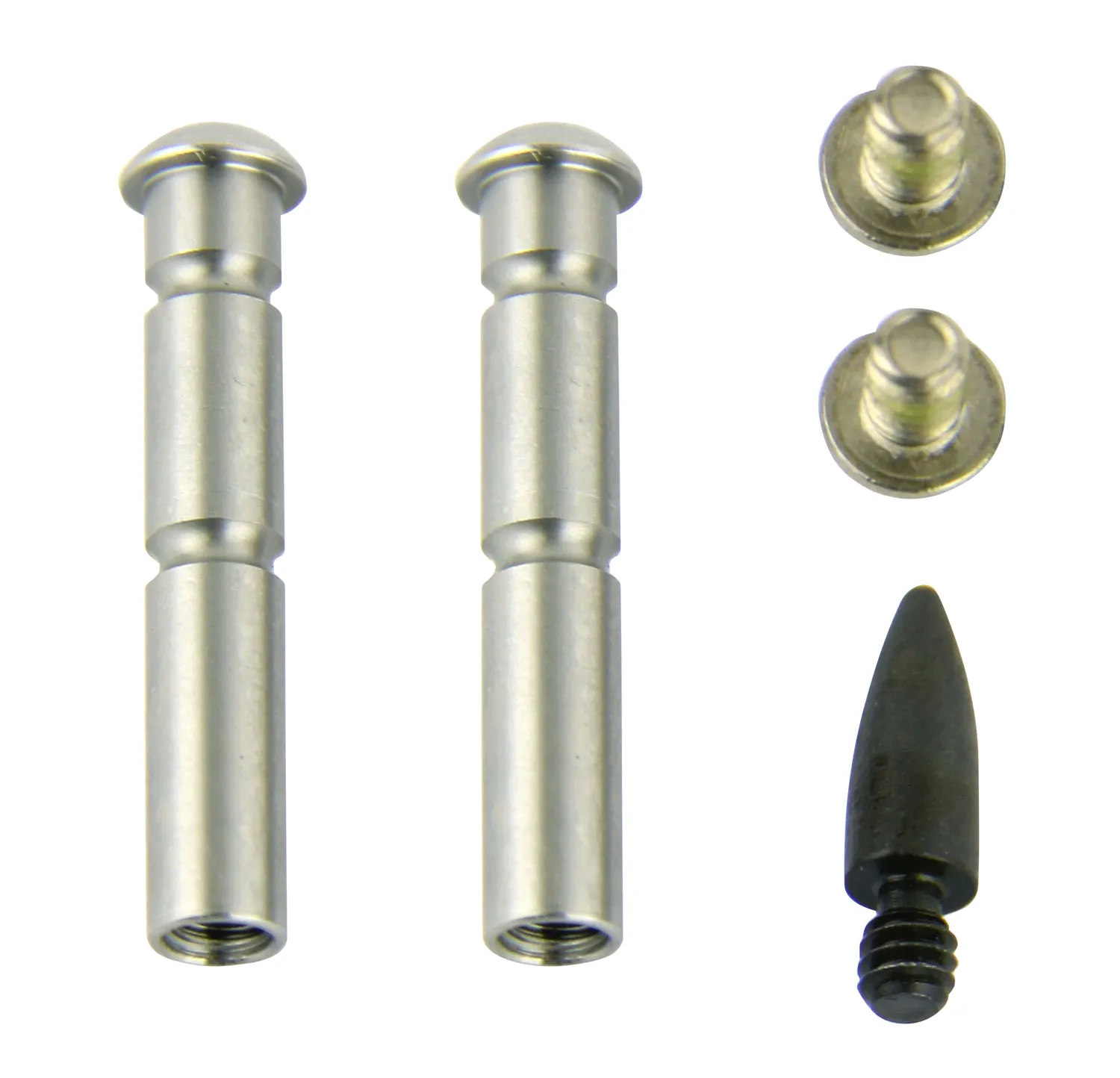
TacFire Anti-Walk Pin Set Silver Stainless Steel for AR-15
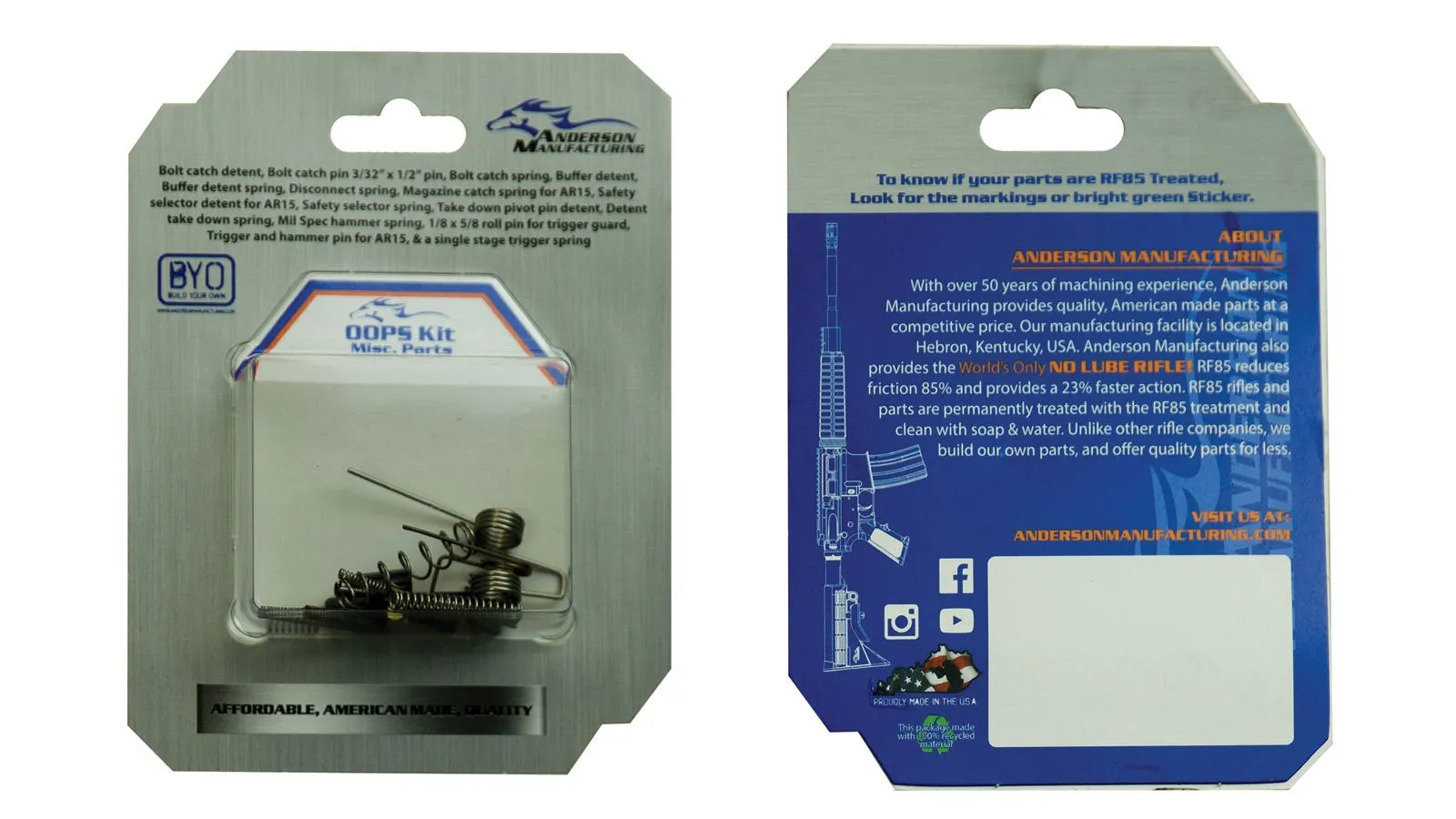
Anderson Manufacturing Oops! Kit
Luth-AR Spring Kit Stainless for AR-15 13-Piece

Ruger Small Parts Kit for AR-15
Two things to notice. First, only 12 of the 229 listings in Parts Kits are under $15 — the category median is $65.00, because most of what sits in it is a complete lower parts kit, not a bag of spares. Second, price-sorted, two of the top rows are anti-walk pin sets, which are a trigger-retention accessory and not a spares kit at all. Read titles before you buy from a sorted grid.
The genuinely useful spares bags are the 9-piece and 13-piece lower spring kits at $3.99 and $8.45, and the small-parts kits around $8–$10. These are not wear items in the gas-system sense — they are the detents and springs that launch across your garage during a trigger swap. If you intend to change a trigger or a safety, buy one before you start, not after.
When does the bolt or carrier itself need replacing?
Honestly: we do not know, and we will not pretend to. We run no endurance testing — our ranking methodology sets out exactly what we will and will not claim — and no listing in the index states a service life.
What we can do is price the outcome. Complete bolt carrier groups: 288 live listings, floor $72.09, median $299.99, topping out near $1,800. Complete bolt assemblies alone start at $50.59. Against a $0.450 floor, the median BCG is worth about 667 rounds of ammunition — real money, but still less than a seventh of what 5,000 rounds costs you.
The practical trigger for that purchase is a measurement, not a count. Those 122 headspace and go/no-go gauge listings exist for the barrel-extension side of the question; a cracked bolt lug or a failed gauge check is a replacement, and a number on a spreadsheet is not. If you are replacing a bolt because you are also changing chamberings, the complete upper shelf is usually the cheaper route than assembling around a new bolt.
Can you shop around for spare parts, or should you wait for a price drop?
This is where our data is unambiguous, and it points the opposite way from ammunition.
Across AR-titled parts listings, 36.6% are stocked by more than one retailer and only 32.1% sit above their own recorded low since our price history begins in February 2026. Compare ammunition: 68.0% of all 16,174 live ammo listings sit above their own recorded low, and 65.5% of the 597 .223 and 5.56 listings do.
There is also a sourcing quirk worth planning around. The Gun Parts category holds 2,619 live listings and 0.0% of them are stocked by more than one retailer — the $0.99 detents and springs at the bottom of that shelf are single-source. Misc Ar Parts is 51.2% multi-vendor. Where a part files determines whether you can compare a price at all.
Get alerted when .223 Remington price drops hit.
We watch every listing and email you the moment the cost per round drops.
Set Up a Free Price AlertCan you cut the wear without cutting the practice?
Round count is what drives this entire schedule, so the cheapest way to extend every interval is to put rounds somewhere other than the gas system.
.22 LR Price Index
Live · Oct 21, 2026A rimfire conversion or a dedicated .22 upper is blowback — it does not cycle your gas rings, buffer or carrier at all, and the floor above is a fraction of the .223 floor. What it does not train is the actual recoil and cycle of your rifle, so it supplements live 5.56 practice rather than replacing it. If you are choosing which 5.56 loads to run for the rounds that do count, our 5.56 and .223 guide ranks them on live cost per round, and the full .223 and 5.56 deal index is the place to watch the floor move.
Two adjacent costs that also scale with round count rather than time: magazines, which we have counted and priced, and the ammunition market itself — why ammo prices move explains the forces behind the floor you are planning against.
What this schedule deliberately does not claim
- No round-count lifespans. We do not test parts to failure, and we treat published counts with suspicion precisely because our catalog shows the industry does not state them.
- No ballistics or endurance results of our own. Where general practice is described — the gas-ring bolt-tail check, inspecting a firing pin — it is long-standing armourer convention, not an AmmoSpotter test result.
- Prices are live and item-only. Every figure here was true when this page rendered; the blocks above update, the sentences do not. No retailer in our feeds publishes shipping, so a $1.69 spring may well cost more to post than to buy — which is the real argument for ordering spares alongside a case of ammunition.
- Legal caution. Short-barrelled and suppressed configurations change both the maintenance picture and your paperwork. Rules differ by jurisdiction and change; verify your own situation locally before you buy a part that changes a configuration.
AmmoSpotter earns a commission when you buy through links on this page. It never changes what you pay, and it never decides what we recommend — our picks are ranked on live cost-per-round data pulled from every retailer we track. Full disclosure.
Frequently Asked Questions
How often should you clean an AR-15?+
When do AR-15 gas rings need replacing?+
What spare parts should you keep for an AR-15?+
How long does an AR-15 bolt last?+
Is it cheaper to shop around for AR parts or wait for a price drop?+
Does shooting a .22 LR conversion reduce AR-15 wear?+

About the author
AmmoSpotter Research Desk
Price & Ballistics Research
The AmmoSpotter Research Desk analyzes live retail pricing across every ammunition, firearm and accessory listing we track. Recommendations here are ranked against real cost-per-round data pulled daily from the retailers we monitor - not against manufacturer marketing copy.
- ✓Tracks 180,000+ live product listings across 6 retailer feeds
- ✓Records price history on every listing, every day
- ✓Cost-per-round methodology applied to all ammunition rankings
- ✓No product is ranked without a verifiable in-stock retail price
- ✓Affiliate relationships never influence rankings
Related Guides
How to Clean an AR-15: A Round-Count Schedule and What It Costs
- We track 2,368 live cleaning and lubricant listings . The median is $11.39 and 1,055 of them cost under $10. This is the cheapest shelf in the catalog. - Only 76 of those 2,368 name the AR-15 platform , starting at ...

How Much Does It Cost to Own an AR-15 for a Year? Priced on Live Data
- The rifle is a one-time cost. Ammunition is the recurring one, and at realistic round counts it dwarfs everything else. - We track 380 live .223 Remington ammunition listings. The spread between the market floor and...

How Many Rounds Does It Take to Get Good?
Almost every shooter is round-count constrained and almost none of them have written the number down. Ammunition is the actual budget line that determines how much you improve, and it is the one people plan least. So ...
Best AR-15 Uppers 2026: What the Live Listings Actually Show
- 528 complete AR-15 uppers are live right now, from $119.99 to $6,599.99, median $499.99. - 505 of those 528 carry one of two brand names. The complete-upper aisle is effectively one company deep. - Not one of the 52...
Best Gun Cleaning Kits 2026: What 464 Live Listings Say About Piece Counts
- 464 live cleaning-kit listings , floor $1.99, median $29.49 , and 236 of them under $30. This is not a category where spending more buys much. - 403 of the 464 never state a piece count. Where it is stated, 12–14-pi...

How Much Practice Ammo Does a New Shooter Need? Budget It in Dollars, Not Boxes
- Decide on rounds per month, not boxes per year. Then price that number against the live market — the blocks on this page do it for you. - Ammunition labelled "practice" or "training" is not the cheapest practice amm...