How to Clean an AR-15
Across 2,368 live cleaning and lubricant listings, the consumables for one cleaning session cost less than a single round of .223 — which is why your ammunition choice, not your calendar, should set the schedule.
What Does an AR-15 Cleaning Kit Actually Cost?
Less than you will spend at the range on the day you decide to buy one.
Across the eight categories that make up the gun-care shelf — kits, bore cleaners, lubricants, brushes and rods, mats, patches and the rest — we have 2,368 live listings. The floor is $0.99, the median is $11.39, and 1,825 of them are under $25. The packaged-kit category on its own runs 464 listings with a median of $29.49, and 236 of those sit under $30.
The Cheap End of the Cleaning-Kit Shelf
Prices updated Oct 14, 2026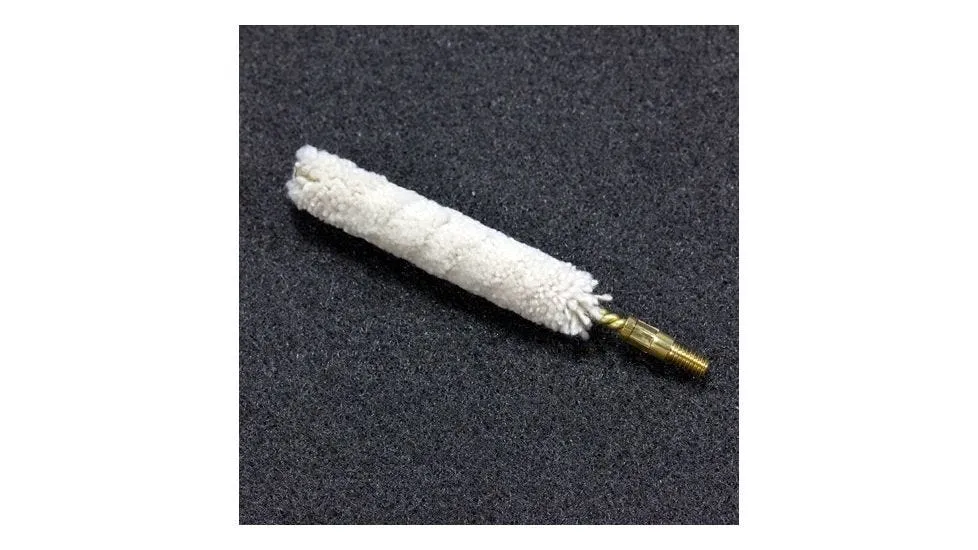
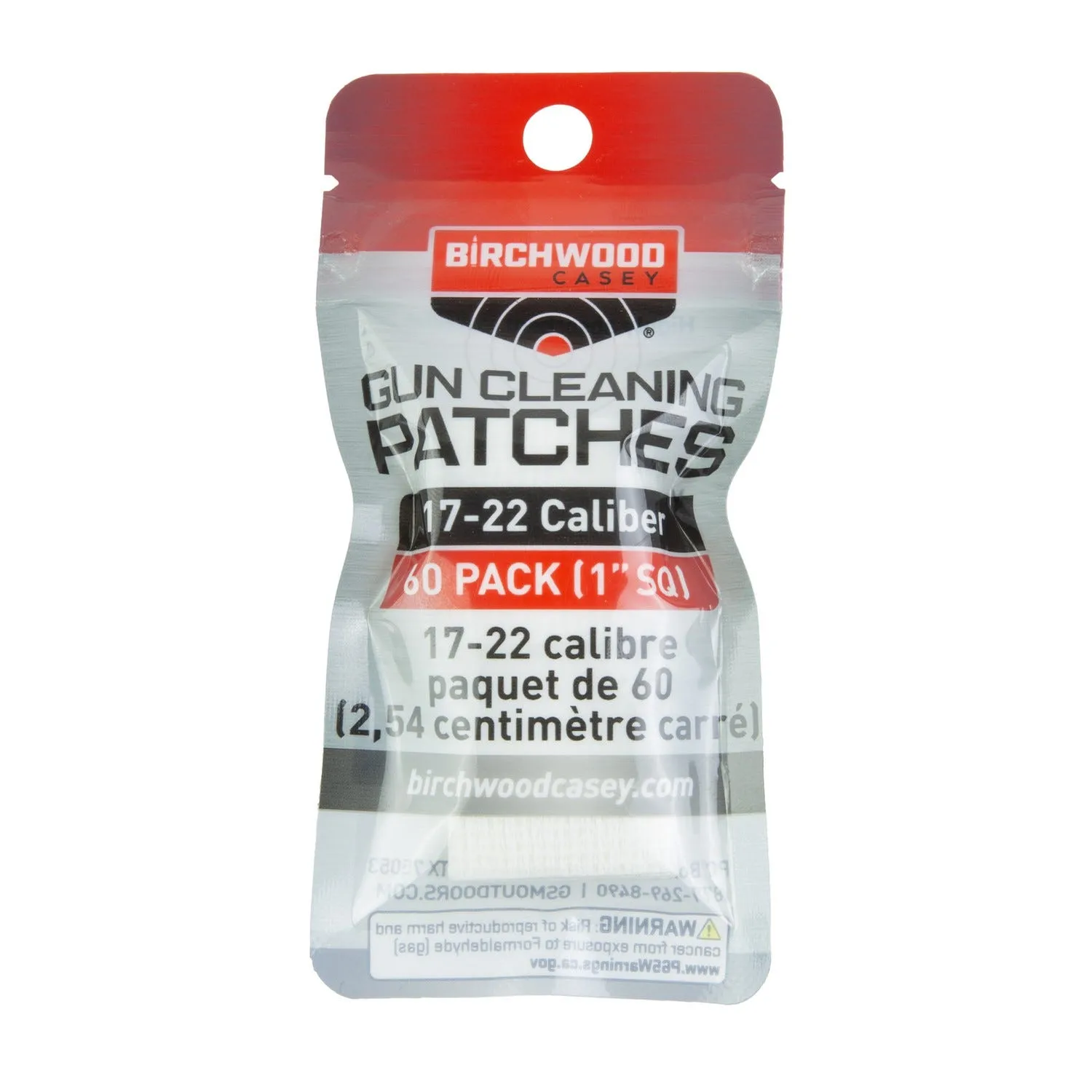
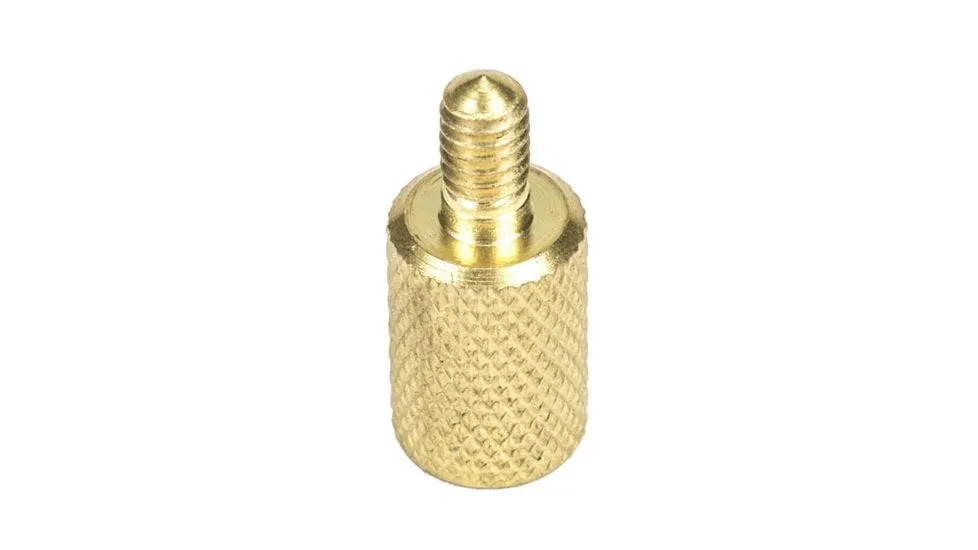
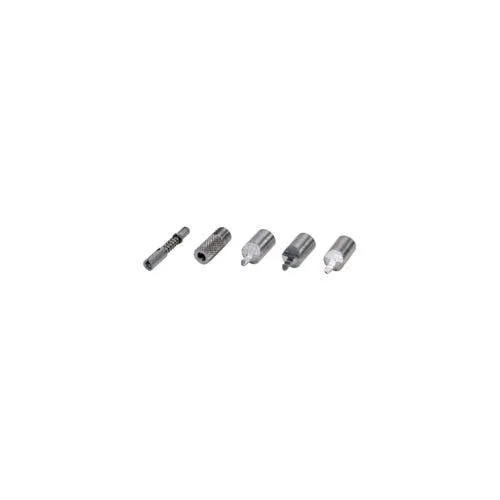
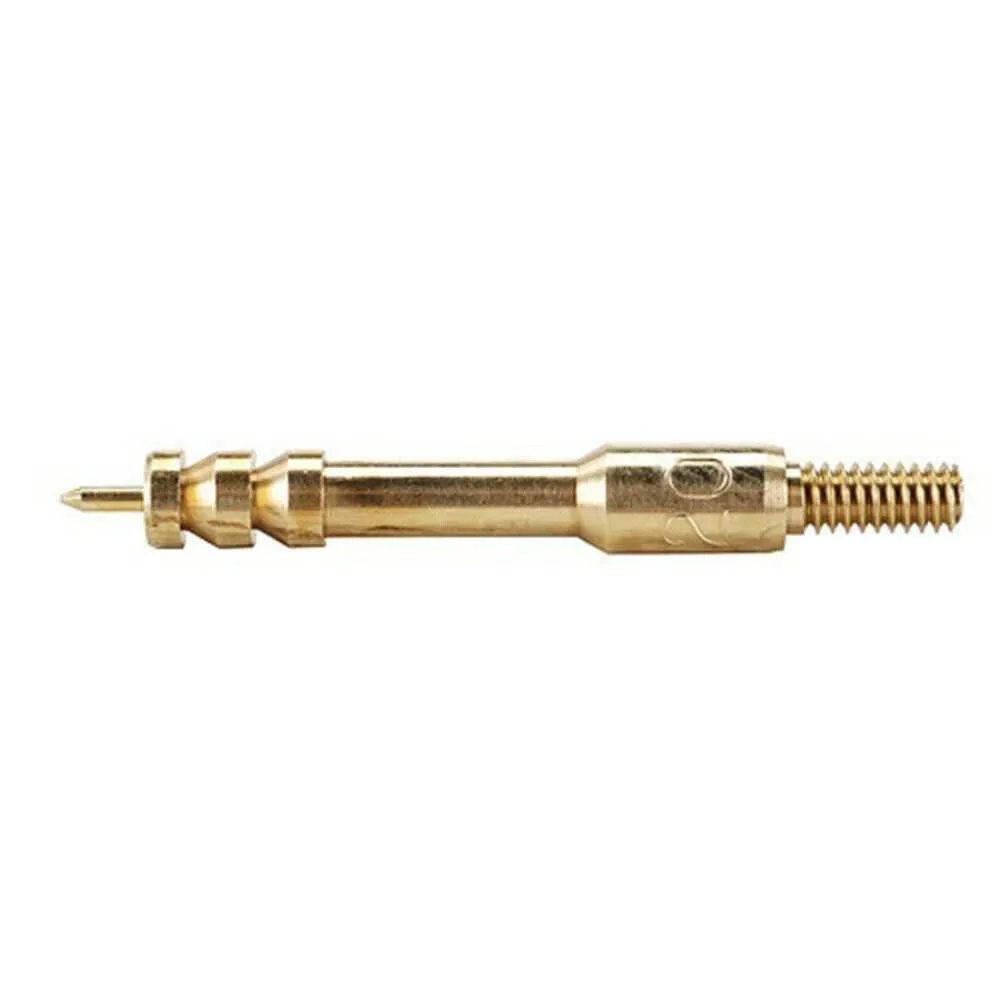
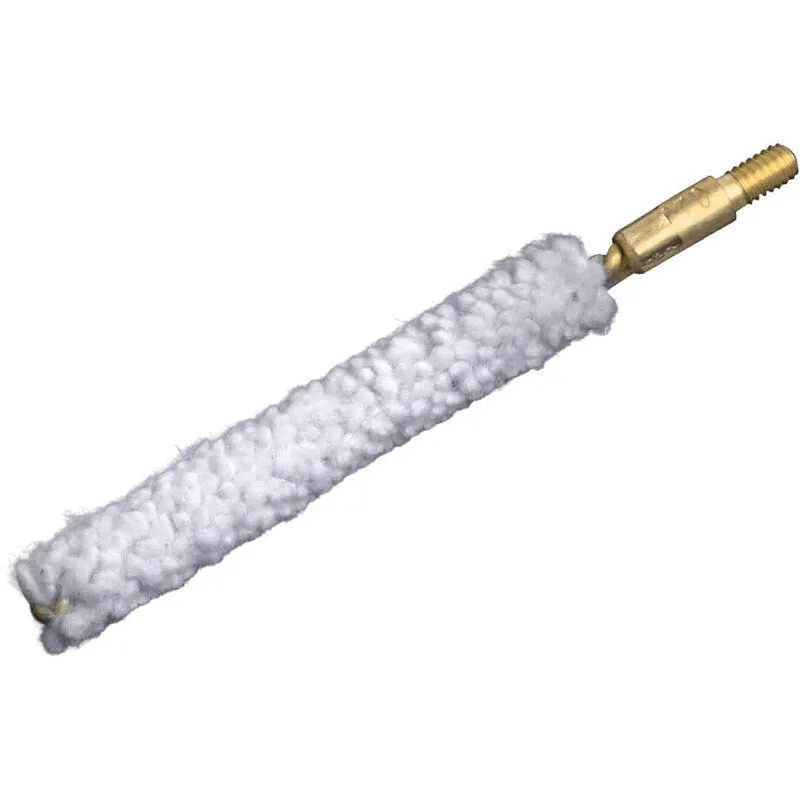
Read that grid carefully, because it is an honest picture of a messy shelf rather than a shortlist. Price-sorted, the cheapest "cleaning kit" listings are mostly single components — bore mops, a brass jag, a shotgun rod adapter, a bag of airgun patches. They are real products at real prices, and none of them is a kit. The genuine complete kits start higher up, which is why the category median matters more than its floor.
AR-15 Ammunition (.223 Rem & 5.56 NATO) Price Index
Live · Oct 14, 2026Put the two numbers side by side. The median packaged cleaning kit, at $29.49, costs about what 65 rounds of .223 cost at the floor above. You will shoot that in the first ten minutes of a range session. The rifle's cleaning equipment is a one-time purchase in the same price band as a single box of defensive ammunition — see how much it costs to own an AR-15 for a year for where it lands against the rest of the budget.
Set the Cadence by Round Count, Not the Calendar
We do not test rifles and will not hand you a round-count interval as if we had measured one. Your manual states one; follow it, and adjust for how you use the gun.
What the price data settles is the argument people actually have, which is whether cleaning is worth the trouble. The marginal cost of one session is a patch and a few drops of oil. The cheapest patch bag we track is 60 patches sized for .22 through .270 bores at $0.99 — about a cent and a half each. Purpose-made gun oil starts at $2.69 a bottle, and the Lubricants category's 270 listings have a median of $11.09.
What Gun Oil, CLP and Solvent Cost Right Now
Prices updated Oct 14, 2026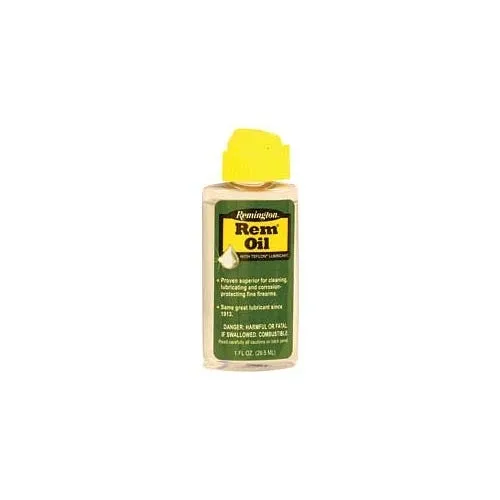
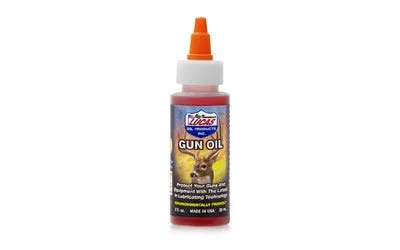
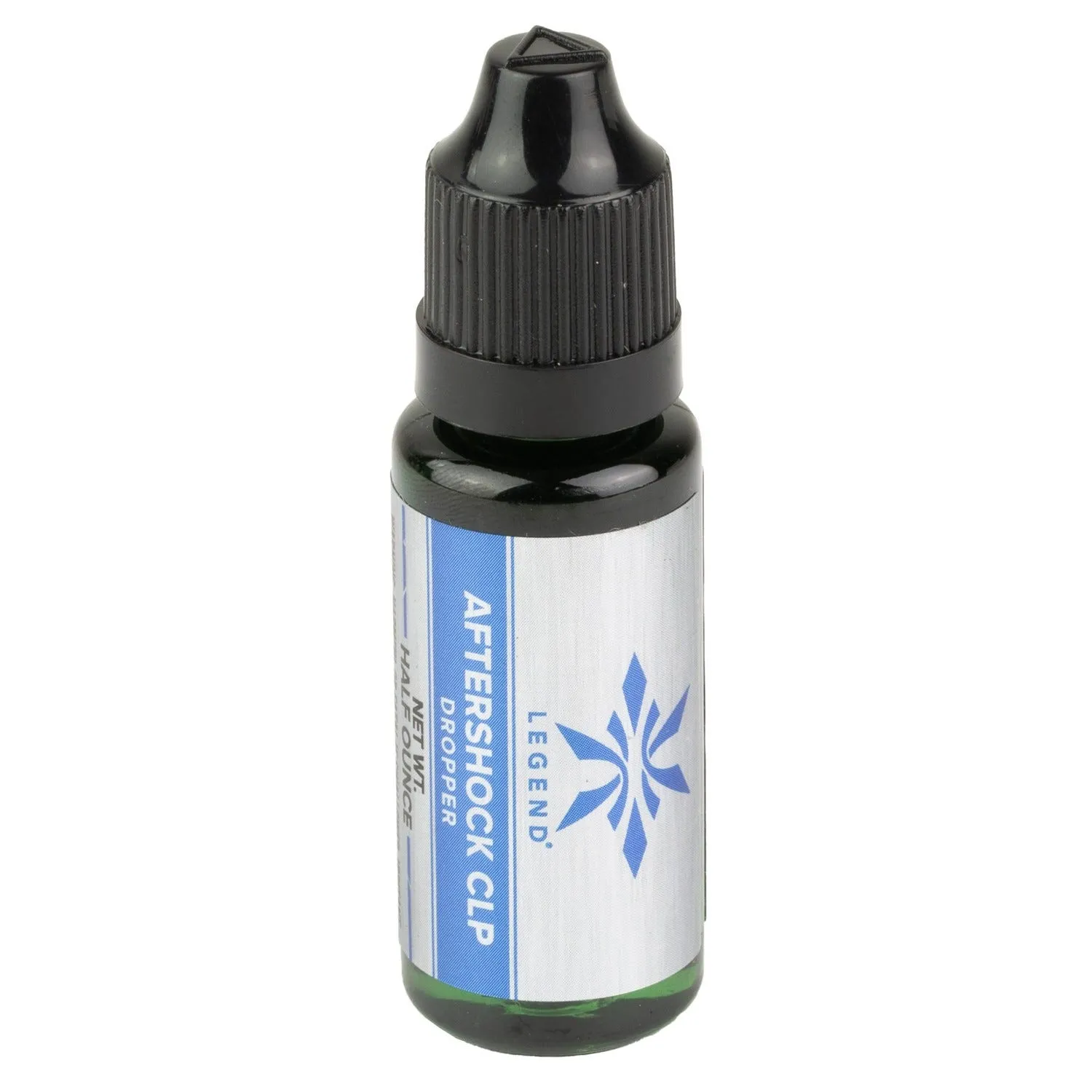
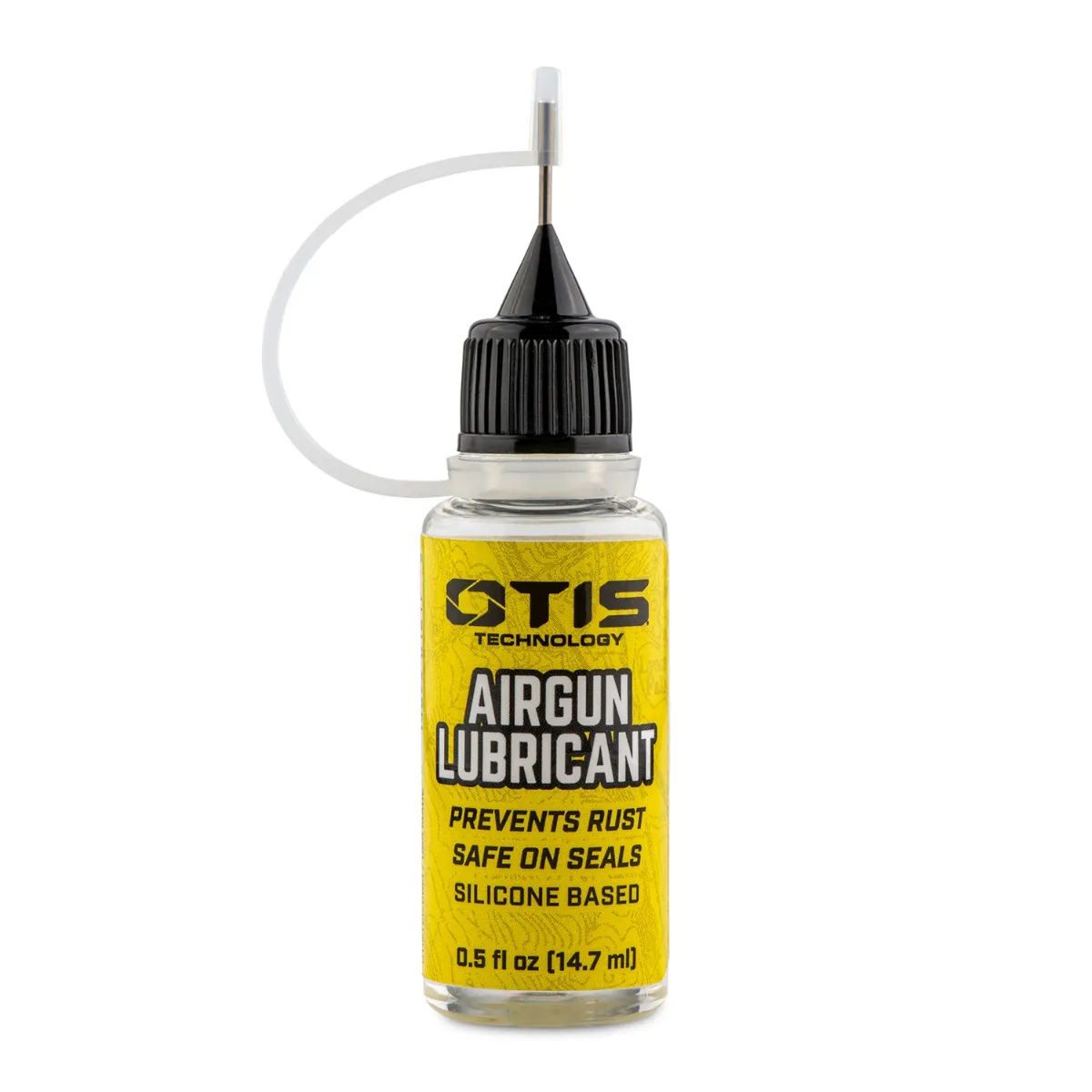
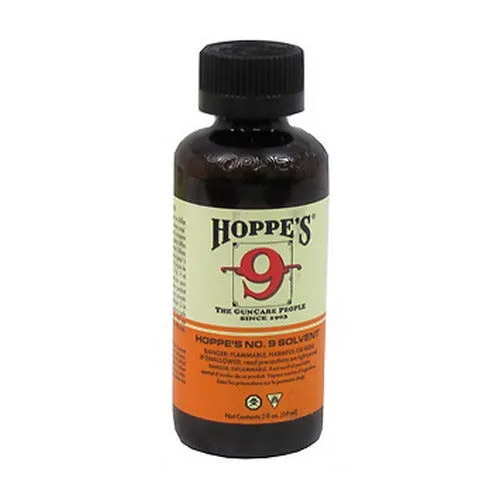
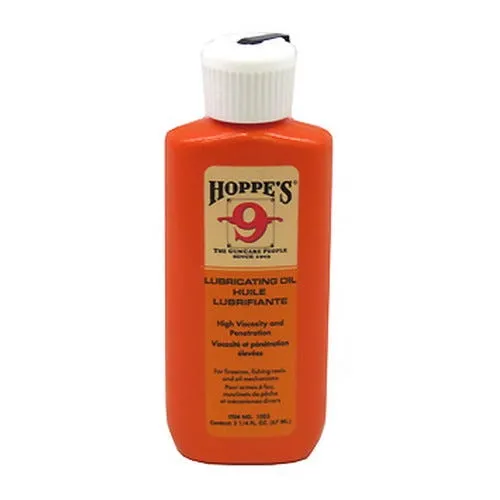
So a cleaning session's consumables cost less than one round of .223. If you are rationing anything, ration the ammunition — and how many rounds it takes to get good is the number that should be driving your decisions, not the interval between cleanings.
The Field Strip: What Comes Apart, and What Stays Together
Clear the rifle first. Magazine out, bolt back, look into the chamber and the magazine well, then let the bolt forward on an empty chamber. Do it again. Then separate the halves.
- Push the rear takedown pin and hinge the upper off the lower on the front pivot pin. You do not need to separate the two receivers completely for routine cleaning, and you do not need to remove the pivot pin at all.
- Pull the charging handle and bolt carrier group rearward and out together. The charging handle drops free once the carrier clears the receiver.
- Strip the carrier group: firing-pin retaining pin out, firing pin out the back, rotate the bolt forward, lift the cam pin, withdraw the bolt. That is as far as you need to go. Leave the gas key and the extractor alone unless you have a reason and the right tools.
- Leave the lower mostly assembled. Wipe the trigger group and the inside of the receiver, and put a drop of oil on the hammer and trigger pins. Pulling a trigger group apart to clean it is how detents end up in the carpet.
- Leave the gas system alone. On a direct-impingement AR the gas tube and gas block are self-scouring and are not routine maintenance items.
Reassemble in reverse, then function-check before the rifle goes away: safety on, trigger does not release; safety off, hammer falls; hold the trigger, cycle the carrier, release the trigger and listen for the reset.
Which Parts Actually Need the Attention?
Four places, and they are not the ones most kits are built around.
The chamber and the locking-lug recesses in the barrel extension are first. A straight bore brush cannot reach into those recesses; a stepped chamber brush can, and it is the one tool shape on this shelf that only makes sense on an AR. Of our 2,368 cleaning listings, 89 name a chamber.
The bolt tail and the inside of the carrier are second. This is where the carbon you can see actually lives on a direct-impingement rifle. Only three listings in the whole cleaning shelf name the bolt carrier — it is the most neglected product niche in the category, which tells you something about how most people clean these rifles.
The bore is third, and it is the easiest and the most over-serviced. Push patches one direction, from chamber to muzzle, and stop when they come out clean.
The magazines are last and barely count — they need emptying and a wipe, not solvent. If you are cycling through a stack of them, how many magazines you actually need is the more useful question.
The AR-Specific Tools, Priced
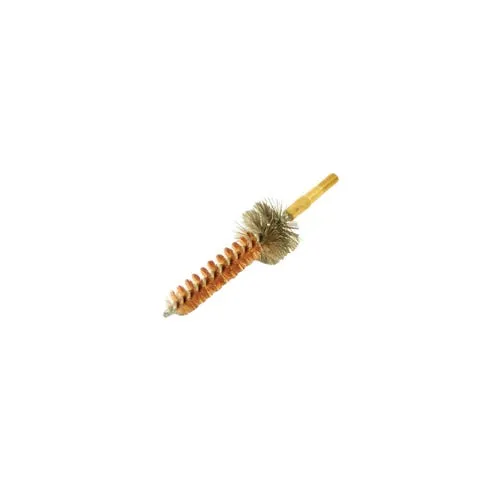
NCStar Ar15 Chamber Brush
The one tool shape that is genuinely AR-specific: a stepped brush that reaches the locking-lug recesses in the barrel extension, where a straight bore brush cannot. This is the cheapest listing of its kind we track and it is carried by more than one retailer.
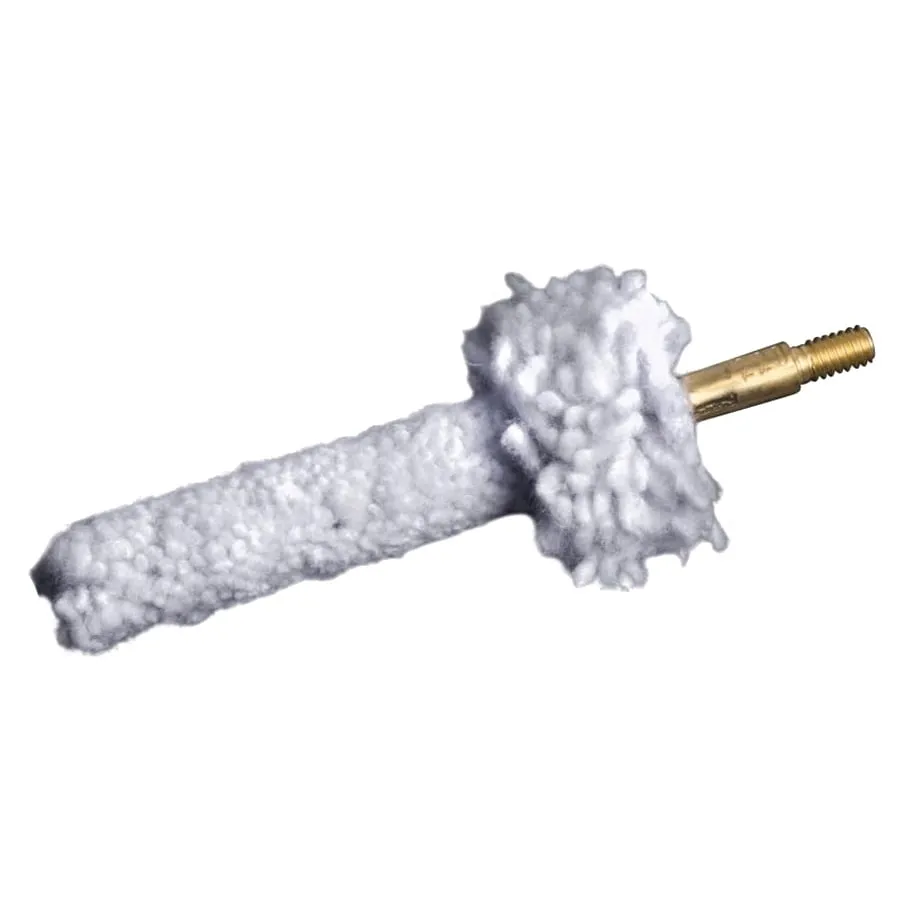
Breakthrough Clean Chamber Mop White .223 Rem / 5.56 for AR-15
The follow-up to the brush — a cotton mop cut for the same chamber profile, used to pull loosened carbon back out instead of pushing it into the recesses. Multi-vendor, so worth a price comparison before you buy.
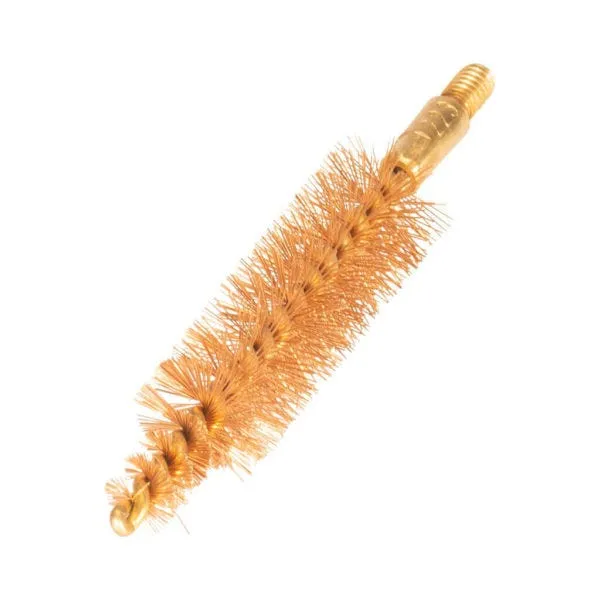
Breakthrough Clean Phosphorus Bronze Bolt Carrier Brush for AR15 / M16 / M4
Only three listings in the entire cleaning shelf name the bolt carrier, and this is the cheapest. It reaches the inside of the carrier and the gas key, which is where the heaviest carbon on a direct-impingement rifle actually lives. Single-vendor at the moment.
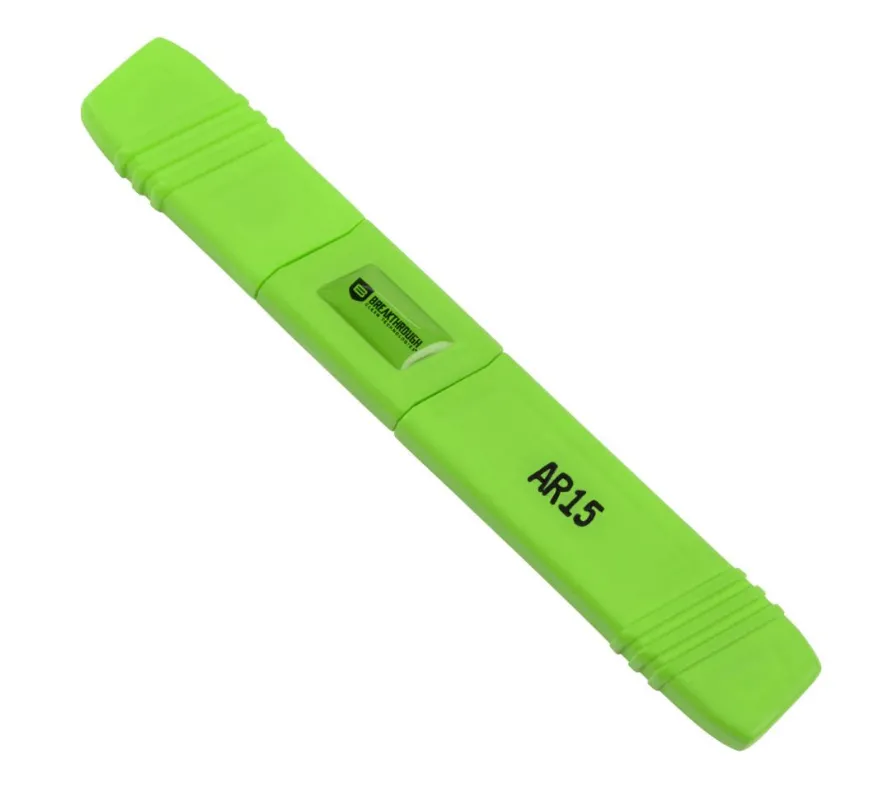
Breakthrough Clean AR-15 Carbon Scraper Green
A hard scraper sized to the bolt tail and carrier face. Optional — a brush and solvent get there eventually — but it is the difference between five minutes and twenty on a rifle that has run a lot of rounds between cleanings.
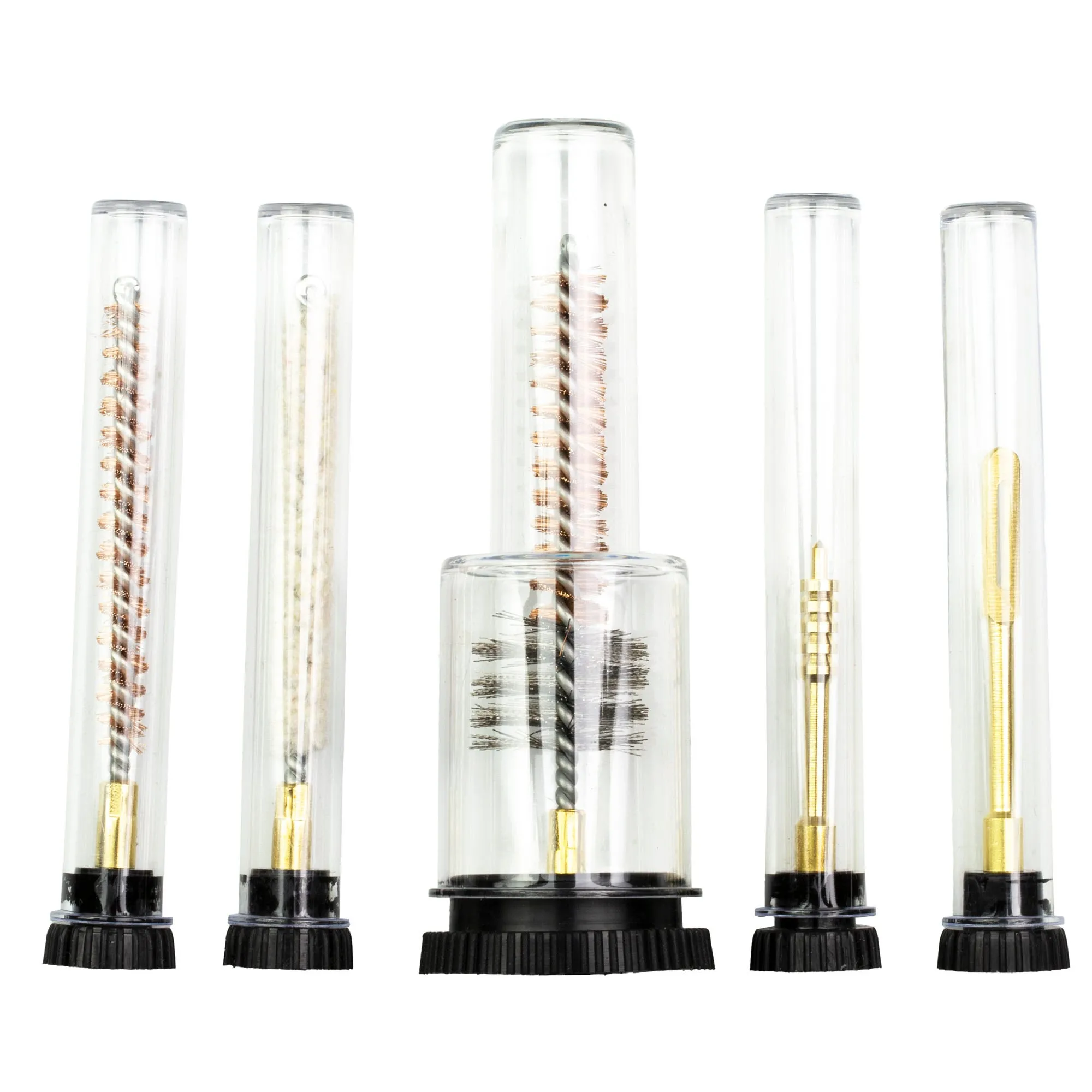
Kleen-Bore Bore Cleaner Brush and Mop Set .223/5.56
Brush plus mop cut for a .223/5.56 bore, under $10 and listed at two retailers. If you already own a rod and patches, this is the entire bore-side purchase.

Real Avid Prime-223 Black / Red Rifle Cleaning Kit .223 Rem / 5.56
A packaged rifle kit specified for .223 Rem and 5.56 — rod, jags, brushes and the chamber tooling in one box, for less than the median price of the kit shelf. The upgrade from here is the larger AR-specific Gun Boss kit at roughly $35.
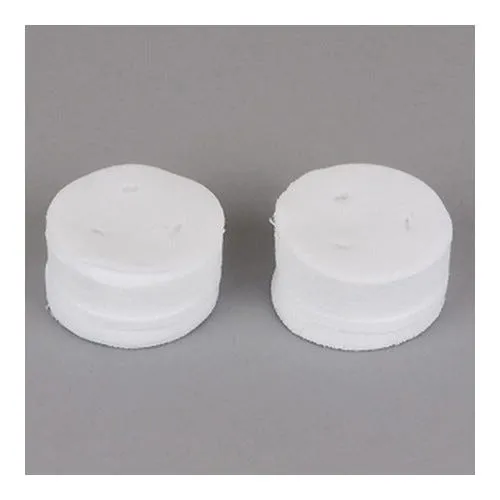
Otis M16/Small Cal Patches (100)
Bulk patches cut for small-caliber rifle bores. Patches are the only part of this that you consume, and at this count the per-patch cost is a rounding error against the ammunition.
Does Your Ammunition Change the Schedule?
This is where cleaning stops being a chore and becomes a purchasing decision.
The cheapest .223 on our shelf is steel-cased. The cheapest box in the whole .223/5.56 catalog is a 20-round steel-case box at $6.99, and the cheapest 500-round case is steel too. Steel-case ammunition uses bimetal-jacketed bullets and a polymer or lacquer case coating, both of which leave more residue behind than brass-cased ammunition with a copper jacket. Whether that residue costs you barrel life is a wear question we do not test and will not guess at.
What we can price is the bet. Look at the two grids below and note that they are sorted differently on purpose.
Cheapest .223 & 5.56 Boxes by Sticker Price
Prices updated Oct 14, 2026
RED ARMY STANDARD 223 Remington 56Gr FMJ Steel Case 20rd
.223 Remington · 56gr · 20 rds

BARNAUL AMMO 223/5.56 62Gr FMJBT Steel Case 20rd
.223 Remington · 62gr · 20 rds

BARNAUL AMMO 223 Rem 55Gr HPBT Polycoated Steel Case 20rd
.223 Remington · 55gr · 20 rds

PMC Ammunition X-Tac Brass 5.56 NATO 55-Grain 20-Rounds FMJBT
5.56x45mm NATO · 55gr · 20 rds

BARNAUL AMMO 223 Rem 62Gr SPBT Polycoated Steel Case 20rd
.223 Remington · 62gr · 20 rds
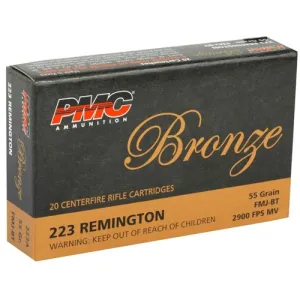
PMC Bronze 223 Rem 55gr Full Metal Jacket Ammunition | 20 Rounds
.223 Remington · 55gr · 20 rds
Cheapest Bulk .223 & 5.56 by Cost Per Round
Prices updated Oct 14, 2026
PMC Ammunition Bronze .223 Rem 55 Grain 1000-Rounds FMJ Bulk
.223 Remington · 55gr · 1,000 rds

Wolf Military Classic Steel .223 Rem 55 Grain 500-Rounds Bulk FMJ
.223 Remington · 55gr · 500 rds

Red Army Standard Centerfire Rifle Steel .223 Rem 55-Grain 500-Rounds Bulk FMJ
.223 Remington · 55gr · 500 rds

PMC Ammunition X-Tac Rifle Brass 5.56 55 Grain 1000-Rounds FMJBT Bulk
5.56x45mm NATO · 55gr · 1,000 rds

Wolf Performance Ammo PolyFormanc Steel Bulk .223 Rem 55 Grain 500-Rounds
.223 Remington · 55gr · 500 rds

Winchester M855 5.56 Bulk Ammo 62 Grain FMJ 1000rds (Unpainted Tip) - WM8551000
5.56x45mm NATO · 62gr · 1,000 rds
The first grid is what the shelf costs; the second is what the shooting costs. Over a thousand rounds, the gap between the cheapest steel-case listing and the cheapest brass-case listing is larger than four of the median cleaning kits — so the saving is real, it is substantial, and the cleaning supplies it might cost you are not what tips the scale. If you want the quality tiers laid out instead, our 5.56 and .223 guide ranks the practice, defense and precision loads, and all .223 and 5.56 listings are sorted by cost per round.
The other lever is dropping cartridges entirely. A .22 LR conversion or a dedicated rimfire upper takes practice ammunition to a fraction of centerfire cost — compare the floors on the index above against the .22 LR bulk, match and hunting guide and the live .22 LR listings. The trade is a dirtier gun for a cheaper day: rimfire ammunition fires unjacketed lead bullets with a wax or grease lubricant, so the residue moves to the chamber, the bolt face and the extractor.
Cost Per Round Calculator
The only number that matters when comparing ammo. Shipping included.
Suppressed or Short-Barreled? Expect More Carbon and No Products
A suppressor raises back pressure and pushes more gas and carbon back through the action, so a suppressed AR will put more residue in the upper receiver and on the carrier than the same rifle unsuppressed. Short barrels with a pistol-length gas system do something similar.
The catalog's response to this is close to nothing. Of the 270 lubricant listings we track, three mention suppressors. There is no suppressor-specific cleaning shelf — use the same solvent, allow a longer session, and clean the can's mount rather than the can unless the manufacturer says the baffles are serviceable. The silencer product type in our index runs 2,159 listings with a median of $759.95, though that type also absorbs mounts and accessories, so read it as a shelf rather than a price for a can. If this is a purchase you are considering, start with the suppressor buying guide — and because federal transfer rules and state legality both change, verify the current rules for your own state before committing money.
Shop the Solvent, Alert the Ammunition
Here is the finding that only a price database produces.
59.3% of those 2,368 cleaning listings are stocked by two or more retailers. Ammunition, across 16,063 live listings, manages 25.6%. The bore-cleaner category is the most competitive corner of the catalog we have measured at 81.9% multi-vendor, and pull-throughs and bore snakes hit 85.3%. Cleaning gear is a commodity sold by everyone, so comparing retailers on it pays.
Now flip it. Only 49.3% of cleaning listings currently sit above their own recorded low price, against 68.4% of ammunition listings. Cleaning supplies are mostly already at their own floor; ammunition mostly is not. Waiting does nothing for a bottle of CLP and a great deal for a case of 5.56.
The strategy follows directly: buy cleaning gear from whichever retailer is cheapest today, and let a price alert do the waiting on the cartridge. Why ammo prices move covers the forces behind that asymmetry.
Get alerted when .223 Remington price drops hit.
We watch every listing and email you the moment the cost per round drops.
Set Up a Free Price AlertWhat This Guide Deliberately Does Not Claim
No cleaning interval, because we do not test rifles. No barrel-life figure for steel-case ammunition, for the same reason — and anyone quoting one to three significant figures is selling something. No solvent chemistry comparisons.
Two data caveats as well. Prices in our index are item-only: retailer shipping is not published in the feeds we ingest, and on a $3 bottle of oil shipping can exceed the product, so consolidate small cleaning orders. And our recorded lows run from February 2026 forward, not to the beginning of time. How we rank ammunition sets out what we will and will not assert.
AmmoSpotter earns a commission when you buy through links on this page. It never changes what you pay, and it never decides what we recommend — our picks are ranked on live cost-per-round data pulled from every retailer we track. Full disclosure.
Frequently Asked Questions
How often should you clean an AR-15?+
What do you actually need in an AR-15 cleaning kit?+
Does steel-case ammo damage your barrel?+
Can you use motor oil or WD-40 on an AR-15?+
Do suppressed AR-15s need cleaning more often?+
Is a bore snake good enough for an AR-15?+

About the author
AmmoSpotter Research Desk
Price & Ballistics Research
The AmmoSpotter Research Desk analyzes live retail pricing across every ammunition, firearm and accessory listing we track. Recommendations here are ranked against real cost-per-round data pulled daily from the retailers we monitor - not against manufacturer marketing copy.
- ✓Tracks 180,000+ live product listings across 6 retailer feeds
- ✓Records price history on every listing, every day
- ✓Cost-per-round methodology applied to all ammunition rankings
- ✓No product is ranked without a verifiable in-stock retail price
- ✓Affiliate relationships never influence rankings
Related Guides

How Many Rounds Does It Take to Get Good?
Almost every shooter is round-count constrained and almost none of them have written the number down. Ammunition is the actual budget line that determines how much you improve, and it is the one people plan least. So ...

Best 5.56 & .223 Ammo 2026: Practice, Defense and Precision
5.56x45mm NATO and .223 Remington are the most-purchased rifle cartridges in America, and the most confusing to buy. The same rifle will accept ammunition ranging from bulk steel-cased plinking loads to match ammuniti...

How Much Does It Cost to Own an AR-15 for a Year? Priced on Live Data
- The rifle is a one-time cost. Ammunition is the recurring one, and at realistic round counts it dwarfs everything else. - We track 380 live .223 Remington ammunition listings. The spread between the market floor and...

Best .22 LR Ammo 2026: Bulk, Match and Hunting on Live Prices
- .22 LR is the cheapest trigger time available, and it is not close. The live floor below is roughly what a single centerfire rifle round costs in loose change. - Bulk barely helps. Across our catalog the 50-round bo...
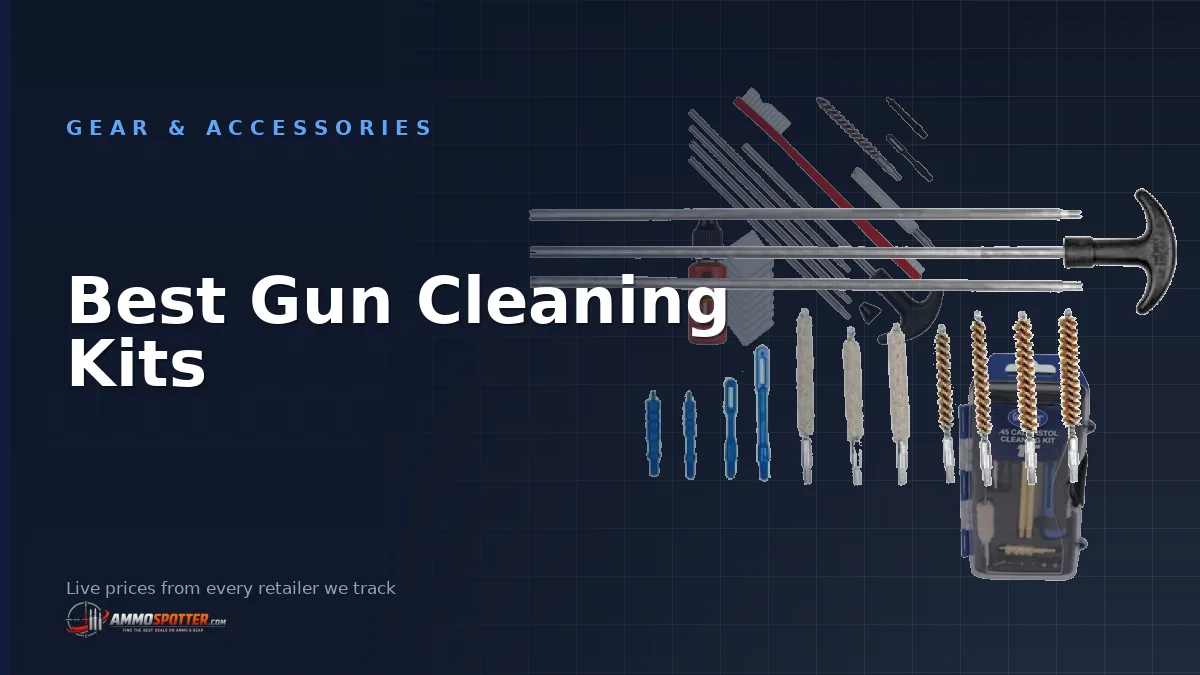
Best Gun Cleaning Kits 2026: What 464 Live Listings Say About Piece Counts
- 464 live cleaning-kit listings , floor $1.99, median $29.49 , and 236 of them under $30. This is not a category where spending more buys much. - 403 of the 464 never state a piece count. Where it is stated, 12–14-pi...

How Much Practice Ammo Does a New Shooter Need? Budget It in Dollars, Not Boxes
- Decide on rounds per month, not boxes per year. Then price that number against the live market — the blocks on this page do it for you. - Ammunition labelled "practice" or "training" is not the cheapest practice amm...