Mil-Spec vs Commercial AR-15 Parts: What the Label Actually Decides
Mil-spec means a tube size on the buffer tube and a steel and testing standard on the bolt carrier. Here's what fits, what it costs, and what to check.
20 results
Mil-spec means a tube size on the buffer tube and a steel and testing standard on the bolt carrier. Here's what fits, what it costs, and what to check.
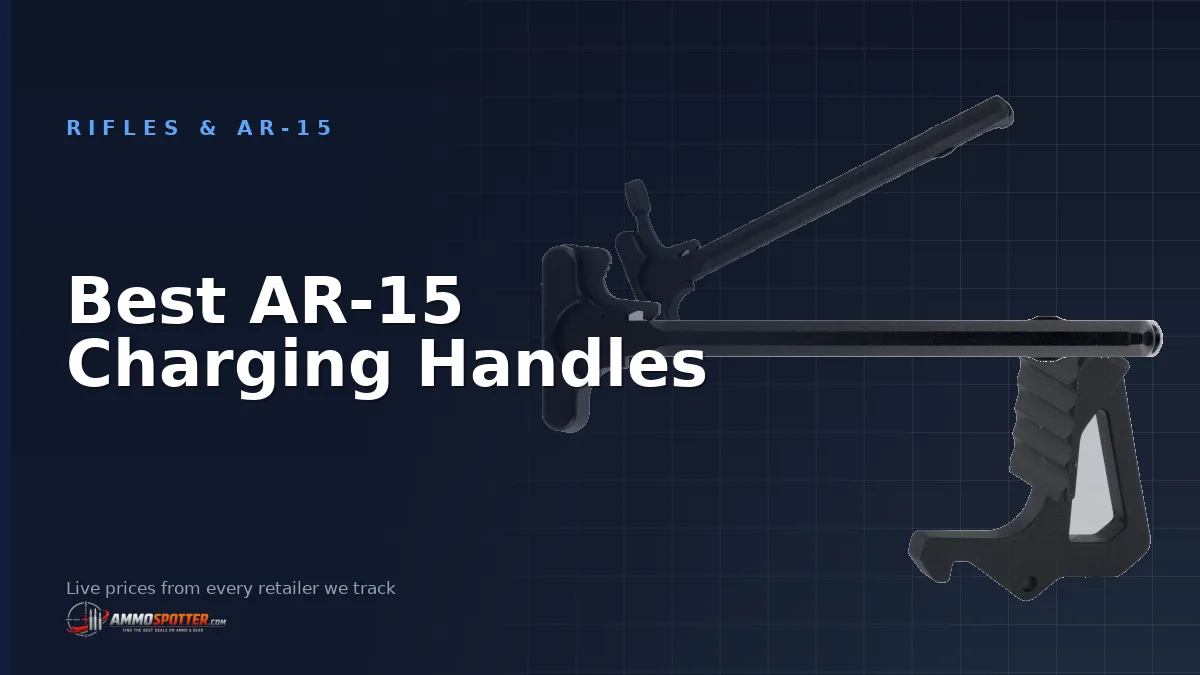
Most people want a bigger latch, and that costs $14.95 on its own. A typical handle is about $70, and ambidextrous costs about double. Read titles closely.
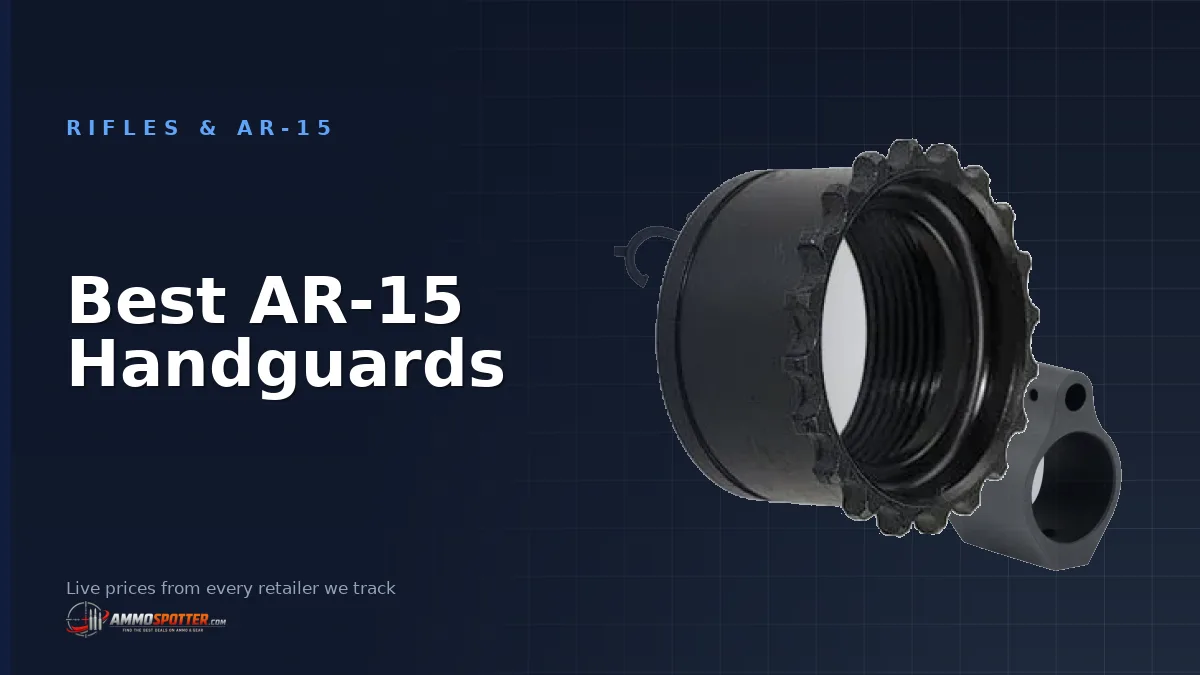
A typical AR-15 handguard costs about $165. Here's how to check fit, which install parts the listing leaves out, and why you should compare two stores and buy now.
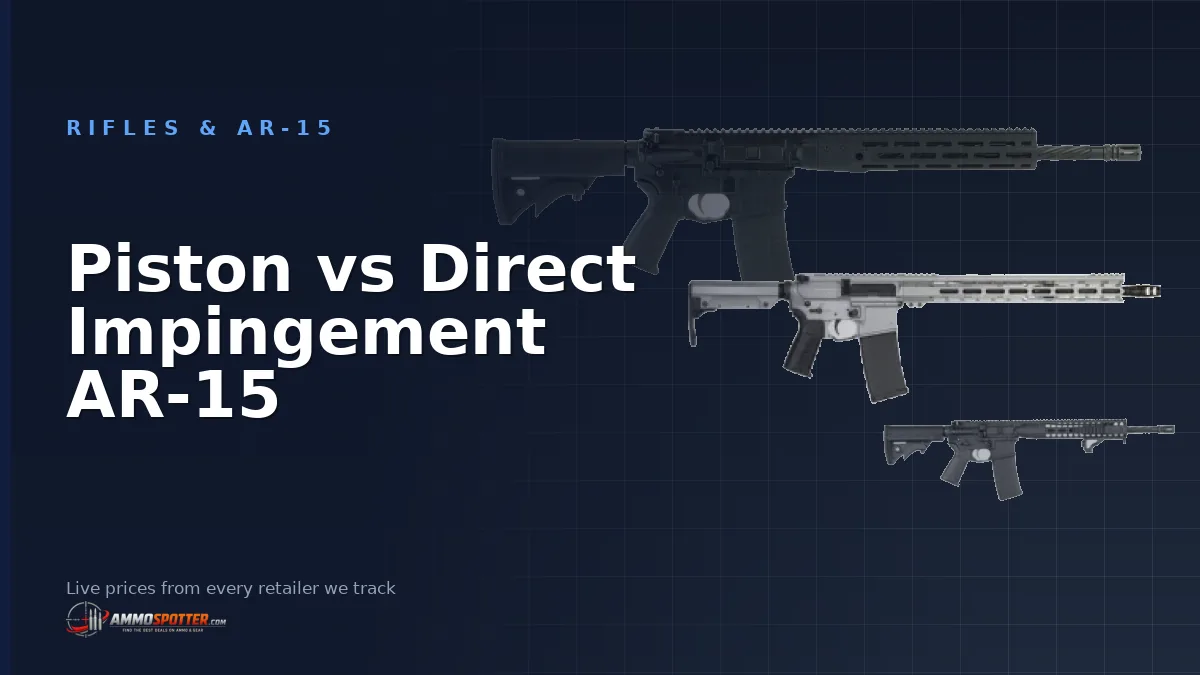
Piston ARs run cleaner but cost about $400 to $650 more from the same maker, and spare parts are hard to find. Here's why DI makes sense for most buyers.
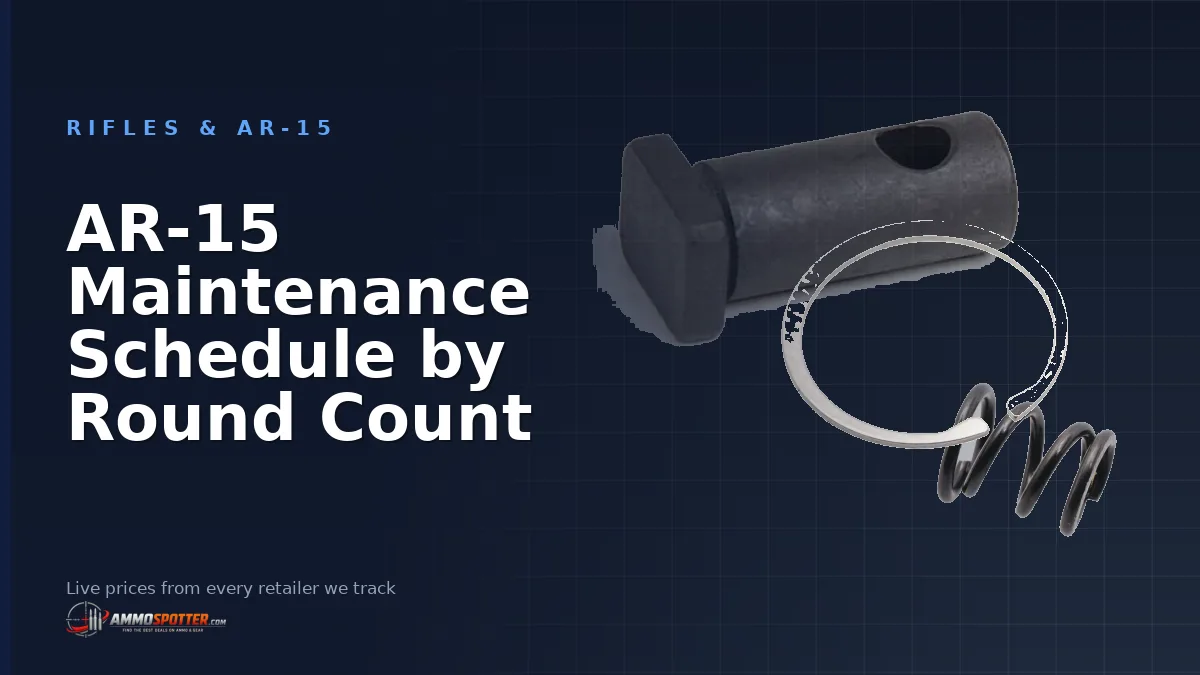
AR-15 parts don't come with a round-count lifespan. Here's what to inspect, what to replace, and why the bolt-side wear parts cost about $21 in total.
One cleaning session costs less than a round of .223. Here's how to field strip your AR, which parts need attention, and where to spend your money.
For most buyers a 16-inch barrel wins: cheapest of the common lengths and no paperwork. Here's what 14.5, 10.5 and 20-inch barrels really cost once you add parts and ammo.
Most good AR-15 drop-in triggers cost $140 to $199. Here's how prices break down, why the cheapest results are trigger guards, and what to check first.
Complete AR-15 uppers come almost entirely from one company, so you can't shop around. Here's what to check, when to wait, and what the caliber costs you later.
In 9mm, a PCC costs about half as much per round to shoot as an AR-15. In 10mm or .45 ACP, the savings mostly vanish. Here's what to buy at each budget.
The AK isn't the cheap rifle anymore. Here's how the AR-15 and AK-47 compare on price, magazines, optic mounts, parts and ammo.
Ammo for a lever gun ranges about 30-fold per round, and .45-70 has no bulk tier. Here's why .357 is the value pick and how to find the best price.
A typical sub-$2,000 precision rifle costs about $1,180. Budget for the scope first, watch for rimfire naming traps, and wait for a price drop.
Most AR owners never hit a twist rate limit, since cheap 55 and 62-grain ammo works in any barrel. Here's when twist matters and how to check yours.
Building an AR-15 doesn't save money. Here's the live part-by-part math, the bolt carrier trap in cheap uppers, and why your ammo bill matters more.
A .22 rifle is the cheapest way to get real practice. Here's what each tier costs, from budget semi-autos to the 10/22 and CZ 457, plus ammo costs.
You can get a complete 5.56 AR-15 under $700. Here's what each price band gets you, which cheap listings to skip, and why ammo matters more than the rifle.
Under $700 buys an AR-15 that works, the middle tier buys a good one, and premium buys durability. Here's what each costs today, and why ammo decides your tier.
Over time, you'll spend more on ammo than on your AR-15. Here's how to match ammo to your barrel, what to buy for practice and defense, and how to pay less.
The rifle is the cheap part. Ammo is what you'll keep paying for. Here's how to check your chamber and twist rate, what to buy for each job, and what a year costs.