Best Lever Action Rifles
We track 677 lever guns. The cartridge you pick changes what you pay per round by a factor of thirty — and .45-70 has no bulk tier at all.
What does a lever action actually cost right now?
The lever-action market is wider than its reputation suggests. Our live catalog holds 677 listings across every maker we track — and once two miscategorised AR-15 parts are set aside (more on those below), they run from $259.99 to $3,529.99, averaging $1,163 with a median of $1,159.99. Split by ignition type, 564 are centerfire (median $1,269.99) and 113 are rimfire.
| Price band | Listings |
|---|---|
| Under $400 | 33 |
| $400 – $699 | 97 |
| $700 – $999 | 145 |
| $1,000 – $1,499 | 250 |
| $1,500 – $2,499 | 146 |
| $2,500 and up | 6 |
The single densest band is $1,000–$1,499 with 250 listings — well over a third of the category. That is the price of a serviceable bolt-action hunting rifle plus a scope, which is worth knowing before you romanticise the lever gun: you are paying a premium for the action, and you should want it for its own sake.
By volume the category belongs to Henry, with 183 listings, followed by Winchester (67), Cimarron (59), Rossi and Taylor's (36 each), Browning (28), Marlin (24) and Heritage (22).
Seven Lever Guns, One Per Cartridge Decision
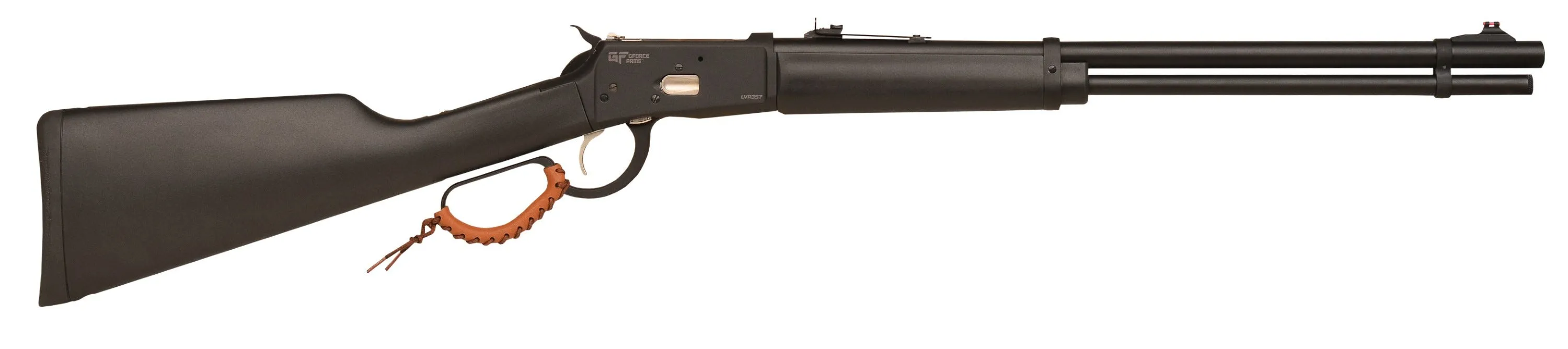
G-Force Saddlehorn .44 Mag 20 Barrel 10-Rounds
A 20-inch .44 Magnum carbine with a 10-round tube. At this price it is the cheapest centerfire lever action in our entire catalog — everything below it is a rimfire, a .410 or a miscategorised AR part. .44 Magnum also has a workable cost per round, so the cheap gun is not a cheap gun that is expensive to feed.
Pros
- ✓Cheapest centerfire lever action we track
- ✓10-round capacity
- ✓.44 Magnum feeds cheaper than .30-30 or .45-70
Cons
- ✗Single retailer — no competing price
- ✗No track record to compare against
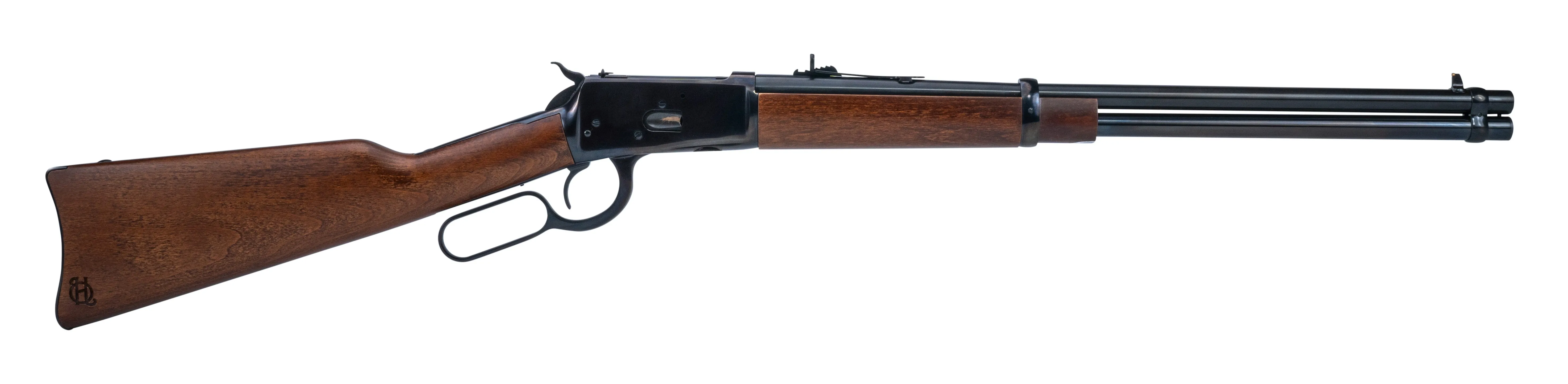
Heritage Firearms R92 Carbine Wood / Blued .44 Mag / .44 SPC 20 Barrel 10-Rounds
A 20-inch Rossi-pattern 92 clone in .44 Magnum / .44 Special, carried by two of our retailers — which matters more on lever guns than on any other rifle type. Worth noting from its own price history: this listing has traded meaningfully lower than it is now, so it is a strong alert candidate rather than a buy-on-sight.
Pros
- ✓Two retailers carry it
- ✓Chambered for .44 Special as well as .44 Magnum
- ✓Proven 1892 action pattern
Cons
- ✗Currently well above its own recorded low
- ✗Plain blued-and-wood furniture
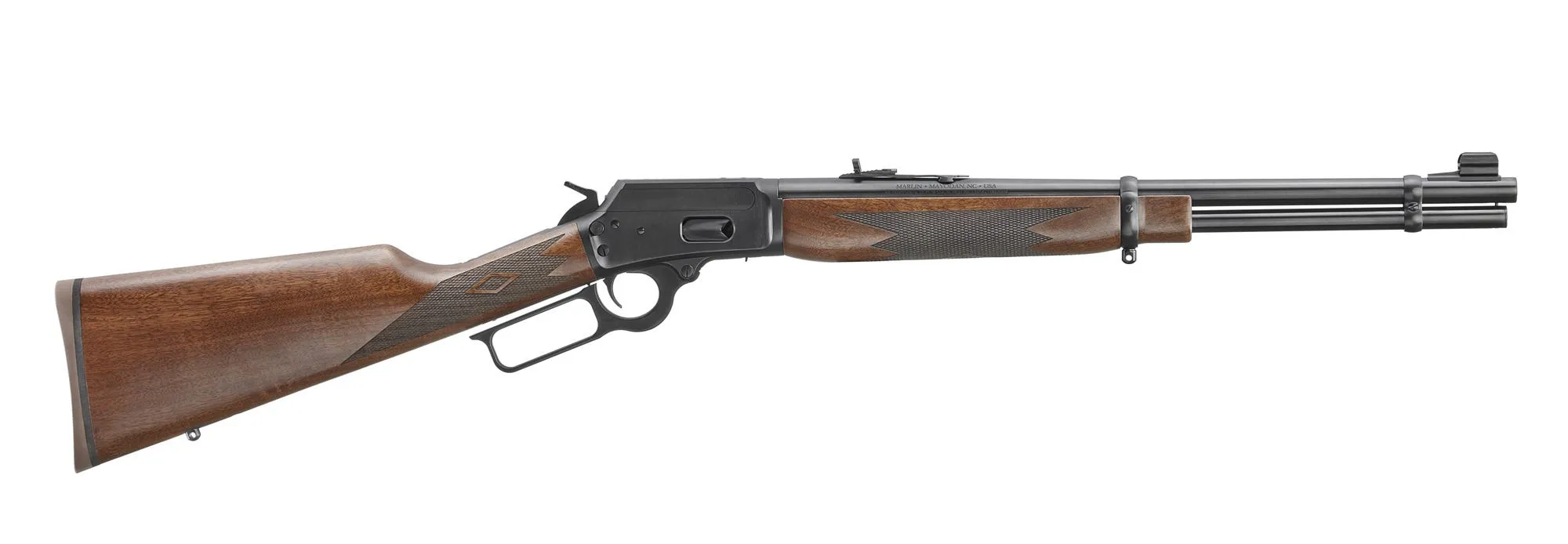
Marlin 1894 Classic Black Walnut .357 Mag / .38 SPL 18.63 Barrel 10-Rounds
An 18.6-inch .357 Magnum / .38 Special with a 10-round tube. The dual chambering is the whole argument: it feeds the two cheapest centerfire lever cartridges we price, and .357 Magnum has far deeper 50-round box availability than any other centerfire lever chambering. If you intend to shoot the rifle rather than hang it on a wall, start here.
Pros
- ✓Feeds both .357 Magnum and .38 Special
- ✓Lowest cost per round of any centerfire lever chambering
- ✓Two retailers carry it
Cons
- ✗Short-range cartridge
- ✗Not a long-action deer rifle substitute
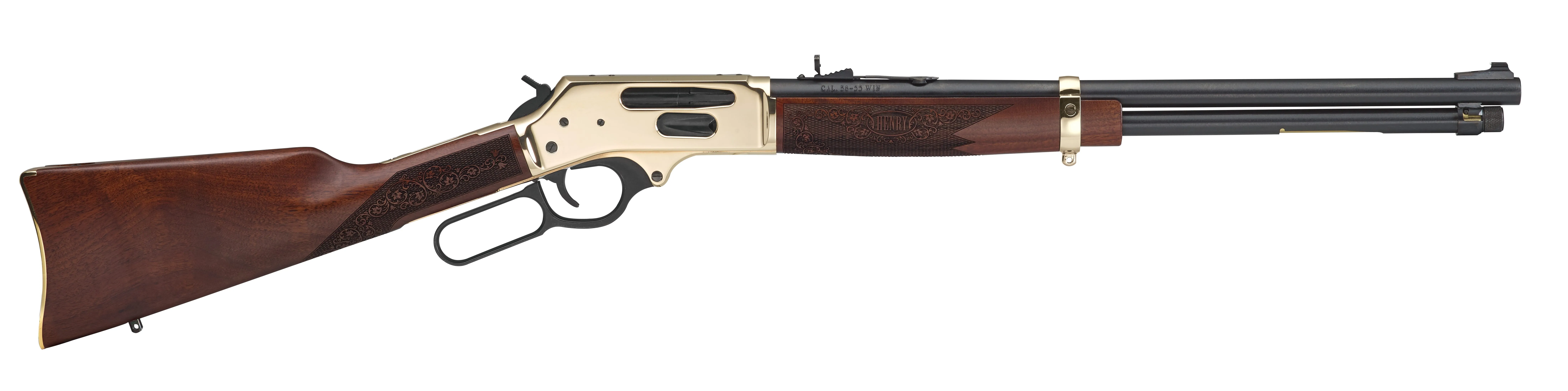
Henry Repeating Arms Side Gate Lever Action Rifle Walnut / Brass .30-30 20 5 RD
A 20-inch .30-30 with a side gate and a five-round tube. .30-30 is the cartridge most people mean by 'lever action', but it is a mid-priced one in our data, not a cheap one — and its catalog is almost entirely 20-round boxes. Buy it because you want a .30-30, not because you expect it to be economical.
Pros
- ✓Side gate loading
- ✓Classic 20-inch deer configuration
- ✓Two retailers carry it
Cons
- ✗.30-30 costs roughly double .357 Magnum per round
- ✗Effectively no bulk packaging exists
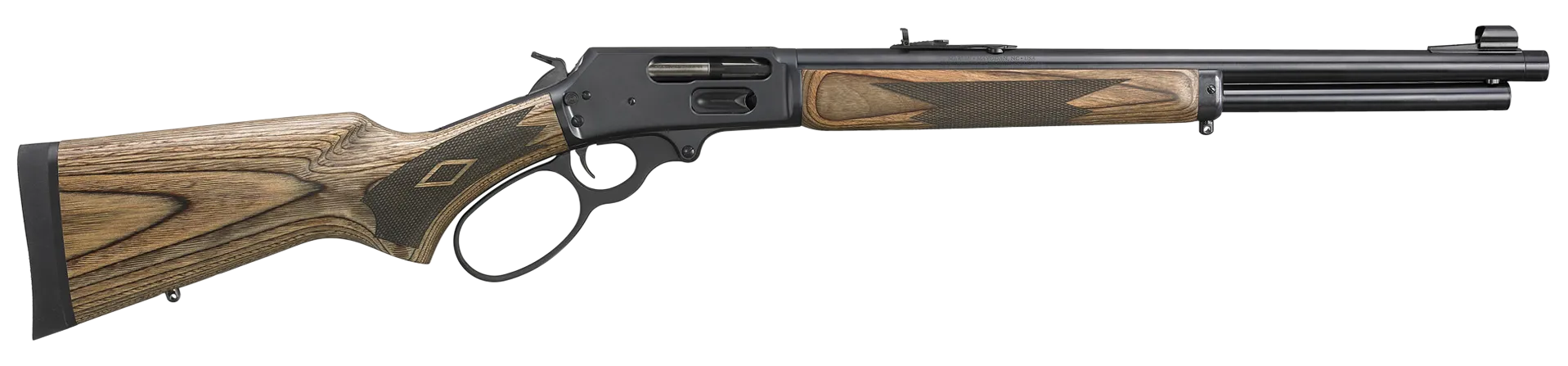
Marlin 1895 Guide Gun Big Loop Walnut / Black .45-70 19 Barrel 6-Rounds
A 19-inch .45-70 Government with a six-round tube and a big loop. This is the configuration the cartridge is famous for, and it is well stocked at two retailers. Read the cost-per-round block in this guide before you commit: .45-70 is the most expensive lever cartridge we track and the only one with zero listings above a 20-round box.
Pros
- ✓Two retailers carry it
- ✓Six-round capacity in a short, handy package
- ✓Big-loop lever
Cons
- ✗Most expensive lever cartridge to feed, by a wide margin
- ✗No bulk packaging exists at any price
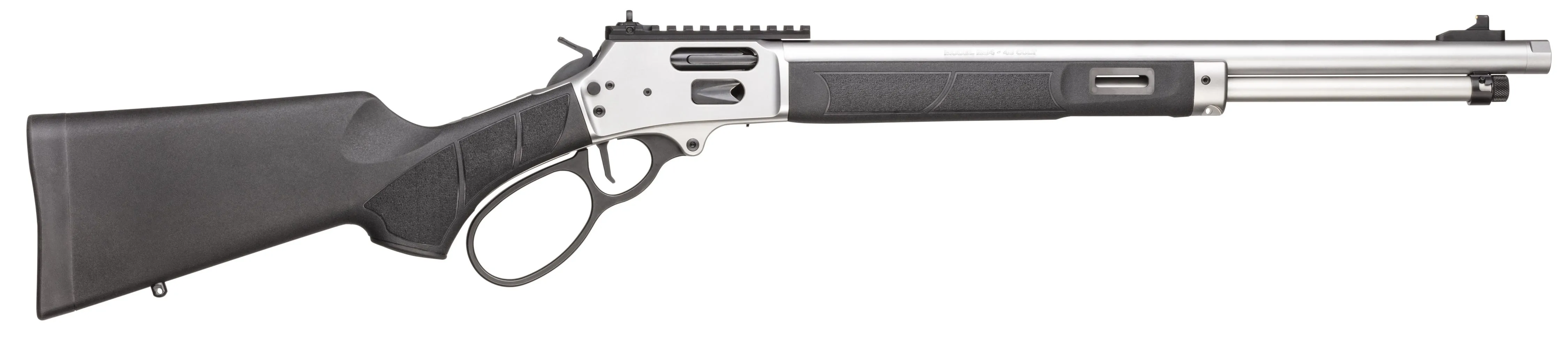
Smith and Wesson Model 1854 Black / Stainless .357 Mag / .38 SPL 19.25 Barrel 10-Rounds
A 19.25-inch .357 Magnum / .38 Special with a 10-round tube and stainless furniture. It is the cheap-to-feed chambering in a current-production rifle rather than a reproduction of a 19th-century one, and it is stocked by two retailers. Also currently above its own recorded low, which is the normal state of this category.
Pros
- ✓Modern production with stainless corrosion resistance
- ✓Feeds .357 Magnum and .38 Special
- ✓10-round capacity
Cons
- ✗Roughly $100 over the equivalent 1894-pattern rifle
- ✗Above its own recorded low right now
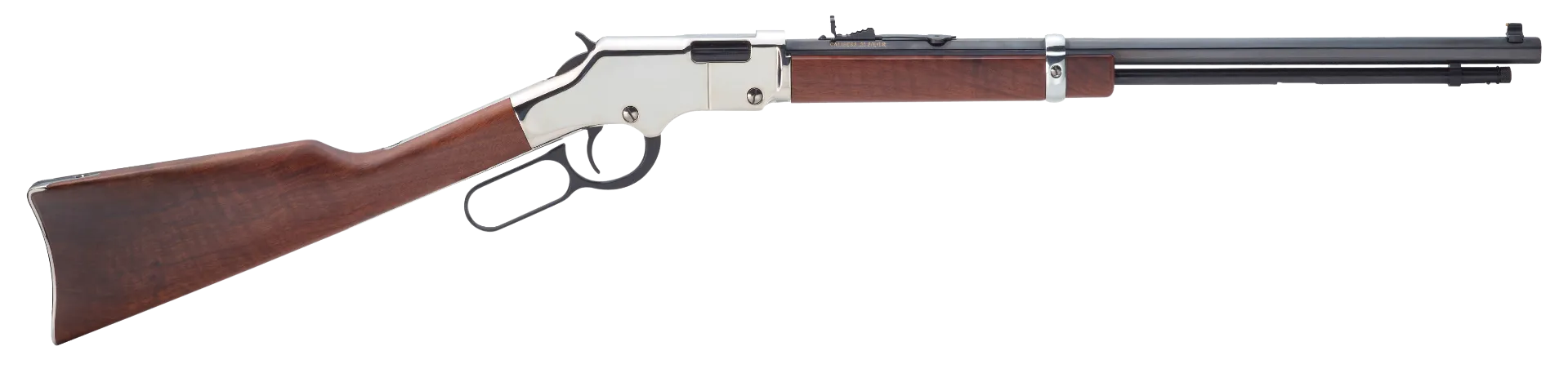
Henry Repeating Arms Golden Boy Silver Lever Action Rifle Walnut .22 LR/.22 Short 20 Barrel 16-Rounds
A 20-inch .22 LR / .22 Short with a 16-round tube. Rimfire is not a consolation prize here — .22 LR's market floor per round is roughly a thirtieth of .45-70's, and it is the only lever chambering we track where you can buy a four-thousand-round case. If the plan involves volume rather than deer, this is the arithmetic answer.
Pros
- ✓Cost per round roughly 1/30th of .45-70
- ✓Genuine bulk packaging available
- ✓Two retailers carry it
Cons
- ✗Not a hunting rifle for anything larger than small game
- ✗Tube loading is slow
Pick the cartridge before the rifle
This is the part no spec sheet tells you, and it is the thing our price data is actually for. The rifle is a one-time cost. The chambering is a bill you pay forever, and across lever-action cartridges it varies by a factor of thirty.
.357 Magnum Price Index
Live · Oct 10, 2026.44 Magnum Price Index
Live · Oct 10, 2026.30-30 Winchester Price Index
Live · Oct 10, 2026.45-70 Government Price Index
Live · Oct 10, 2026Read those four blocks in order and the shape of the decision appears. .357 Magnum sits at the bottom. .45-70 sits at the top, at roughly triple .357's floor per round. .44 Magnum and .45 Colt land in between, close to each other. .30-30 — the cartridge most buyers assume is the economical choice because the rifles are common — is roughly double .357.
Two cartridges are not in those blocks and should be in your thinking. A .357 Magnum rifle also chambers .38 Special, which prices lower still, and that single fact makes a .357 lever gun the cheapest centerfire rifle to shoot that we track. At the other end, .22 LR rimfire sits around a thirtieth of .45-70's floor per round.
Run the arithmetic on your own round count rather than ours:
Cost Per Round Calculator
The only number that matters when comparing ammo. Shipping included.
The .45-70 problem: there is no bulk tier at all
Cost per round is only half the story. The other half is whether the cartridge is packaged for volume shooting, and here the lever-action cartridges split sharply.
| Cartridge | Live listings | 20 rounds or fewer | 21–50 | 51–100 | Over 100 | Largest pack |
|---|---|---|---|---|---|---|
| .22 LR | 308 | 3 | 161 | 52 | 92 | 4,000 |
| .357 Magnum | 219 | 116 | 100 | 3 | 0 | 100 |
| .38 Special | 211 | 74 | 128 | 4 | 5 | 500 |
| .45 Colt | 91 | 59 | 32 | 0 | 0 | 50 |
| .45-70 Govt | 94 | 94 | 0 | 0 | 0 | 20 |
| .30-30 Winchester | 87 | 85 | 0 | 2 | 0 | 100 |
| .44 Magnum | 76 | 47 | 29 | 0 | 0 | 50 |
Every single live .45-70 listing in our catalog is a 20-round box. Not one 50-round pack, not one 100-round case, at any price. .30-30 is barely better. Meanwhile .38 Special reaches 500-round packs and .22 LR reaches 4,000.
Cheapest .45-70 Government Right Now
Prices updated Oct 10, 2026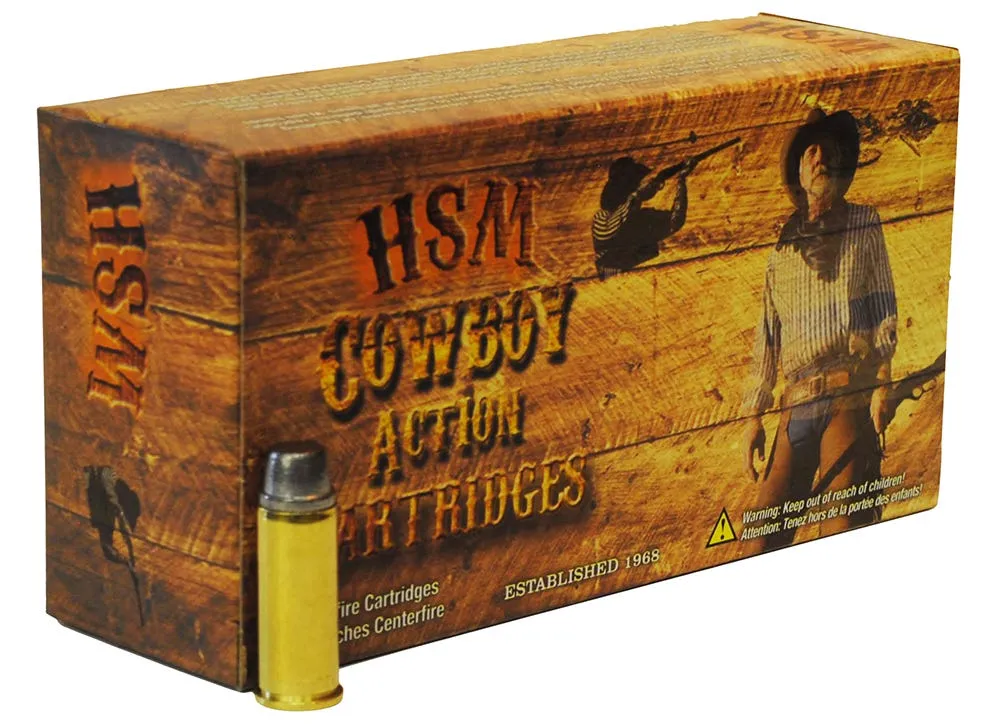
HSM/Hunting Shack Cowboy Rounds 405 Grain RNFP Brass .45-70 20Rds
.45-70 Govt · 405gr · 20 rds

Sellier and Bellot Rifle .45-70 Government 405 Grain 20-Rounds SP
.45-70 Govt · 405gr · 20 rds
SELLIER BELLOT 45-70 405 SP 20rd
.45-70 Govt · 20 rds
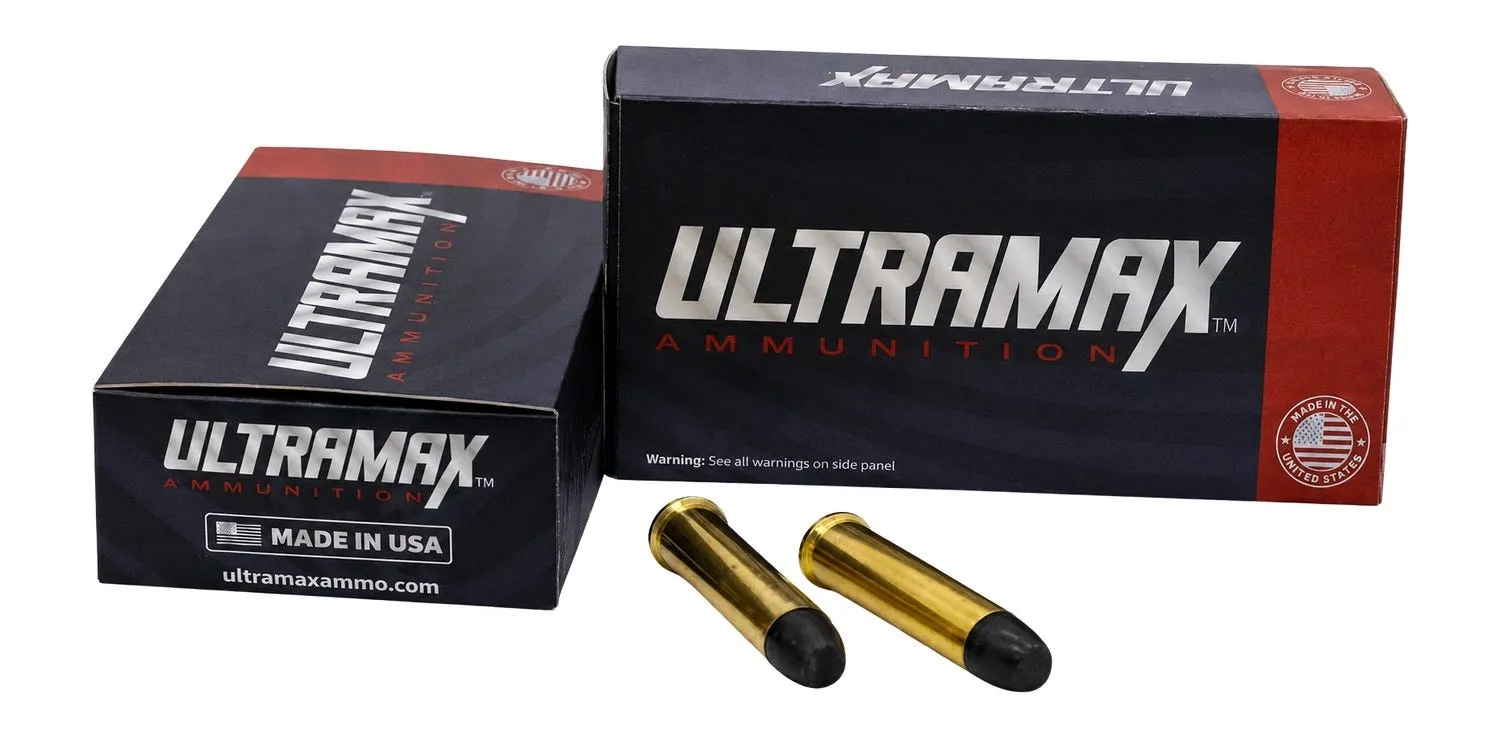
Ultramax Max +P .45-70 430 Grain 20-Rounds Hi-Tek Jacketed Hard Cast
.45-70 Govt · 430gr · 20 rds
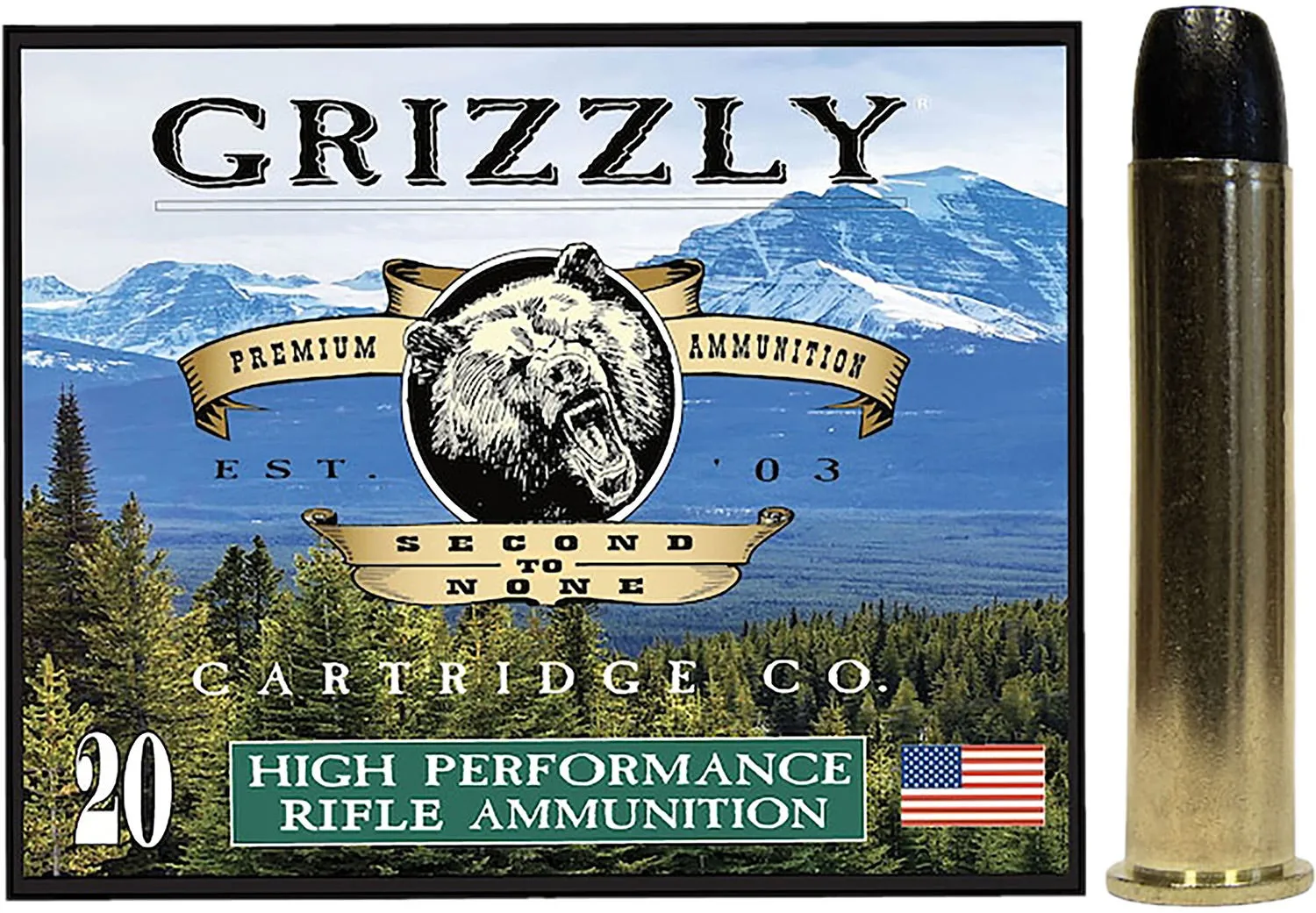
Grizzly Rifle Ammunition .45-70 Gov 405 Grain 20-Rounds RNFP
.45-70 Govt · 405gr · 20 rds
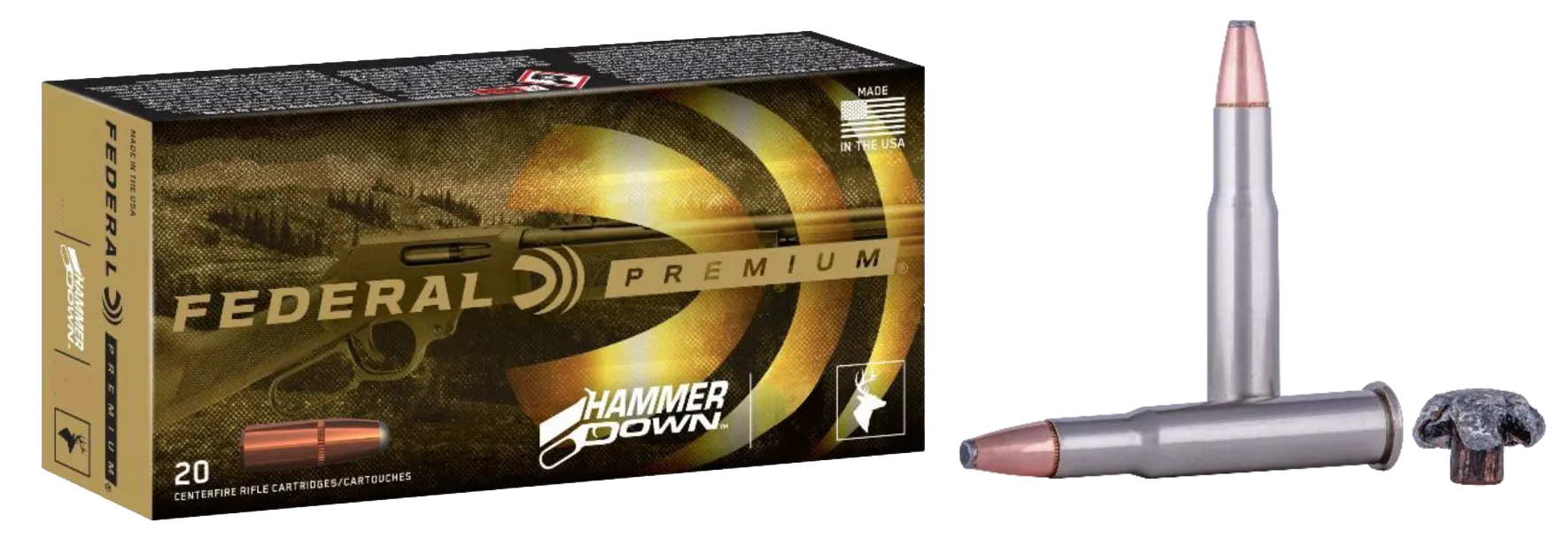
Federal Premium HammerDown Nickel Plated Brass 300 Grain .45-70 20-Rounds BSP
.45-70 Govt · 300gr · 20 rds
Cheapest .30-30 Boxes Right Now
Prices updated Oct 10, 2026
PPU Standard Rifle Brass .30-30 Win 150-Grain 20-Rounds FSP
.30-30 Winchester · 150gr · 20 rds
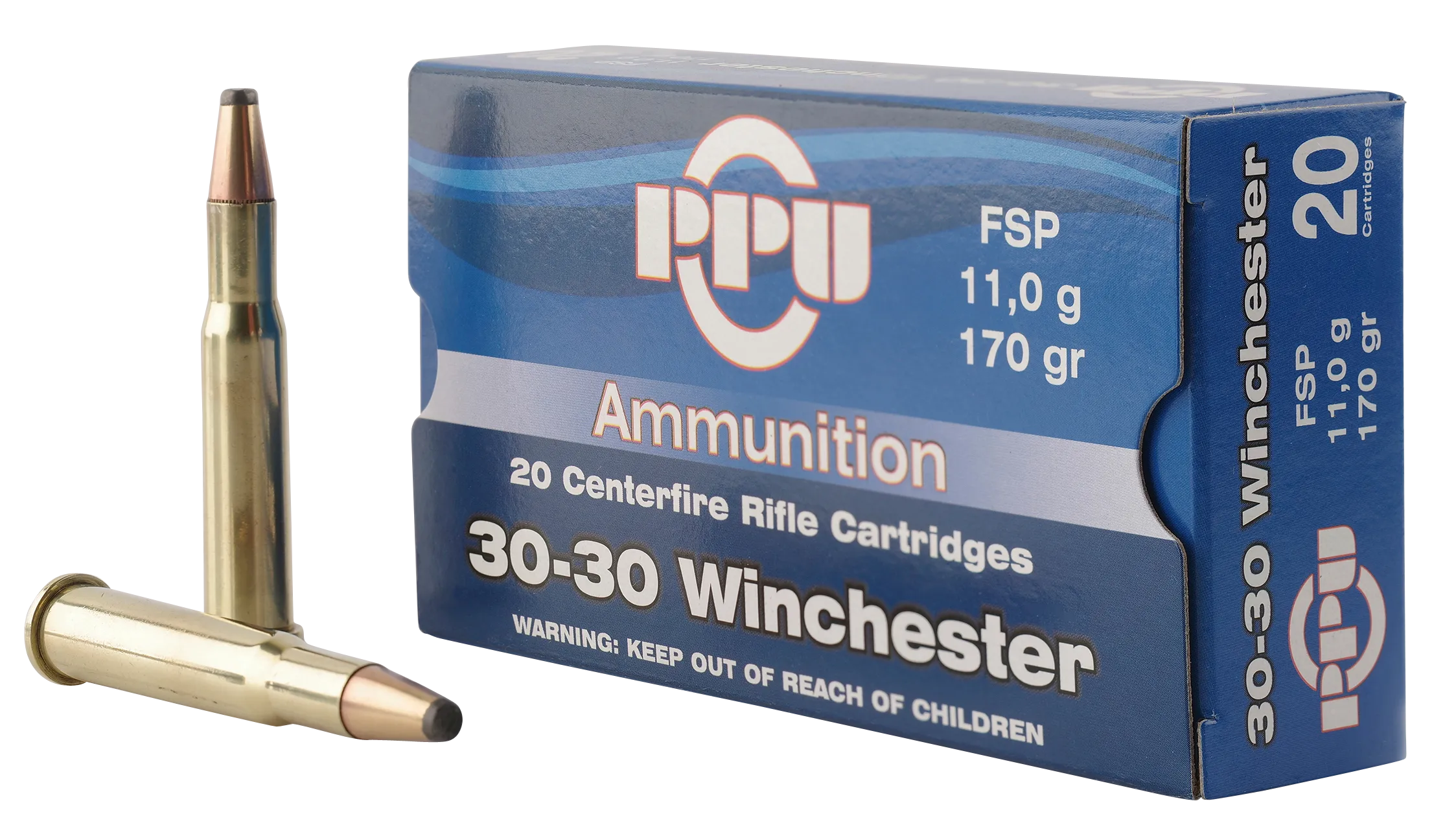
PPU Standard Rifle Brass .30-30 Win 170-Grain 20-Rounds FSP
.30-30 Winchester · 170gr · 20 rds

SELLIER BELLOT 30-30 150Gr 2388 FPS SP 20rd
.30-30 Winchester · 150gr · 20 rds

Sellier and Bellot 30-30WIN 150GR SP 20rds
.30-30 Winchester · 150gr · 20 rds

WINCHESTER AMMO 30-30 Win American Lever 150Gr 20rd
.30-30 Winchester · 150gr · 20 rds
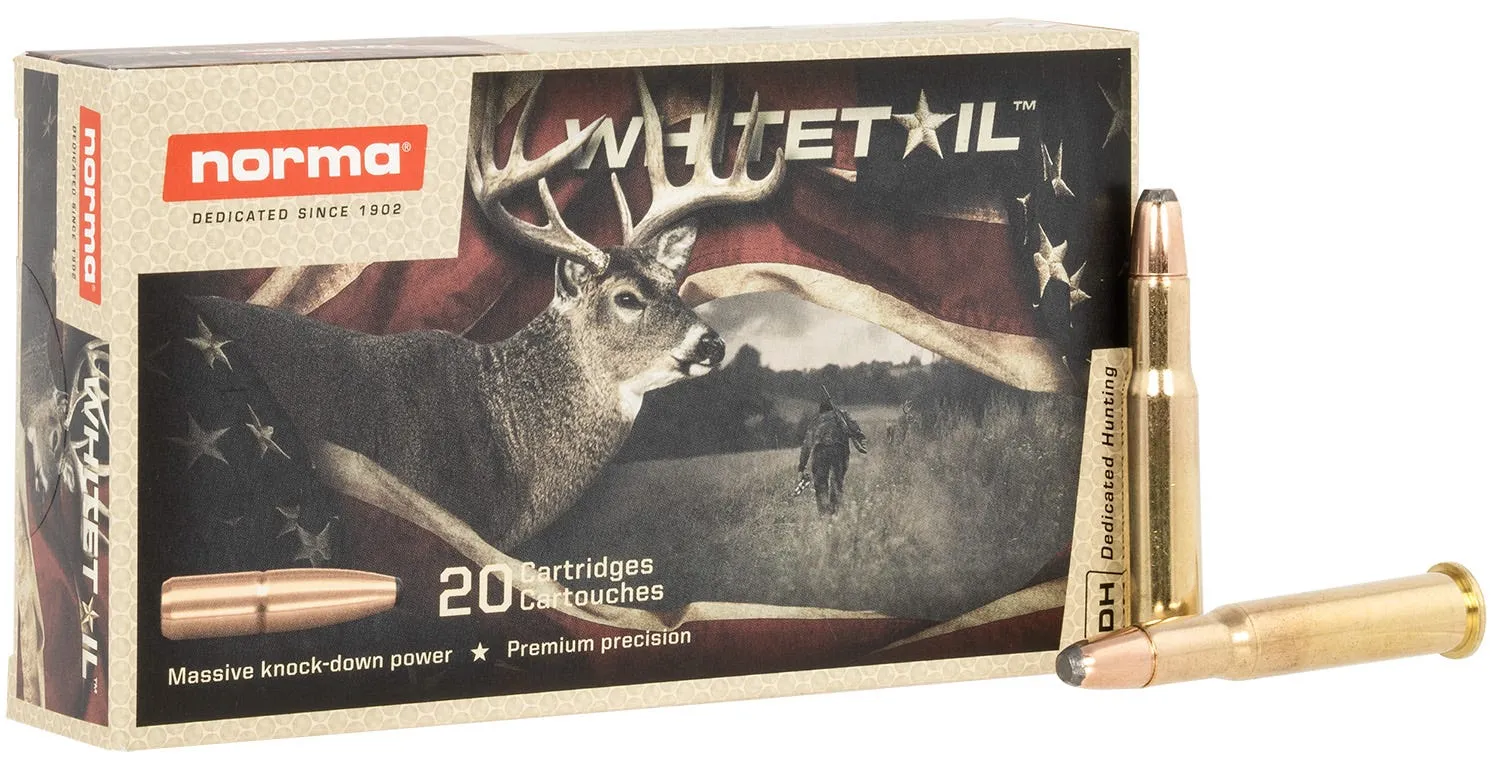
Norma Whitetail Brass .30-30 150 Grain 20-Rounds SP
.30-30 Winchester · 150gr · 20 rds
Note what the second grid shows: the .30-30 listings are all 20-round boxes clustered within a couple of dollars of each other. There is no cheap end to find, because there is no volume packaging to find it in.
Why a .357 Magnum lever gun is the cheapest centerfire rifle to shoot
Put the two halves together. .357 Magnum has the lowest market floor of any centerfire lever chambering, and far the deepest 50-round box availability — 100 of its 219 live listings, against 32 for .45 Colt, 29 for .44 Magnum and zero for .30-30 and .45-70. The rifle also eats .38 Special, which prices lower again and reaches 500-round packs.
50-Round .44 Magnum, By Cost Per Round
Prices updated Oct 10, 2026
Sellier and Bellot Handgun Brass .44 Mag 240-Grain 50-Rounds Soft Point
.44 Magnum · 240gr · 50 rds

MagTech Range/Training Brass .44 Rem Mag 240-Grain 50-Rounds SJSPF
.44 Magnum · 240gr · 50 rds

Winchester American Lever Range .44 Mag 240 Grain 50-Rounds JSP
.44 Magnum · 240gr · 50 rds

HSM/Hunting Shack Cowboy Action .44 Mag 200GR RNFP 50Rds
.44 Magnum · 200gr · 50 rds
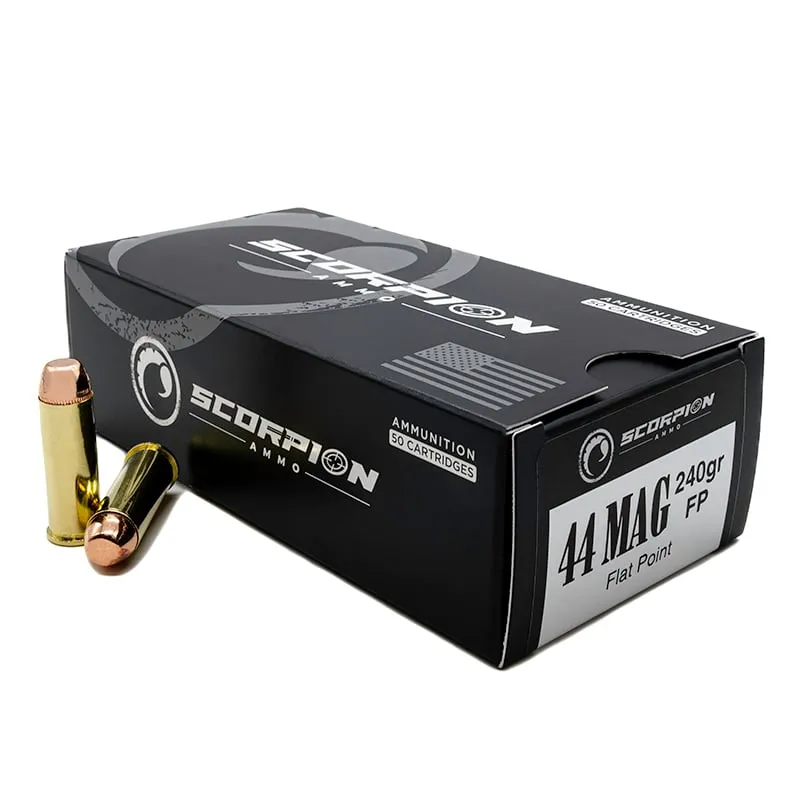
Scorpion Ammo .44 Magnum 240gr FP 50rd - 44M240FP-S50
.44 Magnum · 240gr · 50 rds
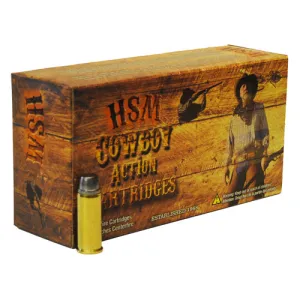
HSM AMMO 44 Mag 200Gr Hard Lead RNFP 50rd
.44 Magnum · 200gr · 50 rds
If .38 Special is where you expect to do most of your shooting, best .38 Special ammo covers the loads and the box-size trap in detail — written for revolvers, but the ammunition economics are identical out of a rifle barrel. And since lever guns have tube magazines rather than detachable ones, the usual spares arithmetic in how many magazines do you actually need does not apply: your capacity is whatever the tube holds, and the 27 listings that record a figure at all report between 6 and 13.
Which brands make a sub-$700 centerfire lever gun?
Two, essentially. Both grids below are price-sorted and live.
G-Force Saddlehorn, Cheapest First
Prices updated Oct 10, 2026G-Force Saddlehorn .44 Mag 20 Barrel 10-Rounds

G-Force Saddlehorn Walnut / Black .44 Mag 20 Barrel 10-Rounds

G-Force Saddlehorn Nickel / Black .357 Mag 20 Barrel 10-Rounds

G-Force Saddlehorn Walnut / Case Hardened .44 Mag 20 Barrel 10-Rounds
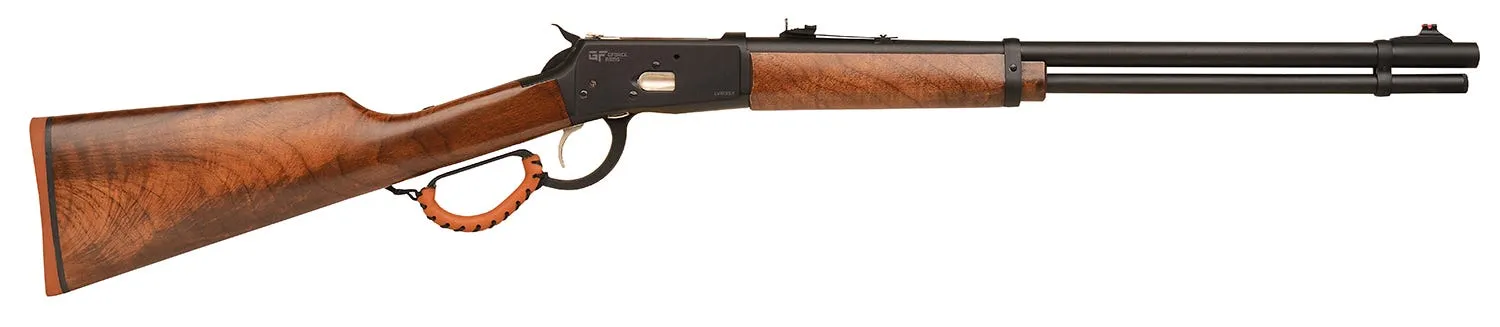
G-Force Saddlehorn Walnut / Black .357 Mag 20 Barrel 10-Rounds

G-Force Huckleberry Walnut / Nickel .44 Mag 20 Barrel 10-Rounds
G-Force is the floor of the centerfire market — Saddlehorn carbines in .44 Magnum and .357 Magnum, 20-inch barrels, 10-round tubes, starting at the lowest centerfire price in our catalog. Note that the maker files under two separate brand strings in our data, so also check GForce Arms for listings the grid above misses.
Heritage, Cheapest First
Prices updated Oct 10, 2026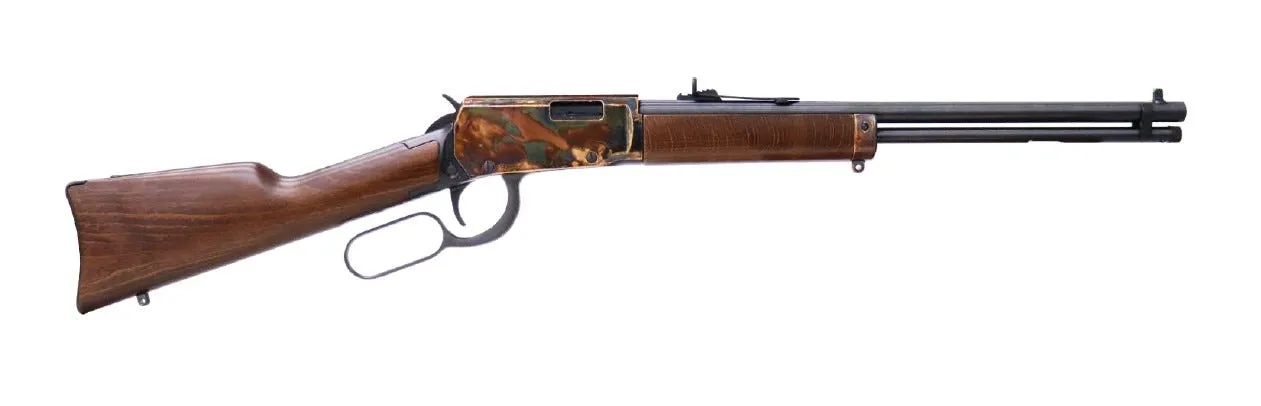
Heritage Firearms Settler Case Hardened .22 LR 16.5 Barrel 13-Rounds
.22LR

Heritage Firearms Settler Walnut .22 LR 20 Barrel 15-Rounds
.22LR
Heritage Firearms R92 Carbine Wood / Blued .44 Mag / .44 SPC 20 Barrel 10-Rounds
.44 Magnum
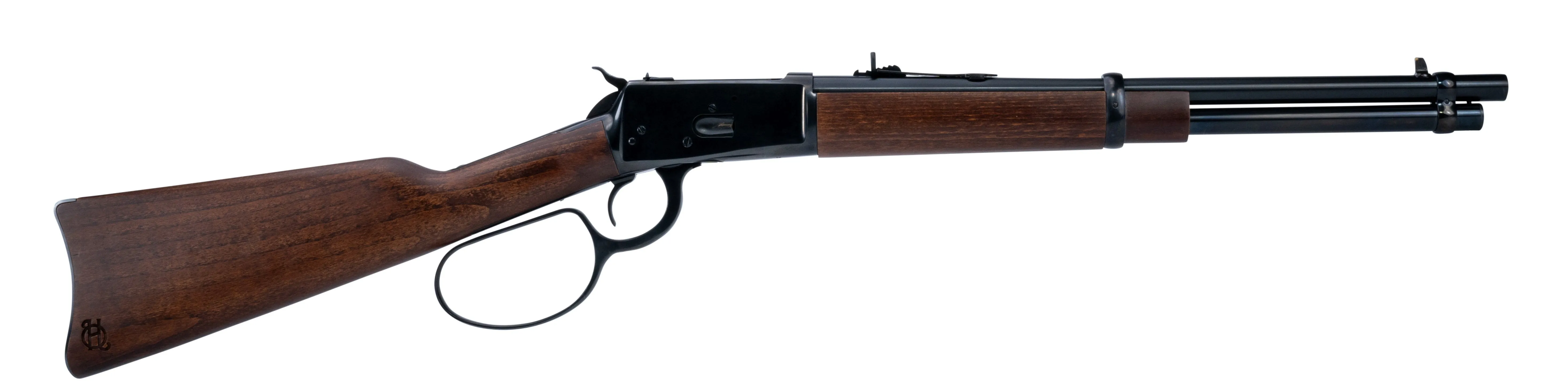
Heritage Firearms R92 Carbine Wood / Blued .44 Mag / .44 SPC 16.5 Barrel 8-Rounds
.44 Magnum
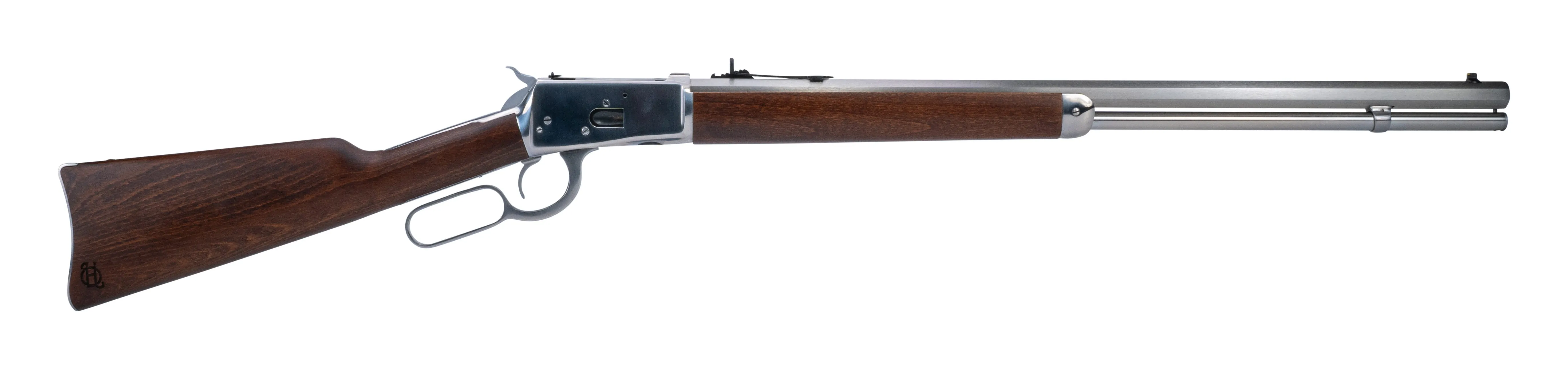
Heritage Firearms R92 Carbine Wood / Stainless .45 Colt 18 Barrel 8-Rounds
.45 Long Colt
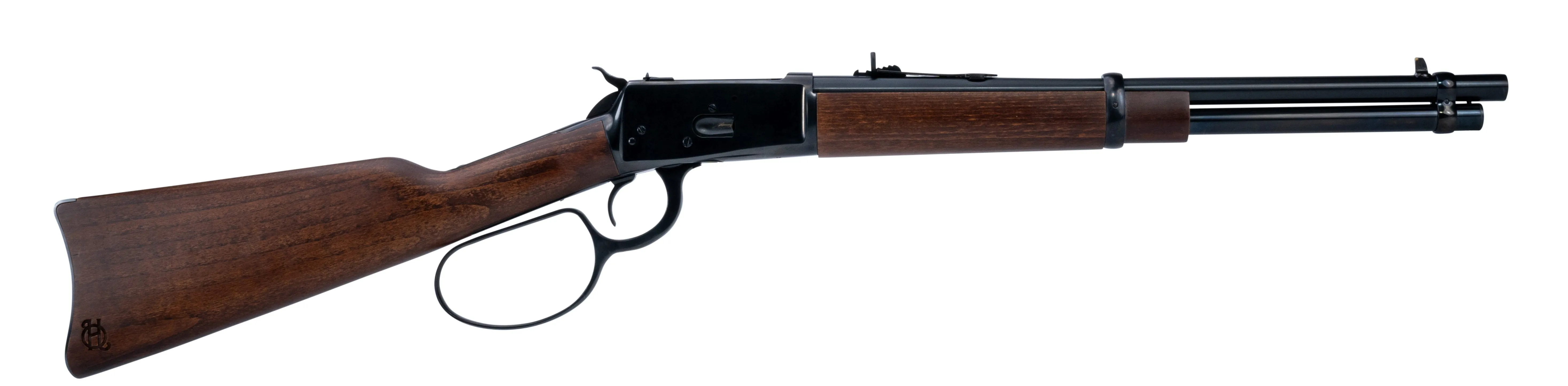
Heritage Firearms R92 Carbine Wood / Blued .45 Colt 16.5 Barrel 8-Rounds
Heritage's grid leads with two rimfire Settler .22s before it gets to the centerfire R92 carbines in .44 Magnum and .45 Colt — read the cartridge in each title rather than assuming the cheap rows are centerfire. The R92s are 1892-pattern clones and the cheapest two-retailer centerfire lever guns we track.
Worth knowing about the brands whose grids we did not put here: price-sorting Henry, Rossi or Browning in this category returns only rimfires at the cheap end — H1 Classics, Rio Bravos and BL-22s. All three make excellent centerfire lever guns; none of them lead with one.
What does $1,000 and up actually buy?
Marlin, Cheapest First
Prices updated Oct 10, 2026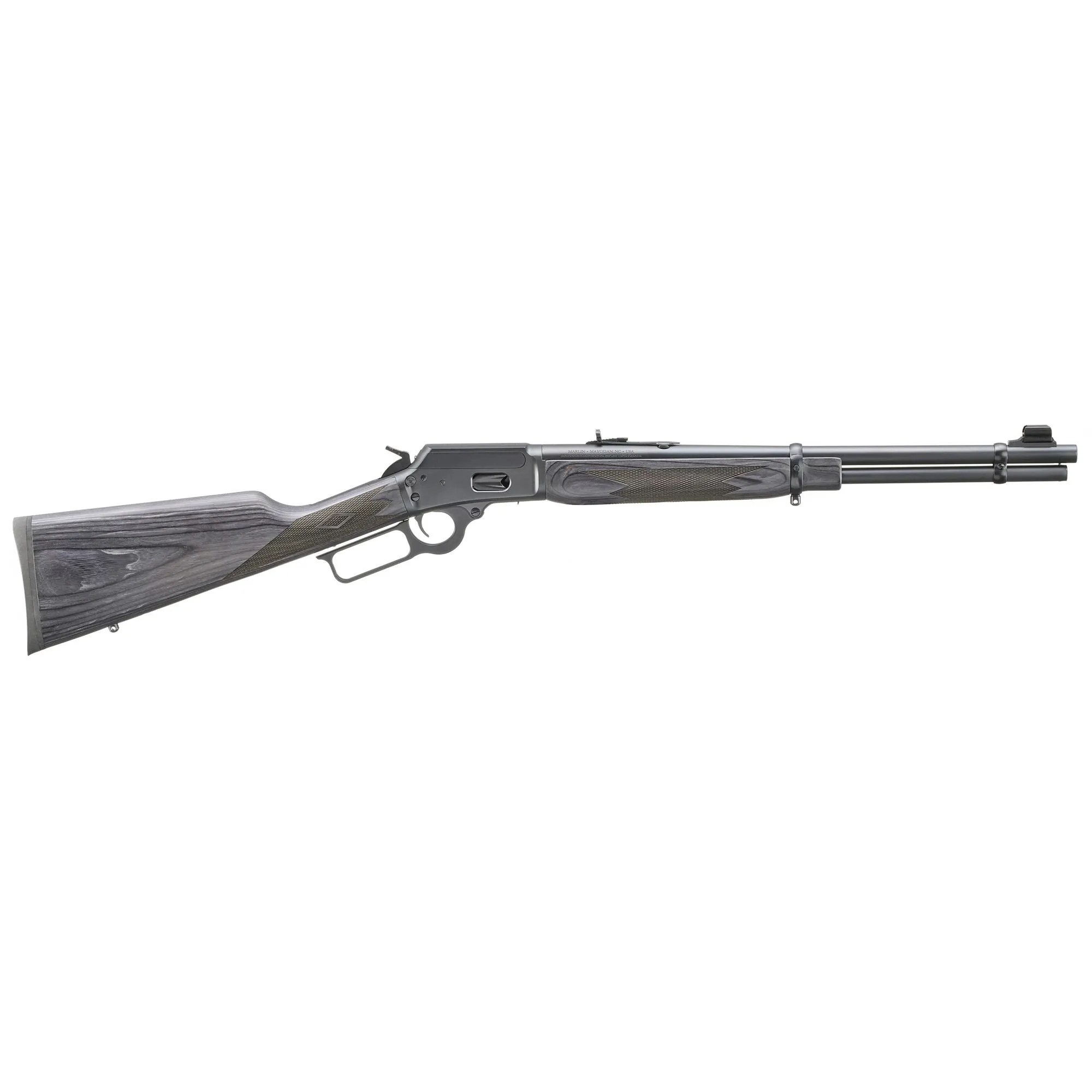
Marlin Guide Gun Black .357 Mag 18.63 Barrel 9-Rounds Laminate Stock
.357 Magnum,.38 Special

Marlin 1894 Guide Gun Grey Laminate .44 SPC / .44 Mag 20.25 Barrel 10-Rounds
.44 Rem Mag
Marlin 1894 Classic Black Walnut .357 Mag / .38 SPL 18.63 Barrel 10-Rounds
.357 Magnum,.38 Special
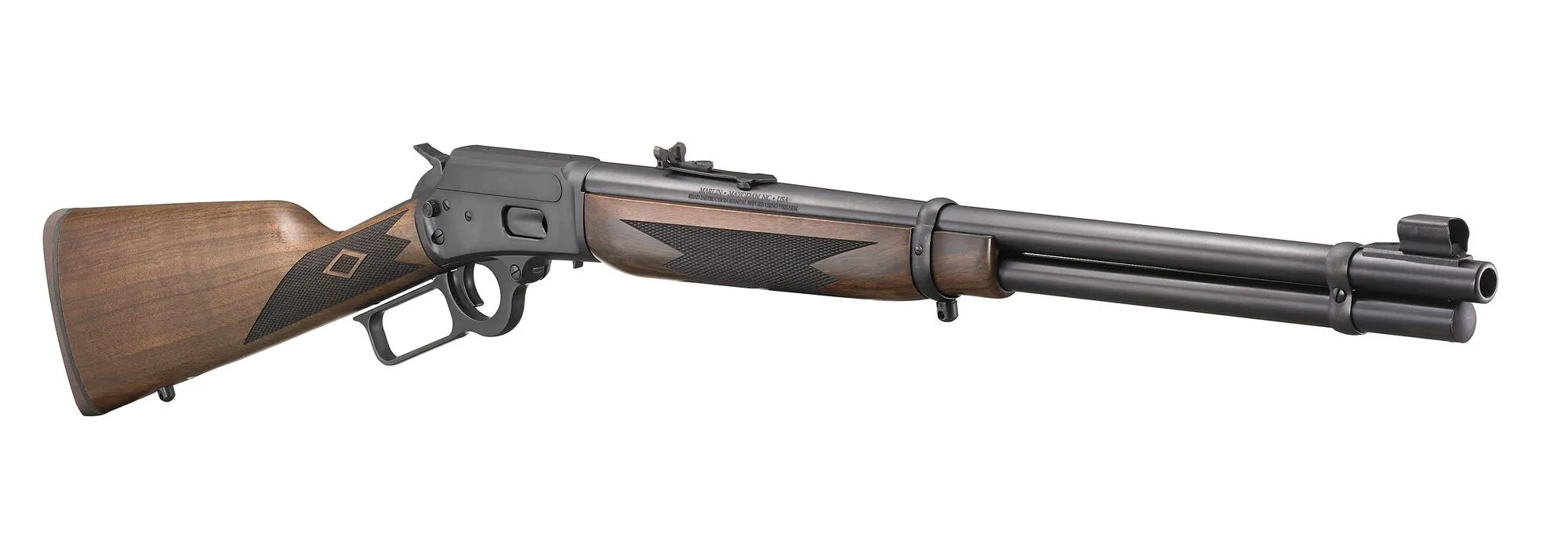
Marlin 1894 Classic .44 Mag / .44 Special 20.25 Barrel 10 / 11-Rounds Walnut Stock
.44 Magnum
Marlin 1895 Guide Gun Big Loop Walnut / Black .45-70 19 Barrel 6-Rounds
.45-70 Government
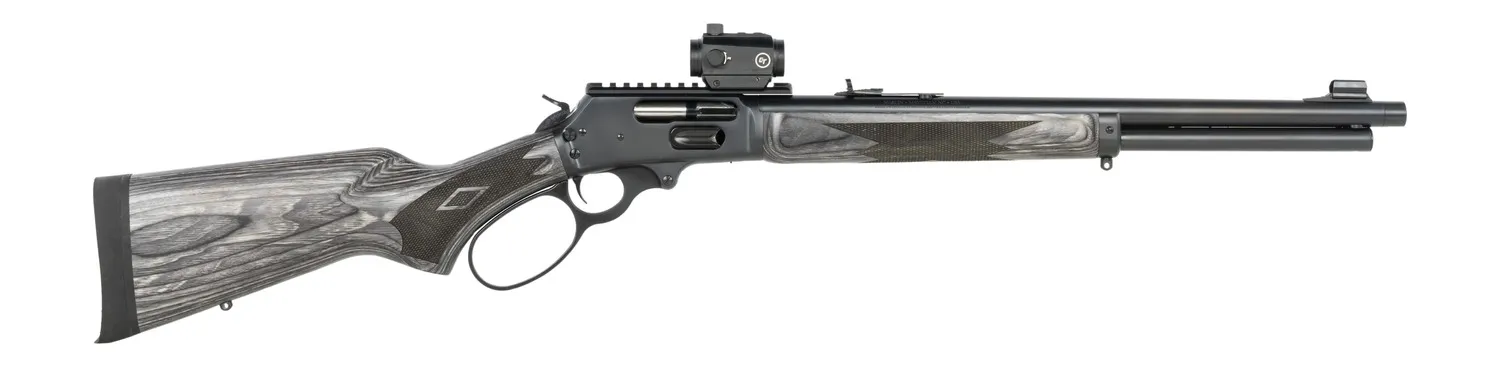
Marlin 1895 Guide Gun Gray / Black .45-70 19.1 Barrel 6-Rounds w/ Crimson Trace Red Dot
Smith & Wesson Model 1854, Cheapest First
Prices updated Oct 10, 2026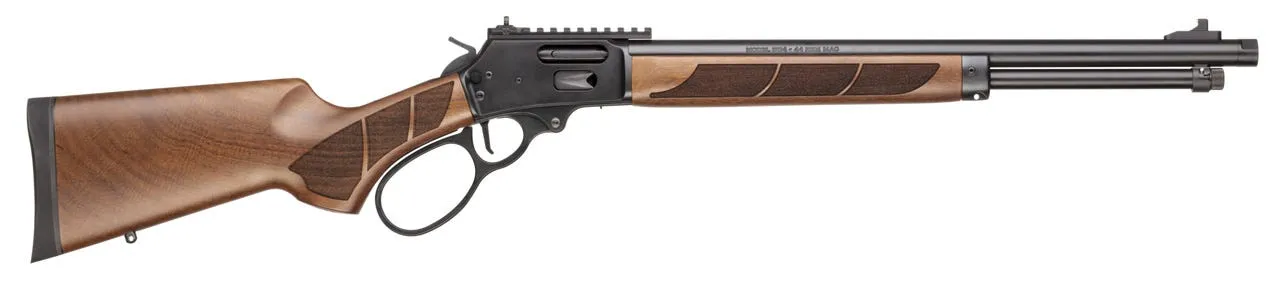
Smith and Wesson Model 1854 Walnut / Black .45 Colt 19.25 Barrel 9-Rounds
.45 Long Colt
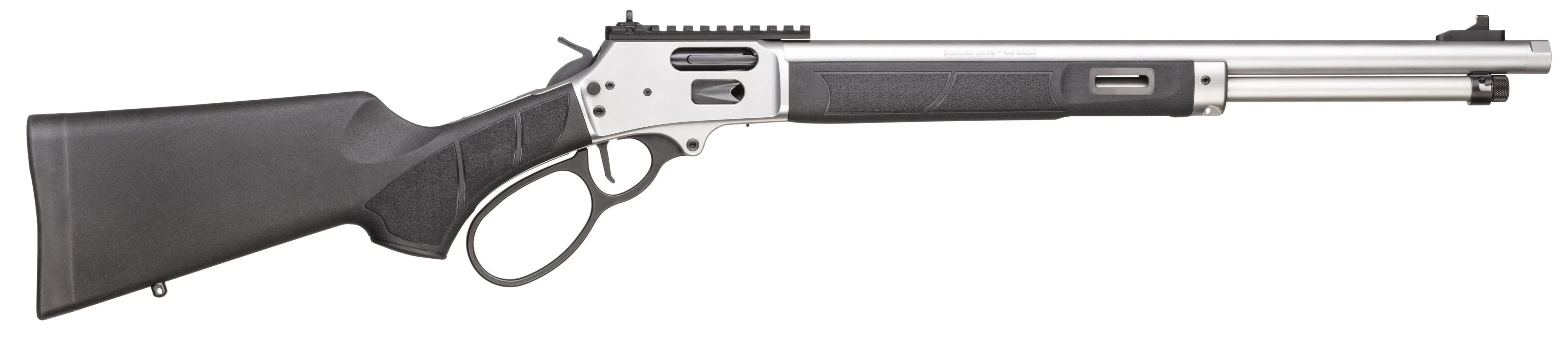
Smith and Wesson Model 1854 Stainless / Black .45 Colt 19.25 Barrel 9-Rounds
.45 Long Colt
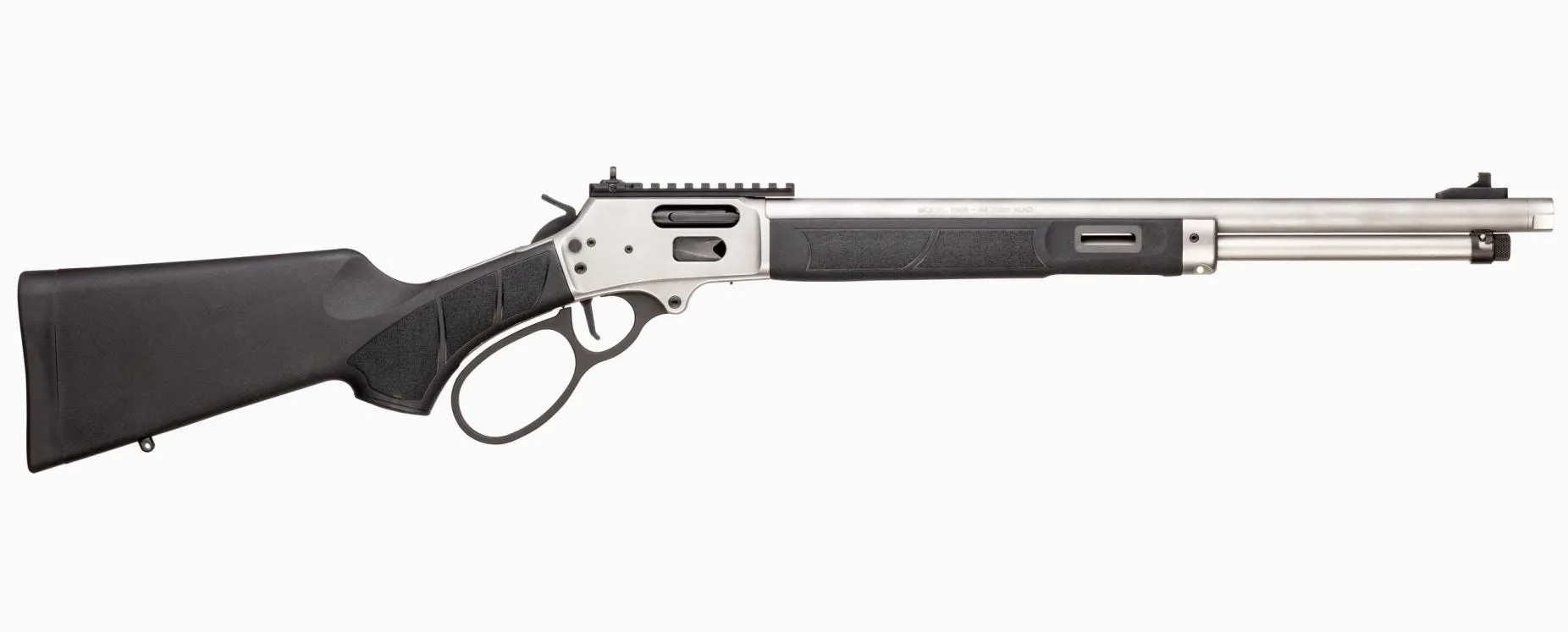
Smith and Wesson Model 1854 Black / Stainless .44 Mag 19.25 Barrel 9-Rounds
.44 Magnum
Smith and Wesson Model 1854 Black / Stainless .357 Mag / .38 SPL 19.25 Barrel 10-Rounds
.357 Magnum
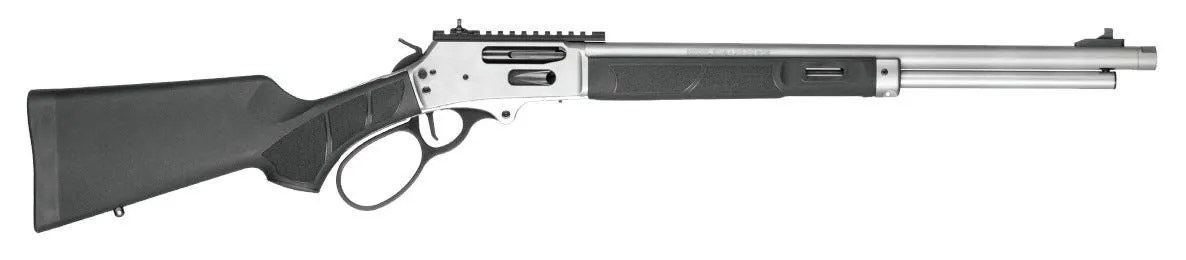
Smith and Wesson Model 1854 Stainless / Black .30-30 20 Barrel 6-Rounds
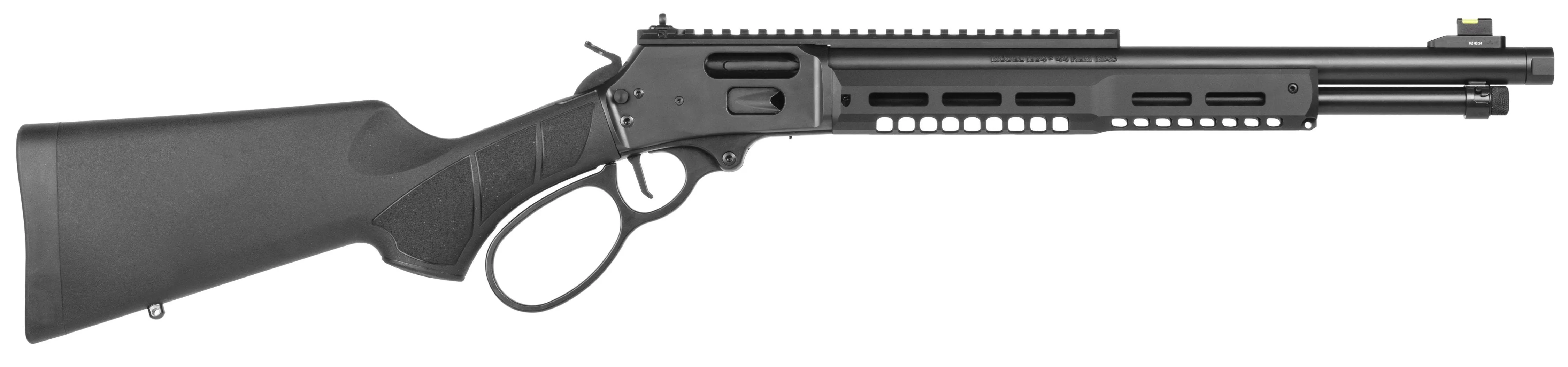
Smith and Wesson 1854 Stealth Hunter .45 Colt 16.3 Barrel 8-Rounds
.45 Colt
Marlin's grid is clean centerfire from top to bottom — 1894s in .357 and .44, then the 1895 Guide Gun in .45-70. Smith & Wesson's is entirely the Model 1854, a current-production design rather than a reproduction, in .45 Colt, .357, .44 Magnum and .30-30.
Above that sit the reproduction makers: Cimarron, Uberti and Taylor's build 1866, 1873 and 1892 pattern rifles from about $1,100 upward, mostly in .45 Colt, .357 and .44-40. Those are period-correct guns bought for cowboy action and for their own sake, and the price reflects fit and finish rather than capability.
One genuine outlier is worth flagging because it breaks the pattern: 27 listings are lever rifles in modern bottleneck cartridges — .223/5.56, .308, .243 and 6.5 Creedmoor, mostly box-fed rather than tube-fed. If that is what you want, our precision rifles under $2,000 guide and best bolt-action hunting rifles will get you a better rifle for the money in those chamberings.
Lever guns are the one rifle where shopping retailers pays
Here is the finding that surprised us most. Across firearms generally, only about 16% of our listings are carried by more than one retailer, which is why cross-shopping guns rarely pays. Lever actions are at 337 of 677 — 49.8%.
Among those multi-vendor listings the median spread between cheapest and dearest seller is 3.22%, but the tail is long: 38% spread 5% or more, 19% spread 10% or more, and 3% spread 25% or more. The widest we currently see is a Henry commemorative .22 at $789.99 from one retailer and $1,202.99 from another — a 52% gap on the identical rifle. A Heritage Settler runs $269.99 against $391.99.
Timing matters too. Of all 677 listings, 482 — 71.2% — currently sit above their own recorded low since February 2026, with a median gap of 4.5% and three quarters within 8.8%. For comparison, firearms as a whole run around 43% above their own low. Lever actions behave much more like ammunition than like other guns in our price history, which means waiting is a real strategy rather than wishful thinking.
Get alerted when .357 Magnum price drops hit.
We watch every listing and email you the moment the cost per round drops.
Set Up a Free Price AlertWhat the catalog cannot tell you
Three limits worth stating plainly, because they affect the buying decision and no filter will surface them.
Threaded barrels are rare. Just 34 of 677 listings state a threaded muzzle, and only 5 mention a rail or an optic mount. If a suppressor is the plan, decide now — our suppressor buying guide covers the stamp, the wait and the sequence, and best suppressor hosts by caliber covers which chamberings are worth the trouble. Rules differ by state and they change; verify your own jurisdiction before ordering anything.
Capacity is mostly unrecorded. Our data has no magazine count on 650 of the 677 listings, because a tube magazine is not a detachable magazine and the feeds do not report it consistently. Read the title or the retailer's spec sheet. Materials are more legible: 337 listings specify walnut or wood, 50 are stainless or all-weather, and none are synthetic — this is still a wood-and-steel category.
Ballistics are not our department. We price ammunition; we do not test it. For what the numbers on a box actually mean, muzzle energy vs muzzle velocity is the one to read, and how we rank ammunition sets out the claims we refuse to make.
Finally, the prices on this page are item-only. Shipping is not included, the FFL transfer is not included, and ammunition has its own delivery restrictions — how to buy a gun online covers the transfer process and ammo shipping restrictions covers the rest. Start from the live catalog at /ammo, or straight at .357 Magnum and .38 Special if the cheap-to-feed route is the one you are taking.
AmmoSpotter earns a commission when you buy through links on this page. It never changes what you pay, and it never decides what we recommend — our picks are ranked on live cost-per-round data pulled from every retailer we track. Full disclosure.
Frequently Asked Questions
What is the cheapest lever action rifle worth buying?+
Which lever action cartridge is cheapest to shoot?+
Can you buy .45-70 in bulk?+
Is .30-30 or .45-70 better for deer?+
Does it pay to shop multiple retailers for a lever action?+
Can you put a suppressor on a lever action?+

About the author
AmmoSpotter Research Desk
Price & Ballistics Research
The AmmoSpotter Research Desk analyzes live retail pricing across every ammunition, firearm and accessory listing we track. Recommendations here are ranked against real cost-per-round data pulled daily from the retailers we monitor - not against manufacturer marketing copy.
- ✓Tracks 180,000+ live product listings across 6 retailer feeds
- ✓Records price history on every listing, every day
- ✓Cost-per-round methodology applied to all ammunition rankings
- ✓No product is ranked without a verifiable in-stock retail price
- ✓Affiliate relationships never influence rankings
Related Guides

Best Bolt Action Rifles for Hunting (2026): Priced Live, Cartridge First
- We track roughly 4,500 bolt-action rifles. The grids below are priced live at the moment you load this page. - Sort any bolt-action category cheapest-first and the top is rimfire, not deer rifles. Read the chamberin...
Best Precision Rifles Under $2,000 (2026): What the Live Catalog Actually Offers
- We track 410 live centerfire precision-pattern bolt-action listings. 259 of them are under $2,000 , and the median of those is $1,179 — the budget is not the binding constraint. - The binding constraints are glass a...

Best Deer Hunting Ammo by Caliber (2026): What Each Cartridge Costs to Feed
- The mainstream deer cartridges — .308 Winchester, 6.5 Creedmoor, .30-06 Springfield — cost close enough per round that price should not pick your rifle. - Cost per round is misleading on hunting ammo: you buy it in ...
Best .38 Special Ammo for Snub-Nose Revolvers (2026): Live Prices by Load Type
- .38 Special is one of the widest-spread cartridges we track: the trimmed floor sits at about $0.420 per round while the top of the range reaches $2.945 , across 211 live listings. - Almost none of that spread is bra...

How to Buy a Gun Online: FFL Transfers Explained
- A firearm bought online ships to a licensed dealer near you, not to your door. You do the paperwork and the background check in person. - The transfer fee is set by that receiving dealer. It is invisible to every pr...

Best Semi-Auto Shotguns 2026: Clays and Waterfowl, Priced Live
- 1,254 live semi-auto listings , $164.99 to $3,649, median $1,039.99 . The pump median is $419.99 — the action roughly doubles the bill. - The "action tax" is not a fixed percentage. Charles Daly charges about 13% mo...