Mil-Spec vs Commercial AR-15 Parts
Two words, one genuine incompatibility, and a deciding dimension that not one listing in our index states. Here is where the label changes what fits, where it changes the price, and where it means nothing at all.
What does "mil-spec" actually mean on an AR-15 part?
It means two unrelated things, and which one you are being sold depends entirely on which part you are holding.
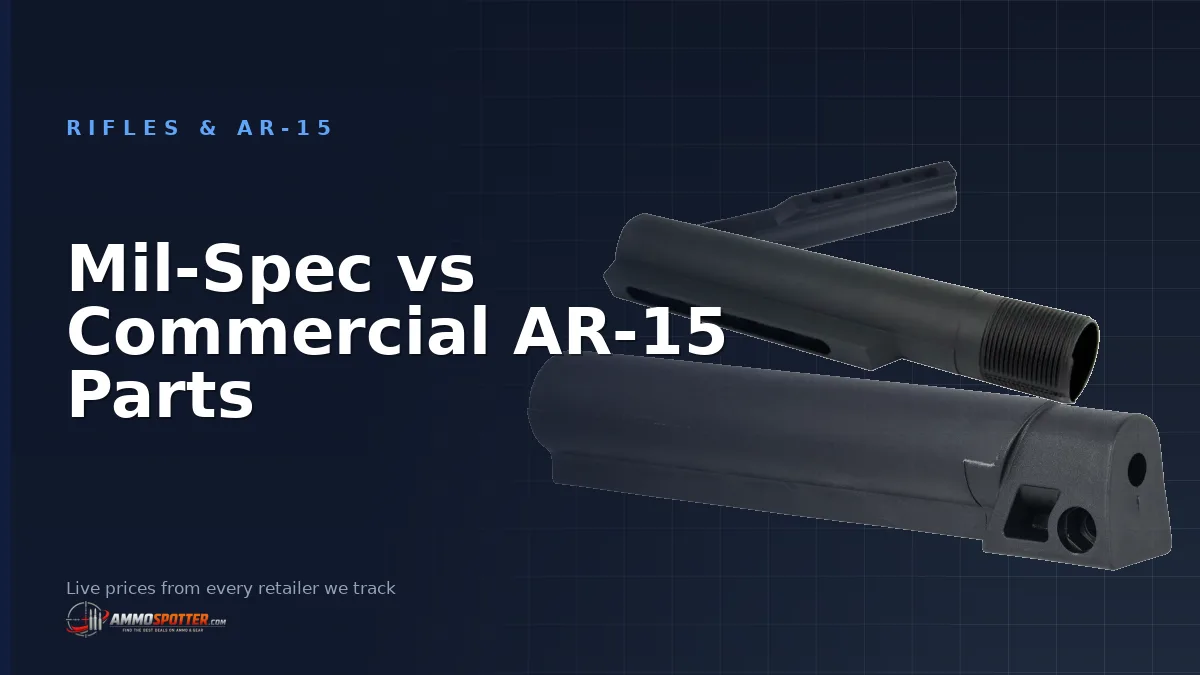
On a receiver extension — the tube the buttstock slides onto, which most people call the buffer tube — mil-spec is a dimension. The tube is made to a smaller outside diameter than the commercial pattern, and the stock has to match it. On a bolt carrier group, mil-spec is a material and process standard: a particular bolt steel, a magnetic particle inspection, a high-pressure test, a staked gas key. Those two uses share a word and nothing else.
Everywhere else on the rifle, the word is mostly decoration. We track 155,527 live listings across our index right now; 406 of them put "mil-spec" in the title, and they are spread across stocks, buffer tubes, charging handles, triggers, grips, magazines, scope rails, lubricants, weapon lights and apparel. The word has become a synonym for "normal."
The receiver extension is the only part where the two are genuinely incompatible
This matters because most AR-15 compatibility questions have a soft answer. A handguard that is nearly right can often be made to work; a magazine from the wrong pattern will usually still feed. The tube and stock pairing has no soft answer. The two diameters differ by roughly two hundredths of an inch, which is enough that a mil-spec stock will not go onto a commercial tube at all, and a commercial stock on a mil-spec tube will be loose.
So this is the one place where getting the label wrong means the part does not fit, full stop. Which makes the next finding the important one.
Not one listing states the diameter that decides it
We ran the whole catalog for the two figures involved. No product description in our index mentions either one. Neither does any of the 2,591 titles that name a stock, a buffer tube or a receiver extension. Five of those titles say the words "mil-spec diameter" without ever giving the number.
Inside the stock aisle specifically — 1,166 live listings — exactly one title tells you which diameter it is cut for.
This is the honest reason the question keeps getting asked. It is not an obscure spec. It is a spec the shelf declines to print.
Why is the cheapest listing in the buffer tube aisle not a buffer tube?
The Buffer Tubes category holds 286 live listings, from $2.99 up to $289.99, with a median of $46.19. But only 141 of those 286 are actually a receiver extension. The rest are recoil springs, castle nuts, end plates, buffer weights, spacers, retainer pins and one tube cover.
Price-sort the aisle and you get the hardware, not the tube:
What the Cheap End of the Buffer Tube Aisle Actually Contains
Prices updated Oct 24, 2026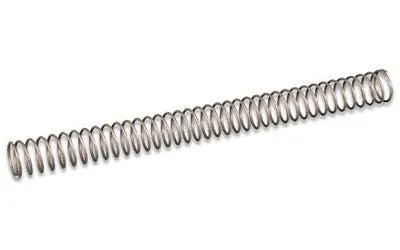
LBE AR15 RECOIL SPRING
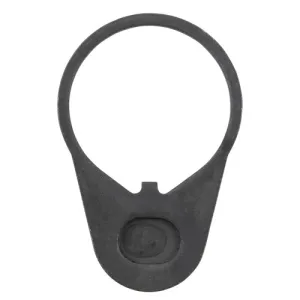
TacFire Receiver End Plate for AR-15
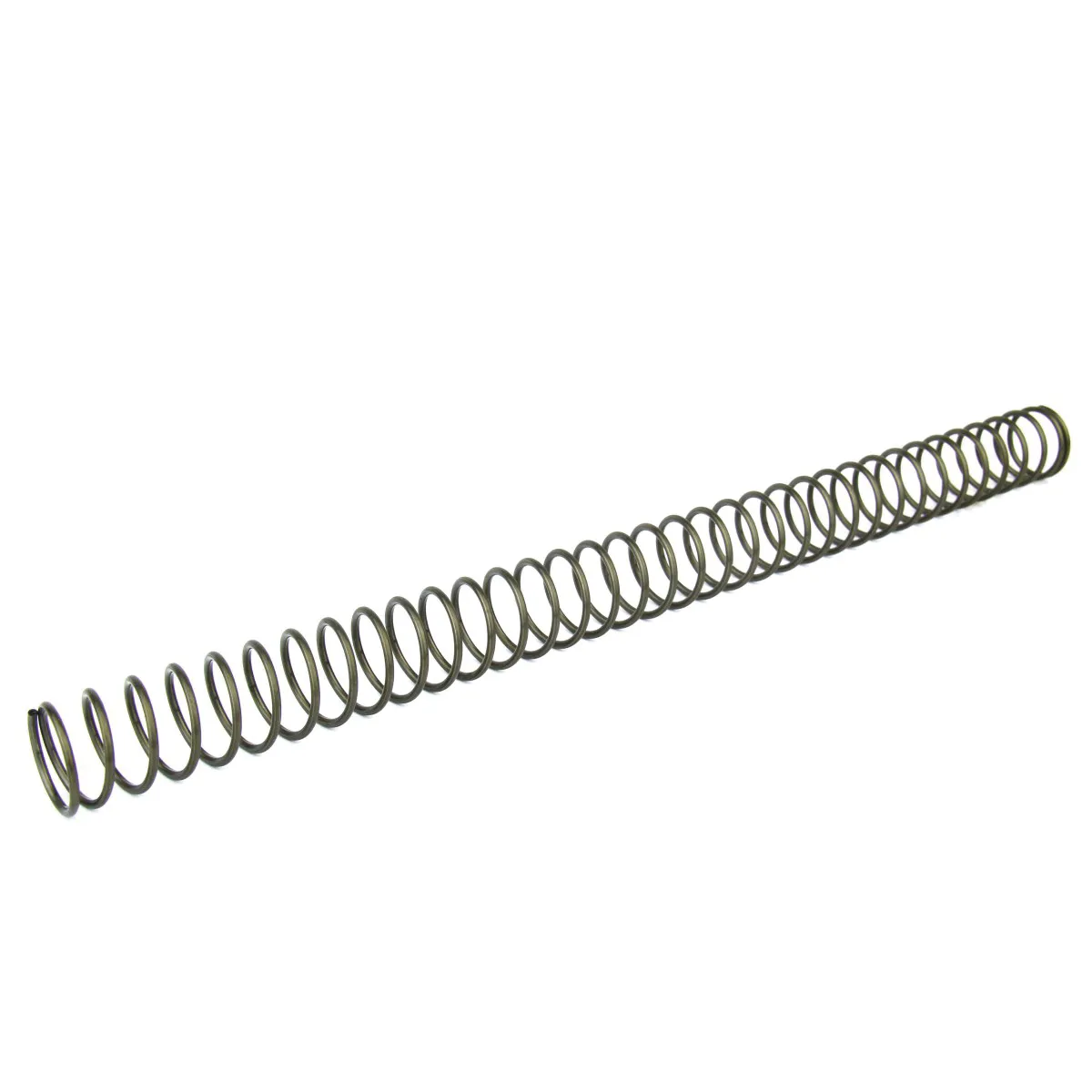
TacFire AR-15 Buffer Tube Spring Silver A2 Length
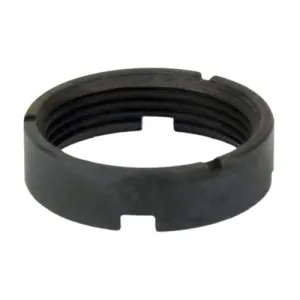
TacFire Castle Nut for AR-15 Buffer Tube

Anderson Manufacturing Buffer Spring Carbine Length
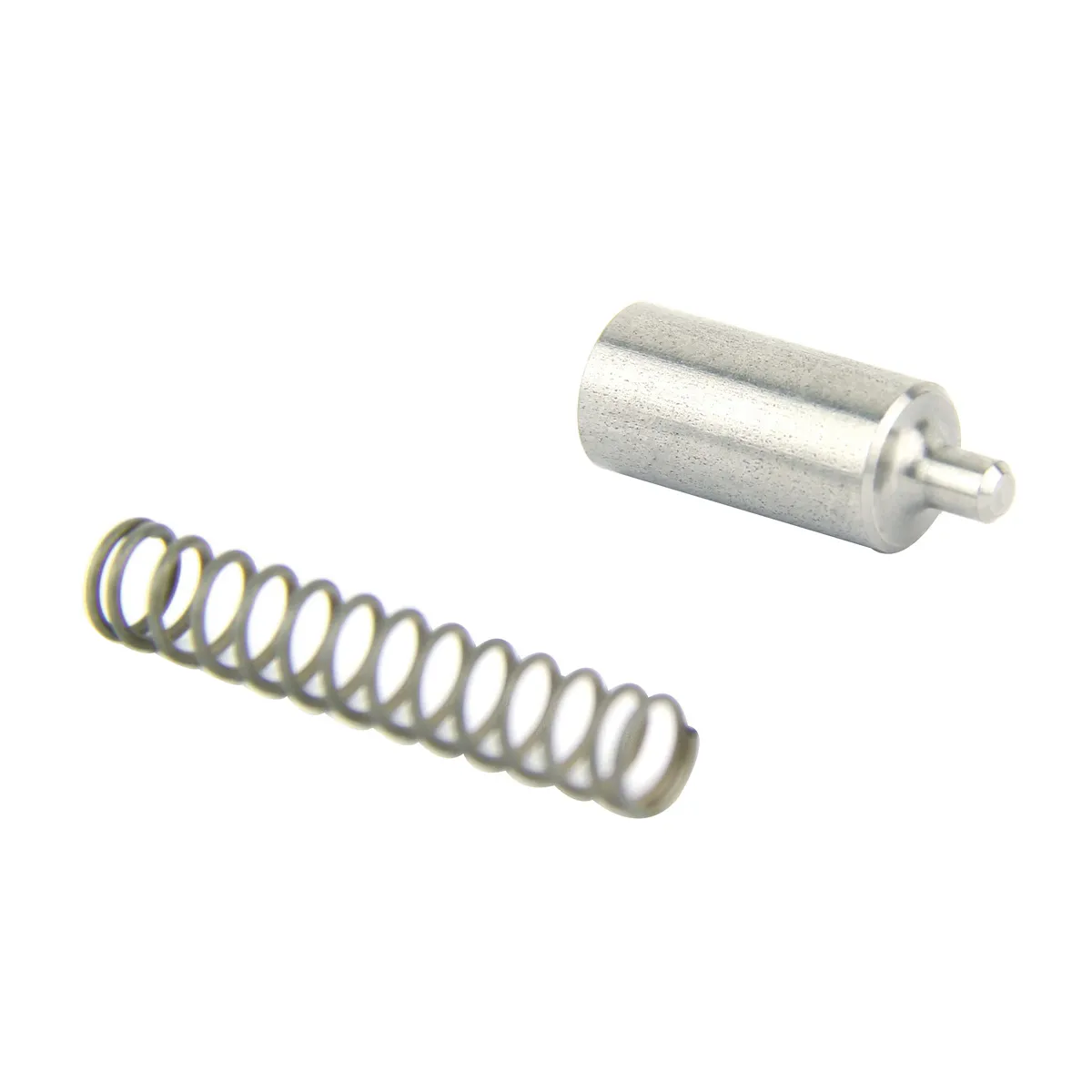
Tacfire AR-15 Buffer Retainer Pin and Spring Silver 10-Pack
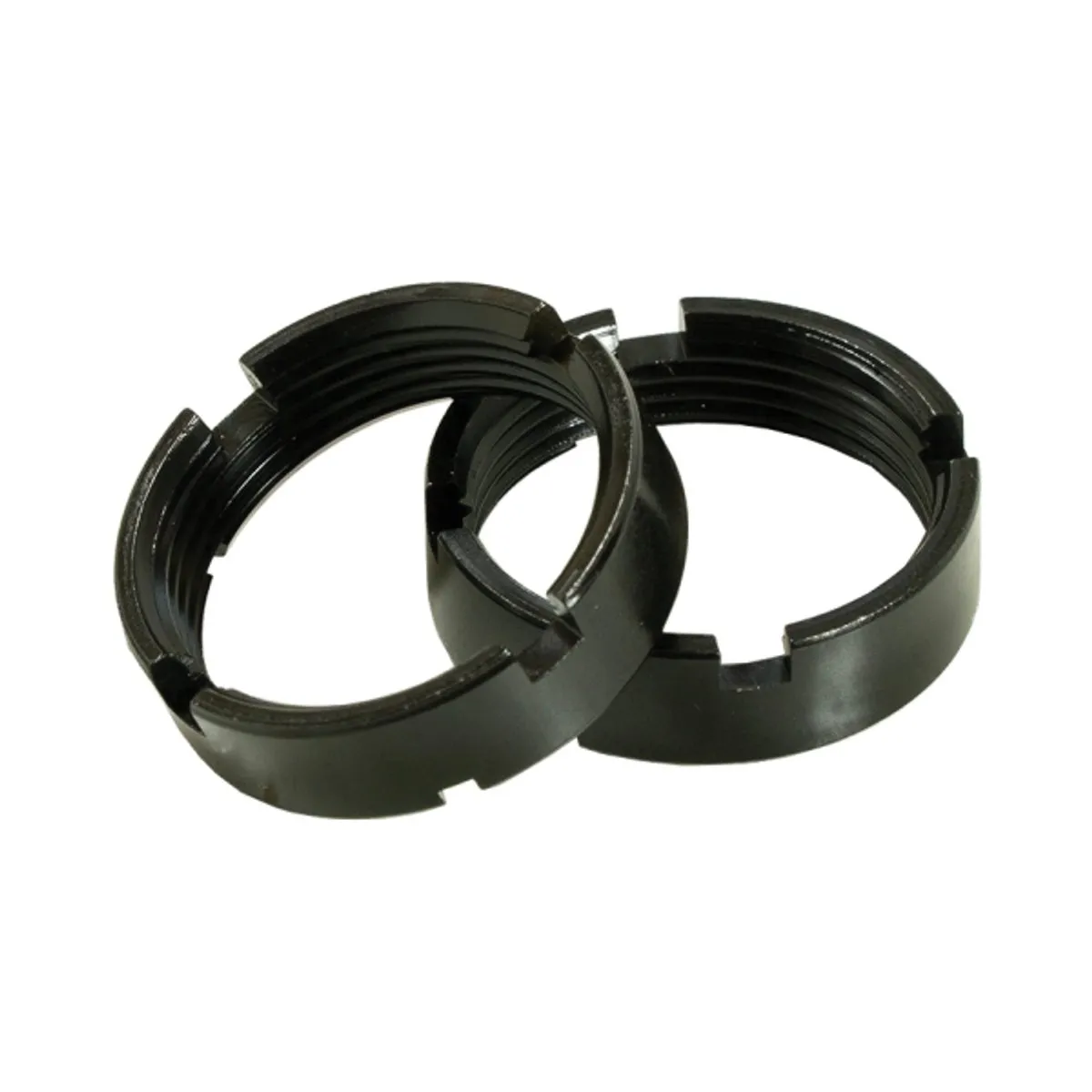
Timber Creek Outdoors TCCN Castle Nut for AR-15
Aero Precision Buffer Spring Silver for AR-15 Carbine
That is worth reading as a parts list rather than a bargain bin. A tube on its own does not come with the castle nut, end plate or buffer it needs, and those are three more listings in the same aisle. Build the number from all four or the quote is wrong.
Here is the same shelf at the other end, where the listings are genuinely receiver extensions:
Receiver Extensions at the Premium End
Prices updated Oct 24, 2026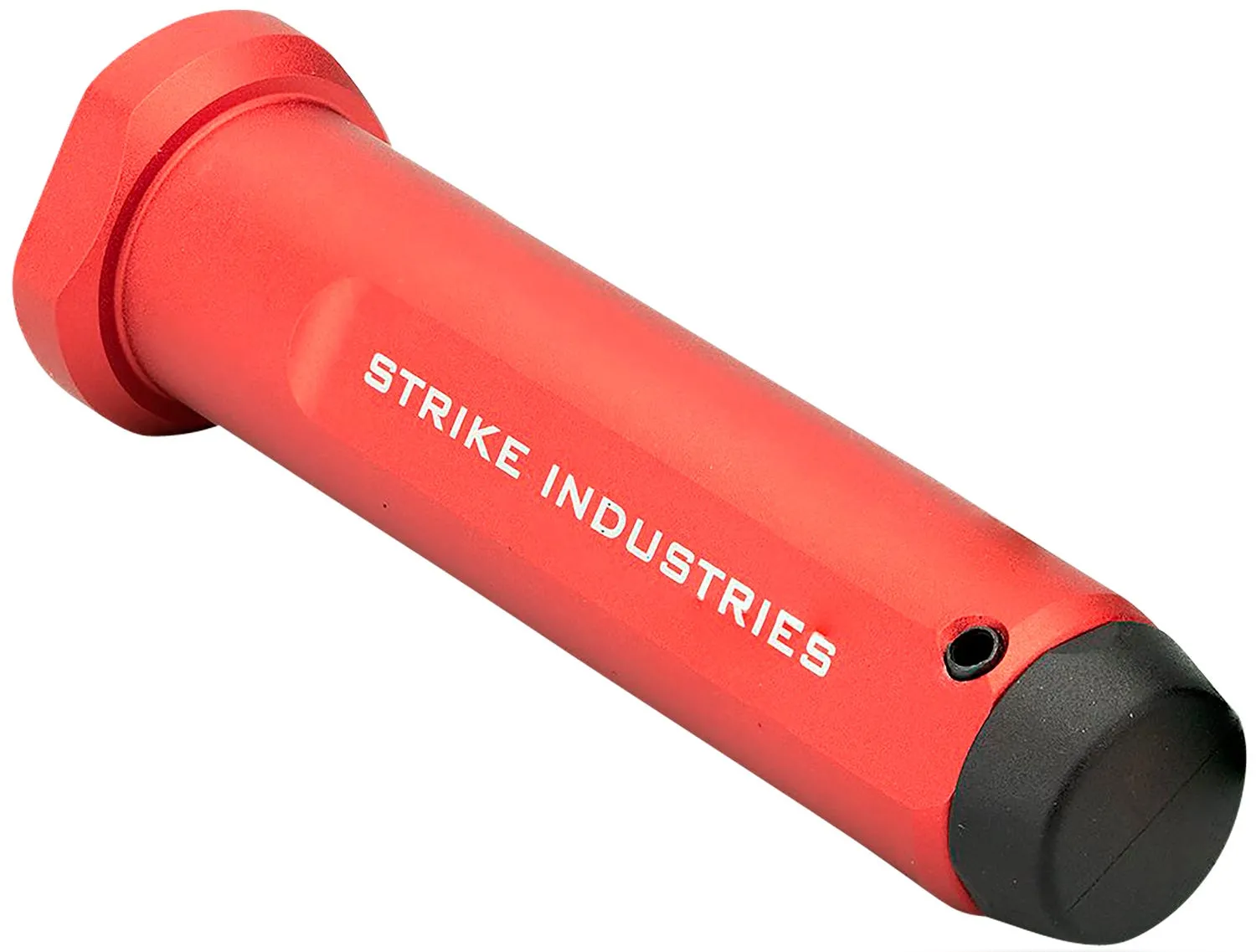
Strike Industries Buffer Housing Red
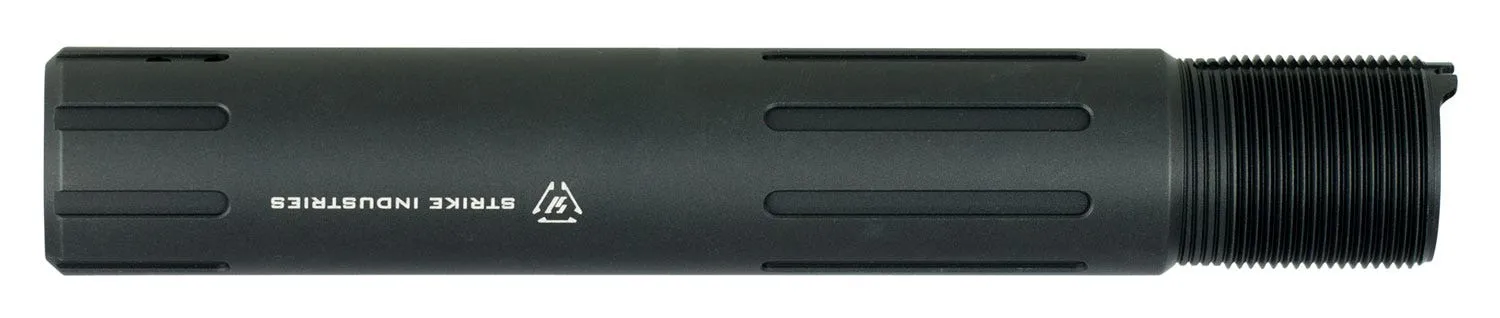
Strike Industries Slick Receiver Extension Buffer Tube
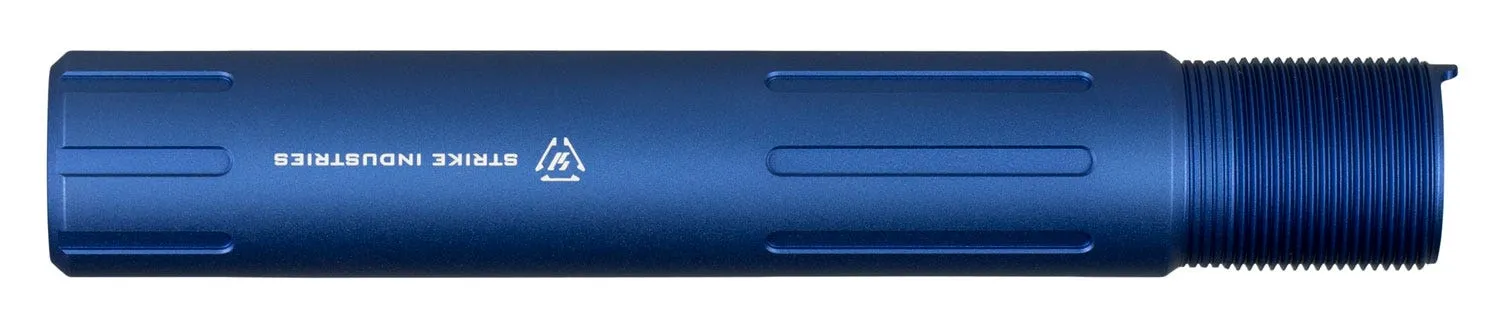
Strike Industries Receiver Extension Tube Blue 5.28 for AR Pistol
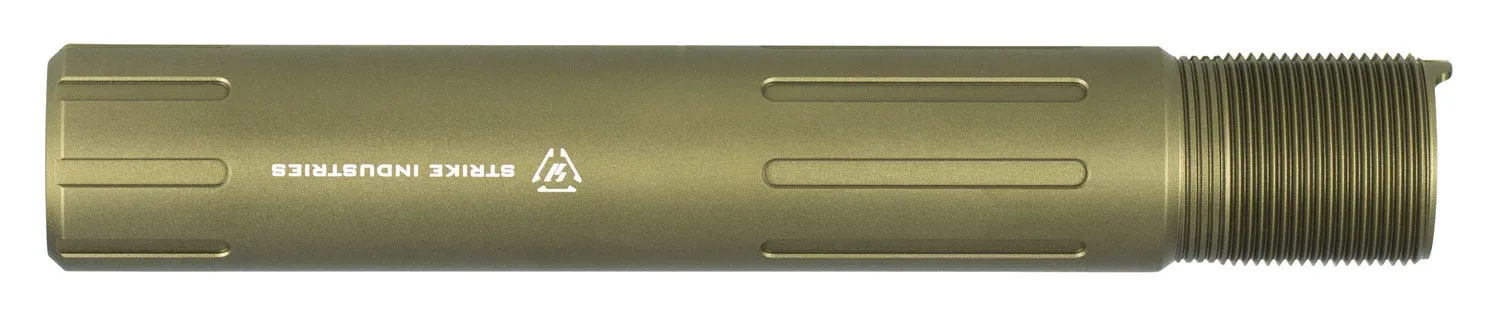
Strike Industries Receiver Extension Tube Flat Dark Earth for AR-Platform
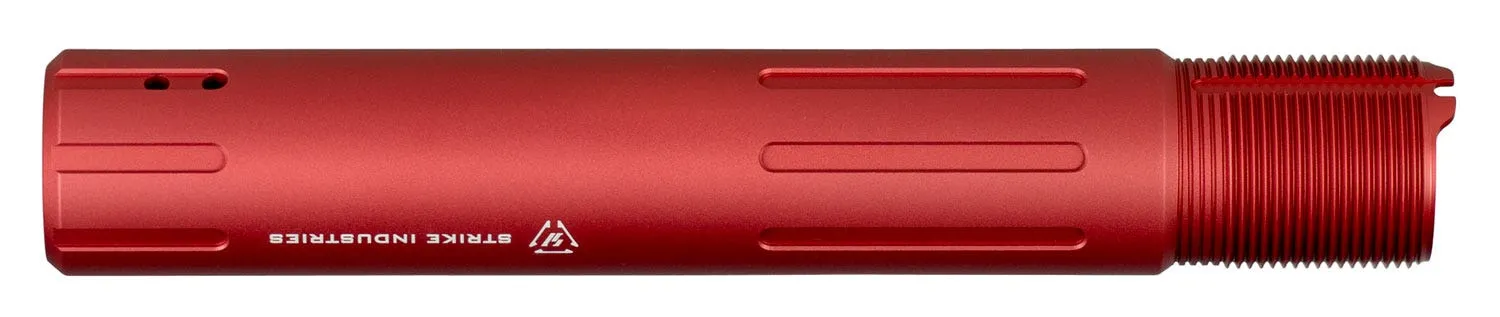
Strike Industries Receiver Extension Tube Red for AR-Platform
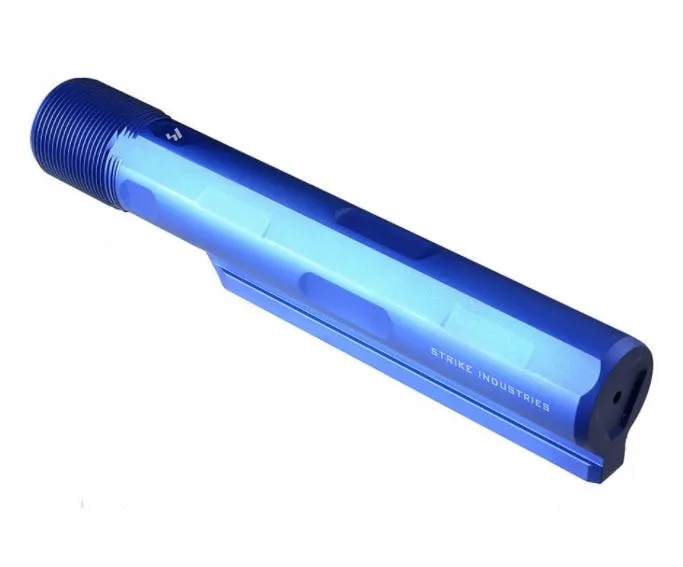
Strike Industries Advanced Receiver Extension Blue 7-Position Mil-Spec
Why does the mil-spec stock cost less than the one that says nothing?
Because mil-spec is the baseline, and the parts that deviate from it are the ones charging for it.
The Stocks category runs 1,166 listings with a median of $129.99. Split it by label and the pattern is clear: the 99 stocks that say mil-spec have a median of $57.95, the 9 that say commercial come in at $48.19, and the 1,062 that say neither have a median of $143.96 — roughly two and a half times the mil-spec figure. The same direction holds on tubes, where the 45 mil-spec-labelled receiver extensions run a median of $34.69 against $49.95 for the ones that stay silent.
Nothing sinister is happening. The listings that say "mil-spec" are telling you they are the ordinary part. The ones that say nothing are precision chassis, folding stocks, PDW systems and bolt-gun furniture, and they cost what those things cost.
The Mil-Spec Stock Tier, Cheapest First
Prices updated Oct 24, 2026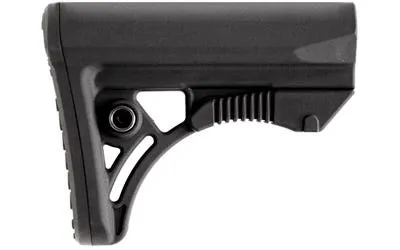
Leapers PRO MODEL4 S3 STK ML-SPC BLK
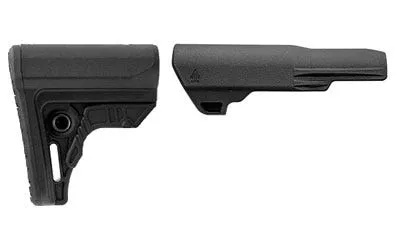
Leapers UTG Ops Ready S4 Stock Mil-Spec Black
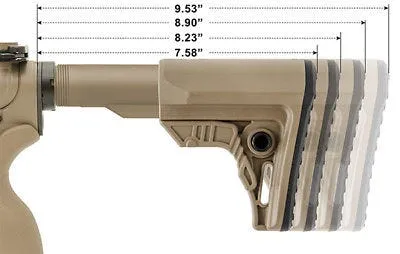
Leapers UTG Ops Ready S4 Flat Dark Earth
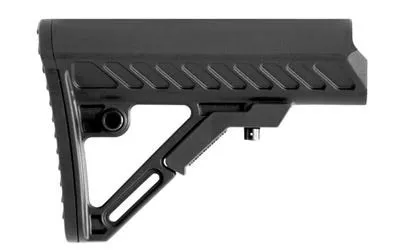
Leapers PRO MODEL4 S2 STK ML-SPC BLK
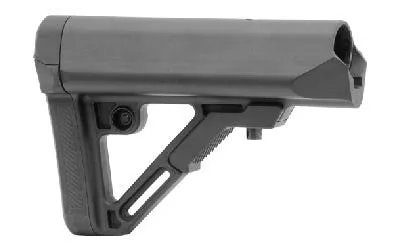
Leapers Inc. Model 4 Combat S1 Mil-Spec Stock-Black
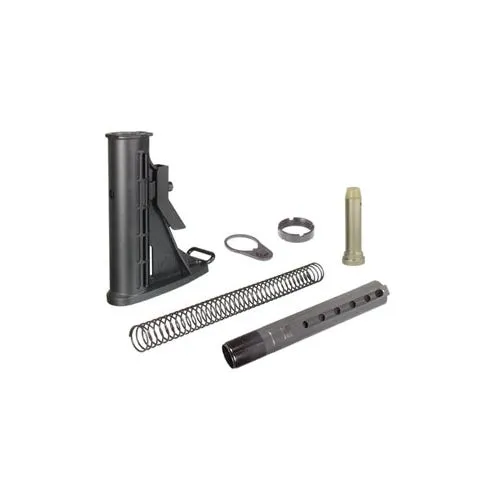
Leapers Pro Mil-Spec AR 6 position stock kit Black
One caution on that category as a whole: of its 1,166 listings, only 140 name an AR-15 and 422 name some other platform entirely — Remington 870 and Mossberg 590 forends, 10/22 furniture, bolt-action chassis. The stock aisle is not an AR aisle with extras in it; it is a general furniture aisle that AR stocks sit inside.
Where is the commercial-spec shelf? There are 24 listings
Across the entire index, 24 live listings use the word "commercial" — and that includes a knife, a reloading item and a handgun. In the two categories where it decides fitment, there are 9 commercial stocks and 2 commercial receiver extensions.
One of the Few Brands Shipping Commercial-Spec Stocks
Prices updated Oct 24, 2026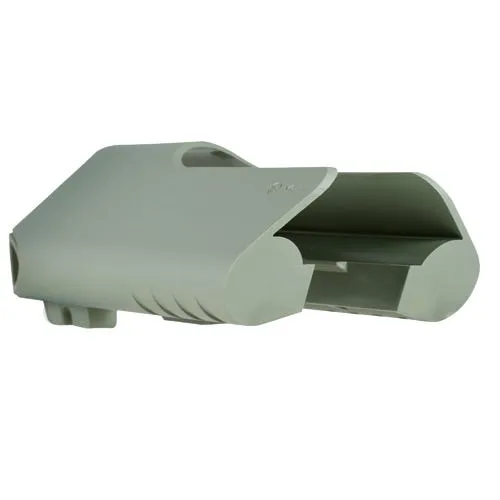
Mission First Tactical E-VOLV Bat Stock ATCHMount FG
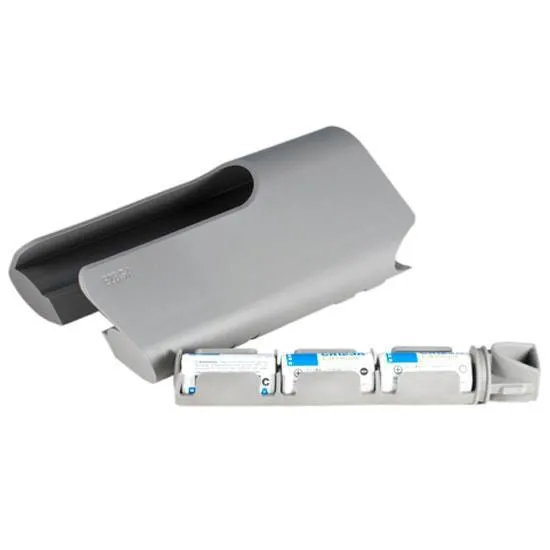
Mission First Tactical E-VOLV Bat Stock ATCHMount GRY
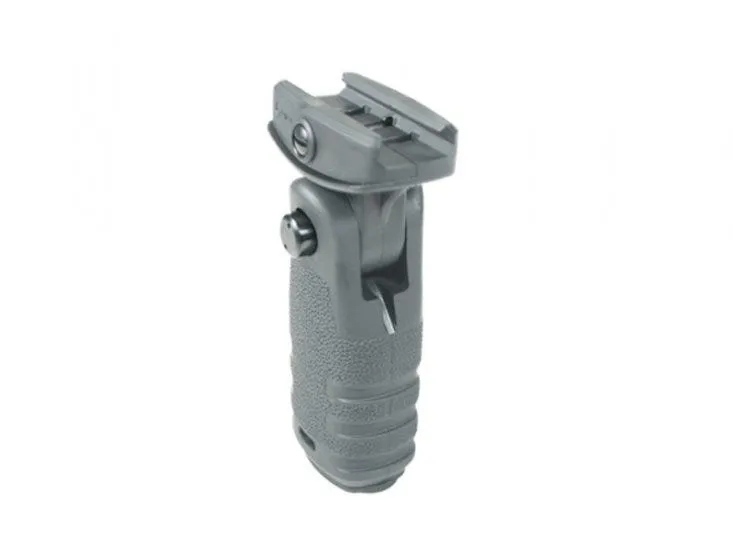
Mission First Tactical React Folding Grip GRY
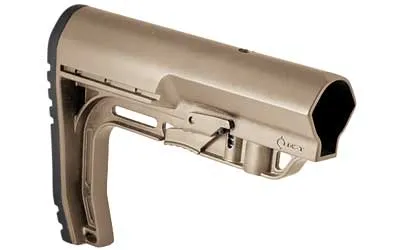
Mission First Tactical Batlnk Minimal Stock Com Sde

Mission First Tactical Battlelink Minimalist Stock Commercial Foliage Green
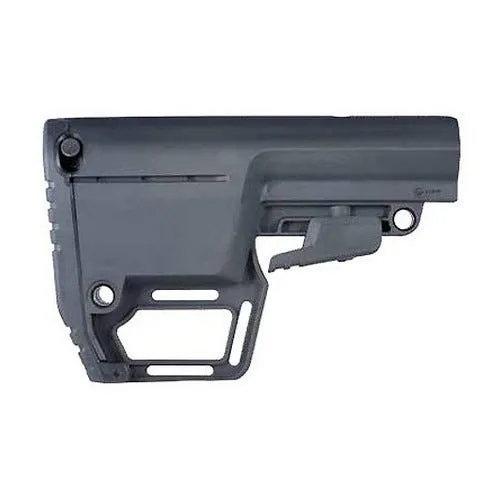
Mission First Tactical Minimalist Stock CommBlk
Read that grid carefully: the first rows are an attachment mount and a grip, and the commercial-spec stocks start partway down. That is the honest shape of this shelf.
The practical consequence is not that commercial-spec is worse. It is that commercial-spec is orphaned. If you own a commercial tube and want a new stock, you are shopping a shelf of nine listings instead of a shelf of hundreds. That asymmetry, not metallurgy, is the real argument for converting to mil-spec when the tube is due for replacement anyway.
The Pairs, Priced Live
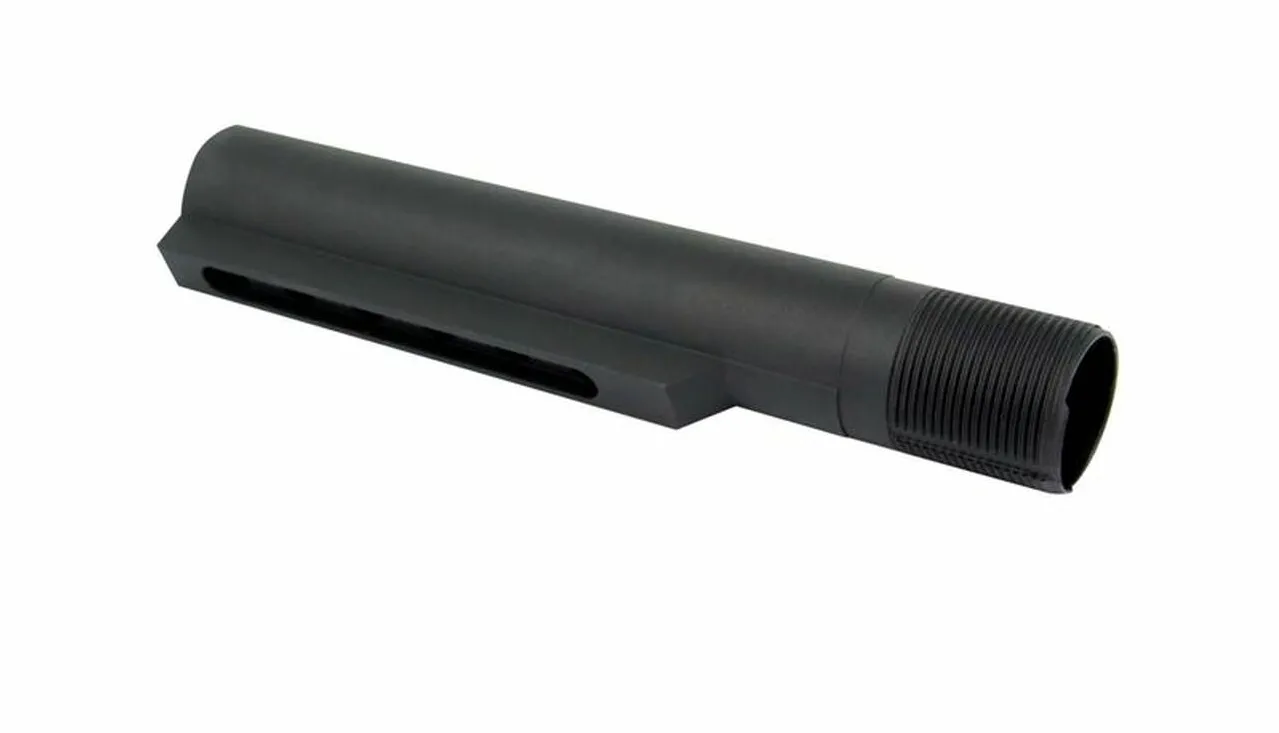
TacFire Buffer Tube Mil-Spec for AR-15
The cheapest genuine mil-spec receiver extension we track, at two retailers. Note what it is not: there is no castle nut, no end plate and no buffer in that price. Those are separate listings in the same aisle, and three of them together cost less than this tube does.
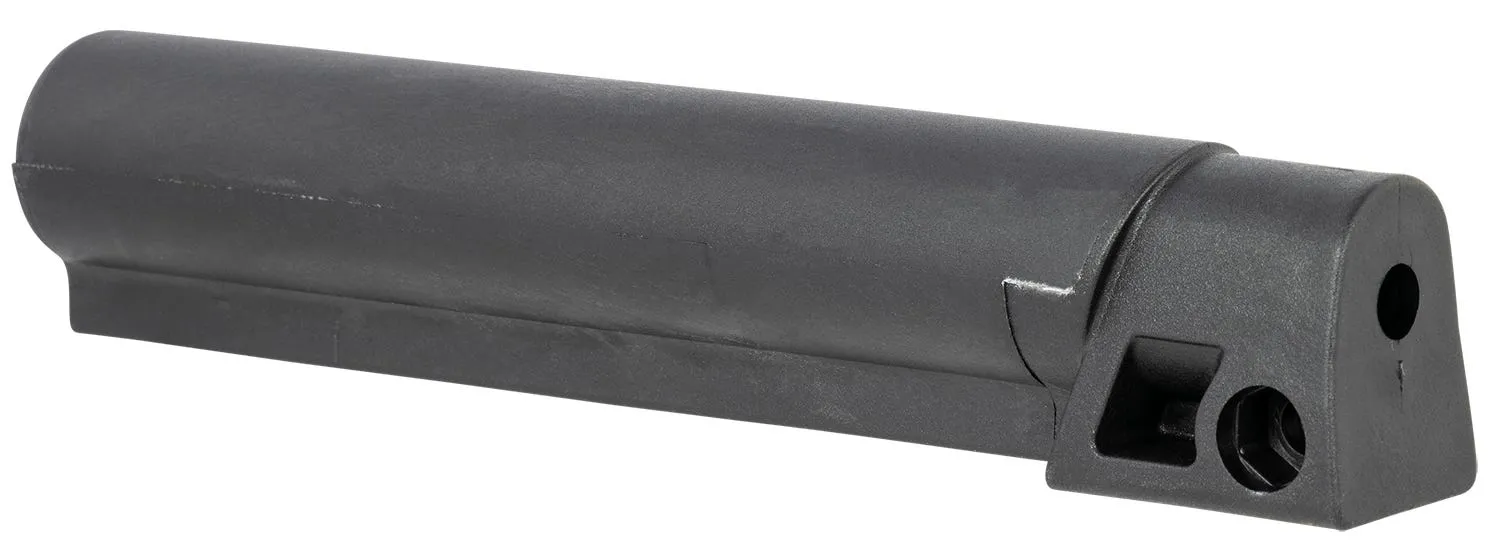
NC Star Telestock Tube Commercial Spec for AR-Platform
The commercial-diameter counterpart, also at two retailers — and it is the cheaper of the pair. If you have been told commercial-spec is the corner-cutting option, the shelf does not price it that way: these two listings sit a few cents apart and have for as long as we have tracked them.
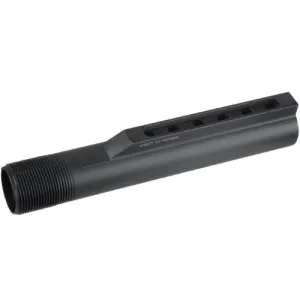
Leapers UTG Pro Commercial Spec Receiver Extension Tube for AR-15
There are exactly two commercial-spec receiver extensions in our index and this is the second one, at a single retailer. That scarcity is the practical argument for mil-spec: not that it is better, but that when you need a replacement there is a shelf to buy it from.
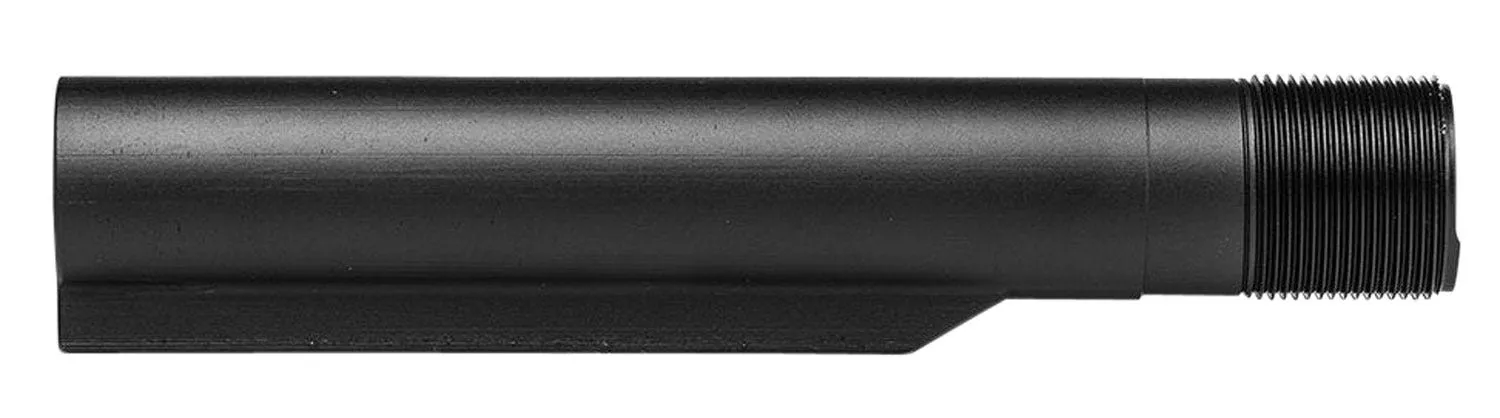
Aero Precision Carbine Buffer Tube Mil-Spec 2.5 for AR-15
A mil-spec carbine tube from a maker whose own catalog is easy to cross-check, at one retailer. It sits near the median of the 45 mil-spec-labelled tubes we track, which is a useful reference point: anything far above this is buying a feature, not a dimension.
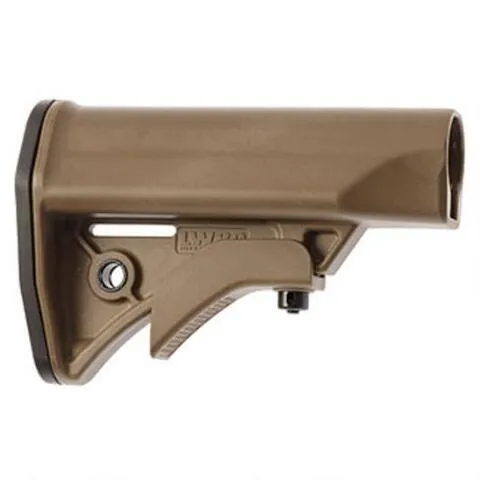
LWRC International AR-15 Compact Carbine Stock Mil-Spec Diameter FDE
Out of 1,166 stock listings, this is the only one in the stock aisle whose title tells you which tube diameter it is cut for. One retailer. It is not the cheapest stock on this page and it is not the best — it is the only one that answers the question before you buy it.
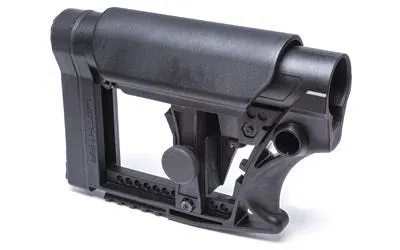
Luth-AR MBA-4 Carbine Stock With Cheek Riser AR-15 AR-10 Commercial and Mil-Spec Buffer Tubes
One of five listings in the entire index that say they fit both diameters, at two retailers. It is also the most expensive of the five. If you genuinely do not know what tube is on your rifle and cannot measure it, this class of product is what you are paying the premium to avoid finding out.
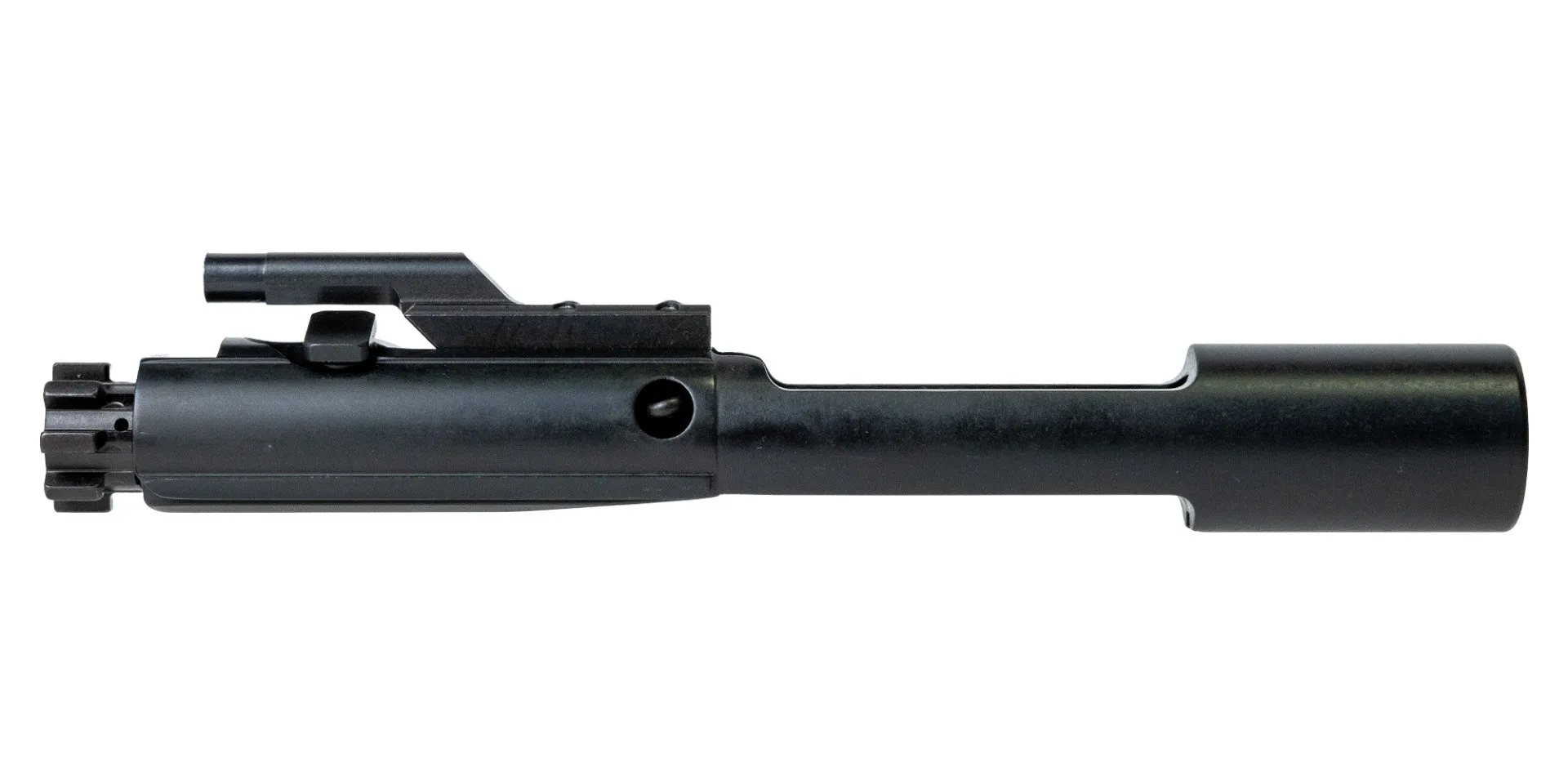
PSA Freedom AR-15 Nitride Bolt Carrier Group With Carpenter 158 Bolt - 516446915
A bolt carrier group that names its bolt steel, at one retailer. This is the other mil-spec — a material and testing standard rather than a dimension — and only 11 of the 605 carrier listings we track name the steel at all. Nothing on this part has to fit your tube.
On a bolt carrier group, "mil-spec" means something completely different
This is where the word earns its keep, and where it is least often printed.
We track 605 live bolt carrier group listings, median $259.99. Of those, 11 name the bolt steel, 2 name an alternative steel, 9 state a magnetic particle inspection and 2 state a high-pressure test. Exactly one listing in the entire 155,527-row index uses the word "staked" — and it is a castle nut sold for its staking notches, not a carrier with a staked gas key.
Meanwhile 298 of the 605 carrier listings name their coating.
Should you shop around for these parts, or wait for a price drop?
They answer differently, which makes them a useful pair.
Buffer tubes are stocked by more than one retailer 45.1% of the time, and the median cross-retailer spread is 4.54% — about two dollars on a median-priced tube. Only 38.5% sit above their own recorded low. Stocks are multi-retailer 31.3% of the time with a 7.00% median spread, and 31.9% are above their own low.
Bolt carrier groups invert it: just 11.6% are stocked by a second retailer, but 49.8% sit above their own recorded low.
So: shop the tube and the stock, wait on the carrier. And compare all three to what the ammunition does — 25.3% of our live ammunition listings are multi-retailer, but 69.8% of them sit above their own recorded low, which is why the alert is worth setting on the cartridge and not on the hardware.
What does the whole decision cost next to the ammunition?
A mil-spec tube and a mil-spec stock, both at the cheap end of their shelves, come to about $36 together. At the current .223 Remington market floor that is roughly 80 rounds — less than two boxes.
.223 Remington and 5.56 NATO Price Index
Live · Oct 24, 2026Bulk .223 and 5.56 by Cost Per Round
Prices updated Oct 24, 2026
PMC Ammunition Bronze .223 Rem 55 Grain 1000-Rounds FMJ Bulk
.223 Remington · 55gr · 1,000 rds

Winchester M855 5.56 Bulk Ammo 62 Grain FMJ 1000rds (Unpainted Tip) - WM8551000
5.56x45mm NATO · 62gr · 1,000 rds

Patriot Sports Rifle Ammunition .223 Rem 55 Grain 1000-Rounds FMJ
.223 Remington · 55gr · 1,000 rds

PMC Ammunition X-Tac Rifle Brass 5.56 55 Grain 1000-Rounds FMJBT Bulk
5.56x45mm NATO · 55gr · 1,000 rds

Wolf Performance Ammo PolyFormanc Steel Bulk .223 Rem 55 Grain 500-Rounds
.223 Remington · 55gr · 500 rds

Red Army Standard Centerfire Rifle Steel .223 Rem 55-Grain 500-Rounds Bulk FMJ
.223 Remington · 55gr · 500 rds
The median bolt carrier group, at $259.99, is a different order of thing — call it 578 rounds at the same floor. That is the only part in this article worth a timing decision, and it is also the only one where the mil-spec claim is about whether something breaks.
Cost Per Round Calculator
The only number that matters when comparing ammo. Shipping included.
If you want the recurring side of this properly, the 5.56 and .223 ammunition guide covers which loads the floor actually consists of, how many rounds it takes to get good puts a number on the year, and how many magazines you actually need is the other line item people underestimate. All the live prices on this page come from our .223 and 5.56 deal index.
How do you tell which tube is on your rifle?
Three checks, in order of reliability:
- Measure it. Calipers on the outside diameter of the tube settle it immediately. The two patterns differ by about two hundredths of an inch.
- Look at the back end. Commercial tubes are typically sloped where the stock's butt pad meets them; mil-spec tubes are cut square. This is a strong tell but not a guarantee.
- Consider the rifle's origin. A complete rifle from a known maker in the last decade is very likely mil-spec. Older budget carbines and parts-kit builds are where commercial tubes turn up.
If none of that is available to you, five listings in our whole index claim to fit both diameters, and they are in the picks block above. You will pay a little for the hedge.
What to check before you buy
- Which diameter is on the rifle. Measure it. Do not infer it from the price.
- Whether the tube listing includes the hardware. Castle nut, end plate and buffer are usually separate listings.
- Whether the stock listing names a platform at all. Only 140 of 1,166 name an AR-15.
- Whether a "mil-spec" carrier names its steel and inspection. Most do not. Finish is not the spec.
- Whether the stock is sold for a mil-spec tube, a commercial tube, or neither. In most cases, neither — so ask the retailer.
What this guide will not claim
We do not test parts. We have not measured a single tube, pulled a stock to failure, or inspected a bolt. Everything above is drawn from what the listings in our index say and what they cost, which is a real and checkable source and also a limited one. Where the shelf is silent — and on this topic it is silent about the one number that decides the purchase — we say so rather than filling the gap.
The sibling pieces built the same way: AR-15 handguards, charging handles, complete uppers and build versus buy.
Get alerted when .223 Remington price drops hit.
We watch every listing and email you the moment the cost per round drops.
Set Up a Free Price AlertAmmoSpotter earns a commission when you buy through links on this page. It never changes what you pay, and it never decides what we recommend — our picks are ranked on live cost-per-round data pulled from every retailer we track. Full disclosure.
Frequently Asked Questions
Is a mil-spec buffer tube better than a commercial one?+
Will a mil-spec stock fit a commercial buffer tube?+
How do I tell which buffer tube I already have?+
Does mil-spec mean the same thing on a bolt carrier group?+
Should I pay more for a part that says mil-spec?+
Is a pistol receiver extension the same purchase?+
Shop the data

About the author
AmmoSpotter Research Desk
Price & Ballistics Research
The AmmoSpotter Research Desk analyzes live retail pricing across every ammunition, firearm and accessory listing we track. Recommendations here are ranked against real cost-per-round data pulled daily from the retailers we monitor - not against manufacturer marketing copy.
- ✓Tracks 180,000+ live product listings across 6 retailer feeds
- ✓Records price history on every listing, every day
- ✓Cost-per-round methodology applied to all ammunition rankings
- ✓No product is ranked without a verifiable in-stock retail price
- ✓Affiliate relationships never influence rankings
Related Guides
Best AR-15 Charging Handles 2026: What the Live Shelf Actually Contains
- 241 listings are filed as charging handles. Only 152 will plausibly fit an AR-15 — the rest are AR-10, shotgun, Glock and SCAR parts. - Those 152 run $9.89 to $169.95, median $69.99 , and 49 of them are above $90. -...
Best AR-15 Handguards 2026: Live Prices, Fitment and the Parts the Listing Leaves Out
- 718 AR-15 and AR-pattern handguards are live right now, from $6.49 to $525.00, median $164.95. 475 of them are $120 or more. - The handguard is the single most price-shoppable part on the rifle: 44.7% are listed at ...
Best AR-15 Uppers 2026: What the Live Listings Actually Show
- 528 complete AR-15 uppers are live right now, from $119.99 to $6,599.99, median $499.99. - 505 of those 528 carry one of two brand names. The complete-upper aisle is effectively one company deep. - Not one of the 52...

Best 5.56 & .223 Ammo 2026: Practice, Defense and Precision
5.56x45mm NATO and .223 Remington are the most-purchased rifle cartridges in America, and the most confusing to buy. The same rifle will accept ammunition ranging from bulk steel-cased plinking loads to match ammuniti...

Best AR-15 Triggers 2026: What the Catalog Will and Won't Tell You
- 101 live AR-pattern trigger listings, $20.29 to $324.99, median $190.00 — and 47 of them sit in the single band between $140 and $199. - The cheapest listings in the trigger category are trigger guards . 56 of the 7...

How to Zero a Rifle Scope: The Procedure, and What It Costs in Ammunition
- Zeroing is cheap in dollars and expensive in cartridges. The procedure is free; the ammunition is not. - Bore-sighted and done properly, budget nine to twelve rounds. Without bore sighting, twenty to forty. - Torque...