AR-15 Build vs Buy: Which Actually Costs Less
We price both sides of the argument against live retail listings — and then show you the cost that dwarfs both of them.

Does building an AR-15 actually cost less than buying one?
At the bottom of the market, no. The two curves have converged, and they converged for a boring structural reason: a rifle manufacturer buys barrels, carriers and parts kits by the pallet under contract pricing, assembles them on a jig in minutes, and sells the result at volume margin. You buy one of each at retail, from three or four different vendors, paying shipping on each order.
That is not an argument against building. It is an argument against building for the reason most people say they are building. The honest case for assembling your own rifle is configuration control and staged spending, not a lower number at the bottom of the receipt.
Everything below is priced against live retail listings rather than typed into the prose, so the comparison stays true after this article is published. Our catalog currently tracks roughly 58,800 firearm listings and 74,000 accessory listings, which is what makes pricing both sides of this argument possible at all.
What the build side actually costs, part by part
A functioning AR-15 is six purchases, not one. In order of what they cost:
- Lower receiver — the serialized part. Ships to an FFL, not to you.
- Lower parts kit — trigger group, springs, detents, pins, grip.
- Buffer tube kit — receiver extension, buffer, spring, castle nut, end plate, and usually a stock.
- Complete upper — barrel, handguard, gas system, upper receiver.
- Bolt carrier group.
- Charging handle.
Lower Receivers, Cheapest First
Prices updated Nov 18, 2026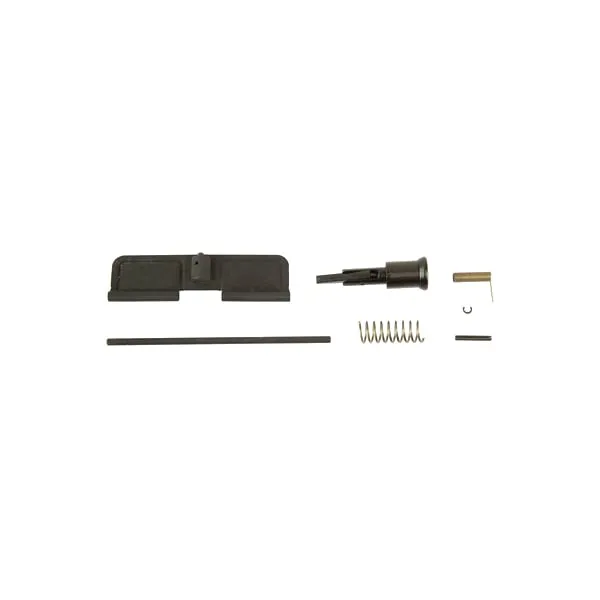
KAK Industry AR-15 Frame Phosphate

FMK Firearms AR-15 Lower Receiver Flat Dark Earth .223 Rem / 5.56

FMK Firearms AR1 Extreme Black Multi Caliber AR-15 Polymer Lower

FMK Firearms AR-1 Blue 5.56 NATO / .223 Rem Stripped Lower
.223 Remington,5.56x45mm
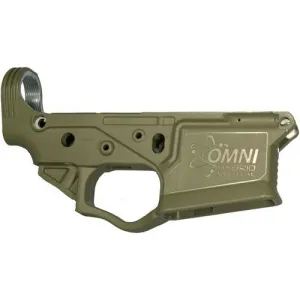
American Tactical Omni Hybrid Stripped Lower Battle Field Green Multi-Cal
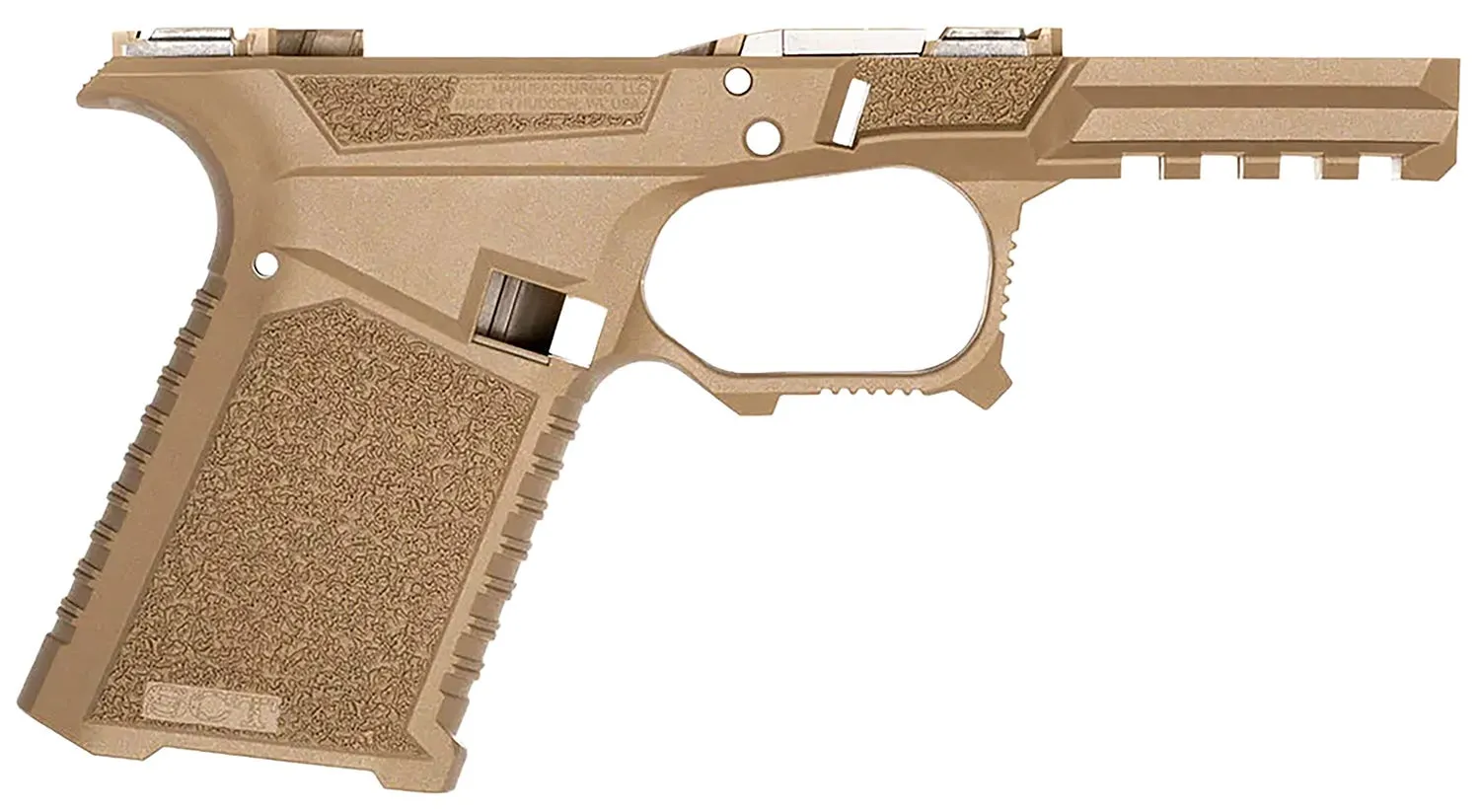
SCT Manufacturing SCT 19 Pistol Frame Fits GLOCK 19 Gen 1-3 - FDE
Price-sorted, the lower receiver is the least interesting line item — polymer and entry-tier forged aluminum receivers sit at the bottom of the list, and the difference between the cheapest and a well-known forged lower is small enough that it will not decide anything.
Here is the same build as a live parts list. Each card prices independently, so you can watch the total move:
A Floor-Price AR-15 Parts List, Priced Live

Anderson Manufacturing AR-15 Stripped Receiver Multi-Caliber
Forged 7075 multi-caliber lower. The serialized part — everything else in this list ships to your door.
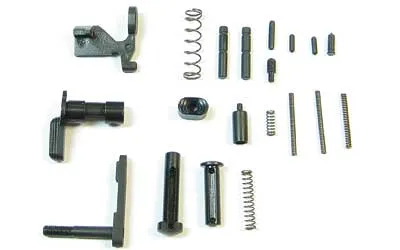
CMMG AR-15 Lower Receiver Parts Kit 5.56 NATO Without Grip/Fire Control Group
Trigger group, springs, detents, pins, grip. Check whether the kit you pick includes the fire control group; many at this price do not.
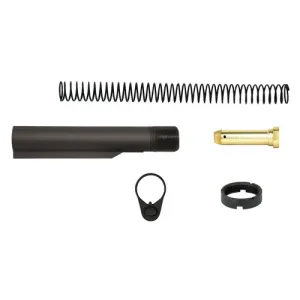
TacFire AR15 Buffer Tube Kit 8 6-Position Mil-Spec
Buffer, spring, castle nut, end plate and receiver extension in one box. Cheaper than sourcing the five pieces separately.

PSA 16" Mid-Length 5.56 NATO 1/7 Nitride MOE Upper No BCG & CH, Flat Dark Earth
16-inch mid-length 5.56 upper, 1:7 twist. Read the title: this one is listed without a BCG or charging handle.

ANDERSON Bolt Carrier Group Assy M16 Profile Nitride Finish
M16-profile 5.56 carrier. The part most 'cheap upper' listings leave out of the headline price.

TacFire Charging Handle Mil-Spec for AR-15
Mil-spec latch. Functionally the last thing standing between a parts pile and a working rifle.
The cheapest complete uppers ship without a bolt carrier group
This is the single biggest source of misleading build math. Sort complete uppers by price and read the titles carefully: a large share of the cheapest listings say "No BCG & CH" or similar. The bolt carrier group is typically the largest line item after the upper assembly itself, so an upper quoted without one is not comparable to a complete rifle in any way.
Complete Uppers, Cheapest First
Prices updated Nov 18, 2026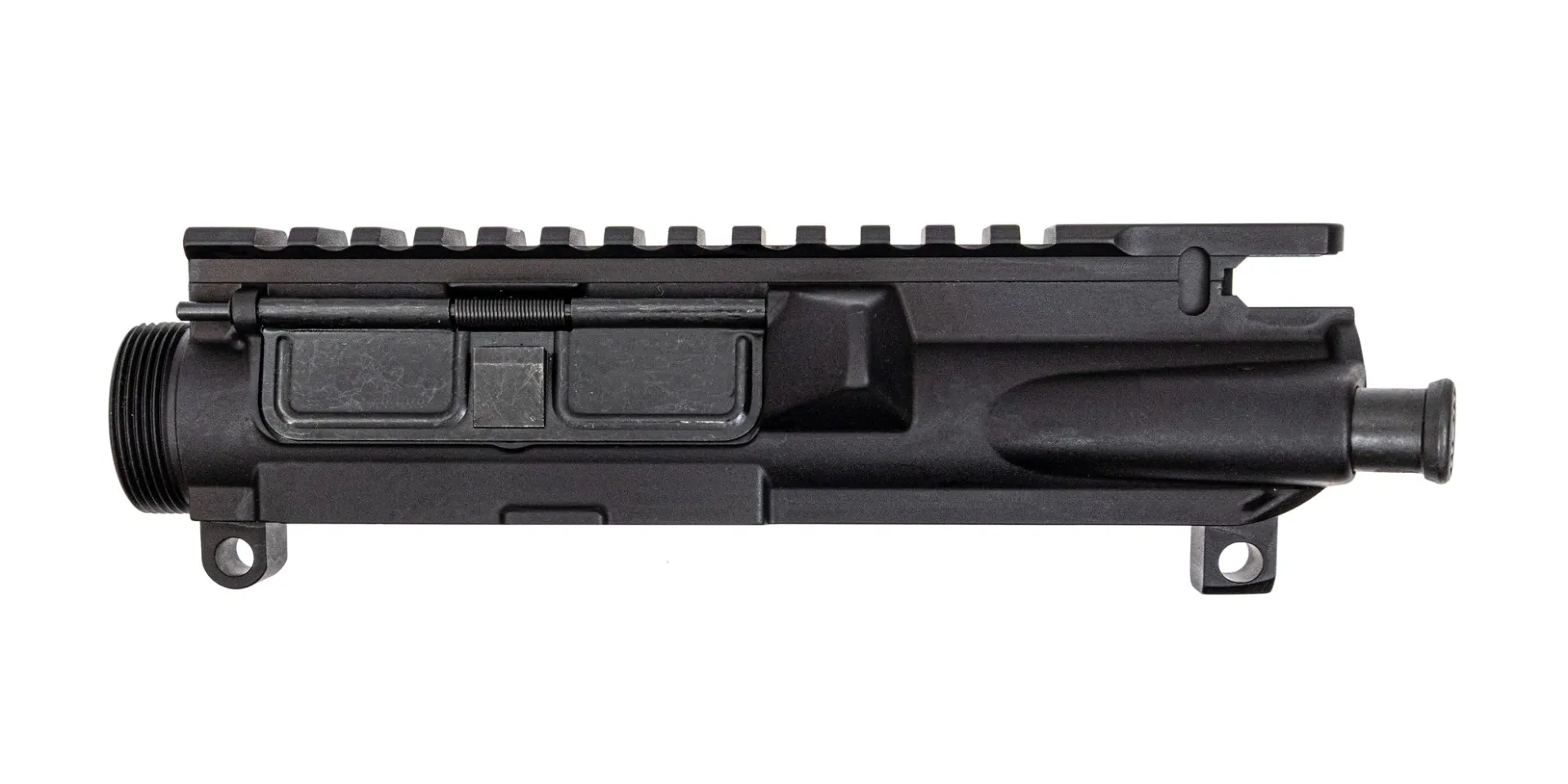
PSA Complete 5.56x45mm Left Hand Upper Receiver
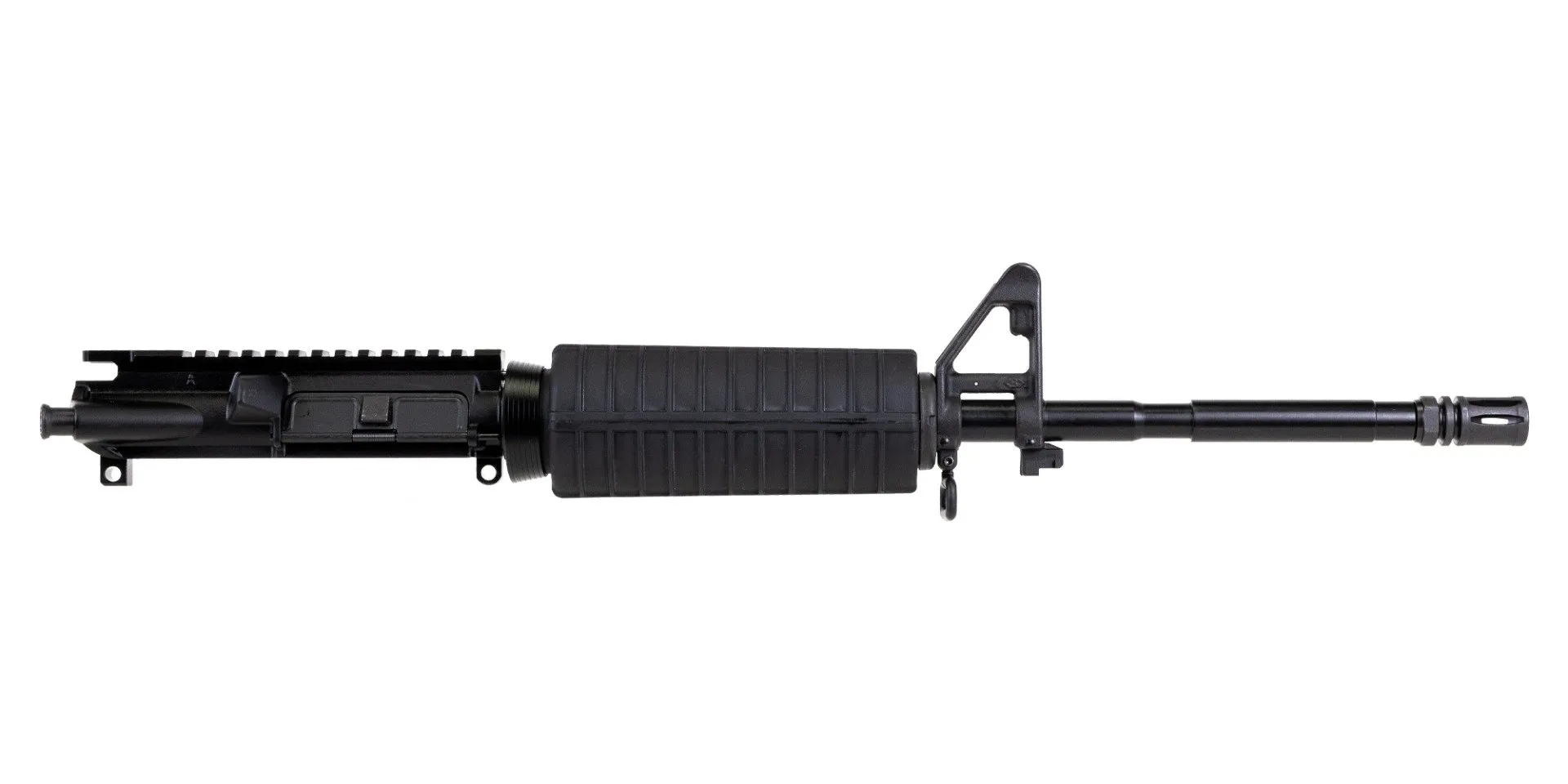
PSA Freedom AR-15 Upper 5.56 16" Carbine 1:7 M4 Nitride, No BCG & CH - 507819
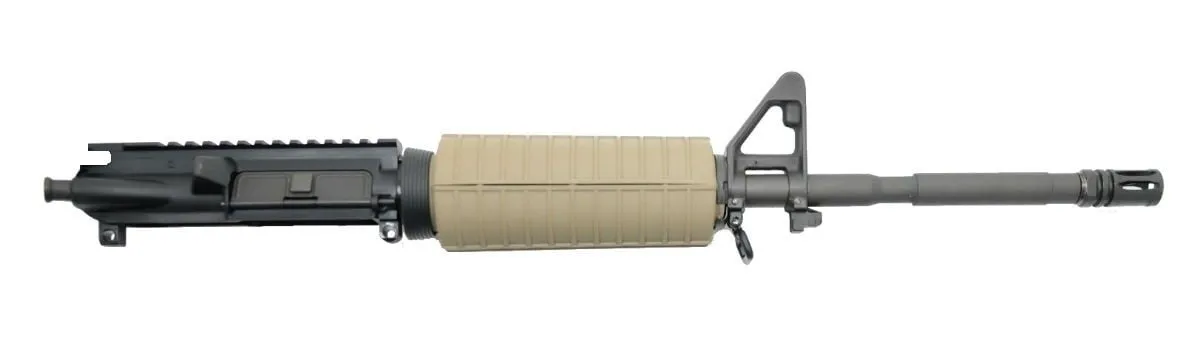
PSA 16" Carbine Length 5.56 NATO Classic Freedom M4 Upper No BCG and CH, Flat Dark Earth
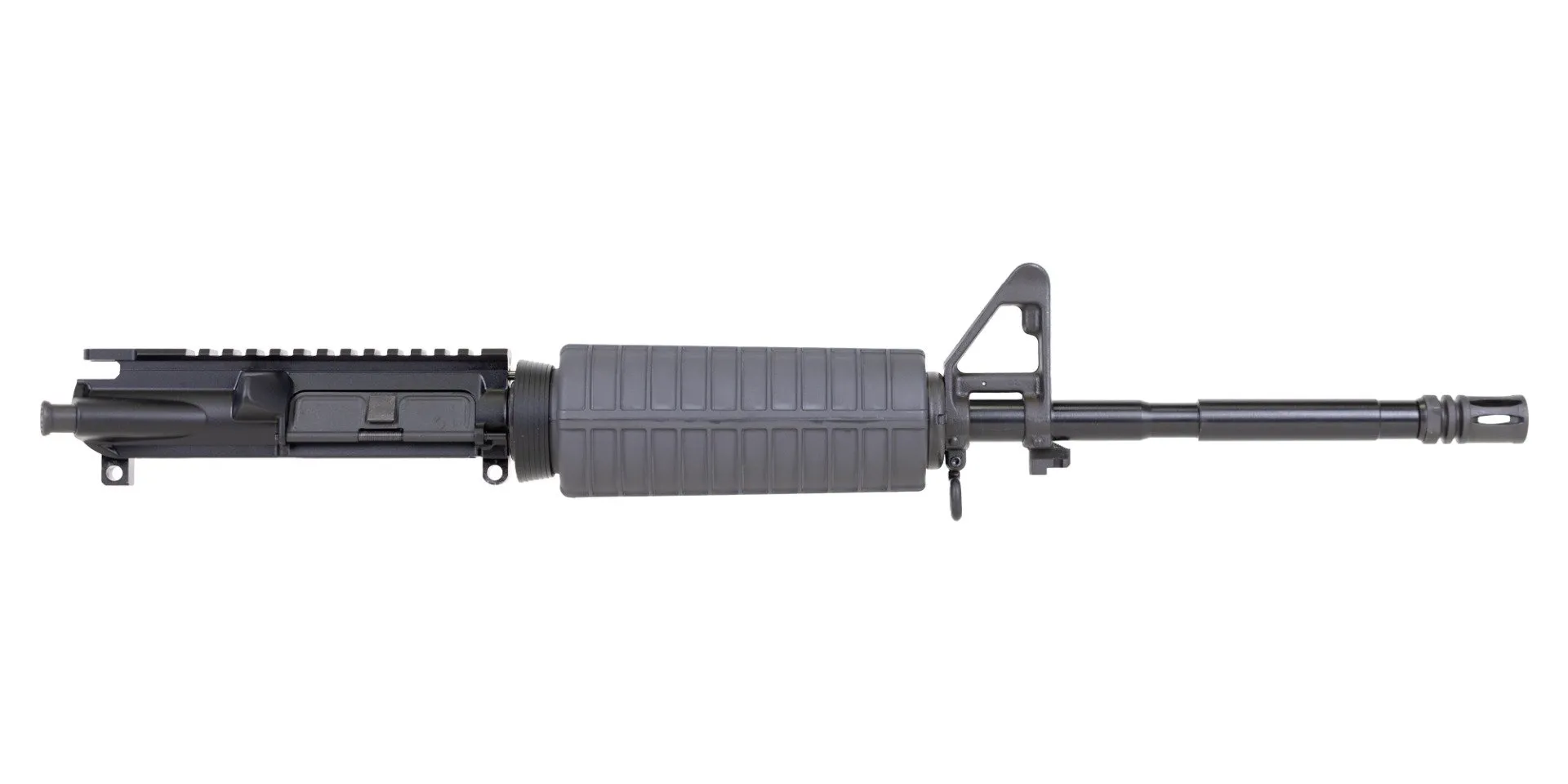
PSA 16" 5.56 NATO 1/7 M4 Nitride Classic Wild Cat Gray Upper - No BCG & CH
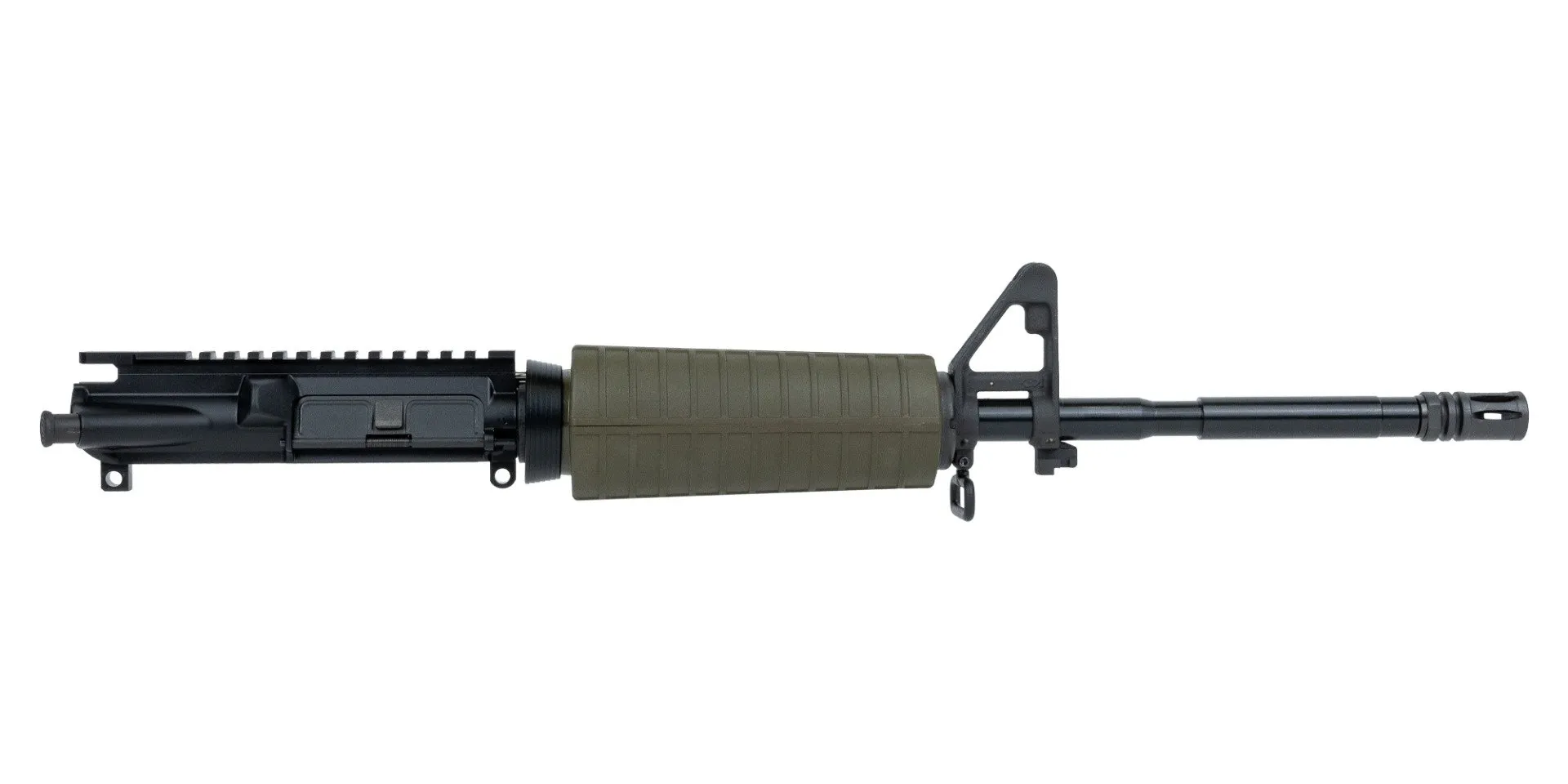
PSA 16" Classic M4 Freedom Upper No BCG & Charging Handle, OD Green
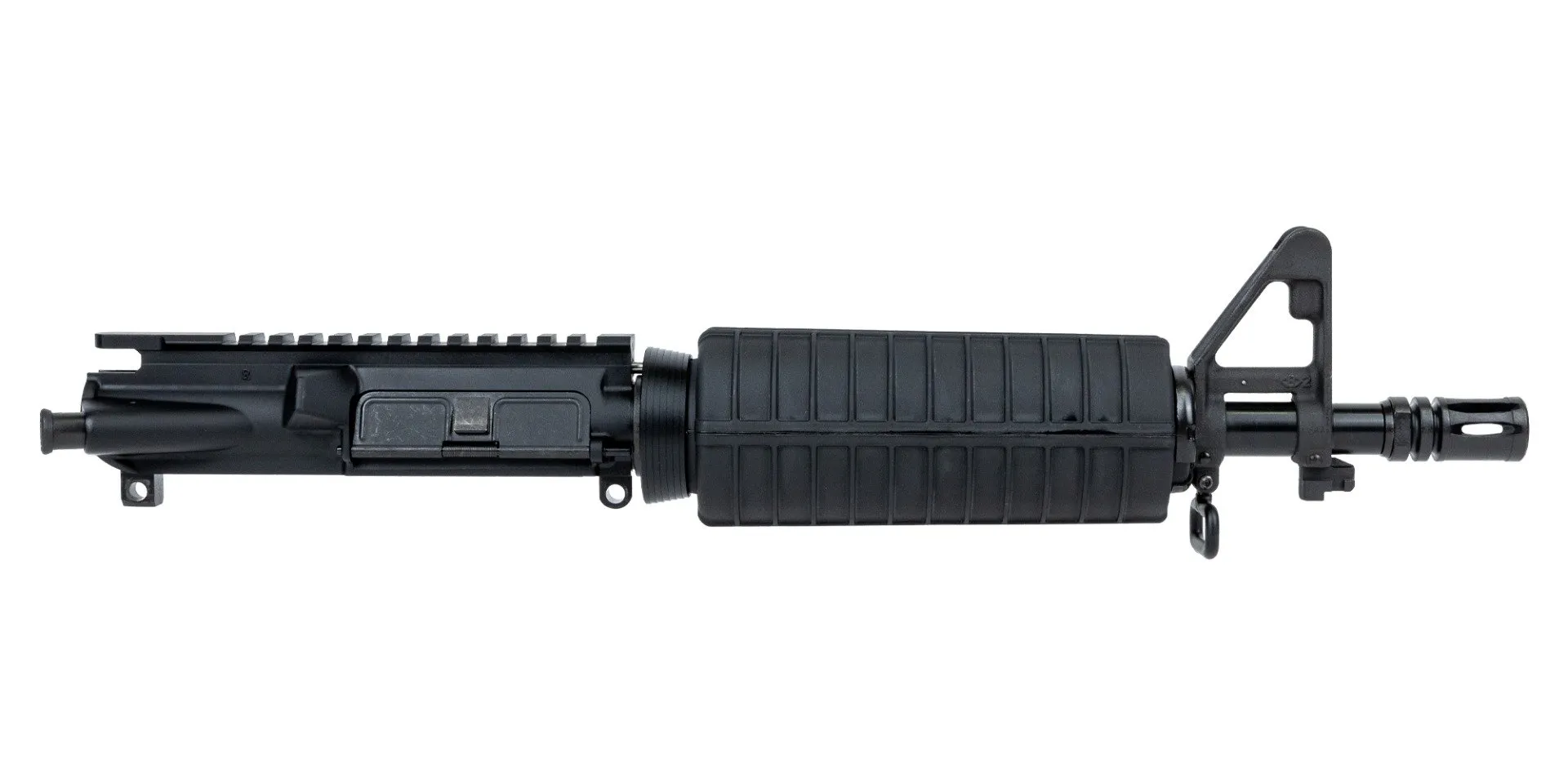
PSA 10.5" 5.56 NATO 1:7 Nitride Upper - without BCG or Charging Handle - 507020
Before you compare any upper price to a finished rifle, add a carrier and a charging handle back in. Do that consistently and most "I built it for hundreds less" claims collapse.
What a complete rifle costs right now
Two tiers worth looking at. Radical Firearms sits at the entry end of complete 5.56 rifles in our data; Rock River Arms is a step up in fit and finish.
Radical Firearms Complete Rifles
Prices updated Nov 18, 2026
Radical Firearms RPR .350 Legend 16 Barrel 10-Rounds
.350 Legend

Radical Firearms Forged Milspec 5.56 NATO 16 Barrel 30-Rounds B5 Stock
5.56x45mm

Radical Firearms RF-15 OD Green .300 AAC Blackout 16 Barrel 30-Rounds
.300 AAC Blackout

Radical Firearms HBAR .300 AAC Blackout 16 Barrel 30-Rounds
.300 AAC Blackout
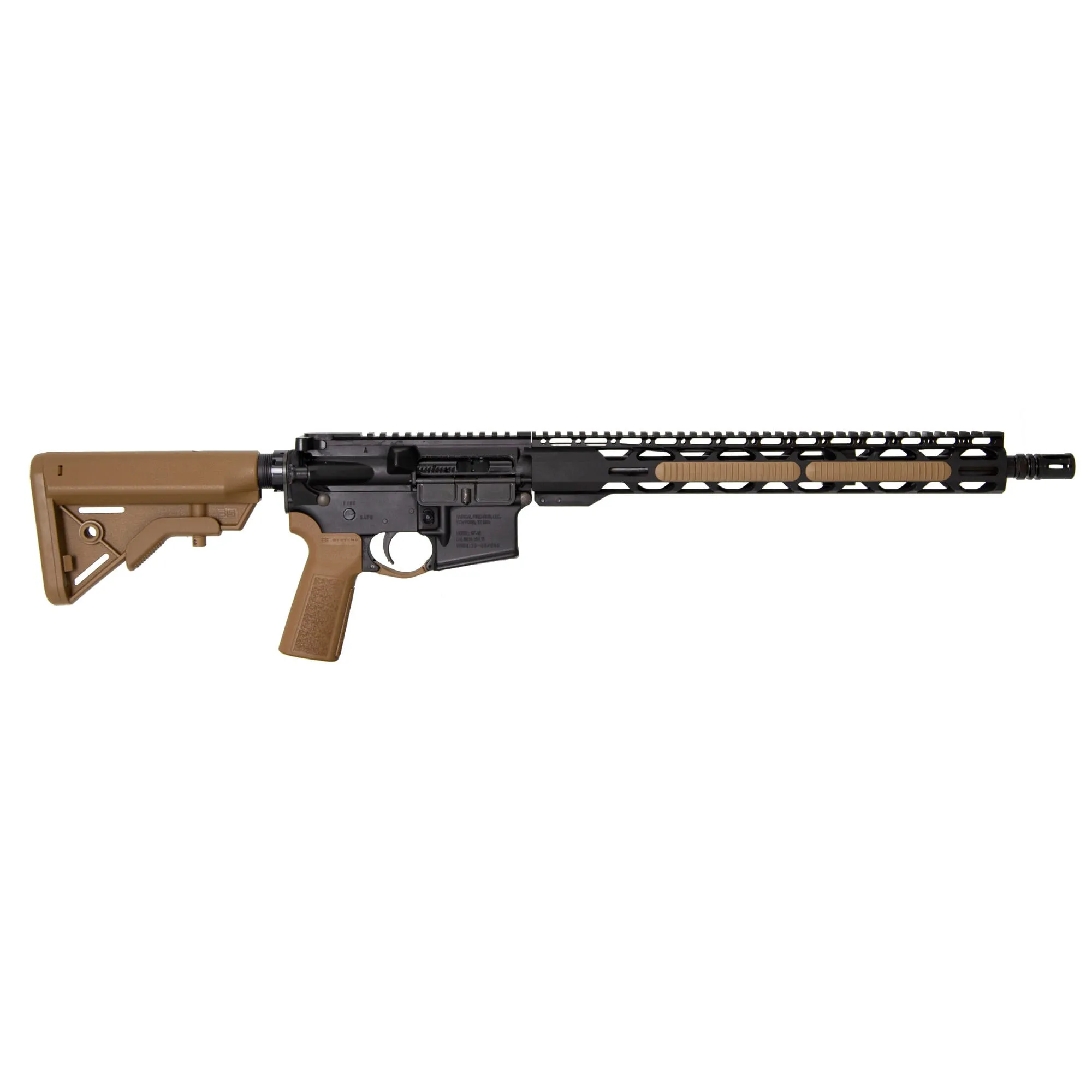
Radical Firearms RF-15 Coyote / Black 7.62 X 39 16 Barrel 10-Rounds
7.62x39mm

Radical Firearms SOCOM Gray 5.56 NATO 16 Barrel 30-Rounds
5.56x45mm
Rock River Arms Complete Rifles
Prices updated Nov 18, 2026
Rock River Arms RRAGE AR 15 5.56 NATO / .223 Rem 16 Barrel 30-Rounds
.223 Remington,5.56x45mm
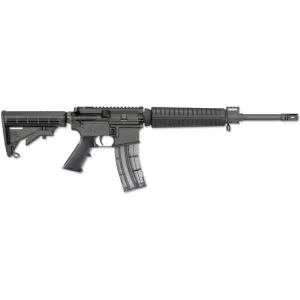
Rock River Arms LAR-22 Mid A4 .22 LR 16 Barrel 25-Rounds

Rock River Arms RRage Carbine AR-15 5.56 NATO / .223 Rem 16 Barrel 30-Rounds
5.56x45mm

Rock River Arms LAR-15M RRAGE 5.56 NATO 16 Barrel 30-Rounds Optics Ready
5.56x45mm
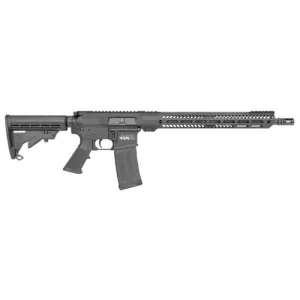
Rock River Arms RRAGE 3G 5.56 / .223 Rem 16 Barrel 30-Rounds

Rock River Arms CAR A4 5.56 NATO / .223 Rem 16 Barrel 30-Rounds
Compare the cheapest row in the Radical grid against the six-item parts list above. They are close enough that the difference is inside one FFL transfer fee and a round of shipping — which is the whole point.
The rifle is the small number. The ammunition is the big one
This is where the build-versus-buy debate stops mattering.
We track several hundred live .223 Remington listings at any moment. The block below states two of them: the market floor per round, and the catalog average across every listing in the caliber. They are not close — the average has been running at better than double the floor.
Do the arithmetic on a thousand rounds, a modest year for anyone actually practicing. At the floor shown below, that is a few hundred dollars of ammunition. At the average, it is well over double that, and the gap between those two outcomes is larger than the entire difference between building and buying — larger, in the same snapshot, than the price of a complete AR-pattern pistol on our own shelves. Whether you torqued the barrel nut yourself is a rounding error next to whether you buy by the case.
.223 Remington / 5.56 NATO Price Index
Live · Nov 18, 2026Cheapest .223/5.56 by the Case
Prices updated Nov 18, 2026
Patriot Sports Rifle Ammunition .223 Rem 55 Grain 1000-Rounds FMJ
.223 Remington · 55gr · 1,000 rds

PMC Ammunition Bronze .223 Rem 55 Grain 1000-Rounds FMJ Bulk
.223 Remington · 55gr · 1,000 rds

Wolf Military Classic Steel .223 Rem 55 Grain 500-Rounds Bulk FMJ
.223 Remington · 55gr · 500 rds

Wolf Performance Ammo PolyFormanc Steel Bulk .223 Rem 55 Grain 500-Rounds
.223 Remington · 55gr · 500 rds

PMC Ammunition X-Tac Brass 5.56 NATO 62-Grain 1000-Rounds GT Bulk
5.56x45mm NATO · 62gr · 1,000 rds

PMC Ammunition X-Tac Rifle Brass 5.56 55 Grain 1000-Rounds FMJBT Bulk
5.56x45mm NATO · 55gr · 1,000 rds
Two caveats on that spread, because it is not pure savings. The bottom of the .223 market is steel-cased import practice ammunition, which some ranges prohibit and which is not what you want in a defensive magazine. And the average is pulled upward by match and hunting loads that exist for reasons unrelated to volume practice. Sorting by cost per round tells you what is cheap; it does not tell you what is appropriate. Our 5.56 and .223 guide separates practice, defense and precision loads, and our ranking methodology is explicit about what we will and will not claim about a cartridge we have not tested.
Prices in this category also move for reasons that have nothing to do with you — five specific forces drive most of the swings. Buying at the bottom of one of those cycles saves more than any parts-sourcing decision you will make.
Cost Per Round Calculator
The only number that matters when comparing ammo. Shipping included.
If the ammunition math has you thinking about loading your own, run the reloading numbers first — the break-even is further out than most people expect for common calibers, and .223 is one of the harder ones to beat.
What building actually buys you
Configuration, not savings. Specifically:
- You do not pay twice for parts you were going to replace. If a factory trigger, A2 grip and plastic handguard were destined for the parts bin anyway, buying them inside a complete rifle and immediately discarding them is pure waste.
- You can stage the spend. A lower this month, an upper in three months. A complete rifle is one transaction.
- You learn the platform. Knowing how the gas system, buffer weight and carrier interact is genuinely useful when something eventually stops working.
And the trade-offs, said out loud:
- No warranty on the assembly. A complete rifle is one manufacturer's problem. A build is yours, including headspace, gas port sizing and whatever the barrel extension does under load.
- Resale is worse. Assembled rifles sell at a discount to branded complete rifles, sometimes a steep one, regardless of the quality of the components.
- The first build is slower and more annoying than anyone admits. Detent springs are launched, not installed.
The costs that neither side of the argument includes
Whichever way you go, the rifle is not the last purchase:
- An optic. This is frequently a larger line item than the price gap you spent a week researching. Red dot versus LPVO is the decision that actually matters here.
- Magazines. More than you think, fewer than the internet says. We worked through how many you actually need.
- Ammunition, at volume. How many rounds it takes to get competent is the honest input to your annual budget, and what to feed an AR-15 covers twist rate and bullet weight before you commit to a case.
- Shipping and transfer. Ammunition in particular carries carrier and destination restrictions — check before you order, not after.
For the full annual picture including consumables and range fees, we ran the numbers separately in what it costs to own an AR-15 for a year. If you have already decided to buy complete, our tiered rifle guide and the sub-$700 shortlist are the next stops.
Browse current pricing directly on the .223 and 5.56 ammunition page, or start from every tracked ammunition listing.
What to verify before you order a receiver
The practical version: decide the configuration first, price the six parts against a complete rifle in the same week, and if the two are within a shipping charge of each other, buy complete and spend the difference on ammunition. That is where the return actually is.
Get alerted when .223 Remington price drops hit.
We watch every listing and email you the moment the cost per round drops.
Set Up a Free Price AlertAmmoSpotter earns a commission when you buy through links on this page. It never changes what you pay, and it never decides what we recommend — our picks are ranked on live cost-per-round data pulled from every retailer we track. Full disclosure.
Frequently Asked Questions
Is it cheaper to build an AR-15 or buy one complete?+
What parts do I need to build an AR-15 from scratch?+
Why are some complete AR-15 uppers so much cheaper than others?+
Does building an AR-15 save money on ammunition?+
Is it legal to build your own AR-15?+
Do I need special tools to assemble an AR-15?+

About the author
AmmoSpotter Research Desk
Price & Ballistics Research
The AmmoSpotter Research Desk analyzes live retail pricing across every ammunition, firearm and accessory listing we track. Recommendations here are ranked against real cost-per-round data pulled daily from the retailers we monitor - not against manufacturer marketing copy.
- ✓Tracks 180,000+ live product listings across 6 retailer feeds
- ✓Records price history on every listing, every day
- ✓Cost-per-round methodology applied to all ammunition rankings
- ✓No product is ranked without a verifiable in-stock retail price
- ✓Affiliate relationships never influence rankings
Related Guides

Best AR-15 Rifles at Every Budget (2026): What Each Tier Actually Costs
- The AR-15 market has three real price tiers, and the jump between them buys different things: the first buys a working rifle, the second buys a good one, the third buys durability under high round counts. - The chea...

How Much Does It Cost to Own an AR-15 for a Year? Priced on Live Data
- The rifle is a one-time cost. Ammunition is the recurring one, and at realistic round counts it dwarfs everything else. - We track 380 live .223 Remington ammunition listings. The spread between the market floor and...

Best Budget AR-15s Under $700 (2026): What the Live Prices Actually Show
- Complete centerfire AR-15s do land under $700, but the very cheapest "AR-15" listings on any retailer are usually .22 LR rimfire clones or bare lower receivers. - The entry tier's real compromises are barrel treatme...

Red Dot vs LPVO 2026: Which Optic Belongs on Your Rifle
- A red dot is faster, lighter, cheaper to mount and forgiving of bad body position. An LPVO lets you identify a target and call a shot past the distance a dot can resolve. - The mount is the hidden cost. Most dots we...
Best AR-15 Uppers 2026: What the Live Listings Actually Show
- 528 complete AR-15 uppers are live right now, from $119.99 to $6,599.99, median $499.99. - 505 of those 528 carry one of two brand names. The complete-upper aisle is effectively one company deep. - Not one of the 52...

Best AR-15 Triggers 2026: What the Catalog Will and Won't Tell You
- 101 live AR-pattern trigger listings, $20.29 to $324.99, median $190.00 — and 47 of them sit in the single band between $140 and $199. - The cheapest listings in the trigger category are trigger guards . 56 of the 7...