AR-15 Barrel Length: 10.5 vs 14.5 vs 16 vs 20
Four lengths, 438 live barrel listings, and the second purchases each length forces on you.
Which AR-15 barrel lengths can you actually buy right now?
We track 438 live AR barrel listings, from $62.99 to $1,499.00, averaging $349.16. That shelf is not evenly distributed across the lengths people argue about. Sorted into disjoint length buckets, 16-inch barrels account for 108 of the 438 — more than 18-inch (48), 14.5-inch (39) and 20-inch (34) combined. The short end is thinner than forum traffic suggests: 21 listings at 10.5 inches, 21 at 11.5, 19 at 12.5.
Price-sorted, the cheap end of the barrel shelf is not a bargain tier so much as a different product. The six cheapest listings are 4.5-inch, 5-inch and 8.5-inch pistol and 9mm stubs — real parts, but not what anyone comparing 14.5 to 16 is shopping for. Read the length in the title before you read the price.
What the Cheap End of the Barrel Shelf Actually Contains
Prices updated Oct 12, 2026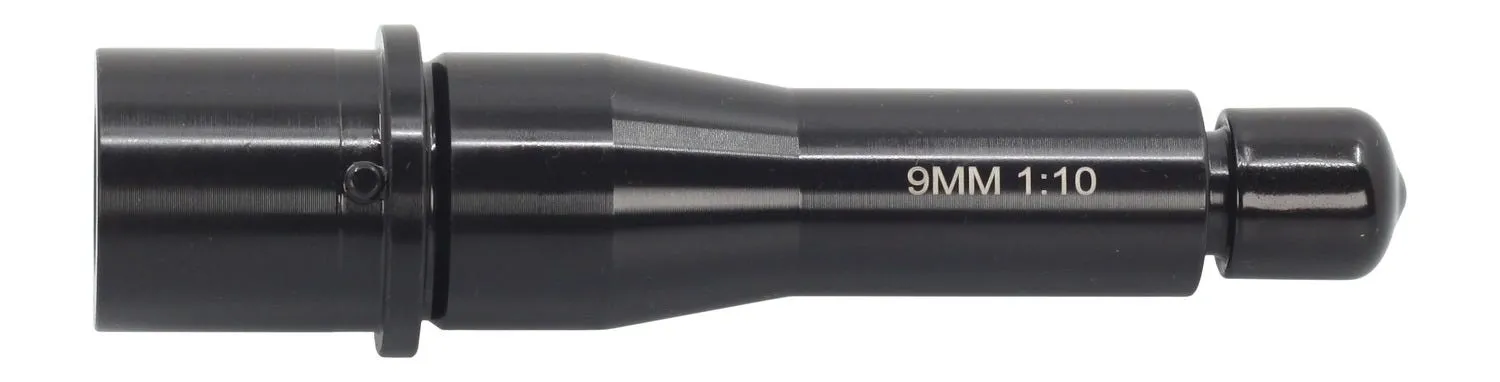
JE Machine Tech Barrel 9mm 4.5 Threaded Barrel for AR-15
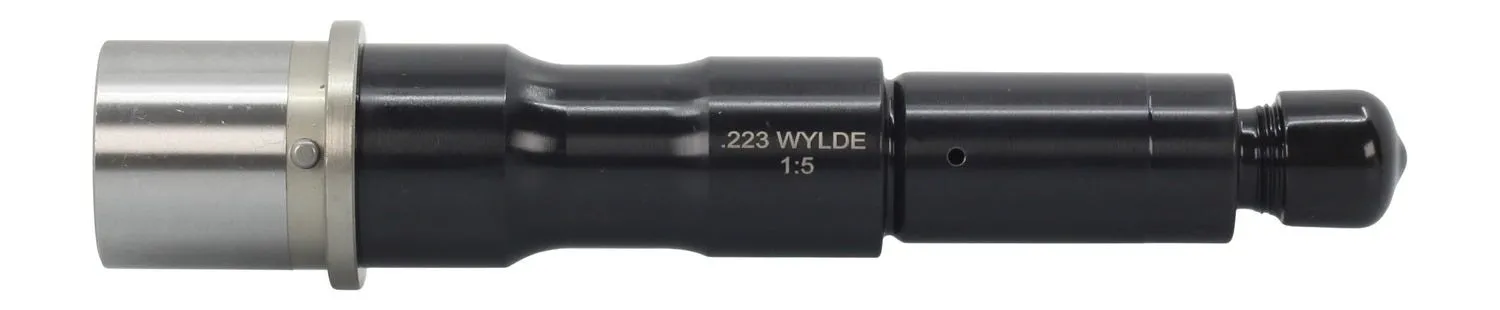
JE Machine Tech Wylde AR-15 Barrel .223 Wylde 5 Barrel

JE Machine Tech AR-15 Barrel 9mm 8.5 Barrel
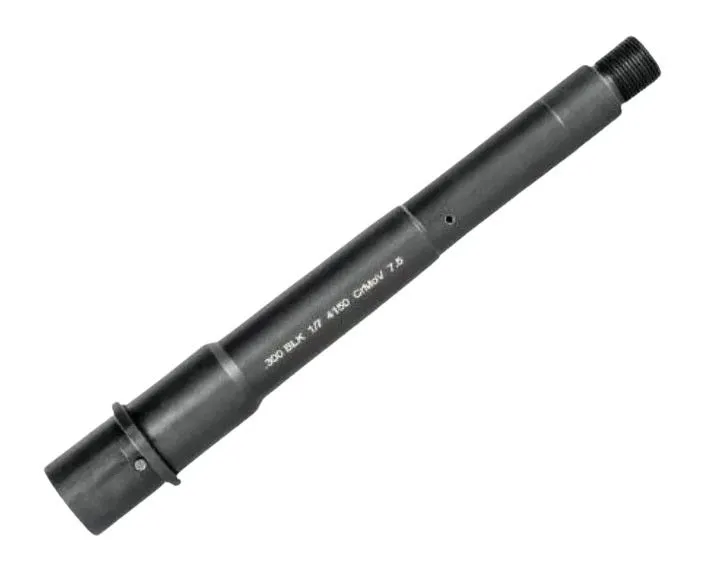
One Horse AR Barrel .300 AAC Blackout 7.5 Threaded Barrel for AR-15
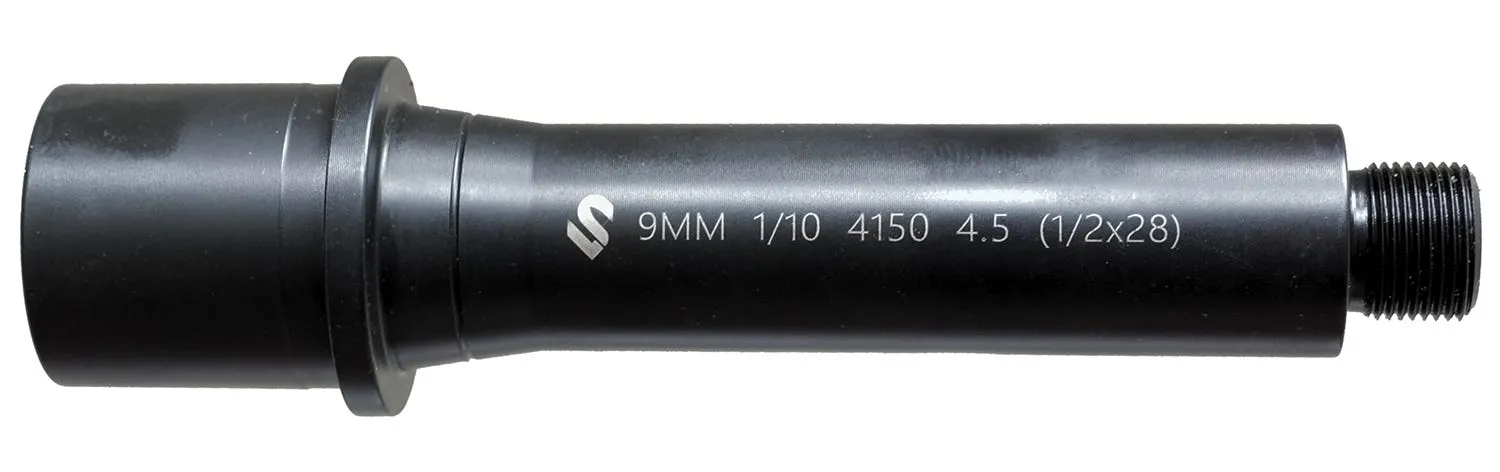
Lead and Steel AR9 Barrel 9mm 4.5 Threaded Barrel
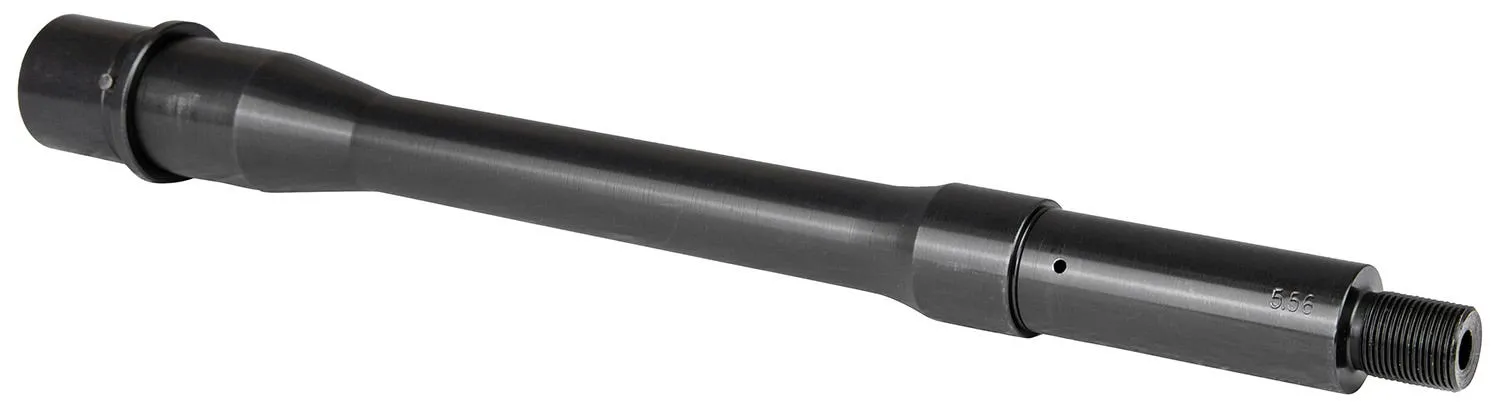
Diamondback DB Barrel 5.56 10 Barrel
The 16-inch barrel is the cheapest one that needs no paperwork
Here is the finding that should decide this for most buyers. Median live price, by length:
| Length | Live listings | Median | Cheapest |
|---|---|---|---|
| 10.5" | 21 | $139.99 | $84.39 |
| 16" | 108 | $224.10 | $83.69 |
| 20" | 34 | $289.75 | $129.99 |
| 18" | 48 | $309.99 | $91.00 |
| 14.5" | 39 | $320.40 | $98.89 |
The 14.5-inch barrel — the one most often described as the sweet spot — is the most expensive of the four at the median, and it is the one that cannot legally stand alone on a rifle. That is a mix effect, not a conspiracy: the 14.5-inch listings skew toward cold-hammer-forged duty barrels and mid-length-gas offerings from premium makers, while the 16-inch shelf is four times deeper and carries the entire budget tier beneath it. But the mix is what you have to buy from, so the mix is the price.
What does a 14.5-inch barrel cost after you pin and weld it?
The general federal rule is that a rifle needs a barrel of at least 16 inches. A 14.5-inch barrel gets there by having a muzzle device permanently attached — pinned and welded — so the assembly measures 16 inches or more. State law can be stricter than federal law, and both change; verify your own jurisdiction and the current federal requirements before you spend money.
What that means commercially is that the muzzle device stops being an upgrade and becomes a line item. The good news is that it is a cheap one: we track 270 live flash suppressor listings, with A2 birdcages starting at $5.69.
A2 Flash Hiders and Muzzle Devices, Cheapest First
Prices updated Oct 12, 2026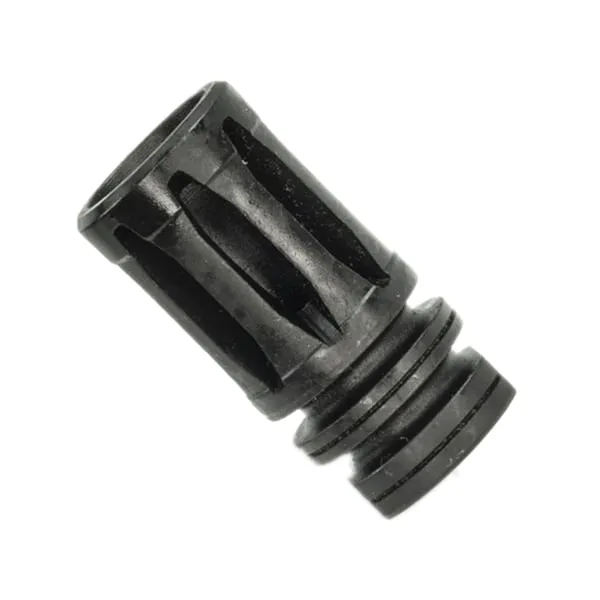
KAK Industry A2 Birdcage Flash Hider for AR-15 5.56 1/2x28
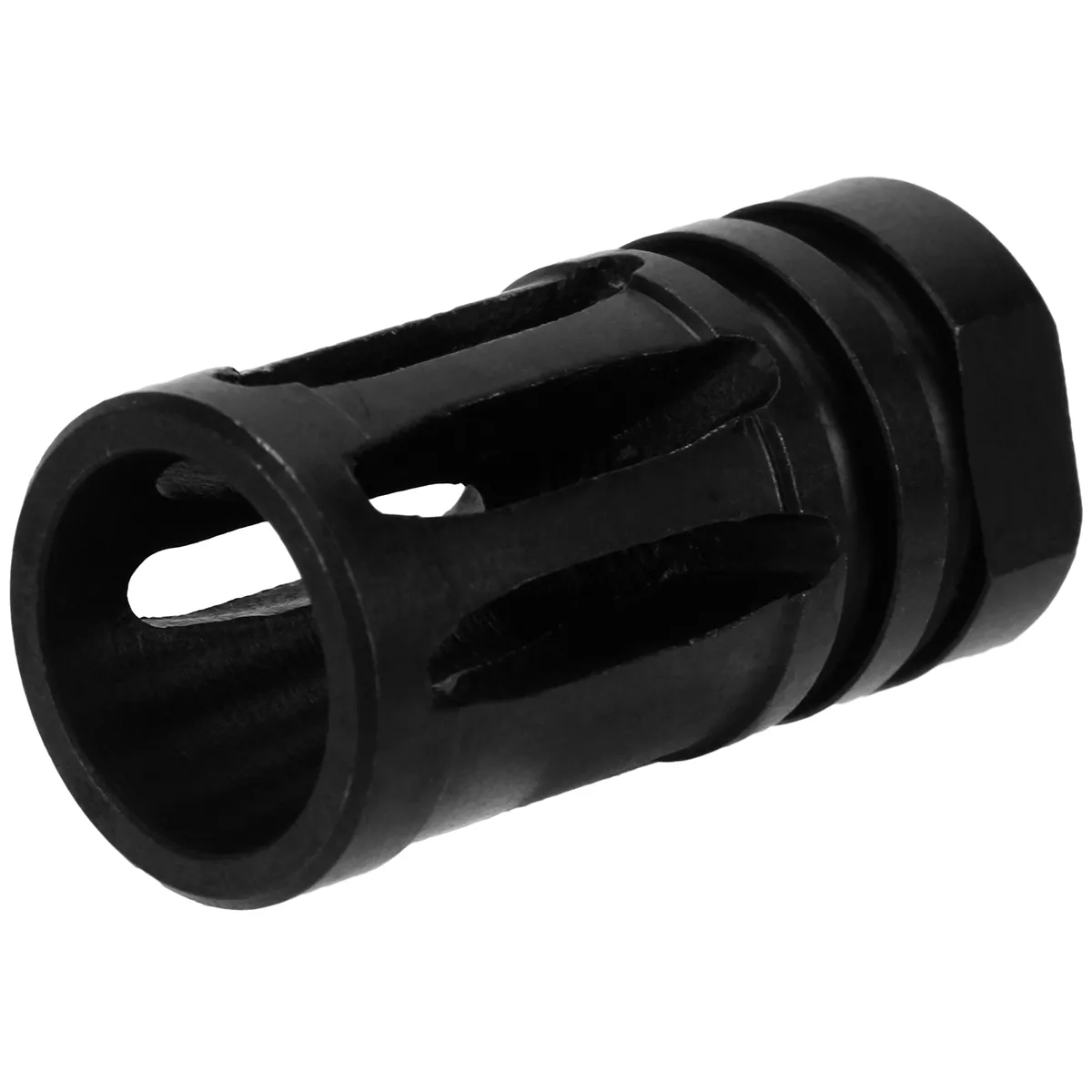
TacFire A2 Muzzle Brake 5.56 1/2x28
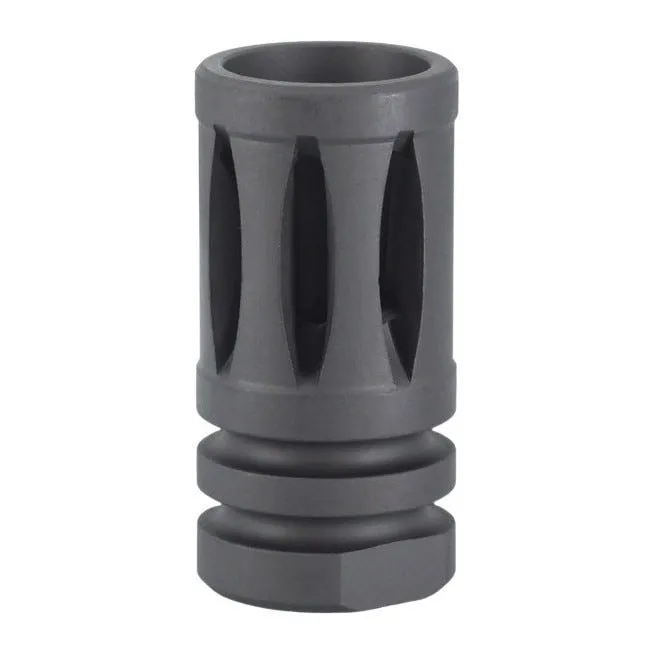
JE Machine Tech A2 Birdcage Flash Hider .223 / 5.56 NATO 1/2x28
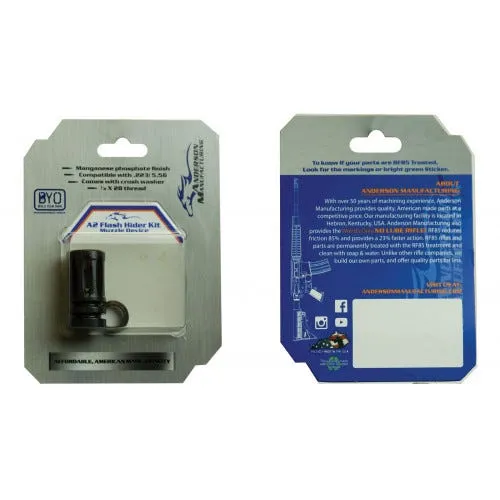
Anderson Manufacturing A2 Flash-Hider Kit Black
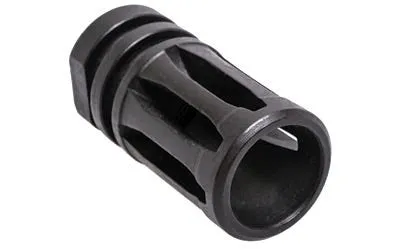
CMMG A2 Birdcage Flash Hider 1/2X28 TPI 5.56/ 223 Black
.223 Remington
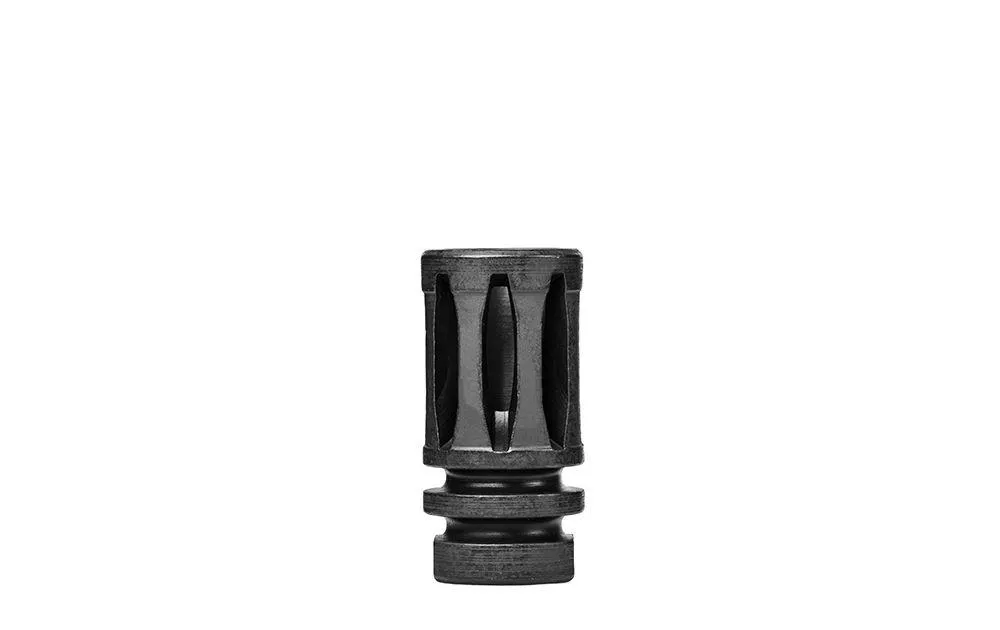
Aero Precision Flash Hider 5.56 / .223 Rem AR-15 Birdcage Style
Two warnings on that shelf. First, if you search muzzle brakes instead, the cheapest listings in that 785-item category are crush washers, not brakes — a $2.29 top result that is a shim, not a device. Second, the pinning and welding itself is gunsmith labour, and we do not track services. Budget for it separately, and price it before you commit, because on a budget barrel it can rival the cost of the muzzle device several times over.
A 10.5-inch barrel is a different legal purchase, not a shorter one
At a $139.99 median, 10.5 inches looks like the value play on the table. It isn't, because the barrel is the only part of it that gets cheaper.
A 10.5-inch barrel on a rifle receiver is a short-barrelled rifle under federal law, with registration, a tax and a wait attached, unless it is built as a pistol configuration instead. The rules here are genuinely intricate and they have moved more than once — the overview in our suppressor buying guide covers how the same registration process works, and if the build involves a stripped receiver you are also dealing with a transfer, which our FFL transfer walkthrough explains. Check your state. Do not take a parts price as permission.
The short barrel is also the configuration people suppress, which adds the can, the mount and — most expensively — a different ammunition habit.
Does the short barrel push you onto a more expensive ammo shelf?
This is where the barrel decision stops being a one-time cost. Chambering tracks length on our shelf: of the 21 live 10.5-inch barrels, 11 are 5.56 or .223 and 7 are .300 Blackout — a third of the bucket. At 16 inches, only 12 of 108 are .300 Blackout. The short barrel quietly recruits you to the other cartridge.
.223 Remington / 5.56 NATO Price Index
Live · Oct 12, 2026.300 Blackout Price Index
Live · Oct 12, 2026Those two blocks are the argument. The floors are far enough apart that the barrel saving does not survive contact with the ammunition: the gap between the 16-inch and 10.5-inch medians above is about $84, and at the current difference in floor cost per round it is gone inside a few hundred rounds. If you are not sure what a few hundred rounds means in your year, how many rounds it takes to get good puts a number on it.
Depth makes it worse. Across .223 and 5.56 we have 533 live listings, 46 of them at 500 rounds or more, with pack sizes running to 14,000. Across .300 Blackout we have 202 listings, 156 of them 20 rounds or fewer, none at 500+, and a maximum pack size of 250. There is no case tier to buy into.
Cheapest 5.56 and .223 by the Case
Prices updated Oct 12, 2026
PMC Ammunition Bronze .223 Rem 55 Grain 1000-Rounds FMJ Bulk
.223 Remington · 55gr · 1,000 rds

Winchester M855 5.56 Bulk Ammo 62 Grain FMJ 1000rds (Unpainted Tip) - WM8551000
5.56x45mm NATO · 62gr · 1,000 rds

Red Army Standard Centerfire Rifle Steel .223 Rem 55-Grain 500-Rounds Bulk FMJ
.223 Remington · 55gr · 500 rds

Wolf Military Classic Steel .223 Rem 55 Grain 500-Rounds Bulk FMJ
.223 Remington · 55gr · 500 rds

PMC Ammunition X-Tac Rifle Brass 5.56 55 Grain 1000-Rounds FMJBT Bulk
5.56x45mm NATO · 55gr · 1,000 rds

Wolf Performance Ammo PolyFormanc Steel Bulk .223 Rem 55 Grain 500-Rounds
.223 Remington · 55gr · 500 rds
The Cheapest .300 Blackout Boxes on the Shelf
Prices updated Oct 12, 2026
Wolf Performance Ammo Polyformance Steel Case .300 AAC Blackout 145 Grain 20-Rounds
.300 Blackout · 145gr · 20 rds

SELLIER BELLOT SB300BLKB 300 AAC Blackout 147gr Full Metal Jacket Ammunition | 20 Rounds
.300 Blackout · 147gr · 20 rds

SELLIER BELLOT SB300BLKSUBA 300 AAC Blackout 200gr Full Metal Jacket Subsonic Ammunition | 20 Rounds
.300 Blackout · 200gr · 20 rds

ARMSCOR 300 AAC Blackout 147gr Full Metal Jacket Ammunition | 20 Rounds
.300 Blackout · 147gr · 20 rds
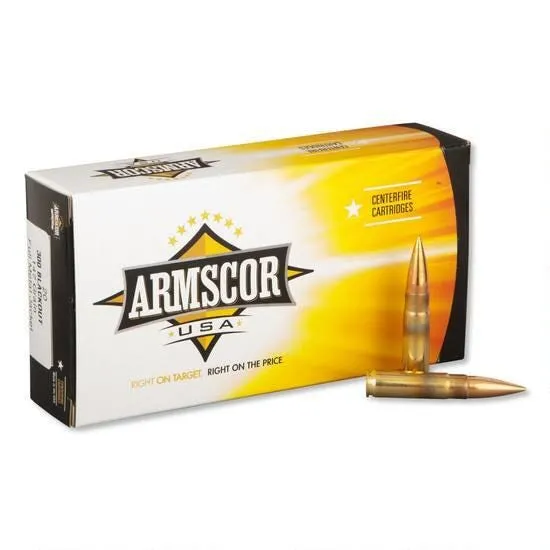
Armscor USA .300 Blackout 147 Grain 20-Rounds FMJ
.300 Blackout · 147gr · 20 rds
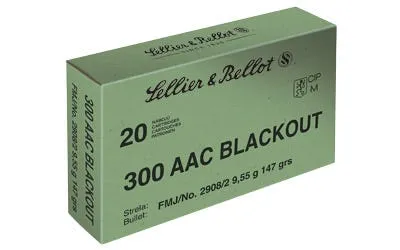
Sellier & Bellot Ammunition 147 Grains .300 Blackout 20 Rounds FMJ
.300 Blackout · 147gr · 20 rds
None of this says the short barrel is wrong — it says the short barrel is a subscription. For what you actually give up ballistically per inch, see how barrel length changes velocity, and for why the energy figure matters less than people think, muzzle energy vs muzzle velocity. For the loads themselves, our 5.56 and .223 round-up ranks them on live cost per round, and every .223 and 5.56 deal we track is sorted the same way.
The 20-inch AR-15 barrel shelf is mostly not AR-15
Of the 34 live 20-inch AR barrel listings, only about seven are chambered in 5.56 or .223 Wylde. The rest are .308 and 6.5 Creedmoor for AR-10 pattern rifles, 6mm ARC, .22 ARC and .22 Creedmoor — precision and hunting chamberings. The classic 20-inch rifle-length 5.56 A2 barrel, the configuration the platform was designed around, is now close to a special-order part, and the median price of the bucket ($289.75) reflects the precision barrels filling it rather than the A2s that left it.
If you want the full-length rifle, that is a reason to buy the barrel when you find it rather than when you need it. It is not a reason to pay precision-barrel money for a duty-grade part: check what the chambering in the title actually is, because an AR-10 .308 barrel will not go on an AR-15.
Gas system length is the spec almost nobody lists
Barrel length dictates gas system length — pistol, carbine, mid or rifle — and the gas system has to match the handguard and the tube you buy with it. Only 70 of 438 listings state a gas system at all (10 pistol, 13 carbine, 30 mid-length, 17 rifle). The other 368 say nothing, which means 84% of the shelf is silent on a spec that determines whether the parts you buy alongside it fit.
The parts themselves are trivially cheap — gas tubes in every length start under $7 — so the cost of getting this wrong is a return shipment and a fortnight, not money.
Gas Tubes and Blocks, All Four Lengths
Prices updated Oct 12, 2026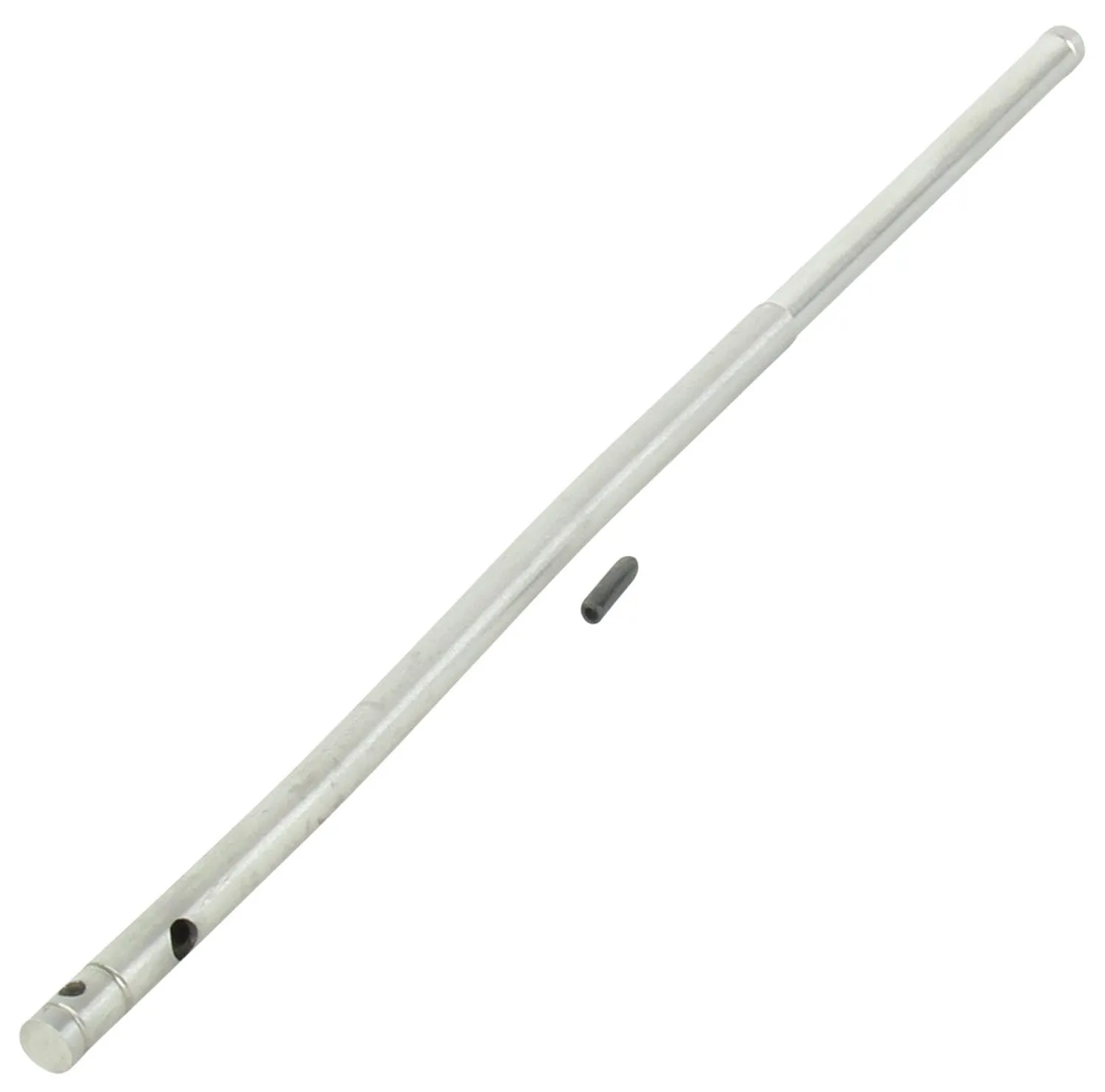
TacFire AR15 Pistol Length Gas Tube 6.75 Silver
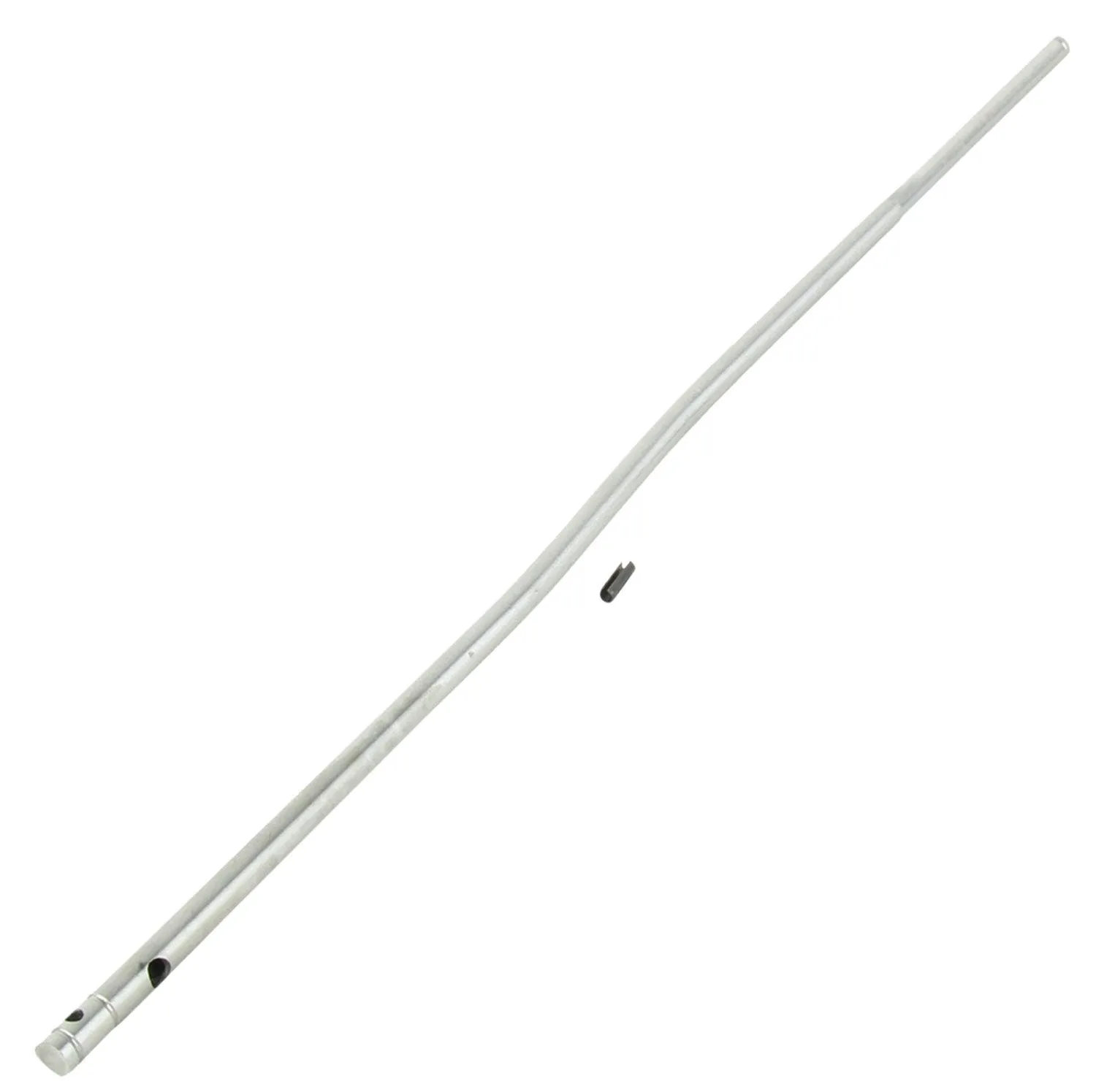
TacFire Gas Tube Stainless Carbine Length for AR-15
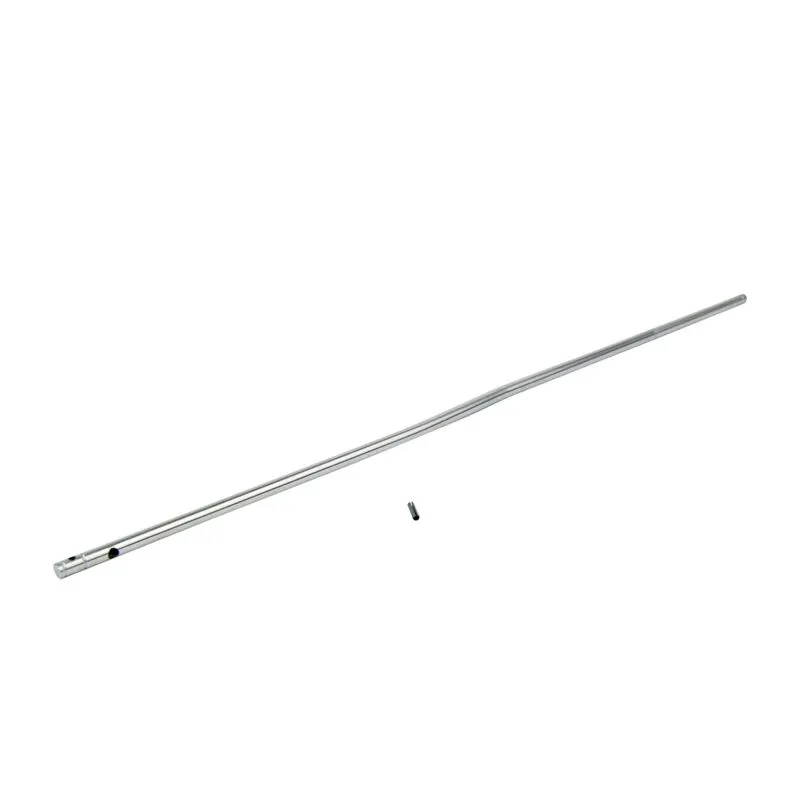
TacFire Gas Tube Stainless Mid-Length for AR-15

Aim Sports Inc. AR-15 Pistol Length Gas Tube Stainless Steel
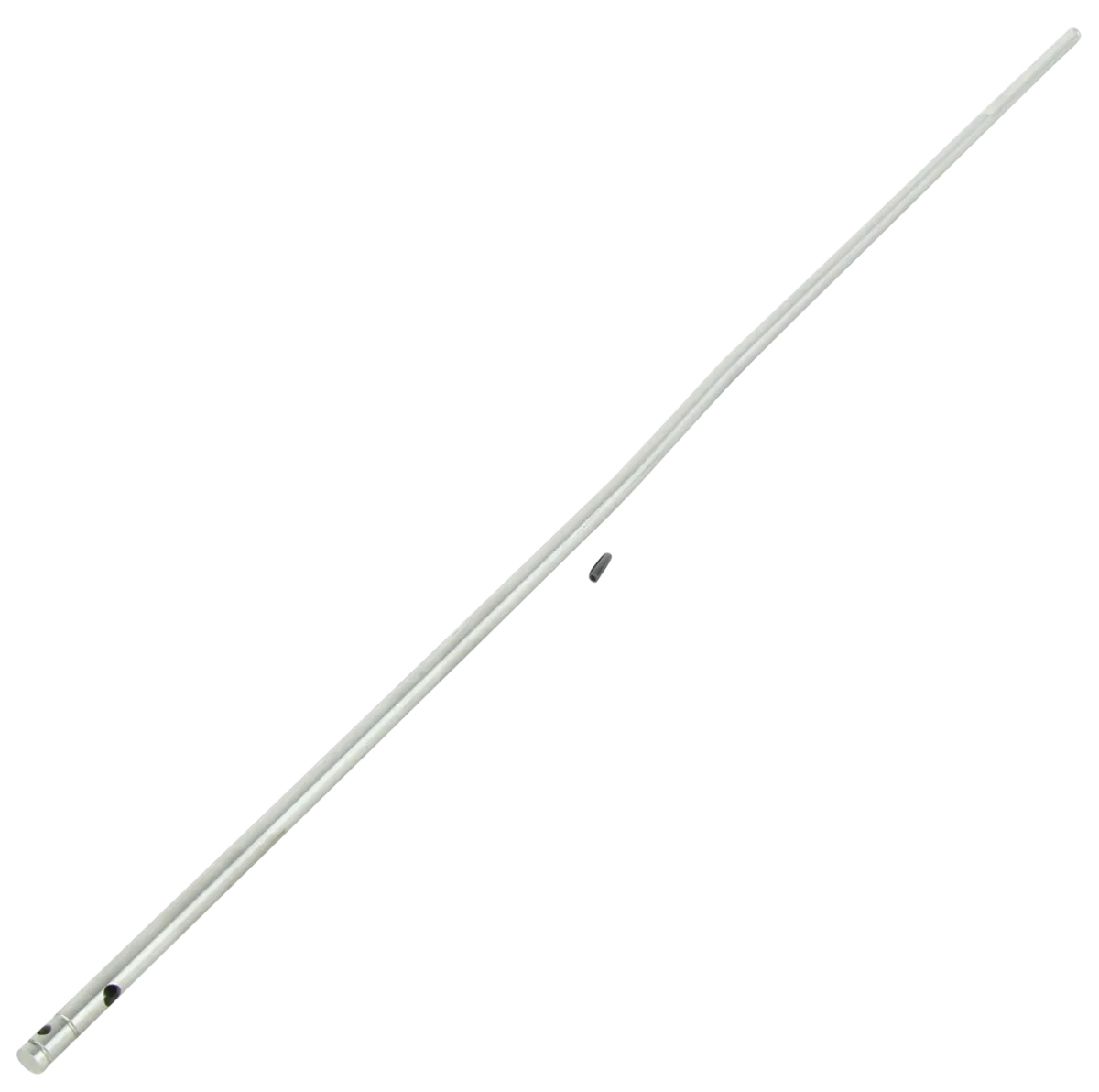
TacFire Rifle Length Gas Tube Silver AR 15 / M16
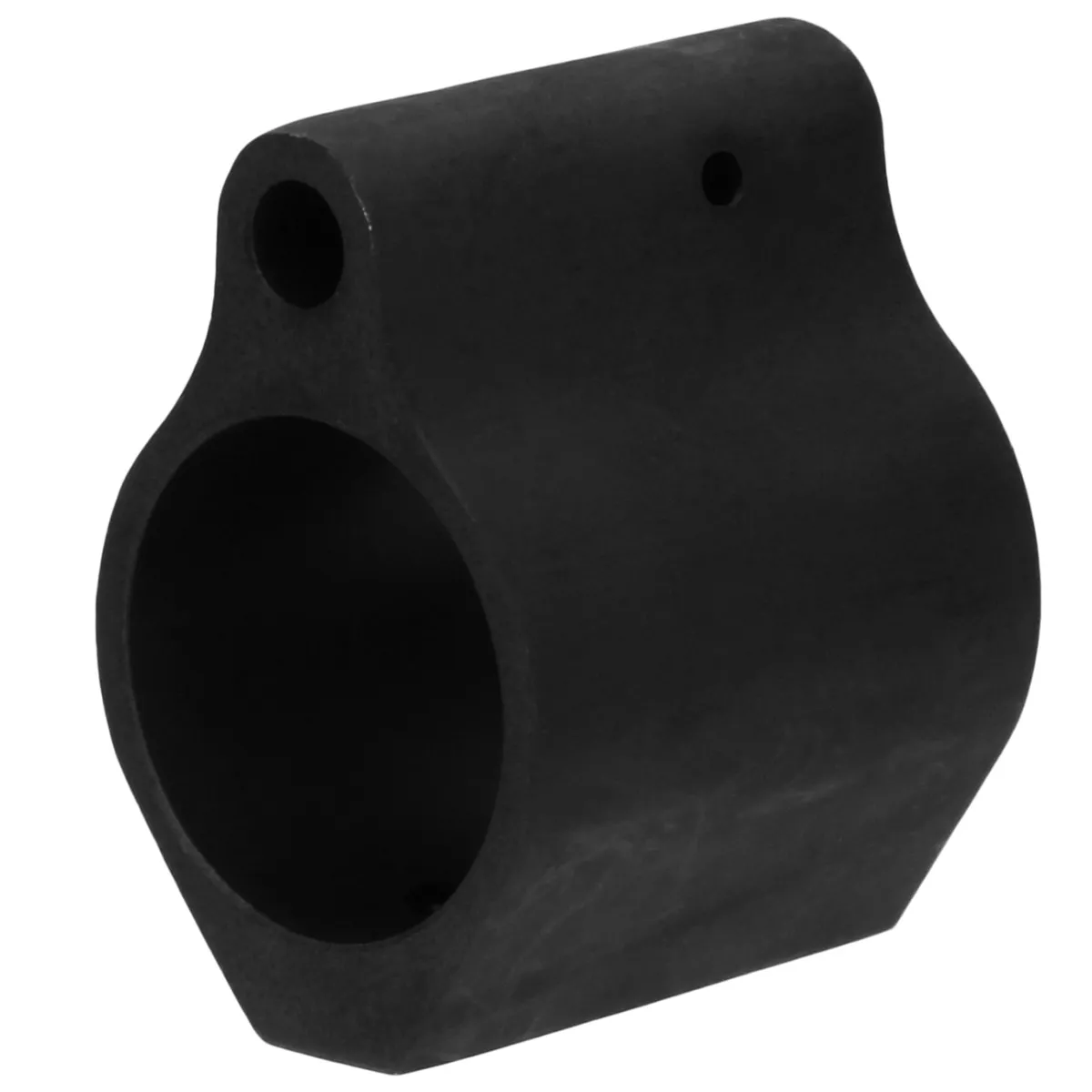
TacFire Low-Profile Micro Gas Block .750 for AR-15
The same silence applies to twist rate, which decides what the barrel will stabilise; we cover which bullet weights each twist handles in twist rate and ammo selection. If you are buying the barrel as part of a complete upper rather than on its own, the complete upper shelf has a different and much worse disclosure problem.
Should you shop around for a barrel, or wait for a price drop?
Shop. Of the 438 live barrel listings, 148 (33.8%) are stocked by more than one retailer we track, and the 16-inch bucket is the most shoppable of all — 47 of its 108 listings are multi-vendor.
Waiting is the weaker lever. Only 159 of 438 barrel listings (36.3%) currently sit above their own recorded low, with a median gap of 6.67% and a 75th percentile of 13.79%. Compare that to ammunition, where 8,643 of 12,234 live listings — 70.6% — sit above their own recorded low. Barrel prices are comparatively sticky; cartridge prices are not. That asymmetry is the whole reason to set the alert on the ammunition rather than the part, and why ammo prices move explains what drives it.
Get alerted when .223 Remington price drops hit.
We watch every listing and email you the moment the cost per round drops.
Set Up a Free Price AlertWhat to check before you order a barrel
- Read the length out of the title, not the category. The cheapest listings on the shelf are pistol stubs.
- Confirm the chambering fits your receiver. A 20-inch .308 or .22 Creedmoor barrel is an AR-10 part.
- If it is 14.5 inches, price the muzzle device and the pin-and-weld labour before you buy the barrel. The barrel is the cheaper half of that decision at the median.
- If it is under 16 inches, resolve the legal configuration first. Verify current federal requirements and your own state's rules; a parts listing is not legal advice.
- Find the gas system length. Four out of five listings won't tell you, and the handguard and tube depend on it.
- Then price the cartridge, not the barrel. Run your own numbers below.
Cost Per Round Calculator
The only number that matters when comparing ammo. Shipping included.
AmmoSpotter earns a commission when you buy through links on this page. It never changes what you pay, and it never decides what we recommend — our picks are ranked on live cost-per-round data pulled from every retailer we track. Full disclosure.
Frequently Asked Questions
What is the best AR-15 barrel length?+
Is a 14.5-inch AR-15 barrel legal without a tax stamp?+
Why is a 14.5-inch barrel more expensive than a 16-inch one?+
Does a shorter barrel cost more to shoot?+
Can you still buy a 20-inch AR-15 barrel?+
Should I wait for a barrel to go on sale or shop between retailers?+

About the author
AmmoSpotter Research Desk
Price & Ballistics Research
The AmmoSpotter Research Desk analyzes live retail pricing across every ammunition, firearm and accessory listing we track. Recommendations here are ranked against real cost-per-round data pulled daily from the retailers we monitor - not against manufacturer marketing copy.
- ✓Tracks 180,000+ live product listings across 6 retailer feeds
- ✓Records price history on every listing, every day
- ✓Cost-per-round methodology applied to all ammunition rankings
- ✓No product is ranked without a verifiable in-stock retail price
- ✓Affiliate relationships never influence rankings
Related Guides
How Barrel Length Changes Velocity — And What It Should Change About Your Ammo
- Shorter barrel, same load, less velocity. That part is physics and it only runs one way. - The velocity printed on the box was measured in a test barrel. Unless yours matches that length, the number is not yours. - ...
Best AR-15 Uppers 2026: What the Live Listings Actually Show
- 528 complete AR-15 uppers are live right now, from $119.99 to $6,599.99, median $499.99. - 505 of those 528 carry one of two brand names. The complete-upper aisle is effectively one company deep. - Not one of the 52...
AR-15 Twist Rate and Ammo Selection: What Your Barrel Rules Out
Twist rate is the one barrel spec that decides what you are allowed to buy. Not what you should buy, or what shoots best — what will physically fly straight out of your rifle. A bullet your barrel cannot spin fast eno...

AR-15 Ammo Guide 2026: What to Feed It, Why, and What It Costs
The rifle is the cheap part. Over any realistic ownership period an AR-15 costs less than the ammunition that goes through it, which means the ammunition decision is the expensive one — and it is the one most buyers m...

Best AR-15 Triggers 2026: What the Catalog Will and Won't Tell You
- 101 live AR-pattern trigger listings, $20.29 to $324.99, median $190.00 — and 47 of them sit in the single band between $140 and $199. - The cheapest listings in the trigger category are trigger guards . 56 of the 7...
Best Pistol Caliber Carbines 2026: Compared on Running Cost
- A PCC is a running-cost argument, and in 9mm the argument is strong: the live floor is about half the .223/5.56 floor. - It collapses in the other chamberings. 10mm Auto's floor is within a cent of 5.56. 188 of 460 ...