Best .223 Ammo for Precision and Match Shooting
Your barrel's twist rate decides which match bullets will stabilize before price or brand does. Here is the twist-rate table, then live cost per round on match loads from entry tier to premium.
Most .223 match-ammo advice starts with brands. That's the wrong starting point. Before you choose between Gold Medal, ELD Match and Black Hills, one number stamped on your barrel decides which of them can work at all: the twist rate. A heavy match bullet that your barrel won't stabilize is not premium ammunition, it's a waste of money.
This guide starts with the twist-rate table, then prices each tier of match ammo against the bulk .223 floor. Every price on this page is live, pulled from the retailers we track.
Which .223 bullet weights will your twist rate stabilize?
Twist rate is written as 1:X: one full rotation every X inches of barrel. Smaller X means faster spin. A bullet needs a minimum spin rate to fly point-first, and longer bullets need more of it. Heavier .223 bullets are longer, so they need faster twists.
This table gives the widely published rule of thumb. It is a starting point, not a guarantee:
| Twist rate | Typical barrels | Stabilizes reliably | Borderline | Avoid |
|---|---|---|---|---|
| 1:12 | Older varmint and bolt rifles | 40–55gr | 60–62gr | 68gr and up |
| 1:9 | Many budget ARs, many bolt guns | 50–69gr | 73–77gr | 80gr and up |
| 1:8 | Precision ARs, many modern bolt guns | 55–77gr | 80gr | 85–90gr |
| 1:7 | Mil-spec-pattern ARs | 55–80gr | 85gr | 90gr in some barrels |
The borderline column is where most frustration comes from. Stability depends on bullet length, muzzle velocity and air density as well as weight. A long-for-its-weight polymer-tipped or solid copper bullet needs more spin than a lead-core bullet of the same weight. A shorter barrel means lower velocity and less spin. Cold, dense air at sea level is harder on marginal stability than thin air at altitude. So a 1:9 barrel can shoot one brand of 75-grain beautifully and keyhole another.
How to tell: shoot a group at 100 yards and look at the holes. Round holes mean a stable bullet. Oval or sideways holes mean the bullet is yawing, and no amount of money spent on that load will fix it.
Very fast twists have a smaller catch at the other end. Some light, thin-jacketed varmint bullets can come apart in flight from a 1:7 barrel at high velocity. With match bullets this is rarely a concern, but it's why a 1:7 barrel isn't automatically better.
For how twist rate interacts with general AR feeding and barrel choice, see our AR-15 ammo guide.
What does .223 cost per round right now?
The baseline first. This block is live:
.223 Remington Price Index
Live · Sep 21, 2026When this guide's data was pulled, the .223 Remington market floor sat at $0.450 per round. That floor is steel-case and brass FMJ, the ammo you'd buy for drills:
Cheapest Bulk .223 / 5.56 (the Practice Baseline)
Prices updated Sep 21, 2026
Wolf Military Classic Steel .223 Rem 55 Grain 500-Rounds Bulk FMJ
.223 Remington · 55gr · 500 rds

PMC Ammunition Bronze .223 Rem 55 Grain 1000-Rounds FMJ Bulk
.223 Remington · 55gr · 1,000 rds

Red Army Standard Centerfire Rifle Steel .223 Rem 55-Grain 500-Rounds Bulk FMJ
.223 Remington · 55gr · 500 rds

Wolf Performance Ammo PolyFormanc Steel Bulk .223 Rem 55 Grain 500-Rounds
.223 Remington · 55gr · 500 rds

PMC Ammunition X-Tac Rifle Brass 5.56 55 Grain 1000-Rounds FMJBT Bulk
5.56x45mm NATO · 55gr · 1,000 rds

Winchester M855 5.56 Bulk Ammo 62 Grain FMJ 1000rds (Unpainted Tip) - WM8551000
5.56x45mm NATO · 62gr · 1,000 rds
Every match load below has to justify its premium over that grid. Our best 5.56 and .223 ammo guide covers the practice and defense side, and bulk 5.56 cases compared goes deeper on the 1,000-round tier.
What is the best .223 match ammo for a 1:12 barrel?
A 1:12 barrel is limited to light bullets, which cuts both ways. You can't use the high-BC heavies, but the ammo that suits your rifle is some of the cheapest match ammo there is:
Light Match Loads (52–55gr) for Any Twist
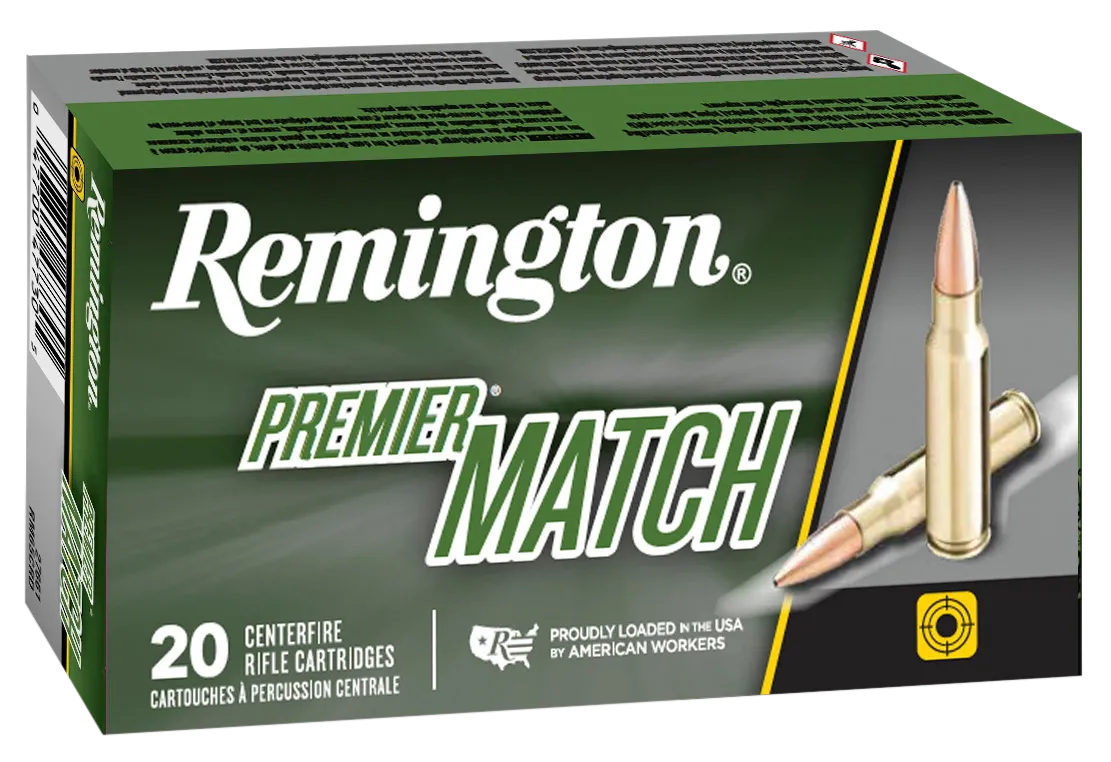
Remington Premier Match Brass .223 Rem 52 Grain 20-Rounds HPBT
Remington Premier Match on a 52-grain hollow point boat tail. A short, light match bullet is the sensible choice for a 1:12 barrel that won't stabilize the heavies.

Hornady Frontier Brass Bulk .223 Rem 55 Grain 150-Rounds HP Match
Hornady Frontier's 55-grain Match hollow point in a 150-round pack. The bigger pack keeps the per-round cost close to plain FMJ, which makes it a reasonable way to find out what your rifle can do.
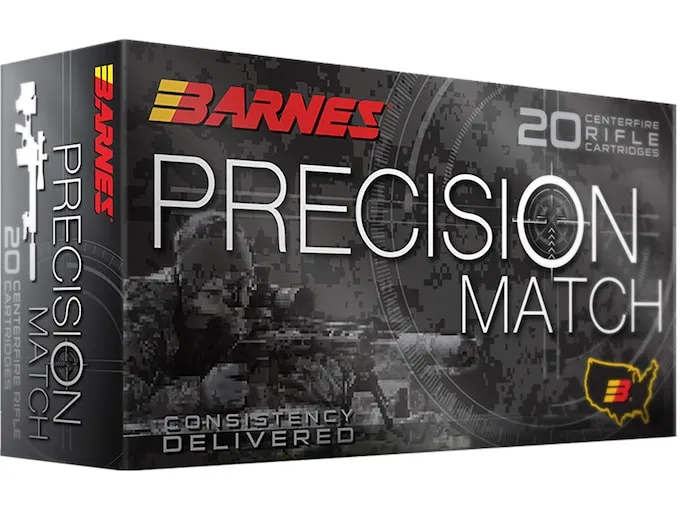
Barnes Precision Match Brass .223 Rem 55 Grain 20-Rounds OTM BT
Barnes Precision Match with a 55-grain open-tip boat tail. A premium bullet at a weight almost any .223 twist rate will stabilize.
The Hornady Frontier 55-grain Match in the 150-round pack is the efficient choice here. It gets you a match hollow point at a per-round cost near plain FMJ. If your 1:12 rifle groups well with it, the premium 52-grain loads are an incremental step, not a transformation.
What is the cheapest heavy .223 match ammo for 1:9 and 1:8 barrels?
This is the tier most AR owners should start with. These are 68- to 77-grain match bullets from volume makers, priced well below the premium lines:
Entry-Tier Heavy Match (68–77gr)
HORNADY 223 Rem Frontier 68Gr BTHP Ammo Match 20rd
Hornady Frontier on a 68-grain match hollow point. It runs well in most 1:9 barrels and costs less than the premium lines, so it makes a good first test of heavy match ammo.
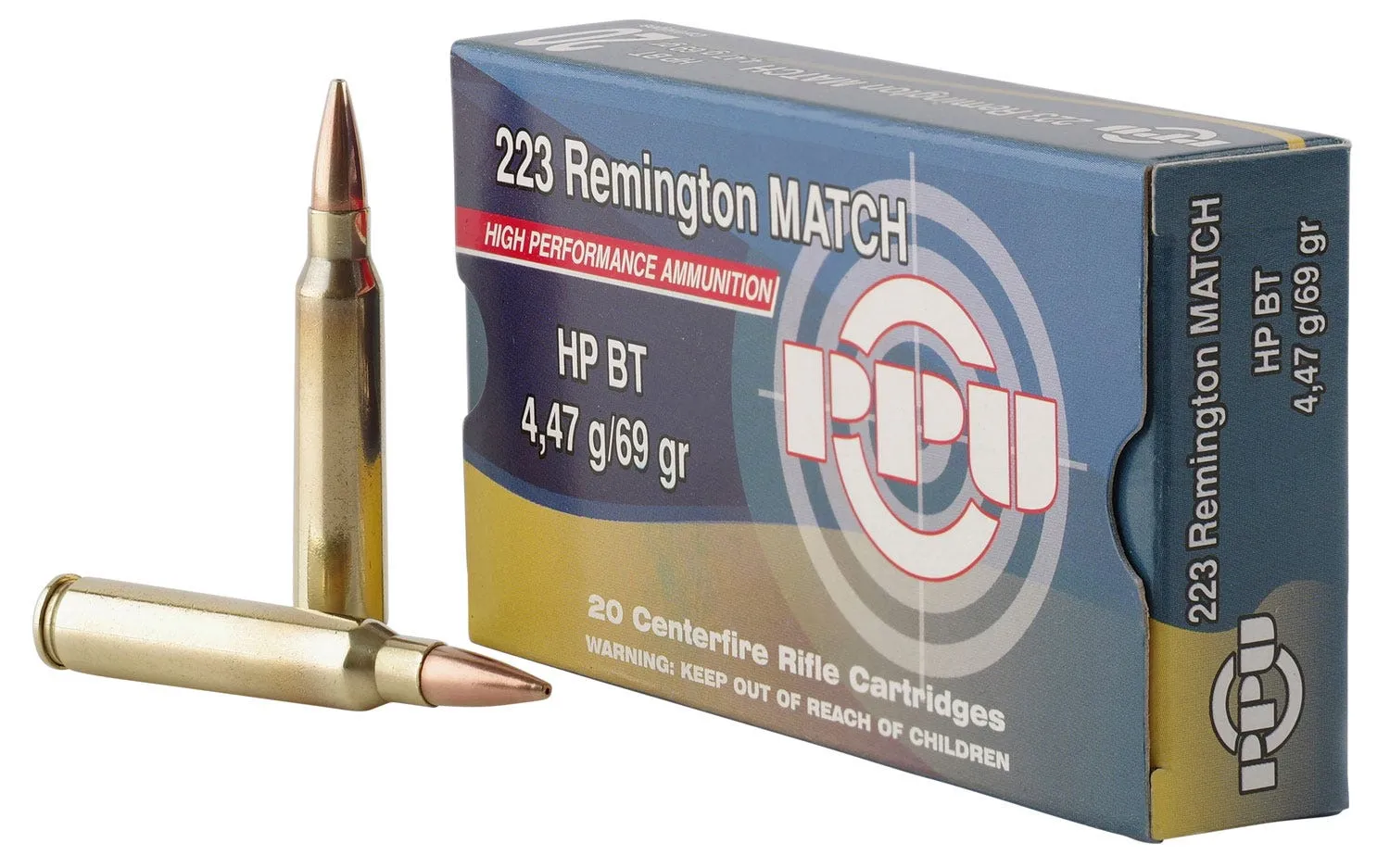
PPU Match Line Ammunition Brass .223 Rem 20-Rounds 69 Grain HPBT
PPU's Match Line 69-grain HPBT. Listed by more than one retailer, which helps when a single vendor sells out.
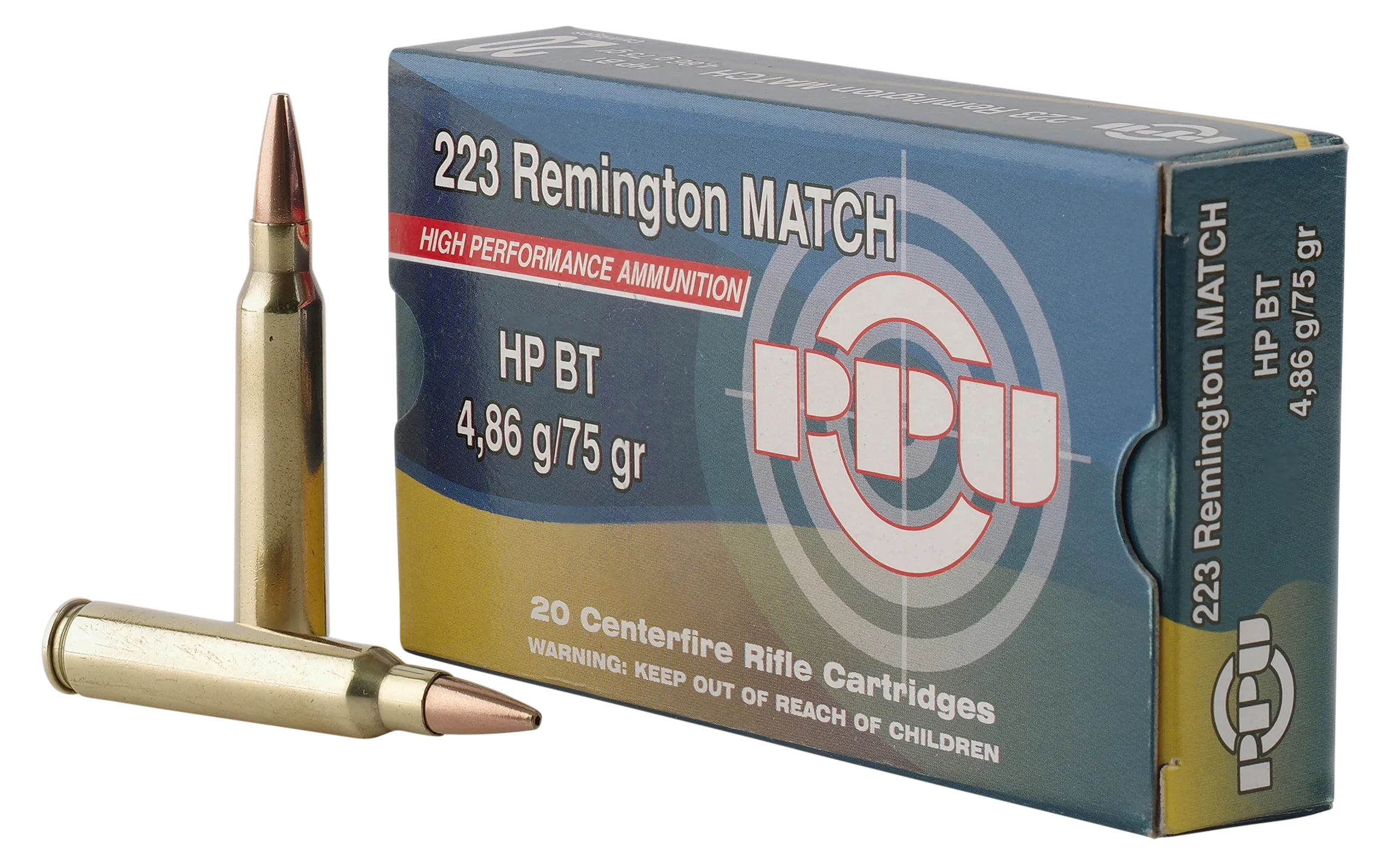
PPU Match .223 Rem 75 Grain 20-Rounds HPBT
PPU's 75-grain HPBT. Heavy enough to want a 1:8 or faster twist, and priced toward the bottom of the heavy-match field.
SELLIER BELLOT 5.56x45 77Gr HPBT 20rd
Sellier & Bellot's 77-grain HPBT, loaded as 5.56x45. Among the cheapest 77-grain loads we track, but only for rifles chambered in 5.56 NATO or .223 Wylde.
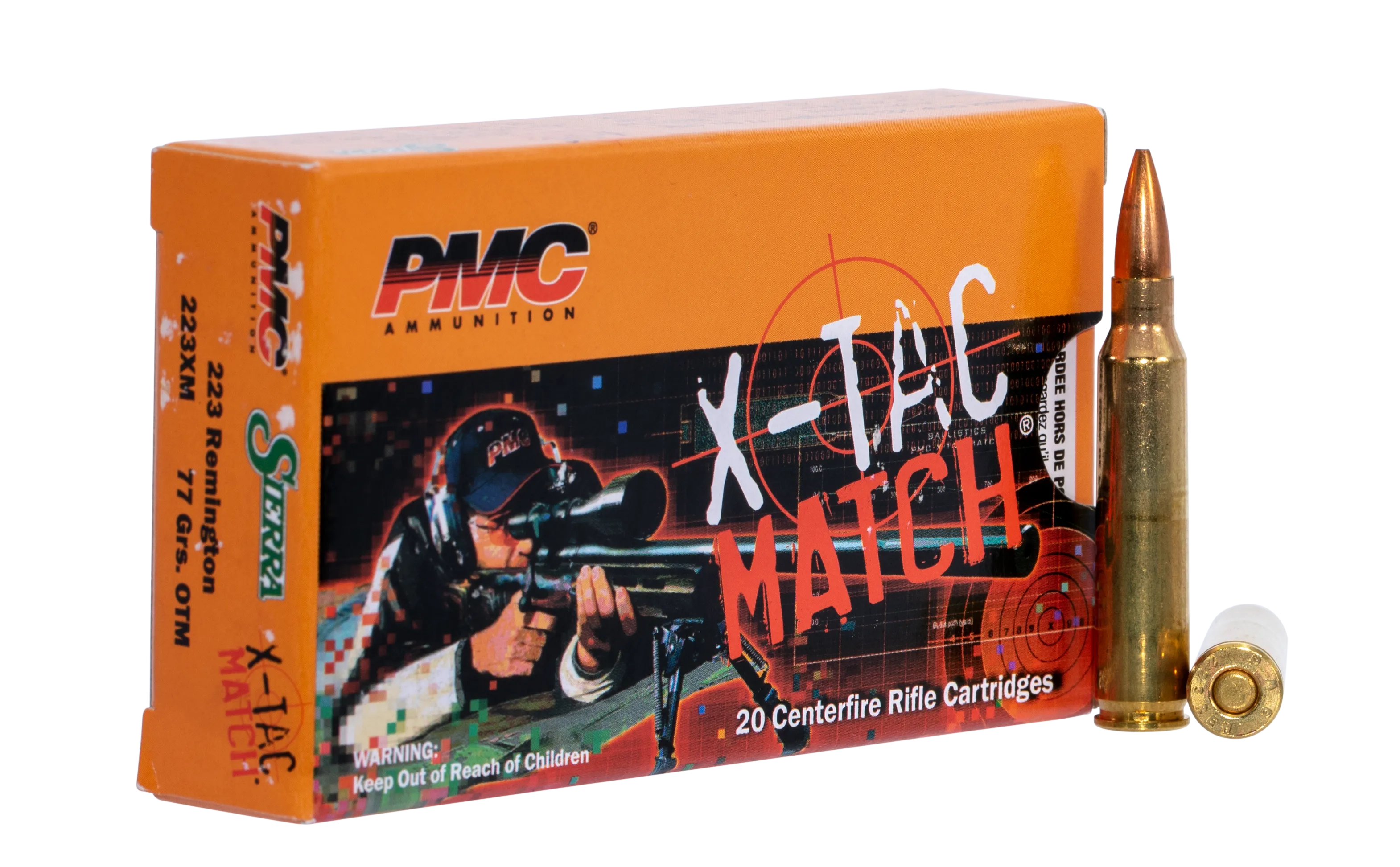
PMC Ammunition X-Tac Match Brass .223 Rem 77 Grain 20-Rounds OTM
PMC X-TAC Match on a 77-grain open tip, loaded to .223 Remington, so it is safe in a .223-chambered bolt gun as well as a 5.56 AR.
A 1:9 barrel should start at the 68- and 69-grain loads here. Try a 75 or 77 only if the holes stay round at 100 yards. A 1:8 or 1:7 barrel can run everything on this list.
Two of these cards need a caliber check. The Sellier & Bellot 77-grain is loaded as 5.56x45, which is part of why it prices so low. That's fine in a 5.56 or .223 Wylde chamber, and not fine in a rifle chambered only for .223 Remington. The PMC X-TAC Match is loaded to .223, so it works in either. If you don't know which chamber you have, read the barrel stamp and see .223 vs 5.56.
Is premium .223 match ammo worth the price?
Here are the premium match loads — the ones rifle reviews use as their reference:
Premium Match (69–77gr)
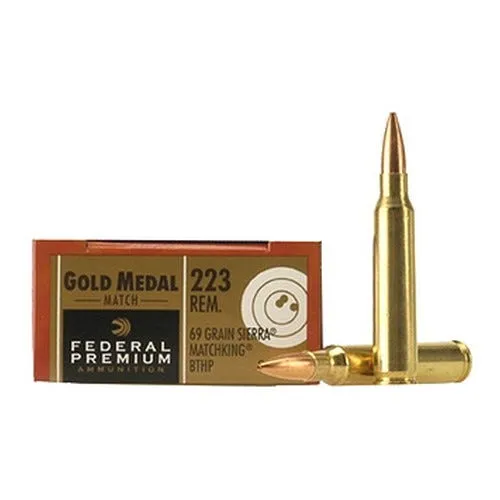
Federal Gold Medal .223 Rem 69-Grain 20-Rounds BTHP
Federal Gold Medal with the 69-grain Sierra MatchKing. It has been a standard reference load for .223 accuracy for decades, and the price reflects that.
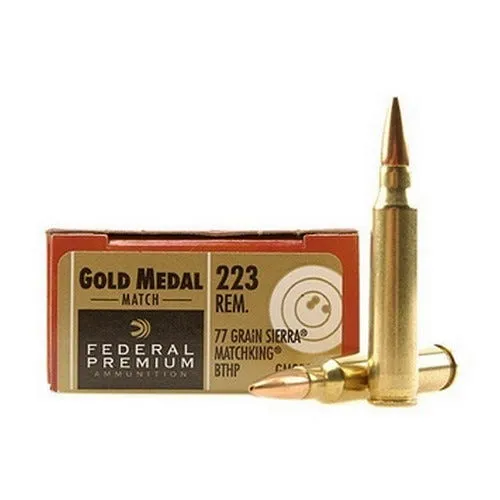
Federal Gold Medal .223 Rem 77-Grains 20-Rounds BTHP
The same Gold Medal line on the 77-grain bullet, for 1:8 and faster barrels. The heavier bullet drifts less in the wind at distance.
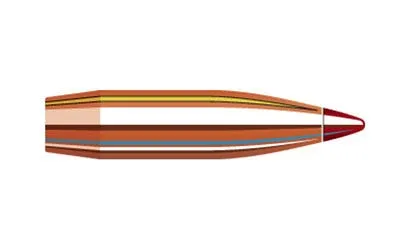
Hornady Match Ammo Brass .223 Rem 73 Grain 20-Rounds ELD Match
Hornady Match on the 73-grain ELD Match bullet, a high-BC design that is a common pick for 1:8 barrels at longer ranges.
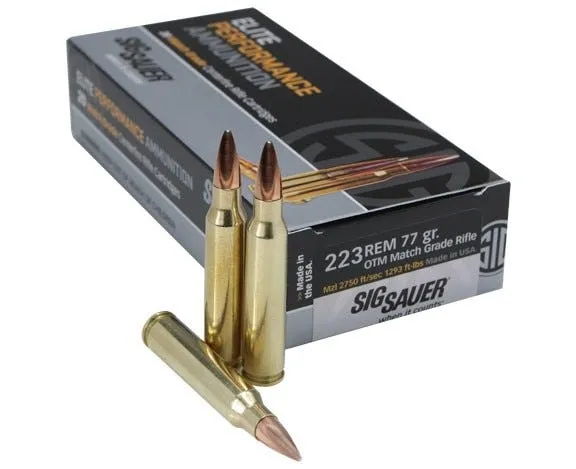
Sig Sauer Elite Match Grade Brass .223 Rem 77-Grains 20-Rounds OTM
Sig Sauer Elite Match with a 77-grain open-tip match bullet. Listed by more than one retailer.
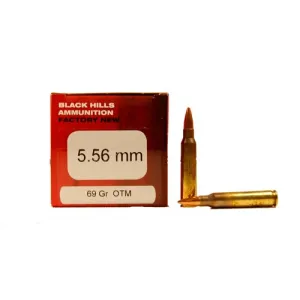
BLACK HILLS AMMUNITION 5.56 NATO 77 GR Open Tip Match Ammunition | 50 Rounds
Black Hills 77-grain open tip match in a 50-round box, loaded as 5.56 NATO. The bigger box lowers the per-round cost against premium 20-round packs. For 5.56 or .223 Wylde chambers.
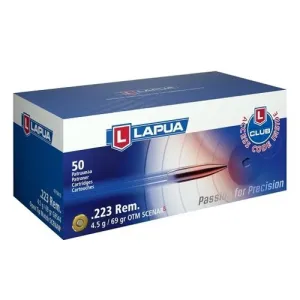
LAPUA AMMO 223 Remington 69Gr Scenar-L OTM 50rd
Lapua's 69-grain Scenar-L in a 50-round box. Among the most expensive .223 match loads we list. Worth it only once your rifle and your shooting can show the difference.
Look at these per-round prices next to the bulk grid above. Premium match costs several times the .223 floor. That's the honest trade-off. The jump from bulk FMJ to entry-tier match is usually where a rifle's groups shrink the most. The jump from entry-tier to premium tends to matter at longer distances, in wind, and in competition, where a small, consistent group matters.
Federal Gold Medal with the Sierra MatchKing has been a standard reference load for decades. Hornady's 73-grain ELD Match and the 77-grain open-tip loads from Sig and Black Hills compete on ballistic coefficient. Lapua sits at the top of the price range. We don't run accuracy testing, so we won't tell you which of these groups best — your rifle will. How we rank ammunition explains what we will and won't claim. What we can tell you is what each one costs right now, and that the 50-round boxes (Black Hills, Lapua) usually cost less per round than 20-round premium packs.
A cheaper way to test premium loads
Buy one 20-round box each of two or three candidates for your twist rate. Shoot them in the same session, in the same conditions, and keep the one that groups best in your rifle. Then buy that load in the biggest box you can find, because match ammo lot-to-lot consistency is part of what you're paying for.
What about 80- to 90-grain .223 for long range?
The heaviest .223 bullets exist for one job: bucking wind at distances where a 5.56 is at the edge of its range. They need fast twists, and in an AR they create a second problem: loaded length. Many 80-grain and heavier loads are too long to fit a standard AR magazine and are meant to be single-fed or used in bolt guns with a longer magazine:
Long-Range Heavies (80–90gr, Fast Twist Only)
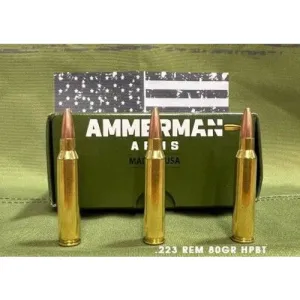
AMMERMAN ARMS 223 Rem 80gr HPBT Ammunition | 20 Rounds
Ammerman Arms 80-grain HPBT. At this weight a 1:7 barrel is the safe bet, and in an AR the loaded length has to fit the magazine.
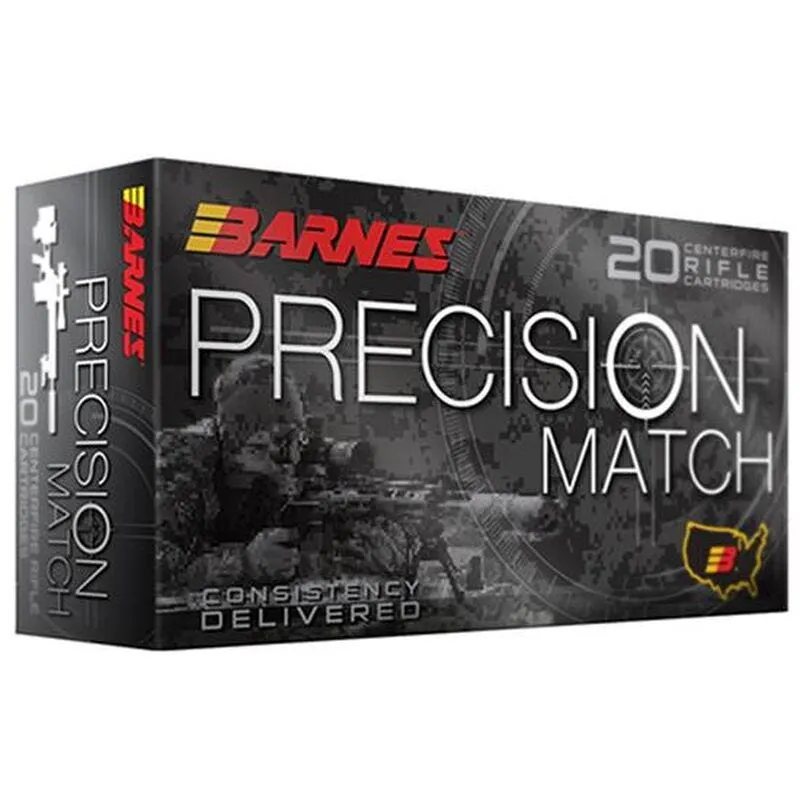
Barnes Bullets Precision Match 5.56NATO 85gr Open Tip Match Boat Tail 20rds
Barnes Precision Match on an 85-grain open tip, loaded as 5.56 NATO. Built for fast-twist barrels at long range.
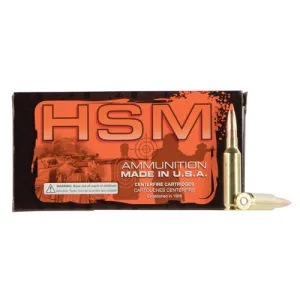
HSM AMMO 223 Remington 90Gr HPBT MatchKing 50rd
HSM's 90-grain Sierra MatchKing load. The heaviest match bullet in our .223 listings, and useless in anything slower than a fast 1:7 twist.
The 90-grain MatchKing is the extreme case. It needs a fast 1:7 barrel or faster, and it won't make up for a slow barrel. Buy one box, confirm it feeds and stabilizes, and only then commit.
How much match ammo do you actually need?
Less than you think, if you split it properly. Practice fundamentals, drills and barrel break-in with the bulk grid. Save match ammo for confirming your zero, for groups where you want to measure the rifle, and for match day. Our piece on how many rounds it takes to get good makes the case for volume in practice, and volume is what the floor price is for.
Optics matter here too. A 1-MOA load is wasted behind a sight you can't aim that precisely. Our red dot vs LPVO comparison covers what magnification you need for precision work. A suppressor will usually shift point of impact and may change which load groups best. If you shoot suppressed, test your match load with the can on. Our suppressor buying guide covers the rest.
Match ammo prices move with component supply, especially primers and match-grade bullets. We break down those forces in why ammo prices move. If you're ordering a case, check ammo shipping restrictions for your address first.
How do you choose .223 match ammo, step by step?
- Read your barrel stamp. Note the twist rate and whether the chamber is .223, 5.56 or .223 Wylde.
- Pick weights from the table. 1:12 → 52–55gr. 1:9 → 68–69gr. 1:8 → 73–77gr. 1:7 → anything up to 80gr, heavier if it fits your magazine.
- Start at entry tier. Hornady Frontier, PPU and PMC match loads show you what your rifle can do for less money.
- Check the holes. Round is stable. Oval is a warning. Sideways means switch loads.
- Step up to premium only if groups justify it, and buy the winner in the largest box available.
Set an alert and we'll email you when .223 drops:
Get alerted when .223 Remington price drops hit.
We watch every listing and email you the moment the cost per round drops.
Set Up a Free Price AlertAll .223 and 5.56 listings, sorted by cost per round, are on the .223 / 5.56 ammo page. You can also browse match lines by maker at Hornady and Federal.
AmmoSpotter earns a commission when you buy through links on this page. It never changes what you pay, and it never decides what we recommend — our picks are ranked on live cost-per-round data pulled from every retailer we track. Full disclosure.
Frequently Asked Questions
What is the best grain weight for .223 match ammo?+
Can I shoot 77 grain ammo in a 1:9 twist barrel?+
Is 5.56 match ammo safe in a .223 rifle?+
Is expensive .223 match ammo worth it?+
What twist rate do I need for 55 grain .223?+
Why is heavy .223 match ammo sold in 20-round boxes?+

About the author
AmmoSpotter Research Desk
Price & Ballistics Research
The AmmoSpotter Research Desk analyzes live retail pricing across every ammunition, firearm and accessory listing we track. Recommendations here are ranked against real cost-per-round data pulled daily from the retailers we monitor - not against manufacturer marketing copy.
- ✓Tracks 180,000+ live product listings across 6 retailer feeds
- ✓Records price history on every listing, every day
- ✓Cost-per-round methodology applied to all ammunition rankings
- ✓No product is ranked without a verifiable in-stock retail price
- ✓Affiliate relationships never influence rankings
Related Guides

Best 5.56 & .223 Ammo 2026: Practice, Defense and Precision
5.56x45mm NATO and .223 Remington are the most-purchased rifle cartridges in America, and the most confusing to buy. The same rifle will accept ammunition ranging from bulk steel-cased plinking loads to match ammuniti...

AR-15 Ammo Guide 2026: What to Feed It, Why, and What It Costs
The rifle is the cheap part. Over any realistic ownership period an AR-15 costs less than the ammunition that goes through it, which means the ammunition decision is the expensive one — and it is the one most buyers m...

.223 vs 5.56: The Difference That Actually Matters
The cases are dimensionally near-identical. The ammunition will chamber in either rifle. That is exactly why this matters — nothing physically stops you from making the mistake. The two real differences 1. Pressure 5....

Best Bulk 5.56 Ammo 2026: 1,000-Round Cases Compared on Live Prices
- The 1,000-round case is not automatically the cheapest 5.56 on the market. Right now it is not even the cheapest listing we track. - "Bulk" is not a discount. The specific case is, or it isn't — and the spread betwe...

AR-15 Build vs Buy 2026: Which Actually Costs Less, Priced Live
- At the floor of the market, a parts-bin AR-15 and a complete budget rifle land in the same price band. Building is not a discount. - The cheapest complete uppers in our catalog are listed without a bolt carrier grou...

5.56 vs .300 Blackout: Which One Is Actually Worth Feeding?
- .300 Blackout costs materially more per round than 5.56, every day, in every brand we track. That gap is structural, not a temporary spike. - Both cartridges run in the same lower, the same bolt carrier group and th...