Terminal Ballistics: Expansion, Penetration and What Gel Tests Actually Show
What ballistic gelatin measures, what the published protocol windows mean, and what the engineering behind them costs per round on today's market.

What ballistic gelatin actually measures
Ordnance gelatin is a standardised block of protein gel, mixed to a fixed concentration and chilled to a fixed temperature, then verified before use by firing a steel BB into it at a specified velocity and measuring how deep it goes. If the BB lands in the expected range, the block is calibrated and results from it can be compared to results from any other calibrated block.
That calibration step is the entire point, and it is the part that gets lost when a number from a gel test gets repeated in a forum post. Gel is not a stand-in for anatomy. It contains no bone, no varying tissue density, no clothing unless a tester adds it. What it provides is repeatability — a control surface against which two projectiles can be compared under conditions someone else can reproduce.
So the correct way to read any gel figure is comparative. "This bullet penetrated further than that one under the same conditions" is a supportable claim. "This bullet penetrates fourteen inches of a human being" is not, and no serious tester makes it.
The two numbers that matter, and why they fight each other
Every terminal ballistics discussion reduces to two measurements: how deep the projectile went, and how wide it got on the way.
Penetration depth is the one with a published target. The FBI's ammunition test protocol specifies a window of 12 to 18 inches in calibrated gelatin for duty handgun ammunition. The floor exists because a projectile may need to reach vital structures through an arm, at an angle, through clothing. The ceiling exists because everything the bullet does not spend inside the target it spends on whatever is behind it. That window is a specification for a duty use case — not a universal truth, and not necessarily the right window for a different job.
Expanded diameter is the second number, and here is the part most people get backwards: it is not free. Every bit of energy a bullet spends deforming is energy it does not spend travelling. Widen the frontal area and drag goes up immediately. A projectile engineered to open dramatically will stop sooner, and can fail the penetration requirement while producing a photogenic mushroom.
This is why "more expansion is better" is a meaningless claim on its own, and why the protocol is a window rather than a maximum. The engineering problem is not making a bullet expand. It is making a bullet expand the right amount, reliably, at the velocity it happens to be travelling when it arrives — which depends on your barrel length and your distance. We cover the velocity side of that in muzzle energy vs muzzle velocity and how barrel length changes velocity.
Why barrier tests exist, and why they change the answer completely
The full protocol is not one shot into bare gel. It is a series of test events: bare gelatin, heavy clothing, steel, wallboard, plywood, and automotive glass. The same load can perform very differently across those events, and the barrier results are where cheap and expensive ammunition genuinely separate.
The failure mode a barrier produces is jacket-core separation. A conventional hollow point is a lead core seated inside a copper jacket; hit something hard on the way in and the two can part company, after which the jacket is a thin cup and the core is an unguided lump. Neither behaves like the bullet that was tested.
Essentially everything the premium tier charges for is a fix for that. Bonding chemically or mechanically fuses core to jacket. Plating builds the jacket onto the core rather than assembling the two. Monolithic designs sidestep the problem by having no core at all. Polymer tips, skived cavities and controlled-alloy cores all exist to make the opening behaviour consistent rather than maximal.
None of which is visible on the shelf. What is visible is the price, so let's look at that.
What terminal engineering actually costs: the four tiers
Here is the ladder, in one cartridge, on live prices. Start with what plain practice ammunition costs.
9mm Luger Price Index
Live · Sep 28, 2026Practice Tier: Cheapest Bulk 9mm FMJ
Prices updated Sep 28, 2026
Winchester USA Forged 9mm 115 Grain 1000-Rounds Bulk FMJ
9mm · 115gr · 1,000 rds

CCI Ammunition Blazer Aluminum 9mm 115-Grain 1000-Rounds Bulk FMJ
9mm · 115gr · 1,000 rds

Winchester Centerfire Handgun Brass 9mm 115-Grain 1000-Rounds FMJ Bulk
9mm · 115gr · 1,000 rds

PMC Ammunition Bronze Brass 9mm 124 Grain 1000-Rounds Bulk FMJ
9mm · 124gr · 1,000 rds

PMC Ammunition Bronze Brass 9mm 115-Grain 1000-Rounds Bulk FMJ
9mm · 115gr · 1,000 rds
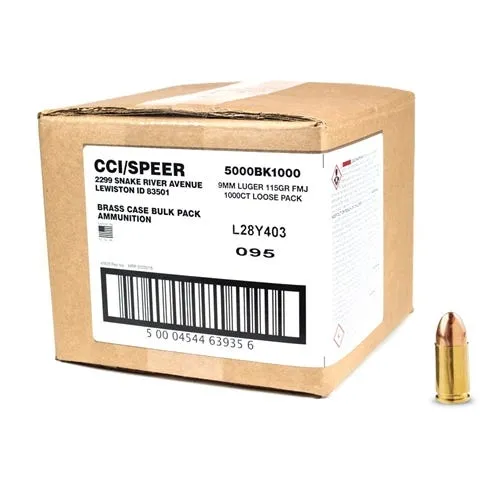
CCI Ammunition Blazer Brass 9mm 115-Grain 1000-Rounds FMJ Bulk Case
9mm · 115gr · 1,000 rds
That is tier one — full metal jacket, no terminal engineering at all, bought in bulk. Tier two is a plain hollow point sold at close to the same money, which is the tier most people misidentify as a bargain duty load.
Tier Two: Hollow Points at Practice Money
MAGTECH 9mm 115Gr 1155 FPS JHP 50rd
Magtech 115 grain JHP, 50 rounds. This is the tier people mistake for a cheap duty load. It is a hollow point, it is inexpensive, and its makers do not market it against the protocol — treat it as range ammunition that happens to have a cavity in the nose.

Sierra SportsMaster 9mm 124 Grain 100-Rounds JHP
Sierra SportsMaster 124 grain JHP in a 100-round box. Useful as a reference point for how little the hollow-point cavity itself costs. What the duty tier charges for is the jacket-to-core engineering, not the hole in the front.
Compare those cards against the index above and the finding is clear: the cavity itself is nearly free. A hollow point costs fractionally more to make than an FMJ. That is why this tier exists and why it is cheap.
Tier three is where the money goes — the bonded, plated and barrier-tested duty lines. Look at the per-round figures on these cards, and note that some are packed 50 to a box rather than 20 or 25, which changes the economics more than the brand does.
Tier Three: The Duty Standard

FEDERAL AMMO Premium Law Enforcement 9mm 147Gr HST JHP 50rd
Federal HST in 147 grain, packed 50 to a law-enforcement box rather than 20. The bonded-and-notched jacket design is exactly the kind of engineering the protocol windows were written to evaluate — and the 50-round packaging is what makes it affordable to actually shoot some of it.
SPEER AMMO 9mm 115Gr Gold Dot GDHP 50rd Box
Speer Gold Dot in 115 grain, also in a 50-round box. Gold Dot's bonding process — plating the jacket onto the core rather than seating a core into a jacket — exists to keep the two together after a barrier. That is a manufacturing cost, and you can see it in the per-round figure on the card.
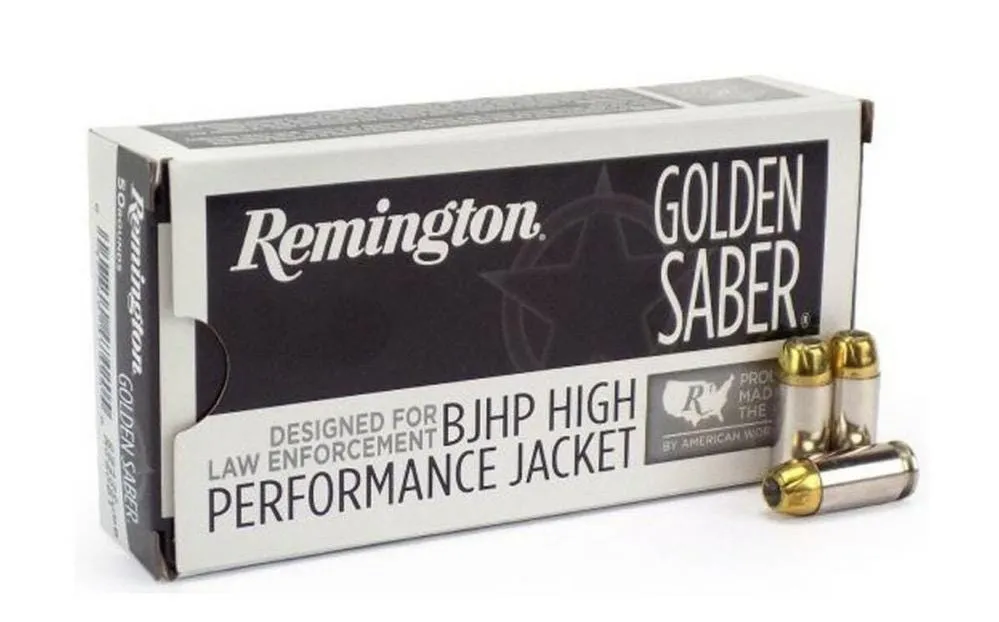
Remington Golden Saber Bonded 9mm 124 Grain 50-Rounds JHP
Remington Golden Saber Bonded, 124 grain, 50-round box. Same bonded-construction story as the two above at a different price point. Comparing these three cards side by side is the cleanest look you will get at what the duty tier costs as a band rather than as a single number.
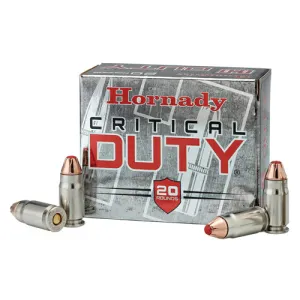
HORNADY Critical Duty 9mm +p 135gr FlexLock Ammunition | 25 Rounds
Hornady Critical Duty +P in 135 grain. Note the box price against the 50-round listings above — the product is engineered for the same job, but small-box packaging roughly doubles what a practice session with your carry load costs.
Tier four is the ceiling: monolithic solid-copper handgun designs and custom-shop rifle bullets.
Tier Four: The Price Ceiling
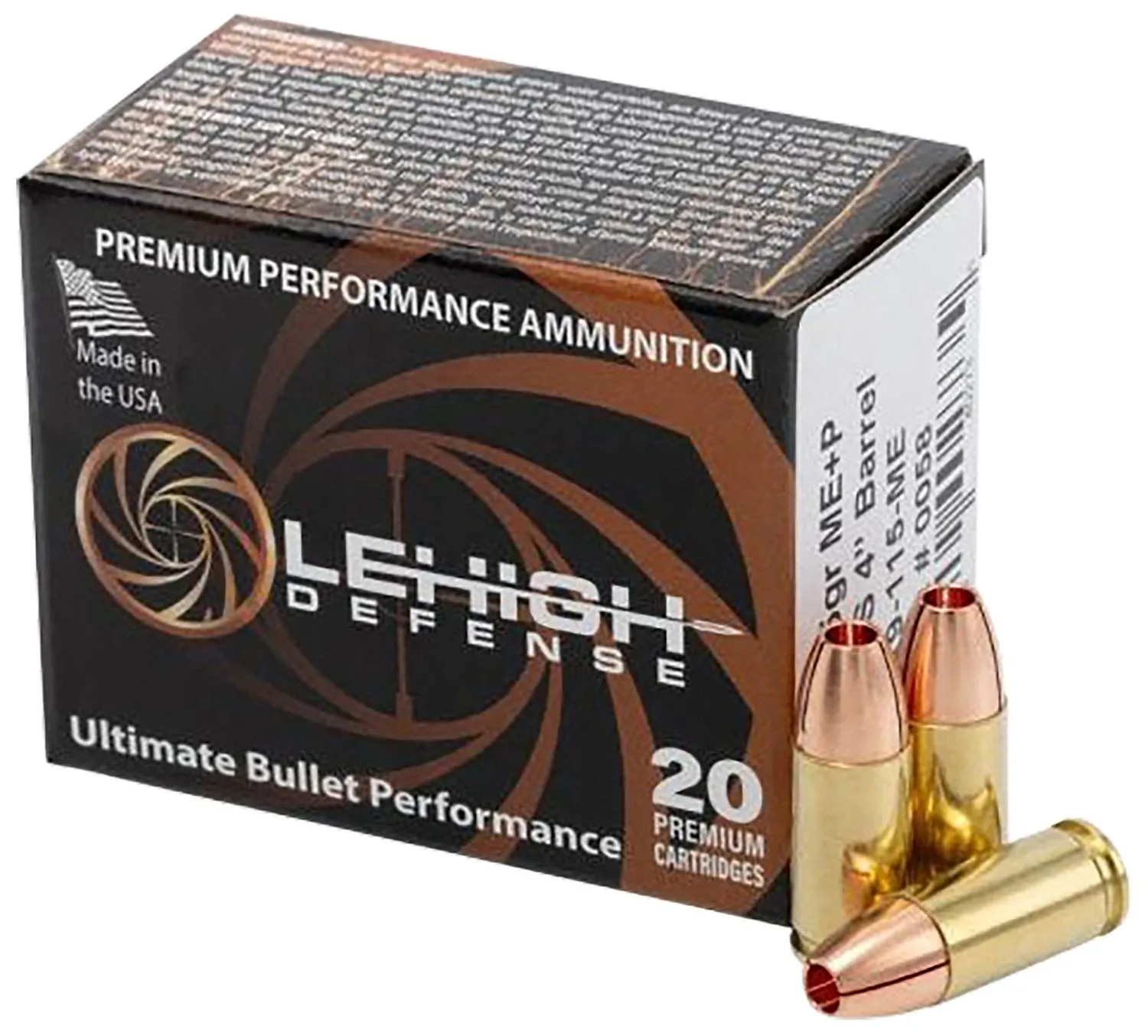
Lehigh Defense Maximum Expansion Brass 9mm+P 115 Grain 20-Rounds HP
Lehigh Defense Maximum Expansion in 9mm +P, monolithic solid copper, 20 rounds. This is the price ceiling for defensive handgun ammunition in our catalog. Whether the design suits your intended use is a question for published testing, not for us — but the cost of finding out is on the card.
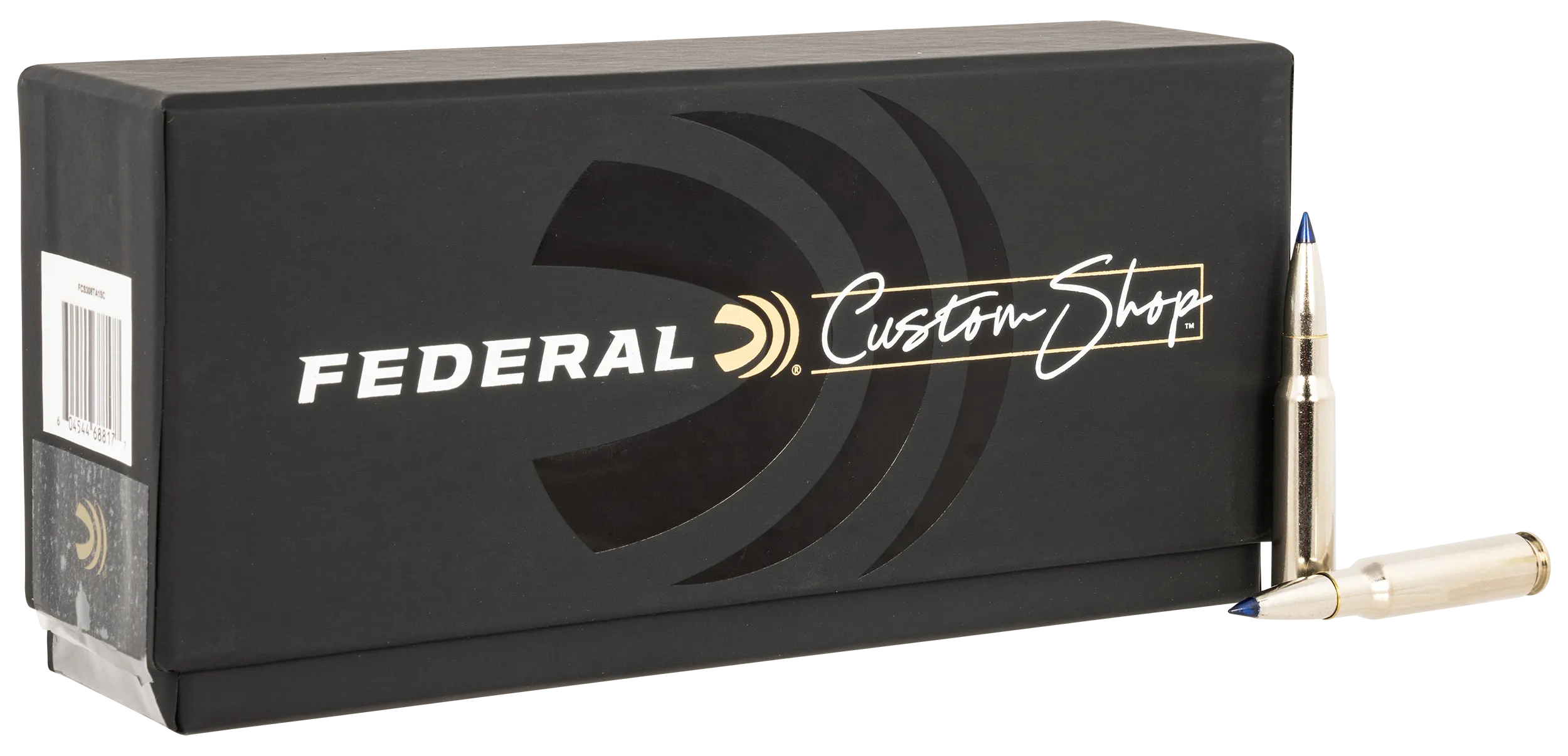
Federal Custom Shop Brass .308 Win 175 Grain 20-Rounds Terminal Ascent
Federal Custom Shop Terminal Ascent in .308 Winchester, 175 grain, 20 rounds. Hold this per-round figure against the live .308 Winchester index further up the page. The gap between a practice round and a controlled-expansion hunting bullet is far wider in rifle than it is in handgun.
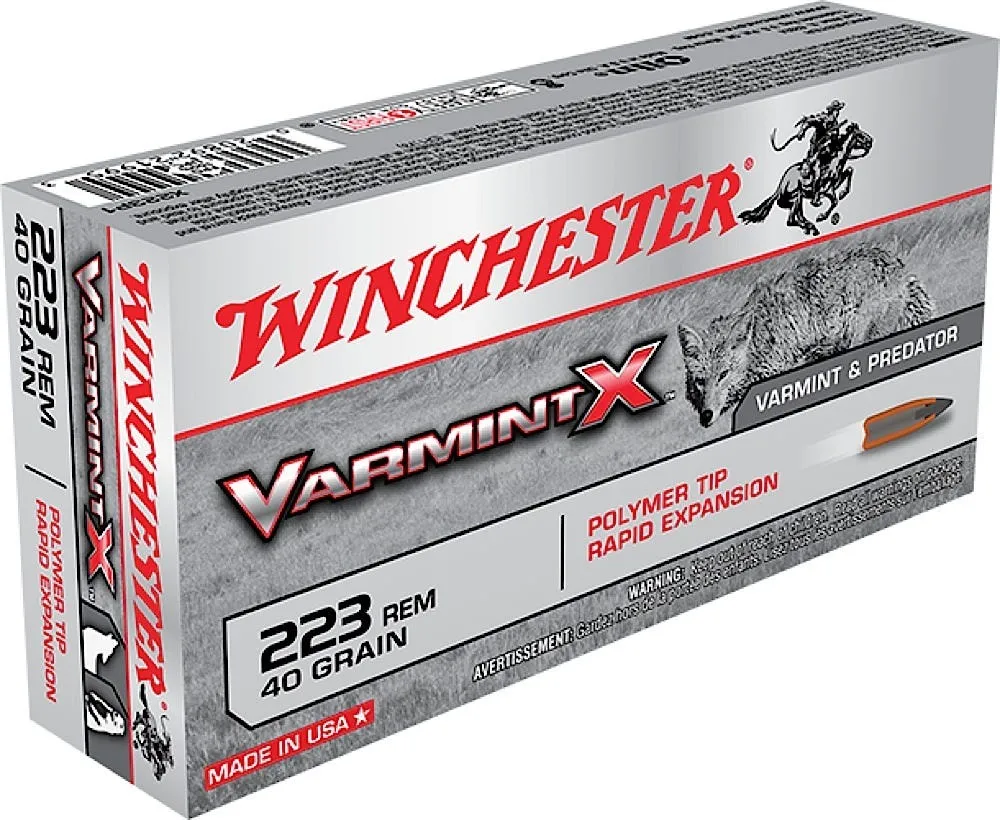
Winchester Varmint X .223 Rem 40 Gr 20-Rounds PT Rapid Expansion
Winchester Varmint X in .223 Remington, 40 grain, engineered for rapid fragmentation rather than retained weight. Same cartridge family as a defensive or duty load, deliberately opposite terminal behaviour — a reminder that 'better expansion' is meaningless until you name the target.
Run the four tiers against each other and the shape of the market appears. In handgun calibers, the step from practice ammunition to genuine duty ammunition is a multiple, not an order of magnitude — and that gap narrows further if you buy the 50-round law-enforcement packaging instead of 20-round retail boxes. For load-by-load recommendations rather than methodology, see best 9mm ammo and our 9mm self-defense ammo breakdown, or browse the whole 9mm catalog by cost per round.
Rifle terminal performance is a different and much more expensive problem
Everything above assumes handgun velocities. Rifle changes the physics and the price.
At rifle speeds, bullets can fragment, tumble or upset in ways handgun bullets simply cannot, and the design goals diverge hard depending on target. A varmint bullet is engineered to come apart on arrival. A controlled-expansion hunting bullet is engineered to hold together and drive deep through heavy bone. Those are opposite requirements out of cartridges that may share a case head.
.308 Winchester Price Index
Live · Sep 28, 2026Put the floor from that block next to the Terminal Ascent card in the tier-four block above. The multiple between practice ammunition and premium terminal-performance ammunition is dramatically wider in rifle than in handgun — because the bullet is doing more work, is made of more expensive material, and sells in far smaller volumes. Full inventory sits on the .308 and 7.62 caliber page, and the practice-versus-performance split for the AR cartridges is broken out in best 5.56 and .223 ammo.
Cost Per Round Calculator
The only number that matters when comparing ammo. Shipping included.
How to read a manufacturer's gel numbers without getting fooled
Four habits, in order of how much they will save you.
Ask which barrel. Published velocity and expansion figures come from a specific test barrel. A short carry pistol or a short-barrelled rifle will not reproduce them, and a bullet designed to open at full-length velocity may not open at all from a shorter tube.
Ask which test event. A bare-gel number and a heavy-clothing number are different claims. Bare gel is the easy event; it is also the one most often quoted in isolation.
Ask whether the number is a single shot or a series. Consistency across a series is the entire value proposition of the premium tier. One good result proves nothing about the next round in the box.
Ask whether it was calibrated. If the tester does not show the BB calibration, the block is not comparable to anyone else's block, and the number is decoration.
And be especially sceptical of a brand-new cartridge's launch claims — terminal figures are a marketing surface, and the supply and price situation behind them takes years to settle. What actually happens when a new cartridge launches covers that cycle.
The part nobody puts on the box
A load that performs perfectly in a protocol series and lives in your nightstand untested is worse than a merely good load you have actually fired through your gun. Terminal specification is the last variable to optimise, not the first.
Cycle at least a box of whatever you carry through your actual firearm, and practise with something ballistically similar — that is the argument for the 50-round duty packaging in the tier-three block above. How many rounds it takes to get good makes the volume case, and how many magazines you actually need covers the other half of the setup.
Two practical notes before you buy. Premium defensive ammunition is exactly the category most likely to hit a shipping restriction, so confirm deliverability to your address first — ammo shipping restrictions explains how, and requirements differ by jurisdiction and change, so verify locally rather than trusting a summary. And if a suppressor is part of the plan, subsonic loading changes the terminal question entirely; start with the suppressor buying guide.
Prices in the premium tier move for different reasons than bulk practice ammunition does — component costs and small production runs rather than raw demand. Why ammo prices move covers the five forces behind that, and the full ammo catalog sorts every tier above by live cost per round.
Get alerted when 9mm price drops hit.
We watch every listing and email you the moment the cost per round drops.
Set Up a Free Price AlertAmmoSpotter earns a commission when you buy through links on this page. It never changes what you pay, and it never decides what we recommend — our picks are ranked on live cost-per-round data pulled from every retailer we track. Full disclosure.
Frequently Asked Questions
What does ballistic gelatin actually measure?+
What is the 12 to 18 inch penetration standard?+
Is more expansion always better?+
Does AmmoSpotter test ammunition in gel?+
Is expensive defensive ammo worth the money?+
Why do defensive rounds come in 20 or 25 round boxes?+
Shop the data

About the author
AmmoSpotter Research Desk
Price & Ballistics Research
The AmmoSpotter Research Desk analyzes live retail pricing across every ammunition, firearm and accessory listing we track. Recommendations here are ranked against real cost-per-round data pulled daily from the retailers we monitor - not against manufacturer marketing copy.
- ✓Tracks 180,000+ live product listings across 6 retailer feeds
- ✓Records price history on every listing, every day
- ✓Cost-per-round methodology applied to all ammunition rankings
- ✓No product is ranked without a verifiable in-stock retail price
- ✓Affiliate relationships never influence rankings
Related Guides

Muzzle Energy vs Muzzle Velocity: What Actually Matters
Every ammunition box prints a velocity figure, and most print an energy figure next to it. Both are real. Both get used to argue things they cannot support — that one cartridge "hits harder," that a lighter bullet is ...
FMJ vs JHP vs Soft Point: What the Bullet Actually Does for the Money
Three letters on a box decide what the bullet does when it stops being a bullet and starts being a hole. FMJ resists deforming. JHP is built to come apart in a controlled way. Soft point sits between them, expanding a...

Best 9mm Self-Defense Ammo 2026: What to Actually Carry
Everything about buying defensive ammunition is different from buying practice ammunition. The quantity is small, the price is irrelevant at that quantity, and the failure mode is not "I overpaid" — it is "it did not ...
Ballistic Coefficient Explained: What BC Buys You, and What It Costs
Ballistic coefficient is the number that sells long-range ammunition, and it is one of the most consistently misread specifications in the business. It is not a quality rating. It is not an accuracy rating. It does no...
Effective Range by Caliber: An Honest Table (2026)
- "Effective range" is not a property of a cartridge. It is the shortest of three limits: terminal energy, your practiced hit rate, and how much trigger time you can afford. - For almost every shooter, the binding lim...
Subsonic vs Supersonic Ammo Explained: What Actually Goes Quiet
- Subsonic means the bullet stays under the speed of sound, roughly 1,125 fps at sea level. That is the entire definition. - It removes the sonic crack. It does not remove the muzzle blast or the action noise, so subs...