What a Year of Shooting Actually Costs
Your annual shooting budget is one multiplication: rounds per year times cost per round. Here is how to run it in your caliber, against live prices.
The gun is a one-time cost. The ammunition is the bill that arrives every year for as long as you own it, and for most shooters it passes the purchase price of the firearm within two or three seasons.
The number itself is not complicated. It is round count multiplied by cost per round. What makes it hard to find honestly is that cost per round changes weekly and varies by a factor of ten across calibers — so any article that hands you a fixed annual figure is handing you a number that was wrong the day after it was written.
This one gives you the arithmetic and the live prices to run it with.
Start with rounds per year, not dollars
Price is the variable you cannot control. Round count is the one you can, so set it first and let the multiplication follow.
These are working brackets, not prescriptions — pick the row that matches how you actually shoot, not how you intend to:
| Shooter | Sessions per year | Rounds per session | Rounds per year |
|---|---|---|---|
| Occasional plinker | 4–6 | 100 | 400–600 |
| Recreational, monthly | 12 | 100–150 | 1,200–1,800 |
| Defensive practice, serious | 24 | 100–200 | 2,400–4,800 |
| Competitor, club level | 40+ | 150–300 | 6,000–12,000 |
| Hunter, one season | 3–4 | 20–40 | 60–160 |
Notice how far apart the ends of that table are. The hunter and the competitor are doing the same activity with the same hardware, and their ammunition bills differ by roughly two orders of magnitude.
Where you actually need to land depends on what you are trying to keep sharp, which we worked through separately in how many rounds does it take to get good.
What a round costs right now, by caliber
Here is the half of the equation we can actually measure. Each block below is queried live when you load the page, across every retailer we track:
9mm Luger Price Index
Live · Sep 17, 2026.223 / 5.56 NATO Price Index
Live · Sep 17, 2026.22 LR Price Index
Live · Sep 17, 2026.45 ACP Price Index
Live · Sep 17, 202612 Gauge Price Index
Live · Sep 17, 2026Two numbers in each block matter for budgeting, and they are not the same number. The market floor is what the cheapest listing costs — achievable, but only if you are willing to buy when and where the deal exists. The market average is closer to what you will actually pay if you buy whenever you happen to need ammunition.
Budget against the average. Buy against the floor. The gap between those two is the entire value of shopping deliberately.
Now do the multiplication with your own round count:
Cost Per Round Calculator
The only number that matters when comparing ammo. Shipping included.
These are the units that budget actually gets spent in — one live example from each of the calibers above, priced when you load the page:
What a Training Box Costs, by Caliber

NORMA RANGE & TRAINING 9MM LUGER 115GR FULL METAL JACKET 50 ROUNDS PER BOX
A plain 50-round box of 115-grain ball from a range-and-training line. This is the unit most people's shooting budget is actually denominated in, and 9mm is where the high-volume practice ammunition lives.
Pros
- ✓Standard 115gr FMJ, feeds in essentially anything
- ✓Carried by more than one tracked retailer
- ✓Buying the same 1,000-round carton instead drops the per-round cost further
Cons
- ✗Box-at-a-time buying is the single most expensive way to feed a pistol
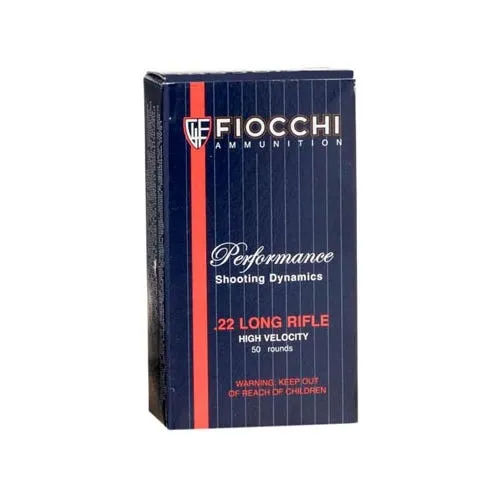
Fiocchi Shooting Dynamics Field Box Brass .22 LR 50-Rounds 40 Grain Copper-Plated Solid Point
A 50-round field box of .22 LR. Rimfire is the only lever in this entire article that changes your annual cost by an order of magnitude rather than a few percent, and a box like this is what makes a weekly practice habit affordable.
Pros
- ✓Lowest cost per round of any cartridge we track
- ✓No recoil, so it is the better tool for diagnosing flinch
- ✓Works for the same fundamentals drills as centerfire
Cons
- ✗Rimfire reliability is variable by lot - test before you trust it
- ✗Does not replace recoil management practice

Winchester USA Forged 9mm 115 Grain 1000-Rounds Bulk FMJ
A thousand 115-grain rounds in one steel-cased carton. Buying a year's pistol practice in a single unit rather than a box at a time is the most reliable way to lower your per-round cost, and it removes the temptation to pay whatever the range counter is asking.
Pros
- ✓1,000 rounds in one purchase
- ✓Sits at the bottom of our tracked 9mm catalog
- ✓Locks a price for the year rather than riding the market
Cons
- ✗Steel case - not reloadable, restricted at some indoor ranges
- ✗Large up-front outlay even though the per-round cost is lower
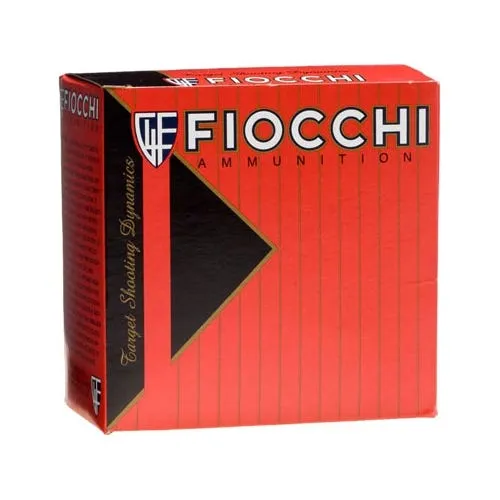
Fiocchi Shooting Dynamics Target Load 12 GA 2.75 25 Rds per Box
A 25-shell box of 12 gauge target load - exactly one round of trap or skeet. Shotgun sports are the clearest case of a cheap cartridge producing an expensive habit, because the round count per session is fixed by the game rather than by you.
Pros
- ✓One box equals one round of trap or skeet
- ✓Multiple tracked retailers
- ✓Flat cases of 250 bring the per-shell cost down
Cons
- ✗Target loads only - not a defensive or hunting shell
- ✗Range and target fees usually exceed the shell cost per session

NORMA AMMUNITION RANGE AND TRAINING 357 MAG 158GR FULL METAL JACKET (FMJ) 50 ROUNDS PER BOX
Range-and-training .357 Magnum in a 50-round box. Revolver calibers are a useful illustration of how much caliber choice alone drives an annual budget: the same practice plan costs noticeably more per round here than in 9mm, for the same number of trigger pulls.
Pros
- ✓Full-power training ammunition rather than reduced loads
- ✓More than one tracked retailer
- ✓Practising .38 Special in the same gun cuts the cost per round
Cons
- ✗Materially more expensive per round than 9mm
- ✗Recoil and muzzle blast limit useful session length
The rimfire understudy is the biggest lever you have
Every other saving in this article is a percentage. This one is a multiple.
Bulk .22 LR Value Packs Right Now
Prices updated Sep 17, 2026
FEDERAL AMMO Champion Value Pack 22LR 36gr Lead Hollow Point Ammunition | 325 Rounds
.22 LR · 36gr · 325 rds
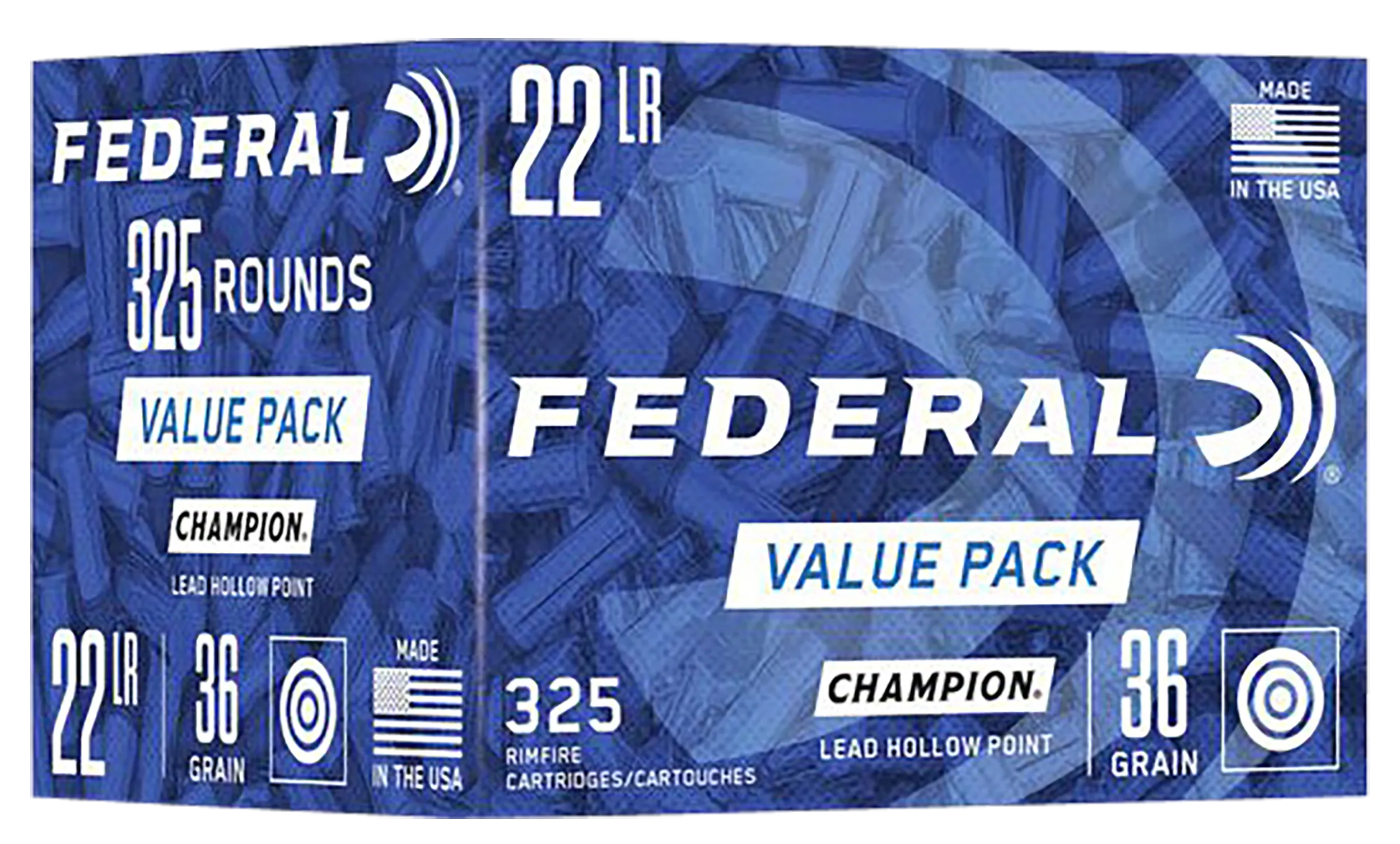
Federal Champion Training Value Pack Brass .22 LR 36 Grain 325-Rounds LHP
.22 LR · 36gr · 325 rds
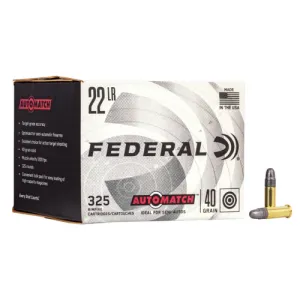
FEDERAL AMMO AutoMatch 22LR 1200 FPS 40Gr 325rd
.22 LR · 40gr · 325 rds
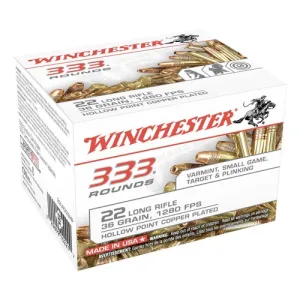
WINCHESTER 22LR 36Gr Copper Plated Hollow Point Ammunition | 333 Rounds
.22 LR · 36gr · 333 rds
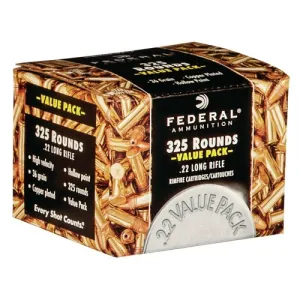
FEDERAL AMMO Value Pack 22LR 36gr Copper Plated Hollow Point Ammunition | 325 Rounds
.22 LR · 36gr · 325 rds
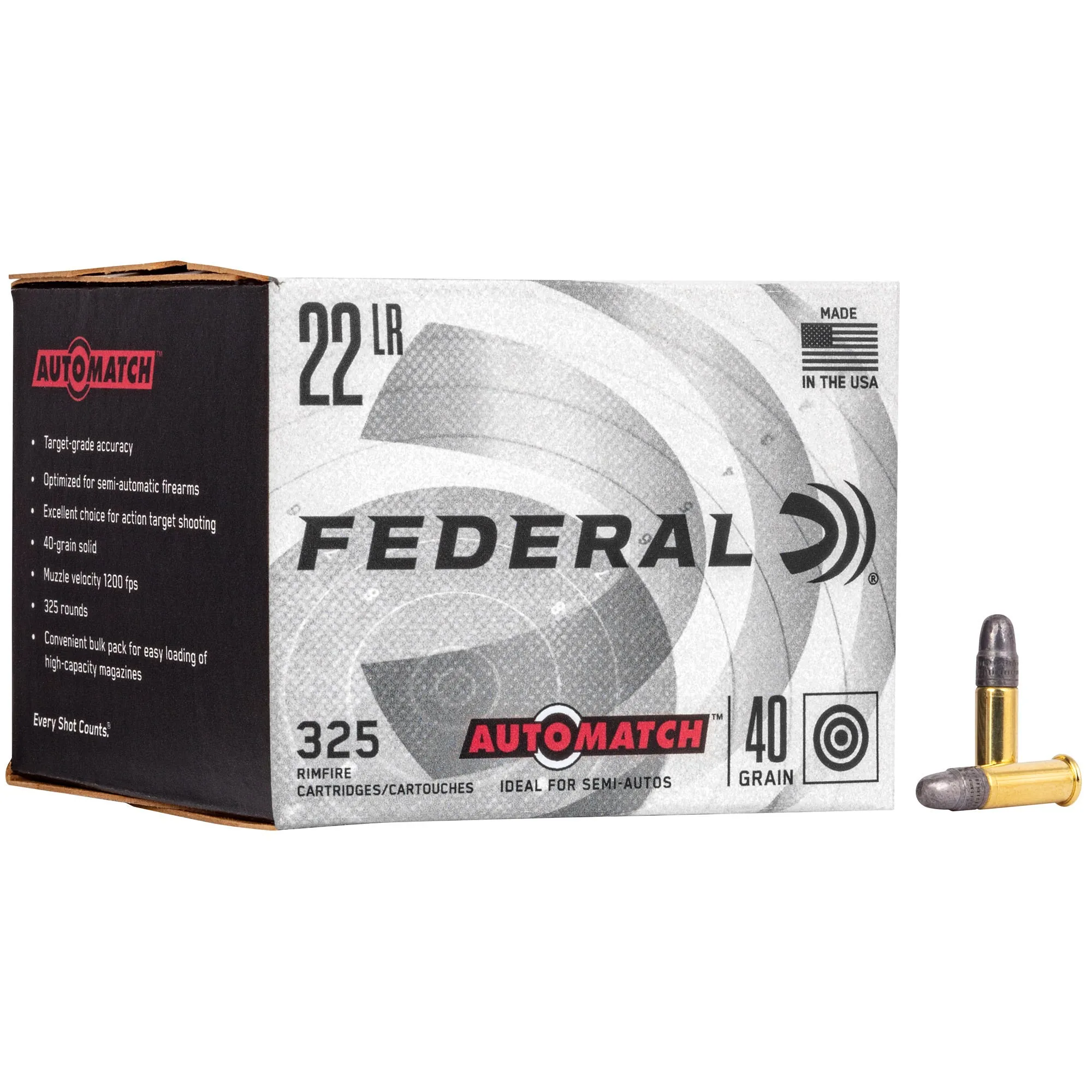
Federal Champion Training Bulk Ammo Brass .22 LR 40-Grain 325-Rounds LRN
.22 LR · 40gr · 325 rds
Compare the .22 LR index block above against the 9mm one. A shooter who moves half their annual round count to rimfire does not shave a few percent off their ammunition bill — they take most of the cost out of that half of their shooting entirely, because rimfire sits a long way below centerfire on both the floor and the average.
The trade is real and worth stating plainly: rimfire does not train recoil management, and rimfire reliability varies by lot in a way centerfire does not. What it does train is trigger control, sight alignment, position and draw — the fundamentals that account for most of what goes wrong on a target. A dedicated .22 pistol, a conversion kit or a rimfire upper is an equipment purchase that pays for itself in ammunition if your round count is anywhere near the middle of that table above.
.22 LR is also the one caliber where buying in bulk produces a genuinely large discount rather than a marginal one. Our full breakdown of the rimfire market is in best .22 LR ammo.
Handgun: 9mm is cheap for a reason, and the alternatives are not
Bulk 9mm by Cost per Round
Prices updated Sep 17, 2026Winchester USA Forged 9mm 115 Grain 1000-Rounds Bulk FMJ
9mm · 115gr · 1,000 rds

CCI Ammunition Blazer Aluminum 9mm 115-Grain 1000-Rounds Bulk FMJ
9mm · 115gr · 1,000 rds

PMC Ammunition Bronze Brass 9mm 115-Grain 1000-Rounds Bulk FMJ
9mm · 115gr · 1,000 rds

Winchester Centerfire Handgun Brass 9mm 115-Grain 1000-Rounds FMJ Bulk
9mm · 115gr · 1,000 rds

PMC Ammunition Bronze Brass 9mm 124 Grain 1000-Rounds Bulk FMJ
9mm · 124gr · 1,000 rds

CCI Ammunition Blazer Loose Bulk Ammo Brass 9mm 115-Grain 500-Rounds FMJ
9mm · 115gr · 500 rds
9mm is the highest-volume centerfire cartridge in production, and volume is what sets its price. That is the whole explanation. It is not better engineered or cheaper to ship than .40 S&W or .45 ACP — it is simply made in vastly greater quantity.
Bulk .45 ACP by Cost per Round
Prices updated Sep 17, 2026
WINCHESTER AMMO 45 Auto FMJ 230Gr 100rd
.45 ACP · 230gr · 100 rds

ARMSCOR 45ACP 230gr Full Metal Jacket Ammunition | 100 Rounds
.45 ACP · 230gr · 100 rds

CCI Ammunition Independence Loose Bulk .45 ACP 230-Grain 500-Rounds FMJ
.45 ACP · 230gr · 500 rds

WINCHESTER AMMO 45 Auto 185 STHP 100rd
.45 ACP · 100 rds
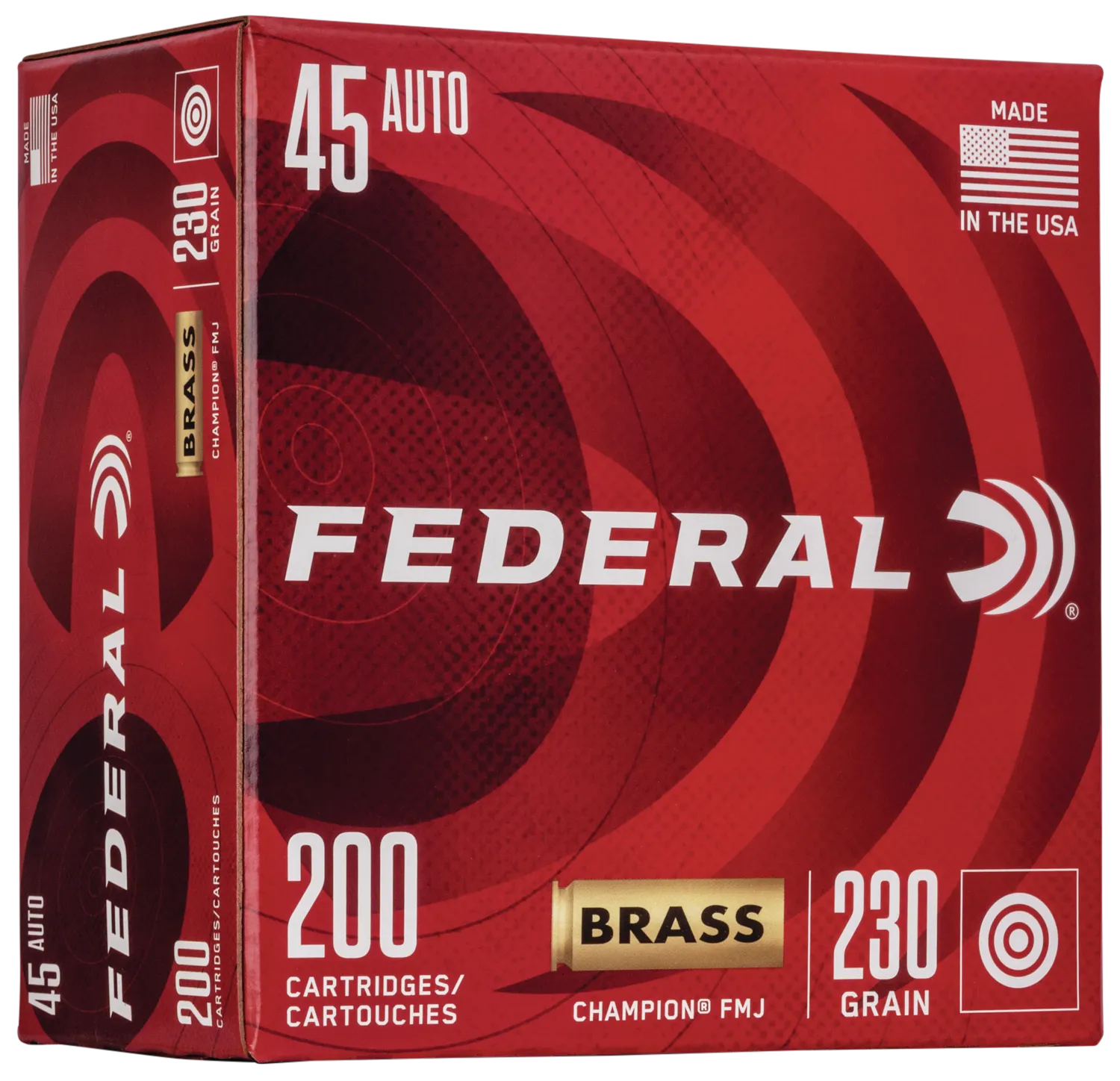
Federal Champion Training Brass Bulk .45 ACP 230 Grain 200-Rounds FMJ
.45 ACP · 230gr · 200 rds
FEDERAL AMMO 45 ACP 230gr FMJ Brass Ammunition | 200 Rounds
.45 ACP · 230gr · 200 rds
Run the same round count through both index blocks above and the annual difference is substantial — for identical practice, in a gun that is no more capable at the distances you will train at. If your budget is the binding constraint on how much you shoot, caliber is a bigger lever than brand.
The defensive loads themselves are a separate line item and a much smaller one, because you should be firing very few of them. Which ones to carry, by caliber, is in best 9mm ammo.
Rifle is where the budget actually breaks
Bulk 5.56 / .223 by Cost per Round
Prices updated Sep 17, 2026
Wolf Military Classic Steel .223 Rem 55 Grain 500-Rounds Bulk FMJ
.223 Remington · 55gr · 500 rds

PMC Ammunition Bronze .223 Rem 55 Grain 1000-Rounds FMJ Bulk
.223 Remington · 55gr · 1,000 rds

Red Army Standard Centerfire Rifle Steel .223 Rem 55-Grain 500-Rounds Bulk FMJ
.223 Remington · 55gr · 500 rds

Wolf Performance Ammo PolyFormanc Steel Bulk .223 Rem 55 Grain 500-Rounds
.223 Remington · 55gr · 500 rds

PMC Ammunition X-Tac Rifle Brass 5.56 55 Grain 1000-Rounds FMJBT Bulk
5.56x45mm NATO · 55gr · 1,000 rds

Winchester M855 5.56 Bulk Ammo 62 Grain FMJ 1000rds (Unpainted Tip) - WM8551000
5.56x45mm NATO · 62gr · 1,000 rds
5.56 and .223 are the cheapest way to run a centerfire rifle in volume, and even then a carbine class or a weekend of drills will consume rounds faster than any pistol session. A single two-day course can account for more ammunition than an entire year of casual range trips.
Cheapest .308 Winchester by Cost per Round
Prices updated Sep 17, 2026
BARNAUL AMMO 308 WIN 145Gr FMJ Poly Coated Steel Case 20rd
.308 Winchester · 145gr · 20 rds

BARNAUL AMMO 308 Win 150Gr HPBT Polycoated Steel Case 20rd
.308 Winchester · 150gr · 20 rds

BARNAUL AMMO 308 Win 145Gr FMJ Zinc Steel Case 20rd
.308 Winchester · 145gr · 20 rds

BARNAUL AMMO 308 Win 140gr SP Polycoated Steel Case 20rd
.308 Winchester · 140gr · 20 rds

BARNAUL AMMO 308 Win 168Gr FMJBT Polycoated Steel Case 20rd
.308 Winchester · 168gr · 20 rds

BARNAUL AMMO 308 Win 168Gr SPBT Polycoated Steel Case 20rd
.308 Winchester · 168gr · 20 rds
Step up to .308 and the per-round cost climbs sharply — which is exactly why precision rifle shooters count rounds obsessively and why serious rifle practice so often happens with a rimfire trainer at 50 yards instead. The complete cost picture for a semi-auto rifle, including the parts that wear out, is in how much it costs to own an AR-15 for a year. For load selection, see best 5.56 and .223 ammo.
Shotgun: cheap per shell, expensive per session
Bulk 12 Gauge Target Loads
Prices updated Sep 17, 2026
Estate Super Sport Competition Target Load 12 GA #7.5-Shot 1oz 200-Rounds 2.75
12 Gauge · 200 rds
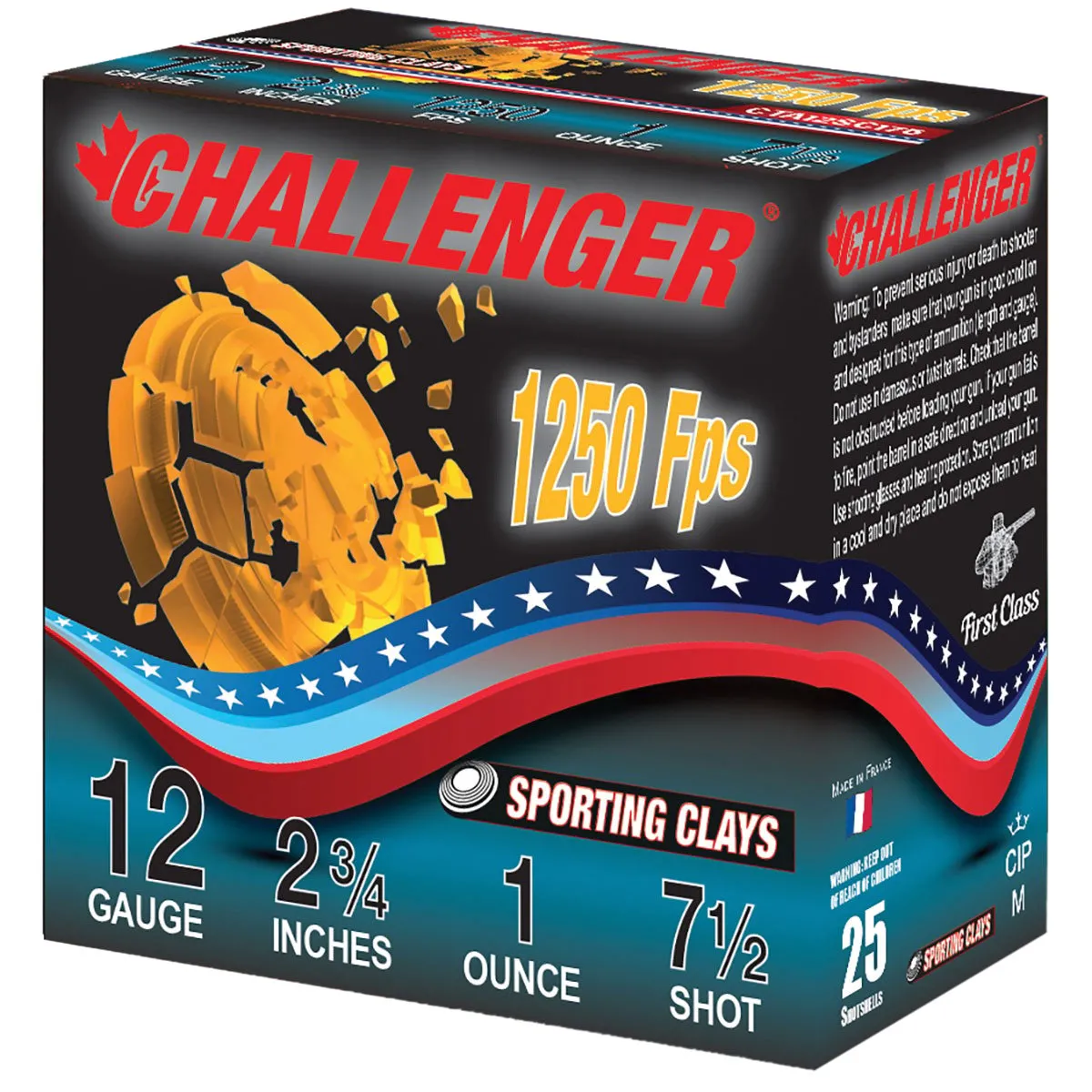
Challenger Sporting Clay 12 Gauge 2-3/4" #7.5 1 Ounce 250rds Case
12 Gauge · 250 rds
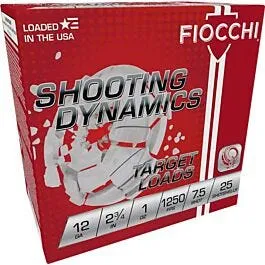
Fiocchi Shooting Dynamics Target Loads 12 GA-2.75 #7.5 Shot 1 oz 250-Rounds
12 Gauge · 250 rds
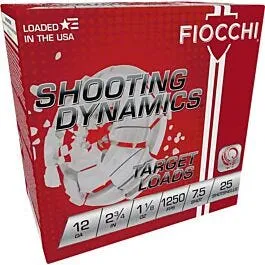
Fiocchi Shooting Dynamics Target Loads 12 GA-2.75 #7.5 Shot 1-1/8 oz 250-Rounds
12 Gauge · 250 rds
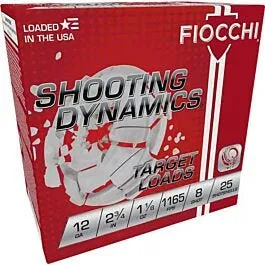
Fiocchi Shooting Dynamics Target Loads 12 GA-2.75 #8 Shot 1-1/8 oz 250-Rounds
12 Gauge · 250 rds
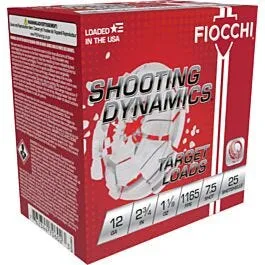
Fiocchi Target Load 12 GA-2.75 #7.5 Shot 1-1/8 oz 250-Rounds
12 Gauge · 250 rds
Target loads are among the least expensive centerfire ammunition per unit we track. The catch is that the clay games set your round count for you: a round of trap or skeet is 25 shells, and nobody shoots one round. A single morning at the club is a fixed 100 shells before you have decided anything.
Shotgun sports also carry per-round target and trap fees that typically exceed the shell cost. Budget shotgunning by the session, not by the shell.
The costs that are not ammunition
Ammunition dominates the total, but these are the line items that turn a tidy estimate into a surprise:
- Range fees. For many shooters these exceed the ammunition cost per visit. An annual membership pays for itself at a surprisingly low visit count — do that arithmetic separately.
- Magazines. They are consumables with a long life, not permanent fixtures, and they get lost, dropped and worn. How many magazines do you actually need puts a number on it.
- Shipping and hazmat. Online ammunition orders carry hazmat or handling charges that make one-box purchases uneconomic, and some states and cities restrict ammunition delivery entirely. Verify your own jurisdiction before ordering — the rules change and vary locally. See ammo shipping restrictions.
- Optics. A one-time cost, but a large one, and it changes what your practice is worth. Red dot vs LPVO covers the choice.
- Suppressors. Worth having for hearing and signature, but they do not save you ammunition money and they carry a federal transfer tax plus a wait. Rules and process vary; confirm current requirements before committing. Start with the suppressor buying guide.
- Cleaning, targets, eye and ear protection. Individually small, collectively a real fraction of a casual shooter's annual spend.
How to actually cut the number
Four levers, in descending order of effect:
- Shift round count to rimfire. A multiple, not a percentage. Nothing else on this list comes close.
- Buy at the floor rather than on demand. The gap between the floor and the average in the blocks above is the money that shopping deliberately saves you. Set a price alert instead of buying whenever you happen to be out.
- Buy in the largest unit you will realistically shoot. The discount is smaller than most people assume — the real benefit is locking a price and not paying range-counter rates when you run dry.
- Dry fire. Free, and it addresses the same fundamentals as most of the live rounds you would have fired working on trigger control.
The method behind converting any listing to a comparable number is in cost per round explained, and the market-wide view is in the AmmoSpotter Ammo Price Index.
Get alerted when 9mm price drops hit.
We watch every listing and email you the moment the cost per round drops.
Set Up a Free Price Alert- Every 9mm listing by cost per round
- Every .22 LR listing by cost per round
- Every .223 / 5.56 listing by cost per round
- Every 12 gauge listing by cost per round
- How many rounds does it take to get good
AmmoSpotter earns a commission when you buy through links on this page. It never changes what you pay, and it never decides what we recommend — our picks are ranked on live cost-per-round data pulled from every retailer we track. Full disclosure.
Frequently Asked Questions
How much does it cost to shoot per year?+
What is the cheapest caliber to practice with?+
Is it cheaper to buy ammo in bulk?+
How many rounds a year should I be shooting?+
Does a suppressor or a .22 conversion actually save money?+
What costs are people forgetting in their shooting budget?+
Shop the data

About the author
AmmoSpotter Research Desk
Price & Ballistics Research
The AmmoSpotter Research Desk analyzes live retail pricing across every ammunition, firearm and accessory listing we track. Recommendations here are ranked against real cost-per-round data pulled daily from the retailers we monitor - not against manufacturer marketing copy.
- ✓Tracks 180,000+ live product listings across 6 retailer feeds
- ✓Records price history on every listing, every day
- ✓Cost-per-round methodology applied to all ammunition rankings
- ✓No product is ranked without a verifiable in-stock retail price
- ✓Affiliate relationships never influence rankings
Related Guides

How Much Does It Cost to Own an AR-15 for a Year? Priced on Live Data
- The rifle is a one-time cost. Ammunition is the recurring one, and at realistic round counts it dwarfs everything else. - We track 380 live .223 Remington ammunition listings. The spread between the market floor and...

How Many Rounds Does It Take to Get Good?
Almost every shooter is round-count constrained and almost none of them have written the number down. Ammunition is the actual budget line that determines how much you improve, and it is the one people plan least. So ...

AmmoSpotter Ammo Price Index: What Ammunition Costs Right Now
Most published ammunition pricing is one of two things: manufacturer MSRP, which nobody pays, or a hand-updated article that was accurate the week it was written. This page is neither. Every figure below is computed a...

Cost Per Round: The Only Ammo Price Metric That Matters
There is exactly one reason ammunition is hard to price-compare: it is advertised in boxes and consumed in rounds. Box counts are not standardized. A "box" of 9mm might be 50 rounds. A "value pack" might be 100, or 11...

Gun Deals: How to Tell a Real Discount from a Fake One
- Across 44,390 live firearm listings tracked for 90 days or more, 43.8% have never changed price once . Another 3.9% have moved by less than a single percent. - 63.4% are sitting at their own lowest recorded price ri...

Best Time of Year to Buy a Gun: What Six Months of Our Price Data Actually Shows
- We tracked 6,075 firearms with a recorded price in every month from March through August 2026. Indexed against each gun's own average, the market moved 0.7% end to end. - Every major category — bolt guns, revolvers,...